English
 عربى
عربى русский
 简体中文
简体中文







2026-10-09
Home / News / Industry News / Take-Up Winder Explained: Function, Types, Maintenance and Selection Guide

On a POY line running at 3,000 m/min, the take-up winder completes hundreds of traverse reversals every minute. A worn guide edge or a slight misalignment in the chuck can turn hours of stable spinning into a package with soft edges, poor density, and troublesome unwinding. The take-up winder, in short, is not an accessory to the spinning line; it is the final quality gate. If the winder does not do its job precisely, everything upstream in the process loses value.
Understanding how a take-up winder works, which components wear first, and what to check when buying or repairing one can prevent long downtime periods and inconsistent yarn quality. This article explains the core functions, common types, critical quality factors, maintenance priorities, and selection criteria for take-up winders used in synthetic fiber production.
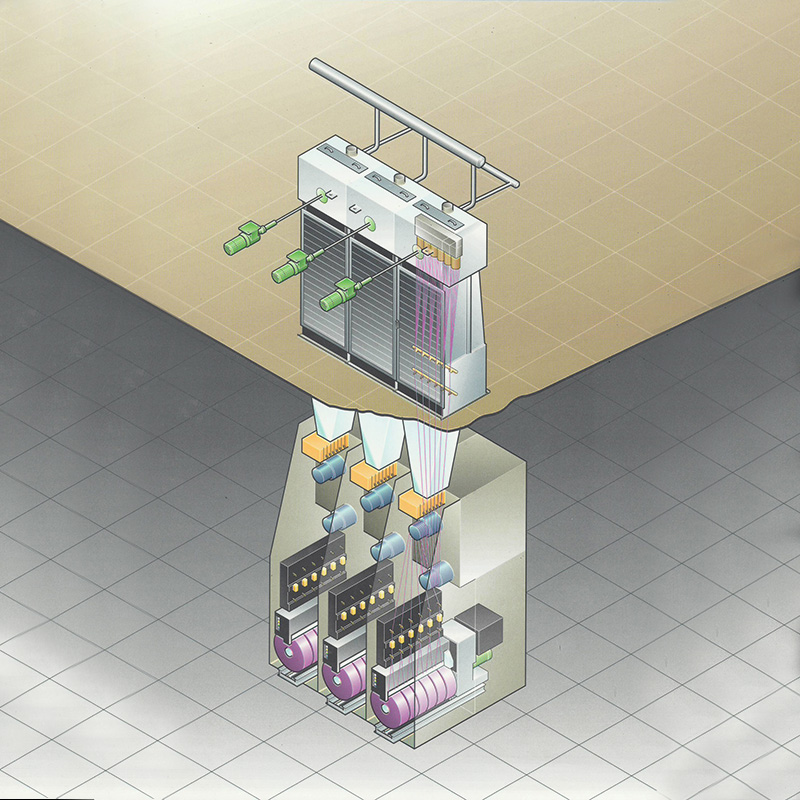
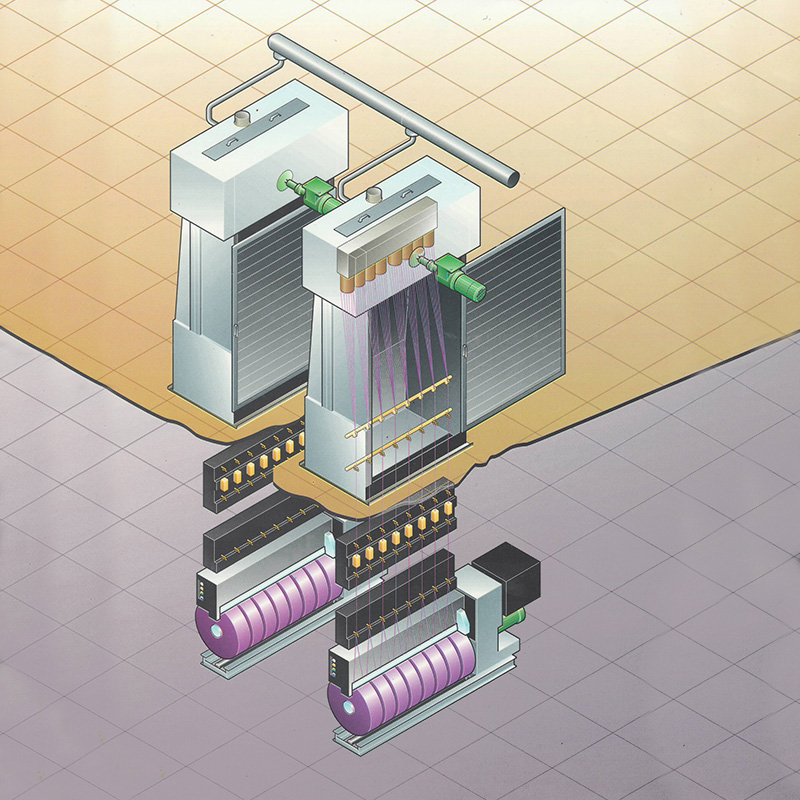
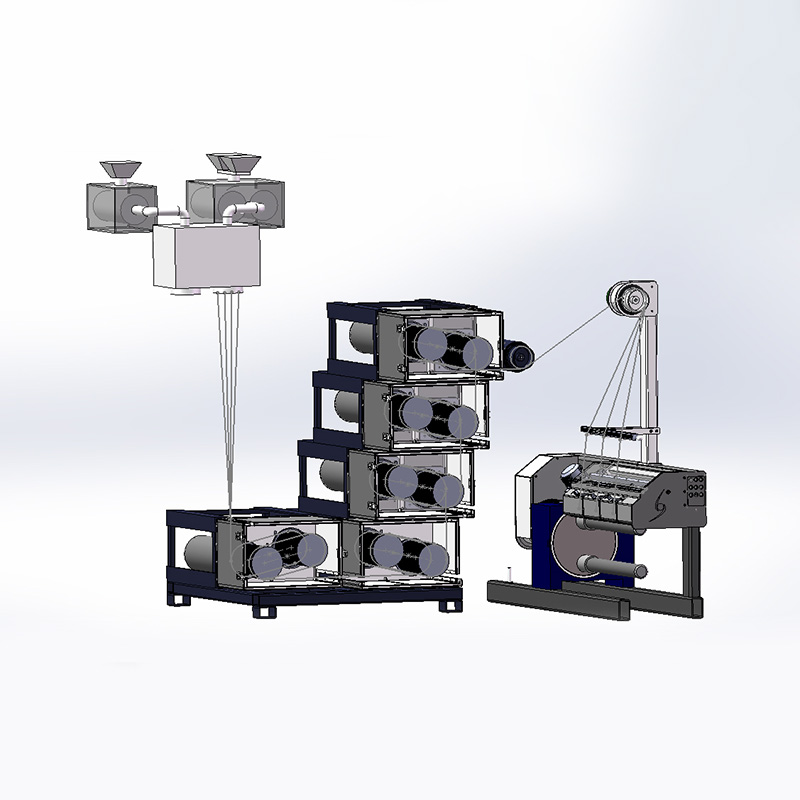
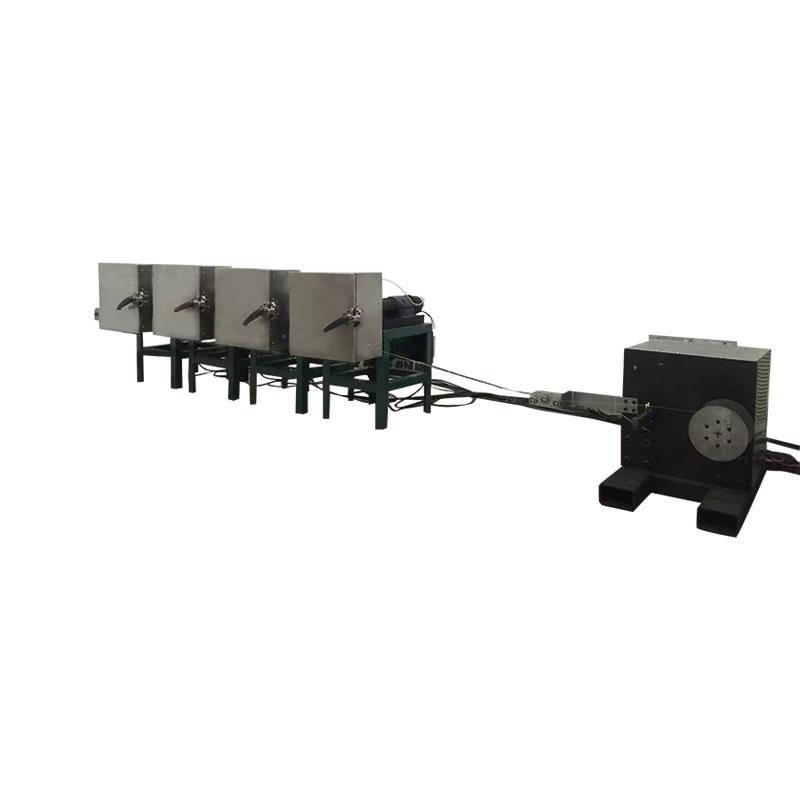
A take-up winder winds continuous filament onto a tube or bobbin to create a package. In synthetic fiber production, however, it does far more than rotate a bobbin. It receives the filament after quenching and drawing, controls winding speed, keeps tension stable, lays the yarn across the package width in precise layers, and changes full bobbins without stopping the line. That combination of speed, precision, and automation makes the winder one of the most technically demanding components in a spinning plant.
When the filament arrives at the winder, it is already moving at high speed. The winder must gentle it down, so to speak: it accelerates the rotating package, maintains the correct surface speed, and guides the yarn back and forth in a tight pattern. The result is a package with consistent density and firm edges. A poorly wound package creates problems later in warping, weaving, or draw twisting, so the winder has an outsized influence on production economics.
To understand what can go wrong and what to look for during repairs, it helps to know the main parts and how they work together.
The chuck sits on the spindle and holds the paper core or plastic tube. Its concentricity and balance directly affect package roundness. A worn bearing, a scratched chuck surface, or a bent spindle creates vibration that shows up as uneven tension and deformed layers. Checking runout and bearing condition should be part of any routine winder inspection.
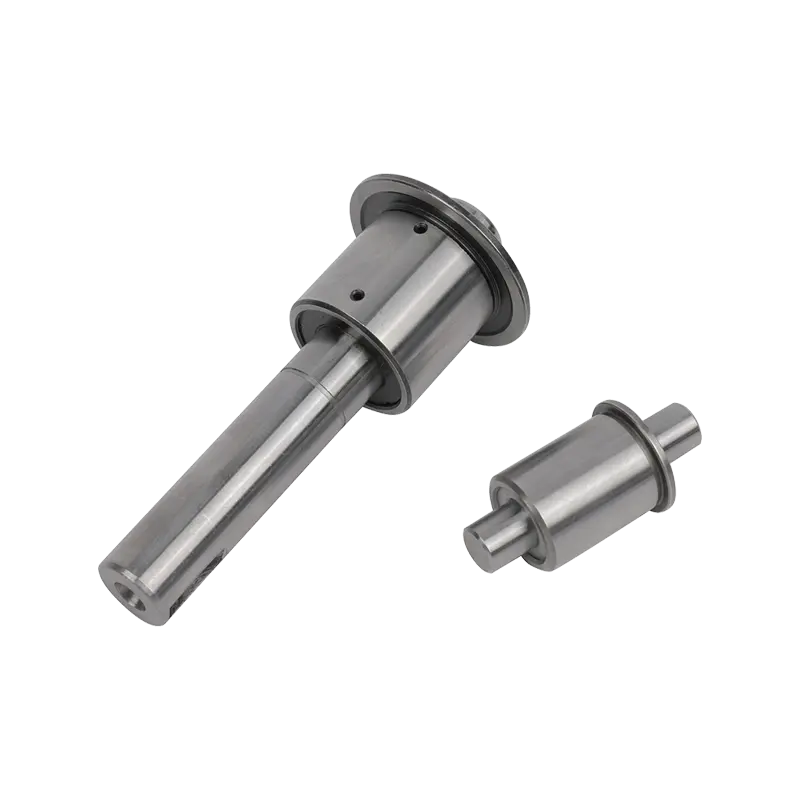
The traverse system moves the yarn back and forth across the package width. In many winders, a shift fork or traverse box drives this motion, while guide plates, guide rods, and a Y-shaped fork guide the filament during transfer and doffing. These parts see continuous friction and acceleration, so wear tends to appear here first. A worn edge on a yarn guide can roughen the filament surface, and a worn shift fork causes hesitation at the package edge, producing a bulged or soft side. For plants running older Barmag-style equipment, a matched Y-shaped fork for Barmag take-up winders can prevent edge defects and keep the transfer cycle reliable.
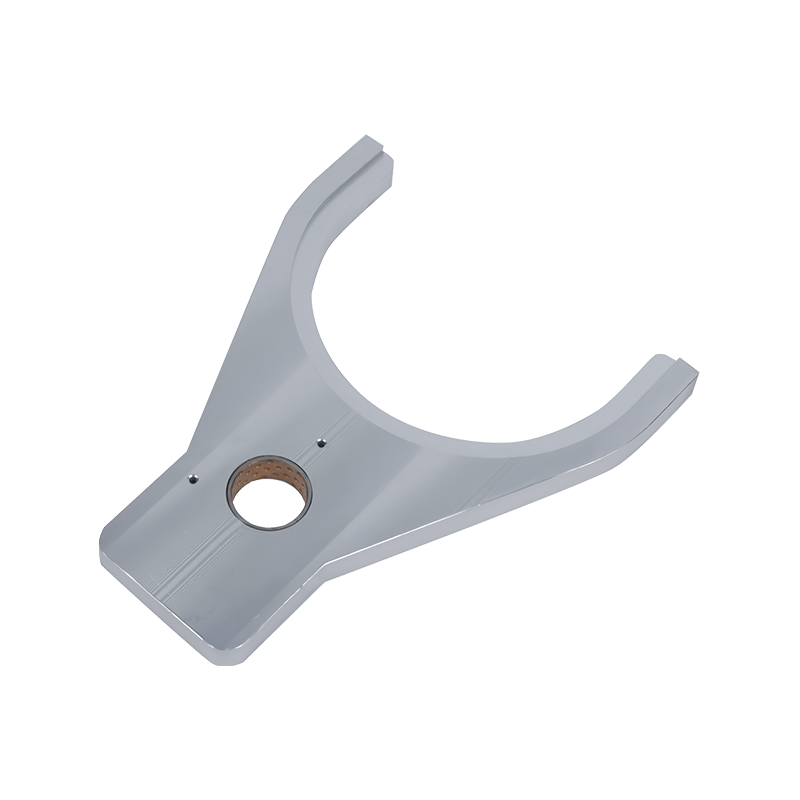 Wholesale Y-Shaped Fork for Barmag Take up Winder Barmag Spinning Machine WinderJiaxing Shengbang Mechanical Equipment Co., Ltd. Is China Y-Shaped Fork for Barmag Take up Winder Barmag Spinning Machine Winder Parts Y-...View Product →
The contact roller rides on the package surface and keeps the surface speed synchronized with the yarn speed. Tension sensors or dancer rollers provide feedback to the drive system. If this control loop is slow or unstable, tension spikes occur, which can break filaments or create variable package density. A clean, balanced contact roll and a properly calibrated tension system are essential for uniform buildup.
Not every take-up winder is the same. The type you need depends on line speed, filament denier, package size, and how much automation is required.
| Type | Typical Take-Up Speed | Common Application | Main Quality Concern |
|---|---|---|---|
| Low-speed mechanical winder | 500-1,500 m/min | Industrial yarn, medium-strength yarn, pilot lines | Mechanical wear, limited doff automation |
| High-speed auto-switch winder | 2,500-3,500 m/min | POY production | Smooth doffing, precise traverse |
| Superspeed winder | 4,000-6,000 m/min or more | FDY and fine-denier yarn | Vibration control, high-frequency traverse accuracy |
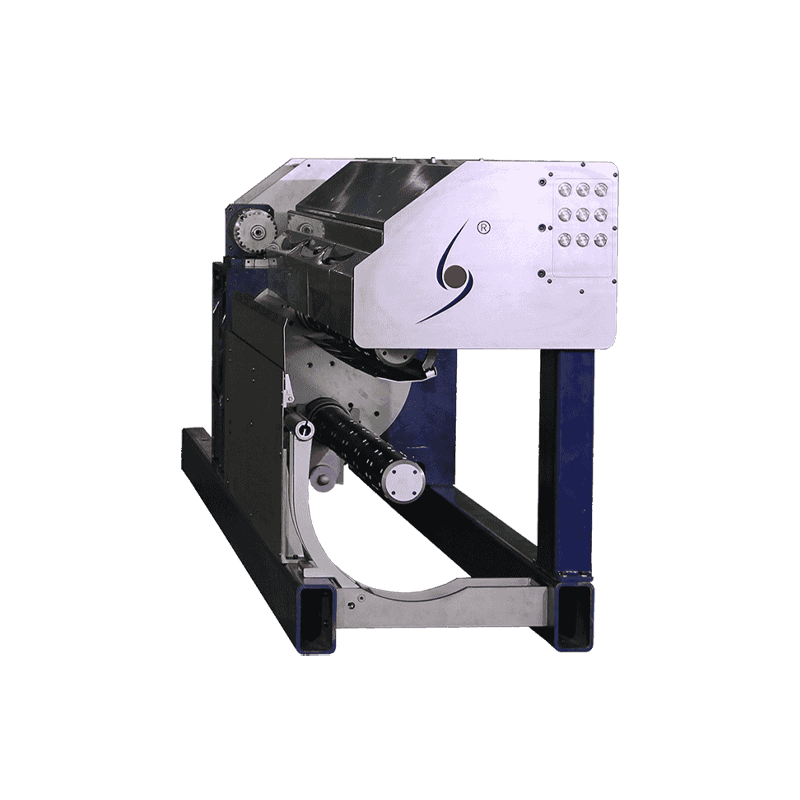
Within these broad categories, there are also specialized designs for low-speed high-performance applications. For example, replacing old mechanical units with a low-speed high-performance auto-switch yarn winder can cut doff time and improve package consistency without requiring a higher line speed.
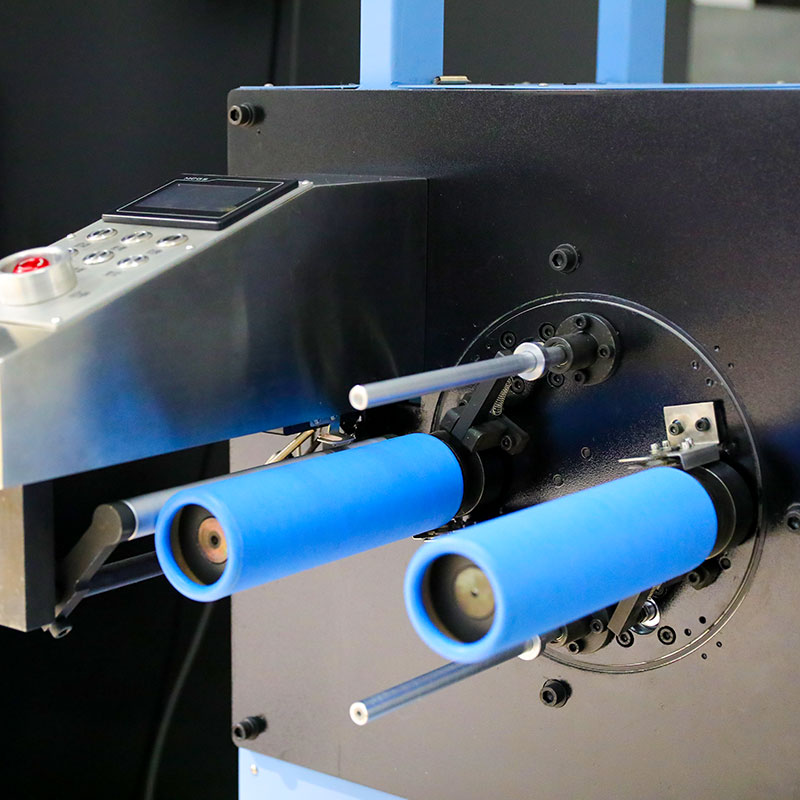 Wholesale Shengbang Low Speed Auto-switch Take Up Winder for High-Strength FiberJiaxing Shengbang Mechanical Equipment Co., Ltd. Is China Shengbang Low Speed Auto-switch Take Up Winder for High-Strength Fibers (SDJR-2...View Product →
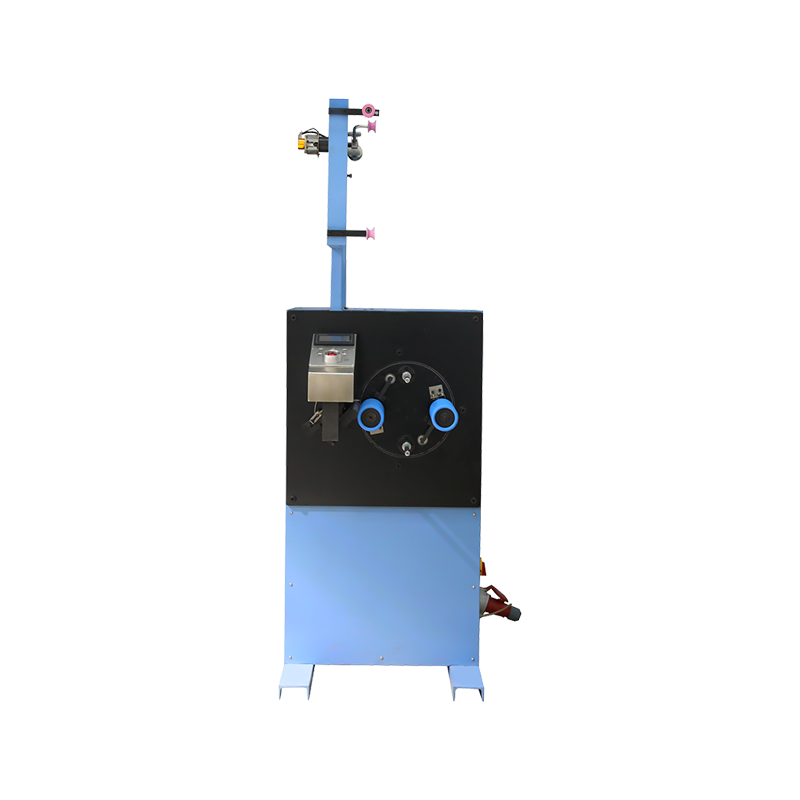
At the opposite end, plants producing fine-denier FDY need a superspeed winder that can hold traverse accuracy at very high surface speeds. The choice is not simply faster or slower; it must match the process window and the existing line controls.
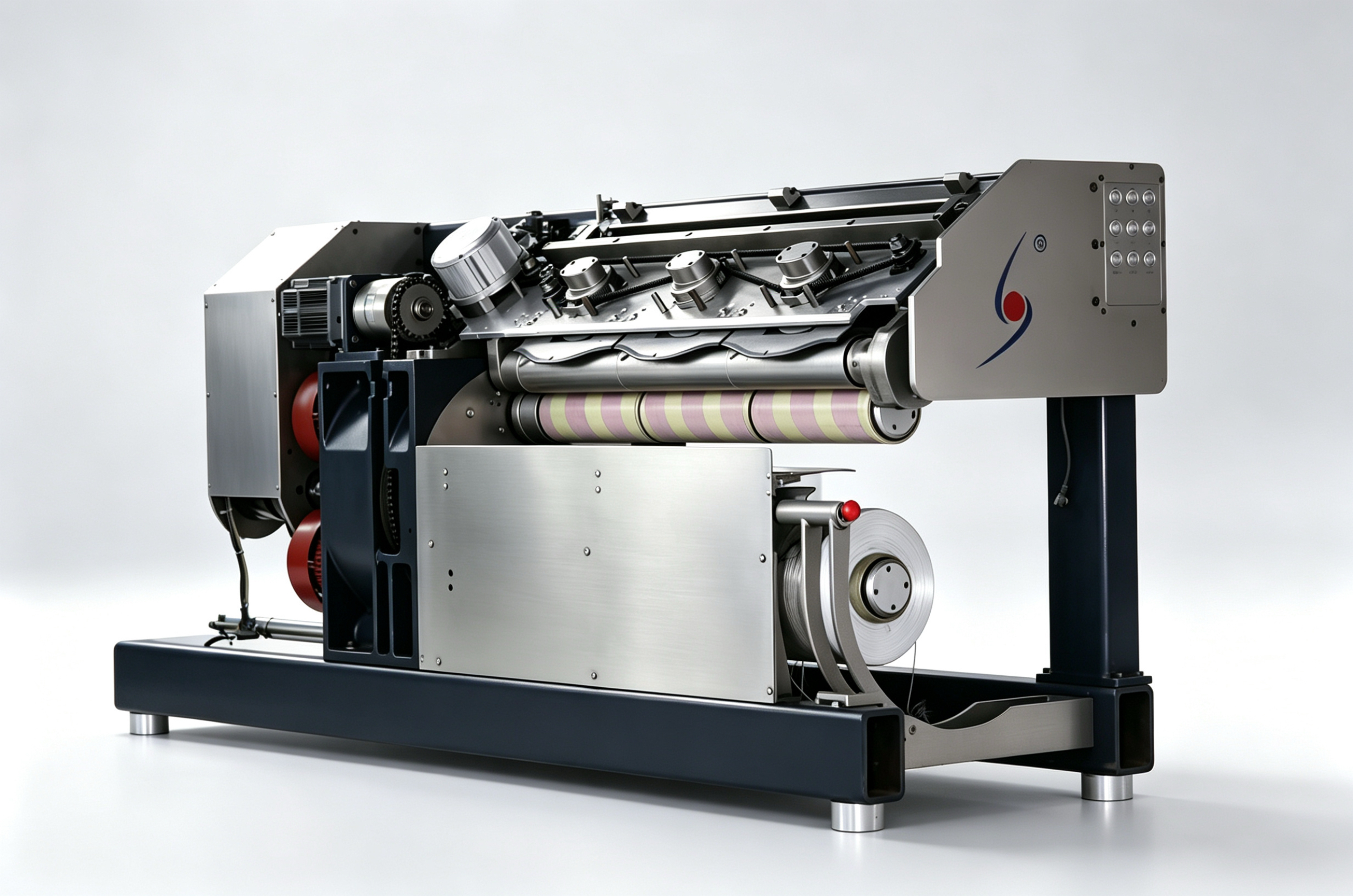 Wholesale Self-developed High-speed Take up Winder for Polyester and Nylon FilamJiaxing Shengbang Mechanical Equipment Co., Ltd. Is China Self-developed High-speed Take up Winder for Polyester and Nylon Filament Yarn ...View Product →
Good take-up winding is not only about rotation speed. Package quality comes from several variables working together. If any one of them drifts, the resulting package may look acceptable on the outside but perform poorly in the next process.
In practice, these factors show up in measurable indicators: package hardness, edge firmness, transfer tail quality, and unwinding performance at the downstream process. Monitoring these signs makes it possible to catch a developing winder problem before it becomes a major failure.
Take-up winders are mechanical systems that run thousands of hours every year. The main wear points are predictable: bearings, shift forks, tension blocks, yarn guides, contact roll surfaces, and chuck components. A practical maintenance schedule should include daily visual checks of the threadline and package edges, weekly checks of guide wear and contact roller condition, and periodic vibration analysis on the chuck and contact roll bearings.
For busy mills, repairing a worn assembly is often faster and more economical than replacing the whole unit. Specialized contact roll and bailer roll repair services can restore the surface profile and dynamic balance of a roller instead of waiting for a new part. Similarly, worn shift forks can be rebuilt or upgraded rather than replaced entirely.
Older winders can also gain new life through targeted modifications. Upgrading chucks, motors, or traverse controls is often less expensive than buying a new winder, especially when the basic frame is still solid. A formal winder upgrade program can assess your current equipment and implement changes machine by machine to reduce downtime.
Choosing a take-up winder starts with the process envelope, not the brand name. You need to know maximum line speed, denier range, package dimensions, acceptable doff time, and whether the winder must fit into an existing line control system.
Replacement parts should be evaluated with the same discipline. Verify the material grade, heat treatment, surface finish, and geometry against the original design. For older Barmag and TMT winders, aftermarket parts are widely available, but quality can vary. A part that looks identical but has the wrong hardness can fail early and damage the threadline. It is always safer to document the exact machine model and part number before contacting any supplier. Detailed take-up winder performance notes can help you build a baseline for your own line and make comparison easier.
The take-up winder sits at the end of the spinning line, but it deserves attention at the beginning of any equipment purchase or maintenance plan. When the mechanics are sound, tension control is stable, and wear parts are replaced on schedule, the winder produces consistent packages that perform well downstream.
Whether you are buying a new winder, upgrading an existing one, or simply replacing a worn guide fork, treat it as a precision system rather than a simple bobbin spinner. That perspective makes the difference between smooth production and recurring quality complaints.

ADDRESS: No.1298, Zhouan Road, Economic and Technological Development District, Jiaxing City, Zhejiang Province
PHONE: +86 19057031687
TEL: 86-0573-83777752
EMAIL: [email protected]