English
 عربى
عربى русский
 简体中文
简体中文







2026-10-09
Home / News / Industry News / Take-Up Winders Explained: Types, Key Components, and Maintenance Guide

A take-up winder is the last machine a filament meets before it becomes a package. Whether your line runs POY, FDY, HOY or heavy industrial yarn, the winder decides how evenly the yarn is laid, how stable the package stays in storage and transport, and how calmly the next process behaves. After years of manufacturing winder components, rebuilding winders and standing beside spinning plants during start-ups, we have learned that most winding problems are not mysterious at all. They usually come from a handful of mechanical details that are easy to overlook.
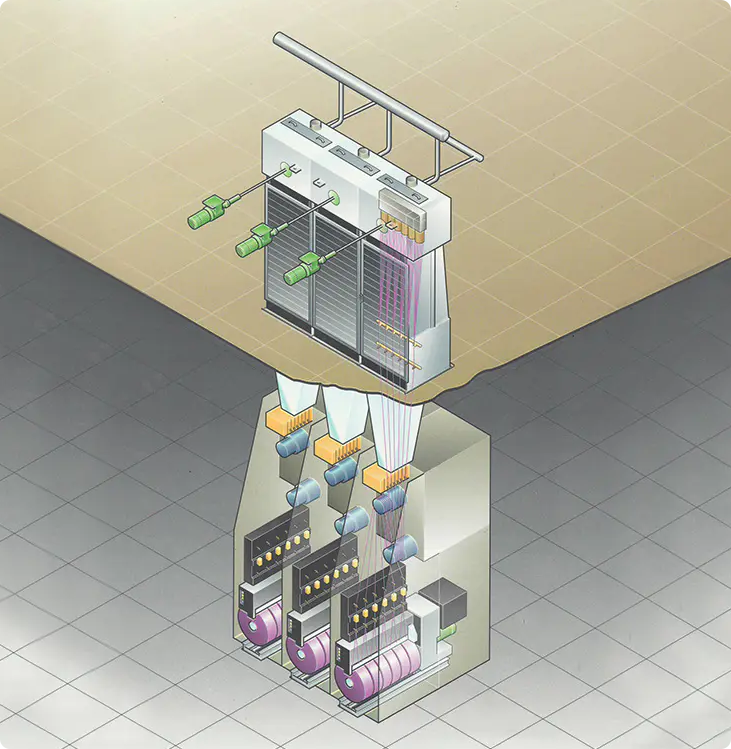
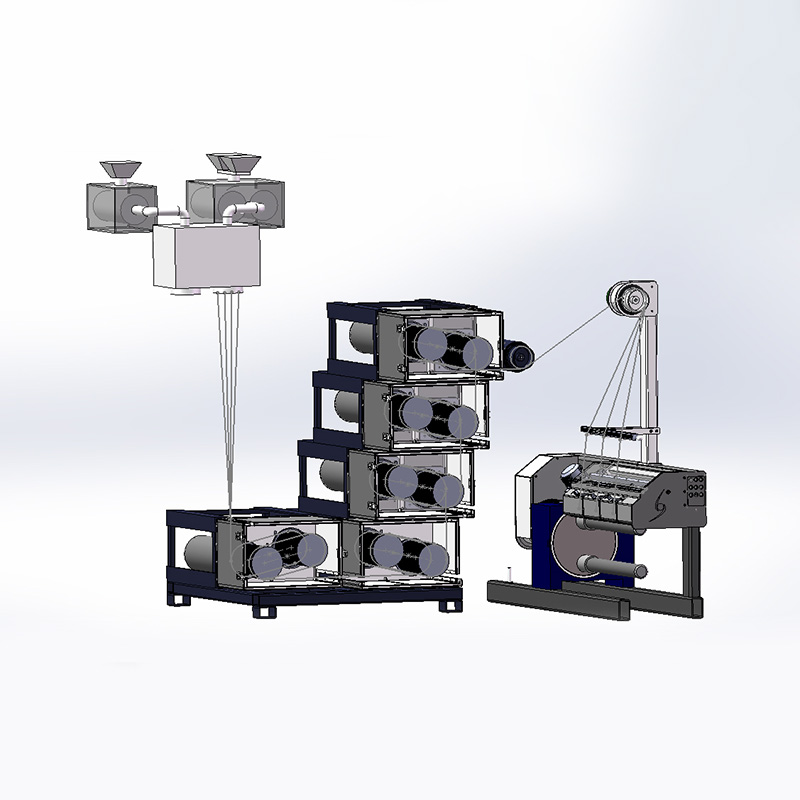
Melt spinning is continuous; package formation is not. The take-up winder bridges the two. It receives the filament from the godet rolls, controls tension, lays the yarn onto a rotating tube through a traverse mechanism, and delivers a package with a defined shape, density and weight.
In practice, four functions decide whether a winder is doing a good job:
Speeds vary widely. Thick industrial yarn may run at a few hundred metres per minute, while fine POY and FDY can exceed 5000 m/min. At that pace, a worn bearing or a slightly deformed shift fork turns into visible package defects very quickly. If you would like a broader view of take-up winding inside a running spinning line, our industry notes cover the process before we move on to hardware here.
Winders are usually classified by the process they serve rather than by the shape of their frame. The table below summarises the configurations we see most often in chemical fibre plants.
| Configuration | Typical application | Changeover | Points to check |
|---|---|---|---|
| High-speed automatic winder | POY, FDY, fine denier filament | Fully automatic | Traverse stability, package density, chuck run-out |
| Low-speed high-performance winder | Industrial yarn, heavy denier, large packages | Automatic with operator assistance | Chuck torque, tensioning block wear, motor cooling |
| Pilot and laboratory winder | Fibre development, bi-component trials, small batches | Manual or semi-automatic | Flexibility across polymers, fast recipe changes |
| Rebuilt or second-hand winder | Capacity expansion on a limited budget | Depends on the original design | Bearing condition, chuck wear, spare part availability |
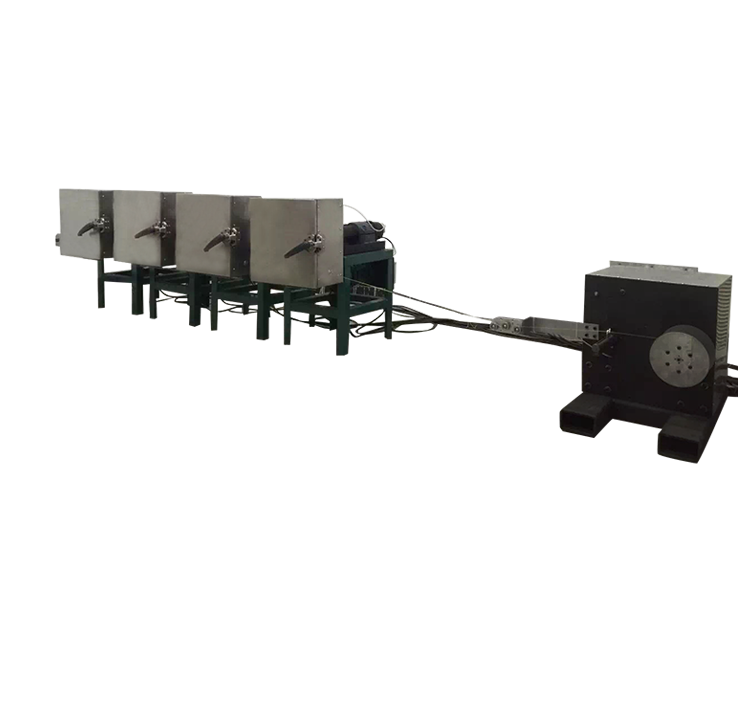
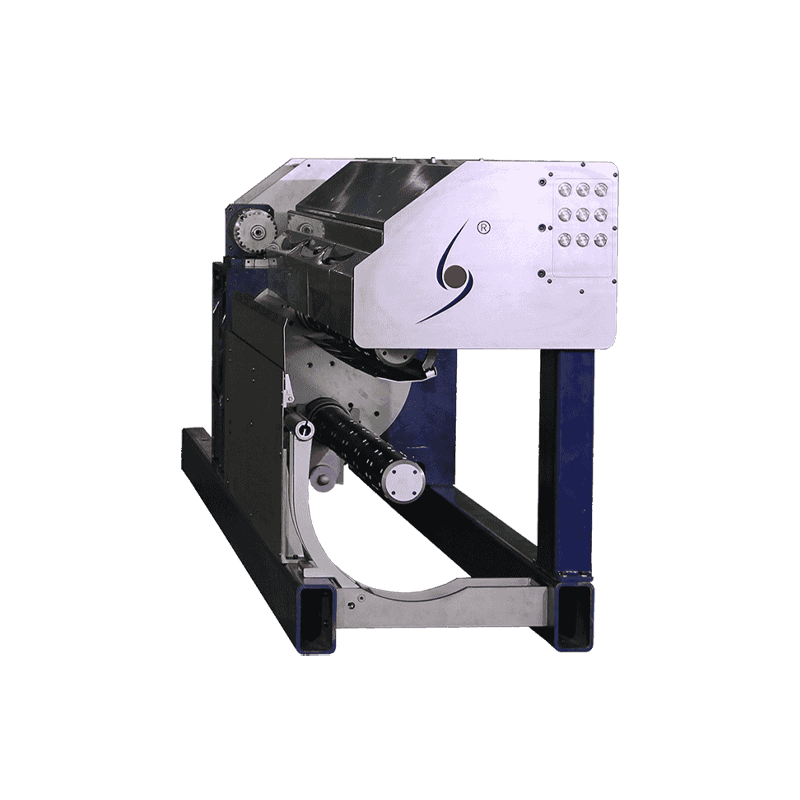
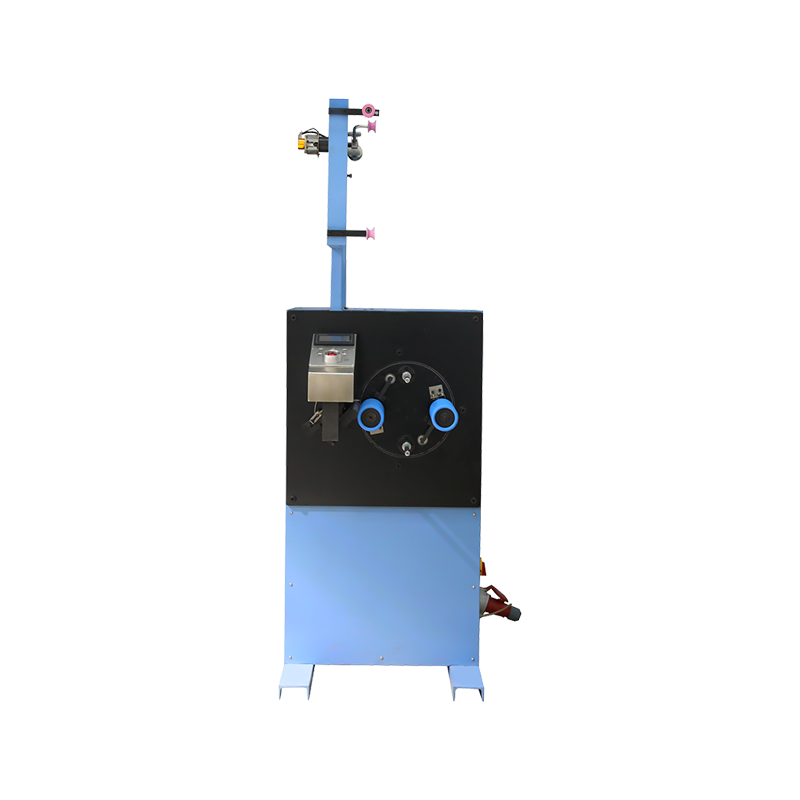
When a line is built for high output, the winder has to combine speed with reliable doffing. Our engineering team developed the following machine for exactly that balance, and it is often paired with our low-speed high-performance autoswitch winder when heavier deniers and larger packages are involved.
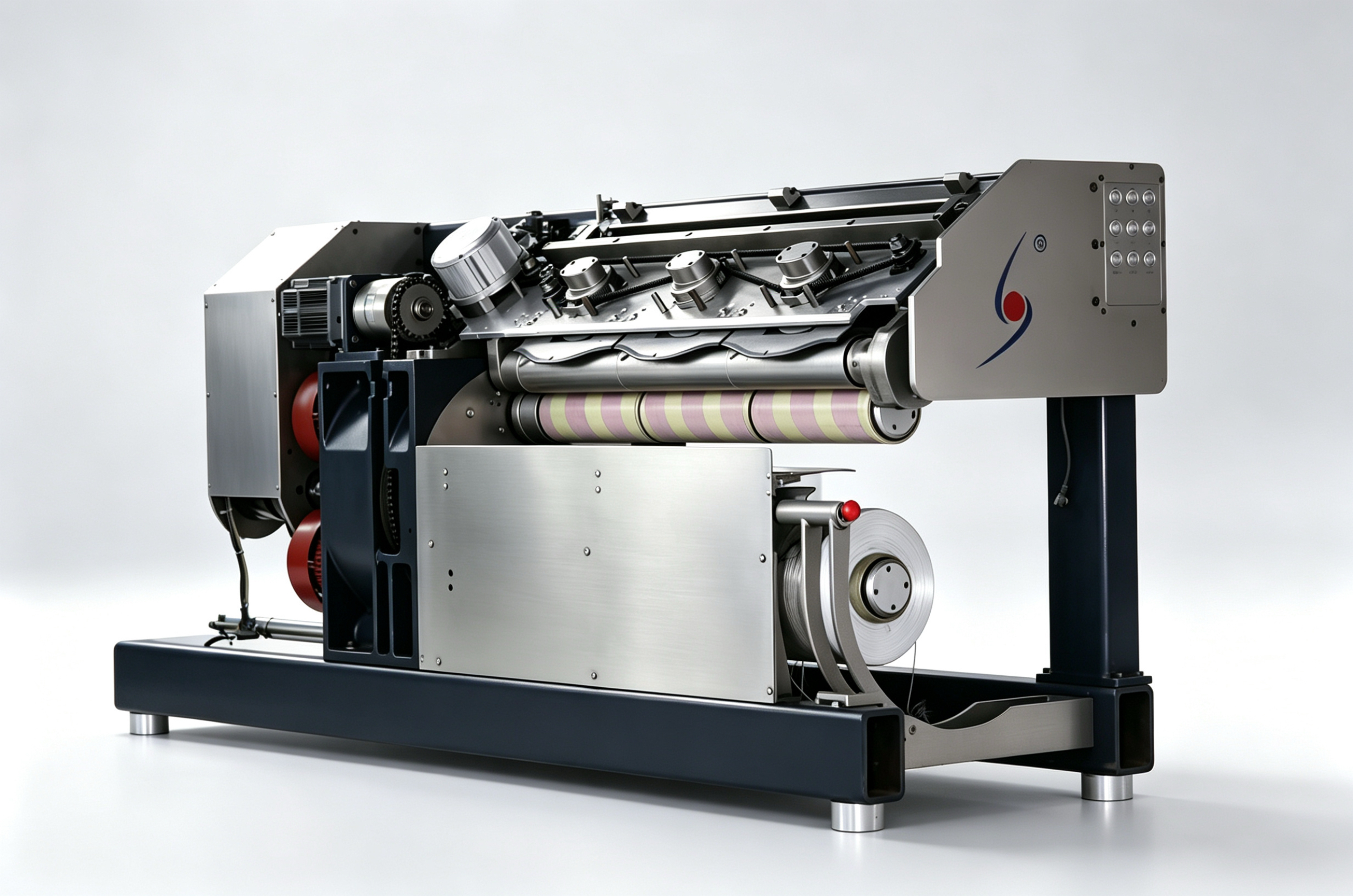 High-Speed Take-Up Winder for Polyester and Nylon Filament YarnDesigned for high-output spinning lines, this self-developed take-up winder offers stable package formation, tension compensation, and reliable automatic doffing for POY, FDY, and industrial yarn production.View Product →
Most day-to-day winding quality issues trace back to a small group of parts. Knowing them makes troubleshooting much faster on the shop floor.
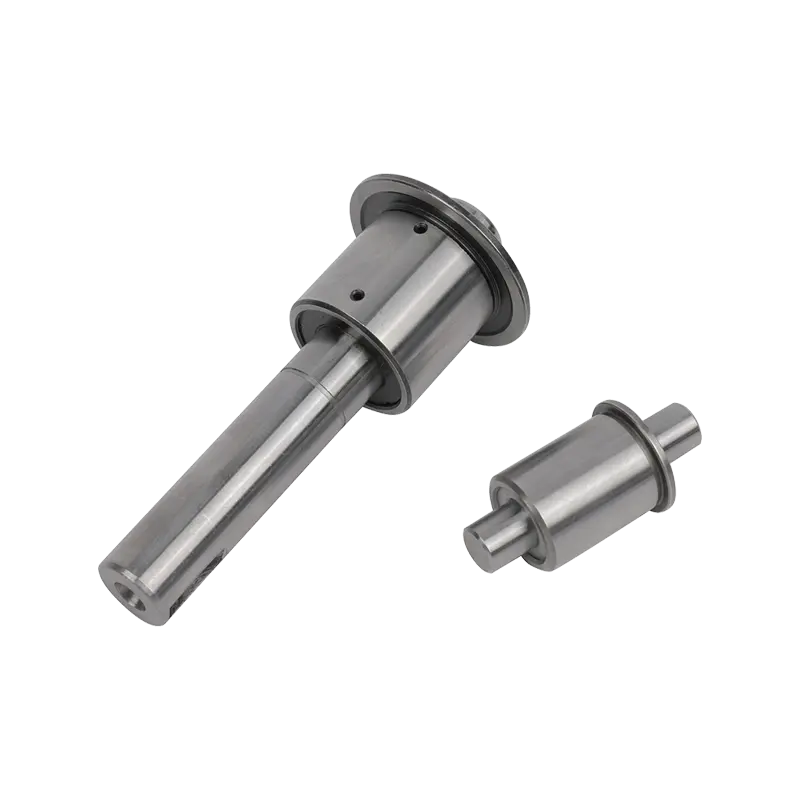
A guide rod looks insignificant, yet it touches the yarn thousands of times per minute, so surface quality matters as much as dimensional accuracy. The item below is a good example of a part where we keep both geometry and surface finish under strict control.
Looking through our service records, five items account for the majority of winding complaints: shift forks, bearings, chucks, tensioning blocks and hot godets. Shift forks wear on the contact surface and slowly shift the changeover position. Bearings lose preload and begin to vibrate. Chucks develop run-out after thousands of doffing cycles. Tensioning blocks lose their edge. Hot godets drift in temperature, and yarn that should be drawn evenly becomes uneven. Very often, winder and shift fork upgrading costs far less than living with recurring defects for another year.
Preventive maintenance on a winder does not have to be complicated, but it does have to be regular. The routine we recommend to customers looks like this:
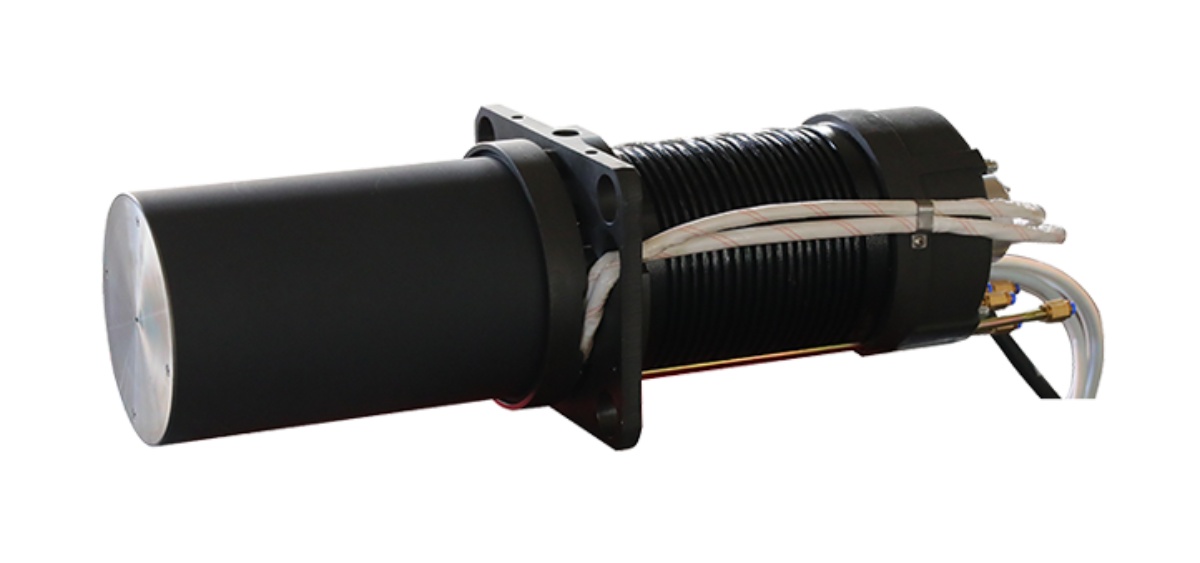
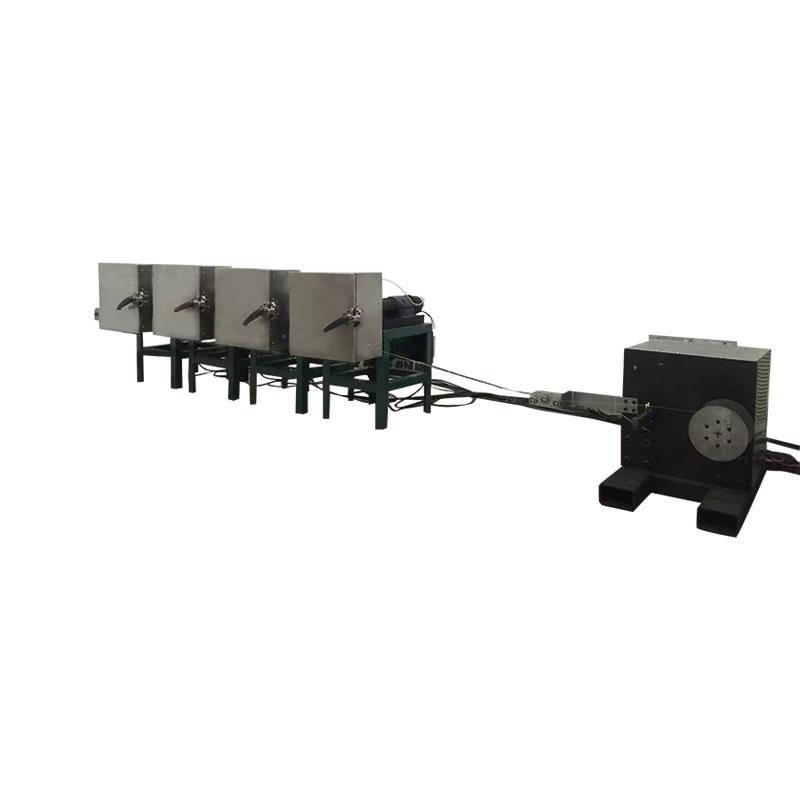
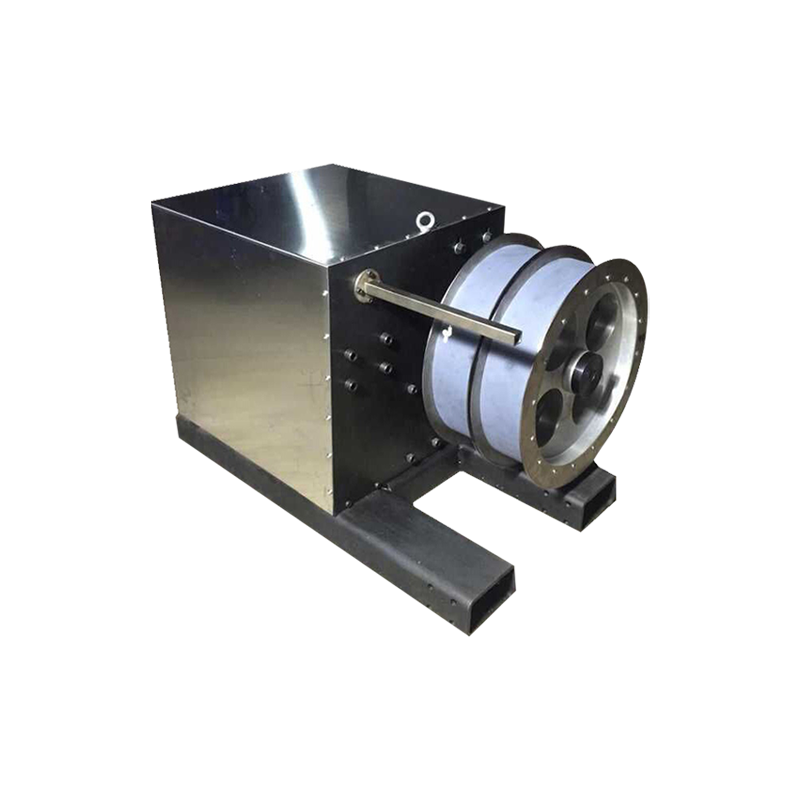
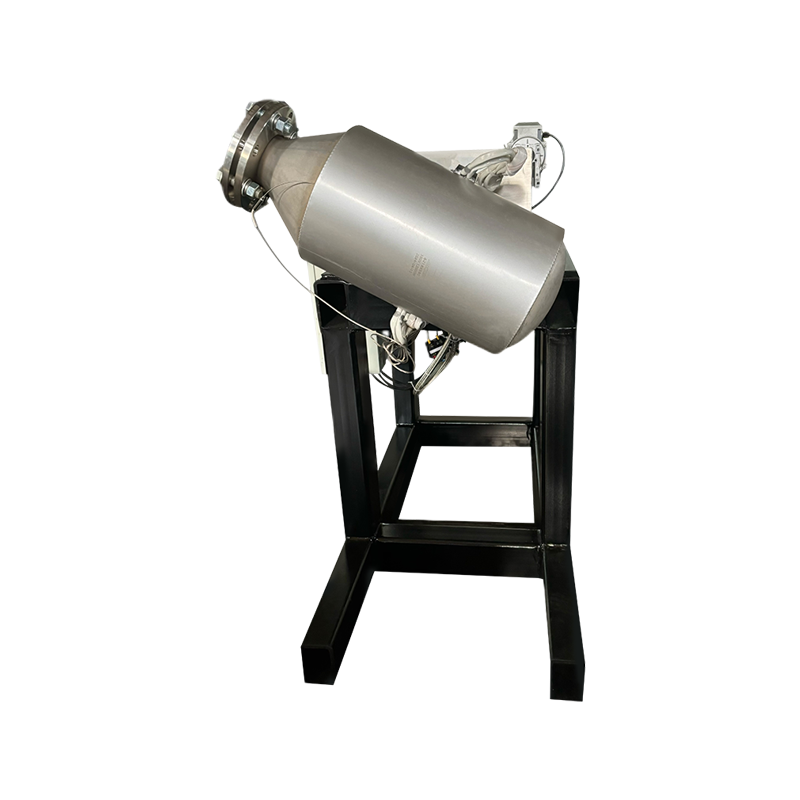
Thermal parts deserve particular attention because they influence both yarn quality and energy consumption. Our own hot godet range is built around stable surface temperature and long service life, and every unit is checked on dedicated temperature calibration equipment before delivery.
 Shengbang Hot Godet for Textile and Industrial YarnBuilt for stable surface temperature and long service life, this hot godet supports yarn quality and energy efficiency, and is temperature-calibrated before delivery for replacement or upgrade decisions.View Product →
When a customer asks us whether to replace, rebuild or upgrade, we work through the same short checklist:
On many lines, a targeted upgrade of chuck motors, fans, godet control or the winder itself restores performance at a fraction of the cost of a new machine.
We are a chemical fibre machinery company based in Jiaxing, with equipment and yarn manufacturing facilities in Hai'an and a technology and overseas sales base in Shanghai. Our work covers winder components for imported and Chinese spinning machines, our own hot godets and winders, spray coating, second-hand equipment and technical service.
In practice, that means a spinning plant can come to us for a single yarn guide plate or lock ring, for a complete set of chuck and shift fork parts, or for an entire winding section. Because we machine parts in our own workshops, we can also reproduce discontinued items from customer samples. Our production base is equipped with CNC machines for precision machining, a dynamic balancing machine for rotating components, plasma spraying equipment for wear-resistant coatings, and godet temperature calibration instruments for thermal parts.
Beyond parts, we repair and maintain chucks, contact rolls, separator rolls, godets, hot godets, motors, coils, shift forks and shift fork gear boxes, and we handle circuit boards, EPR and valve banks when electrical faults interrupt changeover. Our multifunctional flexible pilot spinning machine lets customers test a new polymer or a bi-component recipe in small batches before committing a full production line, and our spinning laboratory is open for joint trials.
If you are troubleshooting a winder, planning an upgrade or simply looking for a dependable source of winding parts, we are glad to look at your data with you. Send us the machine model, the package defect you are seeing, or the part number you need, and our engineers will come back with a practical answer rather than a catalogue page.

ADDRESS: No.1298, Zhouan Road, Economic and Technological Development District, Jiaxing City, Zhejiang Province
PHONE: +86 19057031687
TEL: 86-0573-83777752
EMAIL: [email protected]