English
 عربى
عربى русский
 简体中文
简体中文







2026-10-09
Home / News / Industry News / Godet Shell Coating: Materials, Processes, and Maintenance Guide for Spinning

On a chemical fiber spinning line, the godet shell is one of those components that only gets noticed when something goes wrong. It runs hot, it runs fast, and its surface is in constant contact with moving yarn and spin finish. The coating on that shell decides how stable yarn tension stays, how often operators have to clean built-up finish residue, and how many production hours you get from a roller before it needs reworking. It is also one of the few places on a spinning line where a relatively small surface decision has a very large effect on yarn quality.
Jiaxing Shengbang Mechanical Equipment Co., Ltd. has spent years machining, spraying, balancing and repairing these components for spinners running Barmag, TMT and domestic spinning machines. What follows is a practical look at godet shell coating: what it has to deliver, how it fails, which processes suit which duty, and how to plan re-coating before a roller costs you a yarn break. If you would like the background first, our earlier article on the role godet rollers play in modern spinning efficiency is a good place to start.
A coating is not decoration. On a godet it is an engineered working surface, and it has to satisfy several requirements at the same time:
In practice these requirements pull against each other. A very hard, very rough surface resists abrasion but can mark delicate filaments. A very smooth, low-friction surface protects yarn but wears through faster in heavy-denier duty. Every coating choice is a compromise tuned to one specific line.
Failures rarely happen overnight, and the useful signal is usually a slow drift rather than a sudden breakdown. These are the patterns we see most often on incoming rollers:
The practical consequence is that a coating problem almost always shows up as a yarn problem: hairiness, denier variation, broken filaments, or a line that simply cannot hold its set points. Checking surface roughness and runout at planned intervals catches most of these before they reach the yarn path.
There is no single best coating, only the coating that fits a given temperature, yarn, speed and finish chemistry. The table below compares the families we work with most often.
| Coating | Typical thickness | Best fit | Points to watch |
|---|---|---|---|
| Plasma-sprayed ceramic (alumina-titania) | 0.10-0.30 mm | Heated godets running at elevated temperature | Porous; needs sealing and fine finishing, brittle under impact |
| Plasma-sprayed carbide (CrC-NiCr, WC-Co) | 0.05-0.20 mm | High-abrasion drawing positions and industrial yarn duty | Binder can corrode; requires tight spray parameters |
| HVOF carbide | 0.05-0.15 mm | Dense, low-porosity wear surfaces at moderate heat | Higher process cost; WC grades are limited at very high temperature |
| Hard chrome plating | 0.02-0.05 mm | Smooth, low-friction cold godets | Thin layer; re-plating adhesion risks; environmental restrictions |
| Electroless nickel (Ni-P) | 0.01-0.05 mm | Corrosion protection and uniform build-up | Softer than carbide; limited high-temperature use |
| PVD (CrN, TiN, DLC) | 0.002-0.01 mm | Precision low-friction finishes | Very thin; needs a hard substrate and excellent preparation |
Treat the thickness figures as orientation values only. A heavy industrial yarn line and a fine-denier FDY line can use the same coating family with completely different parameters, substrate preparation and finishing targets.
When we quote a godet shell coating job, we work through the same questions every time:
Getting these answers right at quotation stage is what separates a coating that lasts a full campaign from one that comes back in three months.
A coating is only as good as the process behind it. Our workshop follows eight steps for every shell that comes in:
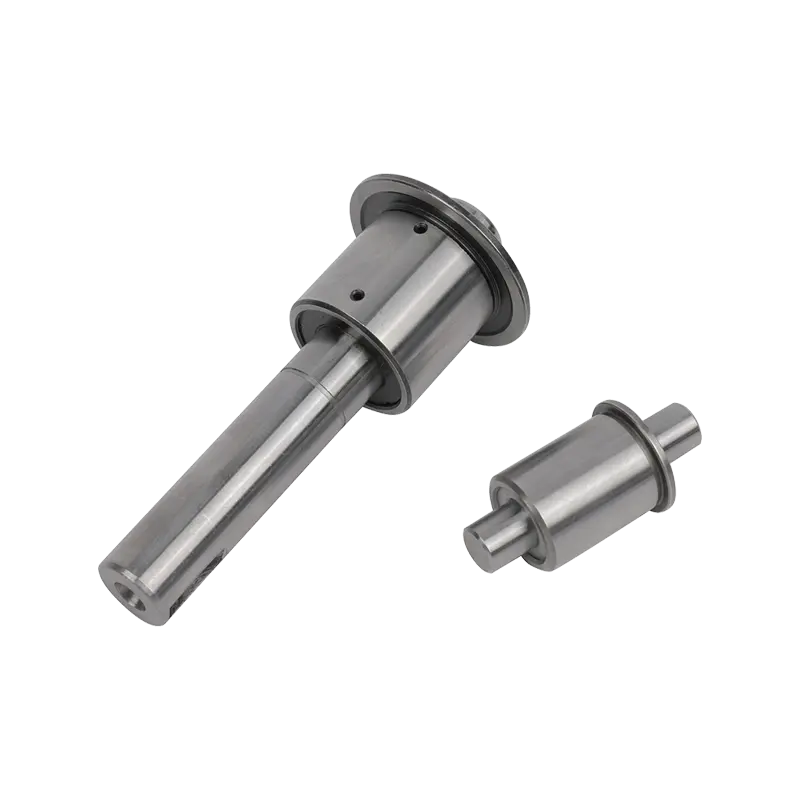
Standard godet shells for drawing and guide positions are the components we coat most often, and they are finished to whatever roughness and roundness target the customer process demands.
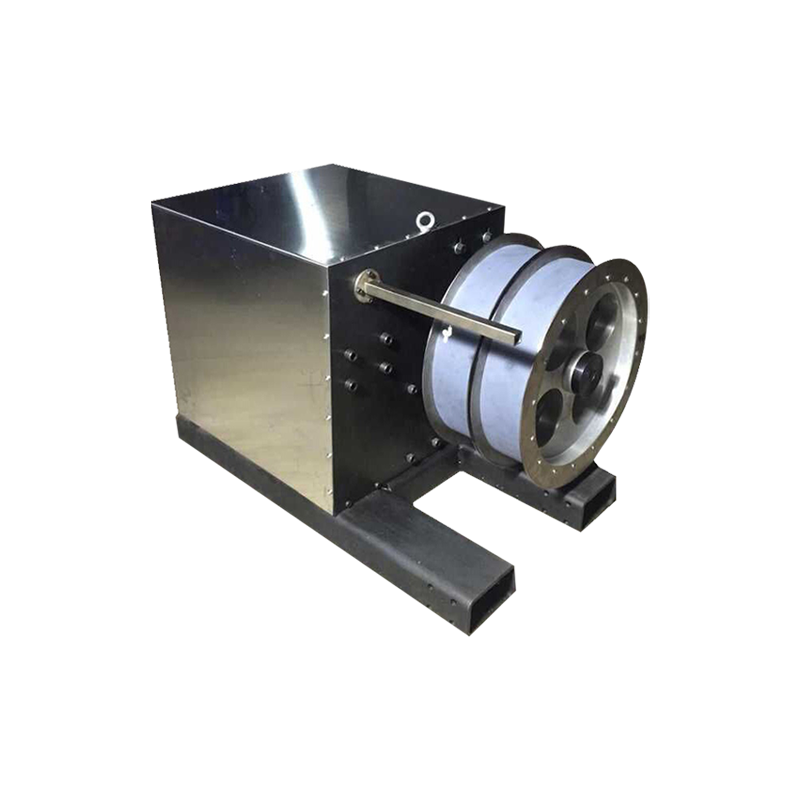
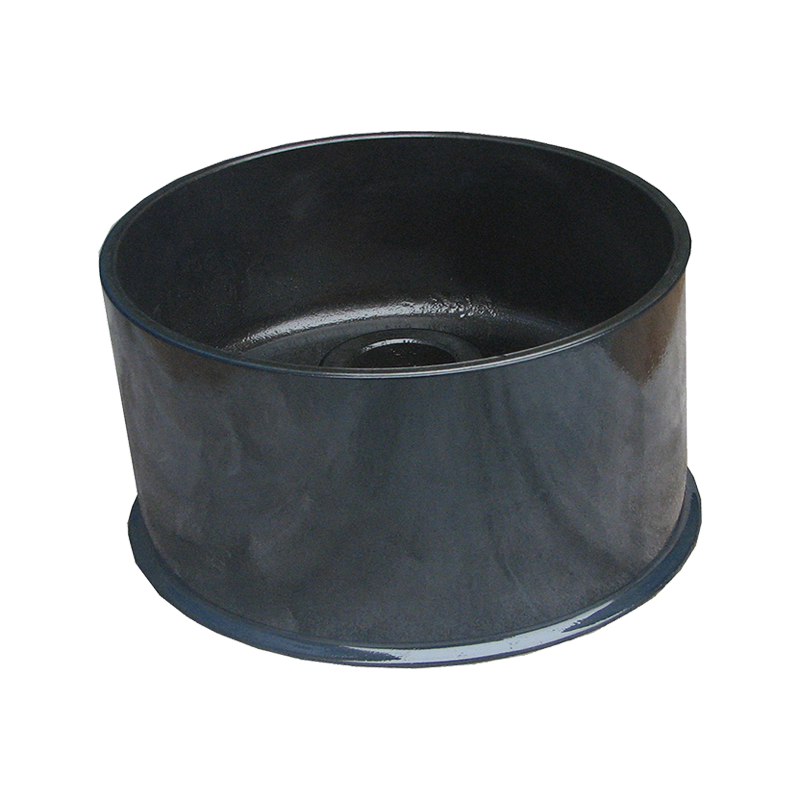 GodetOur company specializes in spray coating for hot godet, separator roll, godet, yarn guide and so on. The spraying material can be alumina, chromium oxide, zirconia and...View Product →
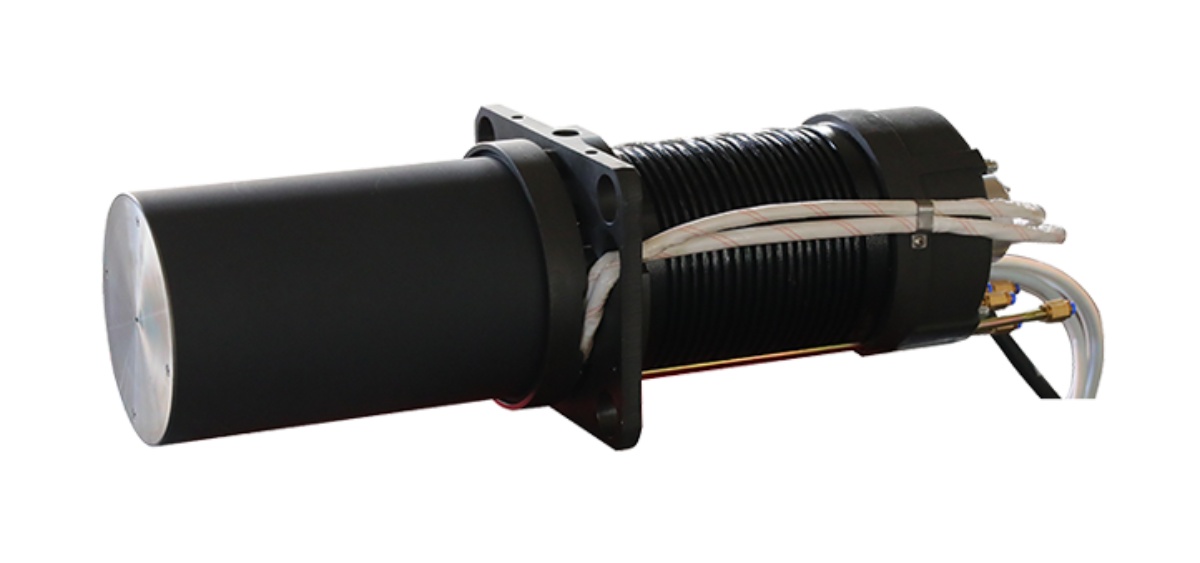
Heated godets are the most demanding case. The coating must resist abrasion while still conducting heat efficiently from the shell into the yarn path, and it must do so evenly across the full working width. A coating that is thick in one area and thin in another shows up as a temperature band, and a temperature band shows up as dyeing variation further downstream. This is why we record spray parameters, control layer build-up carefully, and check temperature uniformity before a heated roller leaves the workshop.
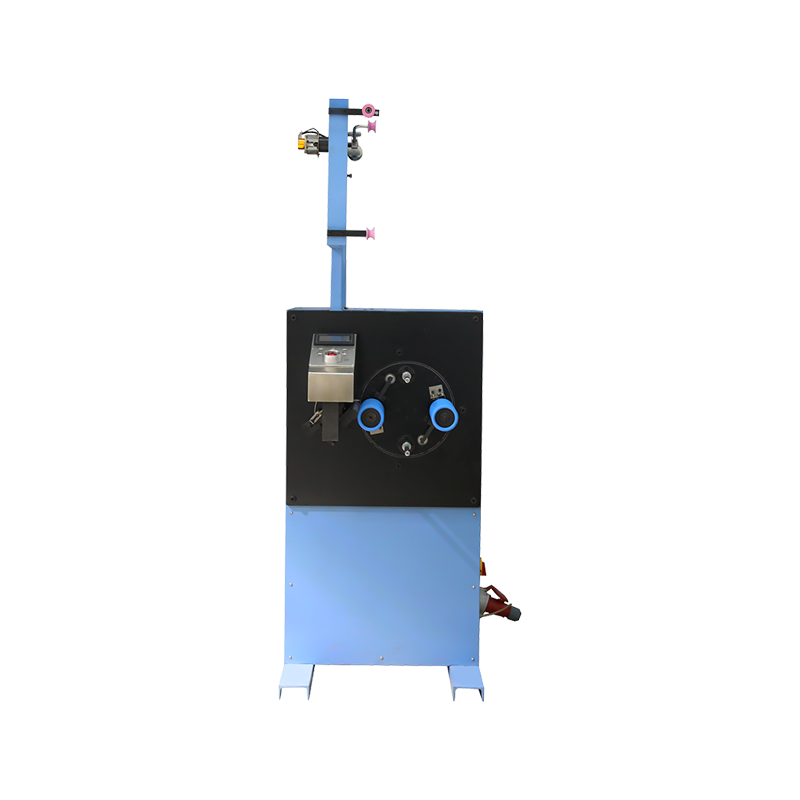
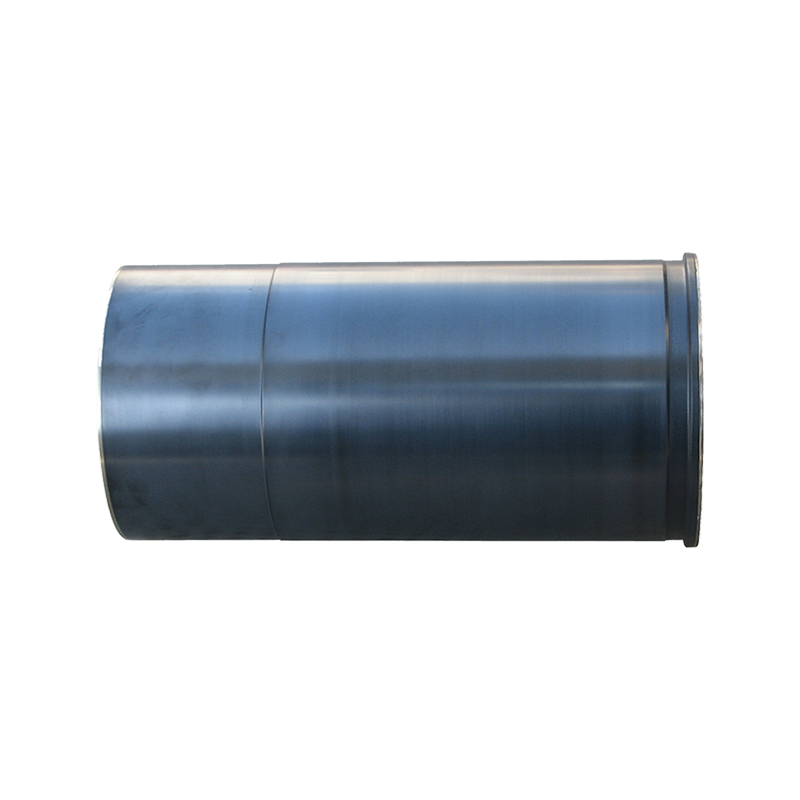 Hot GodetOur company specializes in spray coating for hot godet, separator roll, godet, yarn guide and so on. The spraying material can be alumina, chromium oxide, zirconia and...View Product →
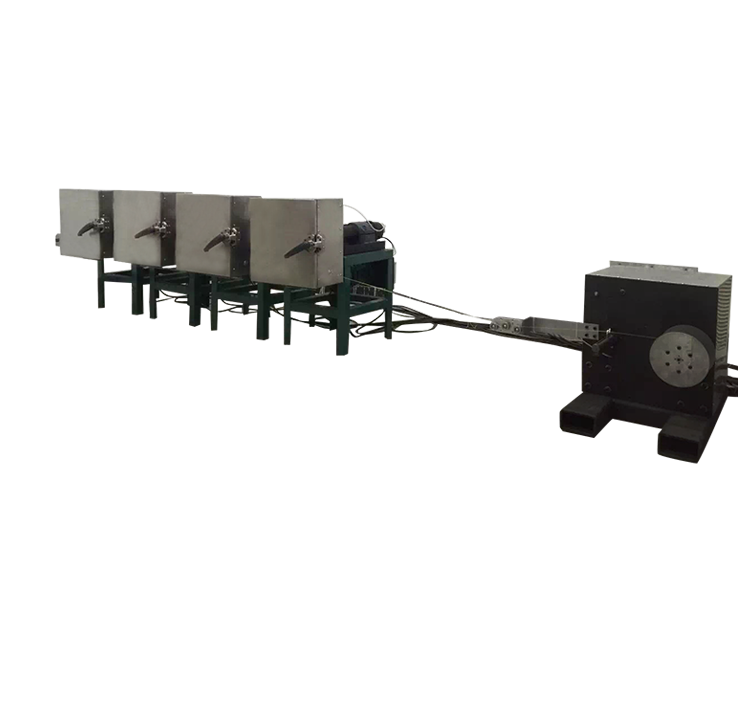
For spinners running industrial yarn, the combination of high temperature, high tension and coarse denier is especially unforgiving, and coating selection usually leans toward carbide systems with a carefully finished surface.
Not every worn roller needs a new coating, and not every damaged roller can be saved. As a rule of thumb, re-coating makes sense when the substrate is sound, runout is still within tolerance, and the wear is confined to the working surface. It is usually the faster and more economical route, and it keeps a matched set of rollers running together instead of mixing new and old components on the same line.
We also handle the service side of the same components, including the repair and maintenance of hot godets that come off the line with bearing, heating or surface problems. Alongside godet shells, related contact surfaces such as separator rolls and yarn guide plates wear in the same way and benefit from the same treatment.
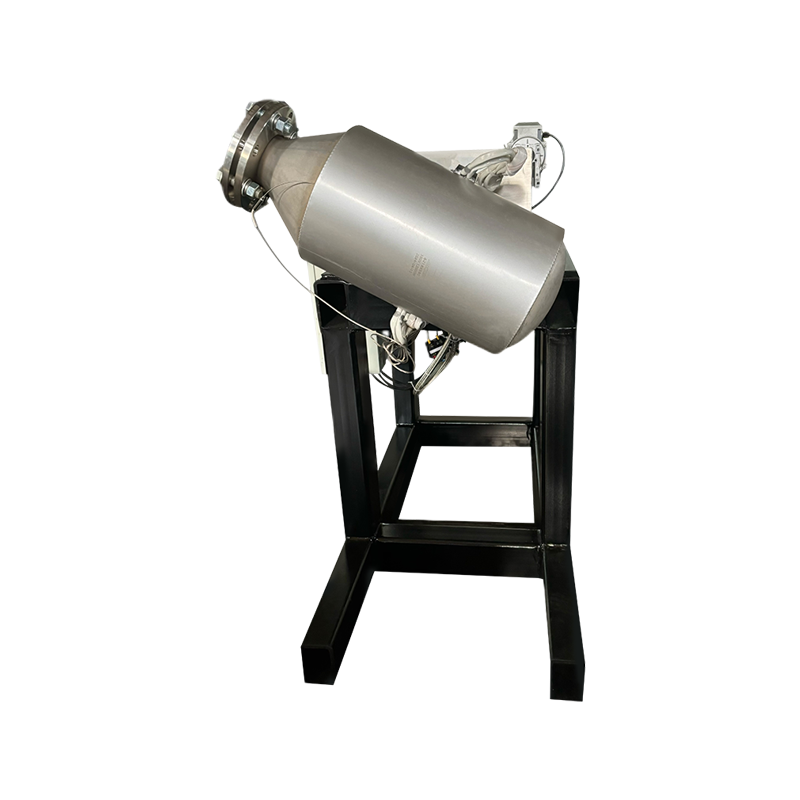
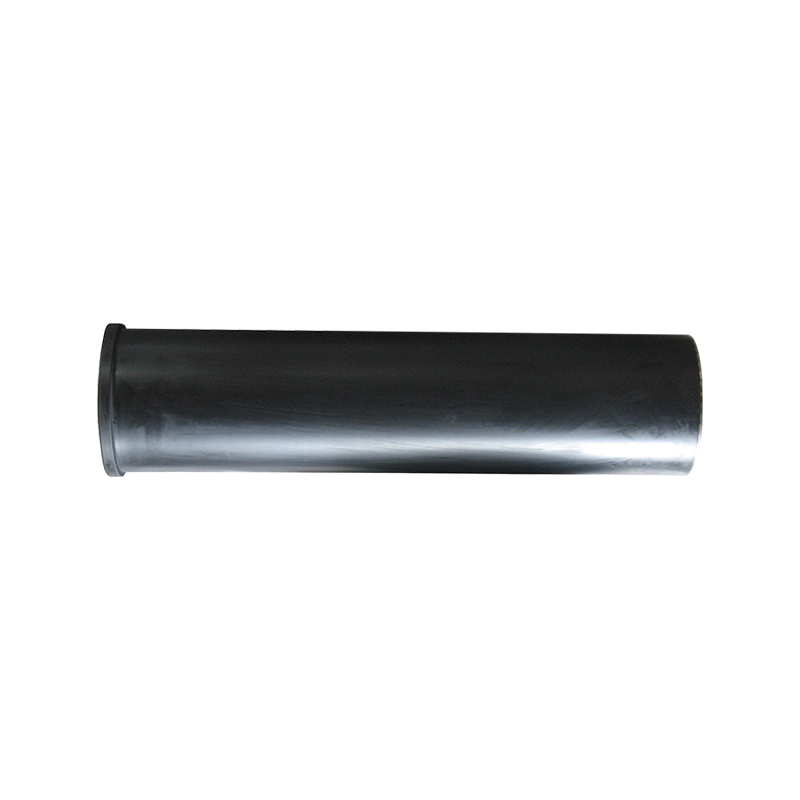 Separator RollOur company specializes in spray coating for hot godet, separator roll, godet, yarn guide and so on. The spraying material can be alumina, chromium oxide, zirconia and...View Product →
Our work sits in a fairly narrow band of the chemical fiber machinery industry: precision parts, surface technology and the service know-how that keeps spinning lines running. Our production base includes a machining workshop, a repair workshop and a plasma spray workshop, supported by CNC machining equipment, a German SCHENCK dynamic balancing machine for rotating components, plasma spraying equipment from the Aerospace 625 Institute, and a Barmag temperature calibration instrument for heated rollers. That combination lets us move from a single worn shell to a complete set of repaired and re-coated rollers without sending work out to several suppliers.
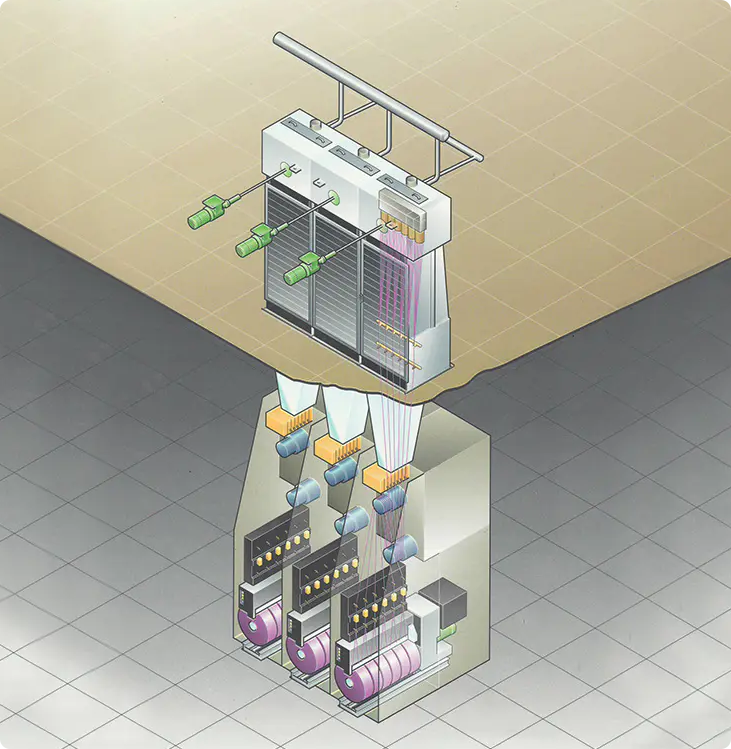
Because we also build hot godets, winders, pilot spinning machines and complete POY, FDY, HOY and industrial yarn lines, we see these components from both sides: as a coating job and as part of a running process. That perspective is useful when a customer's real question is not which coating is hardest, but which coating will keep a specific line stable for the longest time.
Godet shell coating is a small detail on a large line, but it is a detail that pays back every shift. If a roller is drifting, marking yarn or losing its finish, the fastest route to a decision is usually a short conversation about the substrate, the operating temperature and the yarn in contact with the surface. Send us the details, and we will tell you honestly whether the shell needs re-coating, repair or replacement.


ADDRESS: No.1298, Zhouan Road, Economic and Technological Development District, Jiaxing City, Zhejiang Province
PHONE: +86 19057031687
TEL: 86-0573-83777752
EMAIL: [email protected]