

 English
 عربى
عربى русский
 简体中文
简体中文







Undertake research, design, manufacture and engineering services of FDY, POY, HOY and indu...
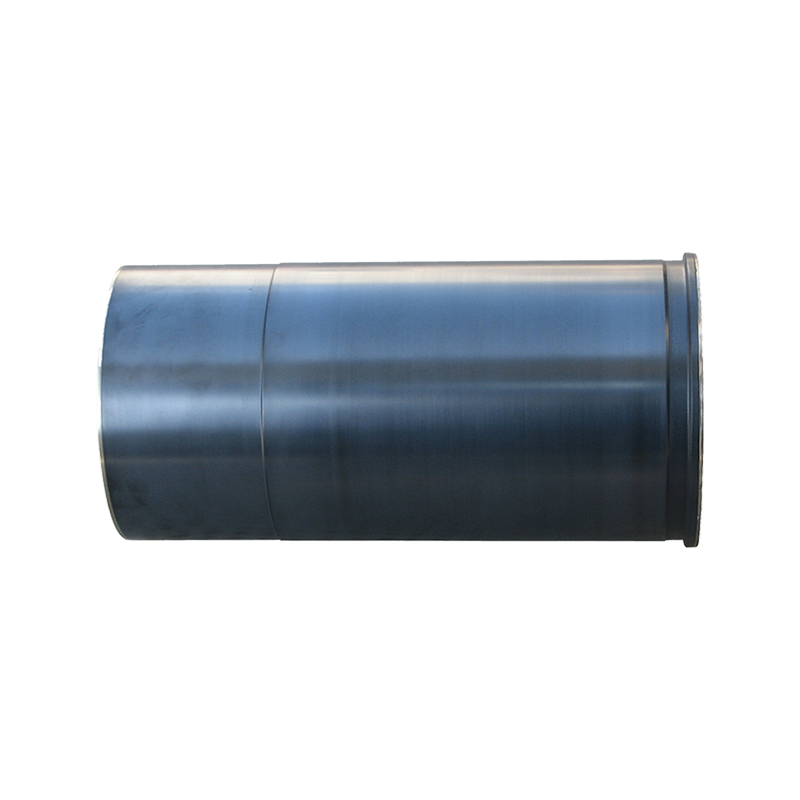
Our company specializes in spray coating for hot godet, separator roll, godet, yarn guide and so on. The spraying material can be alumina, chromium oxide, zirconia and tungsten carbide. With good quality, many large synthetic fiber enterprises in China are using our technology.
Hot godet spray coating of Barmag, TMT(Murata, Teijin, Toray), Beijing Chonglee, Jwell and Zhengzhou Textile Machinery.
I. Historical Evolution
Plasma spray coating represents the highest-energy, most materials-versatile branch of the thermal spray family, and its development spans nearly a century of accumulated engineering and scientific progress.
1910s–1950s: The emergence of thermal spraying The origins of thermal spraying trace back to the early twentieth century. In 1910, Swiss engineer Max Ulrich Schoop invented the first flame spray device — an oxy-acetylene torch that melted metallic wire and propelled the droplets onto a substrate — an achievement widely regarded as the starting point of the entire thermal spray industry. In the subsequent decades, flame spraying and wire arc spraying were progressively industrialized, primarily for corrosion protection of ships and railway vehicles. These early processes were, however, limited by relatively low flame temperatures, which precluded the melting of high-melting-point ceramics such as alumina and zirconia.
1960s: The birth of plasma spraying Plasma spraying was introduced in the 1960s, representing a major technological breakthrough in the history of thermal spray. Utilizing powder feedstock and high-temperature plasma to melt and apply coatings to a substrate, it vastly expanded the spectrum of surface coating applications compared with earlier thermal spray approaches. Demand from the US aerospace and defense industries was the principal driver of early plasma spray development, with NASA conducting the first systematic research into ceramic thermal barrier coatings for turbine engines.
1970s: Industrial commercialization of atmospheric plasma spraying (APS) Plasma spraying came to wider industrial use in the 1970s, with the high-temperature plasma jet generated by arc discharge reaching typical temperatures exceeding 15,000 K, making it possible to spray refractory materials such as oxides and molybdenum. During this period, companies including Metco (now Sulzer Metco), Plasma-Technik, and others introduced commercial plasma spray equipment, and APS technology entered aerospace, chemical processing, textile, and other industrial sectors.
1978: A milestone in thermal barrier coating NASA researcher Stephan Stecura systematically investigated and established 7–8 wt%(Weight Percentage) yttria-stabilized zirconia (7YSZ) as the optimal ceramic top-coat composition for gas turbine thermal barrier coatings. This discovery remains the technical foundation of TBC systems worldwide. At one point, 7YSZ thermal barrier coatings were used in virtually every new aircraft and ground power turbine engine manufactured globally.
1980s: Vacuum/low-pressure plasma spraying (VPS/LPPS) To address oxidation in atmospheric environments, vacuum plasma spraying (VPS) and low-pressure plasma spraying (LPPS) were developed, enabling coating deposition under sub-atmospheric protective atmospheres. These processes substantially reduce oxygen content in the coating and are employed primarily for MCrAlY bond coats and other functional coatings highly sensitive to oxidation.
1980s: HVOF enters the market High-velocity oxy-fuel (HVOF) spraying entered the market in the 1980s as one of the most significant advances to date, using combustion of oxygen and fuel to propel powder feedstock at supersonic speeds, producing tenaciously bonded, extremely dense coatings without requiring the feedstock to be fully molten. While not itself a plasma process, HVOF enriched the thermal spray family and established a complementary role alongside APS.
1990s–2000s: Multi-electrode and triple-cathode torch advances Multi-anode plasma torches (such as the Sulzer Metco TriplexPro™) and high-power plasma guns substantially improved plasma jet stability and deposition efficiency, greatly enhancing coating uniformity and enabling the production of precise thin coatings.
2010s–present: Suspension plasma spraying (SPS) and plasma spray-PVD Suspension plasma spraying (SPS) and solution precursor plasma spraying (SPPS) have emerged as new-generation processes capable of utilizing nano- and sub-micron particles to produce columnar microstructures with substantially superior thermal insulation and thermal shock resistance compared to conventional APS coatings. Simultaneously, plasma spray-physical vapor deposition (PS-PVD) was developed, enabling material deposition from the vapor phase at ultra-low pressures to produce EB-PVD-like columnar structures.
II. Technical Principles
The fundamental principle of plasma spray coating is to ionize a working gas into a high-temperature plasma via electrical arc discharge, inject powdered coating material into the plasma jet where it is heated and accelerated, and project it in a molten or semi-molten state onto the substrate at high velocity. The droplets rapidly solidify and spread on impact, building up a layered stack of disc-shaped "splats" that collectively form the macroscopic coating.
The working gas is typically a mixture of argon (Ar), helium (He), nitrogen (N₂), and/or hydrogen (H₂), each serving a distinct purpose: Ar provides stable arc ionization; H₂ increases plasma enthalpy (energy density) and melting capability for high-melting-point materials; He improves thermal conductivity and particle heating efficiency; and N₂ serves as a lower-cost alternative for certain metallic spraying applications.
III. Core Performance Parameters
Plasma spray coating performance is characterized by the following core parameters:
|
Parameter |
APS typical range |
VPS/LPPS typical range |
Test standard |
|
Bond strength |
20–70 MPa |
50–90 MPa |
ASTM C633 |
|
Porosity |
2–15% |
0.5–3% |
Metallographic image analysis |
|
Coating thickness |
50–3,000 µm |
50–500 µm |
Magnetic induction / eddy current |
|
As-sprayed surface roughness Ra |
3–15 µm |
2–8 µm |
Contact profilometer |
|
Microhardness (HV₀.₃) |
Material-dependent |
Material-dependent |
ISO 4516 |
|
Deposition efficiency |
30–70% |
50–80% |
Gravimetric method |
|
Oxygen content (metallic coatings) |
1–5 wt% |
< 0.5 wt% |
— |
The most distinctive technical advantage of plasma spraying is its capability to coat virtually any solid material with a melting point up to and beyond 3,000°C, across a wide thickness range (50 µm to several millimeters), on large or geometrically complex workpieces.
IV. Application Fields
Atmospheric plasma spraying is probably the most versatile of all thermal spraying processes, because there are few limitations either on the materials that can be sprayed or on the substrate with regard to its material, size, and shape. Its industrial applications span the following principal fields:
Thermal barrier coatings (TBC) on gas turbine engine blades, vanes, and combustion chambers
MCrAlY bond coats for oxidation protection in engine hot sections
Abradable seal coatings for engine blade tip clearance control
Thermal protection systems for spacecraft re-entry vehicles
Thermal protection of gas turbine and steam turbine high-temperature components
Solid oxide fuel cell (SOFC) electrolyte and electrode fabrication
Corrosion-resistant coatings for nuclear power plant high-temperature components
Engine piston rings and cylinder bore wear coatings
Exhaust system thermal insulation coatings
Brake disc wear coatings
Corrosion/wear-resistant coatings for pump bodies, valves, and pipe interiors
Ceramic dielectric coatings for chemical process equipment
Wear-resistant ceramic coatings on godet rollers (Al₂O₃, Cr₂O₃)
Anti-stick coatings around spinneret orifices
Wear coatings on high-speed friction components such as traverse fork blades
Hydroxyapatite (HA) coatings on orthopedic implants (hip and knee joints) to promote osseointegration
Bioactive coatings on dental implant surfaces
Wear-resistant liners and components for mining and crushing equipment
Roll surface restoration in steel and metallurgical industries
Yttria (Y₂O₃) ceramic protective coatings inside plasma etch chambers
Thermally conductive coatings for heat spreaders is confirmed, return to full production
V. Technical Classification
Plasma spray processes are classified according to operating environment, power supply type, and feedstock delivery method:
The most widely deployed form of plasma spraying, operating at ambient atmospheric pressure. Equipment is relatively simple and cost-effective; both metallic and ceramic materials can be sprayed, though oxygen content and porosity in the coating are comparatively higher. APS is the dominant plasma spray process globally and is applicable to most industrial scenarios.
Operates under vacuum (approximately 50–200 mbar) or low-pressure inert gas atmosphere, effectively suppressing oxidation during spraying. VPS coatings exhibit higher bond strength, lower porosity, and lower oxygen content than APS coatings; they are principally employed for MCrAlY oxidation-protective coatings and other functional coatings extremely sensitive to oxidation. Equipment costs are high (requiring sealed chamber infrastructure), and the process is reserved primarily for high-performance aerospace applications.
Operates within a sealed chamber filled with inert gas (Ar or N₂), without requiring vacuum generation. Less costly than VPS while still effectively minimizing oxidation; it serves as an economical alternative to VPS.
Provides precise control over the gas composition, temperature, and pressure of the spraying environment, enabling the deposition of coatings highly sensitive to gas contamination (such as active metals and thermoelectric materials).
Uses a liquid suspension of nano- or sub-micron ceramic particles (rather than dry powder) as feedstock, injected into the plasma as a liquid. Capable of producing fine columnar microstructures unachievable with conventional APS, with lower thermal conductivity and superior thermal cycling performance, making SPS a primary candidate process for next-generation TBCs.
Use metallic salt solutions as feedstock; the solution evaporates within the plasma and undergoes pyrolysis/combustion to form the coating material in-situ. Enables deposition of compositionally homogeneous multi-component oxide coatings with controllable pore structure.
Operates at ultra-low pressure (< 1 mbar) to completely vaporize powder feedstock within the plasma, depositing the coating from the vapor phase. Produces EB-PVD-like columnar microstructures with outstanding strain tolerance, representing the current research frontier in TBC development.
Generates plasma using RF induction coils without electrodes, entirely eliminating electrode contamination. Particularly suited to applications demanding exceptional purity, such as superconducting materials and electronic substrate coatings.
VI. Coating Materials: Properties, Cost and Technical Characteristics
The range of materials depositable by plasma spraying is exceptionally broad. The major material categories are systematically described below.
Al₂O₃ is deposited as pure alumina or as Al₂O₃–TiO₂ composites (commonly 3 wt% and 13 wt% TiO₂). Microhardness: 850–1,200 HV (pure phase); the addition of TiO₂ improves toughness at a modest cost in hardness. Wear resistance is excellent, particularly for sliding wear and abrasive particle wear applications. Electrical insulation is outstanding (bulk resistivity > 10¹⁴ Ω·cm). Service temperature: ≤ 1,200°C. Chemical corrosion resistance is good against most acids and weak alkalis. APS porosity: 5–12%. Powder cost is relatively low (approximately USD 50–200/kg), making Al₂O₃ one of the most widely applied ceramic spray materials.
Typical applications: godet rollers in textile machinery, pump housing interiors, electrical insulation components, semiconductor etch chamber linings.
Pure Cr₂O₃ (green ceramic) with optional SiO₂ or TiO₂ additions. Microhardness: 1,200–1,800 HV — among the highest of any ceramic coating material. Wear resistance against both abrasive particle wear and sliding wear is at the highest level for ceramic coatings. Corrosion resistance is very good in both acidic and alkaline media. Low surface energy confers self-lubricating properties and resistance to contamination, particularly advantageous for yarn-guiding and wire-guiding components. Service temperature: ≤ 530°C (phase transformation and volatilization above this temperature).
Typical applications include godet rollers in man-made fiber machinery (standard coating material for Barmag godets), printing rolls, pump impellers, and hydraulic machinery.
Powder cost: medium–high (approximately USD 100–400/kg); the long service life yields favorable overall economics.
The 7–8 wt% Y₂O₃-stabilized ZrO₂ (7YSZ) composition is the classical formulation for thermal barrier coatings. Its thermal conductivity is extremely low: approximately 2.3 W/m·K for fully dense material — one of the lowest values among ceramics at elevated temperature. For APS coatings, the intrinsic porosity reduces effective thermal conductivity further to approximately 0.8–1.5 W/m·K. The relatively high thermal expansion coefficient (~11×10⁻⁶/K) provides good compatibility with metallic substrates, enabling excellent thermal shock resistance. The practical service temperature limit is approximately 1,200°C (phase transformation above this temperature degrades the coating). Fracture toughness: approximately 2.5–3.5 MPa·m^0.5.
Typical application: ceramic top coat in gas turbine TBC systems.
Powder cost: high (approximately USD 200–800/kg); aviation-grade material requires tightly controlled Y₂O₃ uniformity.
M denotes Ni, Co, or NiCo; additions of Cr (corrosion resistance), Al (forms protective Al₂O₃ oxide scale), and Y (enhances oxide scale adhesion). A representative composition is CoNiCrAlY (Co–32Ni–21Cr–8Al–0.5Y wt%). The MCrAlY bond coat provides adhesion for the ceramic top coat and oxidation protection, while supplying a thermal expansion coefficient bridge between the substrate and the ceramic layer. Outstanding high-temperature oxidation resistance is achieved through formation of a dense, adherent Al₂O₃ thermally grown oxide (TGO) layer in service. Bond strength: > 50 MPa (APS); > 80 MPa (VPS).
Typical application: bond coat in aerospace TBC systems, always used in conjunction with a YSZ top coat.
Powder cost: high (approximately USD 500–2,000/kg); VPS processing adds further equipment cost.
WC (hard phase) + Co (binder phase), with common compositions WC-12Co and WC-17Co; WC-CoCr and WC-Ni variants are also used. Note: WC is severely decarburized under conventional APS conditions; WC-Co coatings are far better suited to HVOF than to APS. Hardness: 900–1,400 HV. Wear resistance is outstanding — several times that of hard chromium plating, representing the highest wear resistance among metallic coating systems.
Typical applications: pump shafts, mechanical seals, cutting tools, and aircraft landing gear (as a hexavalent chromium replacement).
Powder cost: high (approximately USD 400–1,500/kg). HVOF is strongly preferred over APS for WC-Co deposition.
Ni-Cr-B-Si system with minor Fe, W, Co additions; a representative composition is Ni–20Cr–4Si–3B. Post-spray fusing (remelting) produces metallurgical bonding, dramatically improving bond strength (up to 165 MPa) and coating density. Hardness is tunable from 200 to 900 HV by varying B and Si content. Good self-lubrication, combined with excellent wear and corrosion resistance.
Typical applications: shaft repair and dimensional restoration, seal face reinforcement, wear components in construction and agricultural machinery.
Powder cost: medium (approximately USD 150–500/kg).
A bio-ceramic with the same chemical composition as the inorganic phase of human bone. APS deposition introduces partial amorphization; crystallinity must be restored by post-spray heat treatment. Bond strength: approximately 20–40 MPa (relatively low; subject to stringent ISO 13779 requirements for medical implants). Biological compatibility and osteoconductive are outstanding.
Typical applications: bioactive surface coatings on orthopedic implants (hip stems, tibial trays, spinal fusion devices).
Powder cost: medium–high (approximately USD 300–1,000/kg); regulatory compliance and biocompatibility certification costs are substantial.
Representative materials include Gd₂Zr₂O₇ (GZO), La₂Zr₂O₇ (LZO), Yb₂Si₂O₇ (ytterbium disilicate, for SiC environmental barrier coatings), and high-entropy ceramics (Hf-Y-Yb-Er-Lu rare-earth oxide combinations). Thermal conductivity below 1.5 W/m·K is achievable — lower than YSZ. Service temperature ceiling exceeds 1,300°C (vs. ~1,200°C for YSZ). Superior thermochemical stability and CMAS (calcium–magnesium–aluminum–silicate) corrosion resistance compared to YSZ. However, fracture toughness is generally lower than YSZ, necessitating double- or multi-layer TBC architectures.
Typical application: next-generation high-performance gas turbine TBCs — currently the leading research topic in the aerospace industry.
Powder cost: very high (approximately USD 1,000–5,000/kg).
VII. Limitations of Plasma Spray Technology
Despite its versatility and power, plasma spraying has inherent physical and chemical limitations that constrain its applicability in certain scenarios.
Thermal spray coatings inherently exhibit porosity, which can compromise their integrity and performance, and makes them more susceptible to moisture ingress and degradation over time. APS coatings typically contain 2–15% porosity. While this can be beneficial in some applications (e.g. reducing thermal conductivity in TBCs), it is a critical drawback in applications demanding corrosion protection or gas-tight barriers.
The vast majority of plasma-sprayed coatings bond to the substrate through mechanical interlocking rather than metallurgical fusion, giving bond strengths (typically 20–80 MPa) far below those achievable by PVD or CVD thin-film processes. Coating detachment remains a risk under high-impact or high-peel-stress service conditions.
During APS processing, metallic powder particles undergo varying degrees of oxidation in flight, resulting in oxide inclusions in the coating (oxygen content in metallic coatings can reach 1–5 wt%), adversely affecting electrical conductivity, ductility, and corrosion resistance.
Thermal spray coatings generally have a higher surface roughness than alternative coating methods, and may require additional post-coating machining or polishing operations. APS coatings typically exhibit Ra values of 3–15 µm; precision-fit surfaces such as journals and seal faces normally require post-spray precision grinding.
Plasma spraying is a line-of-sight process: powder particles travel in straight lines to the substrate surface and cannot reach the interiors of deep holes, blind bores, or complex cavities. Geometric complexity is therefore a fundamental constraint.
Excessive coating thickness leads to accumulation of internal residual stress (predominantly tensile), which can cause spontaneous cracking or spallation. The critical thickness varies considerably by material system; ceramic coatings thicker than 2–3 mm generally require careful process design and intermediate stress-relief steps.
The substrate receives measurable heat input during spraying (substrate temperatures typically rise to 100–250°C), posing a risk of thermal distortion for thin-walled components, thermally sensitive materials, or workpieces whose dimensions have already been finish-machined.
Plasma spraying requires specialized equipment, materials, and expertise, making it relatively complex compared with some other coating methods. Capital equipment investment is substantial, operator training cycles are long, process parameter windows require rigorous control, and the process is poorly suited to small-batch or one-off repair applications.
VIII. Plasma Spray Process Workflow
The complete plasma spray production workflow comprises the following seven principal stages.
Stage 1: Workpiece inspection and incoming verification Receive the workpiece and verify against drawings and technical specifications (coating material, thickness, area, special requirements). Inspect the substrate surface for cracks, deep pits, delamination, and corrosion. Confirm substrate material and assess thermal expansion coefficient compatibility. For repair work, measure existing dimensions against the target dimensions and determine whether pre-machining is required to remove the old coating or damaged layer.
Stage 2: Surface preparation (the most critical step) Surface preparation quality directly governs coating bond strength. The typical sequence is:
* Degreasing: solvent (acetone or IPA) or ultrasonic cleaning to remove all oil and grease
* Pre-machining (if required): turning or grinding to remove old coatings or oxide layers
* Masking: protect areas not to be coated using metallic shields, high-temperature tape, or plastic plugs
* Grit blasting: Spraying must commence within 4 hours of grit blasting to prevent substrate re-oxidation.
* Preheating (optional): preheat for selected workpieces to improve adhesion and reduce thermal shock
Stage 3: Powder feedstock preparation and verification Verify powder batch number and chemical analysis certificate of conformance (CoA). Check particle size distribution. Pre-dry powder to remove adsorbed moisture, then load powder into the feeder hopper.
Stage 4: Equipment setup and process parameter setting Key process parameters and typical ranges for APS:
|
Parameter |
Typical APS |
Function |
|
Arc current |
400–900 A |
Controls plasma power |
|
Ar flow rate |
40–80 SLPM |
Primary ionization gas; controls jet momentum |
|
H₂ flow rate |
3–20 SLPM |
Increases plasma enthalpy; enhances melting |
|
Powder feed rate |
20–60 g/min |
Controls deposition rate |
|
Spray distance |
80–150 mm |
Governs particle temperature/velocity and coating porosity |
|
Gun traverse speed |
300–800 mm/s |
Controls per-pass coating thickness |
|
Substrate temperature |
< 200°C |
Prevents thermal distortion |
Trial spraying on test coupons is mandatory before coating actual workpieces; coupon specimens are inspected for thickness, porosity, and bond strength, and parameters must be confirmed compliant before production spraying commences.
Stage 5: Spray deposition Mount the workpiece on a fixture and position on a robot or CNC rotary table. Initiate the plasma arc and allow the torch to reach stable operating conditions (approximately 30 seconds). Spray the functional top coat following the programmed path. Compressed air or dedicated cooling devices are used between passes to control workpiece temperature. Cease spraying upon reaching the target total thickness.
Stage 6: Post-treatment (as required)
Cooling: allow natural cool-down to ambient temperature (controlled cooling is required for certain workpieces to prevent spallation from thermal shock)
Machining: precision grinding to final dimensions and specified Ra
Sealing: for corrosion-resistant coatings, vacuum or capillary impregnation with low-viscosity epoxy, silane, or PTFE solution to eliminate inter-connected porosity
Fusing (for NiCrBSi self-fluxing alloys): oxy-acetylene or induction re-melting to achieve metallurgical bonding
Heat treatment (selected applications): e.g. HA coatings require annealing at 800°C in argon to restore crystallinity
Stage 7: Cleaning and packaging Remove all masking materials. Blow free powder from the coating surface with compressed air. Clean and dry the workpiece. Package per specification (impact and moisture protection) and attach the coating inspection certificate.
IX. Quality Inspection and Control
Quality inspection for plasma spray coatings is organized into two levels: in-process control and post-coating inspection.
In-process monitoring parameters include real-time monitoring of plasma arc voltage and current, continuous gravimetric monitoring of powder feed rate, substrate temperature monitoring (thermocouple or infrared thermometer, to prevent overheating), verification of spray distance and robot path programmer, and batch number and dryness confirmation after each powder loading.
X. Coating Service Life and Maintenance
The service life of plasma spray coatings varies enormously depending on the application, service severity, and coating material system, ranging from a few months to several decades.
Thermal cycling: the dominant failure mechanism for TBC-type coatings. Thermal expansion coefficient mismatch between the ceramic coating and metallic substrate accumulates stress at the interface with each heating/cooling cycle, ultimately causing spallation. Typical aerospace engine TBCs fail after several hundred to several thousand thermal cycles.
Wear: for wear-resistant coatings (Cr₂O₃, WC-Co, etc.), frictional wear against the counter-body is the primary life-limiting factor. Cr₂O₃ coatings on high-speed yarn-guiding rollers typically achieve 12–36 months of service life under normal operating conditions.
Corrosion: for corrosion-protective coatings, the dominant failure path is electrolyte penetration through pore channels to the substrate; sealing treatment substantially extends service life.
CMAS attack (for aerospace TBCs): in flight through dusty environments, calcium–magnesium–aluminum–silicate (CMAS) from airborne particulates melts at high temperature and infiltrates and attacks YSZ coatings, representing one of the principal failure threats in high-temperature turbine sections.
|
Coating system |
Application |
Typical service life |
Jiaxing Shengbang Mechanical Equipment Co., Ltd. Scope |
|
Cr₂O₃ (man-made fibre godet) |
Normal production, |
1–3 years |
Available |
|
Cr₂O₃ (man-made fibre godet) |
High-speed production, |
6–18 months |
Available |
|
Al₂O₃ (electrical insulation) |
Low-wear environment |
5–15 years |
Not available |
|
WC-Co (pump shaft seal face) |
Industrial pumps |
3–8 years |
Not available |
|
YSZ TBC (gas turbine) |
Industrial turbine |
20,000–50,000 hours |
Not available |
|
YSZ TBC (aero engine) |
Per overhaul interval |
1,000–3,000 thermal cycles |
Not available |
|
HA (orthopedic implant) |
In the human body |
Theoretically permanent |
Not available |
(1) In-service monitoring: regular visual inspection of the coating surface for cracks, spallation, pitting, or abnormal wear patterns. Periodic measurement of critical dimensions (e.g. roller diameter, coating thickness) compared to original records to assess wear rate. For wear-resistant coatings, a planned shutdown inspection every 3–6 months is recommended, with contact profilometer measurement of surface roughness.
(2) Coating cleaning: ceramic coatings (Al₂O₃, Cr₂O₃) may be wiped with a soft cloth and mild neutral detergent. Abrasive brushes or steel wire brushes must never be used on mirror-finished ceramic coatings. Strong acids, especially hydrofluoric acid, must not be used on ceramic surfaces. Coatings must be thoroughly dried after cleaning to prevent moisture accumulation in the pore structure.
(3) Damage management: localized micro-cracks (non-through): infiltrate with low-viscosity ceramic sealant (e.g. Belzona 5831) to retard propagation. Localized spallation: clean the exposed substrate and apply a localized repair spray using a portable plasma torch. Extensive spallation or wear through to the substrate: remove the workpiece from service, strip the old coating completely (by grit blasting or mechanical means), and re-spray.
(4) Sealant re-treatment: organic sealant materials (silicone, epoxy) age and volatilize over time; reseal condition should be assessed annually and re-impregnation carried out as required.
(5) Specific maintenance of man-made fiber godet plasma coatings: as China's premier provider of melt-spinning equipment repair and maintenance services, Jiaxing Shengbang Mechanical Equipment Co., Ltd. utilizes plasma spraying systems from the Aerospace 625 Institute. Leveraging cutting-edge technical expertise, the company specializes in applying thermal barrier and wear-resistant coatings for global chemical fiber enterprises (components as Thermal rollers, spinning rollers, guide discs, forming plates, and yarn guides, Coating materials: Al₂O₃, Cr₂O₃, ZrO₂, and WC). For years of services, Shengbang has established strategic partnerships with leading industry players such as Tongkun Group, XinFengming Group, Hengli Group, and Shenghong Co., Ltd., consistently receiving acclaim for service excellence. Based on Shengbang's technical advisory, standard maintenance protocols for chemical fiber guide rollers typically include:
Post-spray precision grinding to Ra ≤ 0.05 µm (mirror finish) is the baseline for yarn-guiding applications. Daily patrol: lightly run a finger across the roller surface to detect any raised abrasive particles or roughness. Weekly inspection: measure surface roughness with a dedicated profilometer; Ra > 0.2 µm requires immediate polishing. Coating retirement criteria: coating thickness worn to below 50% of the original value; three or more through-cracks present; or Ra cannot be restored to the process requirement by polishing.
FAQ
I. What Shengbang do in this area?
We possess a first-class engineering and technical team, combined with advanced and complete production and testing equipment, has laid a solid foundation for us to provide high-quality and first-class services to chemical fiber enterprises. Adhering to the core tenet of independent innovation, the company is committed to providing long-term, stable and comprehensive technical services for major chemical fiber enterprises, helping the industry achieve high-quality development.
II. About Shengbang's competitiveness?
Our company is equipped with advanced and comprehensive equipment for the production, inspection, testing and maintenance of chemical fiber machinery, including multi-functional CNC machine tools, original balance correction equipment from Schenck Process GmbH (Germany), plasma spraying equipment from the 625th Institute of the Ministry of Aerospace, and original godet thermal calibration instruments from Barmag AG (Germany).
Relying on years of rich experience accumulated in the field of chemical fiber production and mature system integration technology, we have successfully developed a revolutionary prototype multi-purpose spinning machine, with the help of which flexible production switching between single-component, dual-component, multi-component, Pre-oriented Yarn (POY), Fully Drawn Yarn (FDY), medium-strength yarn, ultra-fine yarn and industrial yarn can be easily achieved.
This article synthesizes information from academic literature, engineering standards, and industrial practice resources in the field of thermal spray technology, including Heimann's "Plasma-Spray Coating: Principles and Applications", ASM Thermal Spray Society technical specifications, ASTM/ISO relevant standards, and Oerlikon Barmag technical documentation. Process parameters and service life data for specific applications must be determined by reference to empirical process qualification testing and equipment manufacturer specifications.
Undertake research, design, manufacture and engineering services of FDY, POY, HOY and indu...
Undertake research, design, manufacture and engineering services of FDY, POY, HOY and indu...
Undertake research, design, manufacture and engineering services of FDY, POY, HOY and indu...
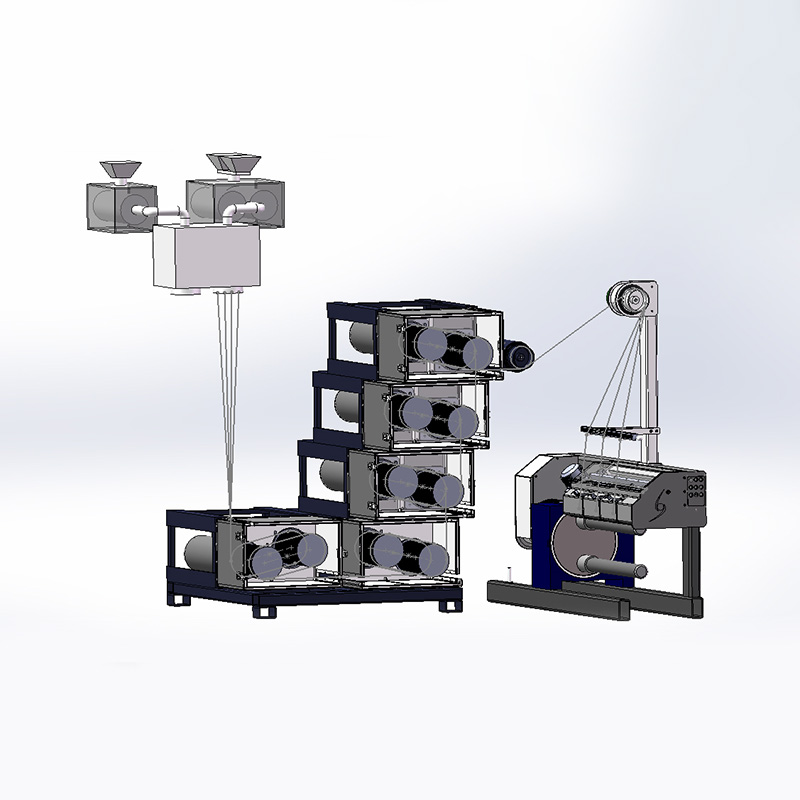
Undertake research, design, manufacture and engineering services of FDY, POY, HOY and indu...
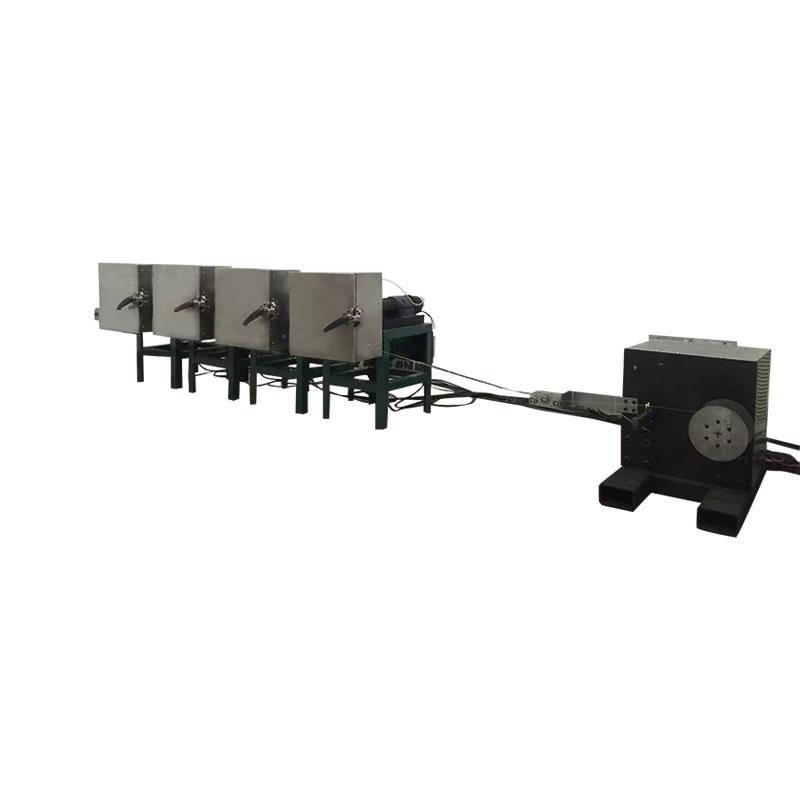
This equipment is specially suitable for low-speed and ultra-low-speed winding application...
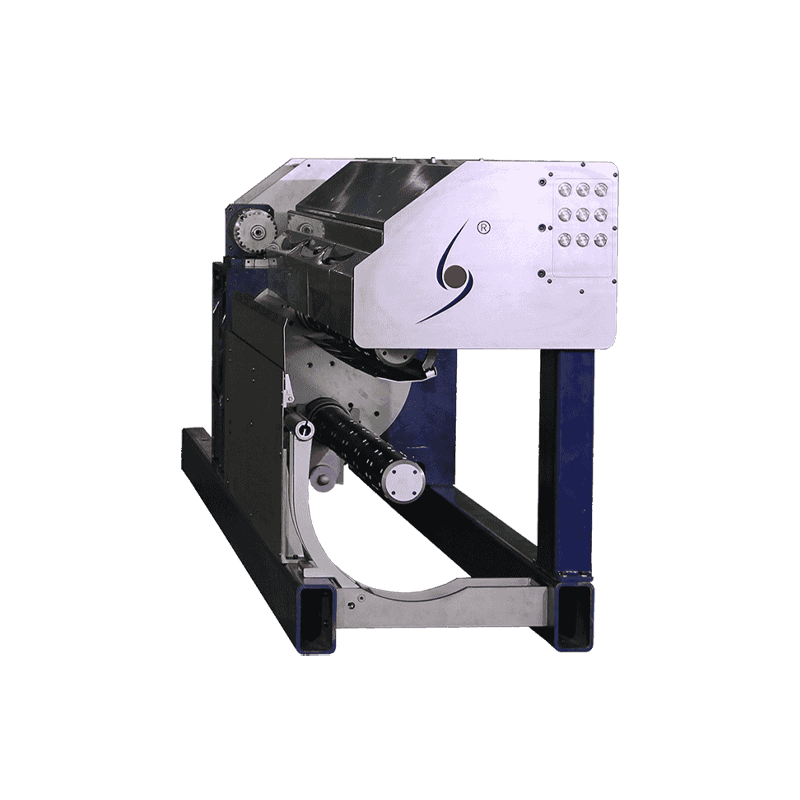
Core Component of Spinning Machine Designed for operational stability and consistent packa...

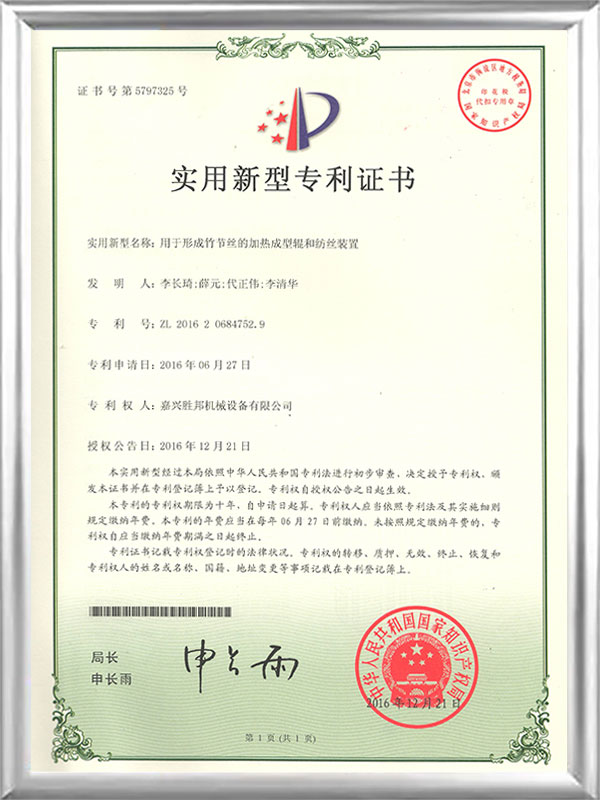
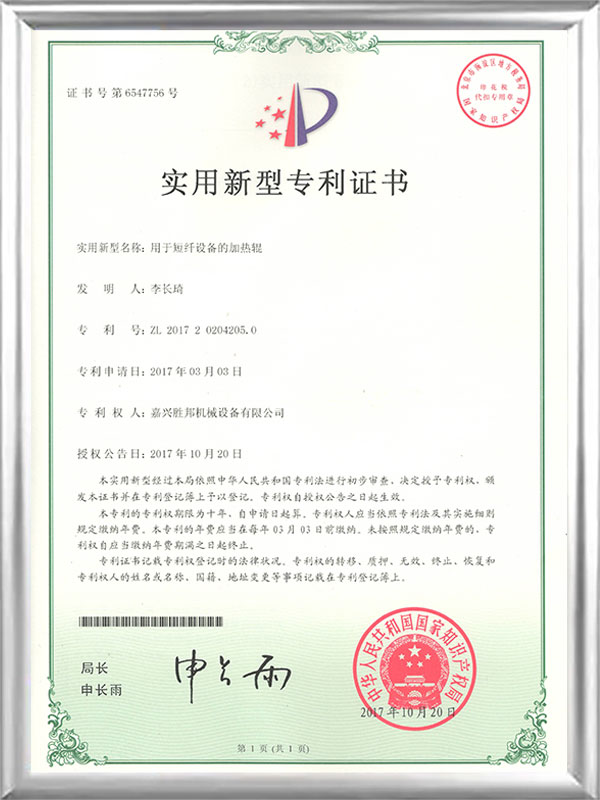
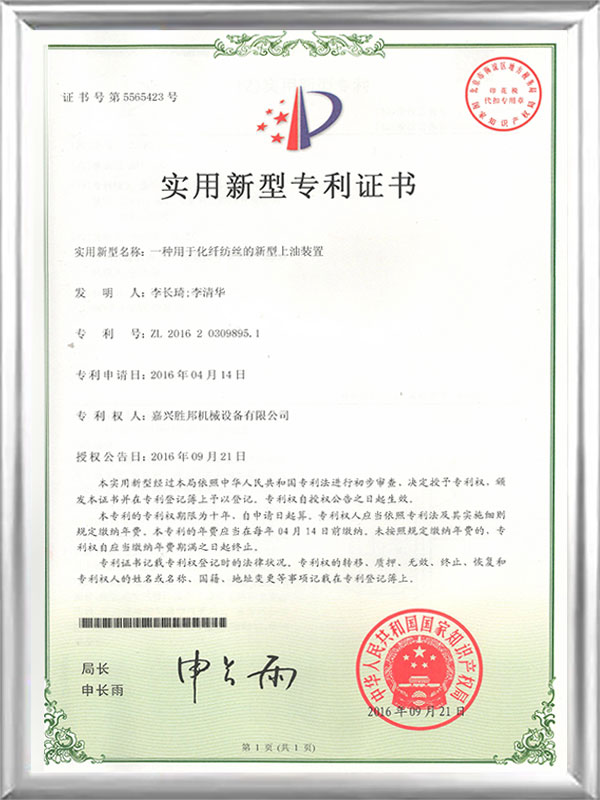
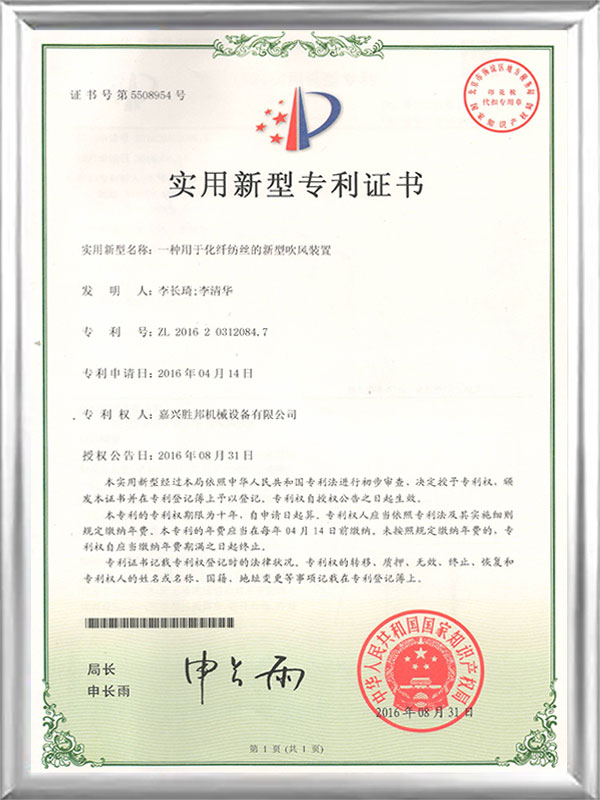
When a POY or FDY spinning line stops without warning, the root cause is rarely dramatic. More often, it is a worn bearing inside a contact roll, a shift fork ...
View MoreOn a chemical fiber spinning line, the godet shell is one of those components that only gets noticed when something goes wrong. It runs hot, it runs fast, and ...
View MoreA take-up winder is the last machine a filament meets before it becomes a package. Whether your line runs POY, FDY, HOY or heavy industrial yarn, the winder de...
View MoreEvery spool of filament yarn begins its life on a spinning production line. In the chemical fiber industry, this line is not a single machine but an integrated...
View MoreADDRESS: No.1298, Zhouan Road, Economic and Technological Development District, Jiaxing City, Zhejiang Province
PHONE: +86 19057031687
TEL: 86-0573-83777752
EMAIL: [email protected]
Jiaxing Shengbang Mechanical Equipment Co., Ltd. All Rights Reserved. Wholesale Hot Godet Suppliers
