

 English
 عربى
عربى русский
 简体中文
简体中文







We offer one-stop service including reconditioning, maintenance, repair and turnkey projec...
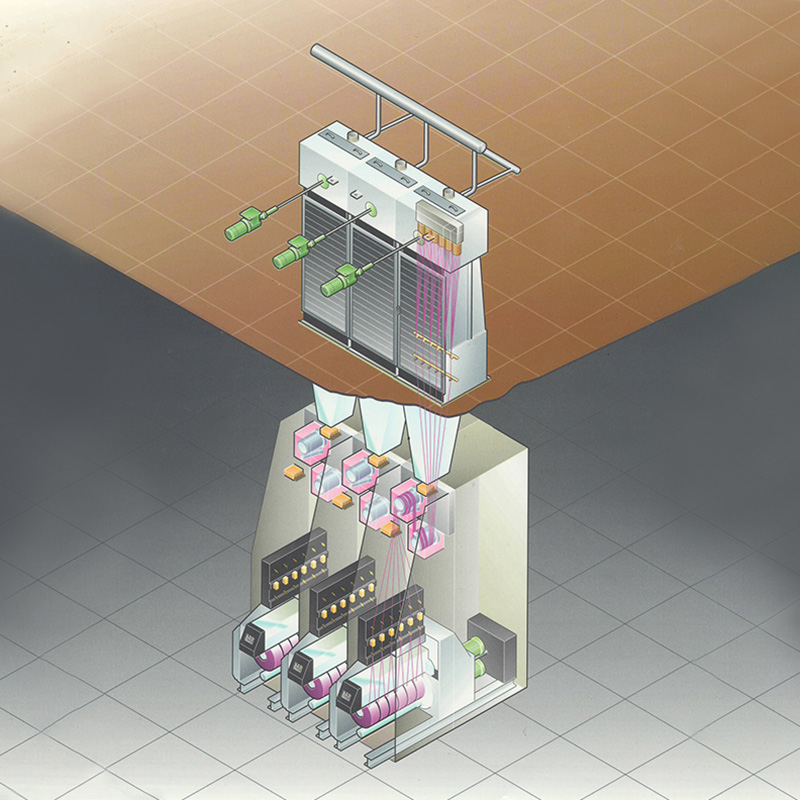
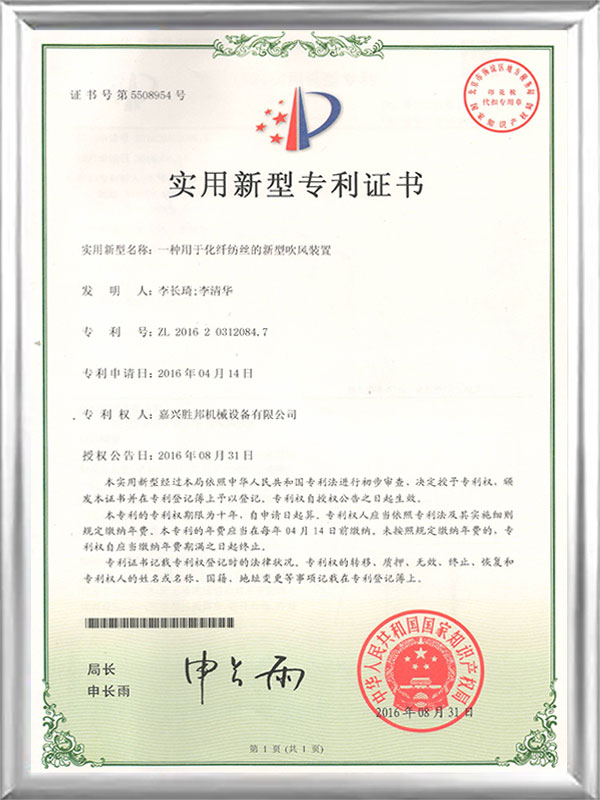
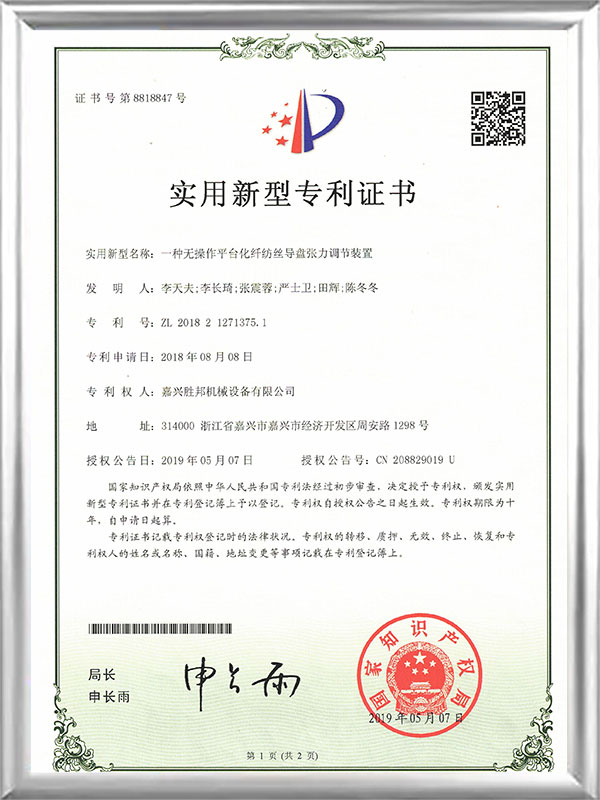
Undertake research, design, manufacture and engineering services of FDY, POY, HOY and indu...
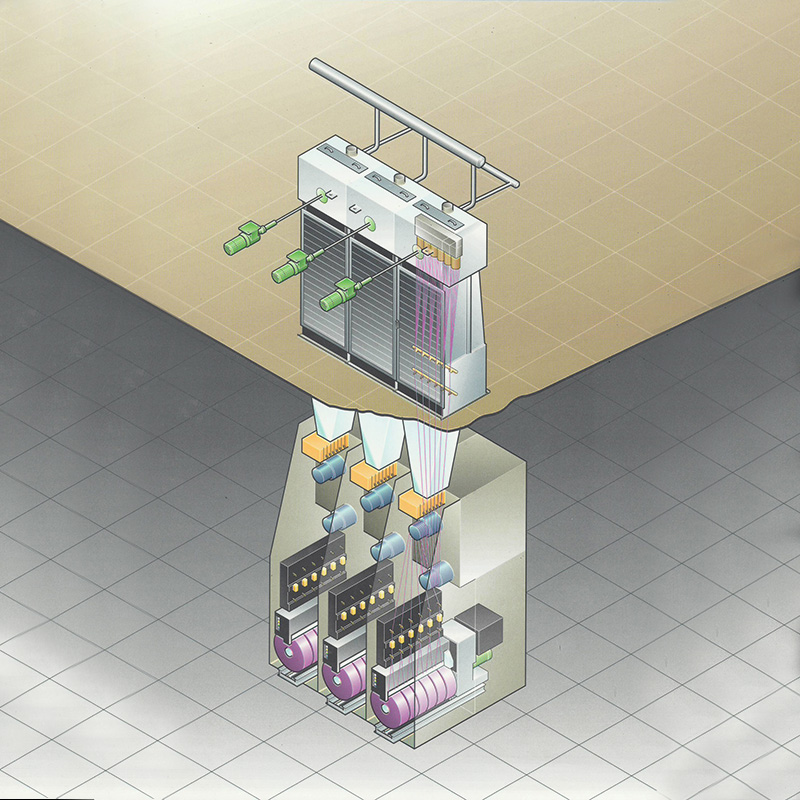
Undertake research, design, manufacture and engineering services of FDY, POY, HOY and indu...
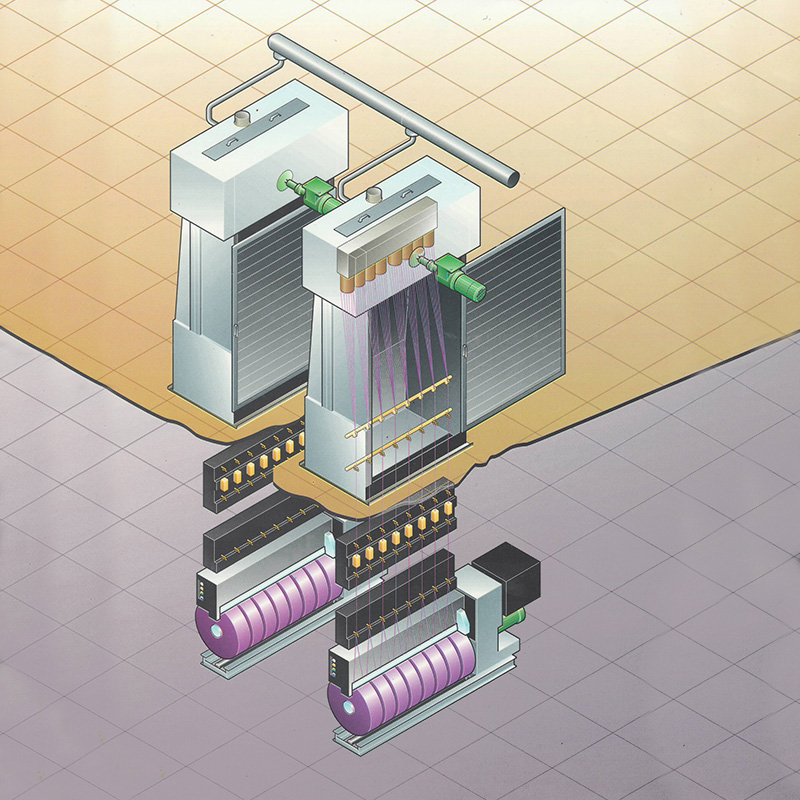
Undertake research, design, manufacture and engineering services of FDY, POY, HOY and indu...
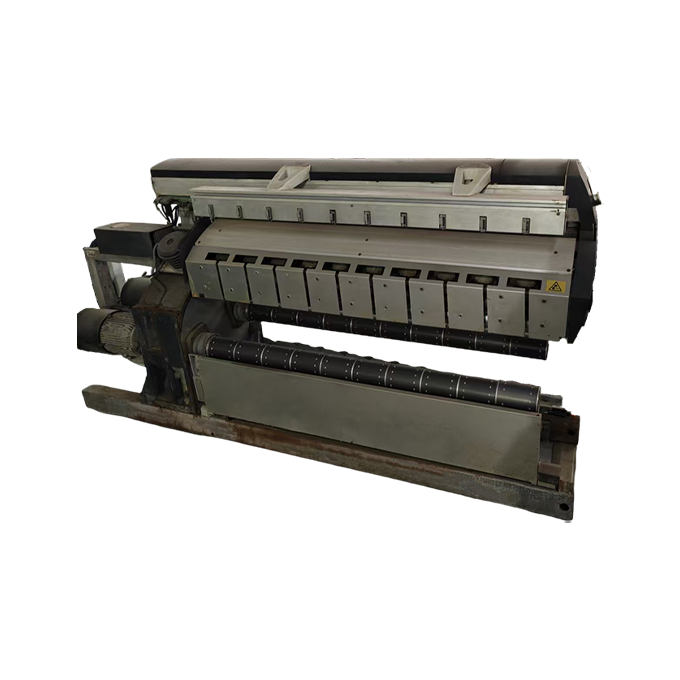
We offer one-stop service including reconditioning, maintenance, repair and turnkey projec...
We offer reconditioned melt spinning core components and auxiliary equipment for the production of POY/FDY/PET, including Barmag & TMT Take-up Winders, Godet Rollers, Spinning Packs (AKA Spinneret Assemblies), Thermal Conditioning Units, Spinning Stations (or Spinning Modules), Dedicated Metering Pumps, Motors and Control Valves, Control Module,HMI Panel, and Electrical Control Cabinet, with over 6,000 available units in stock.
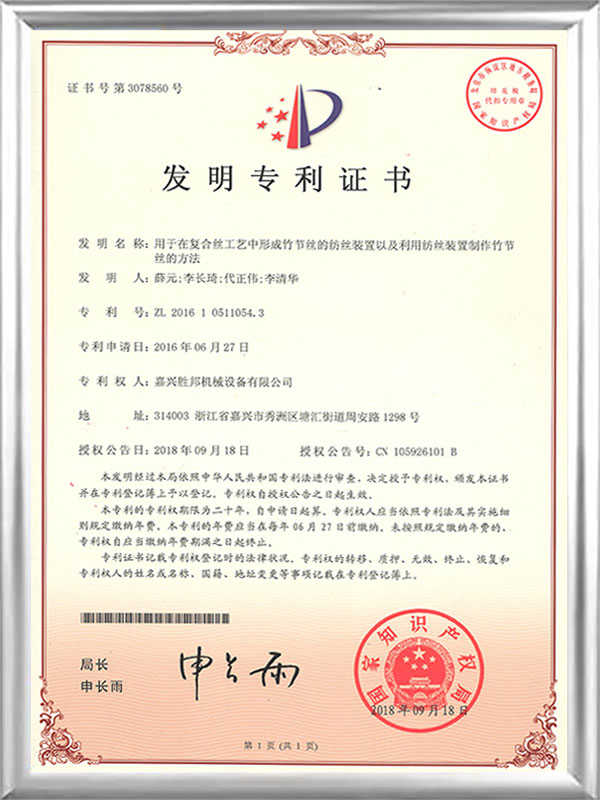
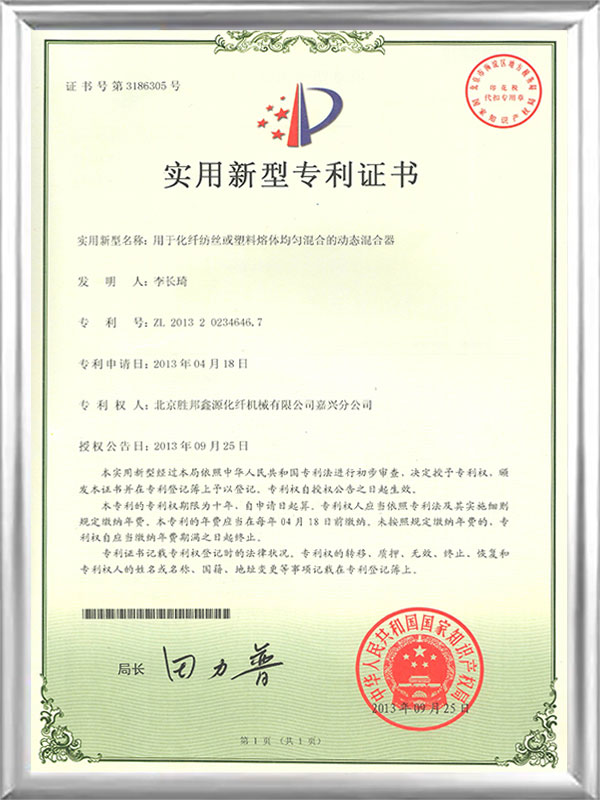
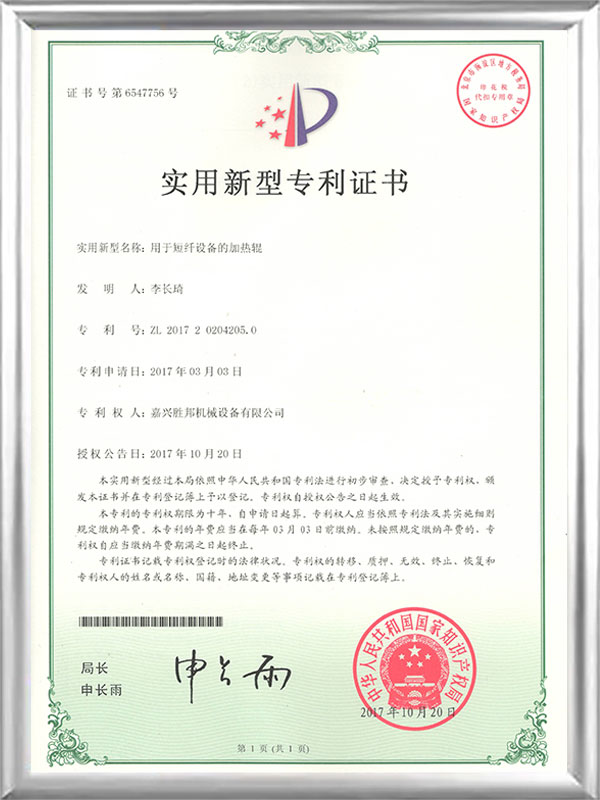
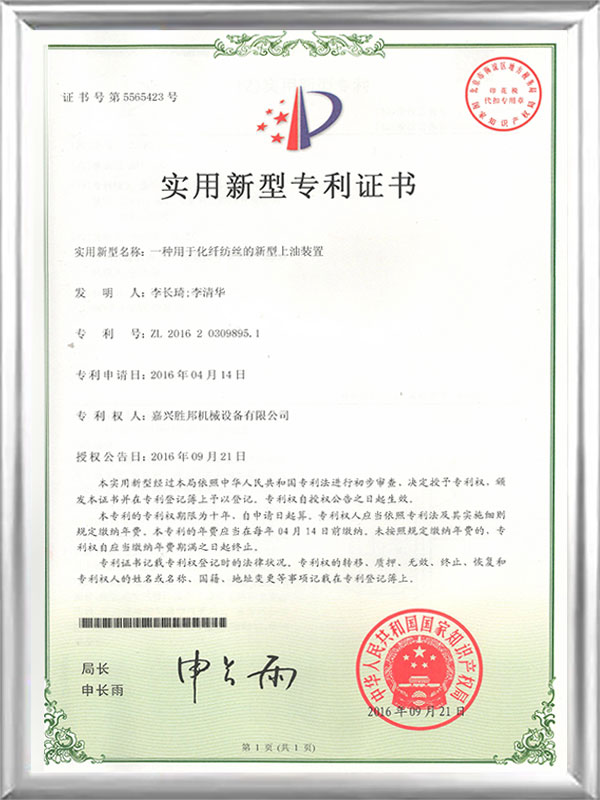
For procurement managers in the chemical fiber and textile industry, the decision to source second-hand spinning equipment is no longer just a cost-cutting measure — it's a strategic choice. With global demand for POY, FDY, and PET yarns continuing to grow, manufacturers are under pressure to expand capacity quickly while keeping capital expenditure under control. Reconditioned equipment from established suppliers offers a compelling solution.
1. What reconditioning standard was applied? Not all "second-hand" is equal. Look for suppliers who perform full mechanical inspection, component replacement, plasma coating restoration, and precision balancing (such as Schenk dynamic balancing) on core units like winders and godet rollers. A supplier with in-house reconditioning workshops — covering machining, maintenance, and coating — offers far greater transparency than a simple reseller.
2. Are OEM-compatible spare parts readily available? Long-term operational cost is directly tied to parts availability. When sourcing used Barmag (ACW series) or TMT winders, verify that the supplier stocks compatible components: shift forks, bearings, lock rings, chuck sleeves, yarn guide plates, and interlacing nozzles. A supplier holding over 6,000 units in stock dramatically reduces your downtime risk.
3. Can the equipment be integrated into my existing production line? Second-hand equipment must fit your current process layout and control architecture. Prioritize suppliers who offer engineering and turnkey project services — not just equipment sales — so that installation, commissioning, and HMI/electrical cabinet integration are handled end-to-end.
4. Is there a testing or trial option before full commitment? The ability to conduct spinning trials before purchase is a significant risk mitigator. Suppliers with dedicated spinning labs allow buyers to validate yarn quality (POY, FDY, single- or multi-component) before signing purchase orders — especially valuable for new material applications like PET, PA, or PP.
5. What after-sales and technical support is provided? Post-purchase support is often the most overlooked factor. Evaluate whether the supplier offers ongoing maintenance, repair services, and remote technical assistance. Partnerships with major fiber groups (such as Tongkun, Hengli, or Xin Feng Ming) are a useful indicator of a supplier's reliability track record.
Take-up Winders (Barmag ACW / TMT series) The most traded units in the secondary market. Buyers should pay close attention to chuck condition, traverse mechanism wear, and spindle bearing status. Reconditioned ACW-series winders can deliver near-new performance at 40–60% of the cost of new equipment.
Godet Rollers (Hot Godet Units) Critical for yarn drawing and heat treatment. Temperature uniformity and roller surface coating quality are the two primary inspection points. Suppliers with in-house plasma coating and Barmag-standard temperature calibration capability provide a measurable quality advantage.
Spinning Packs & Metering Pumps Often replaced rather than reconditioned, but sourcing compatible OEM-spec spinning packs (spinneret assemblies) and metering pumps from a trusted supplier ensures process consistency without the lead times associated with new OEM orders.
Electrical & Control Systems HMI panels, control modules, and electrical control cabinets require careful compatibility assessment. Buyers integrating used equipment into modernized lines should confirm PLC compatibility and whether the supplier can provide software support or system upgrades.
| Upfront Cost | High | 40–65% lower |
| Lead Time | 6–18 months | 1–3 months |
| Parts Availability | OEM dependent | Stocked by supplier |
| Warranty | OEM warranty | Supplier guarantee |
| Customization | Standard options | Flexible per line needs |
| Environmental Impact | Higher resource use | Lower carbon footprint |
Sourcing reconditioned spinning machinery also supports your ESG commitments. Extending the service life of precision equipment reduces industrial waste and the embodied carbon associated with new manufacturing — an increasingly relevant consideration for buyers supplying European and North American textile markets with tightening sustainability requirements.
No fiber reaches a commercial line on the strength of a laboratory recipe alone. Somewhere in between, somebody has to spin it on real equipment — real godets, real quenching, a real winder — and find out whether the id...
View MoreIf your plant runs Barmag spinning and winding equipment, you already know the truth about spare parts: they are small, they are easy to overlook, and they quietly decide whether a line runs at full speed or sits idle w...
View MoreWhen a POY or FDY spinning line stops without warning, the root cause is rarely dramatic. More often, it is a worn bearing inside a contact roll, a shift fork that has lost its timing, or a yarn guide plate whose surfac...
View MoreADDRESS: No.1298, Zhouan Road, Economic and Technological Development District, Jiaxing City, Zhejiang Province
PHONE: +86 19057031687
TEL: 86-0573-83777752
EMAIL: [email protected]
Jiaxing Shengbang Mechanical Equipment Co., Ltd. All Rights Reserved. Custom Second-Hand Equipment Manufacturers
