

 English
 عربى
عربى русский
 简体中文
简体中文







All the fabric styles could be achieved even without dyeing, which is of great value for r...
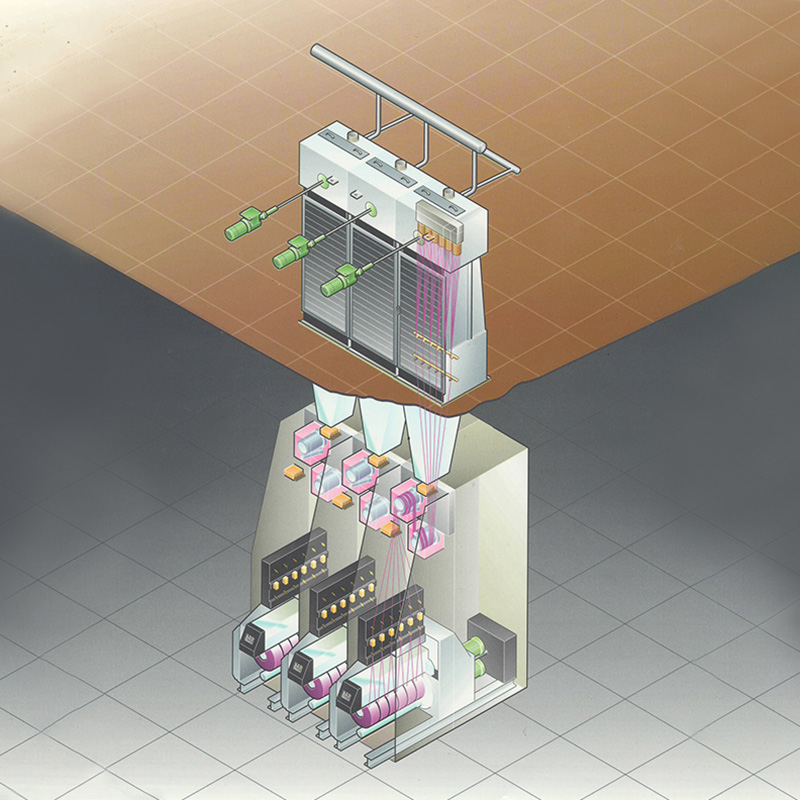
Undertake research, design, manufacture and engineering services of FDY, POY, HOY and indu...
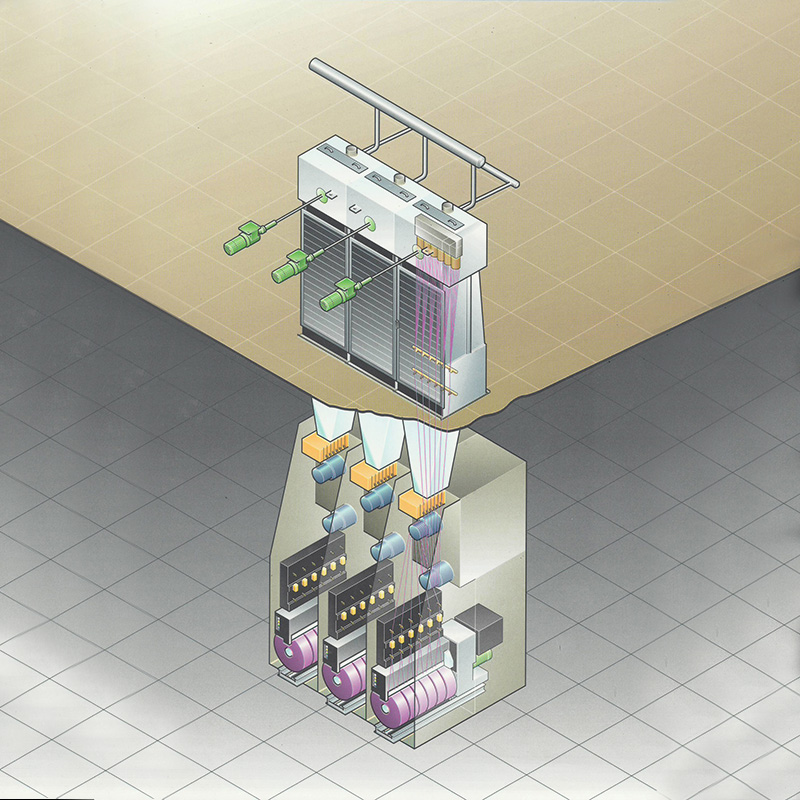
Undertake research, design, manufacture and engineering services of FDY, POY, HOY and indu...
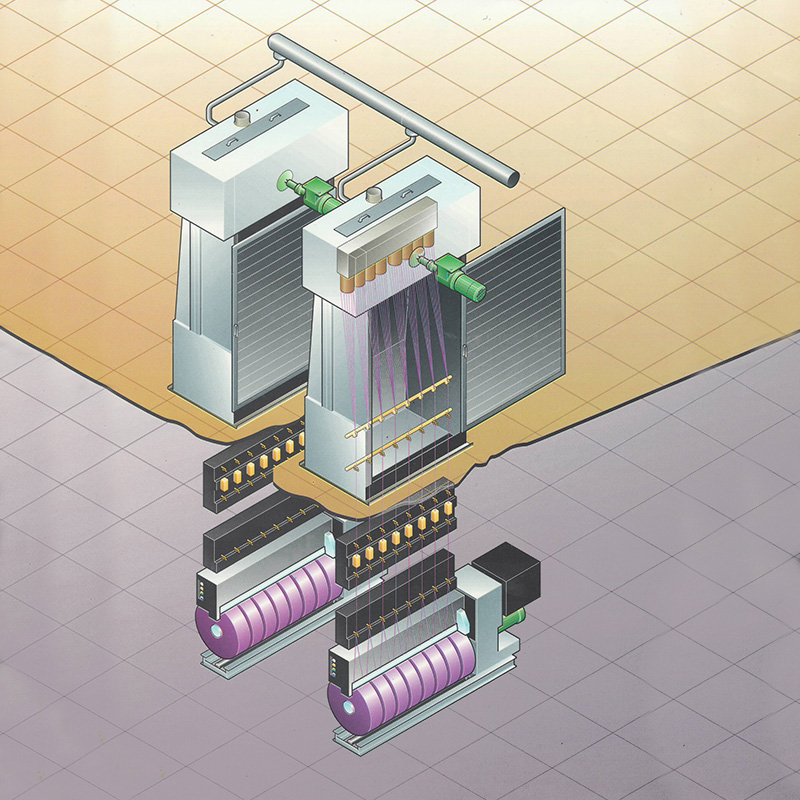
Undertake research, design, manufacture and engineering services of FDY, POY, HOY and indu...

All the fabric styles could be achieved even without dyeing, which is of great value for r...
Undyed fabrics, as the name suggests, refer to fabrics that have not been dyed. Such fabrics usually retain the natural tones of the raw materials, such as white and light beige. Unlike chemically dyed fabrics, Undyed fabrics can retain the essential characteristics of natural fibers, such as breathability, comfort and environmental protection. Therefore, for consumers who pay more and more attention to health and environmental protection, Undyed fabrics are an attractive choice.
As people's pursuit of a natural and healthy lifestyle continues to increase, the demand for Undyed fabrics has grown significantly. Especially in the fields of clothing and home textiles, Undyed fabrics are favored for their natural texture and excellent comfort. Many consumers have begun to prefer clothing made of Undyed fabrics because they do not contain harmful chemicals and are more in line with the concept of healthy and environmentally friendly life. Moreover, the natural texture and tone of Undyed fabrics make them widely used in high-end fashion and home textiles.
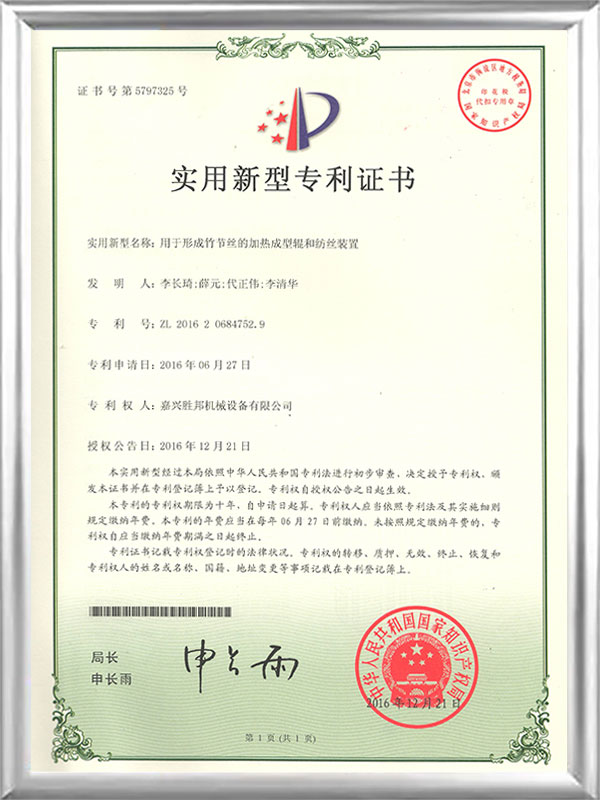
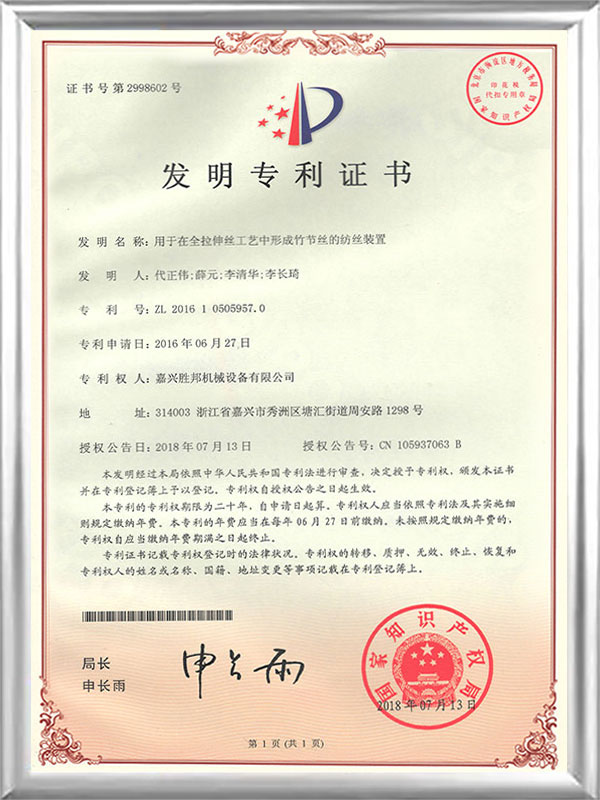
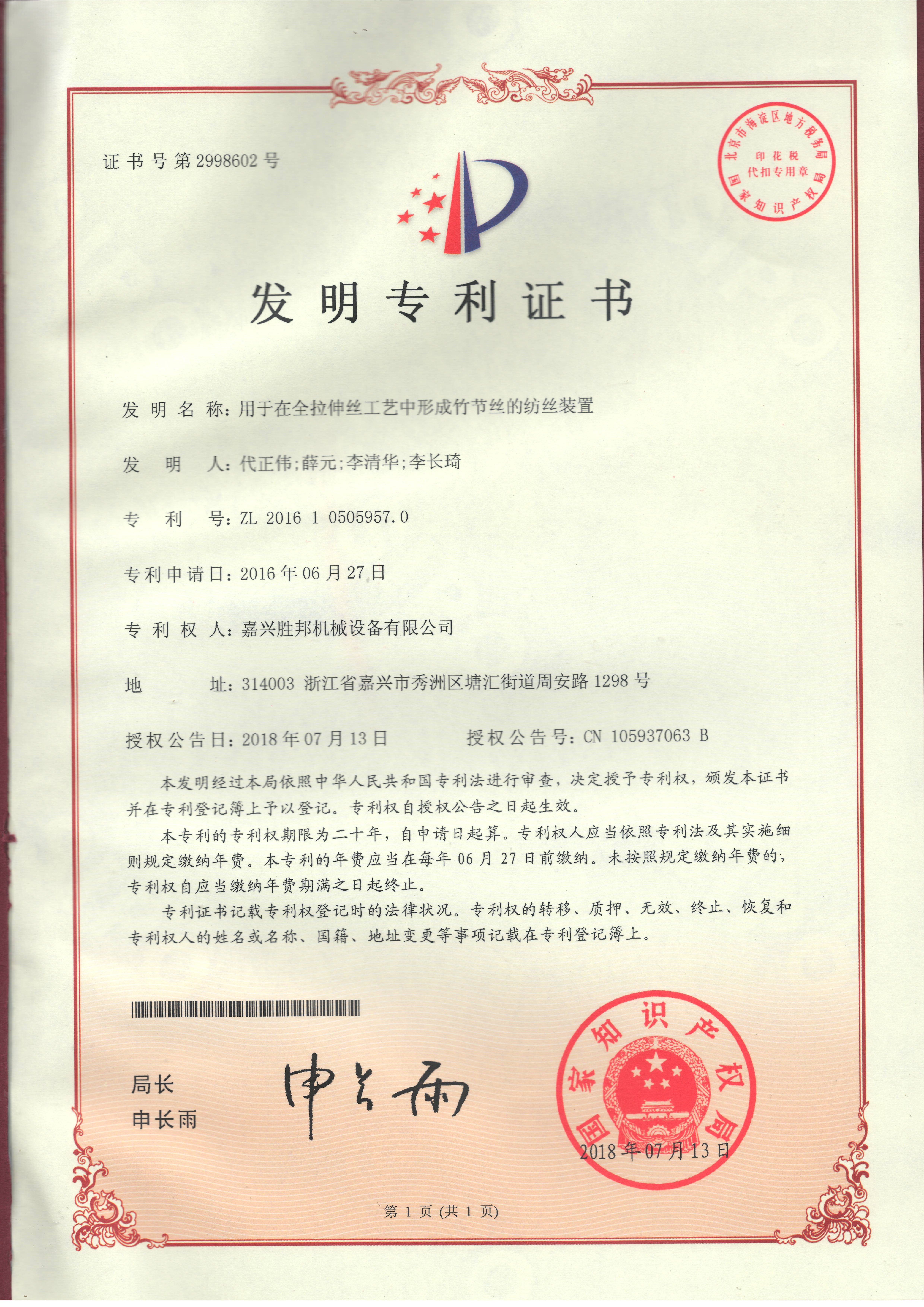
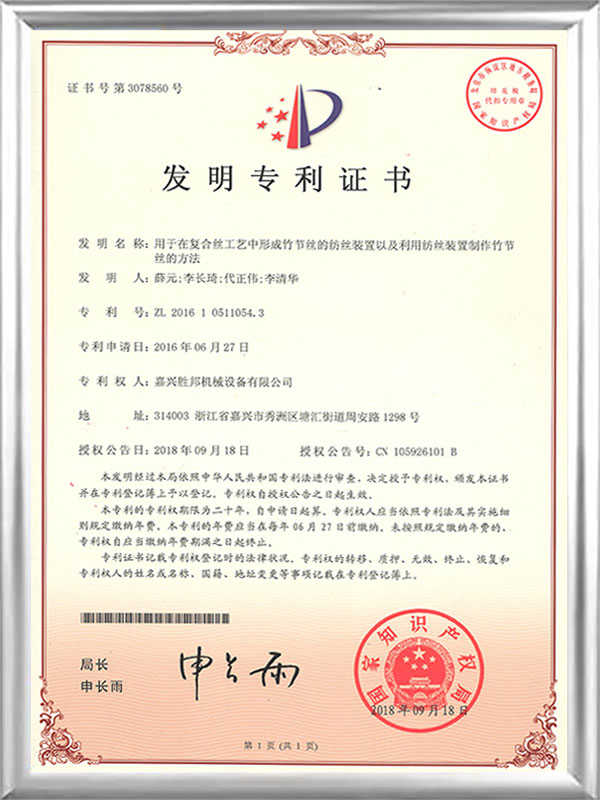
From the perspective of textile production, the production process of Undyed fabrics is relatively simple and does not require complex dyeing processes, which can effectively save production costs and reduce resource consumption. Just like Jiaxing Shengbang Machinery Equipment Co., Ltd., with its advanced spinning technology and equipment, can efficiently produce Undyed fabrics and ensure the stability of fabric quality in the production process. Through these technologies, Undyed fabrics not only maintain the characteristics of natural fibers, but also meet the needs of modern consumers for high-quality and environmentally friendly products.
In addition, the environmental protection characteristics of Undyed fabrics are also an important reason for its popularity. When producing dyed fabrics, a large amount of water and chemical dyes are usually required, which puts a lot of pressure on the environment. Undyed fabrics avoid these problems and reduce water pollution and chemical waste. With the improvement of environmental regulations and consumer environmental awareness, Undyed fabrics have gradually become an ideal material choice in the environmental protection industry, which can effectively reduce the carbon footprint and water footprint of the textile industry.
However, Undyed fabrics also face some challenges, especially in terms of application scope and consumer acceptance in the market. Although Undyed fabrics have advantages in environmental protection and health, some consumers may feel that they are not fashionable or diverse enough due to their relatively single colors. Therefore, textile manufacturers need to make more efforts in design and innovation, combining undye fabrics with modern design concepts to meet consumers' demand for fashionable and personalized products.
When a POY or FDY spinning line stops without warning, the root cause is rarely dramatic. More often, it is a worn bearing inside a contact roll, a shift fork that has lost its timing, or a yarn guide plate whose surfac...
View MoreOn a chemical fiber spinning line, the godet shell is one of those components that only gets noticed when something goes wrong. It runs hot, it runs fast, and its surface is in constant contact with moving yarn and spin...
View MoreA take-up winder is the last machine a filament meets before it becomes a package. Whether your line runs POY, FDY, HOY or heavy industrial yarn, the winder decides how evenly the yarn is laid, how stable the package st...
View MoreADDRESS: No.1298, Zhouan Road, Economic and Technological Development District, Jiaxing City, Zhejiang Province
PHONE: +86 19057031687
TEL: 86-0573-83777752
EMAIL: [email protected]
Jiaxing Shengbang Mechanical Equipment Co., Ltd. All Rights Reserved. Wholesale No Dyeing Environmentally Fabric Suppliers
