

 English
 عربى
عربى русский
 简体中文
简体中文







Undertake research, design, manufacture and engineering services of FDY, POY, HOY and indu...
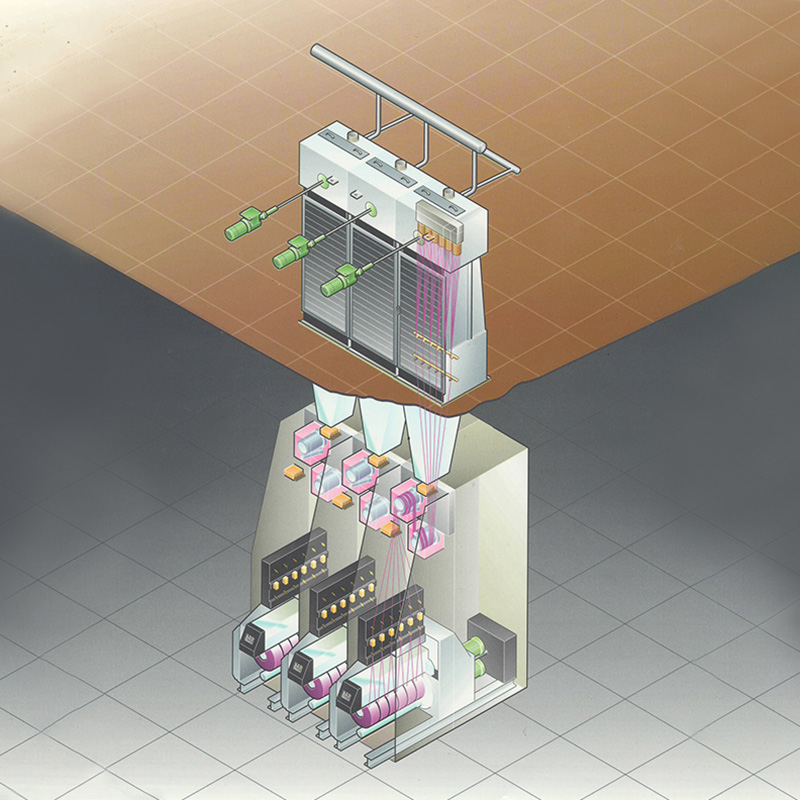
Undertake research, design, manufacture and engineering services of FDY, POY, HOY and indu...
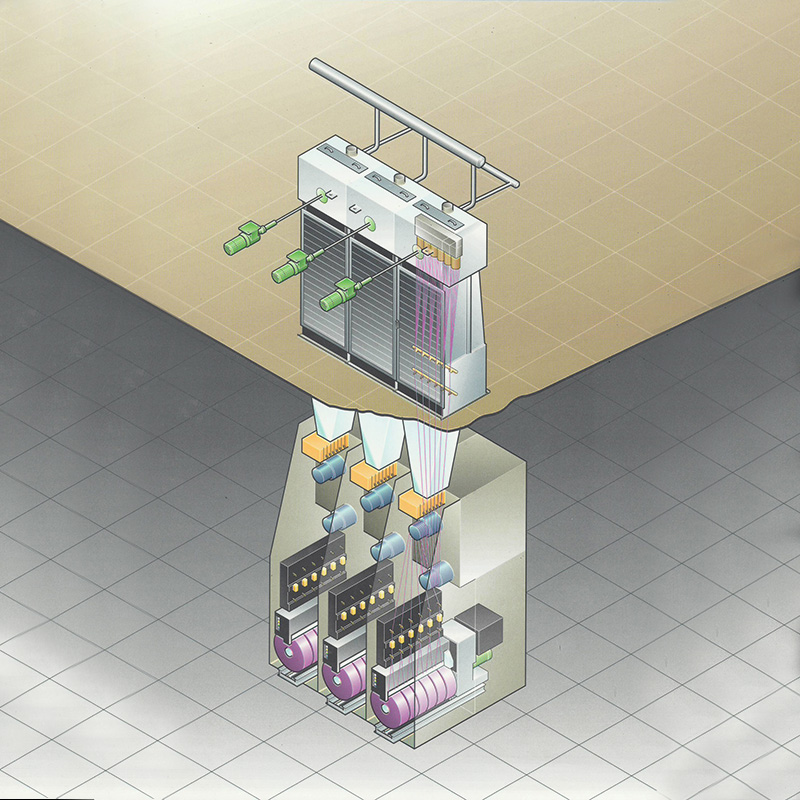
Undertake research, design, manufacture and engineering services of FDY, POY, HOY and indu...
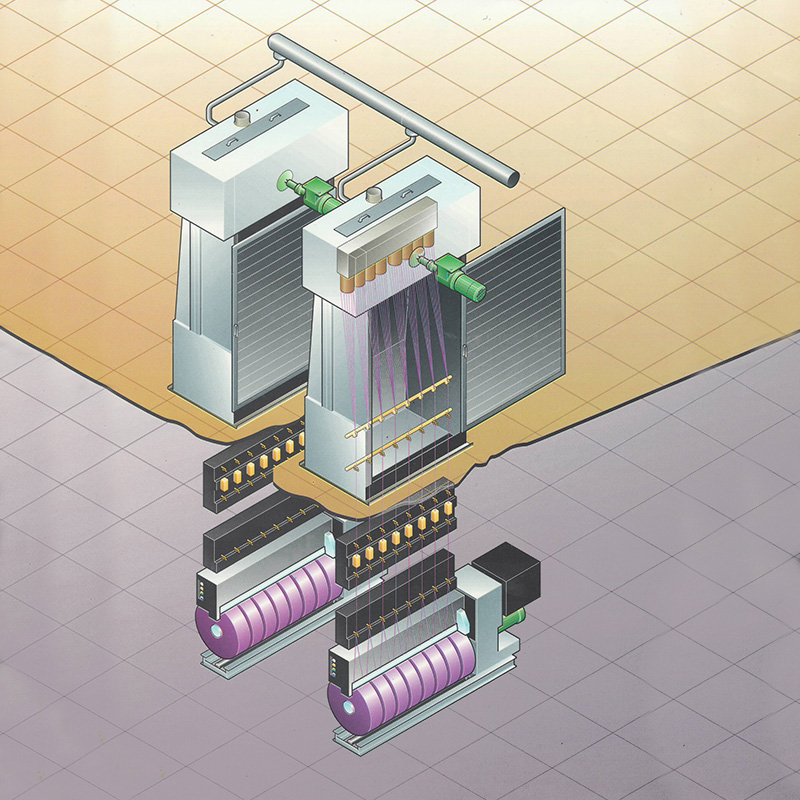
Undertake research, design, manufacture and engineering services of FDY, POY, HOY and indu...
Undertake research, design, manufacture and engineering services of FDY, POY, HOY and indu...
Undertake research, design, manufacture and engineering services of FDY, POY, HOY and indu...
Undertake research, design, manufacture and engineering services of FDY, POY, HOY and indu...
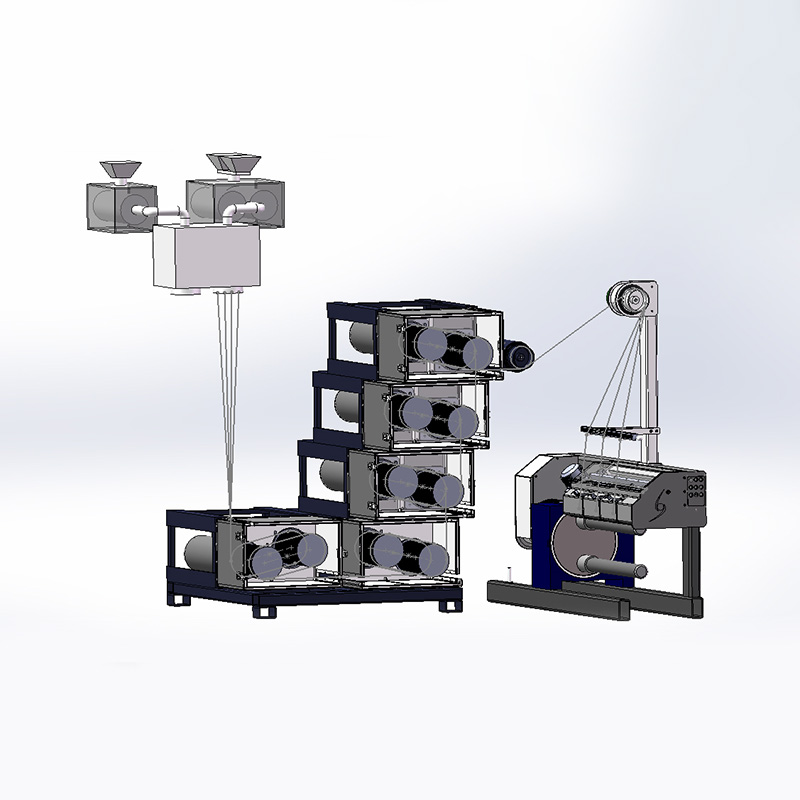
Undertake research, design, manufacture and engineering services of FDY, POY, HOY and indu...
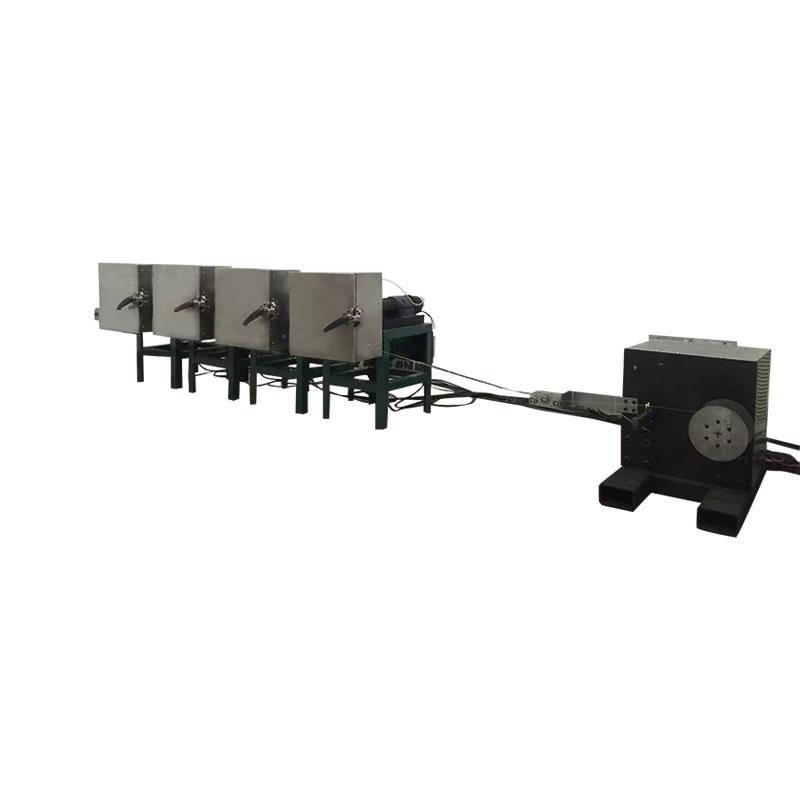
This equipment is specially suitable for low-speed and ultra-low-speed winding application...
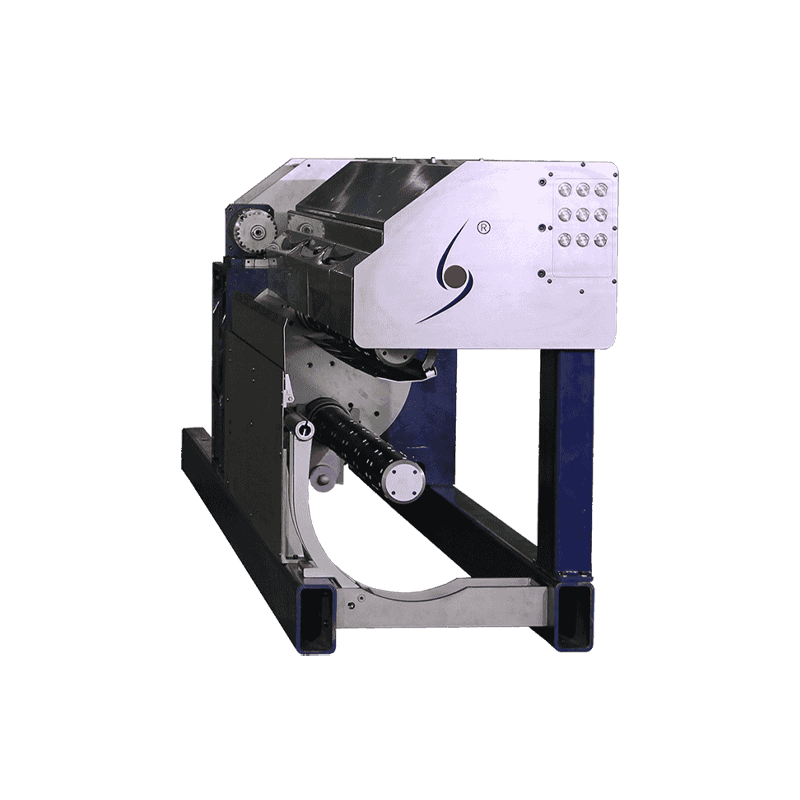
Core Component of Spinning Machine Designed for operational stability and consistent packa...
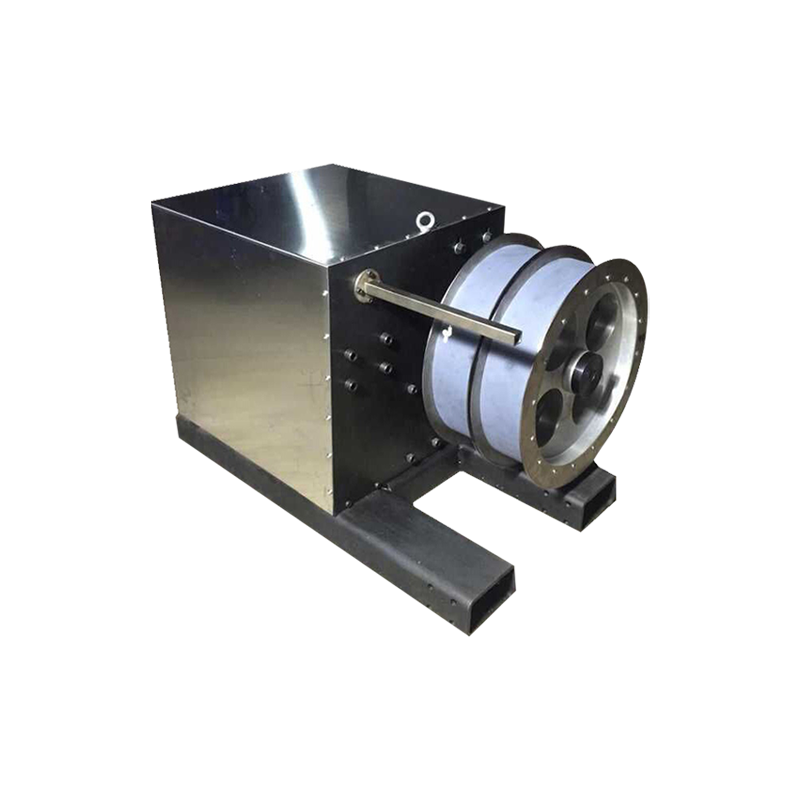
This equipment is specially suitable for low-speed and ultra-low-speed winding application...
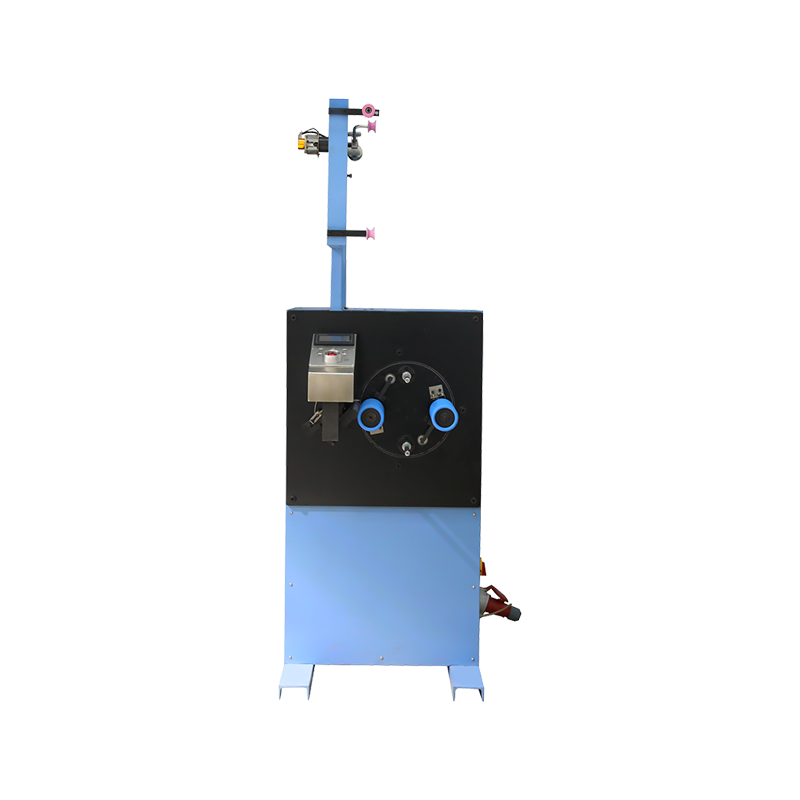
Range of Application: UHMWPE fiber yarn, aramid fiber yarn, carbon fiber yarn, tire cord, ...
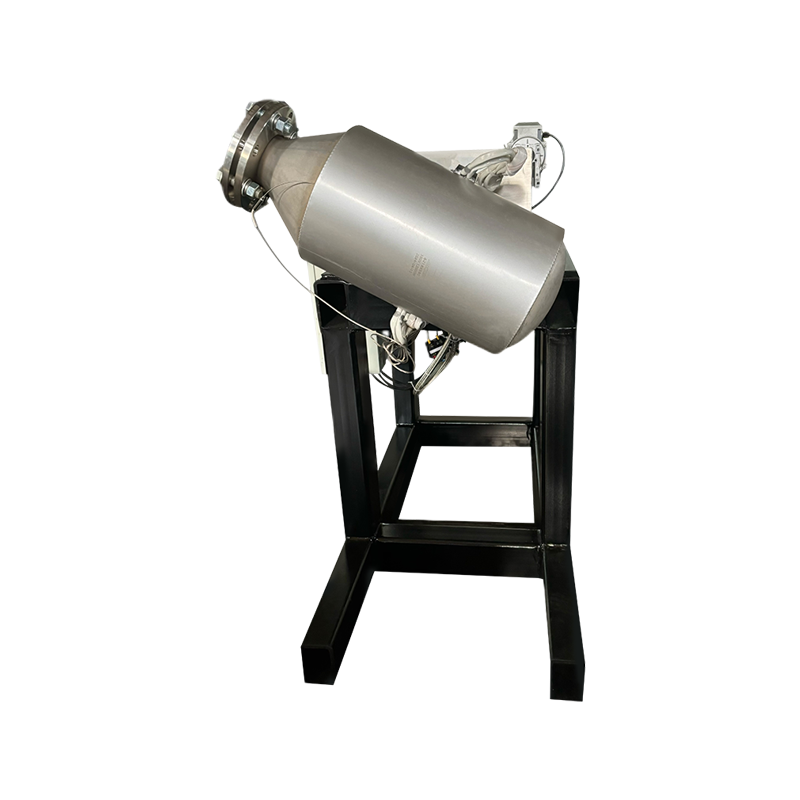
For raw material drying
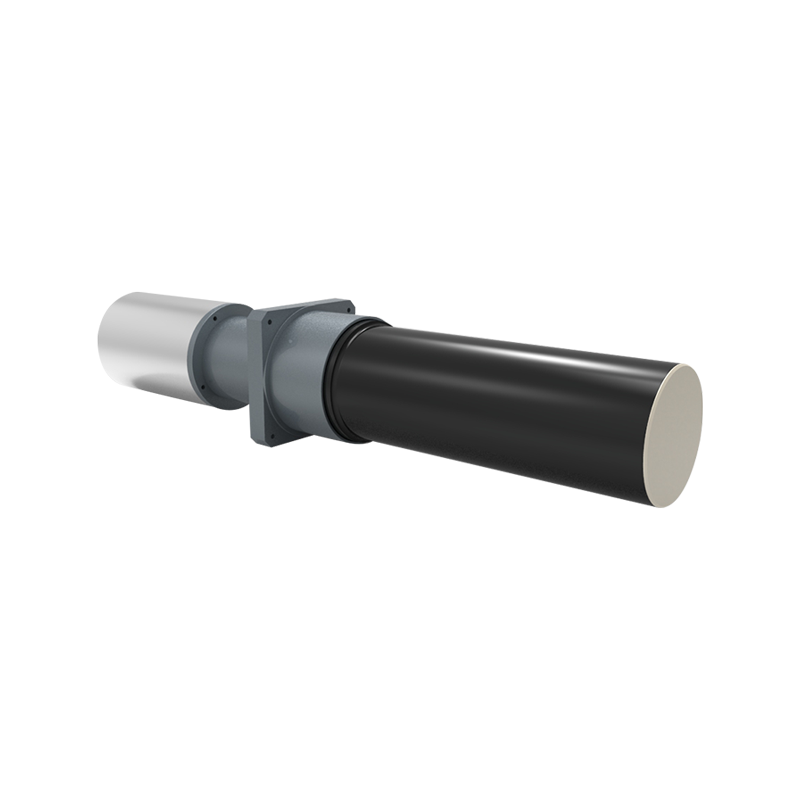
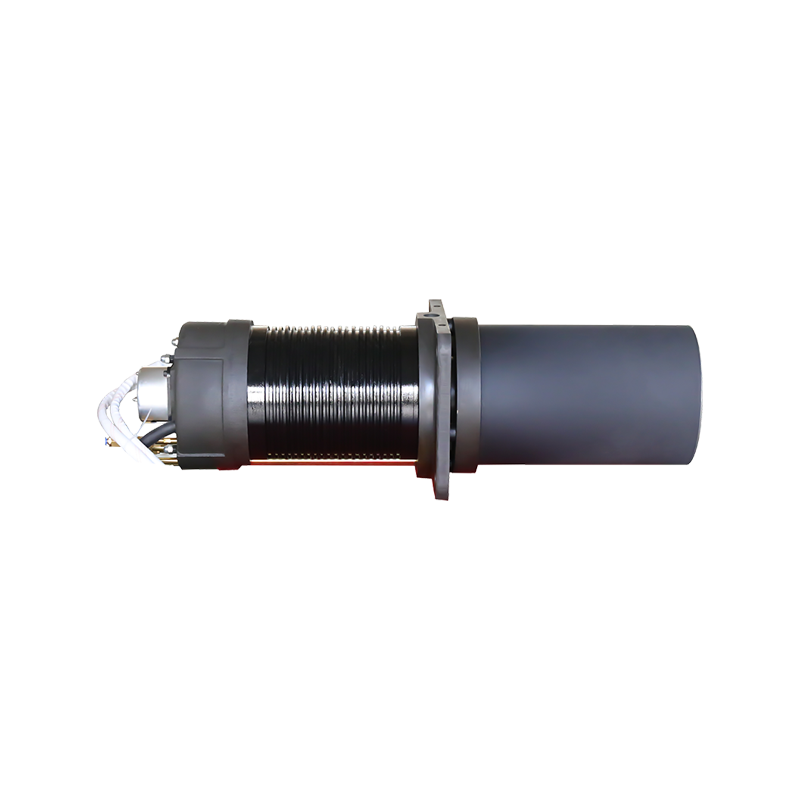
Range of Application: UHMWPE fiber yarn, aramid fiber yarn, carbon fiber yarn, PPS, PEEK m...
We undertake the research, design, manufacturing, and engineering services for complete spinning equipment lines, including POY, FDY, and industrial yarns made from materials such as polyester (PET), nylon (PA), polypropylene (PP), and polylactic acid (PLA). We manage the entire process from bottle flakes to filaments, encompassing raw material treatment, auxiliary equipment, utilities, general electrical systems, and relevant technical documentation. This covers all necessary components required for various types of filament production, such as extruders, winders, and pumps.
In the field of plant engineering and construction, our plant design represents a turnkey project. This means we provide a comprehensive, one-stop service from the initial feasibility study to final project realization:
1. Feasibility Studies
2. Consulting Services
3. Engineering Design & Construction
4. After-Sales Service for Equipment and Engineering
The system is specifically engineered for applications involving*high-performance masterbatches and low-viscosity melt spinning technologies. Synergized with downstream weaving processes, it focuses on the manufacturing of high-performance raw materials required for functional fibers and high-end technical textiles, ensuring full-capacity operation and immediate production right after equipment installation.
Furthermore, our spinning production lines integrate high stability with operational flexibility. They require only minimal adjustments to switch raw materials or accelerate production capacity, reserving zero-modification headroom for future output expansion.
Upon extrusion from the spinneret, the fibers are air-cooled in a specially designed cooling unit. They then undergo spinning treatment, pre-mingling, and are guided via godets to the drawing rollers. High-speed winders precisely wind the filaments to ensure uniform package density, neat edges, and freedom from sloughing or bulging—which is critical for subsequent weaving.
The resulting filaments exhibit excellent elongation uniformity, consistent breaking strength, and surface homogeneity, significantly reducing yarn breakage and defect rates during weaving. The finished products can be utilized in the weaving of:
Functional apparel, socks, and home textile fabrics
Tire cord fabrics, airbags, seatbelts, and conveyor belts
Geotextiles and architectural membranes
Ropes, cables, protective clothing, and fishing nets
Flexible Intermediate Bulk Containers (FIBC/bulk bags), industrial filter cloth, and dust filter bags
1. Key Points for Daily Equipment Maintenance
1. Cleaning and Lubrication
Daily cleaning: Use compressed air or a soft brush to remove lint and flying flowers on the spinning machine table to prevent fiber accumulation from affecting the heat dissipation of the equipment and the operation of the transmission components.
Regular lubrication: According to the equipment manual, add special lubricating oil (such as NSK LGU series) to the rollers, spindles, pulleys and other transmission components every week to reduce wear.
2. Electrical system inspection
Voltage stability: Use a multimeter to monitor power supply voltage fluctuations (within ±5%) to avoid voltage instability causing motor overheating or inverter failure.
Terminal tightening: Check the terminal in the control cabinet every month to prevent looseness from causing short circuit or signal loss.
3. Key component monitoring
Spindle vibration detection: Use a handheld vibration meter (such as Fluke 805) to detect the spindle vibration value (normal ≤0.1mm/s), and replace the bearing in time if abnormal.
Belt tension adjustment: Use a tension meter (such as Gates KTA) to measure the belt tension and ensure that it is within the range specified in the equipment manual (such as 150-200N).
2. Preventive maintenance strategy
1. Condition-based maintenance (CBM)
Vibration monitoring: Install vibration sensors on key equipment (such as rollers and spindles) and set alarm thresholds (such as 0.2mm/s).
Thermal imaging detection: Use a thermal imager (such as FLIR E8) to check the temperature distribution of motors and bearings every quarter to detect potential faults in advance.
2. Spare parts management
ABC classification method:
Class A (high value/long delivery time): such as imported spindles and inverters, keep 3 months of inventory;
Class B (common parts): such as belts and leather rings, keep 1 month of inventory;
Class C (low-value consumables): such as yarn tubes and cotton suction flute tubes, purchase on demand.
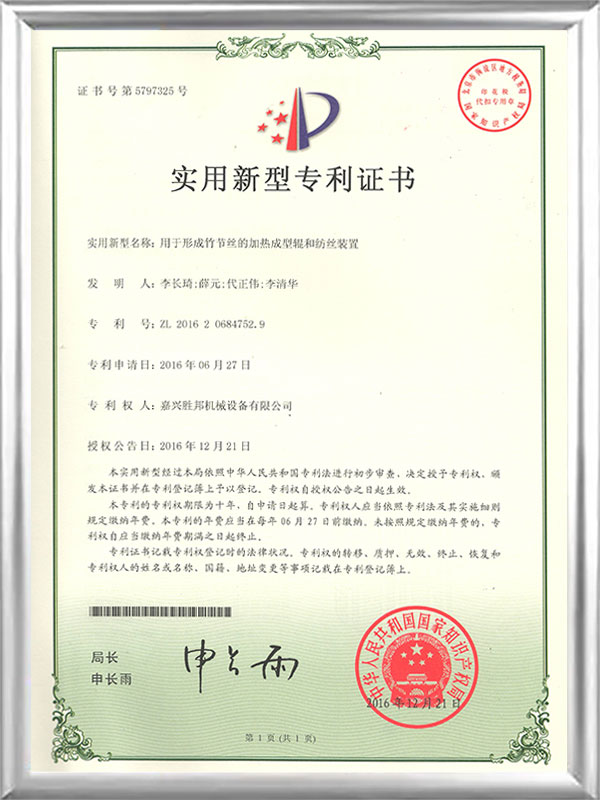
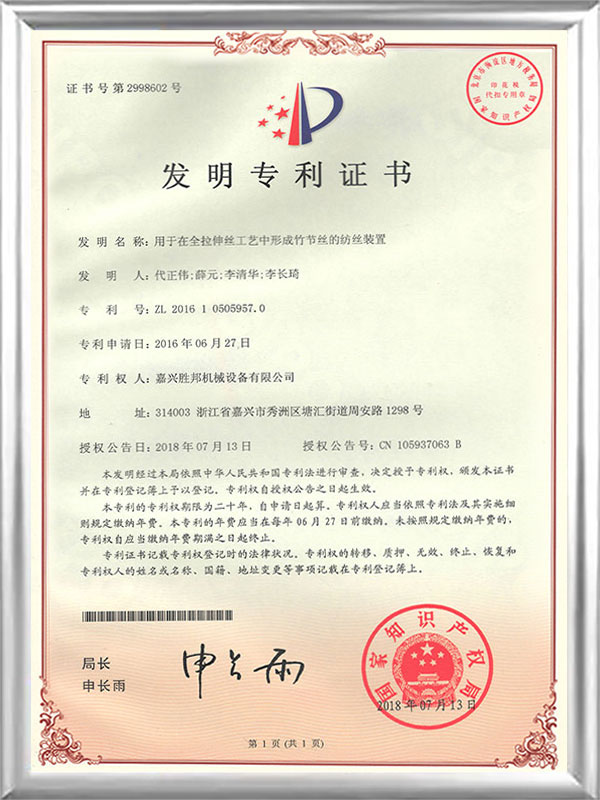
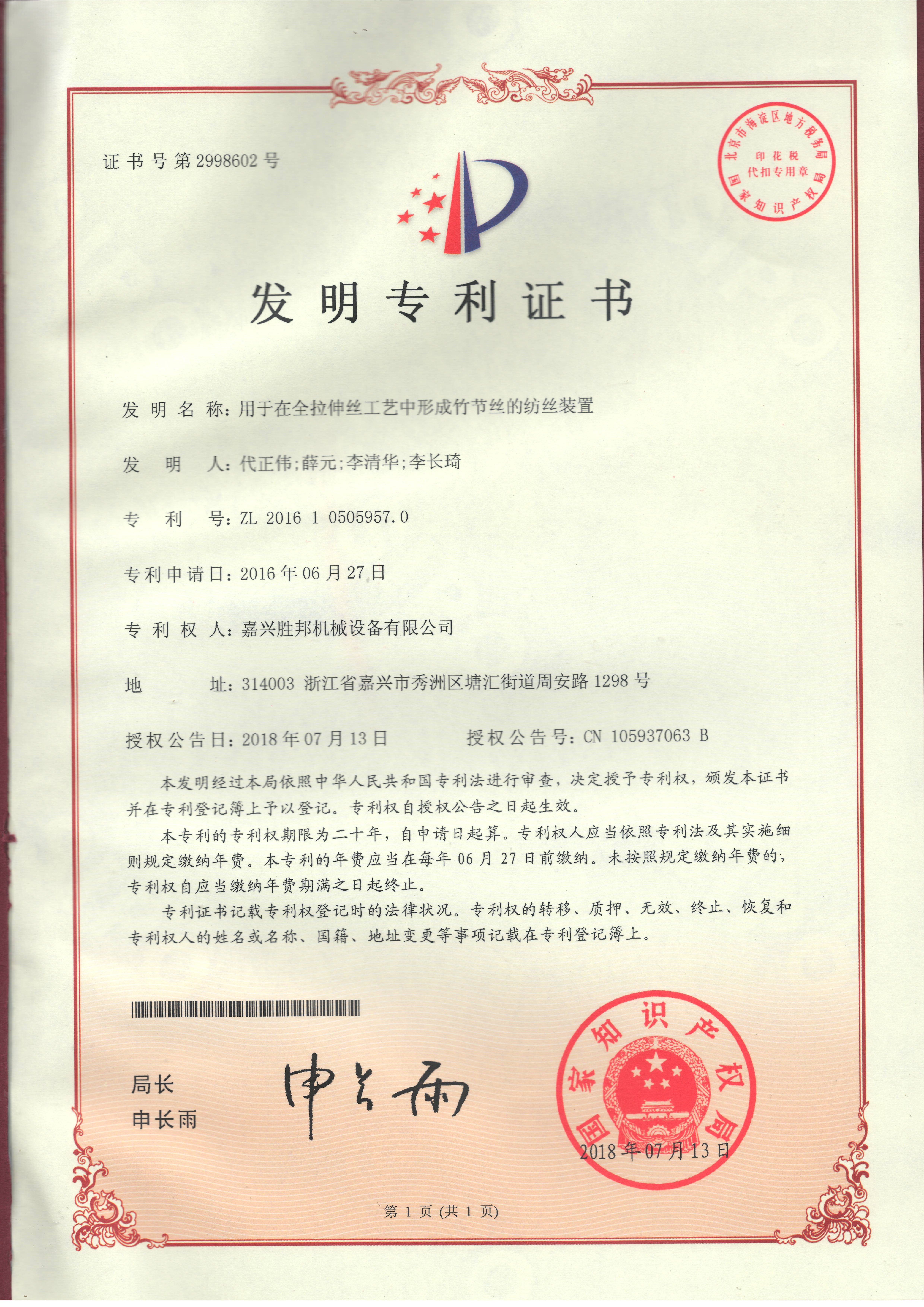
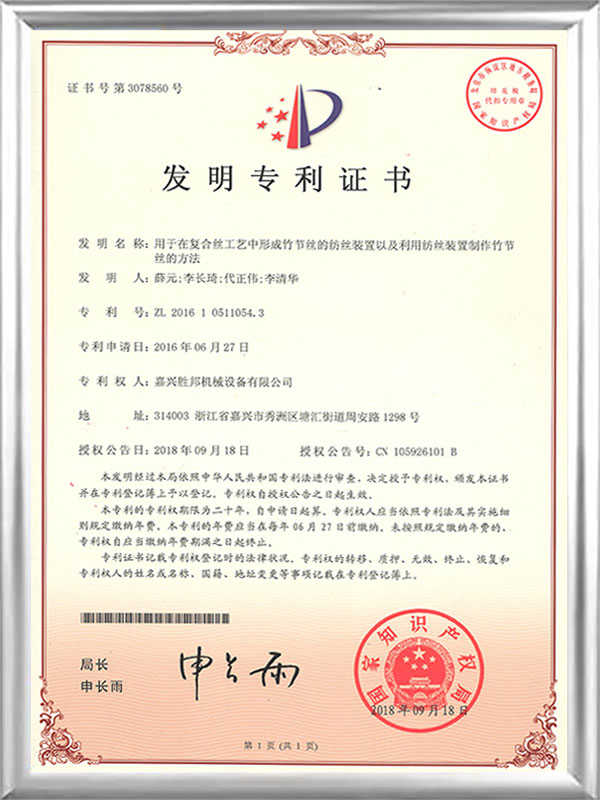
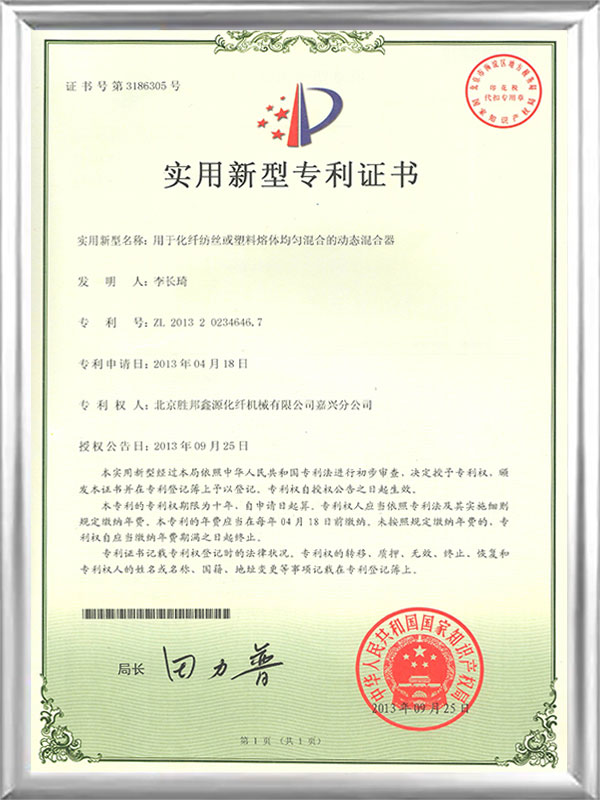
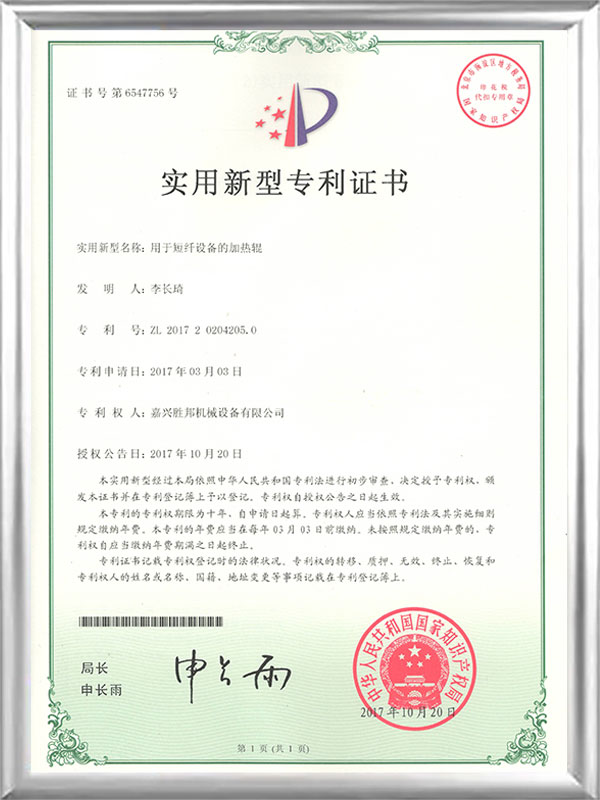
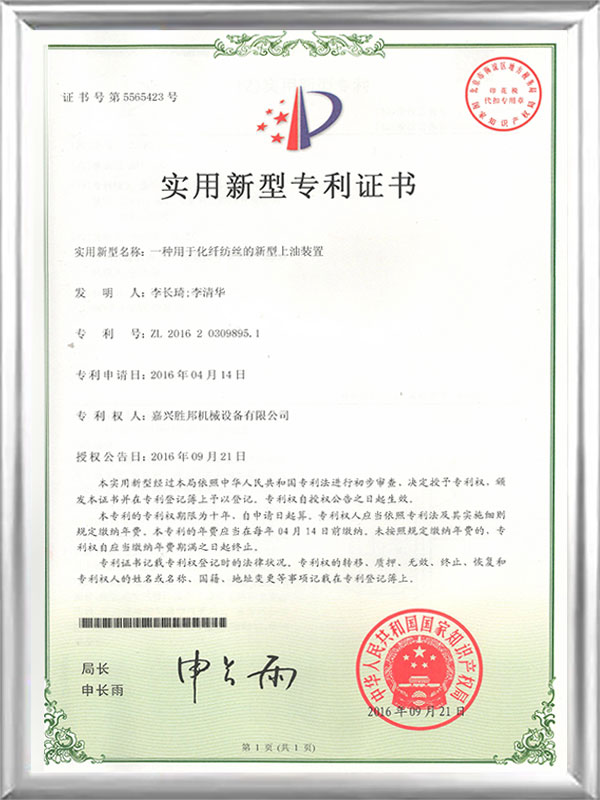
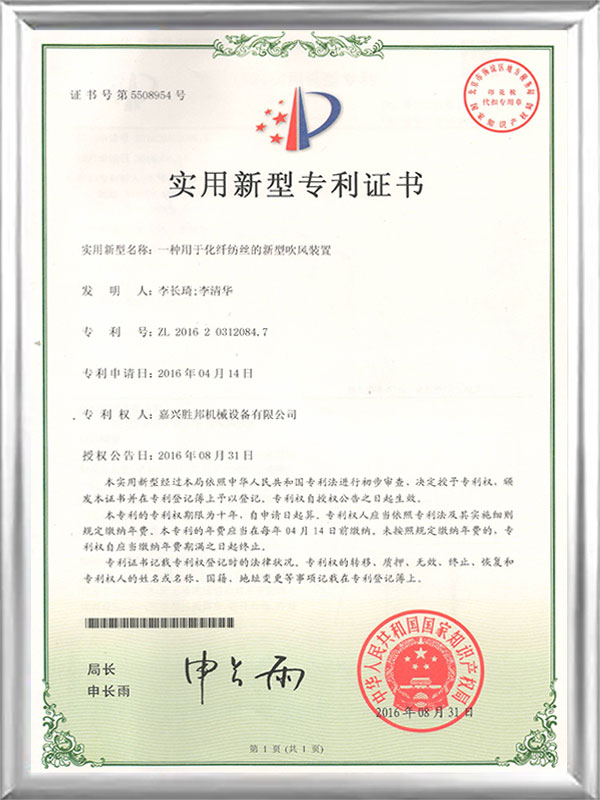
Jiaxing Shengbang Mechanical Equipment Co., Ltd. is a comprehensive enterprise integrating R&D, production, sales and maintenance, focusing on the R&D and innovation of textile machinery core components, complete equipment, new materials and fabrics. The company's organizational structure covers the management department, R&D department, sales department, trade department and production department. The production department has a mechanical processing workshop, equipment maintenance workshop, plasma coating workshop and special yarn spinning workshop, and has branches in Shanghai and Nantong (Shanghai Pangguhai Technology Engineering Co., Ltd. is the sales and R&D headquarters, and Haian Jingtong New Material Technology Co., Ltd. is the machinery and yarn production base).
When a POY or FDY spinning line stops without warning, the root cause is rarely dramatic. More often, it is a worn bearing inside a contact roll, a shift fork that has lost its timing, or a yarn guide plate whose surfac...
View MoreOn a chemical fiber spinning line, the godet shell is one of those components that only gets noticed when something goes wrong. It runs hot, it runs fast, and its surface is in constant contact with moving yarn and spin...
View MoreA take-up winder is the last machine a filament meets before it becomes a package. Whether your line runs POY, FDY, HOY or heavy industrial yarn, the winder decides how evenly the yarn is laid, how stable the package st...
View MoreADDRESS: No.1298, Zhouan Road, Economic and Technological Development District, Jiaxing City, Zhejiang Province
PHONE: +86 19057031687
TEL: 86-0573-83777752
EMAIL: [email protected]
Jiaxing Shengbang Mechanical Equipment Co., Ltd. All Rights Reserved. Custom Spinning Production Line Manufacturers
