
 English
 عربى
عربى русский
 简体中文
简体中文







Undertake research, design, manufacture and engineering services of FDY, POY, HOY and indu...
Home / Product / Spinning Production Line / POY Spinning Production Line / POY Spinning Production Line with PET, PA , PP or Other Raw Material
Undertake research, design, manufacture and engineering services of FDY, POY, HOY and industrial yarn spinning machine for polyester (PET), nylon (PA), polypropylene (PP), polylactic acid (PLA) and other products.
|
Raw Material |
PET, PA |
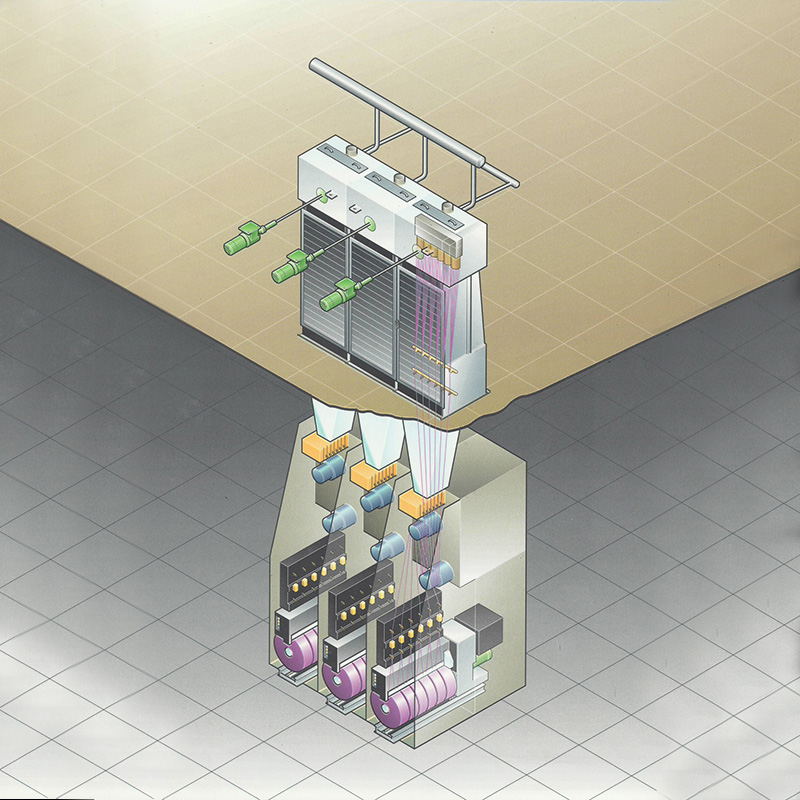
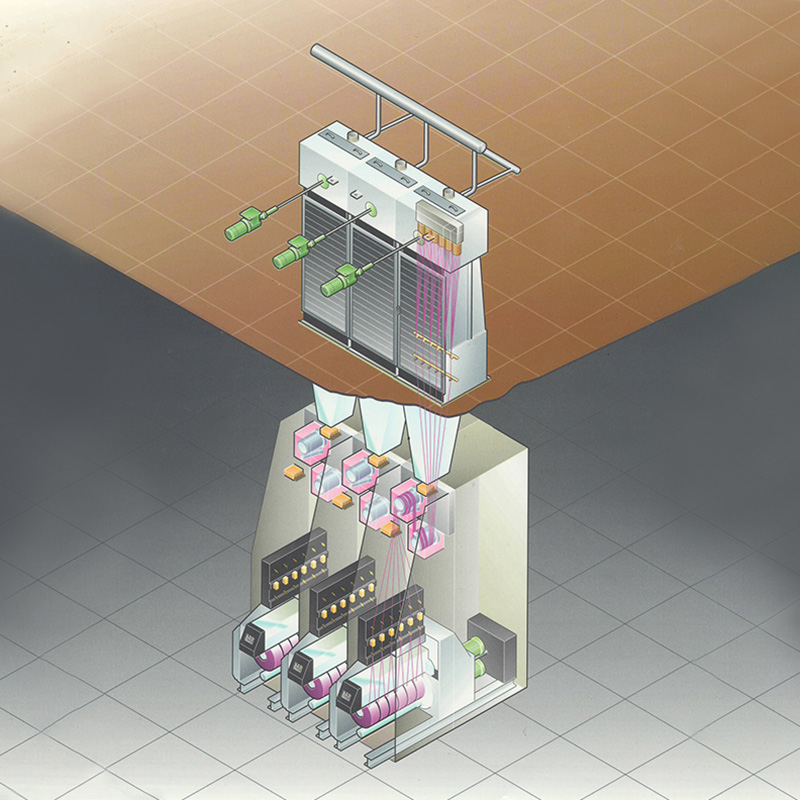
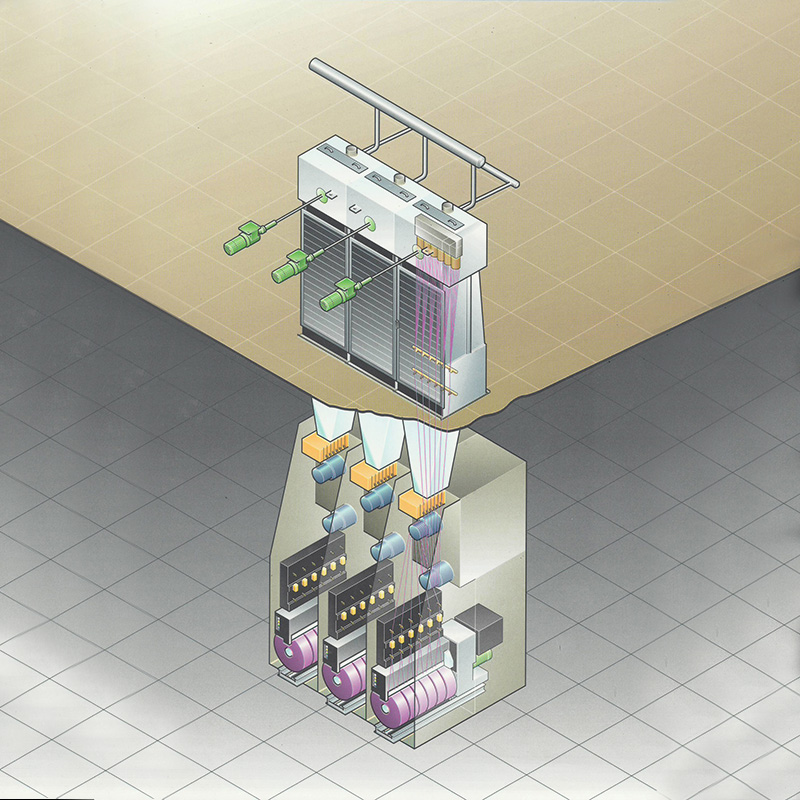
We specialize in the research, design, manufacturing and engineering of complete Partially Oriented Yarn (POY) spinning machines, supporting a wide range of materials.
Our expertise covers the entire lifecycle, from polyester chips to the final POY. This comprehensive scope includes raw material processing, auxiliary equipment, utilities, general electrical systems and full technical documentation. We provide all critical components for POY production, such as extruders, winders and metering pumps.
In the realm of plant engineering, we deliver complete Turnkey Projects, providing a one-stop service from initial feasibility studies to final project delivery:
Our POY production lines are designed for high stability and operational flexibility. With only minor adjustments, the system allows for seamless raw material switching and capacity acceleration, providing zero-retrofit headroom for future expansion.
The high-quality yarn produced is ideal for the weaving of fabrics for functional apparel, sportswear, hosiery, underwear, and home textiles.
Undertake research, design, manufacture and engineering services of FDY, POY, HOY and indu...
Undertake research, design, manufacture and engineering services of FDY, POY, HOY and indu...
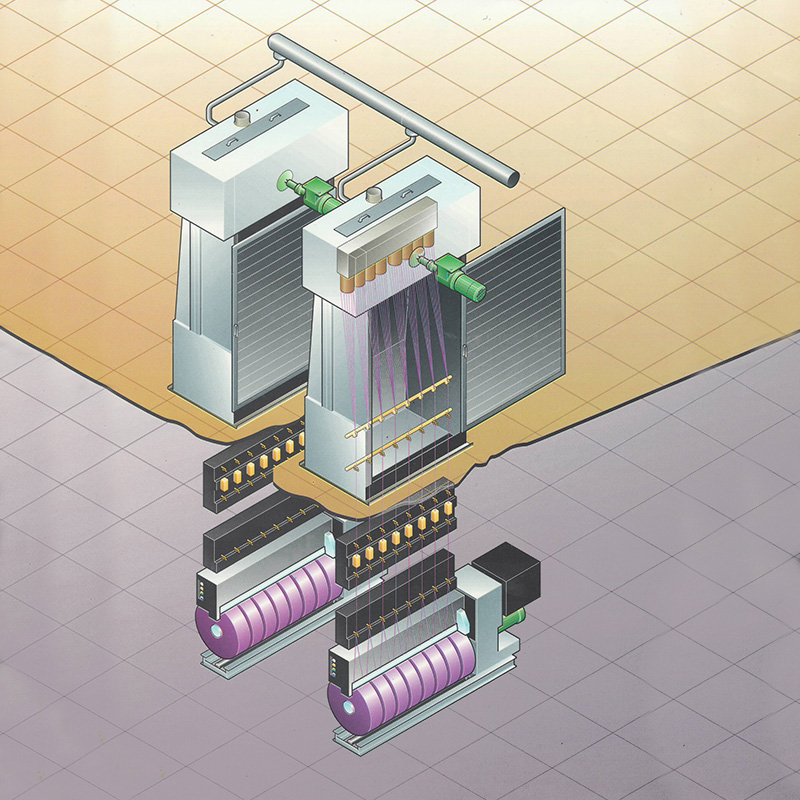
Undertake research, design, manufacture and engineering services of FDY, POY, HOY and indu...
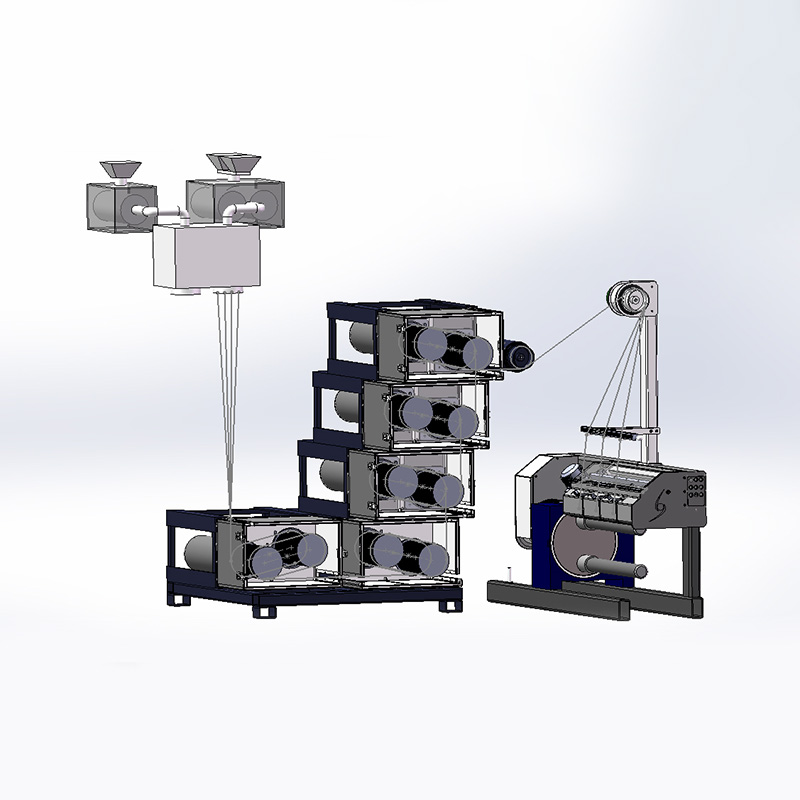
Undertake research, design, manufacture and engineering services of FDY, POY, HOY and indu...
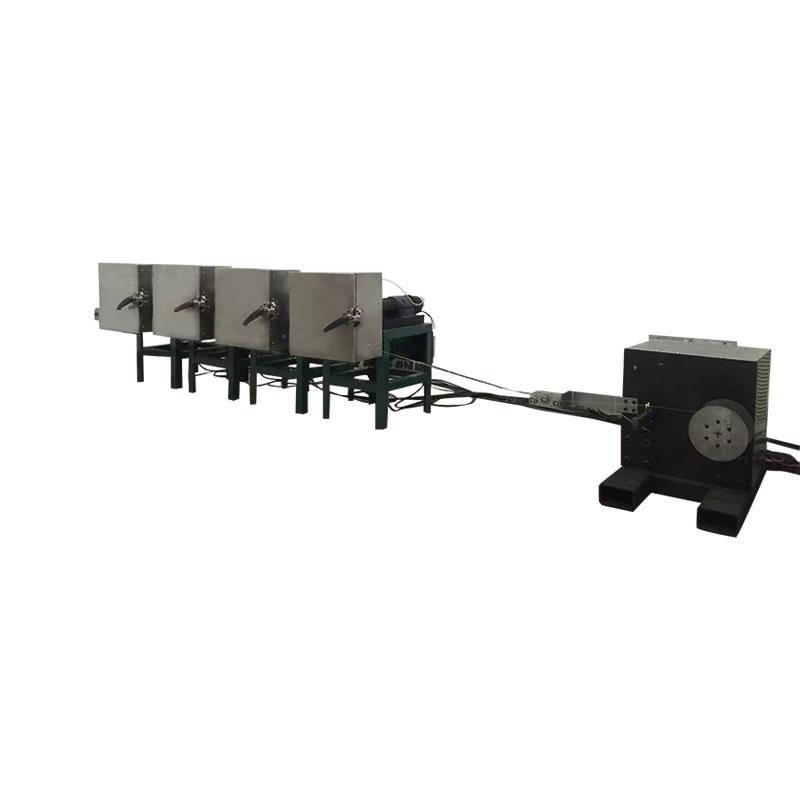
This equipment is specially suitable for low-speed and ultra-low-speed winding application...
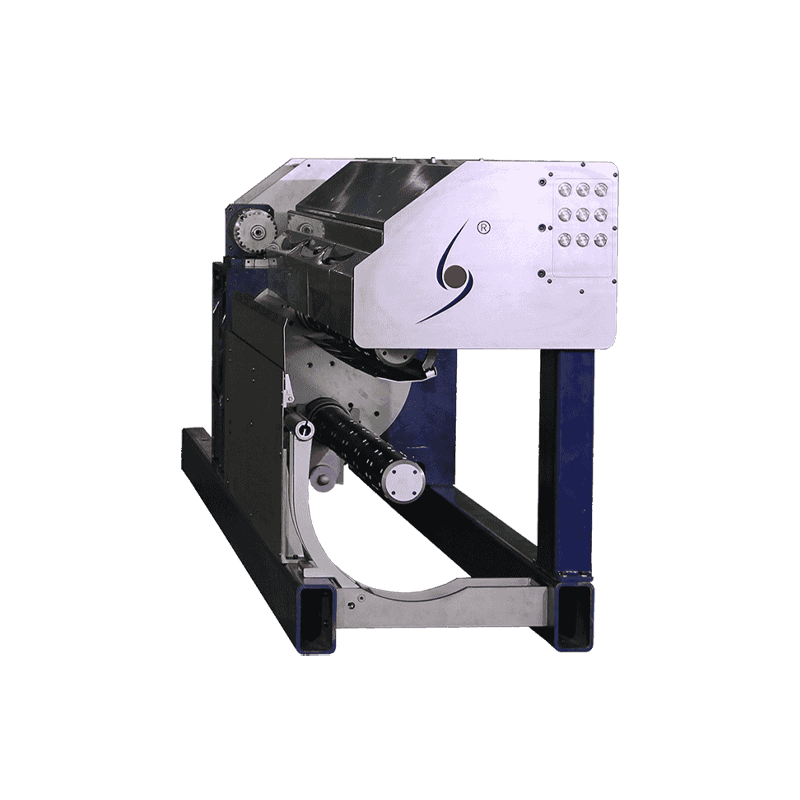
Core Component of Spinning Machine Designed for operational stability and consistent packa...
When a POY or FDY spinning line stops without warning, the root cause is rarely dramatic. More often, it is a worn bearing inside a contact roll, a shift fork ...
View MoreOn a chemical fiber spinning line, the godet shell is one of those components that only gets noticed when something goes wrong. It runs hot, it runs fast, and ...
View MoreA take-up winder is the last machine a filament meets before it becomes a package. Whether your line runs POY, FDY, HOY or heavy industrial yarn, the winder de...
View MoreEvery spool of filament yarn begins its life on a spinning production line. In the chemical fiber industry, this line is not a single machine but an integrated...
View MoreADDRESS: No.1298, Zhouan Road, Economic and Technological Development District, Jiaxing City, Zhejiang Province
PHONE: +86 19057031687
TEL: 86-0573-83777752
EMAIL: [email protected]
Jiaxing Shengbang Mechanical Equipment Co., Ltd. All Rights Reserved. Wholesale POY Spinning Production Line with PET, PA , PP or Other Raw Material Suppliers
