English
 عربى
عربى русский
 简体中文
简体中文







2026-09-30
Home / News / Technical Knowledge / Polyhydroxyalkanoate (PHA/PHB) Fibers: From Bacterial Fermentation to Sustainable Textiles

1. Introduction: Why PHA Is the Next Breakthrough in Fiber Materials
Against the backdrop of global plastics restrictions and carbon neutrality targets, the textile industry is undergoing a profound materials revolution. While PLA has been widely discussed, its brittleness and narrow degradation conditions have constrained broader adoption. Polyhydroxyalkanoates (PHAs)—a family of biopolyesters naturally synthesized by microorganisms—are attracting increasing industry attention for their unique combination of biodegradability, biocompatibility, and polyolefin-like mechanical performance.
"The PHA family represents the only class of synthetic-grade fiber materials capable of complete biodegradation across multiple natural environments, including aerobic, anaerobic, marine, and soil conditions."
This article provides a systematic overview of PHA fiber technology, spinning processes, and market outlook for professionals in the fiber and textile sector.
2. The PHA Family: From PHB to P4HB
PHAs are a class of intracellular carbon and energy storage polyesters produced by bacteria under conditions of carbon surplus and nitrogen/phosphorus limitation. Over 150 structural variants have been identified. The most relevant members for fiber and textile applications include:
| Material | Full Name | Tg (°C) | Tm (°C) | Elongation at Break | Key Characteristics |
| PHB | Poly(3-hydroxybutyrate) | 4 | 175 | 5–8% | Brittle, highly crystalline, PP-like properties |
| PHBV | Poly(3-hydroxybutyrate-co-3-hydroxyvalerate) | –1 to 5 | 100–170 | 15–400% | Toughness increases with HV content |
| PHBHHx | Poly(3-hydroxybutyrate-co-3-hydroxyhexanoate) | –2 | ~127 | >400% | Superior flexibility; suitable for elastic fibers |
| P4HB | Poly(4-hydroxybutyrate) | –50 | ~60 | >1000% | Ultra-high elasticity; FDA-approved medical device material |
PHB exhibits mechanical properties comparable to polypropylene (PP), along with good moisture resistance and superior oxygen barrier characteristics. It has received FDA approval for food-contact applications. However, its high crystallinity (up to 80%) and narrow processing window (degradation temperature close to melting point) present two core challenges in fiber manufacturing.[1]
3. Spinning Technologies: Three Pathways Compared
3.1 Melt Spinning
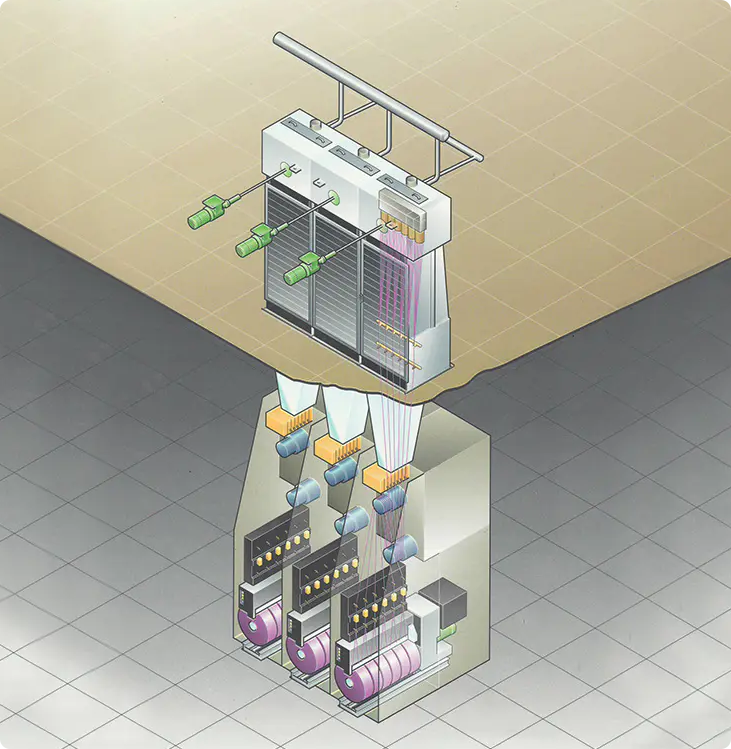
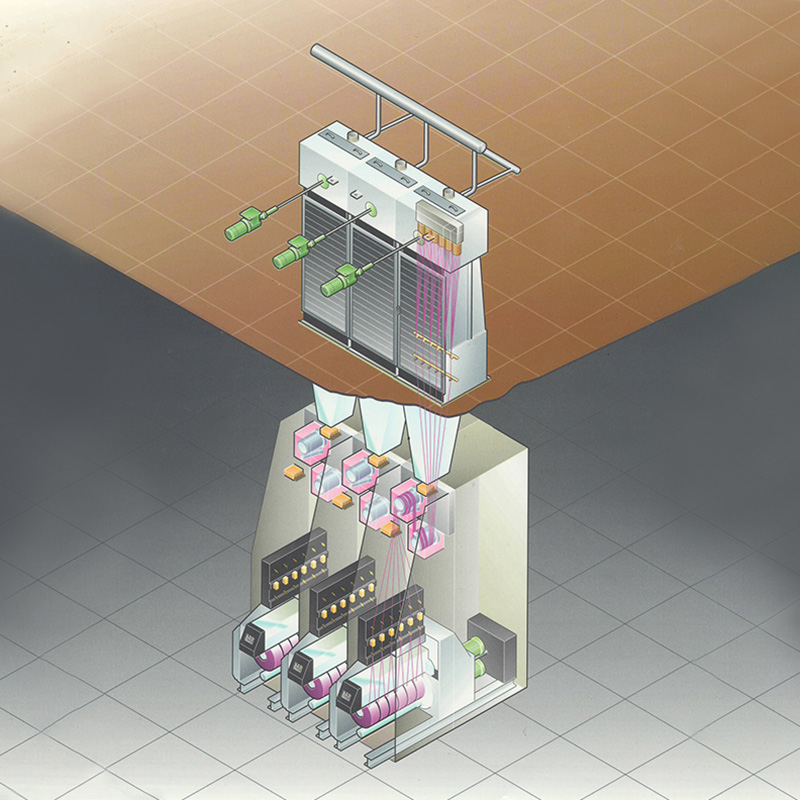
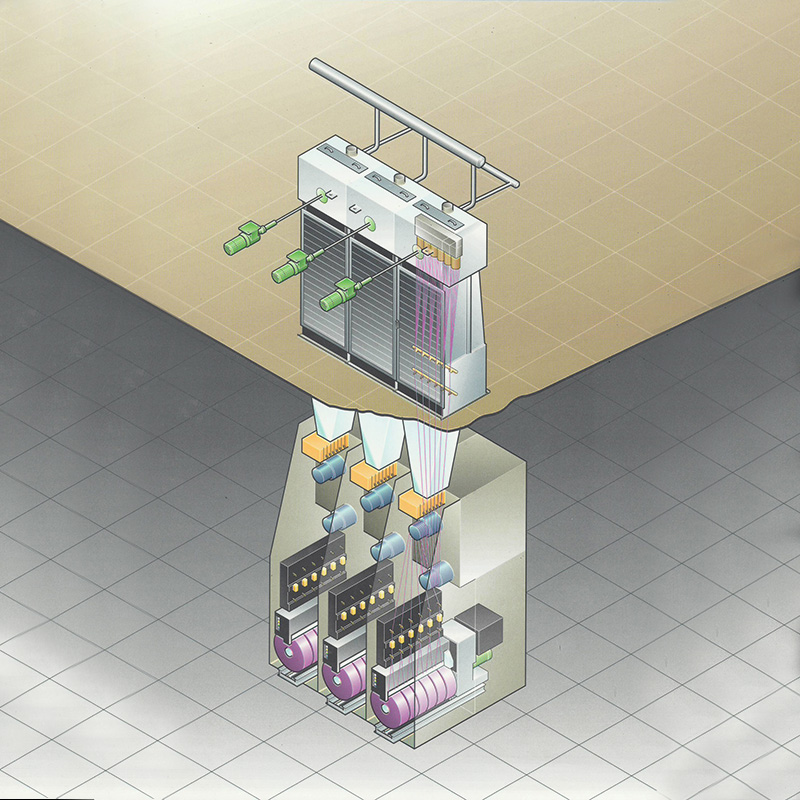
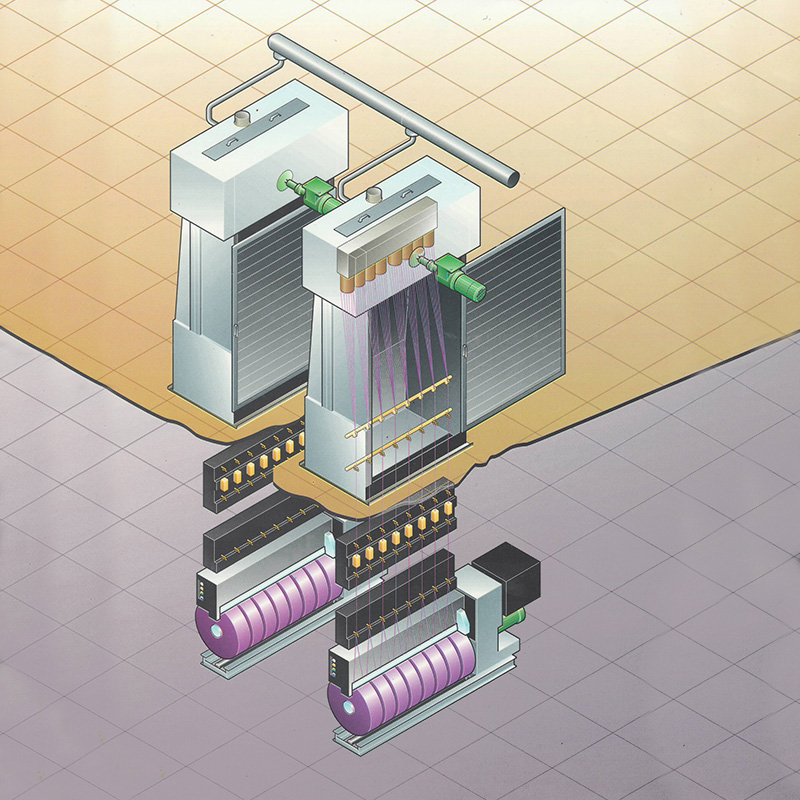
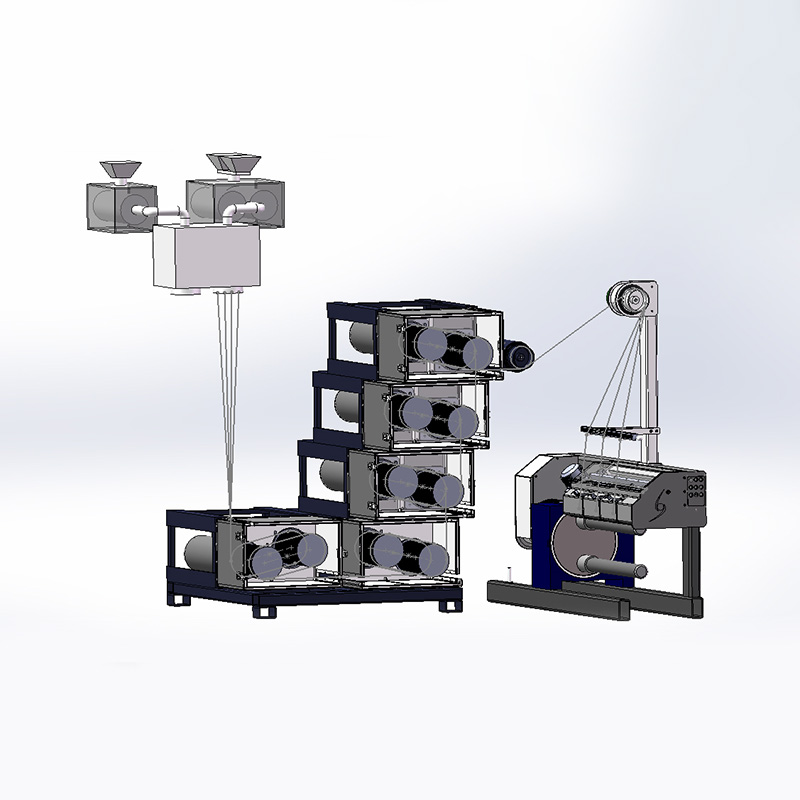
Melt spinning is the preferred industrial route for PHA fibers—solvent-free and highly amenable to continuous production. PHB and PHBV can be melt-spun at approximately 175–190°C, but the processing window (difference between melting point and thermal degradation temperature) is only 10–20°C, demanding precise temperature control.
P4HB is commercially melt-spun at ~200°C to produce highly elastic monofilaments used in medical sutures (TephaFLEX® series)
PHBHHx exhibits a spongy fiber morphology post-melt and requires blending or copolymerization to achieve acceptable fiber density
3.2 Wet Spinning
Wet spinning enables lower processing temperatures, making it compatible with thermally sensitive functional additives and drug loading. A representative system involves 15% P4HB dissolved in a 90% chloroform / 10% acetone solvent, coagulated in an ethanol bath. Optimal conditions yield fibers with 45% crystallinity and a modulus of 102 gf/denier.[1]
Systematic characterization of wet-spun PHA fibers—particularly the co-optimization of crystalline microstructure and mechanical performance—remains an underexplored area in the literature.
3.3 Electrospinning
Electrospinning is used to produce PHA nanofiber membranes, primarily for tissue engineering scaffolds and filtration media. Both PHBHHx and PHBV have been successfully electrospun, though low throughput and scale-up difficulties remain limiting factors.
4. Textile Application Scenarios
4.1 Medical Textiles and Tissue Engineering
PHA fibers offer distinctive advantages in biomedical applications:
Surgical sutures: P4HB is commercially available and is slowly absorbed by the body over 18–24 months
Tissue engineering scaffolds: PHA fiber networks mimic the extracellular matrix (ECM) for bone, cartilage, and vascular tissue regeneration
Medical nonwovens and PPE: PHB/PHBV fibers can substitute PP in biodegradable meltblown nonwoven production
4.2 Sustainable Apparel and Functional Textiles
Apparel-grade PHA fibers must meet requirements for softness, elastic recovery, and wash durability. PHBHHx, with its elongation at break exceeding 400%, is considered the most promising candidate. PHA fibers also demonstrate potential in UV resistance and antimicrobial performance (attributable to acidic degradation by-products).[1]
4.3 Filtration and Industrial Fabrics
PHA nanofiber membranes, with their high surface area and tunable degradation profiles, are beginning to find exploratory industrial applications in air filtration and water treatment.
5. Market Overview and Cost Challenges
| Metric | Value | Source / Year |
| PHB market size (2024) | USD 178 million | Market Research, 2024 |
| PHB projected market (2030) | USD 643 million | CAGR 15.8% |
| Global PHA market (2025) | USD 121.2 million | Custom Market Insights |
| PHA projected market (2034) | USD 265.5 million | CAGR 15.9% |
| PHA production cost | USD 4–6/kg | vs. USD 1–2/kg for petrochemical plastics |
Cost remains the primary barrier to large-scale commercialization of PHA fibers. High production costs stem from expensive carbon feedstocks, low fermentation yields, and complex downstream extraction processes. The industry consensus on cost reduction pathways includes: utilizing agricultural residues (straw, molasses) as low-cost carbon sources; developing high-efficiency mixed-culture fermentation systems; and simplifying PHA extraction protocols.[1]
6. Comparative Analysis Against Peer Biodegradable Materials
| Parameter | PHA/PHB | PLA | PBS | PCL |
| Degradation environment | Aerobic + anaerobic + marine | Industrial composting (high temp) | Soil / water | Slow; months to years |
| Bio-based content | 100% | 100% | Partially bio-based | Primarily petrochemical |
| Fiber spinnability | Moderate (requires optimization) | Good | Good | Good (low melting point) |
| Medical certification | FDA (P4HB) | Limited | Research stage | FDA (selected grades) |
| Relative cost | High | Medium | Medium | Medium-high |
7. Practical Recommendations
1.Material selection priority: High-elasticity medical fibers → P4HB; apparel-grade biodegradable fibers → PHBHHx; cost-sensitive functional fibers → PHBV blend systems
2.Processing considerations: Strict thermal control is essential (PHB processing window: only 10–20°C); twin-screw compounding with precision metering pumps is recommended
3.Strategic positioning: Monitor PHB/PLA blend modification routes—these can simultaneously reduce PHB brittleness and partially offset costs
4.Regulatory planning: Medical-grade PHA fibers must comply with ISO 10993 biocompatibility evaluation standards; certification cycles typically run 2–3 years
8. Conclusion
PHA represents the highest ecological standard among biodegradable fiber materials, yet technical maturity and cost competitiveness remain the primary barriers to large-scale textile adoption. In medical textiles, P4HB has achieved pioneering commercial breakthroughs. In sustainable apparel, continued advances in PHBHHx and PHBV blend modification are expected to generate additional commercial cases within the next 3–5 years. For textile professionals, the present moment represents a critical window to build PHA material knowledge and establish supply chain preparedness.

ADDRESS: No.1298, Zhouan Road, Economic and Technological Development District, Jiaxing City, Zhejiang Province
PHONE: +86 19057031687
TEL: 86-0573-83777752
EMAIL: [email protected]