English
 عربى
عربى русский
 简体中文
简体中文







2026-10-09
Home / News / Industry News / Barmag Parts Explained: Sourcing Reliable Winder, Godet, and Bearing Replacements

When a shift fork on a Barmag winder starts to wear, the first symptom usually shows up at the package: a soft edge on one side, or a recurring dense band that gives the bobbin an uneven profile. In most POY and FDY plants, the line does not stop immediately. Production continues, and the defect only becomes expensive later, when downstream drawing or weaving processes reject the yarn because of tension variation and poor package build.
The practical conclusion from years of maintaining these machines is simple: the price of a Barmag part matters far less than whether the replacement matches the original dimensionally, metallurgically, and dynamically. A part that fails after three months costs far more than any purchase-price saving once you add downtime, spoiled yarn, and rework.
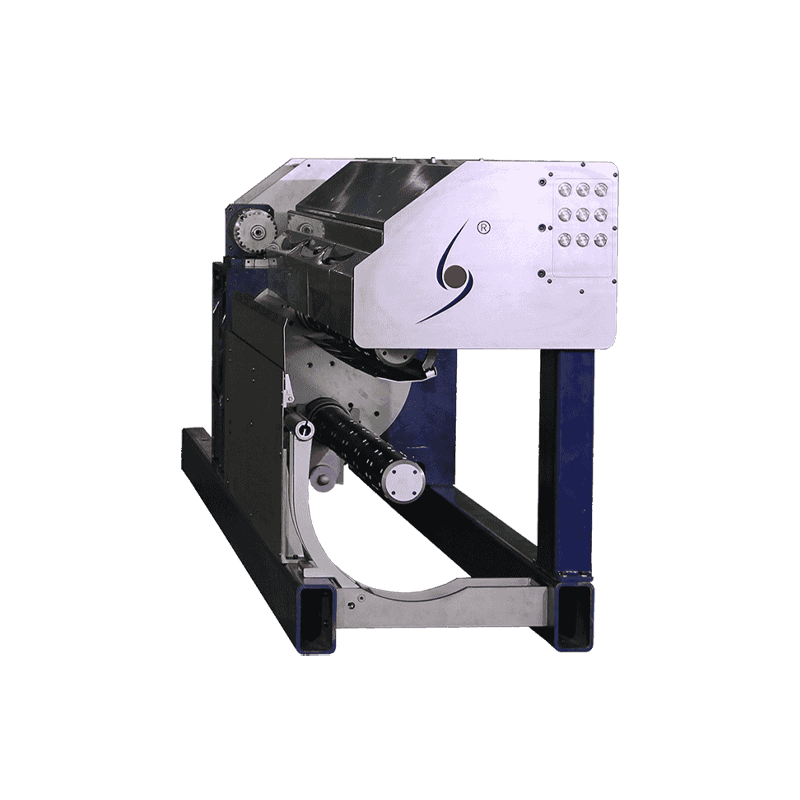
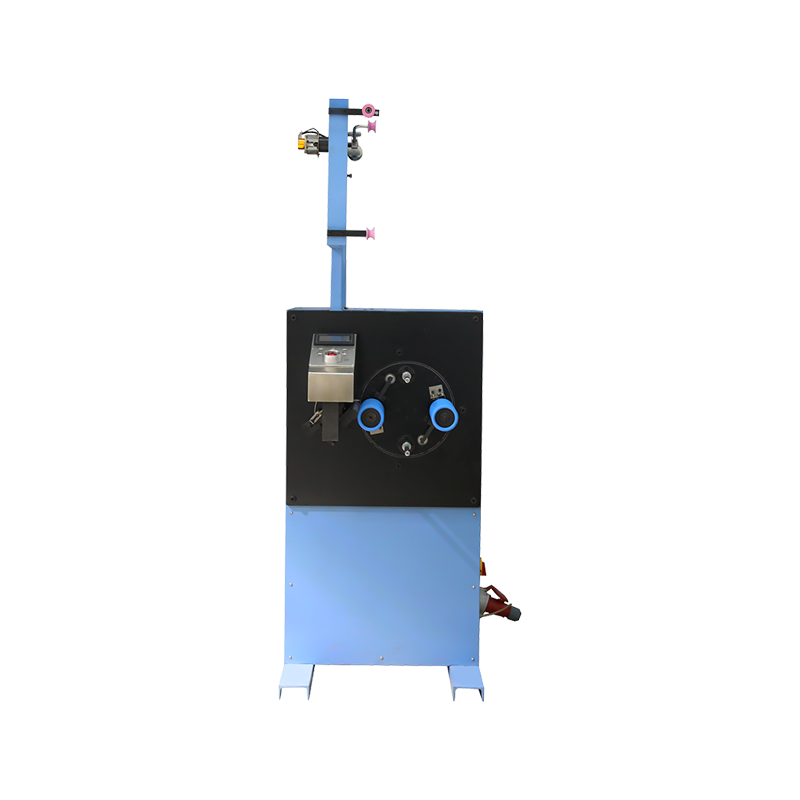
Barmag take-up winders — the ACW 900, 1200, 1380, 1500, 1600, and 1800 series — are still the backbone of many polyester and nylon filament lines. They were designed for long service, but the components that guide, tension, and traverse the yarn are consumables by nature. The table below summarizes the most common wear points and the failure mode to watch for.
| Part category | Typical parts | Failure mode |
|---|---|---|
| Winder traverse | Shift forks, shift fork gearboxes, tensioning blocks | Worn fork tips cause uneven traverse, ribboning, or package edge collapse |
| Yarn path | Yarn guide plates, yarn guide rods, finish guide assembly plates | Grooves and worn coatings abrade filaments, increasing fluff and broken ends |
| Rotating assemblies | Bearings for winders, chucks, contact rolls, separator rolls, hot godets | Noise, vibration, rising temperature, and eventual seizure |
| Clamping and chuck side | Lock rings, chuck sleeves, chuck bases | Play between chuck and bobbin leads to package slip and wobble |
| Other service parts | Couplings, interlacing nozzles, O-rings, rods | Seal leakage, inconsistent interlacing, or loss of drive alignment |
These parts fail gradually, and that is the danger: production looks normal while package quality drifts downward. A well-run maintenance department tracks shift fork condition and bearing temperature trends so replacements happen during scheduled maintenance, not after an unplanned stop.
For traverse wear, the component that most often needs attention is the shift fork. A replacement shift fork for Barmag winders must reproduce the original profile exactly. The many listed variants — the S1011 to S1068 series — look similar but differ in orientation and lift, and fitting the wrong one is a common cause of poor package formation.
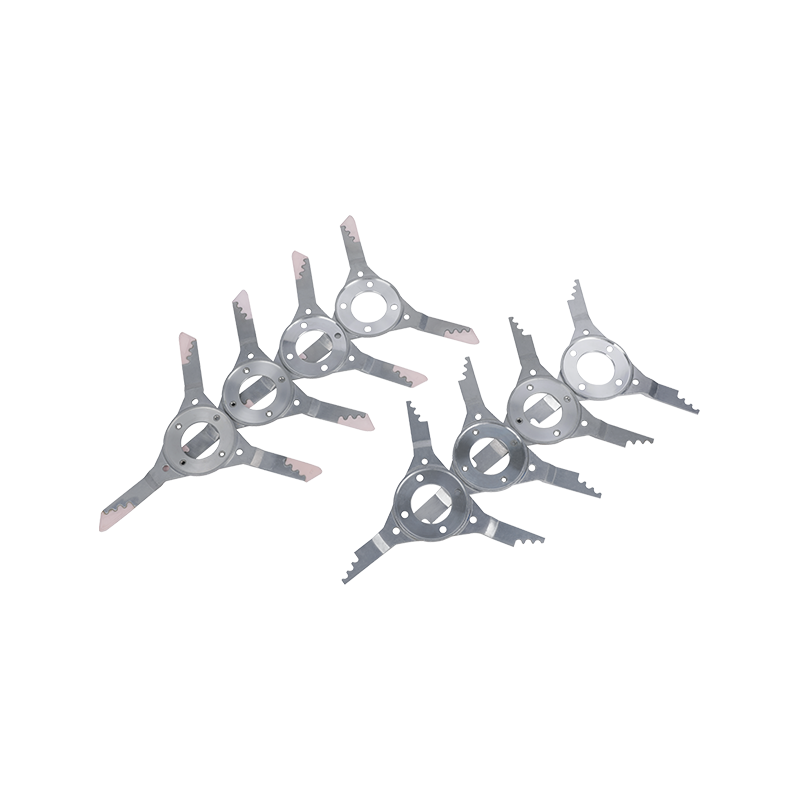 Wholesale S-1011(RO)Shift Fork for Barmag Barmag Spinning Machine Shift Fork SupJiaxing Shengbang Mechanical Equipment Co., Ltd. Is China S-1011(RO)Shift Fork for Barmag Barmag Spinning Machine Shift Fork Suppliers an...View Product →
Not all aftermarket Barmag parts are equal. A replacement that resembles the original part only in outline will not restore the original machine performance. Three checks decide whether a part is genuinely usable.
A shift fork, for example, controls the traverse motion of the yarn. Its pivot geometry and fork profile determine how the yarn is laid across the bobbin and how the traverse reverses at the package edges. If the fork angle is off by even a fraction of a degree, the package develops edge drops or a barred appearance. Suppliers that machine parts with CNC equipment and verify every batch against original drawings eliminate most of these problems at the source.
Shift forks, gearbox components, and chuck parts run under continuous load. Case-hardened steel in the range of 58–62 HRC is typical for fork tips, because the surface must resist abrasive wear while the core keeps enough toughness to absorb shock loads. Bearing steel must match the original grade and hardness specification; a softer race will indent, and a harder one may crack under preload.
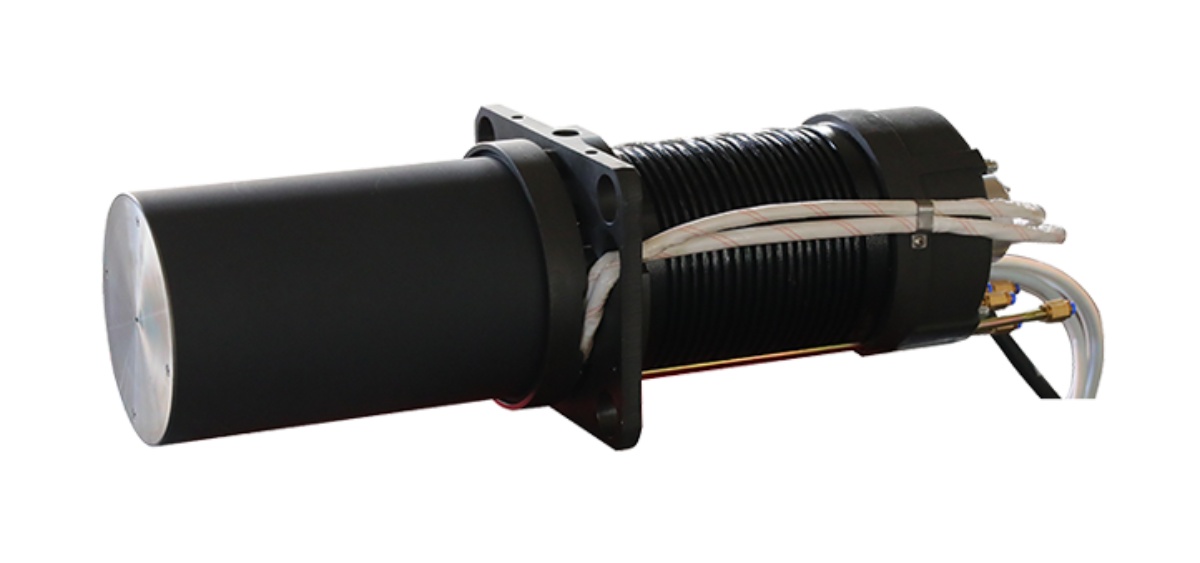
Rotating assemblies demand the most discipline. Winder, chuck, separator roll, and hot godet bearings run at high speeds under continuous preload, and any imbalance translates directly into vibration on the machine frame. Reliable suppliers balance rotating parts dynamically and verify the assembly before shipment. Surface treatment matters just as much: plasma-sprayed ceramic coatings on guide plates and separator rolls reduce yarn friction and extend service life, but only when coating thickness and porosity are controlled. For hot godets, temperature accuracy across the working width is the key parameter, and it should be checked with properly calibrated instruments.
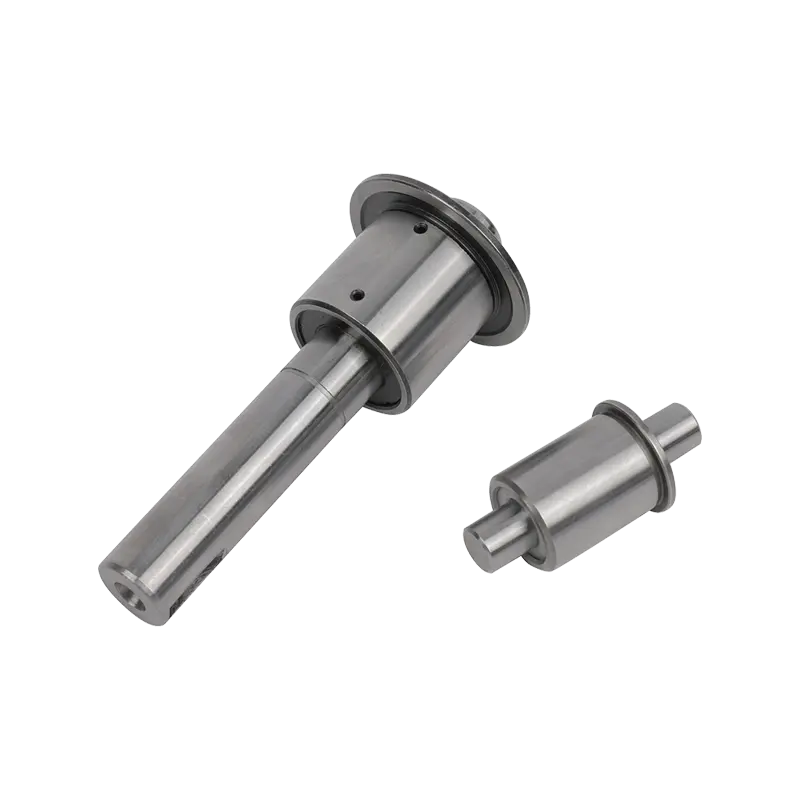
Because these checks require equipment that most distributors do not have, it is worth sourcing from a supplier with in-house machining, coating, balancing, and calibration capability. When a plant needs a rotating component, a matched bearing for the Barmag winder assembly is a safer purchase than a generic bearing of the same size.
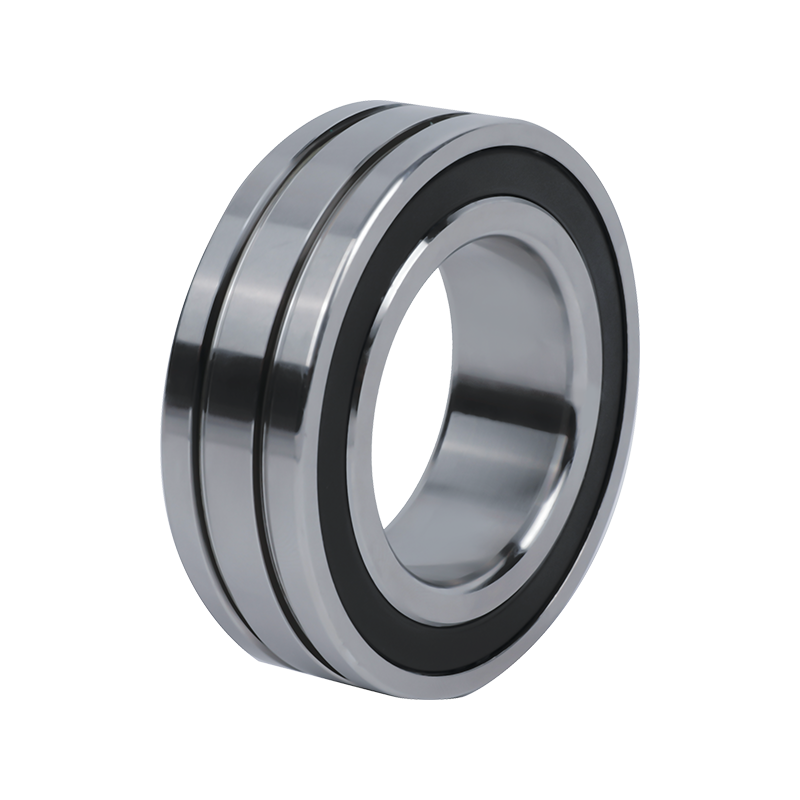 Wholesale 13032300105 Bearing for Barmag Winder Barmag Spinning Machine Winder PJiaxing Shengbang Mechanical Equipment Co., Ltd. Is China 13032300105 Bearing for Barmag Winder Barmag Spinning Machine Winder Parts Bear...View Product →
Barmag winders were built in several generations, and the same functional part often has different dimensions across models. A lock ring for a 1200 chuck will not fit a 1600 chuck. A yarn guide plate for a 1380 winder has a different slot depth than one for a 1800. Before ordering, confirm the machine model, the chuck size, and the part reference from the original drawing or a previous order.
This information is not bureaucratic overhead; it prevents the most common procurement error, which is buying a part that looks identical but has the wrong tolerance, orientation, or material grade. Yarn path components must be matched especially carefully, because a yarn guide plate machined to the original Barmag geometry keeps the yarn path stable and prevents filament damage, while a slightly oversized slot allows the yarn to flutter at high winding speeds.
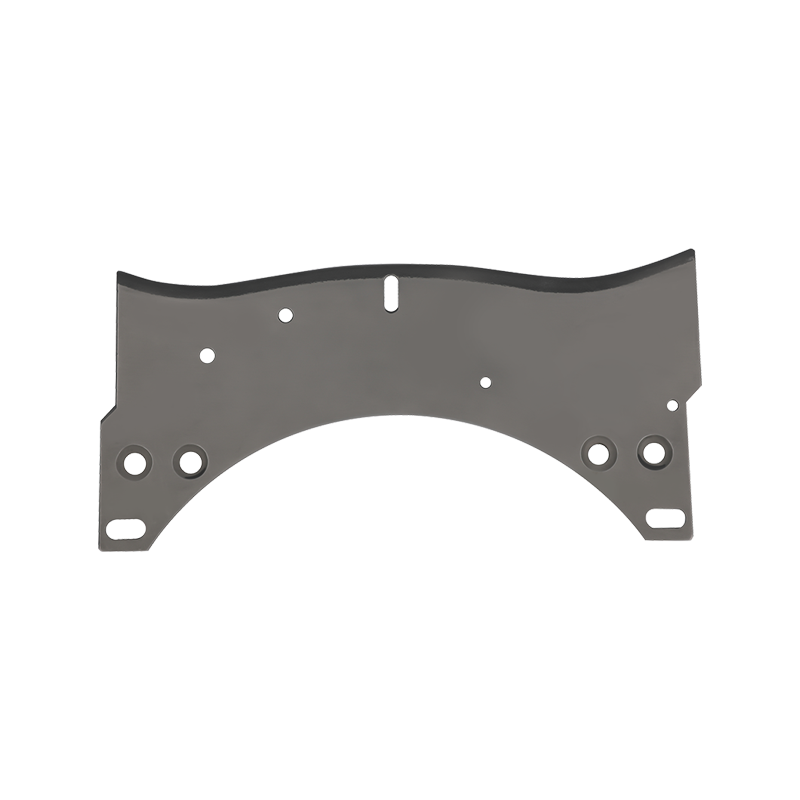 Wholesale Yarn Guide Plate for Barmag Barmag Spinning Machine Winder Parts Yarn Jiaxing Shengbang Mechanical Equipment Co., Ltd. Is China Yarn Guide Plate for Barmag Barmag Spinning Machine Winder Parts Yarn Guide Pla...View Product →
Not every worn Barmag part has to be scrapped. In many cases, repairing the original component costs less than replacing it and keeps the machine on its original specifications. The decision depends on the remaining wall thickness, the extent of the wear, and the cost of downtime.
Shift forks are a good example: worn tips can be rebuilt and re-hardened, which is why many mills use a dedicated shift fork repair service instead of discarding every worn fork. Chucks, contact rolls, hot godets, motors, and gearboxes can also be reconditioned when the damage is not structural.
For older machines, upgrading is often more economical than replacing the entire winder. A structured winder upgrade program can improve traverse accuracy and reduce energy consumption while keeping the existing frame. On the godet side, godet control technology without a winding frame gives plants a way to modernize temperature and speed regulation without replacing mechanical hardware.
Treat Barmag parts as components of a precision system, not as commodities. The winding process depends on the interaction of traverse, tension, and rotating assemblies; a single mismatched part degrades the whole package quality. Build a relationship with a supplier that can machine, coat, balance, test, and repair — and give that supplier complete information about the machine model and the part in question. That is what keeps a spinning line running on specification, shift after shift.

ADDRESS: No.1298, Zhouan Road, Economic and Technological Development District, Jiaxing City, Zhejiang Province
PHONE: +86 19057031687
TEL: 86-0573-83777752
EMAIL: [email protected]