

 English
 عربى
عربى русский
 简体中文
简体中文







Barmag’s shift forks, which are produced by our company for Barmag in Germany, have passed...
Home / Product / Barmag Spinning Machine Parts / Winder Parts / Yarn Guide Plate / Yarn Guide Plate for Barmag
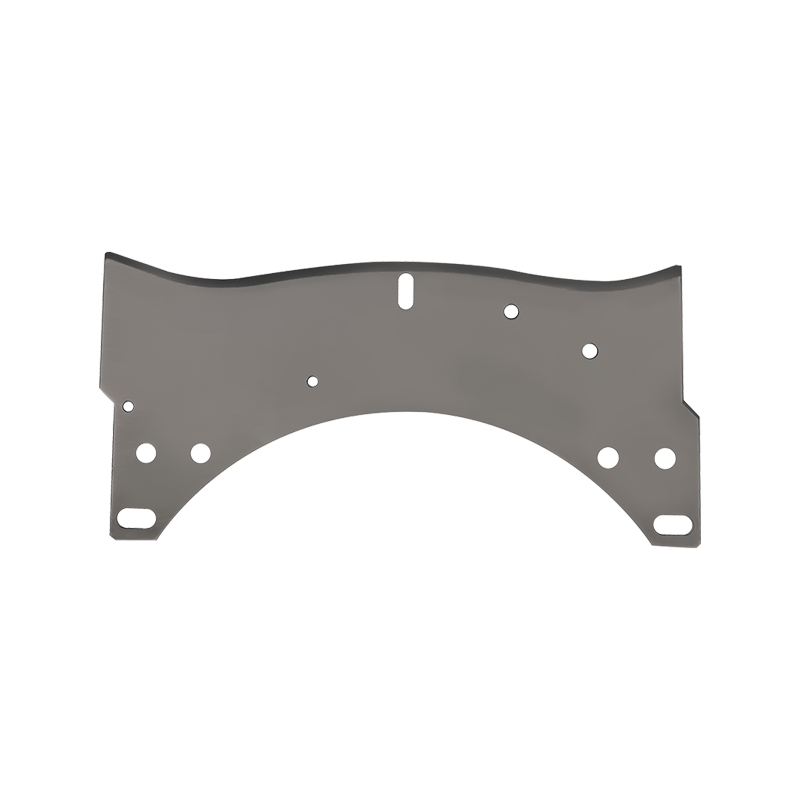
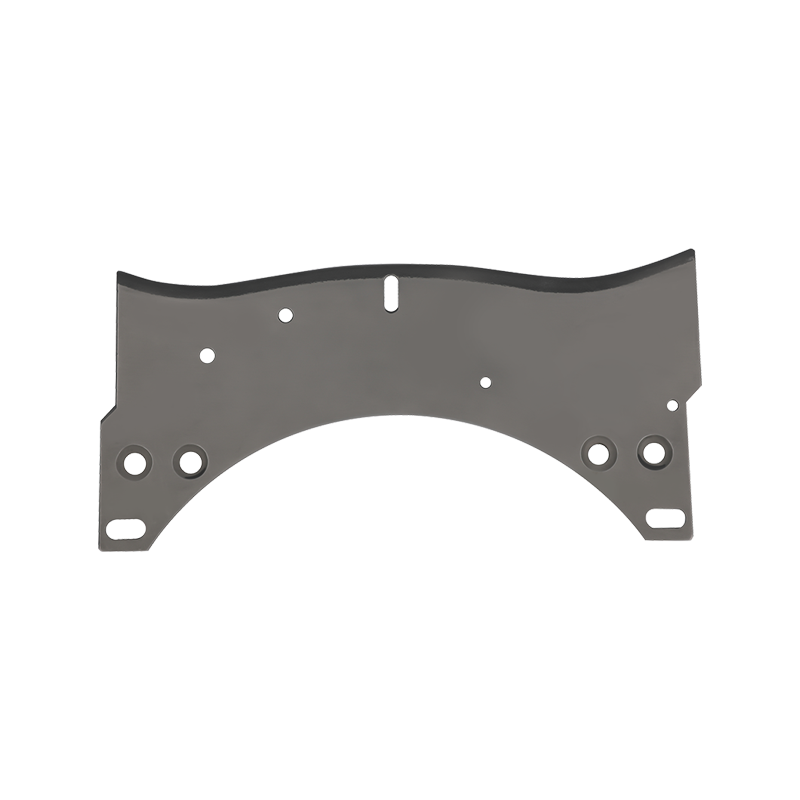
For bobbin forming.
The wave plate is a core precision component of Barmag take up winder that controls the shape of the bobbins. It directly dictates the quality of bobbins, such as end-face flatness and the presence of defects like bulge or cobwebbing.
1. Core Functions
During high-speed winding, the yarn must not only wrap around the paper tube but also oscillate laterally. The forming plate serves to:
• Control Stroke Length: It mechanically restricts the movement of the yarn guide through its specific curved profile.
• Correct Edge Hardness: The design of the curve adjusts the dwell time of the yarn at both ends of the bobbin. This prevents "hard edges" (excessive thickness) or thin edges, ensuring a flat and uniform end-face.
• Prevent Formatting Defects: A scientifically designed profile effectively avoids "ribboning" during the winding process, ensuring there are no breakages during downstream unwinding.
2. Common Issues and Maintenance
If the wave plate is compromised, it typically manifests as "poor bobbin formation":
• Wear and Tear: Long-term, high-frequency reciprocating motion can cause microscopic grooves on the plate surface. This leads to vibration during directional changes, often resulting in looping on the bobbin end-face.
• Oil and Dust Accumulation: A mixture of lubricating oil and finishing oil mist can form black grime that fills the curved tracks. This obstructs the reciprocating motion and causes "cobwebbing" (loose filaments) at the bobbin edges. Regularly wipe the wave plate with a nonwoven cloth dampened with a minimal amount of nozzle cleaner to maintain a smooth surface finish.
Within the traverse system of synthetic yarn production, the forming plate is not only the key to determining the geometric precision of the bobbin but also the essential link between equipment efficiency and end-product quality.Our forming plates are manufactured from high-performance steel subjected to deep heat treatment, integrated with an ultra-hard surface coating to ensure an extremely low wear rate under high-speed reciprocating friction. From the perspective of dynamic balance and structural design, our high-precision curve processing not only eliminates instantaneous impact during direction changes but also significantly reduces overall vibration and noise. This alleviates the load on the motor, contributing to energy savings and reduced power consumption.Furthermore, the precise control that the forming plate exerts over the internal structure of the bobbin directly dictates the stability of downstream unwinding, drastically reducing downtime and yarn breakage during the weaving process. By combining high wear resistance, operational stability, and energy-saving characteristics, our forming plates are more than just precision spare parts—they are a reliable guarantee for the long-term stability and cost-effective enhancement of your production line.
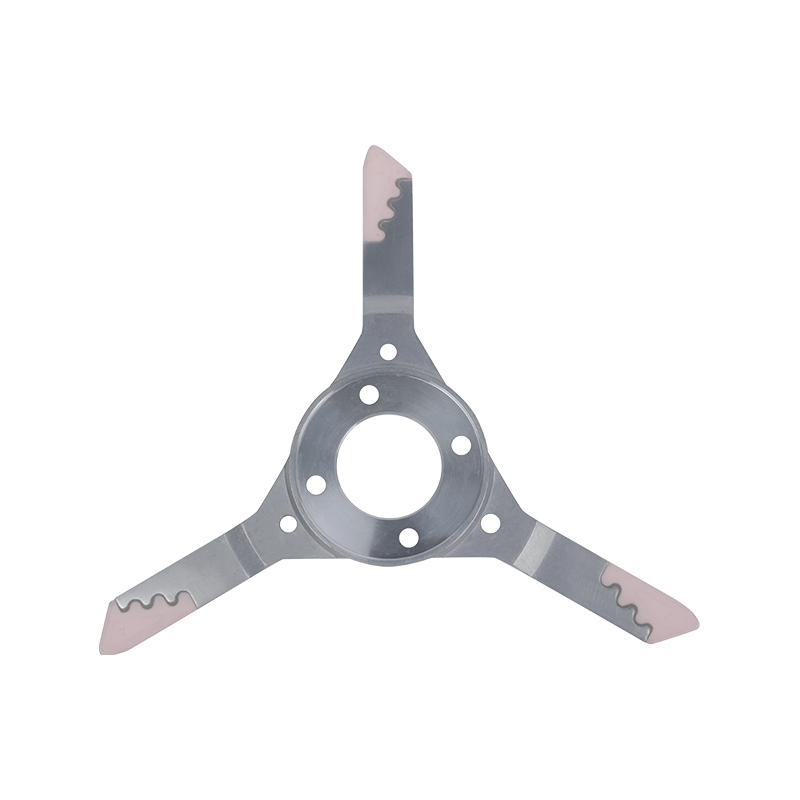
Barmag’s shift forks, which are produced by our company for Barmag in Germany, have passed...
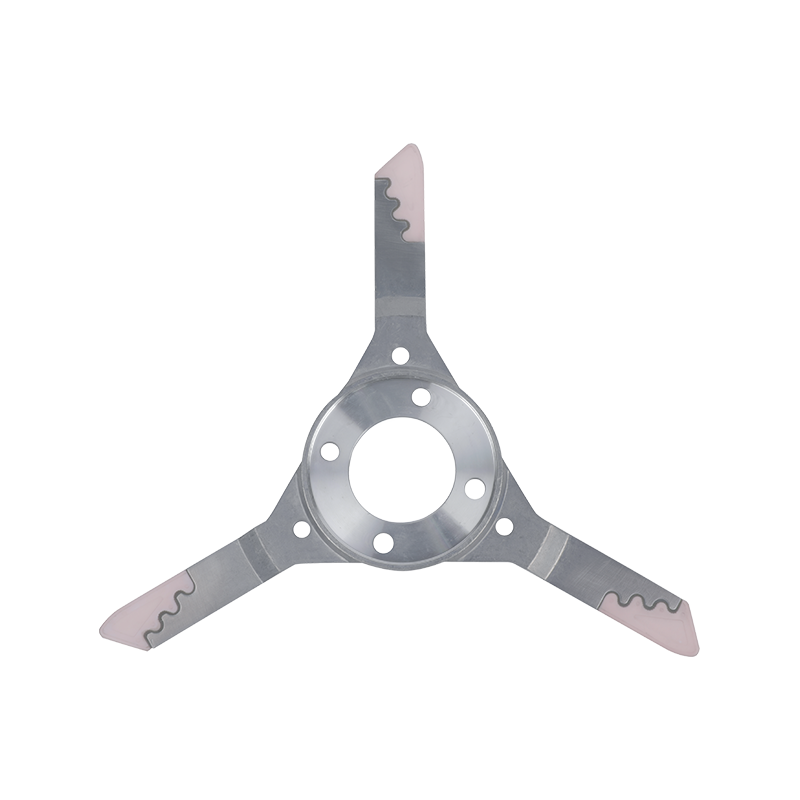
Barmag’s shift forks, which are produced by our company for Barmag in Germany, have passed...
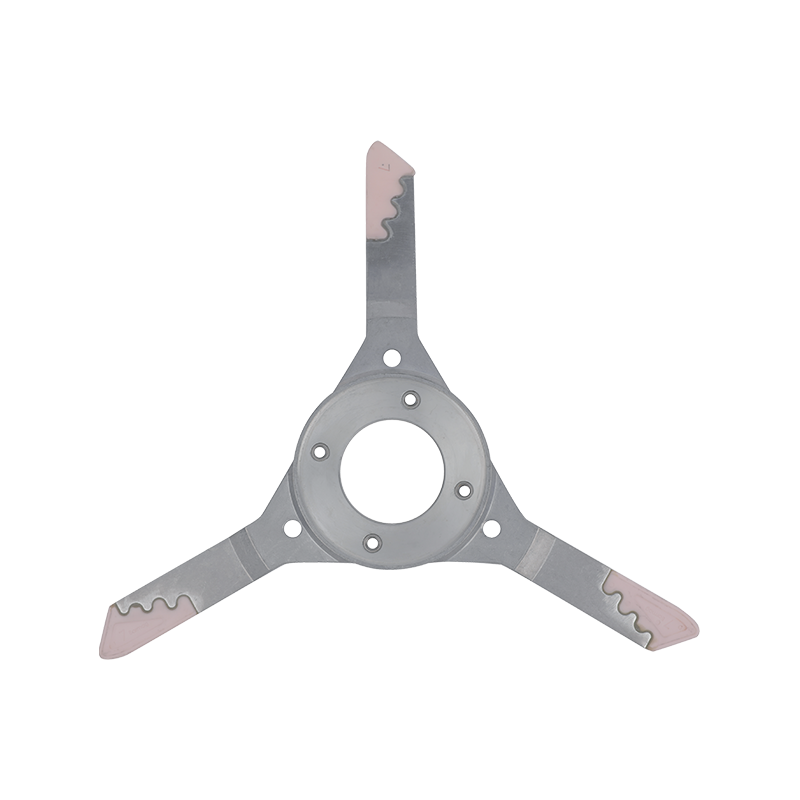
Barmag’s shift forks, which are produced by our company for Barmag in Germany, have passed...
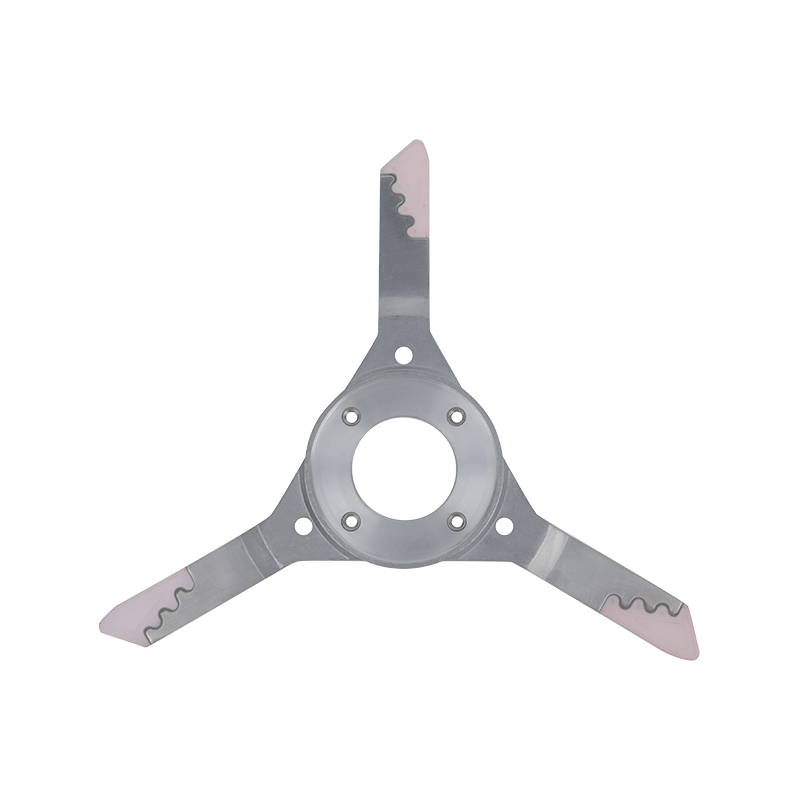
Barmag’s shift forks, which are produced by our company for Barmag in Germany, have passed...
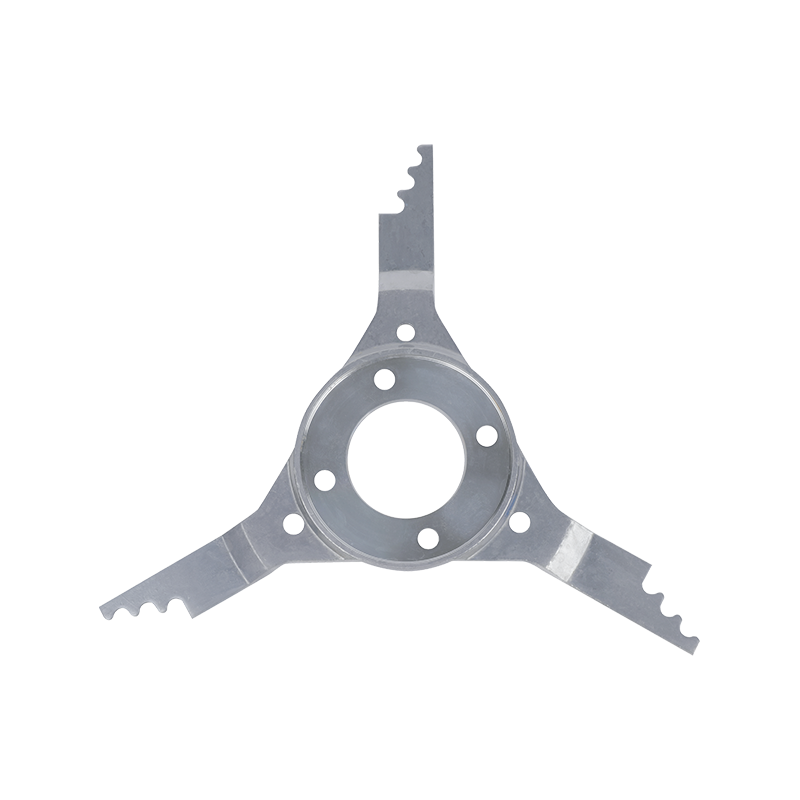
Barmag’s shift forks, which are produced by our company for Barmag in Germany, have passed...
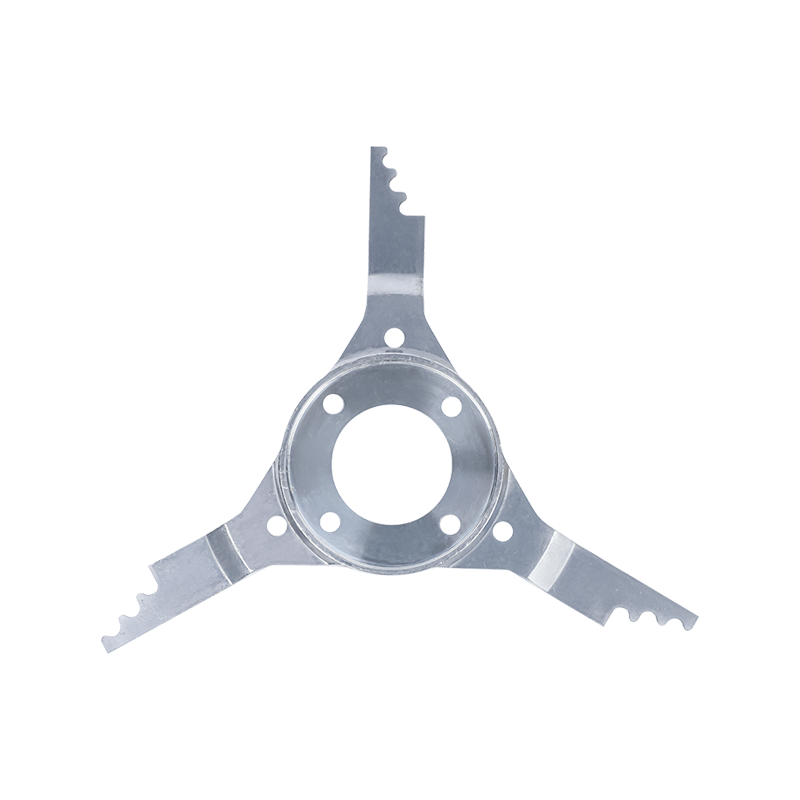
Barmag’s shift forks, which are produced by our company for Barmag in Germany, have passed...

When a POY or FDY spinning line stops without warning, the root cause is rarely dramatic. More often, it is a worn bearing inside a contact roll, a shift fork ...
View MoreOn a chemical fiber spinning line, the godet shell is one of those components that only gets noticed when something goes wrong. It runs hot, it runs fast, and ...
View MoreA take-up winder is the last machine a filament meets before it becomes a package. Whether your line runs POY, FDY, HOY or heavy industrial yarn, the winder de...
View MoreEvery spool of filament yarn begins its life on a spinning production line. In the chemical fiber industry, this line is not a single machine but an integrated...
View MoreADDRESS: No.1298, Zhouan Road, Economic and Technological Development District, Jiaxing City, Zhejiang Province
PHONE: +86 19057031687
TEL: 86-0573-83777752
EMAIL: [email protected]
Jiaxing Shengbang Mechanical Equipment Co., Ltd. All Rights Reserved. Wholesale Yarn Guide Plate for Barmag Suppliers
