English
 عربى
عربى русский
 简体中文
简体中文







2026-10-09
Home / News / Industry News / Barmag Replacement Parts Service: Sourcing, Repair & Maintenance Guide

When a Barmag winder starts producing misshapen packages, the first suspect is usually a shift fork whose tips have worn past their working clearance. The defect appears gradually: a soft edge on the package, a few filament breaks, then an unwinder that will not run on the next machine. The urgent response is to order a spare, but the more important decision is where that part comes from and what engineering support comes with it. A dependable Barmag replacement parts service does not simply ship components; it identifies the root cause, matches the original specification, and delivers parts that are machined, balanced, and tested to keep the line running.
Barmag spinning and winding equipment is designed to run for decades, and many machines in service today have outlived the original spare-parts channels. As parts availability changes, plants increasingly depend on specialized service suppliers who understand the original design. The value of a structured service shows up in three areas: correct part identification, precise manufacturing, and engineering support.
Part identification matters more than most buyers expect. A bearing for a Barmag contact roll and a bearing for a separator roll may look identical but differ in internal clearance, cage material, or lubrication specification. A supplier that maintains a parts library organized by machine type and application can match the original working condition instead of just the outer dimensions.
Precision manufacturing is the second pillar. When a yarn guide plate is reproduced with the wrong groove angle or surface finish, the result is increased filament friction and broken ends. When a shift fork is made from the wrong steel grade, it wears out in weeks instead of years. These differences are invisible at the moment of installation but show up directly in package quality and machine availability.
Some components wear faster than others because they run in continuous contact with yarn, at high speed, or under heavy load. The table below summarizes the components that dominate replacement demand in Barmag-equipped spinning plants.
| Component | Location in the machine | Typical failure mode |
|---|---|---|
| Shift fork | Winder traverse unit | Wear at the fork tips, loss of stroke accuracy |
| Bearing | Hot godet, contact roll, separator roll, chuck | Noise, vibration, overheating, reduced service life |
| Lock ring | Chuck assembly | Deformation, loose fit, package slippage |
| Yarn guide plate | Winder yarn path | Groove wear, rough surface, filament damage |
| Tension block | Winder tension unit | Surface wear, inconsistent yarn tension |
| Hot godet | Draw zone | Temperature drift, coating wear, electrical failure |
| Interlacing nozzle | Yarn path after spinning | Air hole blockage, reduced interlacing effect |
Among these, shift forks and bearings account for the largest share of unplanned downtime because they sit in high-cycle reciprocating and rotating mechanisms. A winder performing at high speed completes millions of traverse cycles per year, so the fork tips wear gradually until the yarn laydown becomes irregular. Replacement shift forks for Barmag winders must reproduce the original curve geometry precisely; even a half-millimeter deviation changes the package edge quality and can trigger rejects downstream.
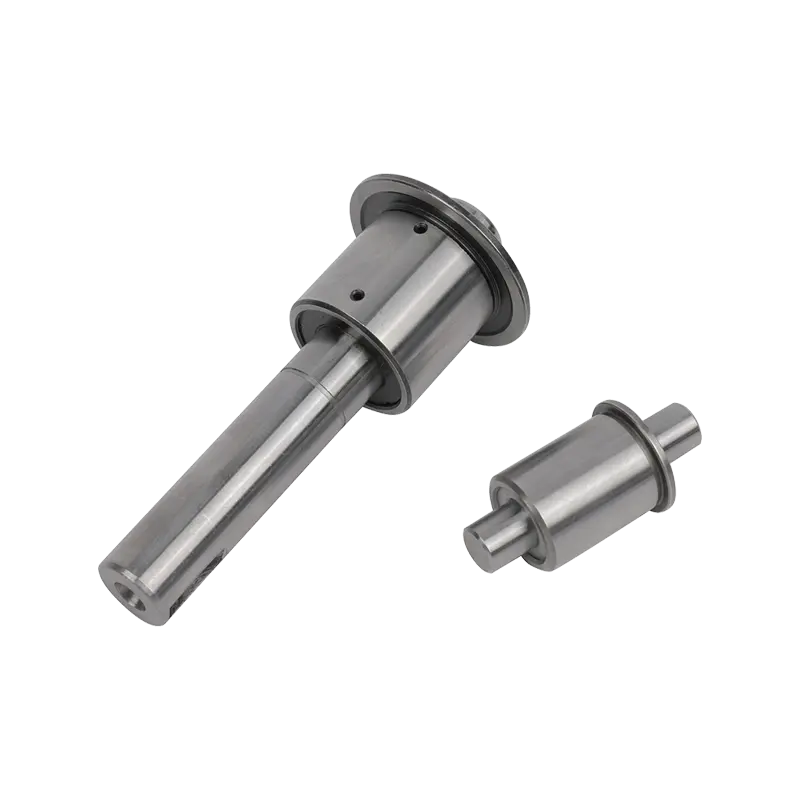
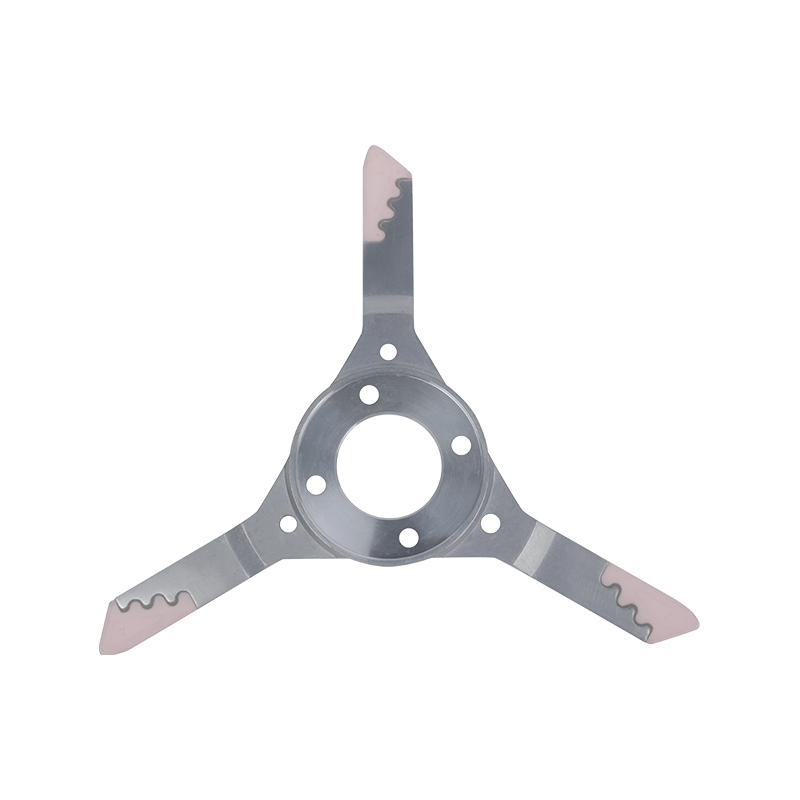 Custom Barmag Spinning Machine Shift Fork Manufacturers, FactoryWe Are China Barmag Spinning Machine Shift Fork Manufacturers, Factory, Jiaxing Shengbang Mechanical Equipment Co., Ltd. Custom Shift For...View Product →
Chuck components follow the same logic. The lock ring holds the package tube in position, and any deformation creates a loose fit that appears as package slippage or vibration. New lock rings for Barmag 1200 and 1380 chucks are machined to match the chuck taper and shoulder geometry, so the tube seats firmly and releases cleanly at doffing. In high-speed winding, this fit is not a detail; it is the difference between a stable package and a reject.
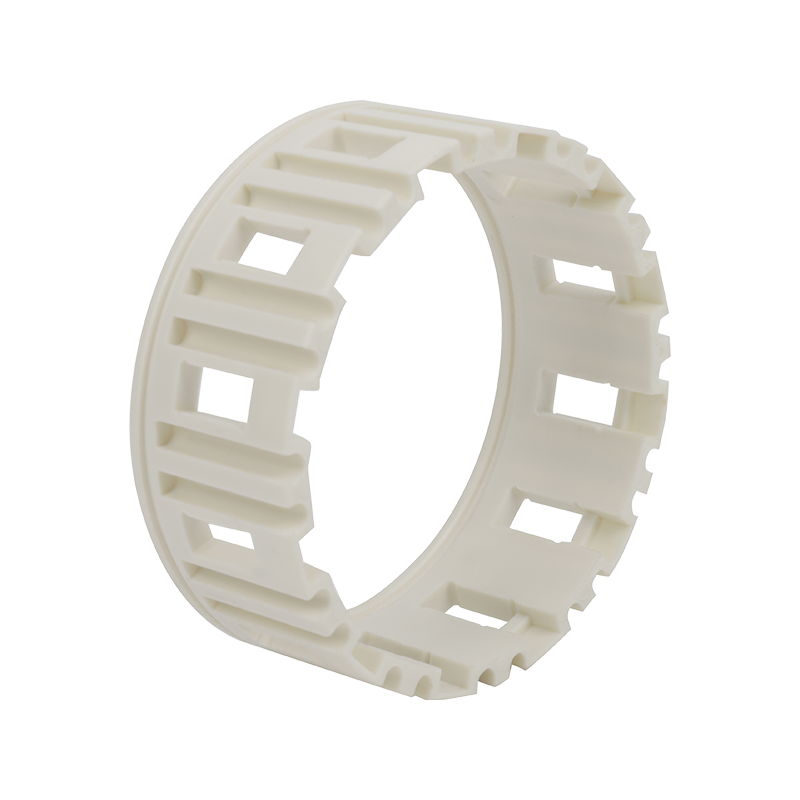 Wholesale Lock Ring for Barmag 1200 and 1380 Chuck Barmag Spinning Machine WindeJiaxing Shengbang Mechanical Equipment Co., Ltd. Is China Lock Ring for Barmag 1200 and 1380 Chuck Barmag Spinning Machine Winder Parts L...View Product →
The simple conclusion is that rotating components with internal wear should be replaced, while structural components with surface wear can often be repaired. A bearing with damaged raceways cannot be restored to its original geometry, and running it a few more weeks only risks a sudden failure during production. A shift fork with worn tips, however, can be rebuilt by welding and re-machining when the base body is still sound. A hot godet with a damaged coating can be stripped, re-sprayed, and rebalanced at a fraction of the cost of a new unit.
This distinction has direct purchasing implications. A replacement parts service that also operates a repair workshop can evaluate a failed component and offer the most economical route. For example, a repair program that covers hot godet repair and maintenance alongside chucks, coils, motors, separator rolls, shift fork gear boxes, and spin finish pumps shortens the decision cycle and avoids the risk of buying a new part when the original could have been restored to specification.
Barmag replacement parts are not commodity items. The production environment demands specific tolerances, surface treatments, and balance quality, and suppliers differ widely in what they can verify before delivery.
The steel grade and heat treatment decide how long a part survives under cyclic load. Bearings for Barmag hot godets must match the original clearance class because the operating temperature changes the internal fit; the wrong choice runs hot and fails early. Chuck components need mating surfaces held within a few micrometers, because any runout at the chuck centerline translates into an eccentric package.
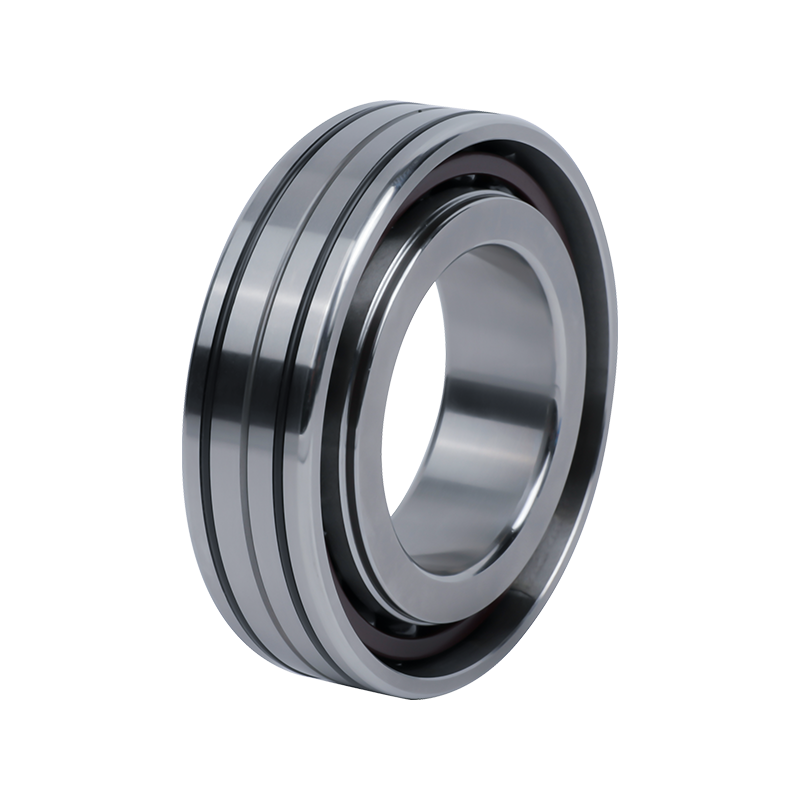 Wholesale Bearing for Barmag Hot Godet 13011800030 Barmag Spinning Machine BeariJiaxing Shengbang Mechanical Equipment Co., Ltd. Is China Bearing for Barmag Hot Godet 13011800030 Barmag Spinning Machine Bearing Suppli...View Product →
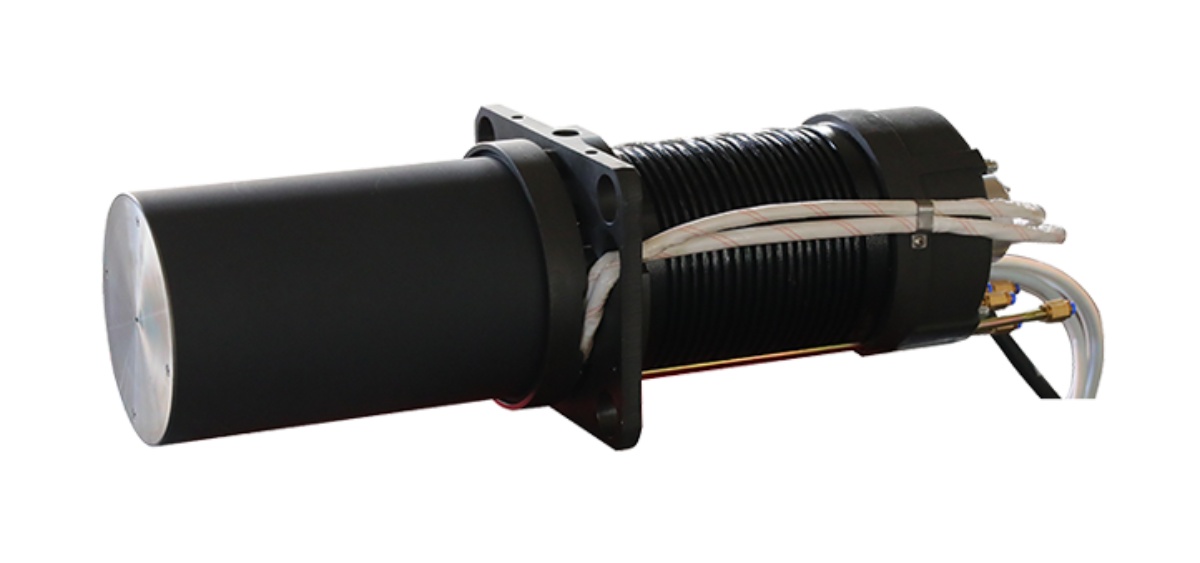
Rotating components such as godets, separator rolls, and contact rolls must be dynamically balanced after machining or coating work. An unbalanced roll vibrates, accelerating bearing wear and creating periodic yarn tension variation. Thermal accuracy also matters: a hot godet should be calibrated against an original reference so the surface temperature matches the set value across the full operating range. Surface coating restores the wear resistance of yarn contact parts; plasma-sprayed ceramic or metal coatings are commonly applied to filament guides, godets, separator rolls, and yarn guide plates to renew worn surfaces and extend service life.
A complete replacement parts service extends beyond the warehouse shelf. Older Barmag equipment can be upgraded to improve reliability and reduce energy consumption. Winder upgrading services cover chuck motors, fans, shift forks, traverse systems, and winding control, making it possible to gain the performance of a newer machine without replacing the entire winder.
Preventive maintenance plays an equally important role. A supplier that can inspect, repair, and return components on a planned schedule helps plants avoid emergency purchases and the associated freight costs. When shift forks, gear boxes, and godets are maintained before they fail, the replacement parts budget becomes predictable, and downtime is scheduled instead of reactive.
Choosing a Barmag replacement parts service is ultimately a risk-management decision. The cheapest quote may save money on the invoice but cost far more in rejected packages, lost production, and secondary damage to the winder. Look for a supplier with in-house machining, dynamic balancing, plasma spray coating, and temperature calibration capability, because those four functions determine whether a replacement part performs like the original and whether a damaged part can be economically restored. The right service partner keeps Barmag equipment running at its original design intent, not just close to it.

ADDRESS: No.1298, Zhouan Road, Economic and Technological Development District, Jiaxing City, Zhejiang Province
PHONE: +86 19057031687
TEL: 86-0573-83777752
EMAIL: [email protected]