English
 عربى
عربى русский
 简体中文
简体中文







2026-10-09
Home / News / Industry News / How a Take Up Winder Works: Winding Mechanisms for Low-Speed and Ultra-Low-Speed Yarn Production

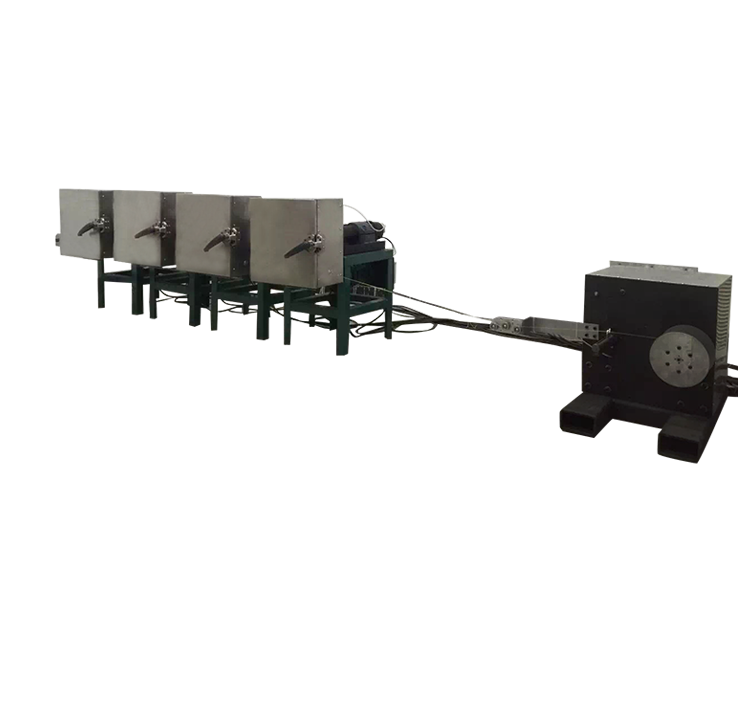
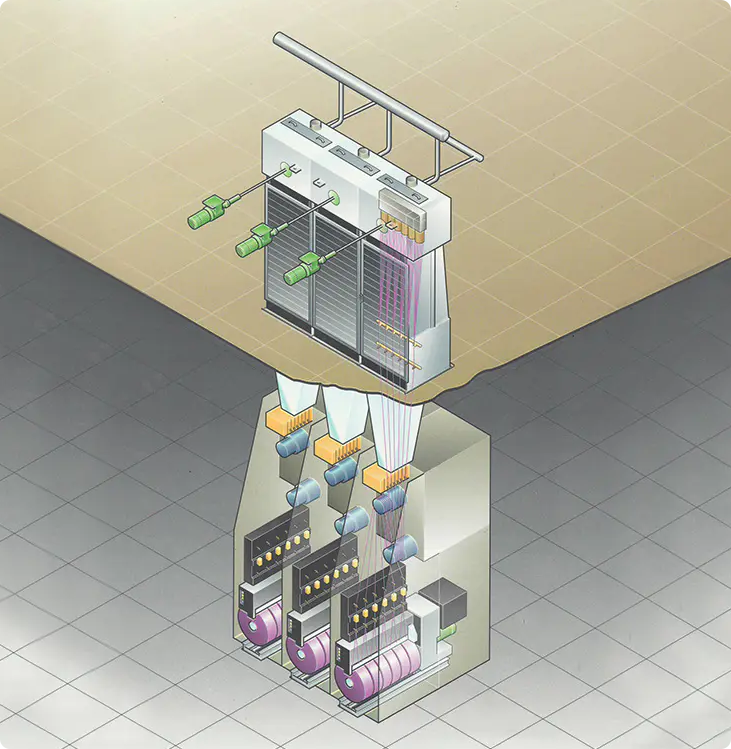
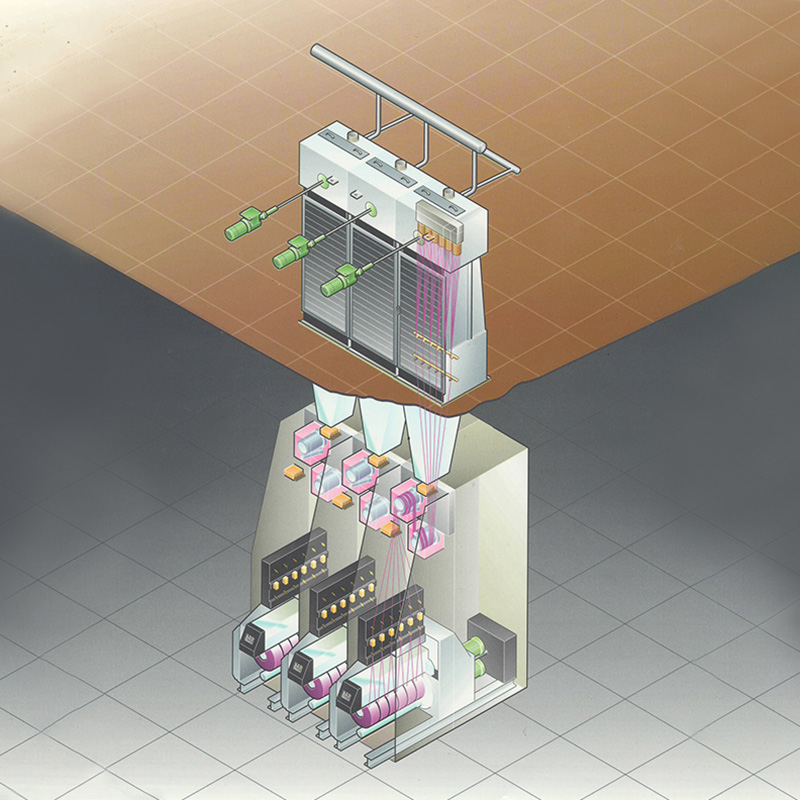
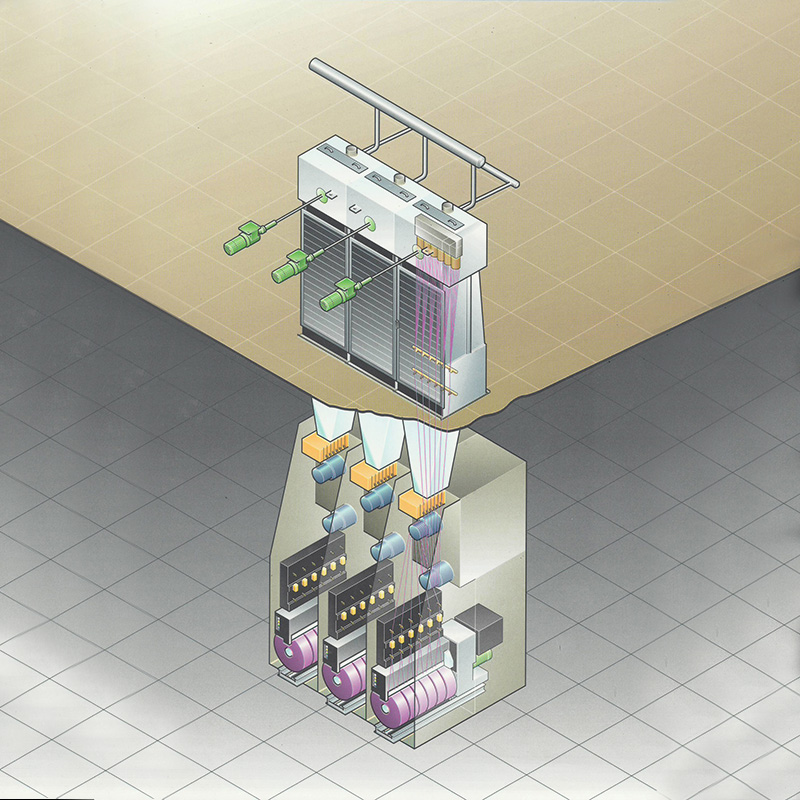
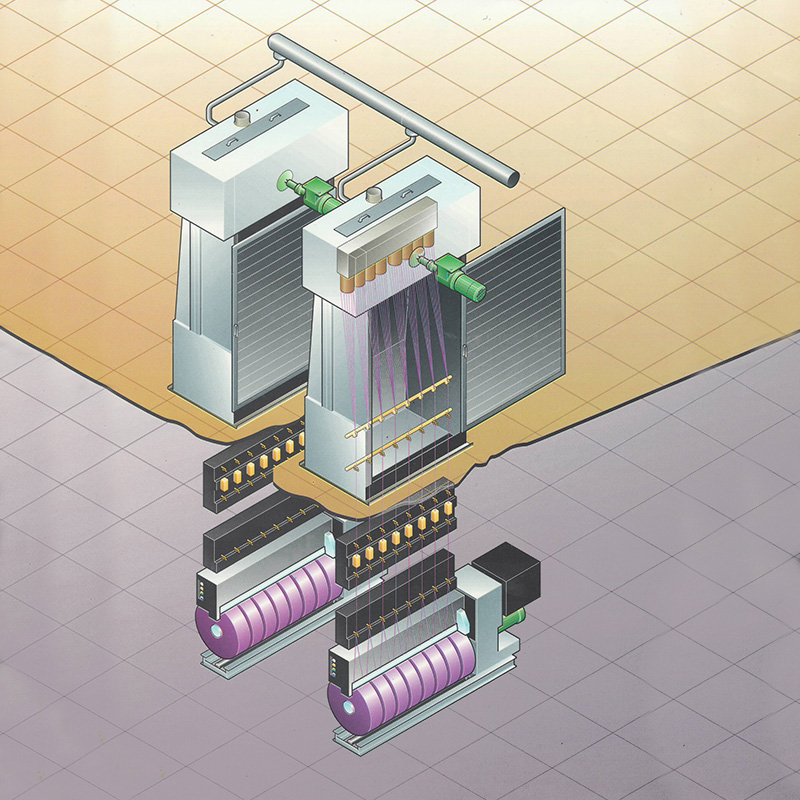
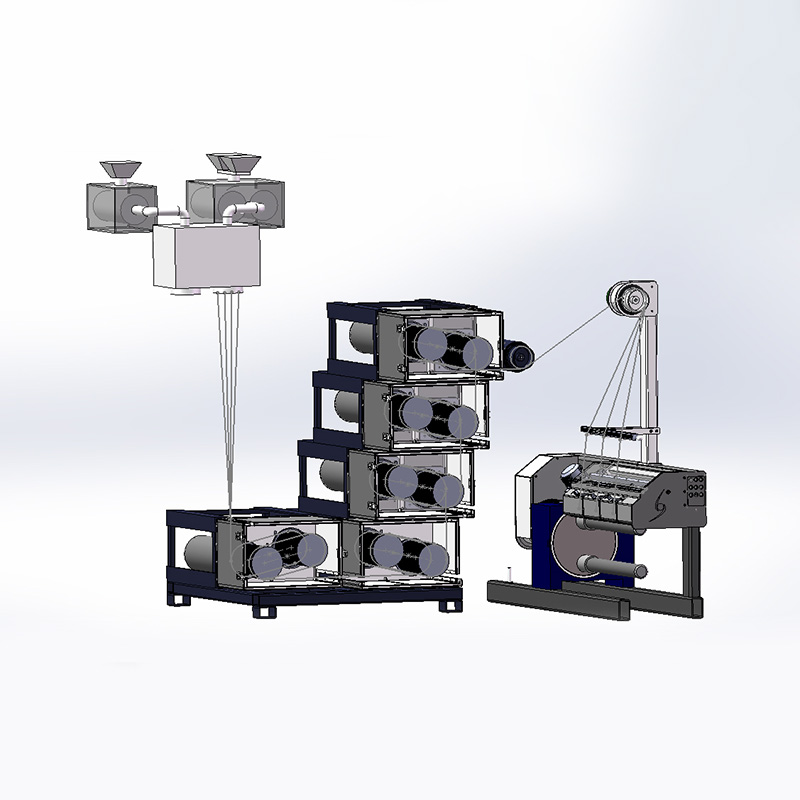
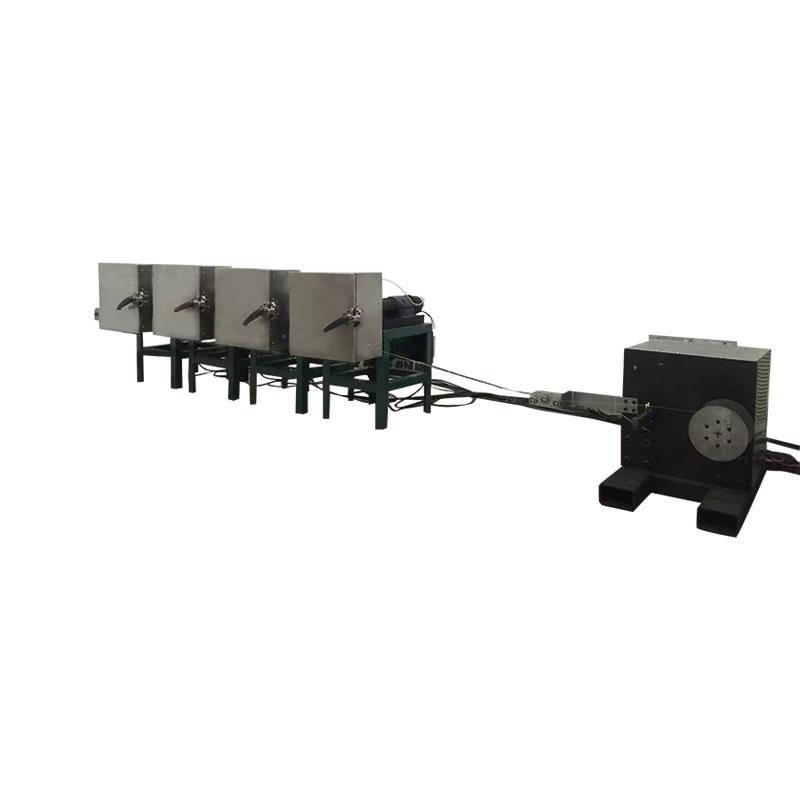
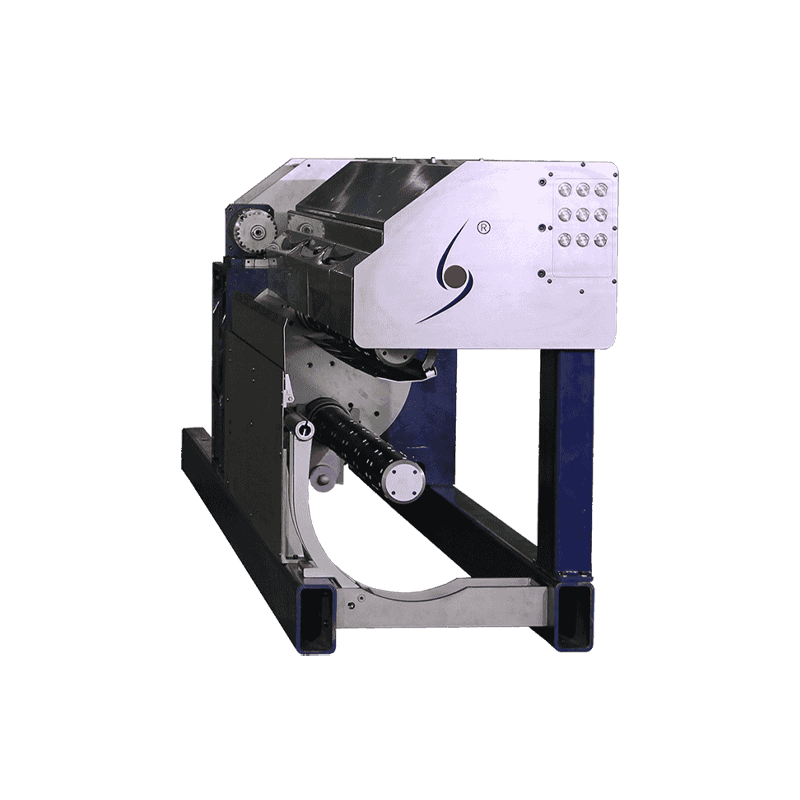
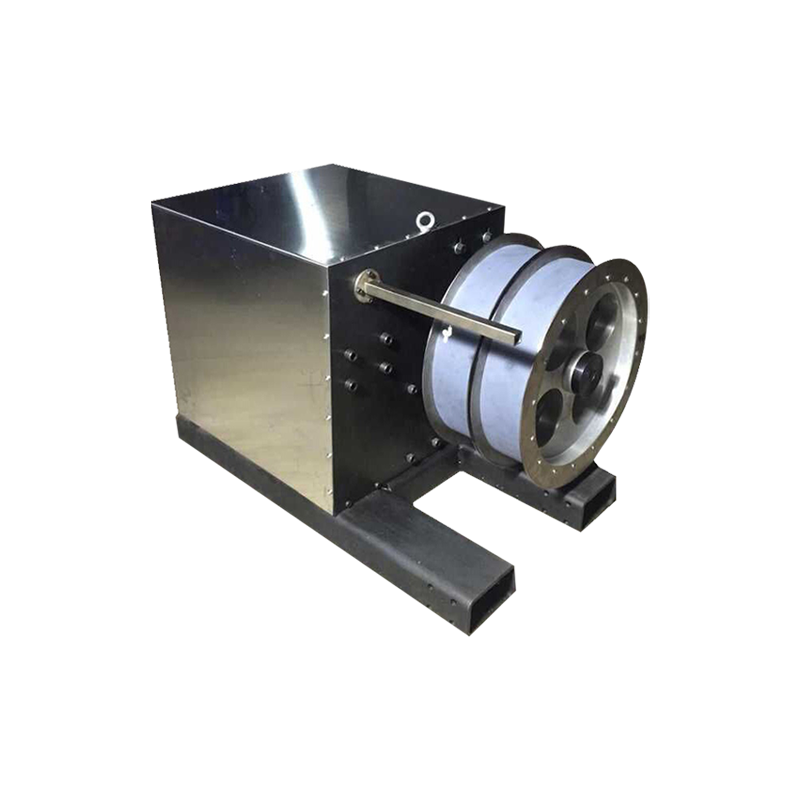
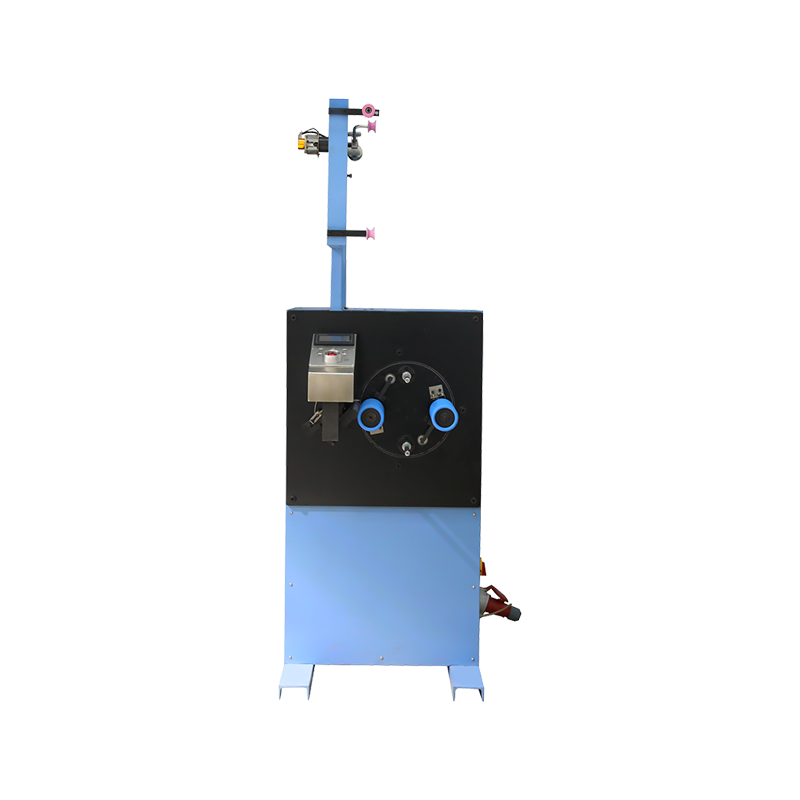
A take up winder collects newly formed fiber or yarn as it comes off the spinning line and winds it onto a bobbin or spool at a controlled speed and tension. That description sounds simple, but in specialty and research applications the winder is often the hardest part of the whole line to get right, because it has to manage speed, tension, and sometimes fixed-length cutting simultaneously, without damaging a fragile or experimental fiber that took hours to produce.
Most people associate spinning equipment with high-speed winding — industrial POY and FDY lines routinely run in the thousands of meters per minute. But a significant share of research and specialty fiber work needs the opposite: winding so slow that conventional motor and tension-control systems become unreliable rather than simply "slower."
A documented example is a take up winder engineered for a minimum stable winding speed of 1 meter per 20 hours, built to meet the research requirements of the Sichuan Provincial Textile Research Institute. To put that in perspective, this is roughly five orders of magnitude slower than a typical industrial winder. At that scale, torque irregularities that are completely invisible at high RPM become the dominant failure mode — the shaft either stalls momentarily and then jumps forward, or drifts under uneven load. Achieving genuine stability at this speed required rebuilding the drive system and control algorithm specifically for sub-1-RPM continuous operation, not just gearing down an existing motor.
Beyond speed, some take up winders integrate a high-precision fixed-length cutting function directly into the winding cycle. This matters most for materials such as semi-permeable membrane fiber bundles used in water purification, where each bundle segment must be cut to a strict, repeatable length before it is potted into a filtration module.
In a well-engineered system, the cutting trigger is driven by the same encoder feedback used for winding, rather than by a separate timer. This keeps the cut length locked to actual fiber movement even if winding speed varies slightly during a long cycle — which matters a great deal at ultra-low speed, where a run can last many hours and small drifts compound over time. If the cutting mechanism and winding drive fall out of sync, the result is inconsistent segment lengths, which can compromise an entire batch of research or production material.
| Application | Speed Requirement | Key Winder Feature |
|---|---|---|
| Water purification membrane fiber | Ultra-low, sustained (hours per meter) | Encoder-synchronized fixed-length cutting |
| University spinning instruction | Adjustable, wide range | Flexible speed control across trials |
| Materials research pilot trials | Low to ultra-low | Stable tension over long cycle times |
| Standard filament production (POY/FDY) | High-speed continuous | High-speed, high-precision package formation |
A take up winder that has to hold stable tension for a 20-hour cycle depends on manufacturing precision that is invisible from the outside. Jiaxing Shengbang Mechanical Equipment Co., Ltd. manufactures and tests its winders using advanced CNC machine tools, a Shenk balancing machine for shaft and rotor balancing, plasma-coating equipment from the AVIC Manufacturing Technology Institute, and hot godet temperature calibration equipment from Barmag. Shaft balancing quality in particular has a direct effect on low-speed stability, since even minor imbalance shows up as periodic tension variation once the winding speed drops low enough for it to no longer be averaged out.
Shengbang also runs its own yarn spinning lab, built around a self-developed multi-purpose spinning test machine that can produce single-component, bicomponent, and multi-component yarn, along with POY, FDY, medium-strength yarn, and filament yarn. This lets the engineering team validate a new fiber's winding behavior on test equipment before finalizing a custom machine design, and it is part of why the company holds multiple patent certificates for its spinning and winding technology.
Specialty take up winders like the one built for the Sichuan Provincial Textile Research Institute rarely start from a catalog. They typically begin as an "Industry-University-Research" collaboration: the equipment maker reviews the institute's experimental protocol, works through personalized equipment customization, and then stays engaged for long-term technical support and process optimization as the research continues to evolve.
This is the model Shengbang has built with multiple academic institutions, alongside industrial-scale cooperation with chemical fiber producers such as Tongkun Group, Xin Feng Ming Group, Hengli Group, and Shenghong Corp. Working across both research-scale and industrial-scale customers gives the engineering team a broader reference base when solving a genuinely non-standard problem — such as maintaining stable tension across a 20-hour winding cycle — rather than trying to force a research application onto an existing industrial machine.

ADDRESS: No.1298, Zhouan Road, Economic and Technological Development District, Jiaxing City, Zhejiang Province
PHONE: +86 19057031687
TEL: 86-0573-83777752
EMAIL: [email protected]