English
 عربى
عربى русский
 简体中文
简体中文







2026-10-09

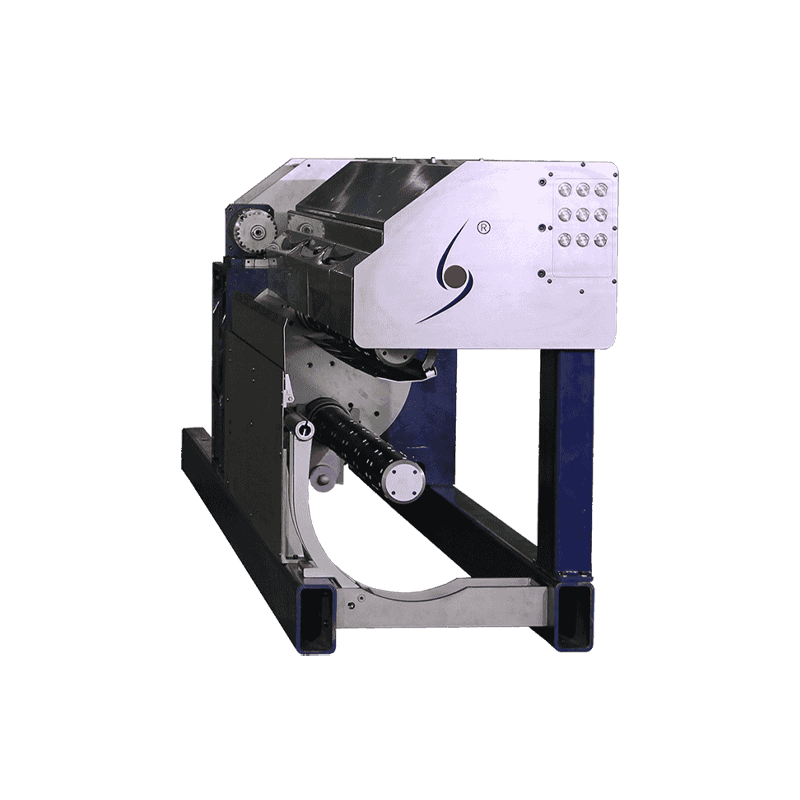
For textile manufacturers seeking to expand or upgrade FDY production capacity without the capital outlay of new equipment, a professionally reconditioned Barmag used machine is the most practical and proven solution. The Barmag ACW series winders—particularly the ACW5T1380/12 model—remain among the most sought-after second-hand spinning machines on the global market, thanks to their engineering precision, long service life, and widespread availability of spare parts. This guide covers everything a buyer needs to evaluate, select, and commission a used Barmag machine with confidence.
Barmag (now part of Oerlikon Textile) has been engineering high-speed winders and spinning systems since the 1920s. Their ACW series winders were designed for continuous 24/7 operation on PET, PA, and PP filament yarn lines, which means even machines manufactured 10–15 years ago were built to tolerances that many current-generation mid-range machines still cannot match.
Key reasons manufacturers choose a Barmag used machine over alternative second-hand or new mid-range options include:
The ACW5T1380/12 is one of the most commonly traded Barmag used machine configurations. Understanding its core specifications allows buyers to assess production fit before inspection.
| Parameter | Specification | Notes |
|---|---|---|
| Winding Positions | 12 | Per winder unit |
| Bobbin Stroke | 380 mm | Large-package winding capability |
| Max. Winding Speed | Up to 6,000 m/min | FDY / HOY compatible |
| Applicable Yarn Types | PET, PA, PP | POY, FDY, HOY production |
| Drive System | Spindle-drive | Individual position control |
| Traversing System | Electronic cam / precision traverse | Low ribbon winding rate |
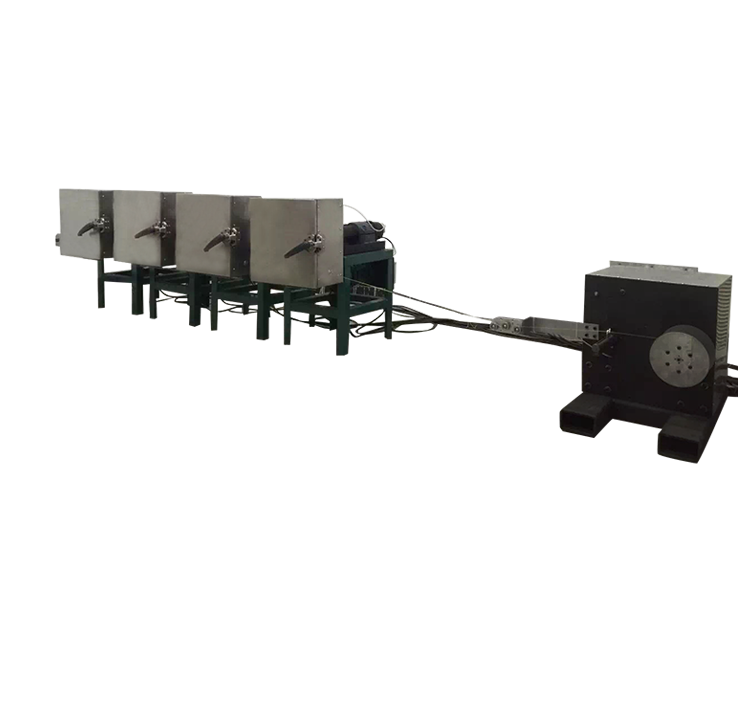
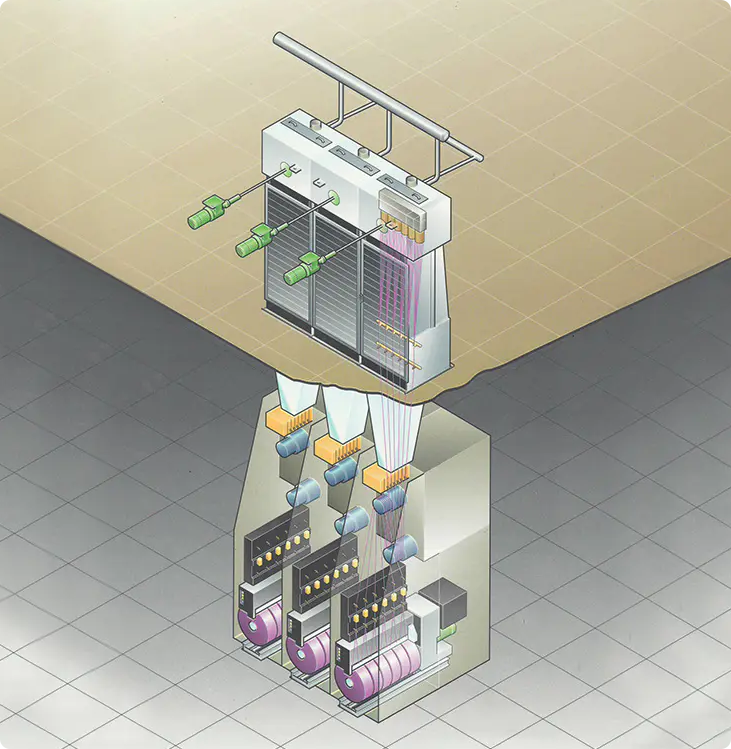
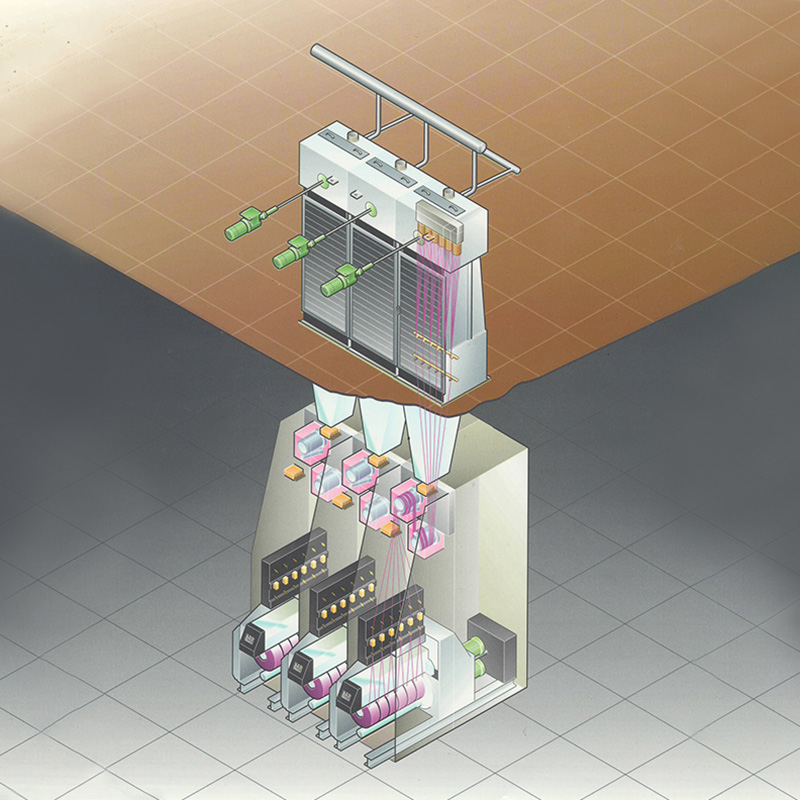
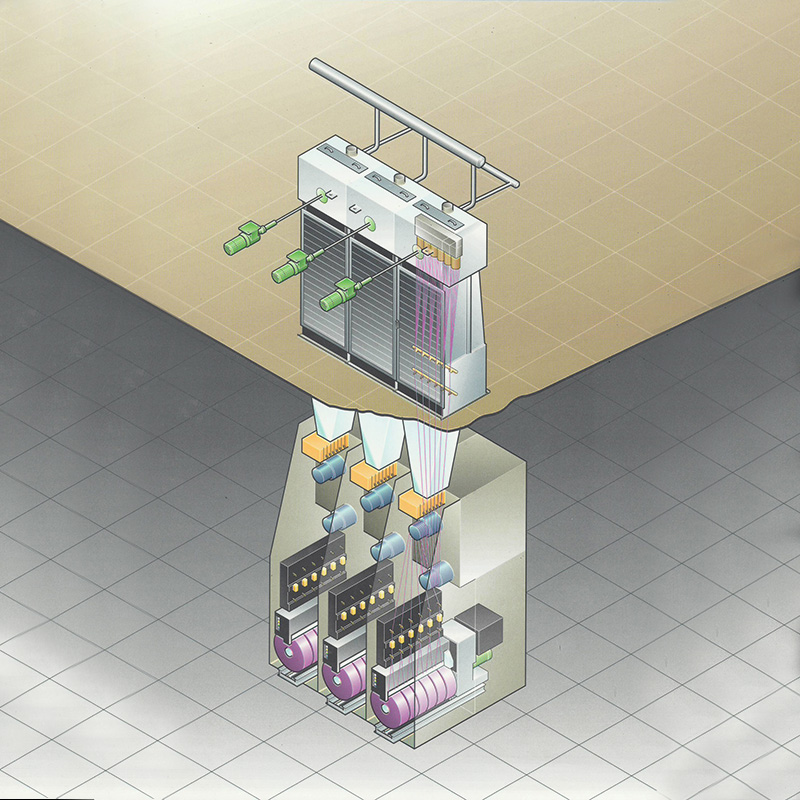
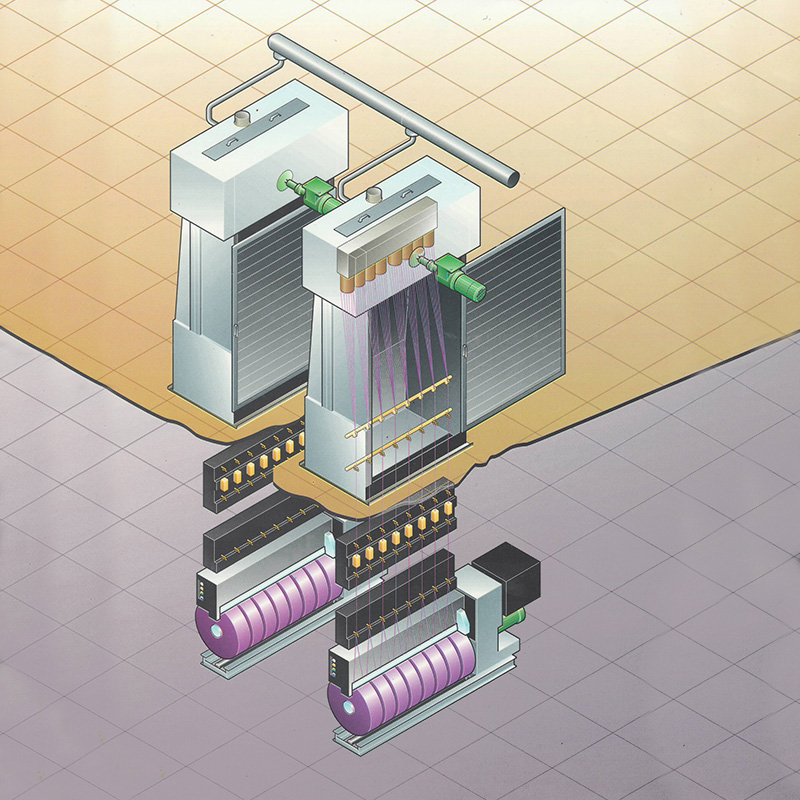
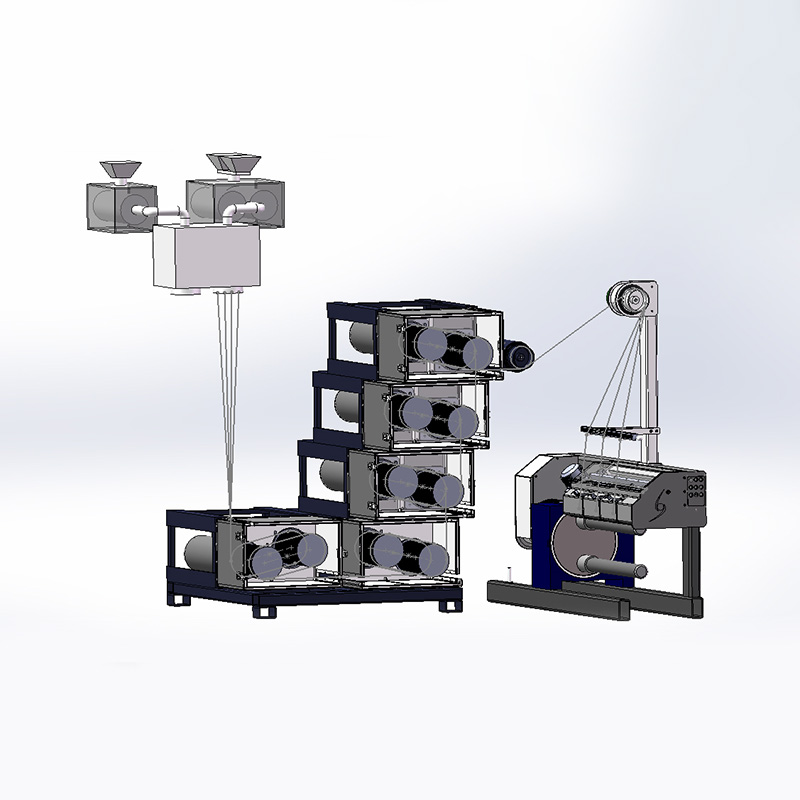
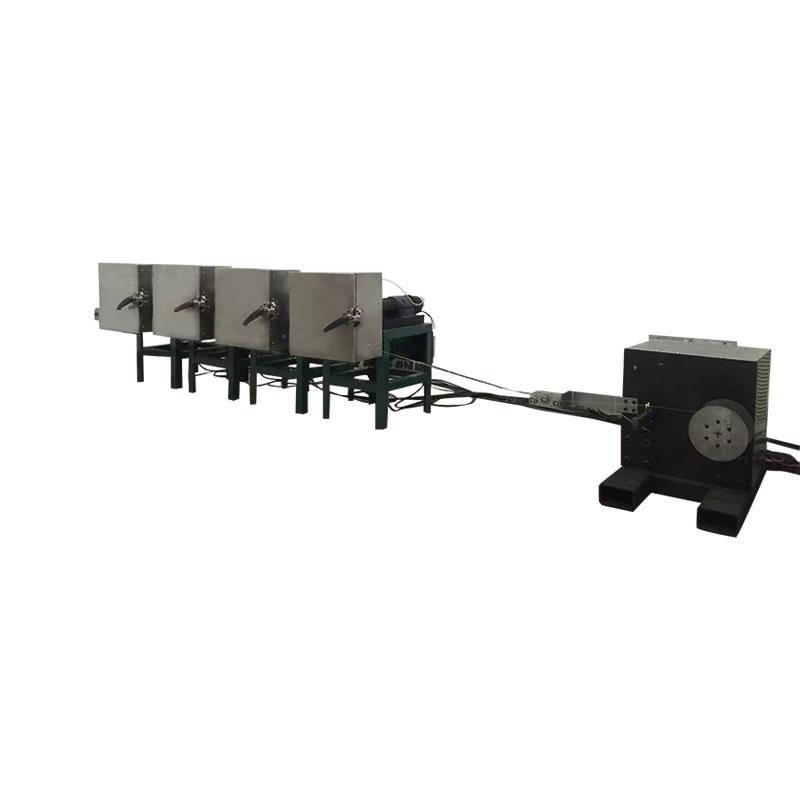
Beyond the winder itself, a complete used Barmag FDY spinning line typically includes godet units, spin packs, metering pumps, oil application units, and interlacing jets—all of which require separate condition assessment when purchasing a full production line.
The phrase "reconditioned Barmag used machine" is used widely but unevenly in the market. Buyers should insist on understanding exactly what reconditioning work was performed before purchase. A credible reconditioning program for an ACW series winder should cover the following stages:
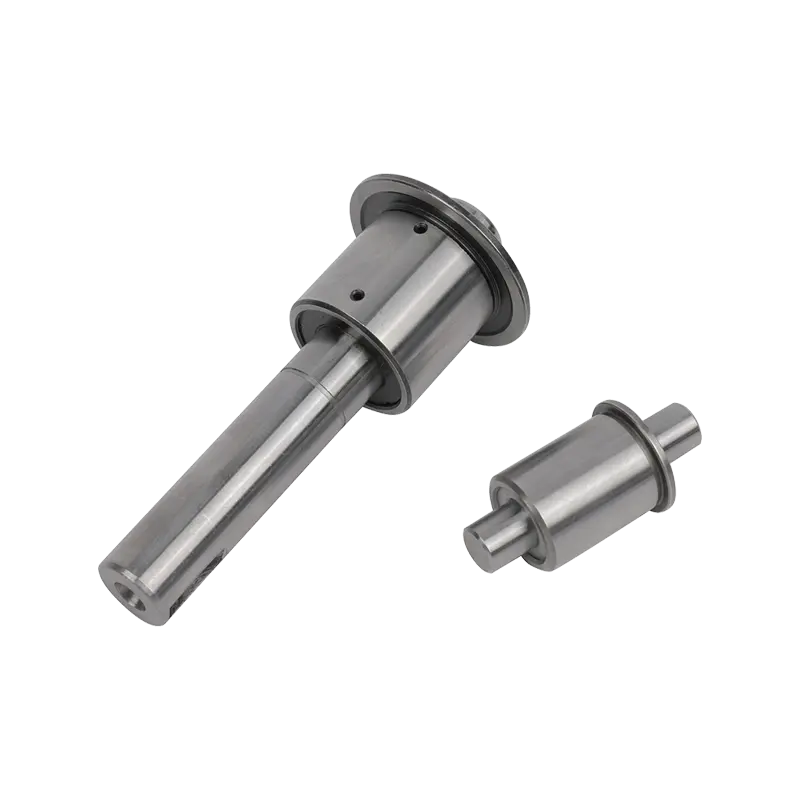
All spindle bearings, traverse guides, and friction rollers should be replaced rather than cleaned and reinstalled. Bearing wear is the primary failure mode in high-speed winders—spindle bearings in continuously running ACW machines typically reach replacement intervals of 8,000–12,000 operating hours. Any machine offered without documented bearing replacement should be treated as needing immediate bearing service upon commissioning.
Drive inverters, tension control boards, and HMI panels are common failure points in aged equipment. Reconditioning should include testing and replacement of control cards, re-flashing or upgrading firmware where available, and verification of all safety interlocks. Machines where only cosmetic electrical work has been done—cable tidying, connector cleaning—without functional testing should be approached cautiously.
Godet (hot roller) temperature uniformity is critical for FDY yarn quality. A serious reconditioning supplier will perform temperature calibration using traceable instruments—temperature deviation across a godet surface should be within ±1°C for consistent yarn crystallinity. Some specialist suppliers use Barmag-certified temperature calibration equipment to validate godet performance after refurbishment.
All rotating components—godets and spindles—should be dynamically balanced after refurbishment. Unbalanced rotating parts at winding speeds above 4,000 m/min generate vibration that causes premature bearing failure and impairs package build quality. Suppliers with access to precision balancing equipment (such as Schenck balancing machines) can certify components to ISO 1940 G1 or better balancing grades.
Whether conducting a factory inspection or reviewing a supplier's condition report, buyers should focus on the following high-wear and high-cost components:
Buyers evaluating a used Barmag machine often compare it against used TMT (Toray Engineering), Chinese-manufactured winders, or other European brands. The following comparison highlights the practical trade-offs:
| Criteria | Barmag ACW (Used) | Used TMT Winder | Used Chinese Winder |
|---|---|---|---|
| Max. Winding Speed | Up to 6,000 m/min | Up to 6,000 m/min | 3,500–5,000 m/min |
| Spare Parts Availability | Excellent (global supply) | Good (mainly Asia) | Good (domestic China) |
| Reconditioning Feasibility | High | High | Moderate |
| Yarn Quality (CV%) | <1.5% | <1.5% | 1.5–2.5% |
| Technical Support (Overseas) | Strong (specialist suppliers) | Moderate | Limited |
For producers targeting export-grade or high-specification FDY markets, a properly reconditioned used Barmag ACW machine consistently delivers performance that justifies its position at the premium end of the second-hand equipment market.
Sourcing a used Barmag machine is rarely a single-transaction purchase. Buyers—especially those establishing or expanding production facilities in Southeast Asia, South Asia, or Africa—should look for suppliers capable of providing a comprehensive service package rather than just equipment delivery.
A full-service offering for used Barmag FDY equipment should cover:
Suppliers experienced with Barmag equipment—including those with access to Barmag-certified calibration procedures and OEM-compatible spare parts—can typically reduce commissioning time to 2–4 weeks from equipment arrival compared to 6–10 weeks for buyers working with inexperienced local contractors.
Used Barmag equipment is available across multiple spinning process types. Understanding which ACW model variant matches which production process prevents mismatched procurement decisions.
Buyers who have not previously sourced used spinning equipment often underestimate the due diligence required. The following checklist covers the most critical questions to raise with any used Barmag machine supplier:
Suppliers who cannot answer these questions with documented evidence should be approached with significant caution, regardless of their quoted condition grade or stated refurbishment scope.

ADDRESS: No.1298, Zhouan Road, Economic and Technological Development District, Jiaxing City, Zhejiang Province
PHONE: +86 19057031687
TEL: 86-0573-83777752
EMAIL: [email protected]