English
 عربى
عربى русский
 简体中文
简体中文







2026-10-09
Home / News / Industry News / How Does a Dynamic Melt Mixer Eliminate Color Streaking in Masterbatch-Colored Filament Yarn?

Color streaking is one of the most persistent quality complaints in masterbatch-colored filament production. A spinning line can run at stable temperature and speed and still produce yarn with visible color bands, dye-line unevenness, or shade variation between packages. In most cases the root cause is not the masterbatch formulation — it is insufficient shear at the point where the masterbatch melt stream meets the main polymer melt stream. This article looks specifically at why static mixing often falls short in direct-spinning applications, and how a dynamic melt mixer addresses that gap.
In masterbatch-colored spinning, the masterbatch is typically added at a low letdown ratio — often 1–5% of the total melt stream. A static mixer relies entirely on the melt's own flow energy to fold and redistribute the two streams as they pass through fixed internal elements. At low letdown ratios and the relatively low flow rates typical of fine-denier spinning positions, that flow energy is often not enough to fully break down masterbatch agglomerates or achieve uniform distribution across the melt cross-section.
Raising back pressure or increasing masterbatch dosage can mask the problem temporarily, but both approaches raise cost and add unnecessary load on the metering pump and spin pack.
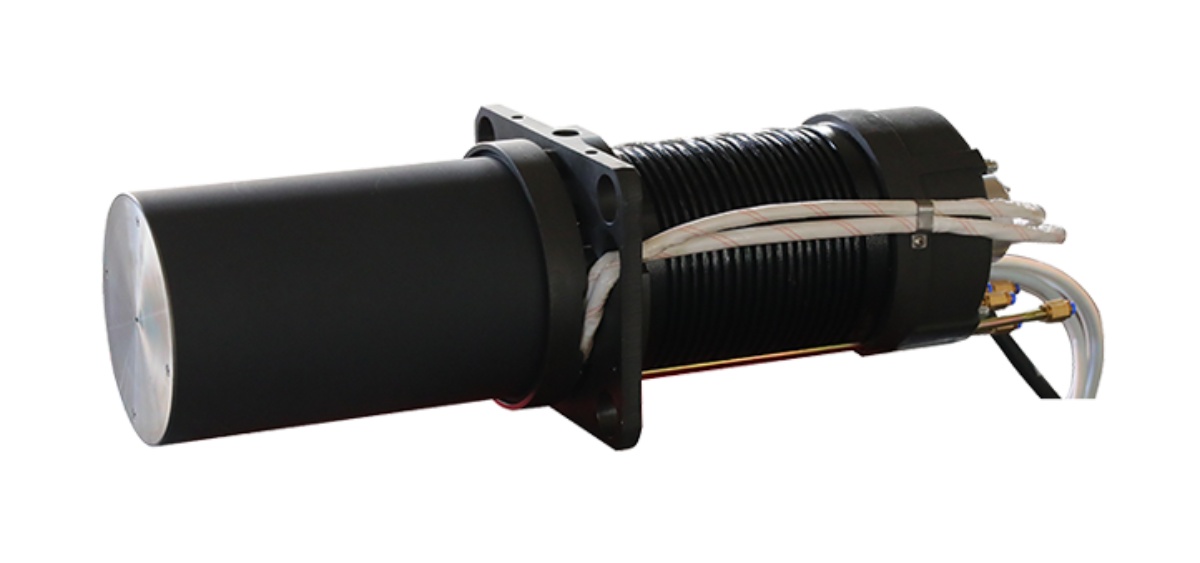
A dynamic melt mixer replaces the passive folding elements of a static mixer with a rotating mixing rotor driven independently of the melt flow. This changes the mixing mechanism in a way that directly targets the cause of color streaking:
Because the rotor speed is set independently of line speed, shear input no longer depends on how fast the melt happens to be flowing. Operators can dial in the shear level a specific pigment or additive needs, rather than being limited by whatever residual flow energy is available.
Rotational mixing continuously exposes fresh melt surfaces to the mixing zone, combining distributive mixing (spreading the masterbatch evenly across the cross-section) with dispersive mixing (breaking down agglomerates) in the same pass — something a fixed-geometry static element cannot do as effectively at low flow rates.
The practical effect of switching from static to dynamic mixing shows up in a few measurable places on a direct-spinning line:
| Production Factor | Static Mixing | Dynamic Mixing |
|---|---|---|
| Shear control | Fixed by melt flow rate | Independently adjustable via rotor speed |
| Performance at low letdown ratio | Prone to color streaking | Maintains uniform dispersion |
| Masterbatch dosage needed | Often over-dosed to compensate | Closer to formulated letdown ratio |
| Response to product changeover | Fixed geometry, no adjustment | Rotor speed tuned per formulation |
Reducing masterbatch over-dosing has a direct cost benefit as well, since masterbatch is typically far more expensive per kilogram than the base polymer chip it is let down into.
The same mixing limitation that causes color streaking also affects functional fiber production — matting agents, antibacterial additives, flame retardants, and anti-static masterbatches all depend on even distribution to perform consistently along the filament length. Uneven dispersion of a matting agent, for example, can produce inconsistent luster between filaments in the same yarn package, while poor distribution of a flame-retardant masterbatch can create weak points that fail to meet certification thresholds. A dynamic mixer that adjusts shear independently of flow rate helps keep these functional properties consistent across the full range of letdown ratios a mill may run.
One practical concern for mills evaluating a switch is whether the change requires rebuilding the spinning position. In most cases it does not. A dynamic mixer is installed at the same point in the melt path where a static mixer or masterbatch injection point already sits, and the line retains the ability to run natural (uncolored) yarn when the mixer is not in use — the same flexibility mills already rely on when switching between colored and natural production runs.
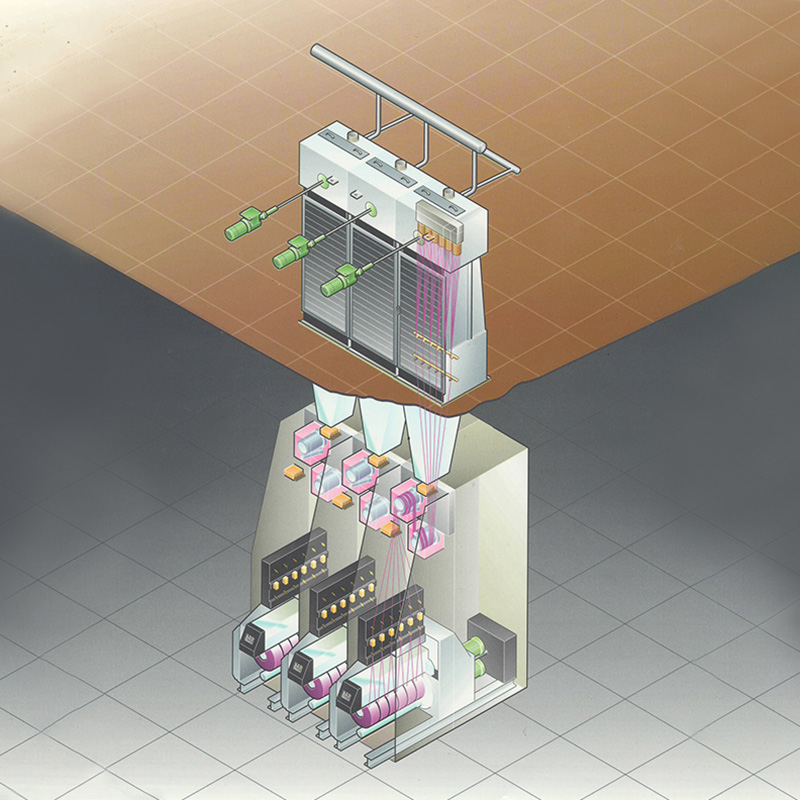
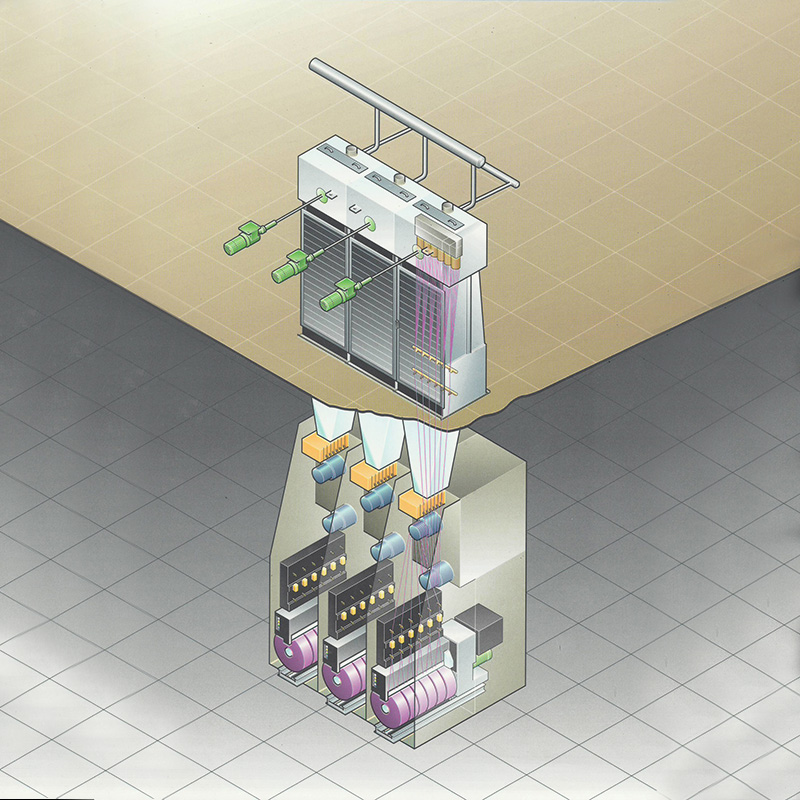
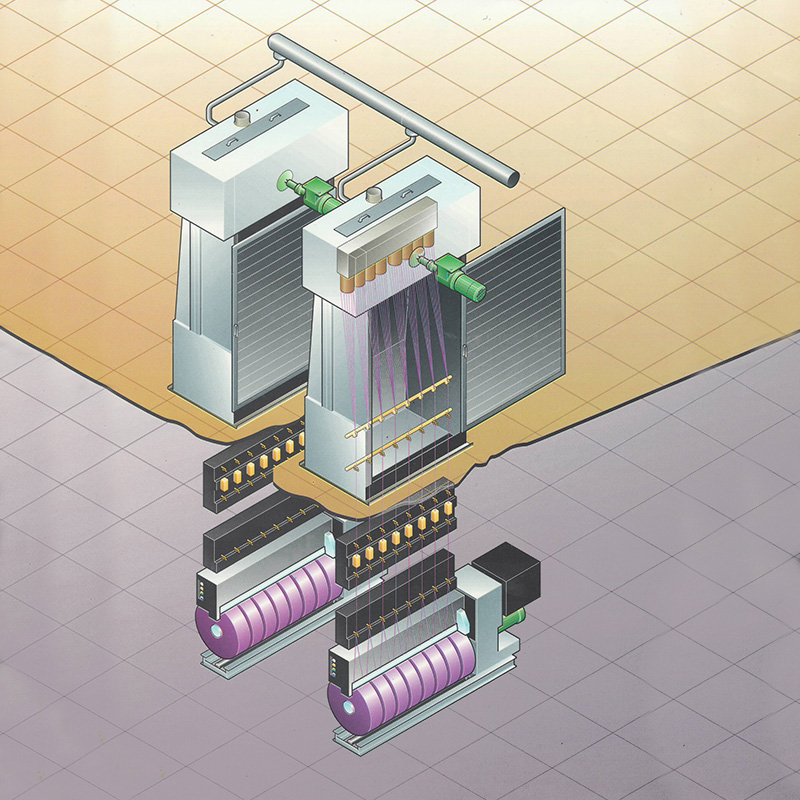
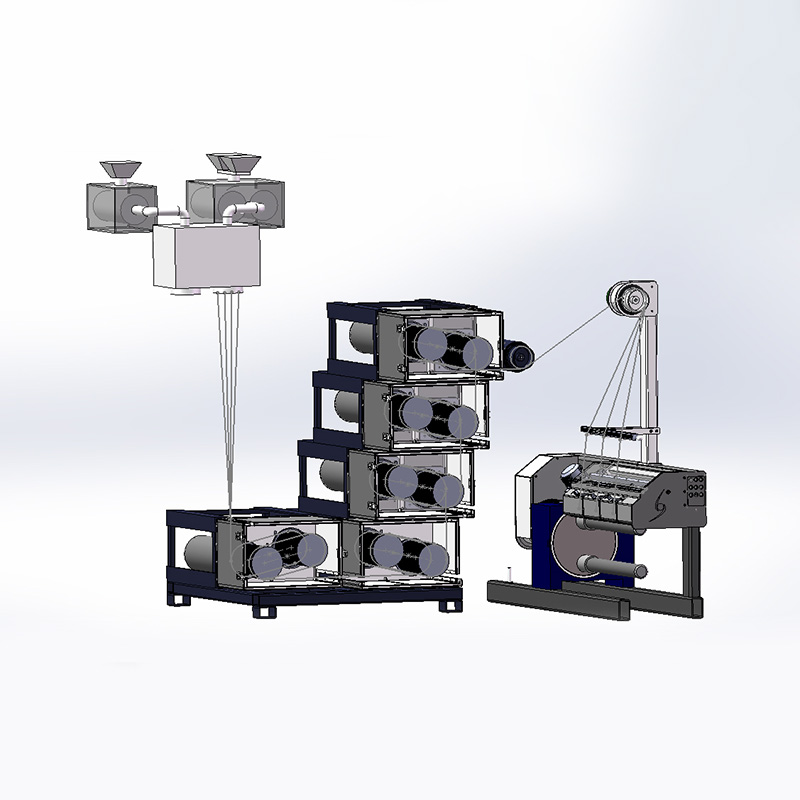
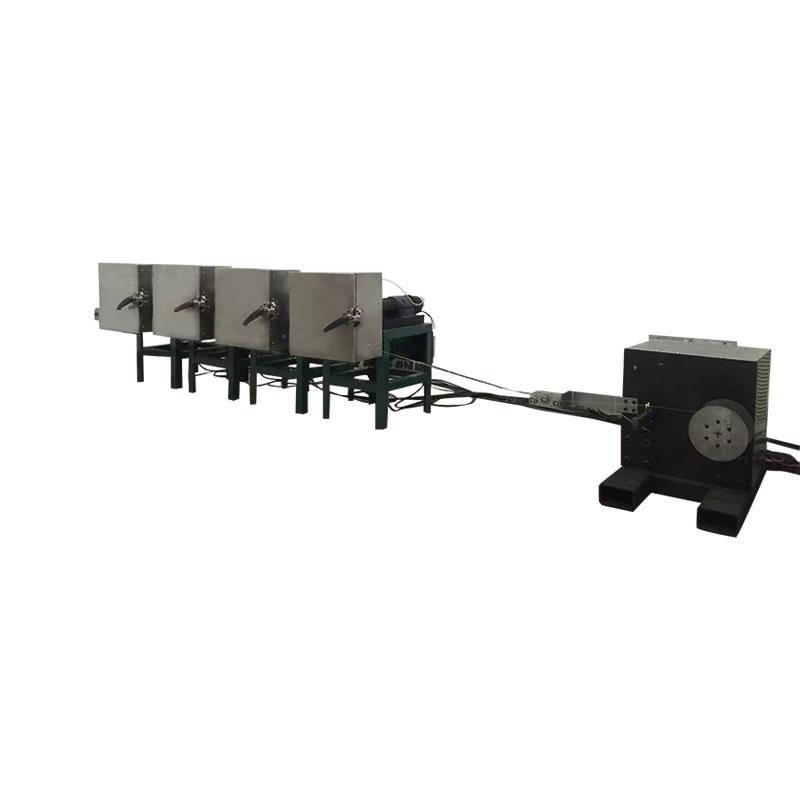
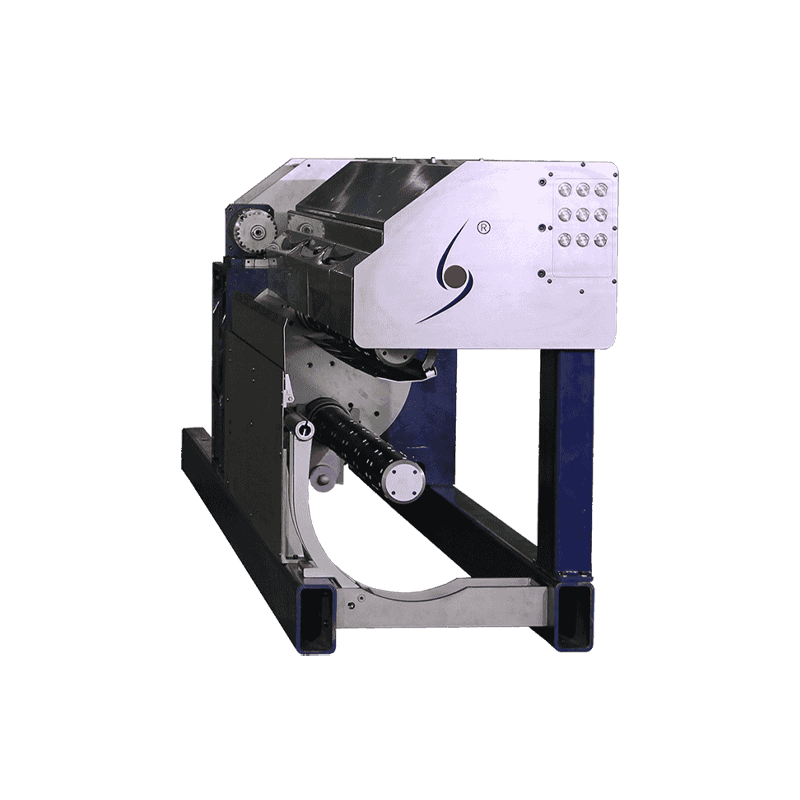
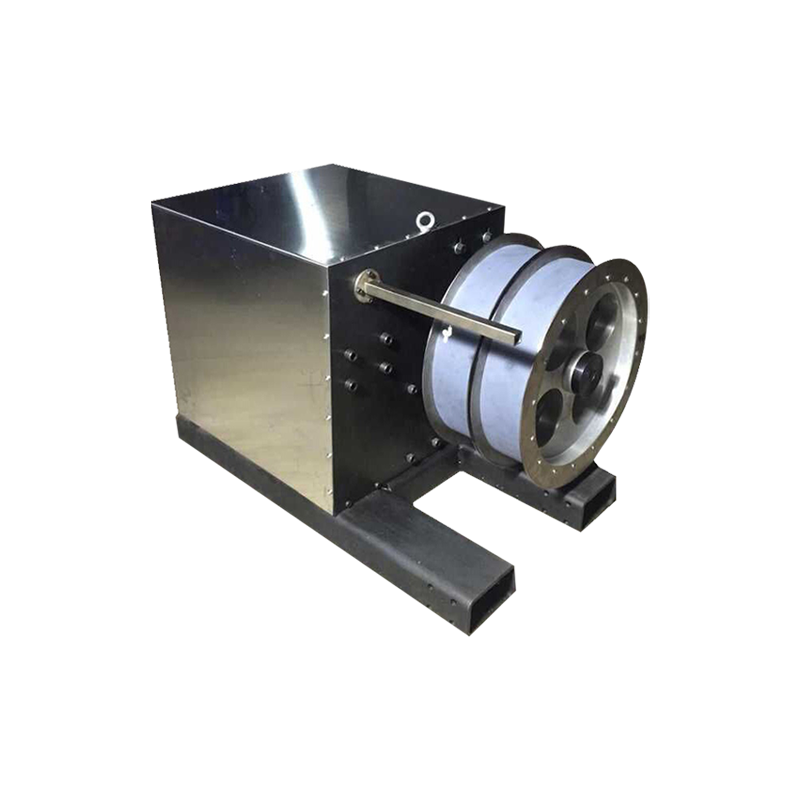
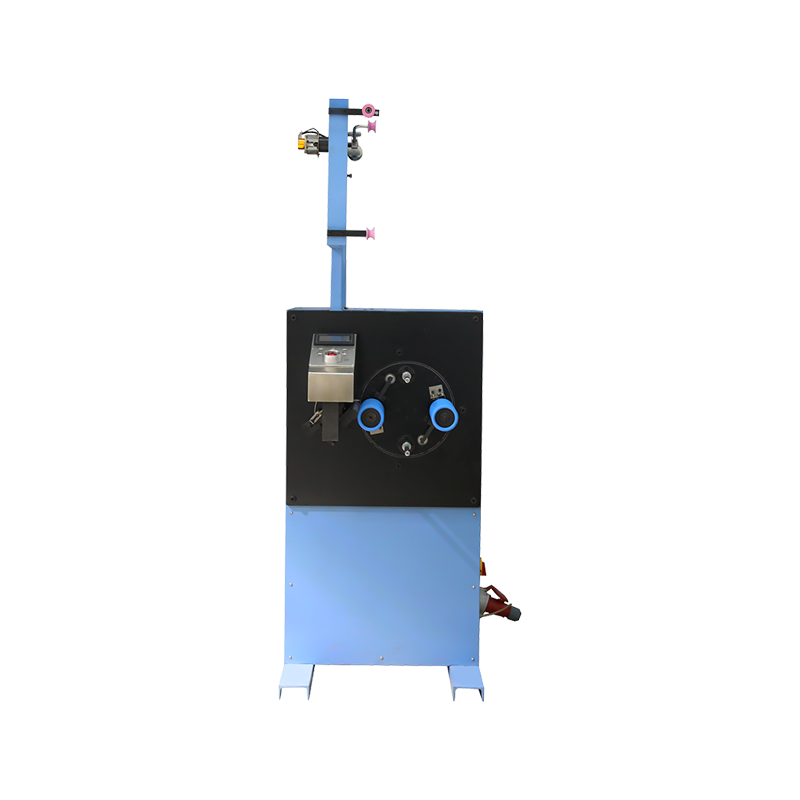
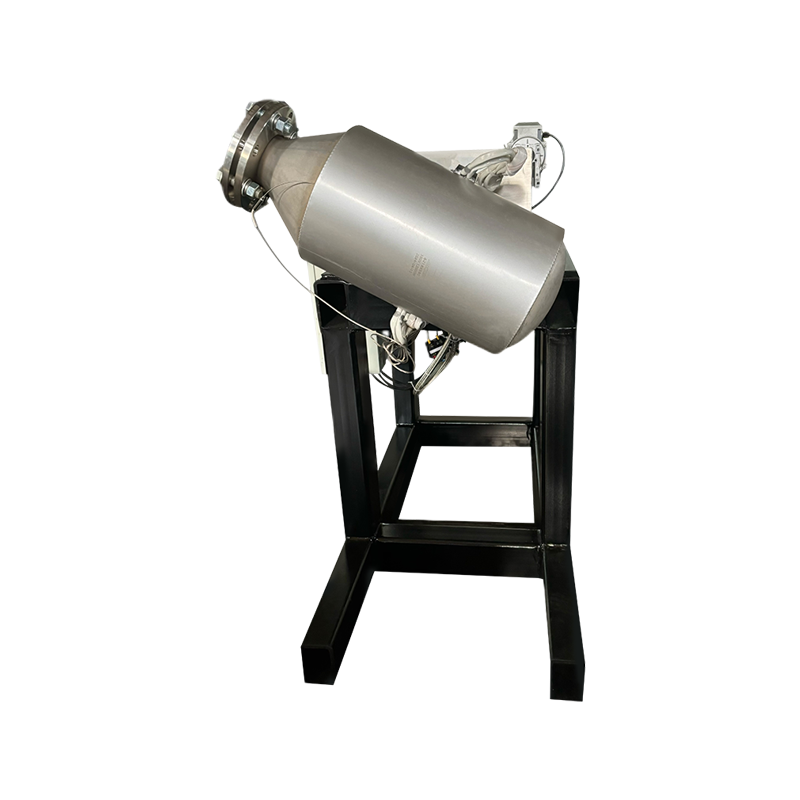
Jiaxing Shengbang Mechanical Equipment Co., Ltd. manufactures a patented dynamic mixer designed for melt direct spinning masterbatch adding equipment, built to maintain uniform color and additive dispersion across the low-flow, low-letdown conditions typical of fine-denier filament spinning. The equipment integrates into existing melt-spinning lines for colored and functional fiber production, and the same mixing unit can also be applied to other melt-processed materials such as films and inks that require uniform mixing. For mills evaluating whether their current color-streaking or dispersion issues stem from mixing limitations rather than formulation, reviewing the mixing method already in place at the injection point is a practical first step.

ADDRESS: No.1298, Zhouan Road, Economic and Technological Development District, Jiaxing City, Zhejiang Province
PHONE: +86 19057031687
TEL: 86-0573-83777752
EMAIL: [email protected]