English
 عربى
عربى русский
 简体中文
简体中文







2026-10-09
Home / News / Industry News / BARMAG Repair Services: A Practical Guide to Diagnosing Faults, Sourcing Parts, and Restoring Uptime

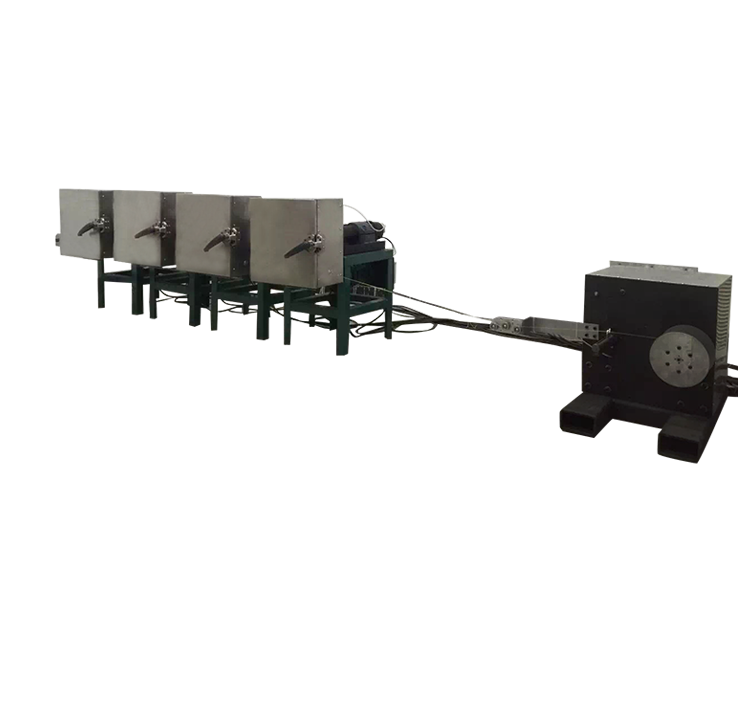
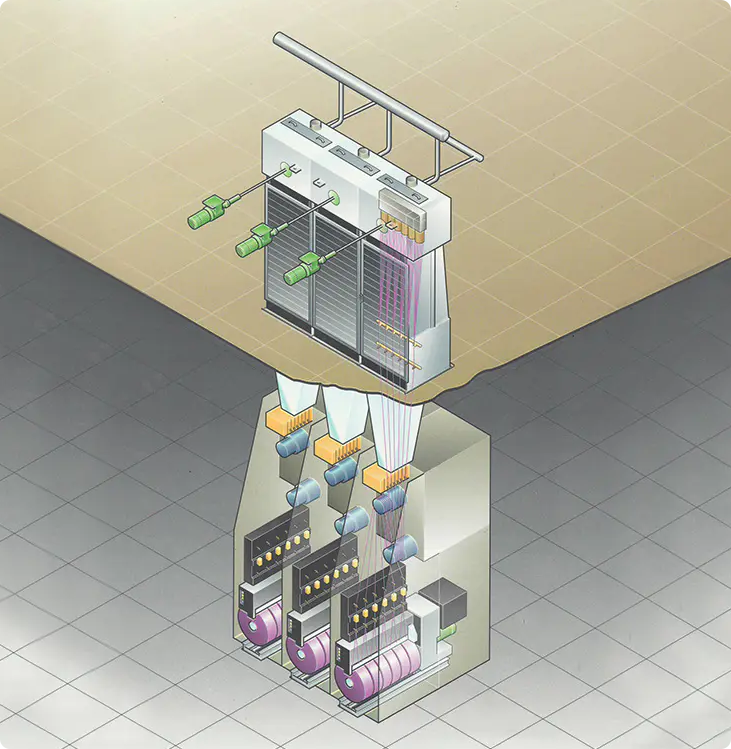
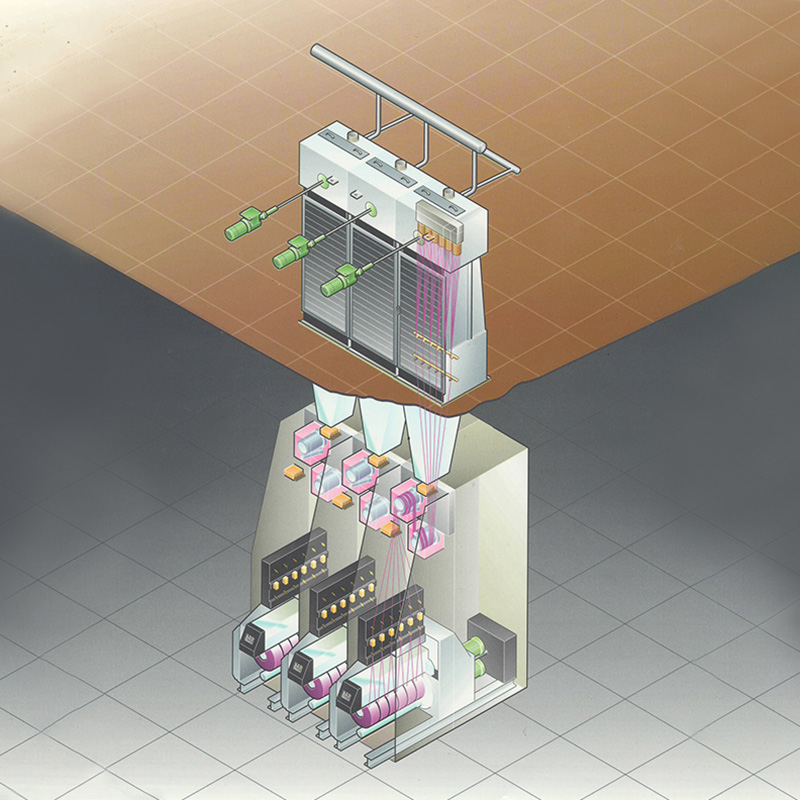
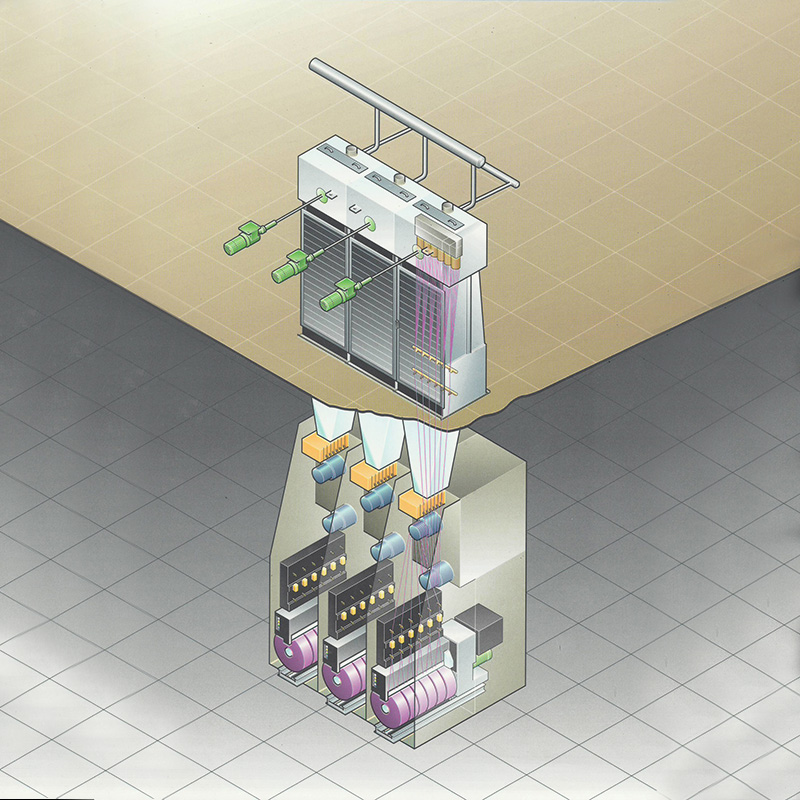
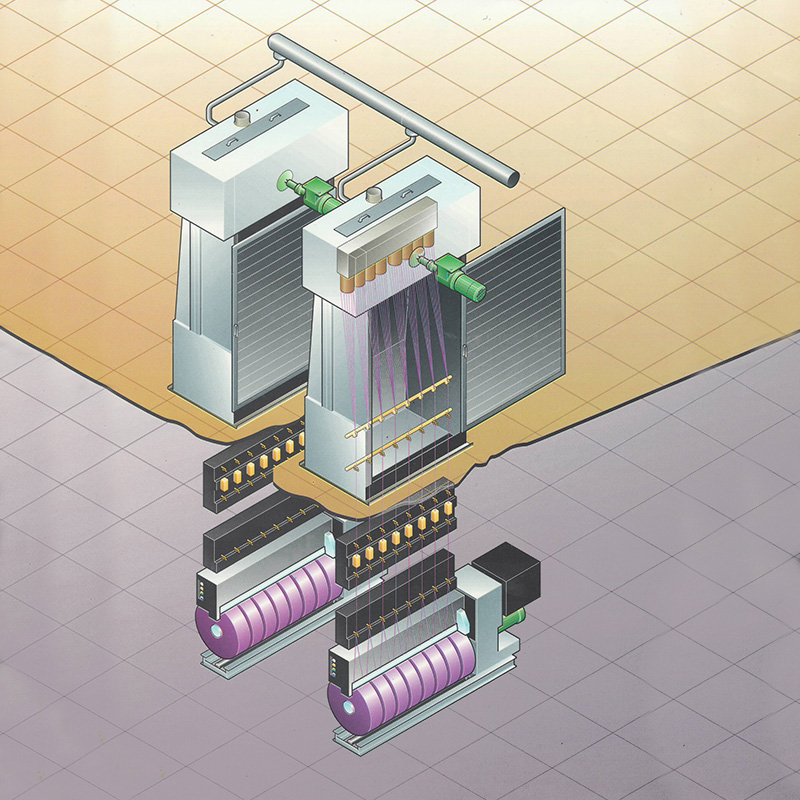
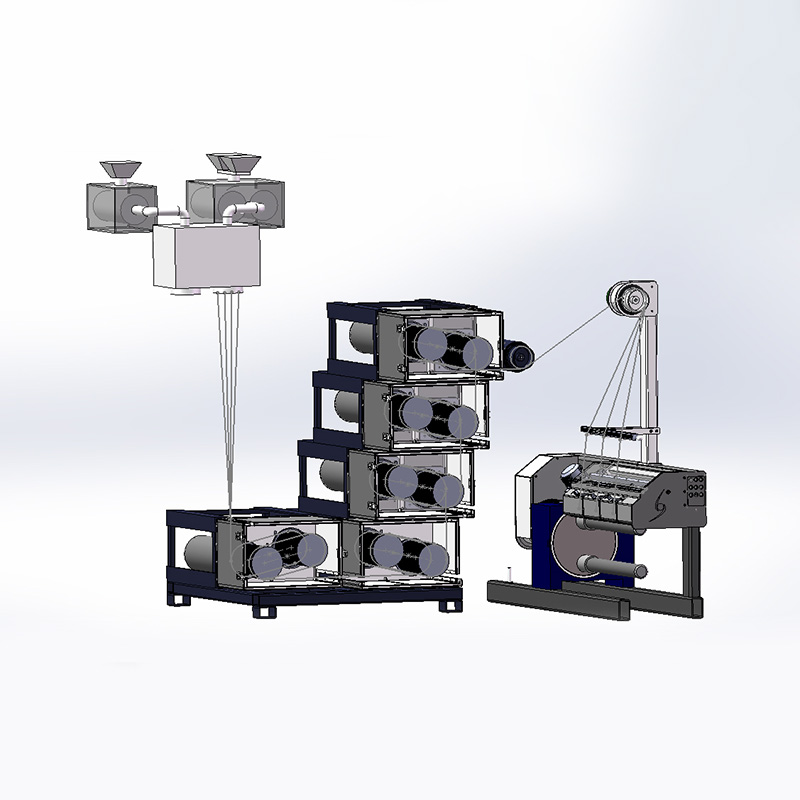
Synthetic fiber producers running BARMAG spinning, texturizing, and winding lines cannot afford unplanned stoppages. When a spindle drive fails, a hot godet loses temperature accuracy, or a winder shift fork wears out of tolerance, the line stops and yarn quality drops immediately. Reliable BARMAG repair services depend on two things working together: accurate fault diagnosis and access to precision-made replacement parts. This article walks through the most common failure points on BARMAG equipment, how professional repair teams approach them, and why parts sourcing is often the deciding factor in how fast a mill gets back to full production.
Most repair requests for BARMAG lines fall into a small number of recurring categories. Recognizing the pattern early shortens diagnostic time and reduces the risk of a repeat failure.
Wear-related failures account for the majority of BARMAG service requests, which is why mills that keep a stock of critical spare parts on hand consistently report shorter downtime than those who order parts only after a breakdown.
A structured repair workflow reduces both diagnostic error and repeat failures. The typical sequence looks like this:
Skipping the root-cause step is the most common reason a "repaired" component fails again within weeks — replacing a worn part without addressing the underlying cause simply resets the wear clock.
Diagnosis is only half the job. Once a fault is confirmed, the repair timeline is dictated almost entirely by parts availability. This is where many mills lose the most time — waiting weeks for an imported OEM part when a precision-machined compatible part could have been fitted the same week.
Manufacturers that produce these parts directly — rather than reselling imported stock — can typically cut lead time significantly, since dimensions are machined and inspected against original BARMAG tolerances rather than sourced through a multi-step import chain.
For safety-critical or high-load components, original or certified-equivalent parts remain the safer choice, since dimensional tolerance directly affects rotating balance and long-term wear behavior.
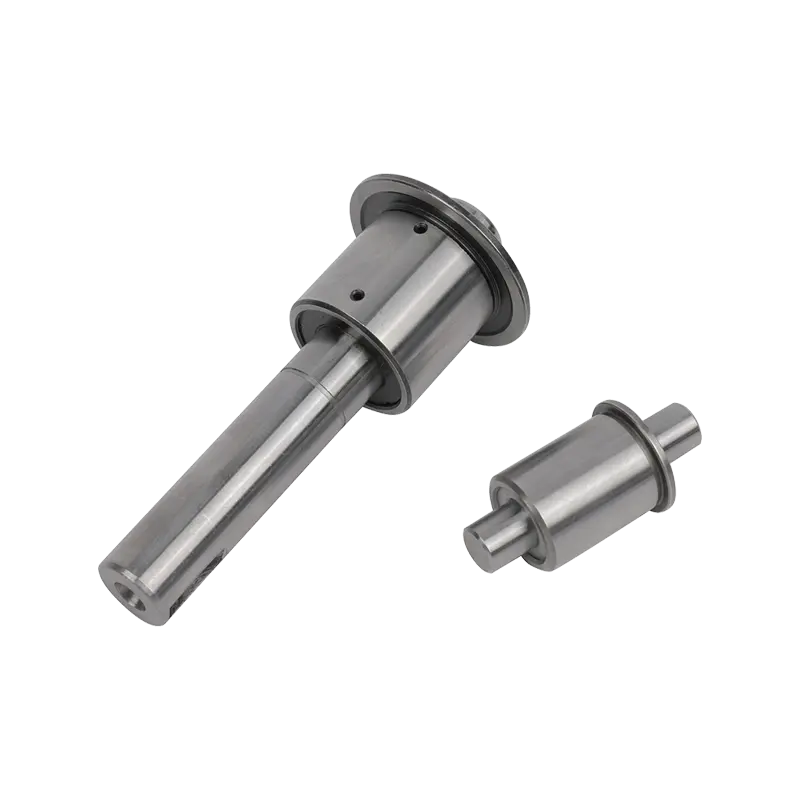
For high-turnover wear parts such as shift forks, tensioning blocks, and guide plates, precision-machined compatible parts built to match original specifications offer a practical balance of cost and lead time — provided they are produced by a manufacturer with verified tolerance control and material testing.
Repair services fix what has already broken. Preventive maintenance reduces how often that happens. Mills that combine both practices report meaningfully lower unplanned downtime over a full production year.
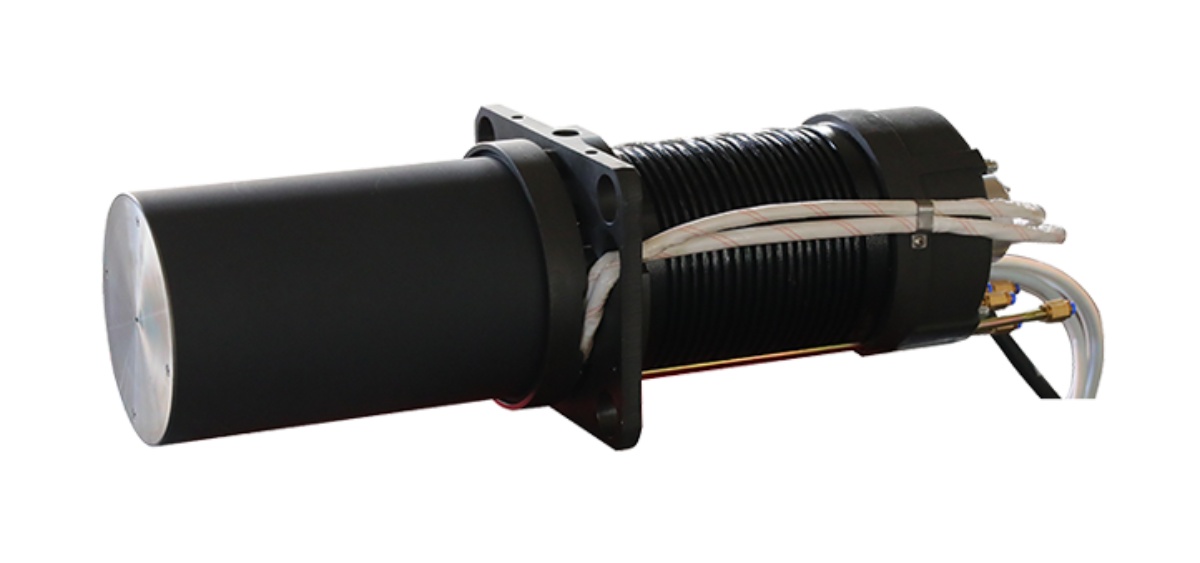
Jiaxing Shengbang Mechanical Equipment Co., Ltd. manufactures a full range of precision components for BARMAG spinning lines, including shift forks, Y-shaped forks, chuck sleeves, chuck bases, lock rings, hot godets, bearings, tensioning blocks, yarn guide plates, couplings, and interlacing nozzles. Because these parts are machined in-house against original dimensional references rather than sourced through resale channels, mills working with a direct manufacturer typically see shorter lead times when a BARMAG line needs a wear part replaced.
For maintenance teams managing multiple BARMAG lines, having a manufacturing partner that understands both the components and the operating environment they run in makes repair planning more predictable — parts availability stops being the bottleneck it often is when relying solely on imported OEM stock.

ADDRESS: No.1298, Zhouan Road, Economic and Technological Development District, Jiaxing City, Zhejiang Province
PHONE: +86 19057031687
TEL: 86-0573-83777752
EMAIL: [email protected]