English
 عربى
 русский
 简体中文







2026-11-20
Home / News / Industry News / Spinning Production Line Equipment: A Practical Guide from Fiber to Package

Spinning production line equipment is best understood as a connected system, not a shopping list of standalone machines. From polymer handling and extrusion through spinning, quenching, godet draws, interlacing, and winding, each element influences yarn quality, energy use, and how quickly a team can change products. Our experience across pilot machines, full lines, hot godets, winders, and spare parts has taught us a simple lesson: the right line is the one that fits the fiber, the market, and the people who will run it.
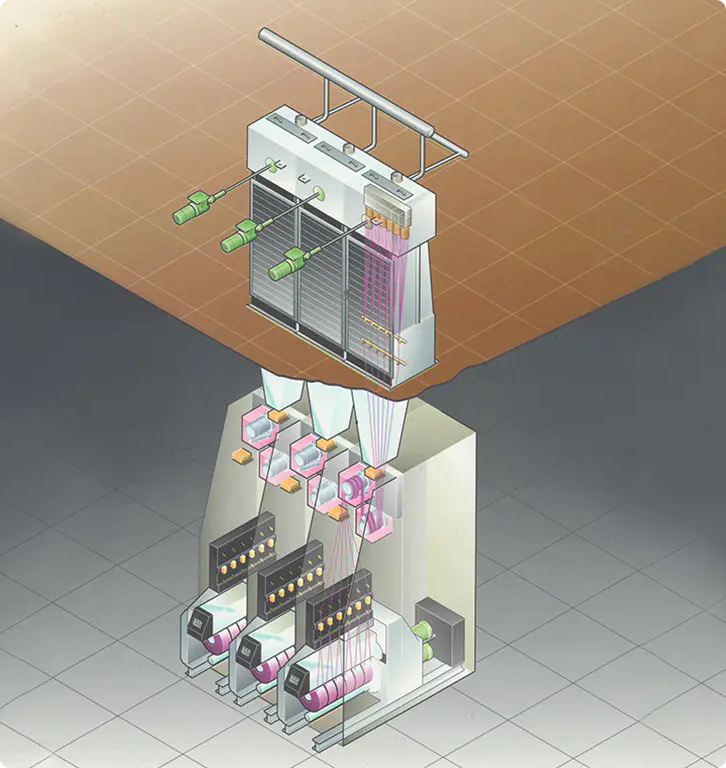
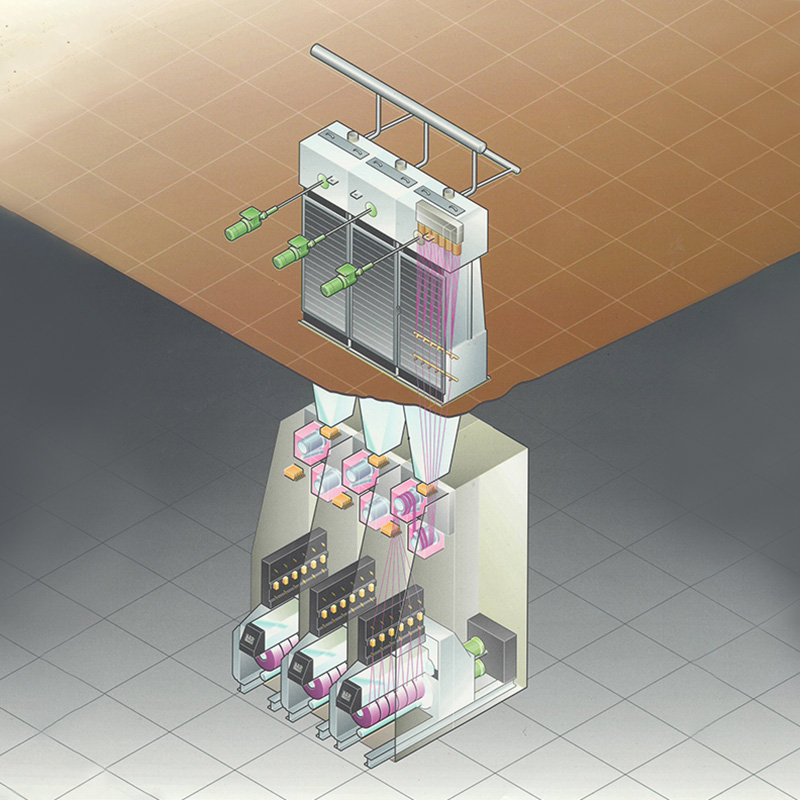
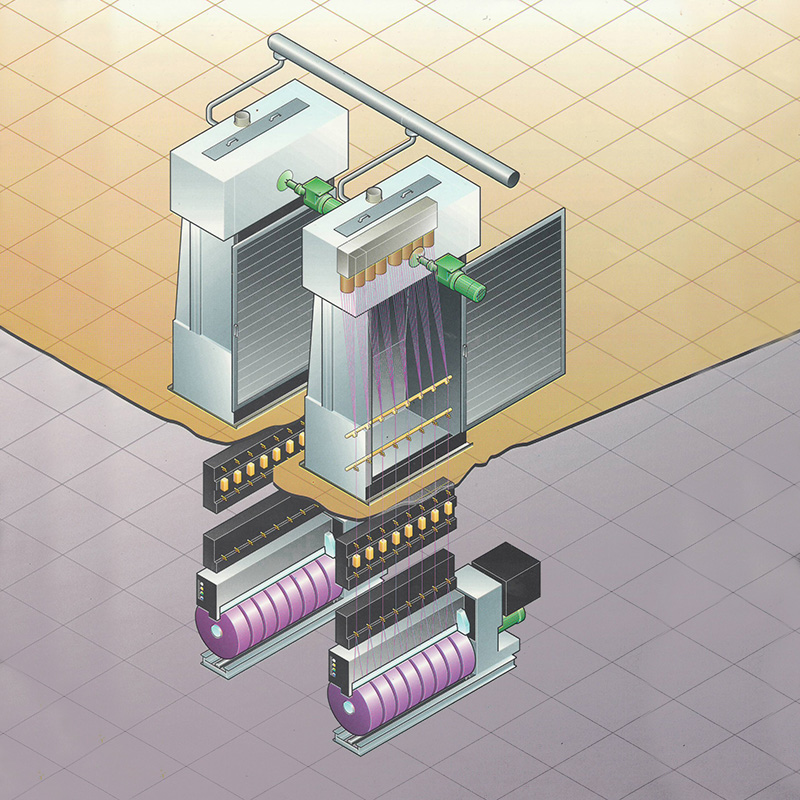
At the front end, the line usually starts with material handling, drying or conditioning, extrusion, and filtration. The spinning beam, pack, and spinneret then turn the melt into filaments. Quench air, spin finish application, godet rollers, interlacing nozzles, and the winder complete the journey from polymer to package. Supporting systems such as temperature control, drive control, lubrication, and waste handling matter just as much as the visible machinery.
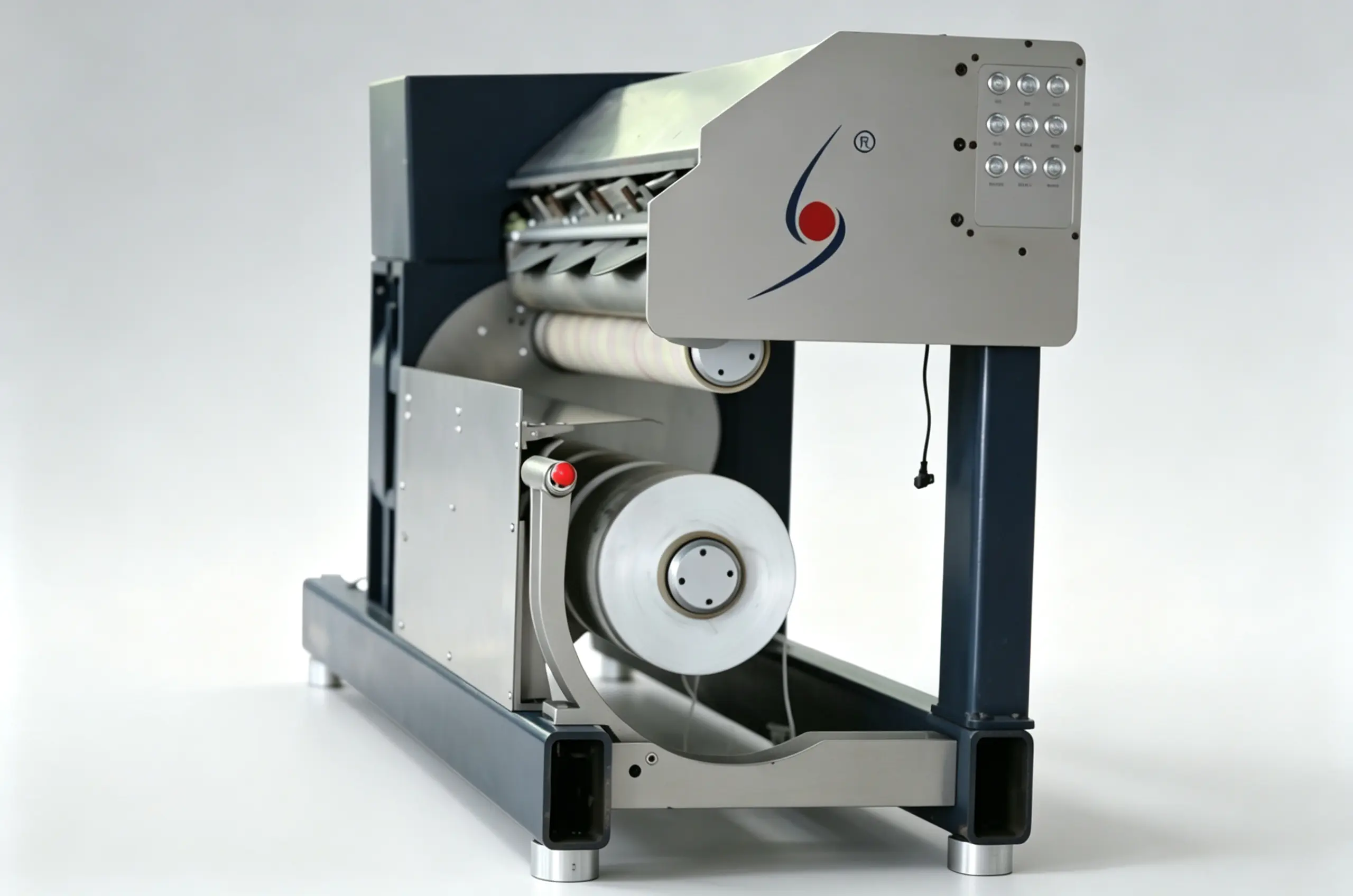
At the back end, the winder often decides the practical productivity of the whole line. Package formation, tension stability, chuck alignment, and reliable doffing affect downstream performance in weaving, knitting, or industrial yarn processing. That is why we look at the line as a chain of dependability: the weakest component sets the real output.
| Line type | Typical output | Best fit | Planning note |
|---|---|---|---|
| POY line | Partially oriented yarn | Texturing and downstream drawing | Balance spinning speed with package stability |
| FDY line | Fully drawn yarn | Direct-use textile yarns | Godet temperature and draw ratio control are critical |
| HOY line | High oriented yarn | Specialty textile and industrial uses | Confirm downstream compatibility before specifying |
| Industrial yarn line | High-tenacity yarn | Tire cord, belts, ropes, and technical fabrics | Higher loads demand robust godets and winders |
| Pilot spinning line | Small batches and trials | R&D, universities, and product development | Flexibility and quick cleaning matter more than raw speed |
How the line is configured depends on the polymer, the target yarn, and the commercial batch size. PET, PA, PP, and other materials behave differently in melting, quenching, and drawing. A line that performs well for standard polyester textile yarn may need different heating, cooling, and tension control for nylon or polypropylene. We prefer to start with the yarn specification and work backward, rather than forcing a standard configuration onto every project.
POY lines are often chosen when the yarn will be textured later. FDY lines suit direct-use yarns where drawing and heat setting are integrated. HOY and industrial yarn lines call for tighter control of stress, temperature, and winding tension. For specialty or differentiated products, a flexible pilot line can reduce the risk of scaling up too early.
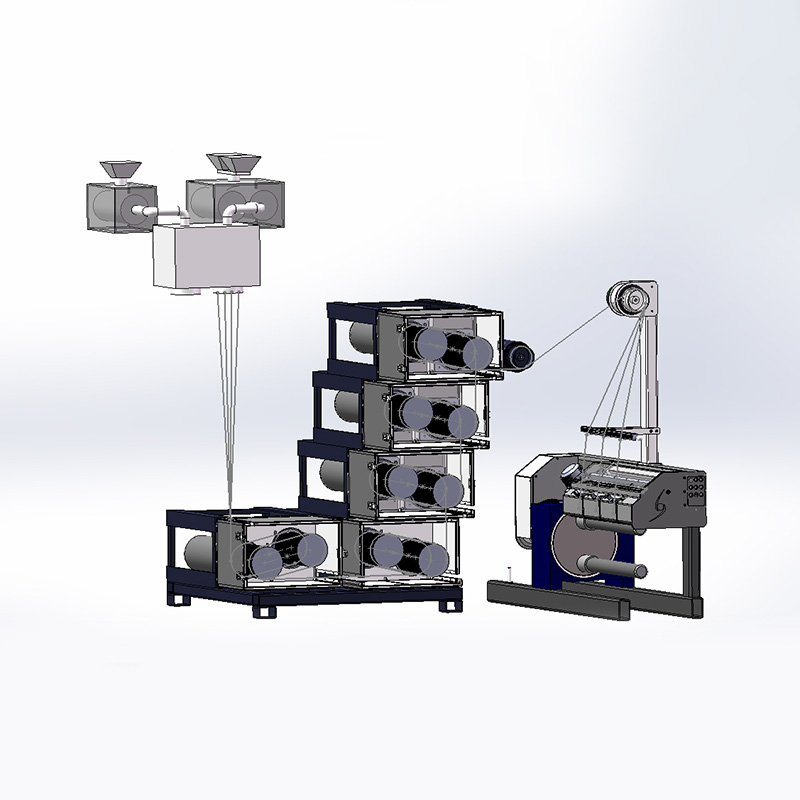
If you are evaluating a POY configuration, this overview can be a useful starting point for the main line arrangement and component scope.
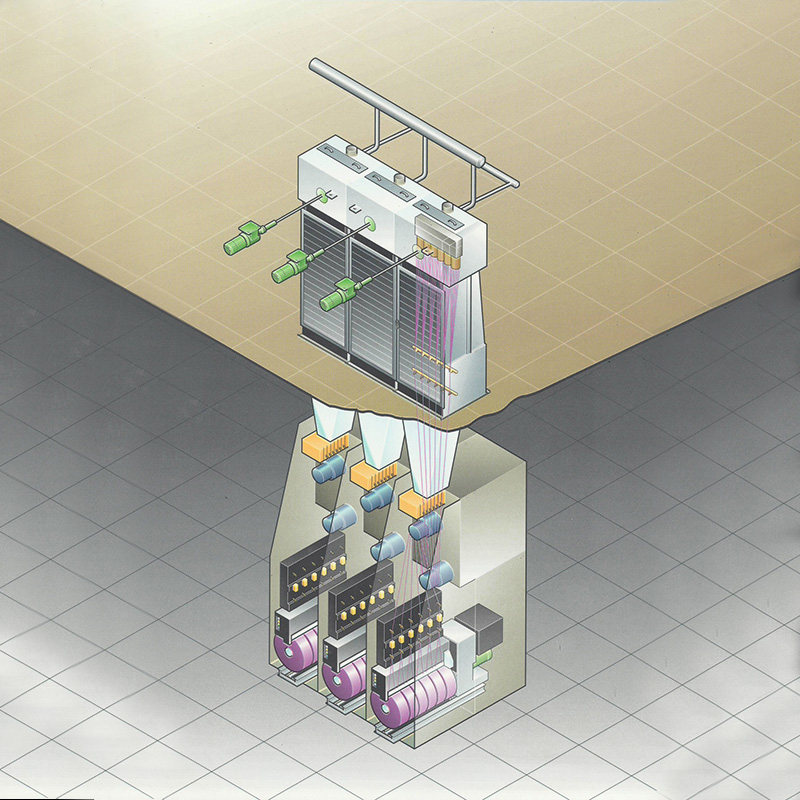 POY Spinning Production Line for PET, PA and PPA useful starting point for evaluating POY line arrangement and component scope before linking yarn choices to final fiber applications.View Product →
It also helps to connect the line choice to the final fiber applications. A yarn intended for apparel, home textiles, or technical fabrics has different tolerances for shrinkage, elongation, and package density. That conversation belongs at the beginning of the project, not after the equipment is ordered.
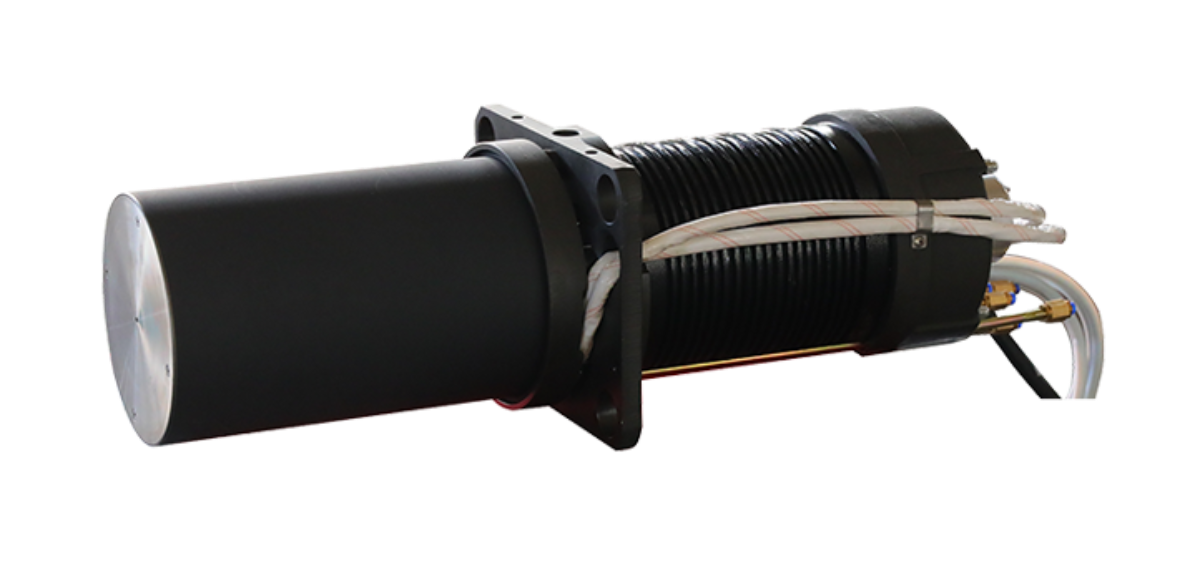
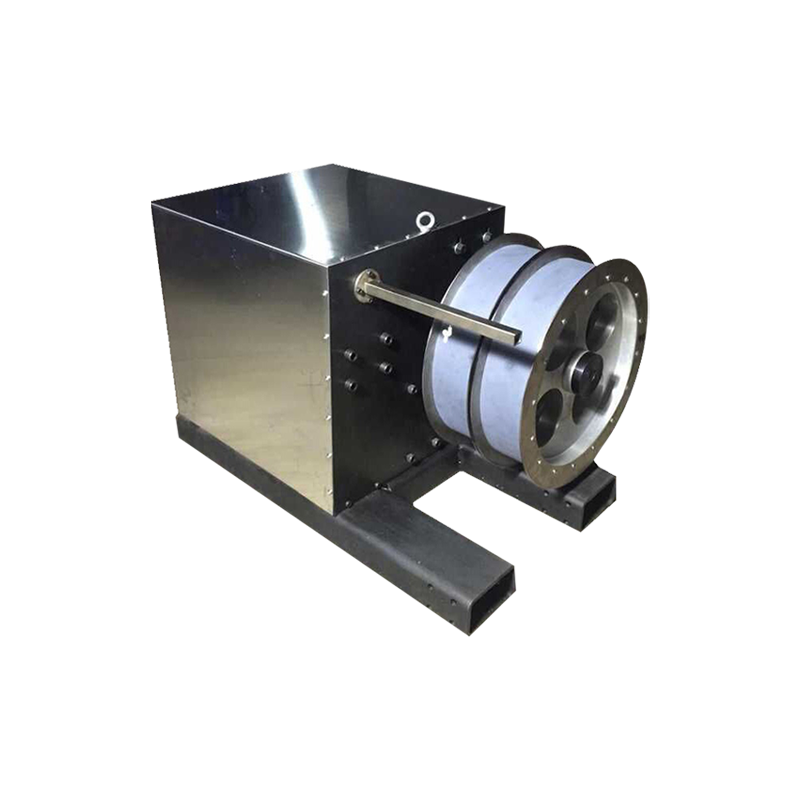
Even a well-chosen line depends on components that are easy to overlook during planning. Hot godets need stable temperature and good bearing condition. Contact rolls and separator rolls must run true. Winder chucks, lock rings, yarn guide plates, guide rods, tension blocks, and shift forks all influence package quality and changeover reliability. Small parts such as O-rings, interlacing nozzles, couplings, and bearings can create large stoppages when they fail.
Our workshop handles both new parts and repairs, and we pay close attention to fit, finish, and balance. Precision machining, dynamic balancing, plasma spray coating, and godet temperature calibration are not abstract capabilities. They are practical ways to keep an existing line running and to reduce repeat failures.
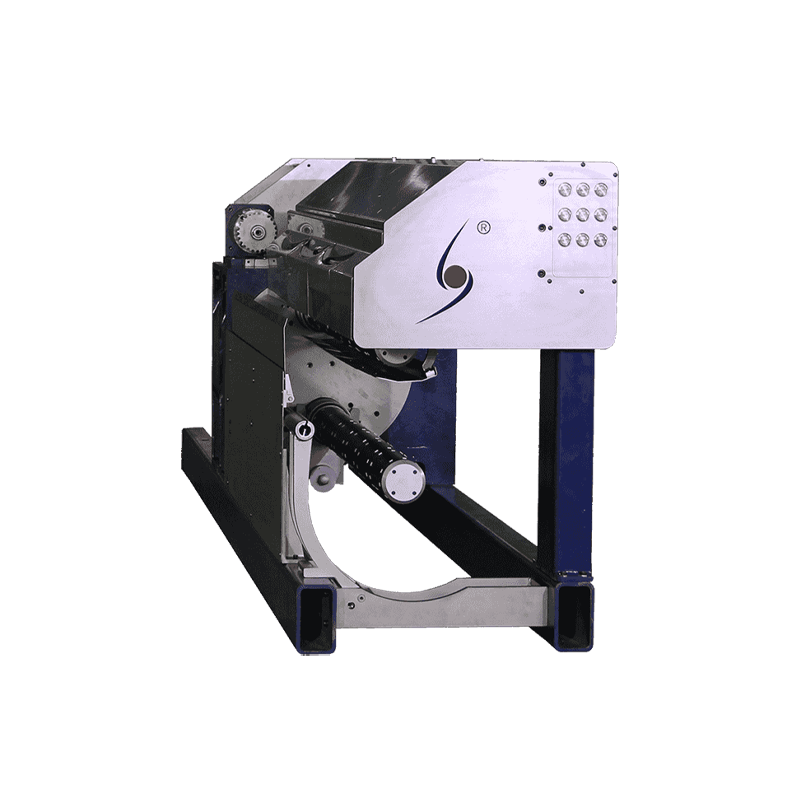
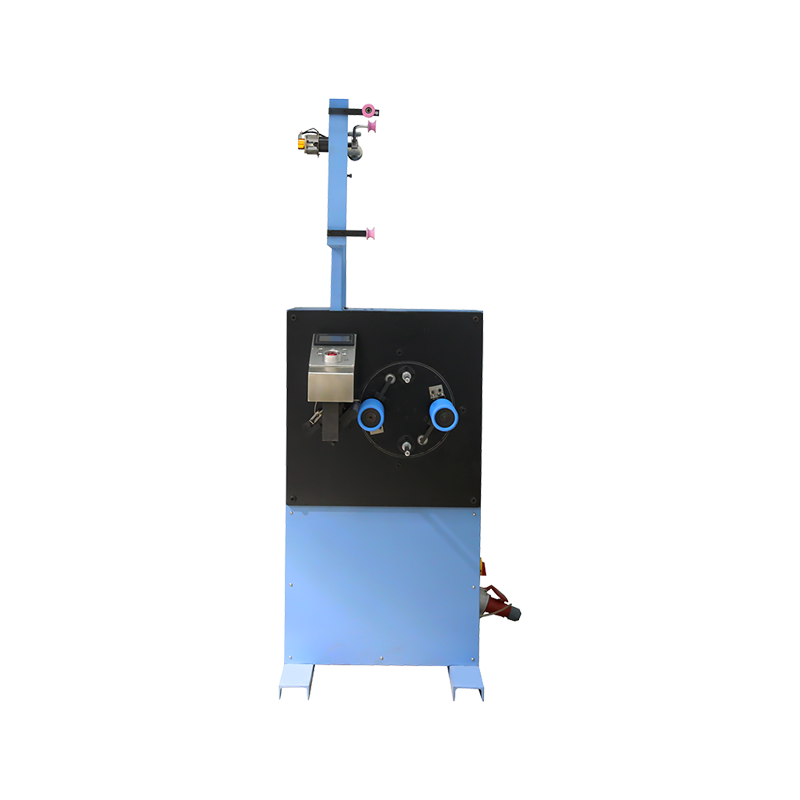
For teams maintaining winder performance, a clear view of the available winder parts helps with both planned maintenance and emergency replacement.
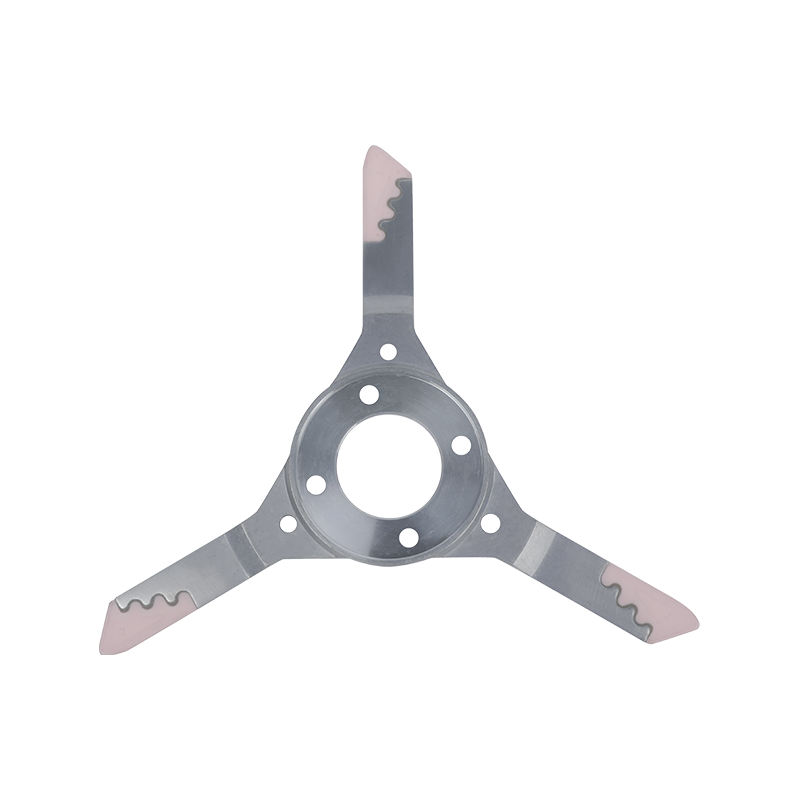 Barmag Spinning Machine Winder Parts and ComponentsBrowse winder components such as shift forks, bearings and godets for planned maintenance, emergency replacement and stable yarn winding.View Product →
Pilot spinning is one of the most valuable steps before a full production line investment. A flexible pilot machine lets a team test polymer grades, spin finishes, spinneret designs, bicomponent or multicomponent structures, and target yarn properties in small batches. It also gives operators time to learn the process before commercial production begins. Our pilot equipment is designed to cover single-component, bicomponent, and multicomponent trials, including POY, FDY, medium-strength, and fine-denier industrial yarns.
When trial results are promising, the next step is to translate them into a stable commercial line. That means confirming throughput, quench capacity, godet arrangement, winding speed, package size, and utility requirements. It is also the moment to decide which parts should be standardized across the line and which should remain flexible for future product changes.
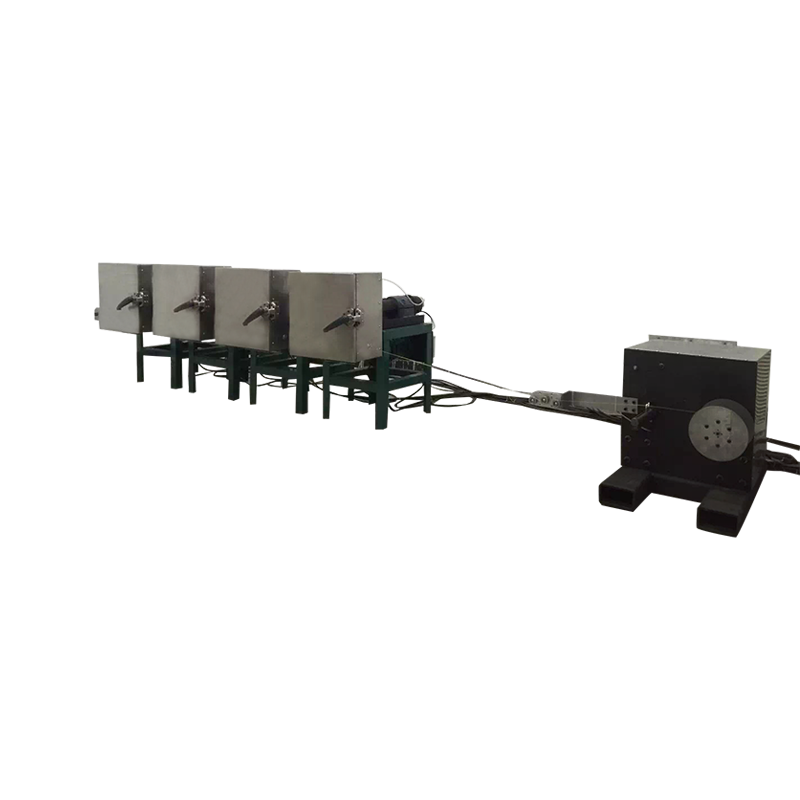
For research groups and product development teams, a compact pilot line can shorten the path from idea to sample.
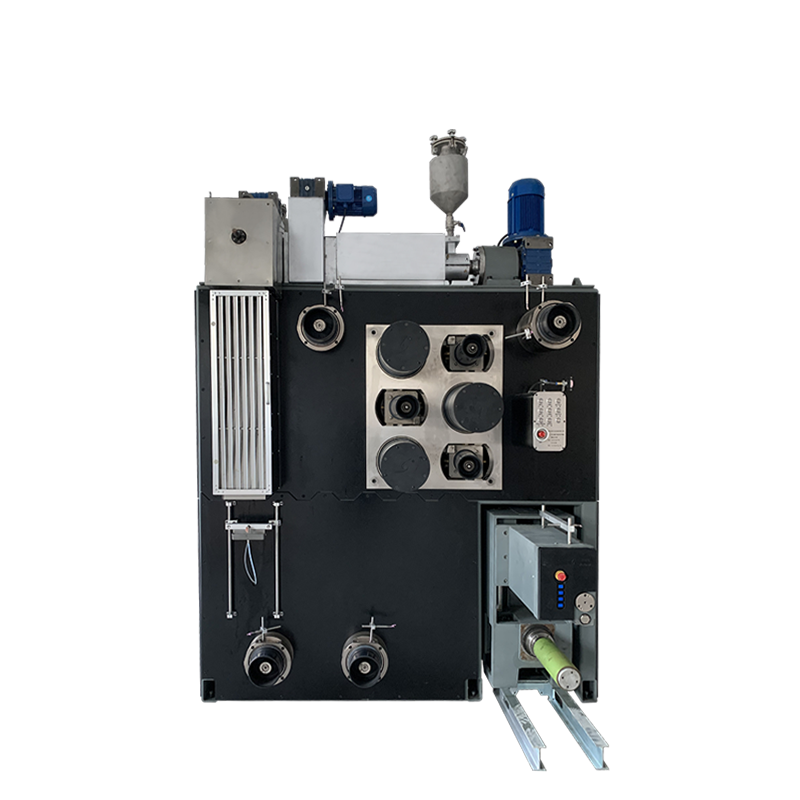 Custom Multifunctional Flexible Pilot Spinning MachineA compact multi-purpose pilot line for single-, bi- and multi-component yarn trials, supporting development work before commissioning a production asset.View Product →
Commissioning is where a good equipment specification becomes a reliable production asset. We prefer a step-by-step approach:
Daily operation benefits from simple discipline: clean godets, inspect guide surfaces, monitor bearing noise and vibration, and replace worn contact parts before they damage yarn or downstream components. A preventive maintenance calendar is usually more valuable than a large spare parts stock held without structure.
Not every improvement requires a new line. Many mills get useful gains from targeted equipment upgrading, such as winder improvements, chuck motor and fan changes, new quench chambers, spinneret updates, godet control changes, or shift fork and winder upgrades. These projects need to be judged by the same standard as a new line: will the change improve yield, quality, energy use, or maintenance load in a measurable way?
Repair and maintenance services are equally important. Hot godets, motors, chucks, coils, contact rolls, separator rolls, godets, shift fork gear boxes, spin finish pumps, metering pumps, circuit boards, and valve banks all wear over time. A repair that restores geometry, balance, and temperature accuracy is often more economical than immediate replacement, provided the part is repairable and the root cause has been addressed.
A supplier should be able to discuss the process, not only the price. Useful questions include:
Clear answers to these questions matter more than a long catalogue. A good partner will also tell you when a simpler configuration is enough, or when a pilot trial should come before a larger commitment.
Start with the yarn you want to make, the polymer you will use, and the package format your customers expect. Then review the line from spinning beam to winder, including the small parts that determine uptime. If the project is new, consider a pilot trial. If the line already exists, look for the bottleneck before investing in a full replacement. That approach keeps spinning production line equipment decisions grounded in production reality, and it is the way we prefer to work with mills, research teams, and technical partners.

ADDRESS: No.1298, Zhouan Road, Economic and Technological Development District, Jiaxing City, Zhejiang Province
PHONE: +86 19057031687
TEL: 86-0573-83777752
EMAIL: [email protected]