English
 عربى
 русский
 简体中文







2026-11-20
Home / News / Industry News / PET Flakes Dryer Guide: Moisture Control Best Practices for Recycled Polyester Lines

A PET flakes dryer often sits at the point where washing ends and melt processing begins. Washed bottle flakes can look dry and still carry enough moisture to disturb extrusion. In our work with PET, PA and PP spinning lines, we see the same pattern: when drying is stable, the downstream process is calm; when it drifts, defects and energy costs appear together. This guide walks through the practical side of dryer selection, operation and integration.
Moisture is not just water sitting on the surface of a flake. PET picks up moisture through its surface and stores it inside the polymer structure. At melt temperature, that water can drive hydrolysis, reduce intrinsic viscosity, raise acetaldehyde levels and create bubbles or pressure swings in the extruder. The result may show up as broken filaments, inconsistent dye uptake, weak yarn or a spinning position that never quite settles.
Mechanical dewatering can remove a large share of surface water, but it cannot remove absorbed moisture. The thermal dryer has to do that work with the right combination of temperature, dew point, airflow and residence time. For many PET extrusion and spinning duties, the target is well below 100 ppm, and fine denier or high-IV routes often need tighter control. A dryer that only reaches the target on a lab sample but swings in production is not solving the real problem.
Freshly washed flakes arrive with two moisture fractions. Surface moisture is the free water that a centrifuge can throw off. Absorbed moisture is held within the flake and needs heat and time to migrate outward. If the dryer only heats the surface too quickly, the outside can dry while the core remains wet. That is why a stable temperature profile and enough residence time matter more than a single high temperature set point.
A practical drying cycle usually moves through preheating, a constant-rate stage and a falling-rate stage. In the preheating stage, the flake and air reach a working temperature. In the constant-rate stage, surface and loosely bound water leave quickly. In the falling-rate stage, moisture from inside the flake has to diffuse to the surface. Controls that ignore this sequence tend to overheat the outside of the flake while leaving the inside under-dried.
There is no single dryer design that fits every recycled PET line. The right choice depends on incoming moisture, flake size, throughput, final moisture target and the heat sensitivity of the material.
| Configuration | Best fit | Watch points |
|---|---|---|
| Desiccant dehumidified hot-air dryer | Washed PET flakes before extrusion, especially where consistent final moisture is required | Dew point control, filter condition and regeneration energy |
| Crystallizer plus dryer | PET that needs crystallization before high-temperature drying | Temperature balance, residence time and sticky flake behavior |
| Centrifugal dewatering plus thermal dryer | Lines with high surface moisture after washing | Centrifuge wear, flake loss and dryer load |
| Vacuum or low-oxygen dryer | Heat-sensitive or high-value recycled PET | Batch control, seal integrity and maintenance access |
The dryer is not a standalone box. In a typical line, washed flakes move through a centrifuge, a buffer silo, the dryer, an extruder and then the spinning assembly. If the dryer is undersized, the buffer silo becomes a surge volume and moisture control becomes a daily battle. If the dryer is oversized, flakes may sit too long at temperature, wasting energy and risking yellowing or oxidation.
We often map the drying step against the actual application before choosing a model. A line making standard POY has different tolerance from a line making fine denier or industrial yarn. The same logic applies when the project includes extrusion, spinning and winding. The dryer should be sized with the whole line, not added after the extruder has been selected.
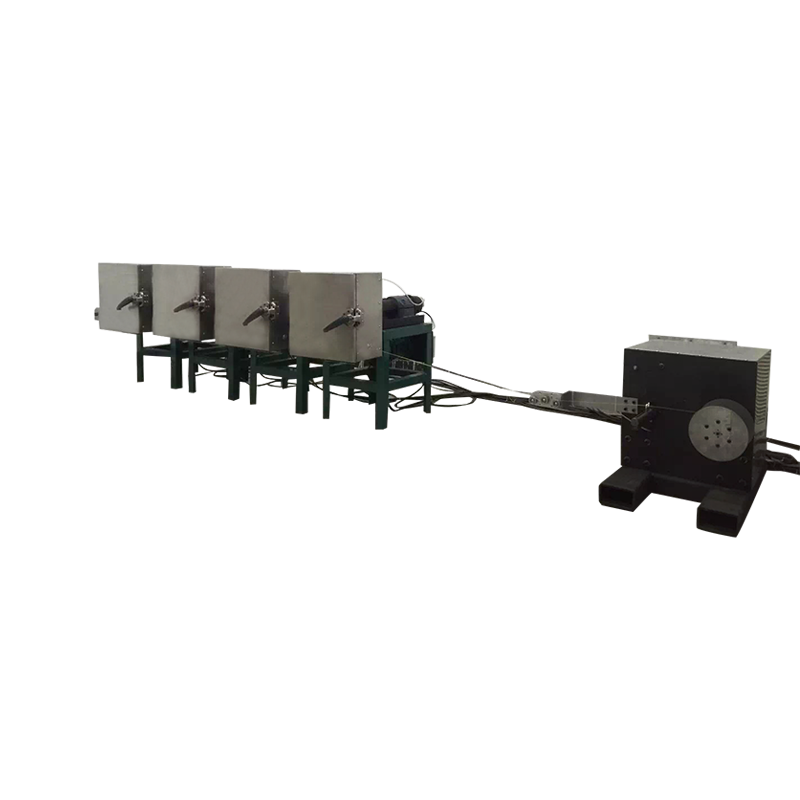
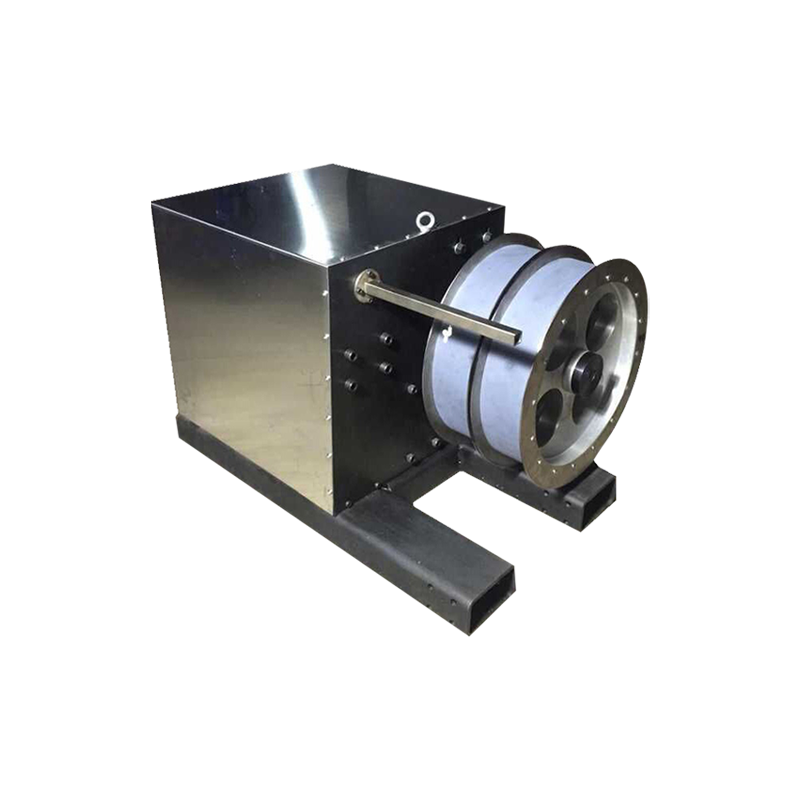
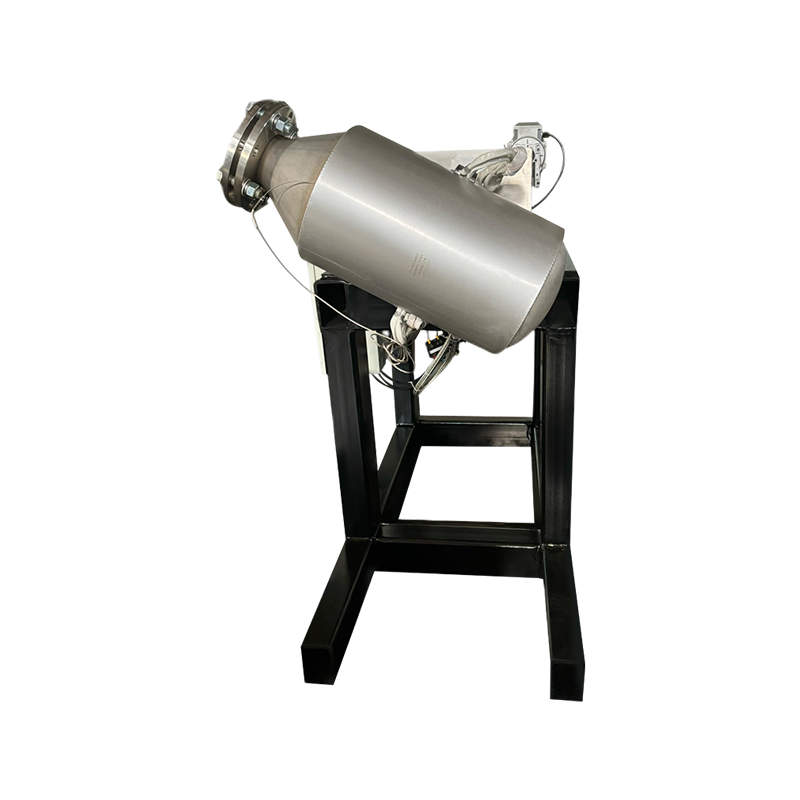
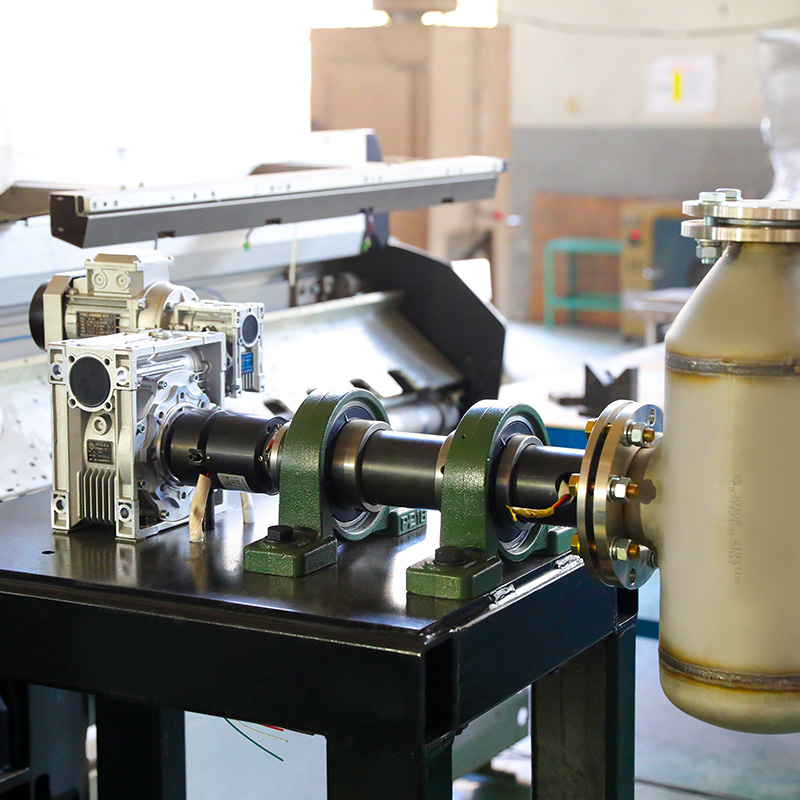 SZG-A Vacuum Rotary Drum Dryer for Chemical Fiber ChipsBatch dryer for PET, PA6/PA66, PLA and masterbatches; vacuum dehydration and gentle tumbling help limit moisture variation before melt spinning.View Product →
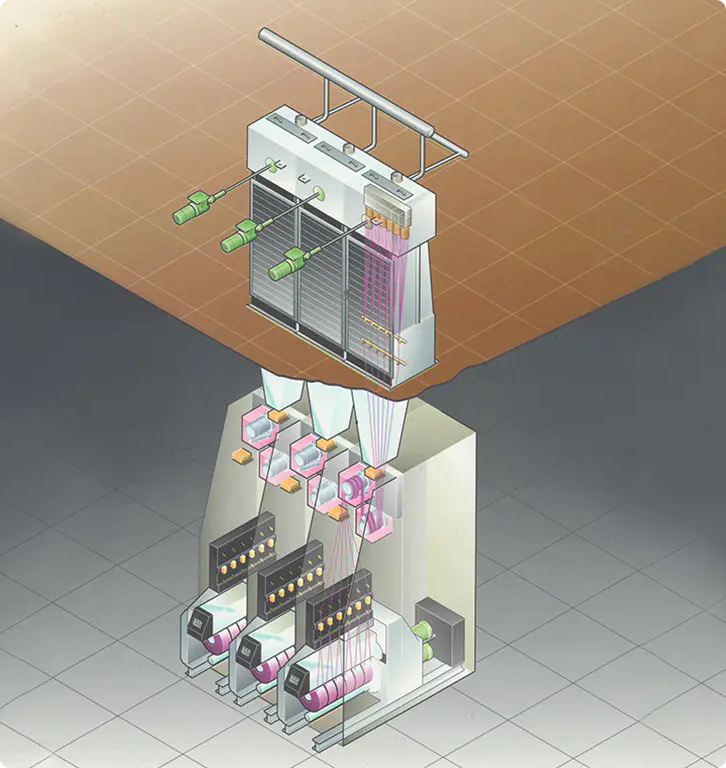
For projects that include a full POY line, it helps to review the dryer together with the spinning positions, hot godets and winder. Moisture variation that looks small at the dryer outlet can become a visible problem at the spin pack.
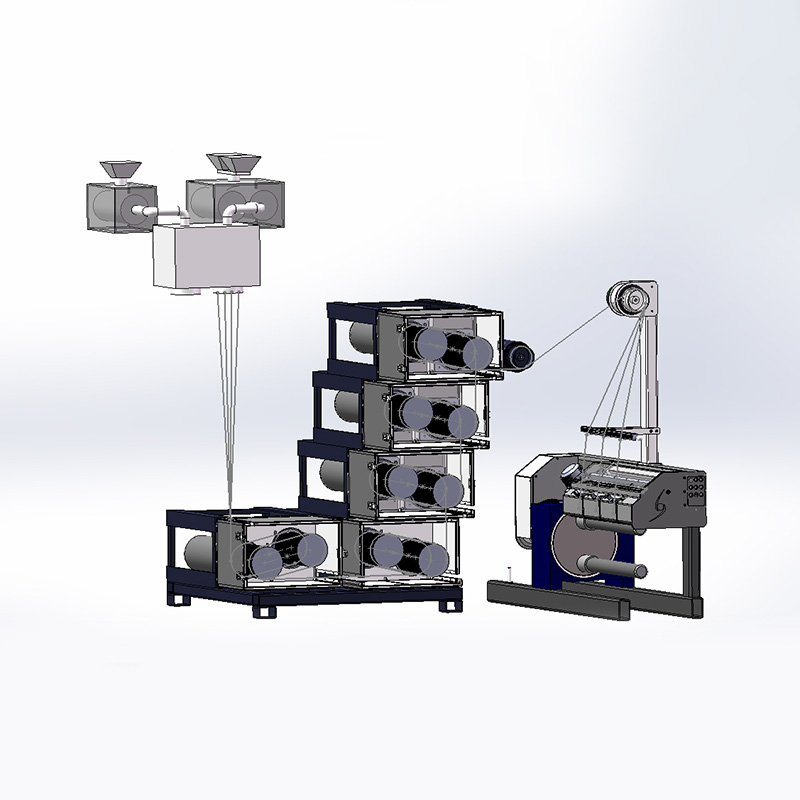
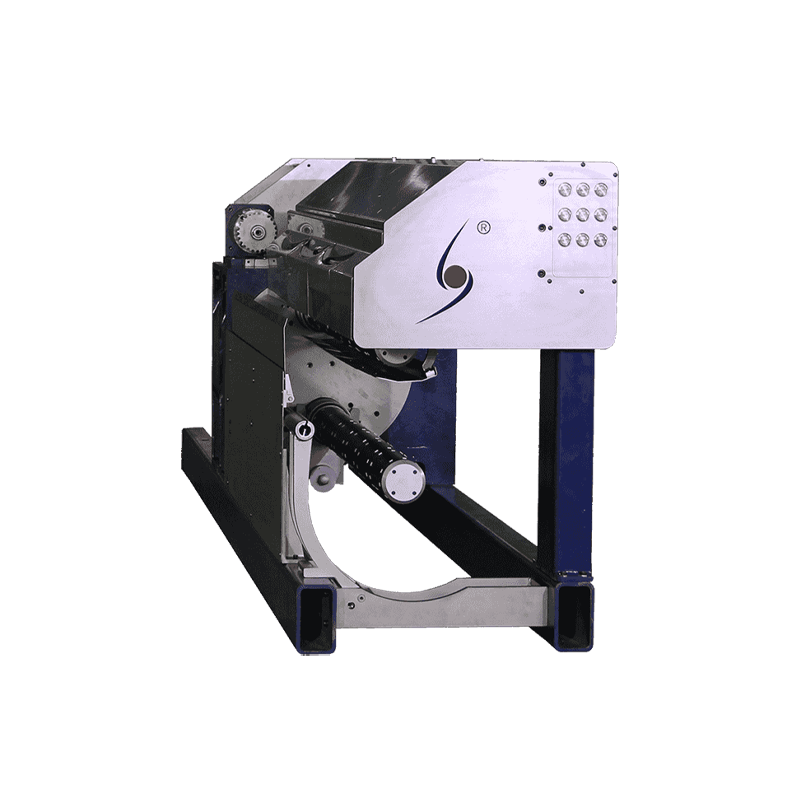
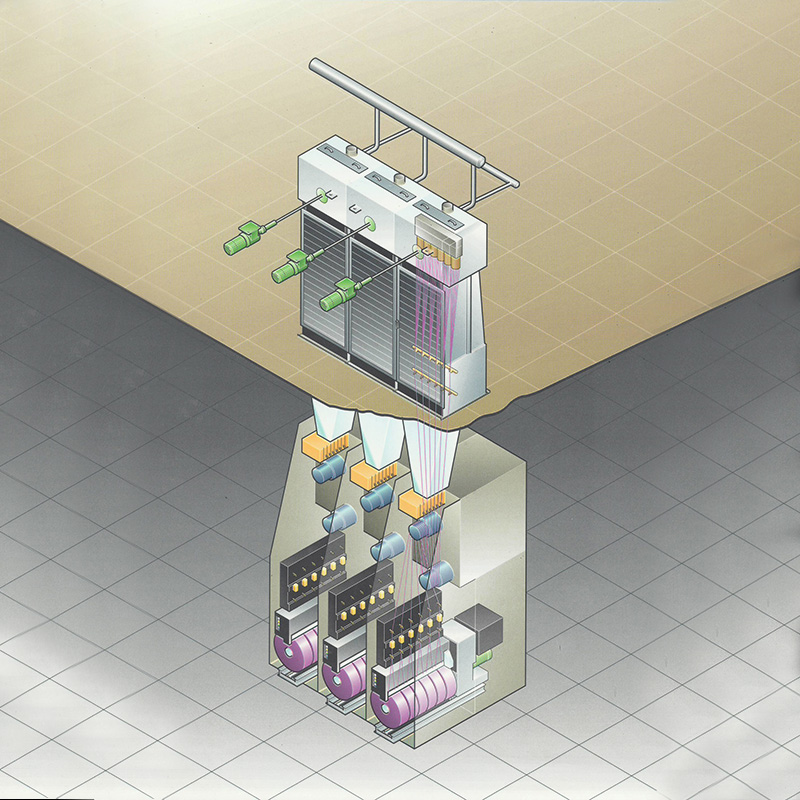 Turnkey POY Spinning Production Line for PET, PA and PPTurnkey POY line covering extruder, winder and metering pumps, suited to stable yarn output and raw-material switching across PET, PA, PP and PLA.View Product →
Good drying is a trend, not a single reading. Operators should know what normal looks like at the inlet and outlet, and they should be able to see a drift before it becomes a quality complaint.
If the line runs different flake sources, keep a record of how each source behaves. Recycled bottle flakes can vary in bulk density, surface area and residual contamination. A dryer setting that works for one supplier may need a small adjustment for another.
Most drying problems show up in predictable ways. The fix is usually found by checking the drying chain from the centrifuge to the extruder, not by turning up the temperature.
Start with the material and the line, not the equipment catalog. Confirm the expected throughput, incoming moisture range, flake size, bulk density and final moisture target. Then check the heat source, controls, footprint and access for cleaning and maintenance. Ask how the dryer will behave at 50%, 80% and 100% of design capacity, because many lines rarely run at one fixed rate.
It is also worth checking whether the existing dryer can be improved before it is replaced. If the vessel and insulation are sound but controls, seals or airflow are poor, maintenance and repair may be the more sensible first step. Our team has spent years matching dryers, hot godets, winders and spinning lines to real production conditions, and we prefer to solve the cause rather than sell around it.
A PET flakes dryer is a small part of the line on paper, but it controls a large share of downstream stability. When the dryer is sized correctly and operated with clear targets, extrusion becomes more predictable, spinning positions settle faster and energy use is easier to manage. When it is treated as an afterthought, every other part of the line pays for it.
If you are planning a recycled PET line, upgrading an existing drying step or troubleshooting moisture variation, bring us the flake data and the line layout. We will help you look at the drying stage in context and find a practical way forward.

ADDRESS: No.1298, Zhouan Road, Economic and Technological Development District, Jiaxing City, Zhejiang Province
PHONE: +86 19057031687
TEL: 86-0573-83777752
EMAIL: [email protected]