English
 عربى
 русский
 简体中文







2026-11-18
Home / News / Exhibition Information / Second-Hand Spinning Machine Guide: Inspection, Refurbishment and Winder Choices

A second-hand spinning machine rarely wins a beauty contest, but it often wins the budget meeting. We have walked into mills where a fifteen-year-old winder was still turning out saleable packages every shift, and into others where a machine only three years old had been run dry, overheated and quietly left standing. The difference between those two situations is almost never the calendar age. It is how the machine was maintained, what it was asked to spin, and whether anyone checked the right things before the money changed hands.
What follows is what we have learned on both sides of that transaction, written for production managers, equipment engineers and owners who are weighing a used machine against a new one.
New equipment tells a cleaner story: warranty, drawings, commissioning support, predictable output. But a new line is also measured in months of lead time and a full capital commitment, and not every business decision can wait that long. A used spinning machine or winder earns its place in three situations we see again and again.
In all three cases, the machine itself is not the goal. Uptime is.
The word covers a wide spectrum, and the price gap between two machines of the same model usually sits inside that spectrum. We tend to sort used equipment into three practical grades.
The honest part of our job is telling a customer which grade their application really needs. A standby winder producing occasional packages does not deserve the same treatment as the machine that carries a full shift, five days a week.
Whether you inspect the machine yourself or bring in a third party, a handful of areas decide the outcome. Worn consumables are normal and replaceable. Distorted frames, cracked chuck bases or a burnt control cabinet change the arithmetic quickly.
| Inspection area | What to look for | Why it matters |
|---|---|---|
| Winder chuck and chuck base | Runout, scoring on the sleeve, seating of the lock ring | Chuck geometry drives package quality and is costly to correct |
| Contact roll and separator rolls | Surface condition, bearing play, coating wear | Yarn tension and package build suffer here first |
| Hot godet performance | Temperature uniformity, insulation, heater continuity | Uneven godet temperature appears later as dye streaks and rejects |
| Shift fork and gearbox | Fork wear, guide clearance, lubrication state | Poor traverse control shows up on package edges and as breaks |
| Yarn path components | Guide plates, guide rods, interlacing nozzles, tension blocks | Small, inexpensive parts that quietly determine yarn quality |
| Drive, motors and controls | Cabinet condition, spare board availability, parameter backup | Obsolete electronics are the most common hidden cost |
| Documentation | Drawings, spare parts lists, previous maintenance records | Paperwork shortens every future repair |
Spinning frames tend to age gracefully. Winders usually do not. A winder carries dozens of precisely aligned parts that all touch the yarn: the chuck and its sleeve, the yarn guide plate and guide rod, the tensioning block, the Y-shaped fork, the shift fork gearbox, the contact roll and its bearings. Any one of them drifting out of tolerance will show up in the package long before it appears on a maintenance report.
When we evaluate a used winder, we measure chuck runout and check sleeve wear first, then work outward along the yarn path. Bearings are cheap compared with the downtime they cause, so we replace rather than debate. Only after that do we look at the frame and the drive, because a machine with a straight frame and a sound cabinet can be brought back almost indefinitely.
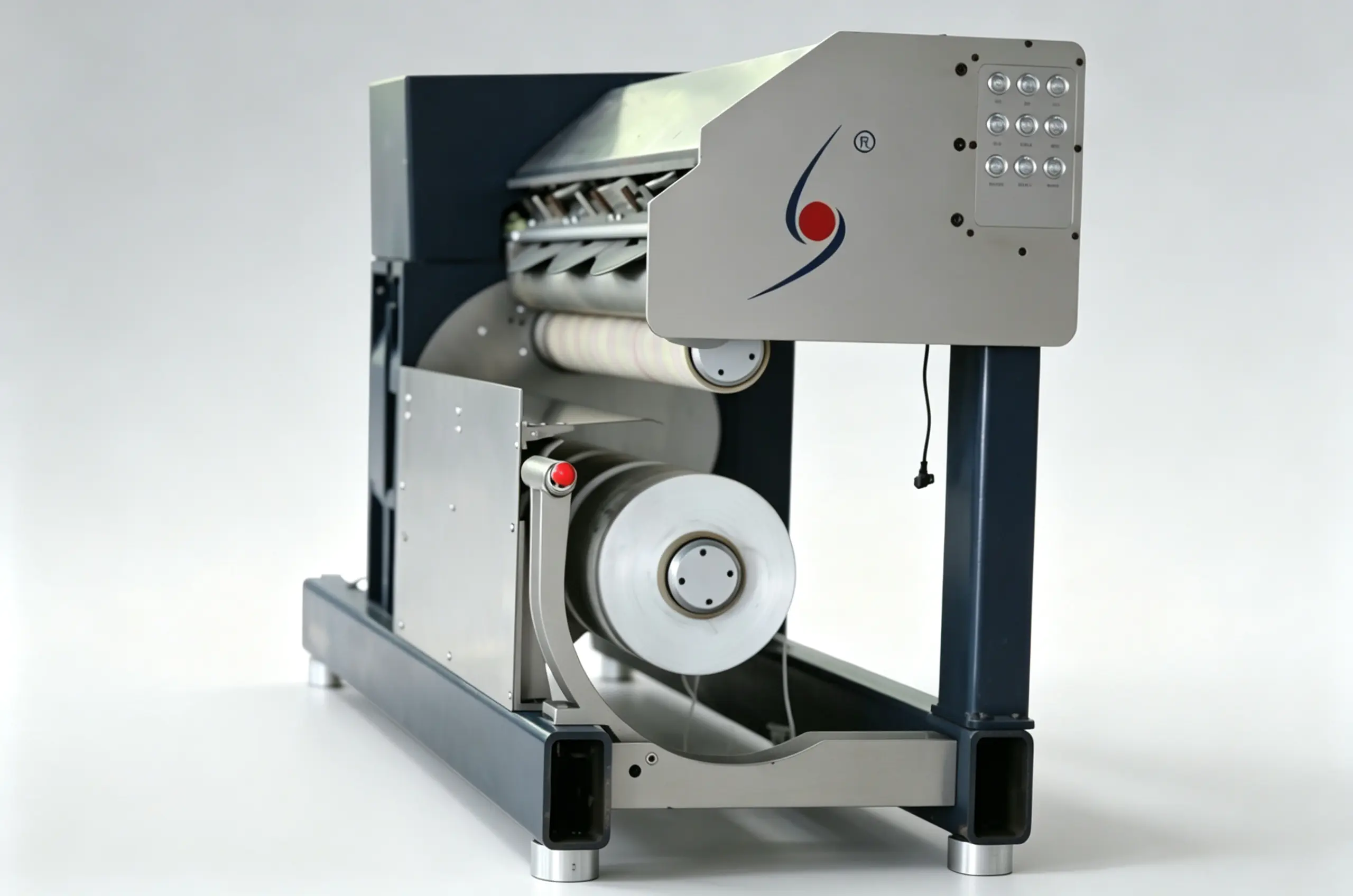
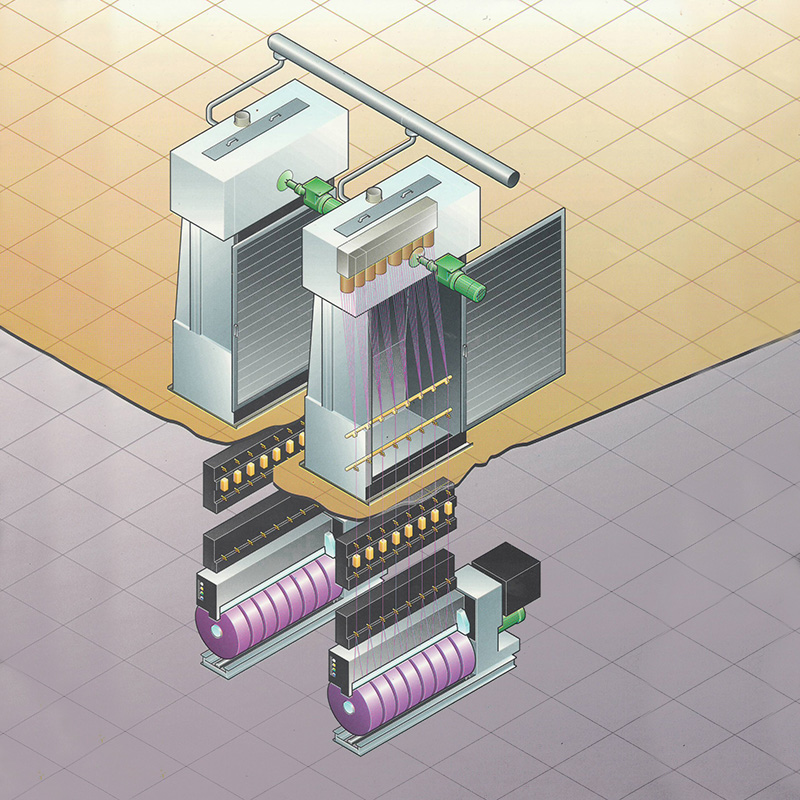
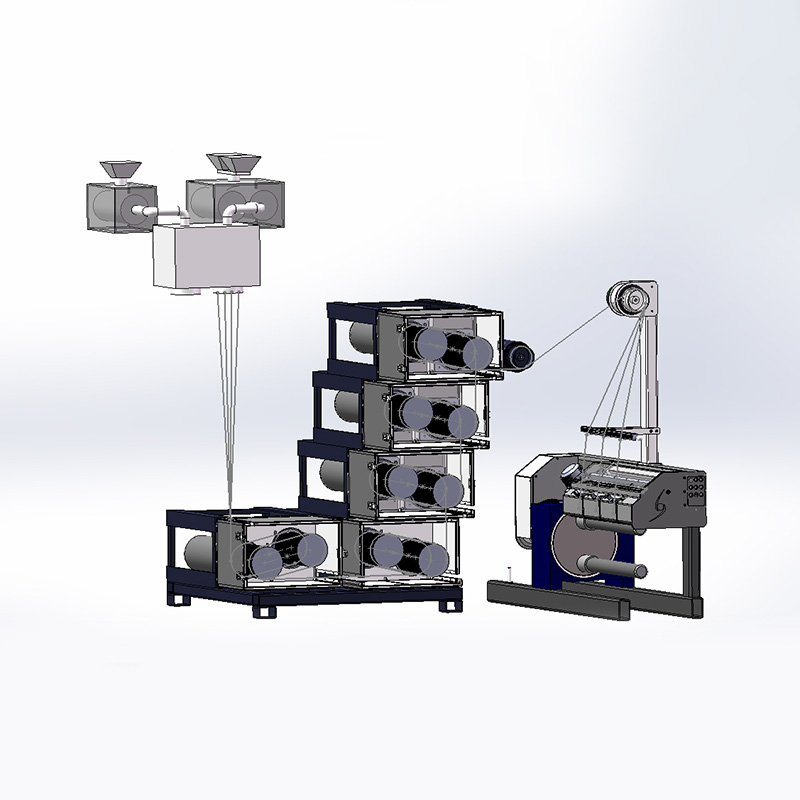
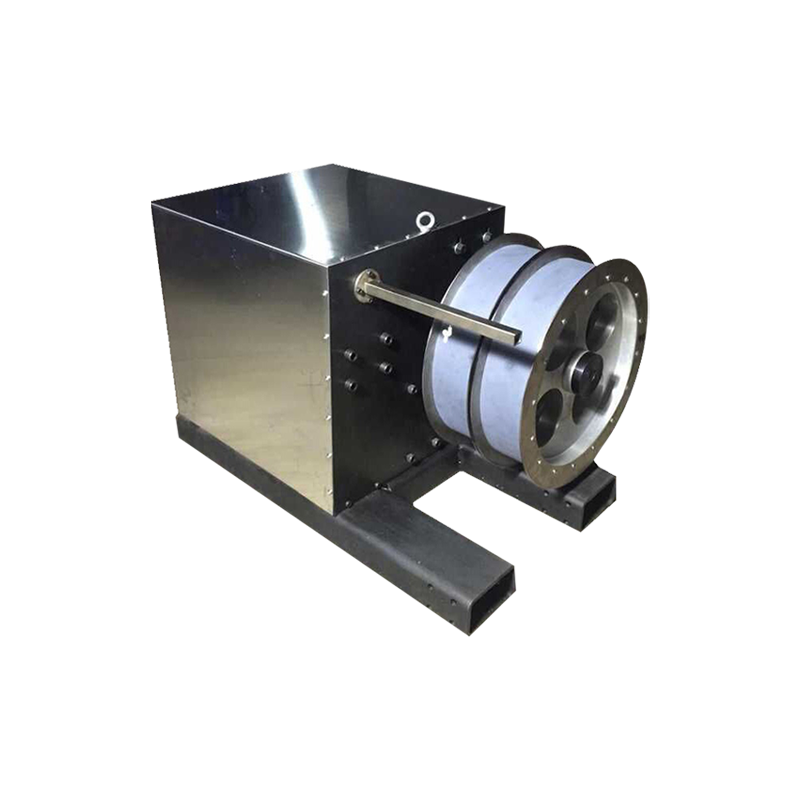
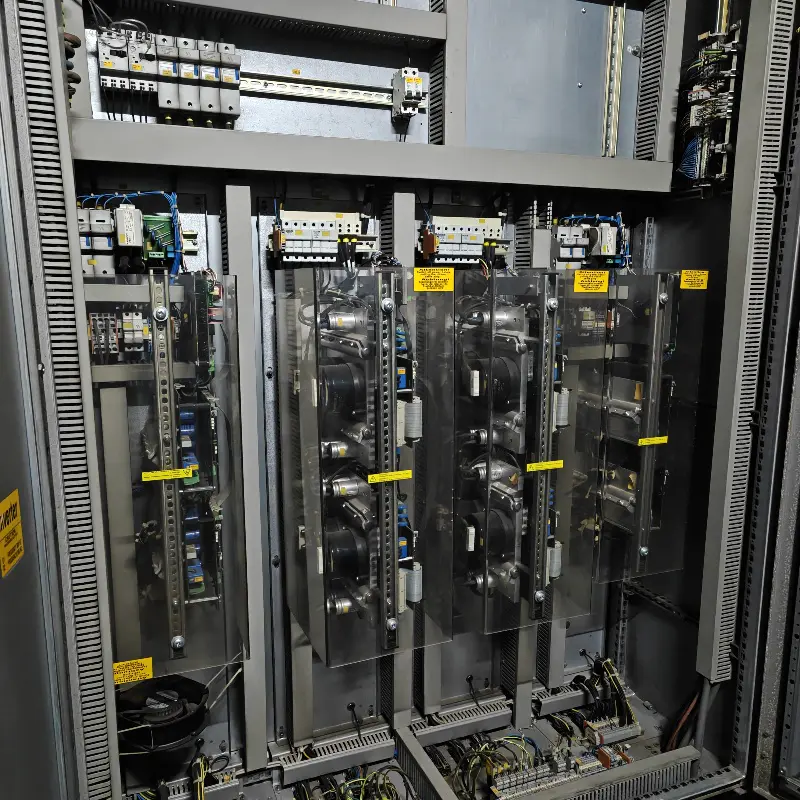 Used Barmag ACW-Series FDY Spinning EquipmentUsed Barmag ACW-series FDY spinning machinery and accessories with reconditioning, maintenance, repair and turnkey project support for used-equipment evaluation.View Product →
The takeaway is simple: ask what was measured, not what was cleaned. A photographed machine is not an inspected machine.
There are honest cases where the used route stops making sense. If the control electronics are no longer supported, if the package format your customer now wants has moved on, or if the cost of one unplanned stop exceeds the savings, a new winder is the cheaper decision across five years, even at a higher invoice price.
A used machine suits a stable yarn programme with known spare parts. A new machine suits a product line you intend to grow into, with documentation, warranty and a supplier who answers the phone during commissioning. Most plants we work with end up buying both, at different moments in their investment cycle.
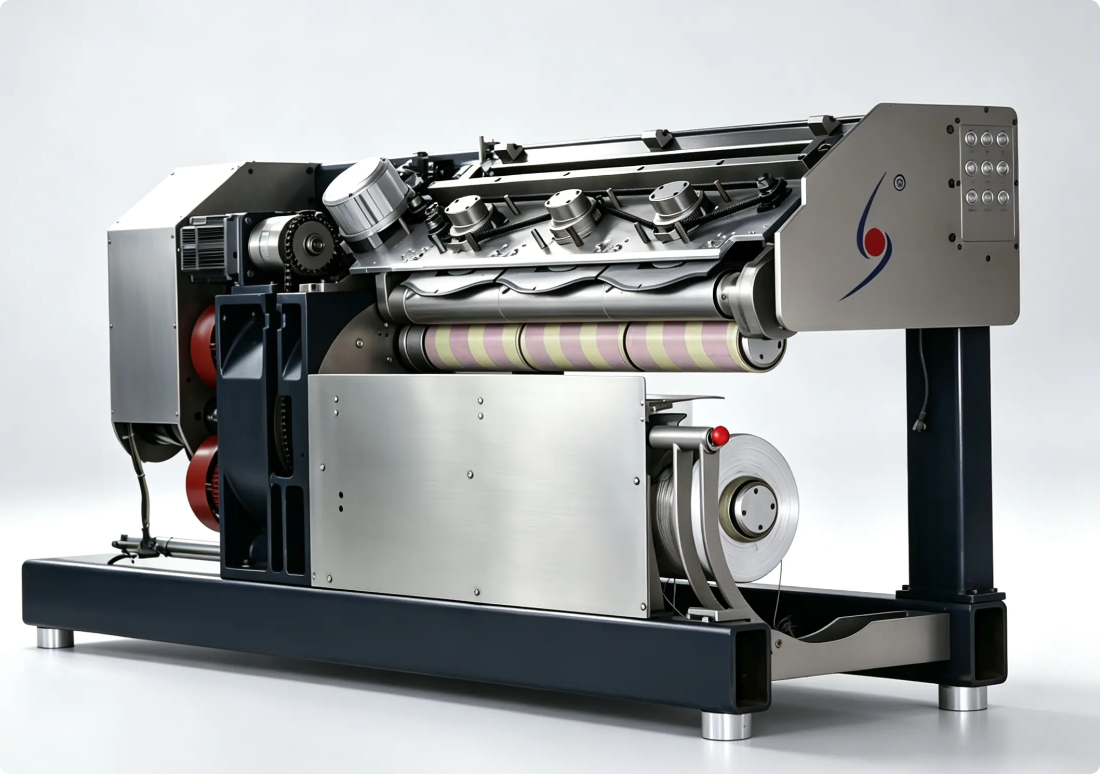
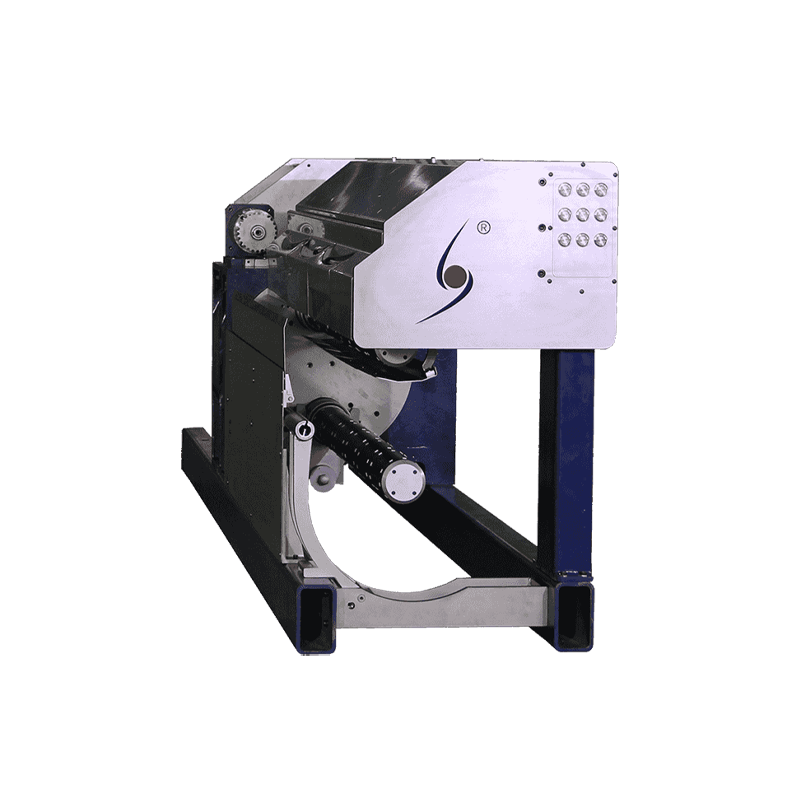
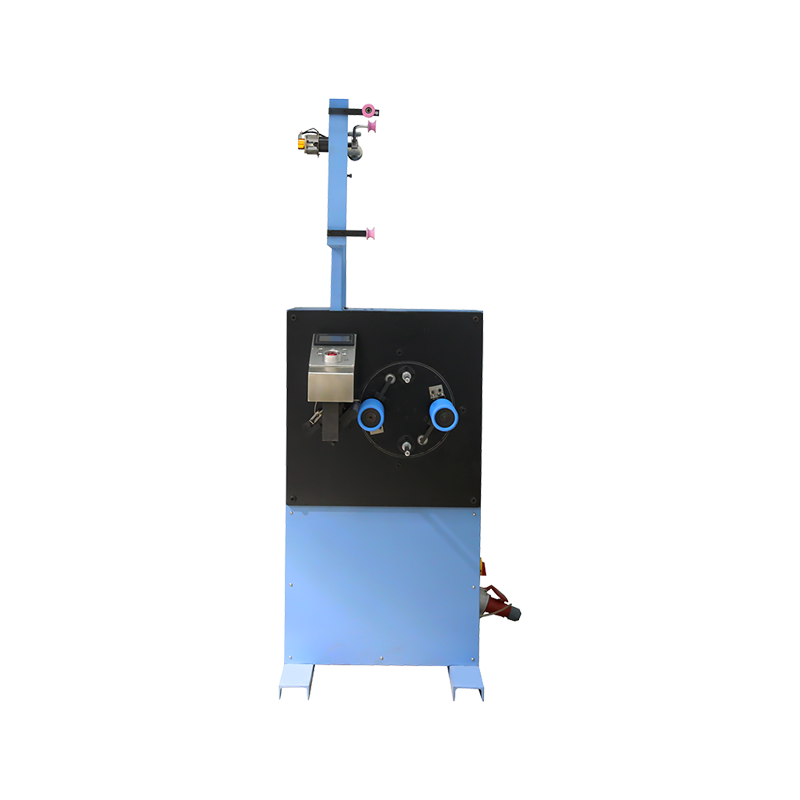
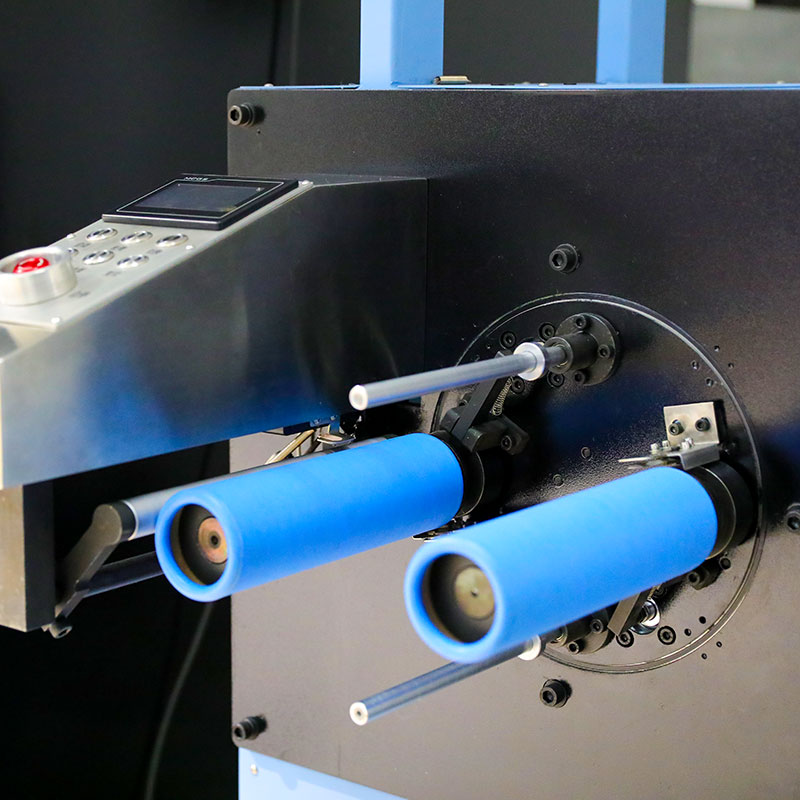 Shengbang SDJR-2401 Auto-Switch Take-Up WinderLow-speed auto-switch take-up winder for high-strength and specialty yarns, with automatic tension regulation and programmed winding ratio for comparing equipment options.View Product →
Seeing the two options side by side, with real numbers on parts availability and rebuild scope, usually settles the discussion faster than any brochure.
A machine that has run for years does not only wear; it accumulates thermal and mechanical history. Hot godets lose temperature uniformity, contact rolls lose surface finish, and guide plates develop grooves that damage fine denier yarns. Refurbishment addresses this in three concrete ways.
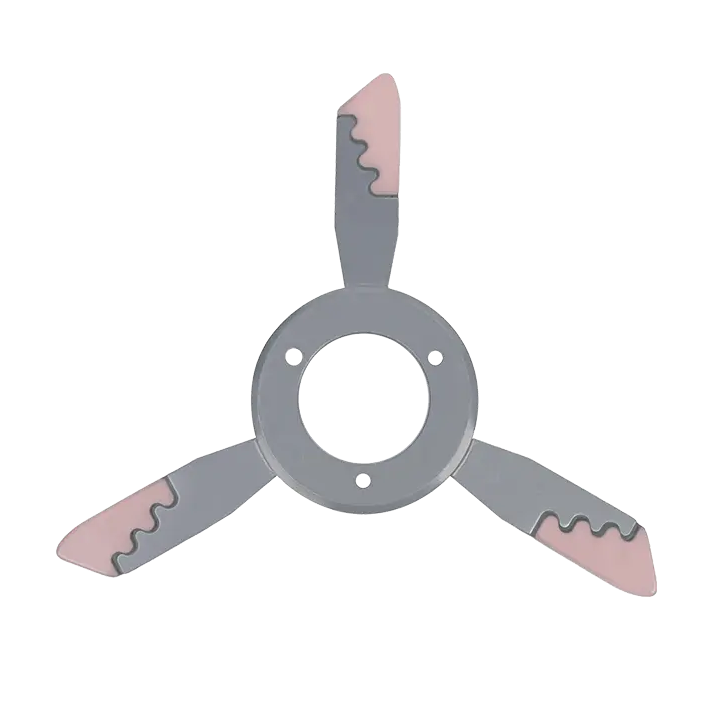
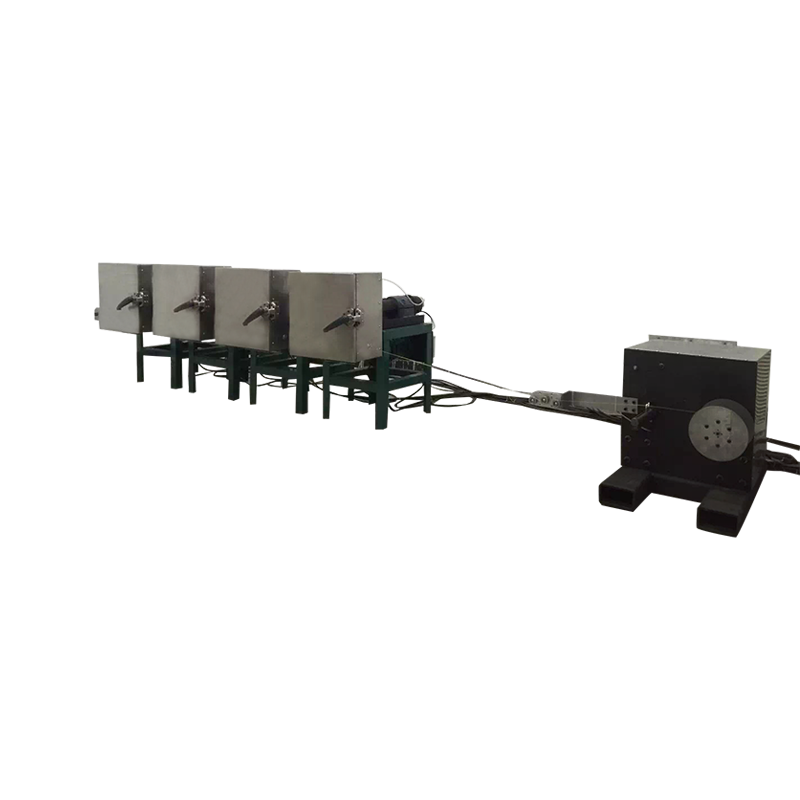
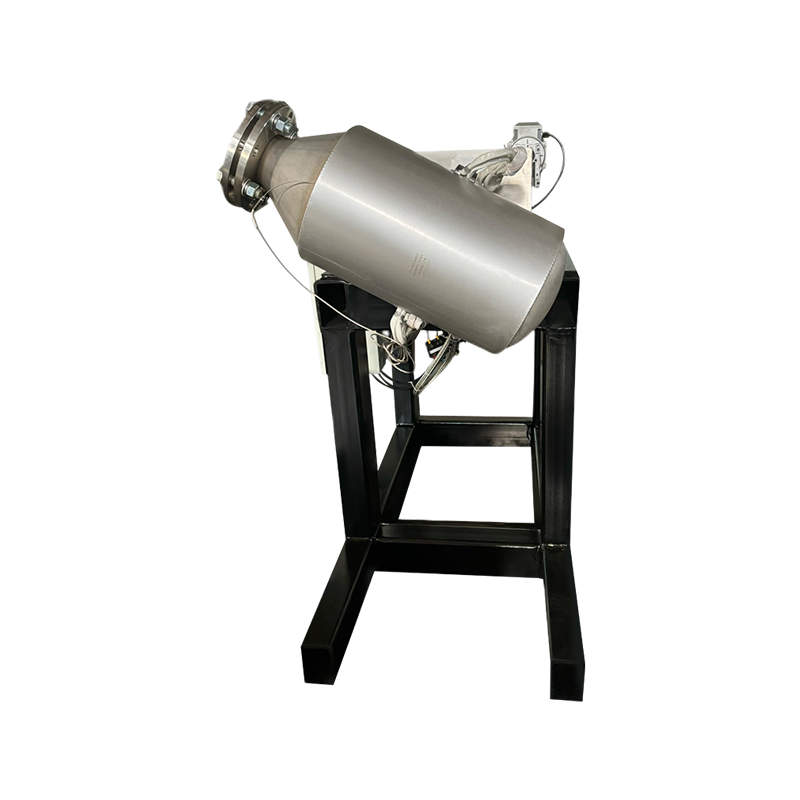
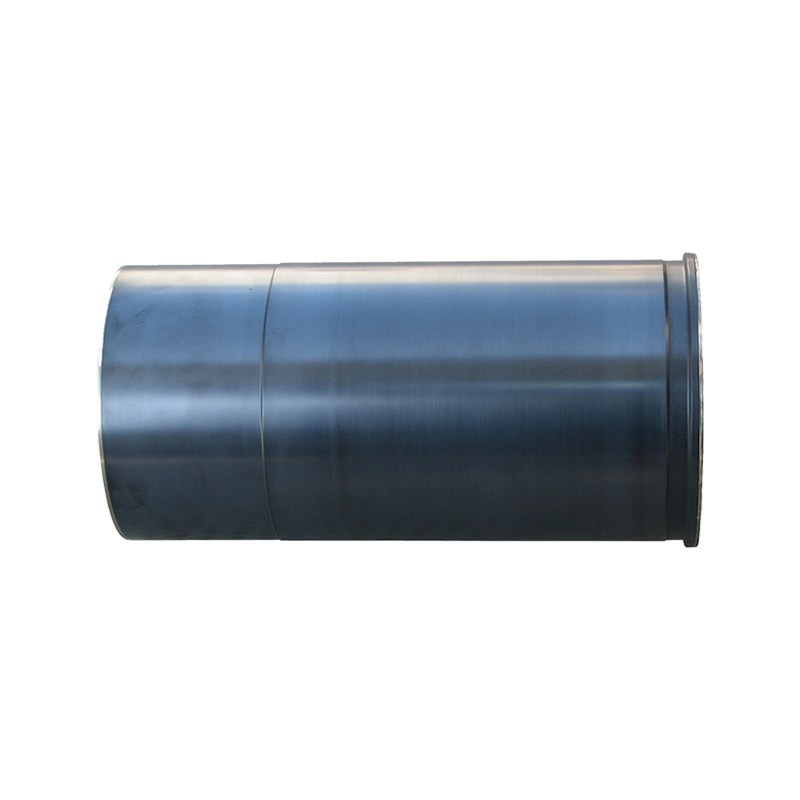 Hot Godet Spray Coating for Spinning EquipmentSpray coating for hot godets, separator rolls, godets and yarn guides, using ceramic and wear-resistant materials to refurbish worn spinning equipment.View Product →
These are also the services that keep older imported equipment competitive long after the original warranty has expired. Our repair and maintenance workshop handles godets, chucks, contact rolls, motors, coils, shift fork gearboxes, circuit boards and metering pumps on a routine basis, which means a used machine is rarely the end of its technical life.
Before a price is discussed, four questions should be answered clearly. They determine whether a candidate machine is a bargain or a project.
Answer those first and the shortlist becomes very short indeed.
The most successful used-equipment purchases we have supported were never purely about price. They started with a clear yarn plan, a realistic inspection and an honest rebuild scope, and they ended with a machine that fit into an existing maintenance routine rather than fighting it. That is the difference between buying a second-hand spinning machine and buying a second set of problems.
If you are weighing a used winder, a spinning frame or a spare parts strategy for imported equipment, bring us the machine details and the yarn you intend to run. We would rather tell you it is not worth rebuilding than sell you something that spends its life waiting for parts. For a closer look at how to judge condition before committing, our note on investing in used spinning equipment is a good place to start.

ADDRESS: No.1298, Zhouan Road, Economic and Technological Development District, Jiaxing City, Zhejiang Province
PHONE: +86 19057031687
TEL: 86-0573-83777752
EMAIL: [email protected]