English
 عربى
 русский
 简体中文







2026-11-20
Home / News / Industry News / Godet Shell Coating Service: Plasma Spray Restoration for Spinning Godets

A godet shell is a small part with a large say in yarn quality. It touches the thread thousands of times a minute, sets the tension the rest of the line inherits, and quietly absorbs heat, spin finish and abrasion while everyone watches the winder. When that surface begins to go — a dull ring, a fine groove, a faint haze along the yarn path — the symptoms travel fast: tension drift, broken filaments, and shade differences between positions that nobody can explain at the beam.
We spend our working days around these components. Jiaxing Shengbang runs a plasma spray shop next to its machining and repair bays, supplies godets, hot godets, separator rolls and guide plates, and reconditions them for mills running Barmag, TMT and domestic spinning machinery. What follows is our practical view of godet shell coating service: what it fixes, what it cannot fix, and how to judge a finished shell before it goes back on the line.
At its simplest, the service renews the working surface of a roller instead of the whole roller. The shell — the outer sleeve the yarn runs on — is stripped of its worn layer, prepared, sprayed with a hard facing material, and then machined back to diameter and surface roughness. Shafts, bearings, cartridges and heating elements usually stay exactly where they are.
In practice the scope reaches well past the plain godet, because the wear mechanisms rarely stay in one place:
We prefer to treat a mill's set of contact parts as one job when they arrive together. Coating a single godet while its neighbours stay worn simply relocates the tension problem to the next position along the machine.
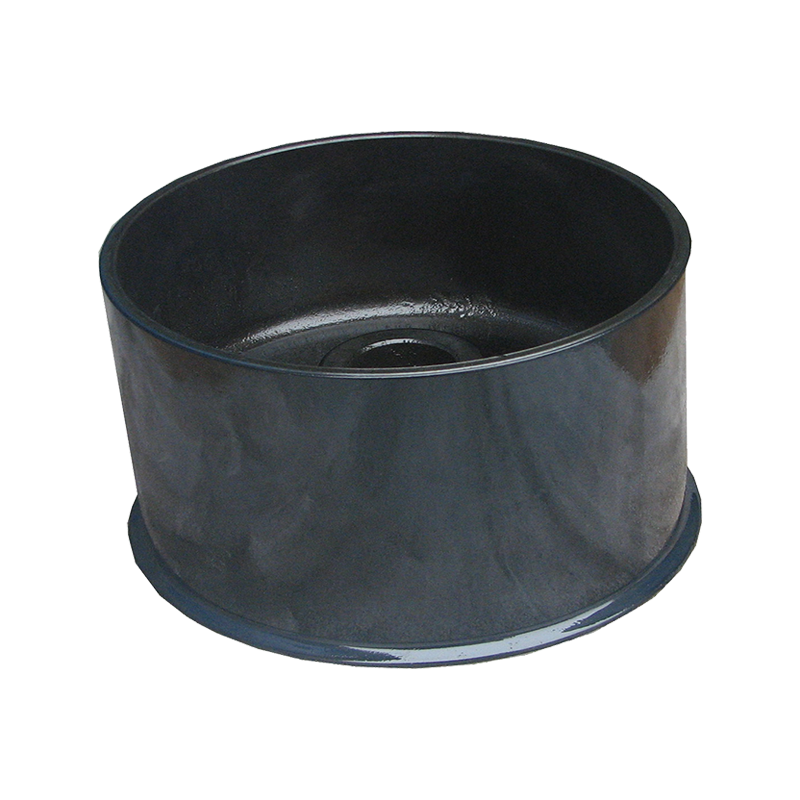 Godet Spray Coating for Spinning ComponentsThermal-sprayed alumina, chromium oxide, zirconia, or tungsten carbide coatings for godets, guides, and plates, helping treat worn contact parts as a matched set.View Product →
Yarn running over a rotating shell is a mildly hostile arrangement. Under magnification, four or five different wear patterns usually appear on the same part:
The result is a groove that is often invisible to the eye but measurable to the yarn. Once the surface opens up, friction rises, tension follows the wear pattern instead of the setpoint, and the position start producing a slightly different yarn from its neighbours. That is the point at which coating is cheaper than the quality loss.
The families below are the ones we see doing reliable work on godet shells. Which one suits a given position depends on yarn type, speed, temperature, and how the shell is heated, so treat the table as a starting point for a technical conversation rather than a fixed recipe.
| Coating family | Behaviour | Often chosen for | Points to weigh |
|---|---|---|---|
| Alumina-titania ceramic | Hard, thermally stable, consistent grip after finishing | Hot godets and general-purpose wear surfaces | Brittle under impact; finishing quality decides the result |
| Chromium oxide ceramic | Very hard, fine-grained, low friction when polished | High-speed positions and fine denier yarns | Easy to over-polish into a surface that grips too little |
| Tungsten carbide cermet | Tough, resists abrasion and light impact together | Industrial yarn and heavy contact loads | Bond quality and density matter more than headline hardness |
| Metallic bond layer | Anchors the top layer to the shell substrate | Almost every sprayed godet shell | Not a wear surface on its own |
Heated shells are the hardest working parts in the set. They carry abrasion and thermal load simultaneously, and a coating that spalls or crazes will show up as temperature inconsistency along the shell rather than as obvious surface damage. We look closely at the shell wall, cooling path and heating element condition before spraying anything, because a perfect coating on a tired substrate is wasted money.
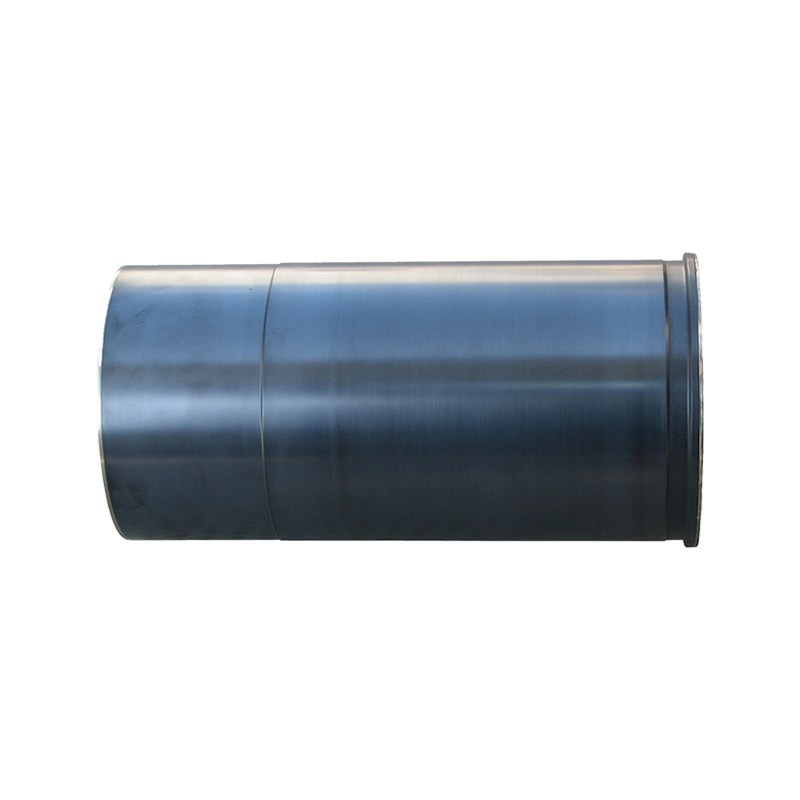 Hot Godet Roller Spray Coating ServicePlasma-sprayed ceramic coatings for hot godet shells and related yarn-guiding parts, with precision grinding to help restore surface and running smoothness.View Product →
These rolls rarely fail dramatically. They simply become rougher, then slightly out of balance, then a quiet source of hairiness and tension noise. Recoating restores both the surface and, after balancing, the running smoothness that the position was designed around.
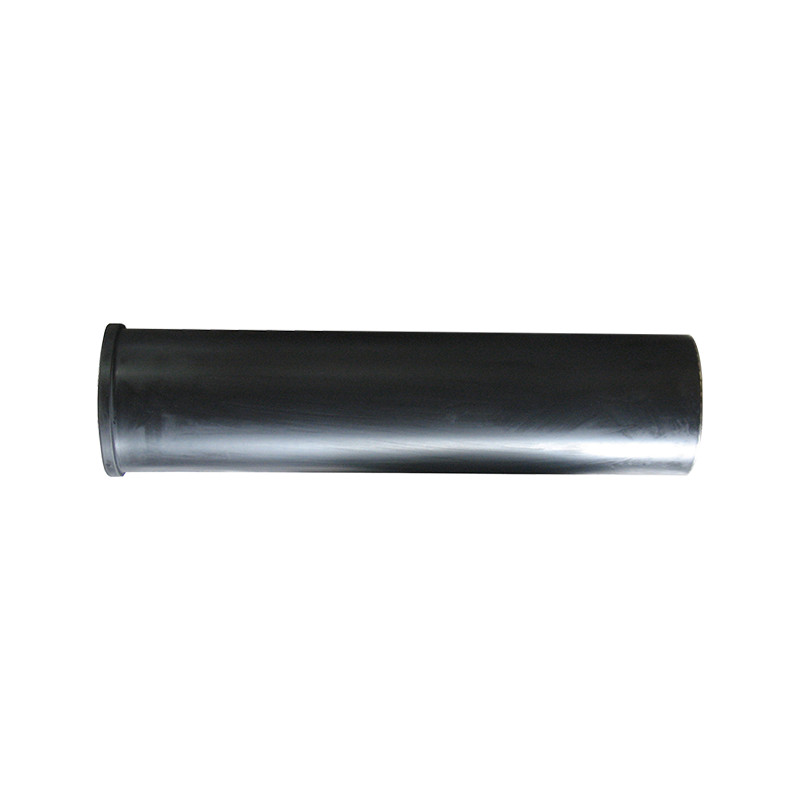 Spray-Coated Separator Rolls for Chemical Fiber MachineryPlasma-sprayed separator rolls with ceramic or alloy coatings, customized roughness, and precision finishing for stable friction in synthetic-fiber spinning.View Product →
Small parts are where budgets are easiest to justify and hardest to notice. A guide plate with a shallow groove costs a fraction of the yarn it disturbs, and a scheduled spray coating programme for these parts usually pays for itself in reduced filament breaks long before anyone measures it.
Every shell follows the same route through our shop. The detail changes with the part; the sequence does not.
Coating thickness is easy to measure and rarely the interesting number. What matters is whether the finished part behaves like the drawing. Our machining bays run CNC equipment for the dimensional work, a Schenck dynamic balancing machine for rotating assemblies, and a Barmag-original temperature calibration instrument for hot godets. Between them, those three checks catch most of the problems that would otherwise surface three weeks into production.
We also tell customers what we found, including the parts we declined to coat. A shell that arrives with a cracked wall or a distorted shaft is a replacement conversation, not a spraying one, and it is better to have that conversation before the machine is reassembled.
The rough rule we use: recoat when the substrate is sound, the wall thickness still leaves margin after machining, and the damage sits in the working surface. Replace when the shell is cracked through, deeply scored by a wrap event, visibly out of round, or when the heating cartridge and internal wiring have reached the end of their life as well.
For mills with a mixed fleet this is often decided position by position. Recoating the sound majority and replacing two or three tired shells usually costs less than a blanket replacement and delivers the same uniformity across the machine.
If the answers are vague, the coating probably will be too. A coating service is a measurement discipline as much as a spraying operation.
If a position on your line is producing a slightly different yarn from its neighbours, send us the shell with a note on yarn type, running temperature and speed. We will inspect it, tell you honestly whether coating is worth doing, and quote on that basis. It is a low-drama way to find out whether the problem sitting in your winder aisle is a worn surface or something else entirely — and it usually answers the question in a single conversation.


ADDRESS: No.1298, Zhouan Road, Economic and Technological Development District, Jiaxing City, Zhejiang Province
PHONE: +86 19057031687
TEL: 86-0573-83777752
EMAIL: [email protected]