English
 عربى
عربى русский
 简体中文
简体中文







2026-10-09
Home / News / Industry News / Barmag Machine Parts: Precision Spares, Wear Items & Supplier Selection Guide

A Barmag winder that suddenly misses a doff cycle can stop an entire spin line for hours. The shift fork has worn just enough to lose its precise stroke, the chuck sleeve slide gets sticky, and the yarn package starts to look uneven. For a maintenance manager, the first reflex is to order a replacement that looks exactly like the old one. That reflex is reasonable, but it is also the origin of most Barmag machine part failures you will see in a production floor.
Conclusion first: Barmag machine parts are not simple wear items. They are precision components whose dimensional tolerance, surface treatment, and dynamic balance decide how long your winder and godet run between interventions. A matching outer shape is only the entrance ticket. The real value lies in the material and the machining behind it.
Every Barmag winder and godet relies on a small set of parts that guide the yarn, control tension, and execute the doff. Guide plates, guide rods, tension blocks, shift forks, lock rings, chuck sleeves and bearings all work together. Each one is machined to a tolerance that is usually expressed in hundredths of a millimeter, not in tenths.
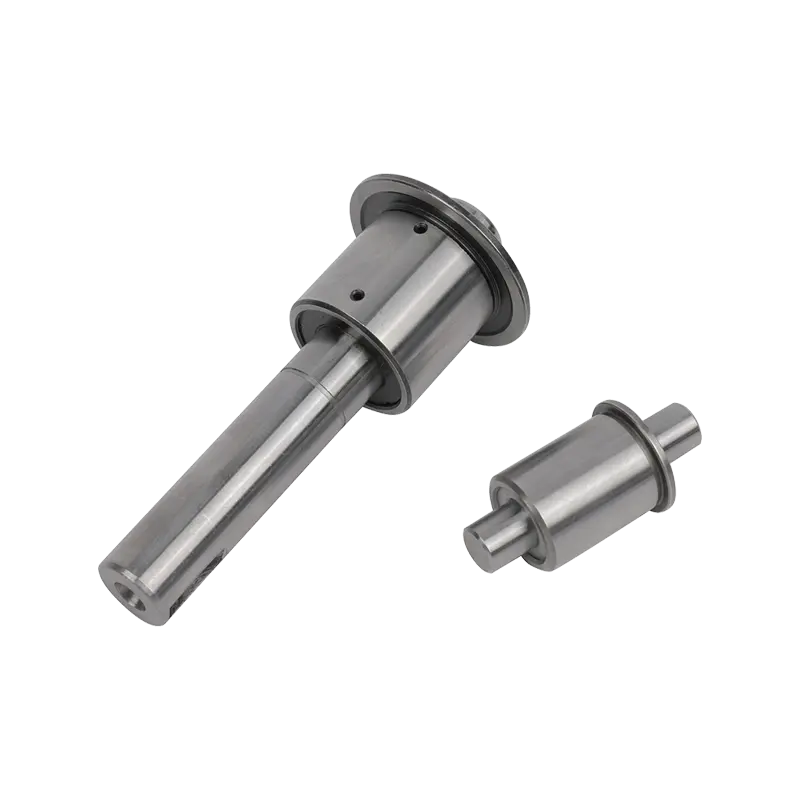
Take the shift fork. It moves the chuck sleeve during every automatic doff, and its contact face rubs against the sleeve at the end of each stroke. A new fork with the wrong face geometry or the wrong surface hardness will start to damage the spring-loaded ball that guides the sleeve. After a few thousand cycles, the doff position drifts and the winder begins to trip. A Barmag shift fork from a supplier who measures face hardness and radius geometry, rather than just copying the silhouette, can run for years without changing the doff timing.
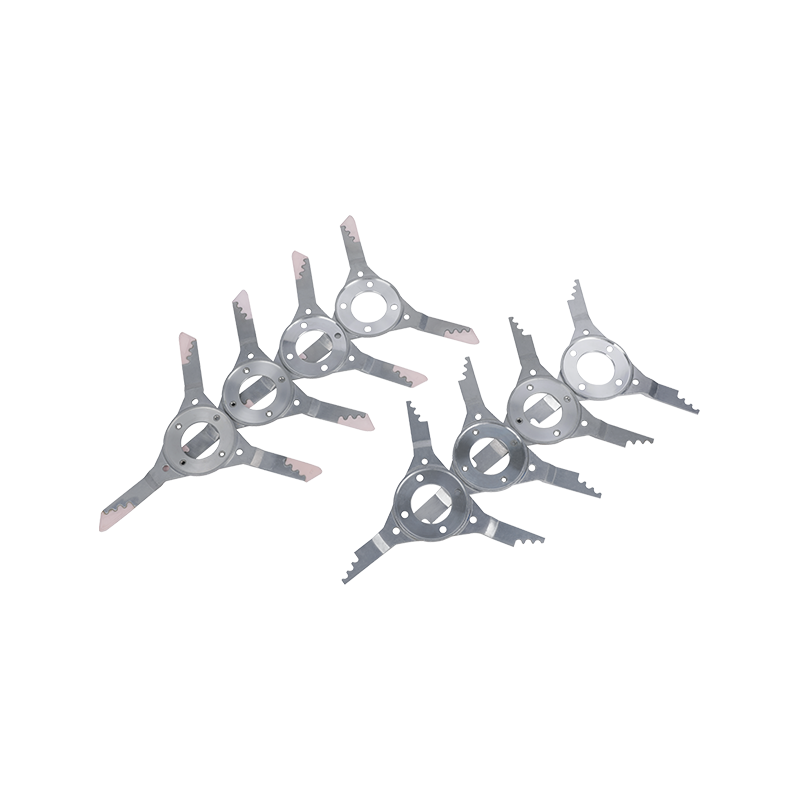 Barmag Shift Fork S-1011 (RO) for Reliable DoffingThis shift fork moves the chuck sleeve and preserves the spring-loaded ball, ensuring stable doff positions over thousands of cycles.View Product →
Guide plates and guide rods are no different. The yarn contacts them at high speed and high tension. If the ceramic layer is thin, grooves will appear in weeks. If the surface finish is too rough, the friction coefficient rises and the spin finish picks up more lint. The result is broken filaments, inconsistent interlace, and a higher frequency of string-up. A quality guide plate should have a uniform, dense ceramic coating with a defined Ra range.
Lock rings are more than a tapered collar. They hold the chuck hub to the shaft. If the taper is not ground to the correct angle, the hub will wobble at the top take-up speed, creating barring in the package. That is why a lock ring should be verified on a measuring machine, not just visually compared.
Knowing which parts wear fastest lets a plant build a practical spare parts plan without tying up too much inventory. Based on typical spin line operating conditions, the following table lists the components that most often need replenishment, together with the failure mode and a sensible stock level.
| Component | Typical Failure Symptom | Recommended Stock Level |
|---|---|---|
| Shift fork | Doff misses, chuck sleeve slide becomes sticky | Always in stock |
| Yarn guide plate or rod | Grooves on face, broken filaments | Always in stock |
| Tension block | Yarn tension fluctuates | Always in stock |
| Lock ring | Chuck hub vibration, loss of taper fit | Spare part |
| Bearing for contact or separator roll | Abnormal noise, roll runout | Stock for major overhaul |
| Interlacing nozzle | Poor interlace uniformity | Always in stock |
| Coupling | Misalignment, vibration | Spare part |
Some parts in that list are small and inexpensive. A lock ring for Barmag 1200 and 1380 chucks is relatively cheap compared with the cost of a damaged chuck hub, yet it can stop a winder if the taper becomes loose.
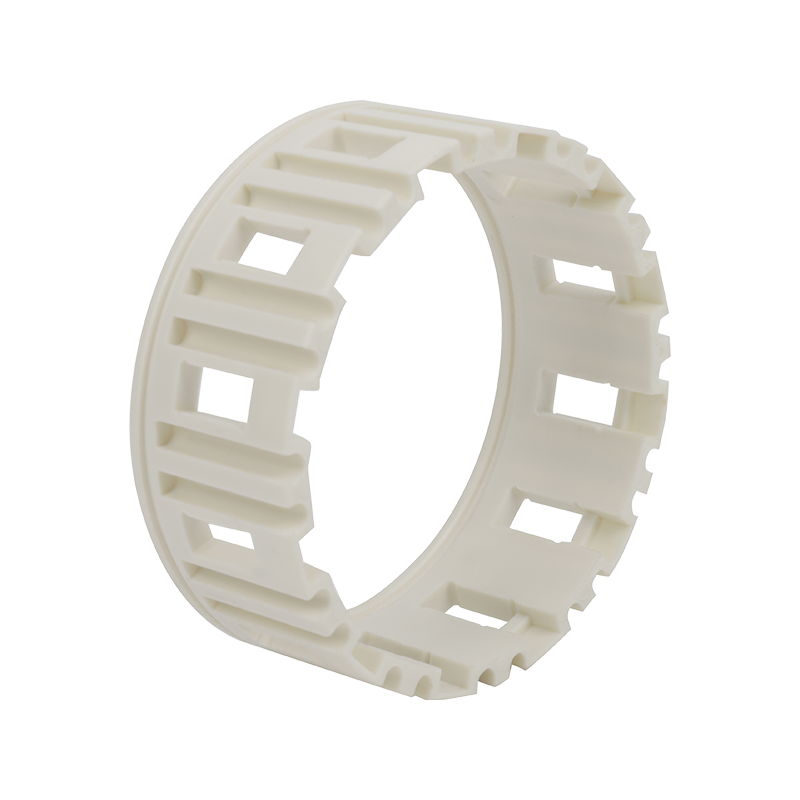 Lock Ring for Barmag 1200 and 1380 ChuckA small but critical part that prevents taper looseness, protecting the chuck hub from damage and avoiding winder stops.View Product →
The same logic applies to Barmag interlacing nozzles: a worn nozzle changes the interlace frequency and makes a perfectly good yarn look bad on a downstream machine.
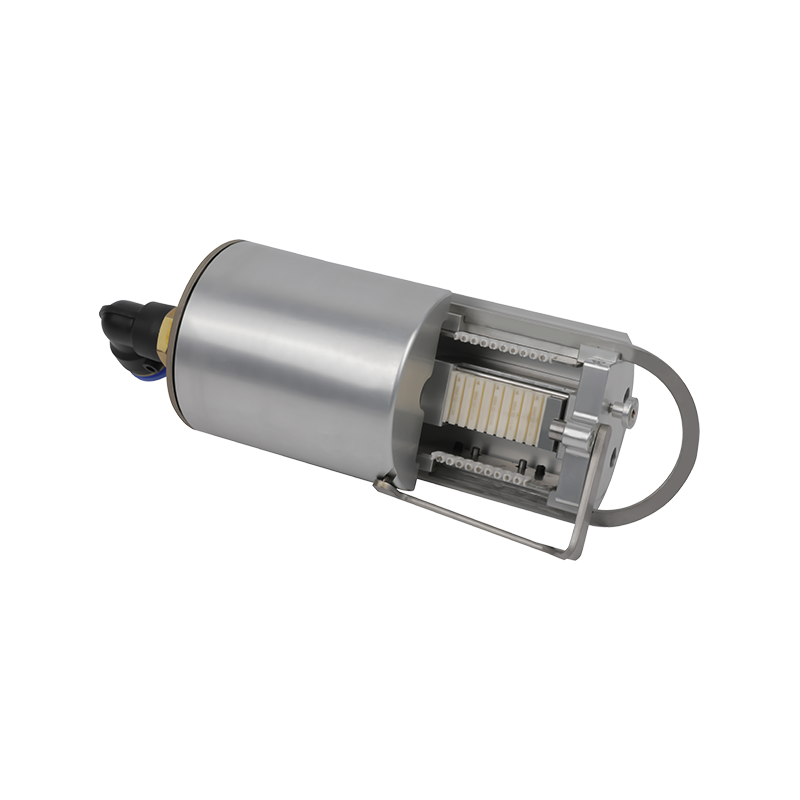 Barmag Interlacing Nozzles for Consistent Yarn QualityThese nozzles maintain interlace frequency, preventing yarn defects that could appear on downstream machines.View Product →
A strong supplier should answer three questions before you buy. First, which machine model is this part for? Second, which drawing or part number defines the dimensions? Third, what verification has been done on this batch?
Let me explain why each question matters.
First, the machine model. A Barmag ACW1380 and an ACW1500 winder have different chuck sizes, so their aluminum tubes, lock rings and shift forks are not interchangeable. A part that is close but not exact can still be installed, but it will cause misalignment and early failure.
Second, the drawing or part number. The same part can exist for different generations of winders, with small but vital dimension differences. A serious supplier keeps technical drawings and a sample library, and it will check the cross-reference before machining.
Third, the batch verification. This includes material inspection, CNC machining, heat treatment, grinding, dynamic balancing and surface inspection. In our own facility, we maintain CNC machines, a SCHENCK dynamic balancing machine, plasma spray coating equipment from the 625th Research Institute of the Ministry of Aerospace, and an original Barmag godet temperature calibration instrument. That combination allows us to verify rotating parts, apply and inspect ceramic coatings, and confirm the godet temperature curve before shipping.
Another practical criterion is whether the supplier can handle wear parts as well as complete assemblies. A plant that finds a worn shift fork still within its usable dimensions can either replace it with a new part or use a shift fork repair service to restore the working face. The choice depends on the cost of a new part and the remaining wall thickness. A reliable supplier should tell you which path is actually more economical.
Not every worn Barmag part needs to be thrown away. When you know the failure mode, you can make a sound decision between repair and replacement.
Shift forks that have lost a few tenths of a millimeter on their contact face can often be repaired by re-facing and re-hardening, provided the base material is still sound. However, a fork that is twisted or cracked has no practical repair path.
Bearings, on the other hand, are effectively single-use components. A bearing that has developed a pit in the raceway will keep amplifying vibration even after cleaning. It must be replaced, and the housing bore should be measured for ovality at the same time.
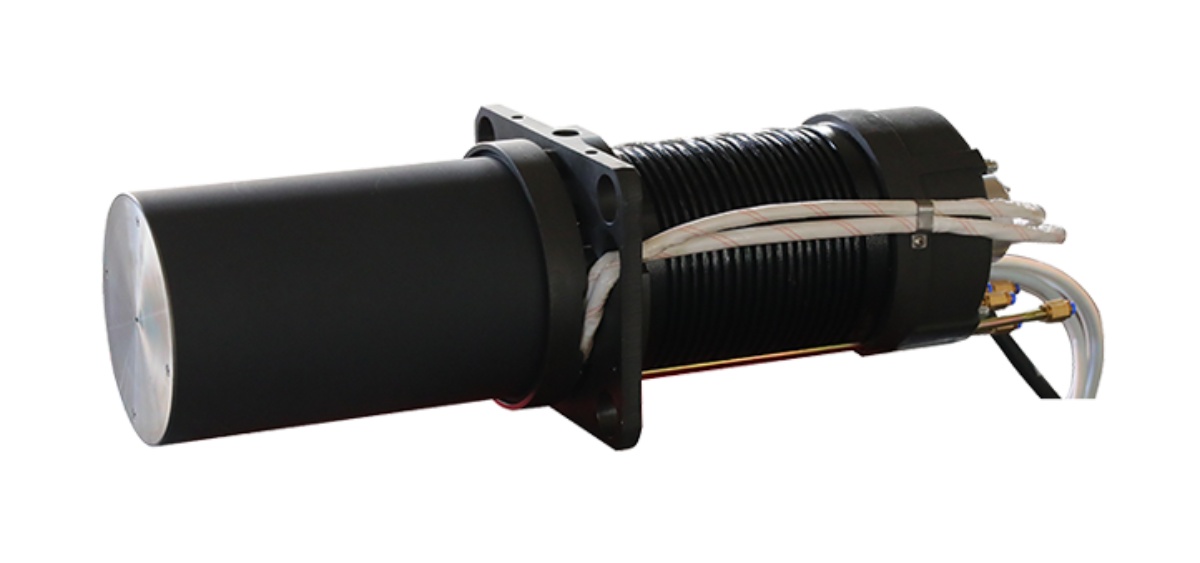
Chucks, contact rolls and separator rolls can be repaired or rebuilt. A badly worn chuck hub can be reconditioned with new bearings and surface treatment. A contact roll can be re-coated, and a hot godet with a failed heater can be repaired instead of replacing the entire roll.
Older Barmag winders can also be upgraded in ways that reduce the frequency of urgent spare part changes. A winder and shift fork upgrading service, for example, can replace the old fork mechanism with a more precise design and improve the chuck motor and fan. The result is a more stable doff, which indirectly reduces wear on the fork and the lock ring.
A practical spare parts plan does not begin with a large inventory. It begins with a list of critical parts per winder model.
The following routine works well for most spin lines:
The point is not to over-stock. The point is to know your critical components and have a reliable route to get them replaced or repaired quickly.
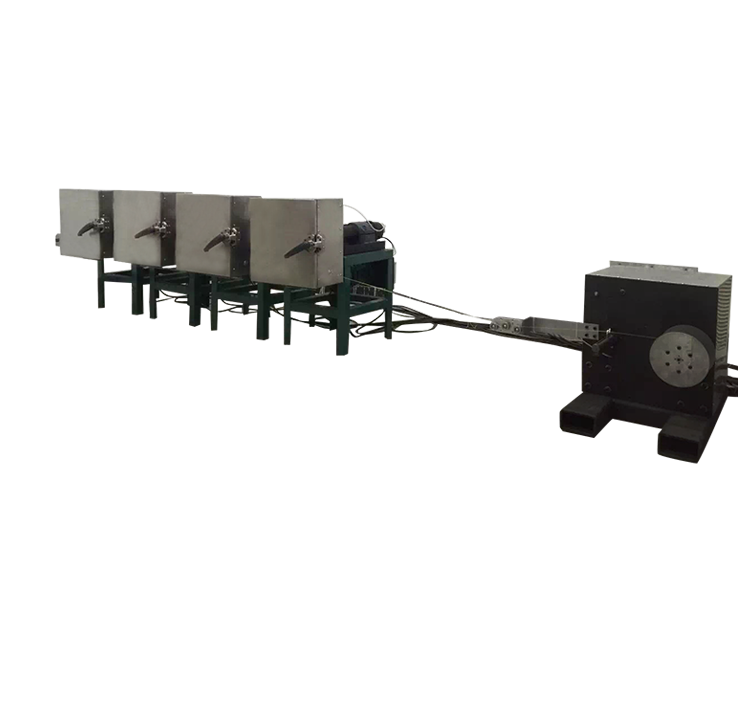
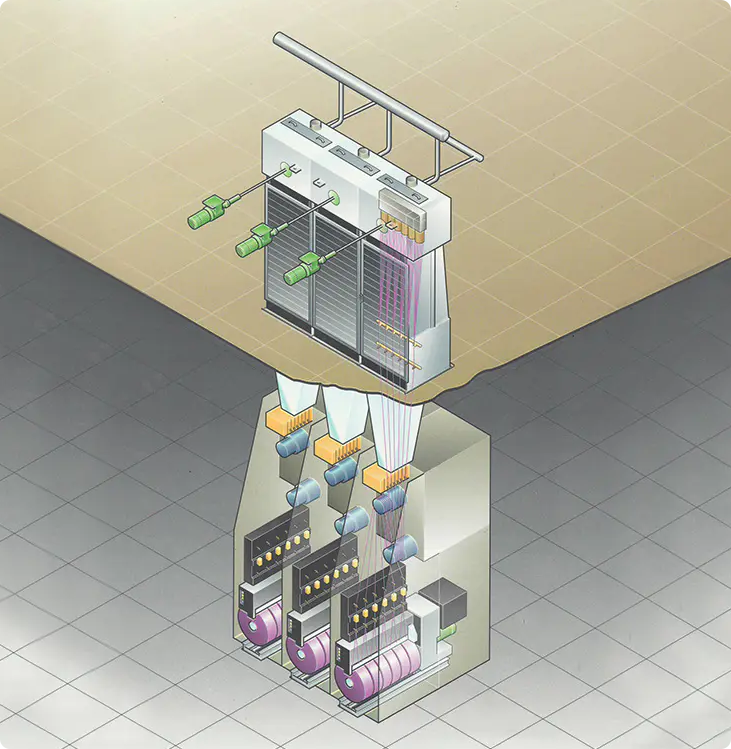
We work with spin lines that use Barmag, TMT and domestic winders, and we supply machine parts, hot godets, winders, complete spinning production lines, plus maintenance and upgrade services. That full-chain experience helps us distinguish the parts that actually cause downtime from the ones that merely look similar.
At the end of the day, your Barmag machine parts buying decision comes down to one question: are you buying a shape, or are you buying the precision that keeps the equipment running? If you are closer to the second, the next step is to put the technical dialogue on the table: the part number, the drawing, the tolerance, and the service performance you need. That is how a spare part becomes a long-term reliability solution.

ADDRESS: No.1298, Zhouan Road, Economic and Technological Development District, Jiaxing City, Zhejiang Province
PHONE: +86 19057031687
TEL: 86-0573-83777752
EMAIL: [email protected]