English
 عربى
عربى русский
 简体中文
简体中文







2026-10-09
Home / News / Technical Knowledge / Polypropylene (PP) Fiber Industrial Applications: From Melt Spinning to High-Performance Nonwovens

1. Introduction: Why Polypropylene Fiber Deserves a Closer Look
Among synthetic fibers, polypropylene (PP) is often classified as a commodity material—frequently overshadowed by the engineering performance of PET and PA. However, PP fiber occupies a critical and growing position in global fiber markets, with a combination of physical and chemical properties that render it functionally irreplaceable across several high-volume industrial application sectors.
The global polypropylene fiber market was valued at approximately USD 4.36 billion in 2025 and is projected to grow to USD 7.64 billion by 2034, at a CAGR of approximately 6.4%. Asia-Pacific dominates global production with approximately 65% market share, with China as the single largest producing country. By end-use, textiles account for approximately 40.6% of market share, while healthcare and hygiene represents the fastest-growing application segment at a projected CAGR of 3.22% through 2031.
This article provides a comprehensive technical overview of PP fiber properties, spinning processes, application sectors, and selection guidelines, with particular focus on industrial processing and functional performance.
2. Core Performance Characteristics of PP Fiber
2.1 Fundamental Material Parameters
| Property | PP Fiber | PET Fiber (reference) | PA6 Fiber (reference) |
|---|---|---|---|
| Density | 0.91 g/cm³ | 1.38 g/cm³ | 1.14 g/cm³ |
| Melting Point | ~165°C (isotactic) | ~255°C | ~215°C |
| Moisture Regain | ~0% (fully hydrophobic) | ~0.4% | ~4.5% |
| Chemical Resistance | Excellent | Good | Moderate (poor acid/base resistance) |
| Abrasion Resistance | Moderate | Good | Excellent |
| Raw Material Cost | Low (lowest among major synthetics) | Moderate | Higher |
PP fiber's key competitive advantages:
2.2 Primary Technical Limitations
Dyeability: PP lacks polar functional groups, preventing conventional disperse or acid dye uptake. Solution dyeing (masterbatch addition) is the industry-standard alternative.
Limited thermal resistance: Melting point ~165°C is substantially lower than PET (~255°C), restricting use in high-temperature processing environments.
Poor UV stability: Unstabilized PP fiber undergoes rapid photodegradation under prolonged outdoor exposure; UV stabilizer addition is mandatory for outdoor applications.
Low surface polarity: Poor interfacial bonding with hydrophilic fibers (cotton, wool) in blended systems.
3. Principal Spinning Processes
3.1 Melt Spinning (Staple and Filament)
Melt spinning of isotactic polypropylene (iPP) is the core production process. Molecular weight is typically 120,000–200,000 g/mol for standard textile grades; high-tenacity yarns require higher molecular weights (~200,000 g/mol).
Key process parameters:
Primary product forms:
3.2 Spunbond Process
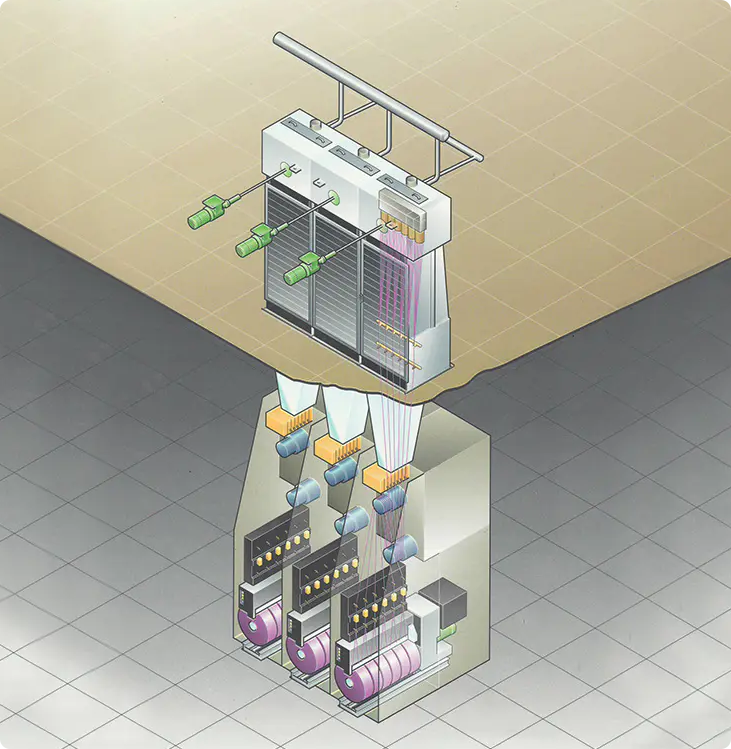
Spunbonded PP nonwovens represent one of the largest volume applications of PP fiber technology. The process extrudes molten PP directly through a spinneret, draws the filaments pneumatically, lays them onto a moving belt, and thermally bonds the web in a single continuous operation—eliminating conventional yarn spinning steps.
Primary applications: baby diaper cover stock, feminine hygiene products, disposable surgical gowns, protective coveralls, agricultural crop covers.
3.3 Meltblown Process
The meltblown process attenuates molten PP through high-velocity hot airstreams to produce extremely fine fibers (diameter 1–5 μm) that are directly collected as a web. Meltblown PP is the functional filtration layer in SMS (spunbond-meltblown-spunbond) composites.
3.4 Evolution and Advancement of Melt Spinning Technology in China
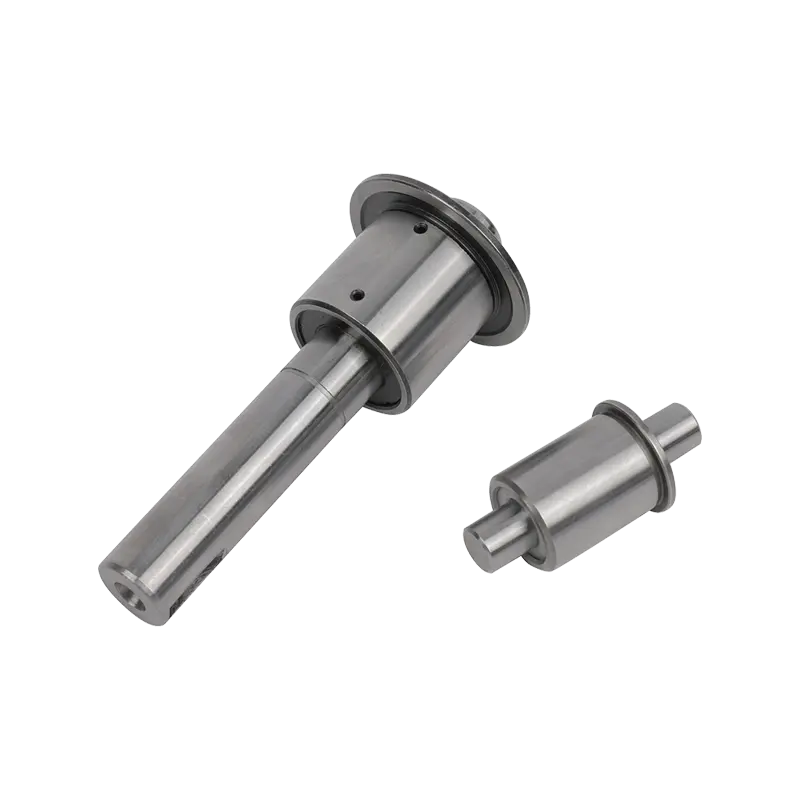
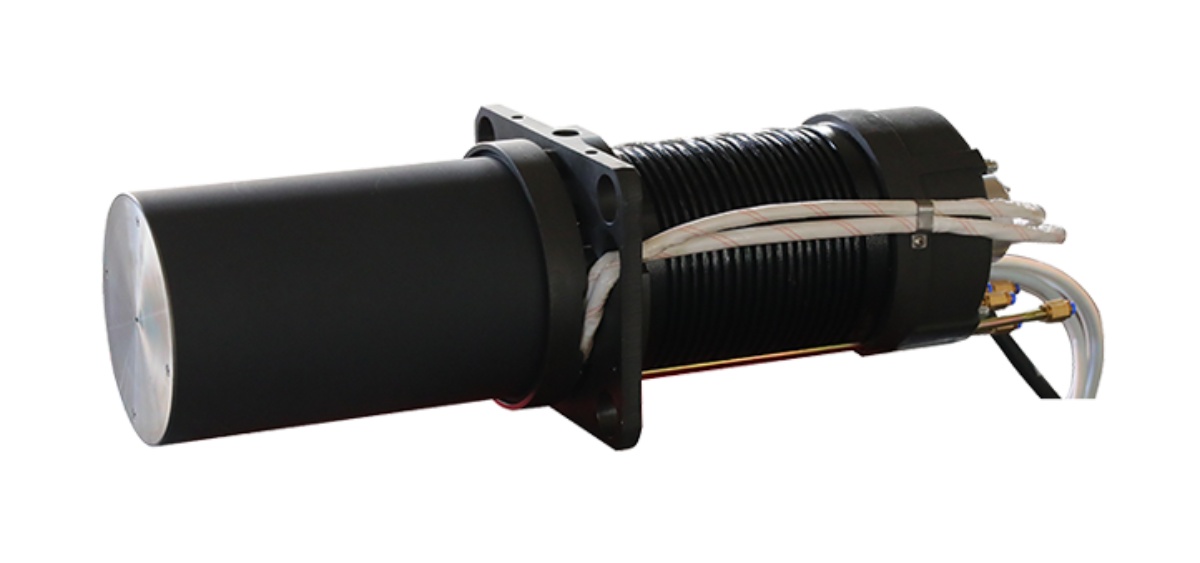
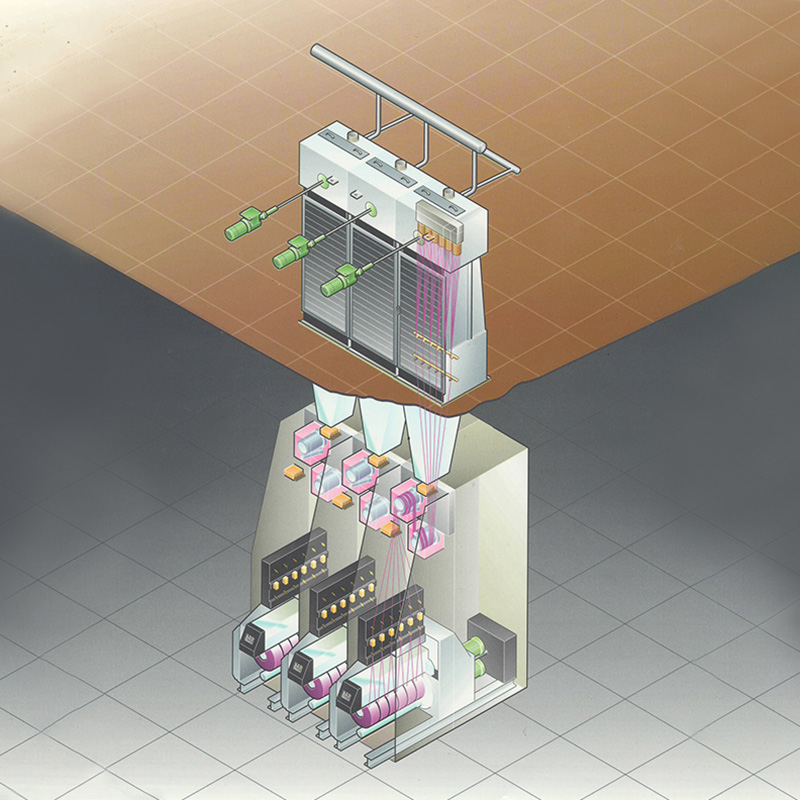
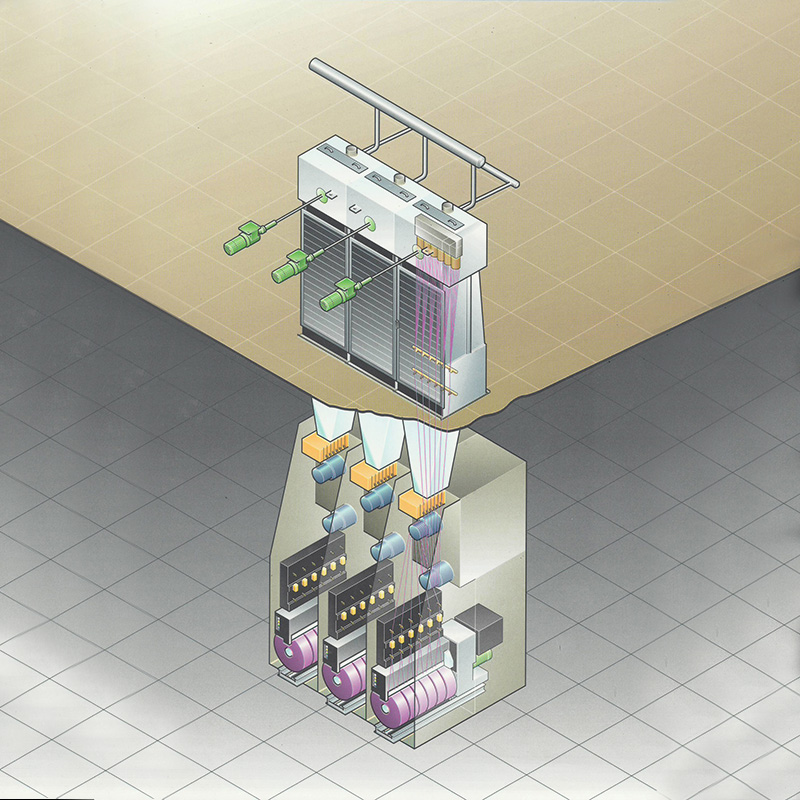
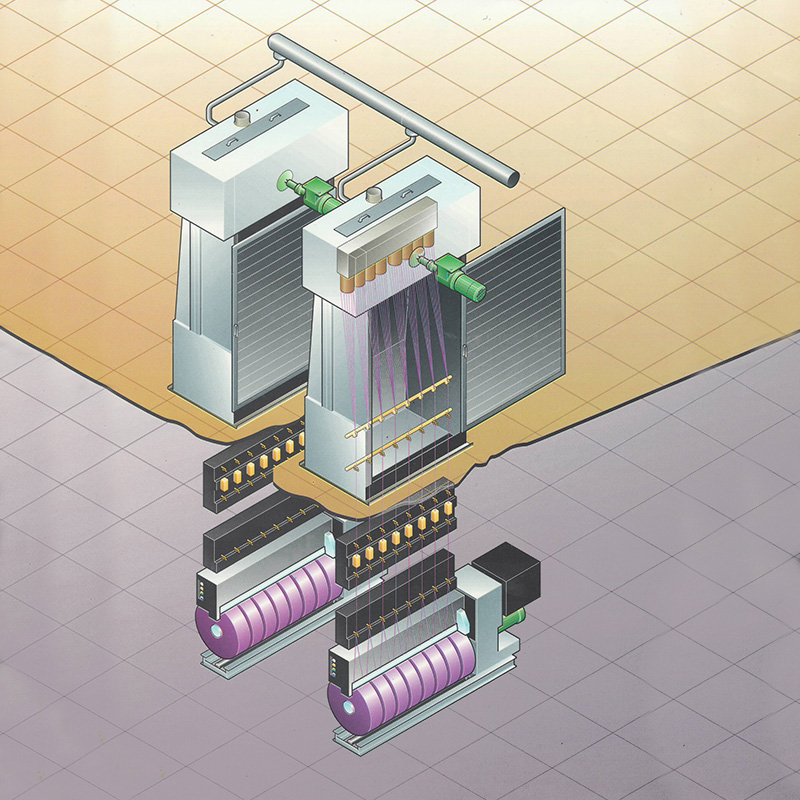
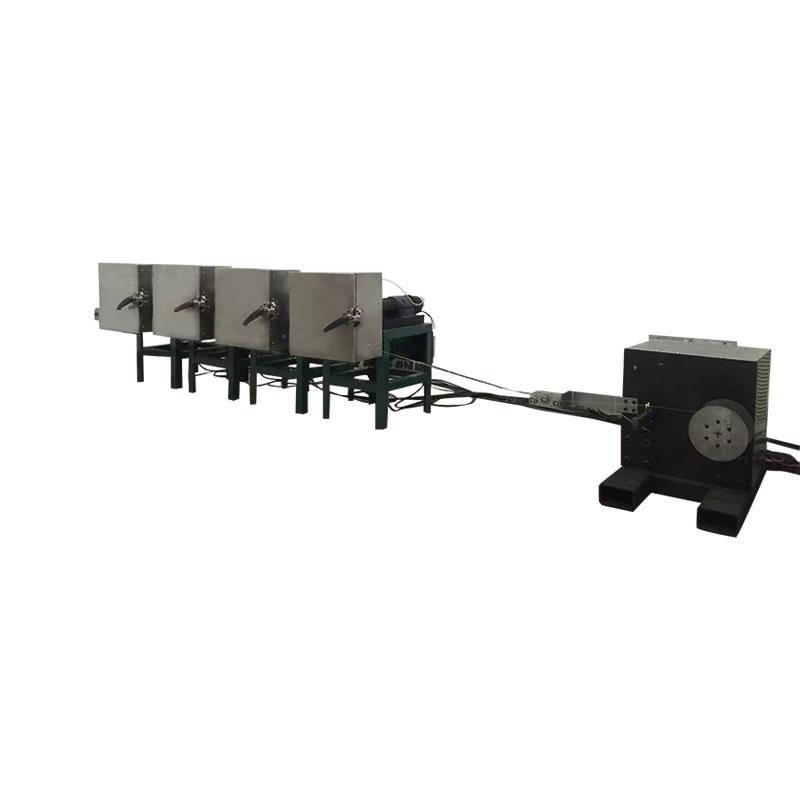
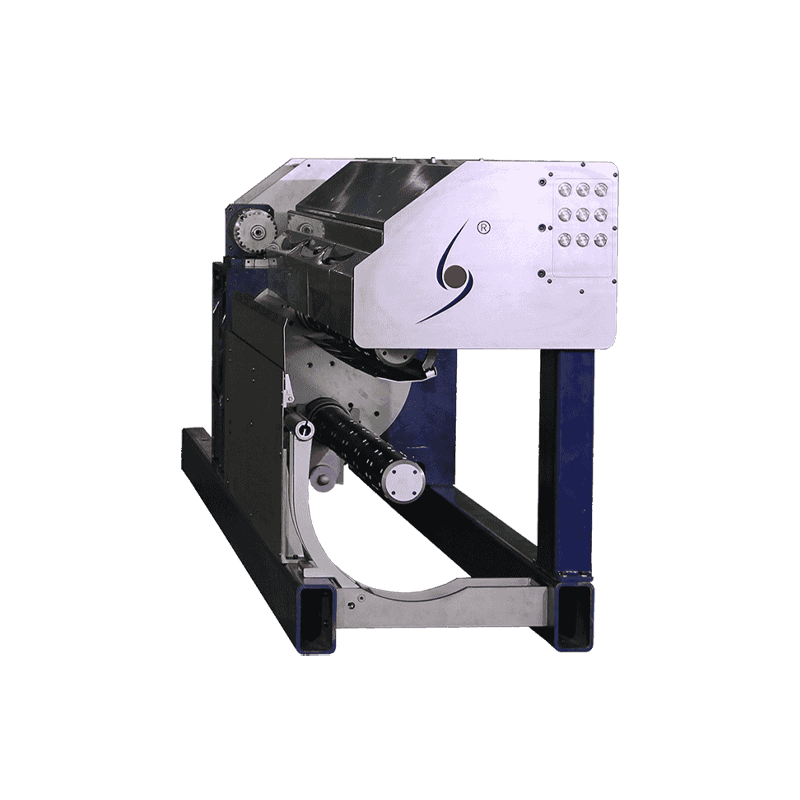
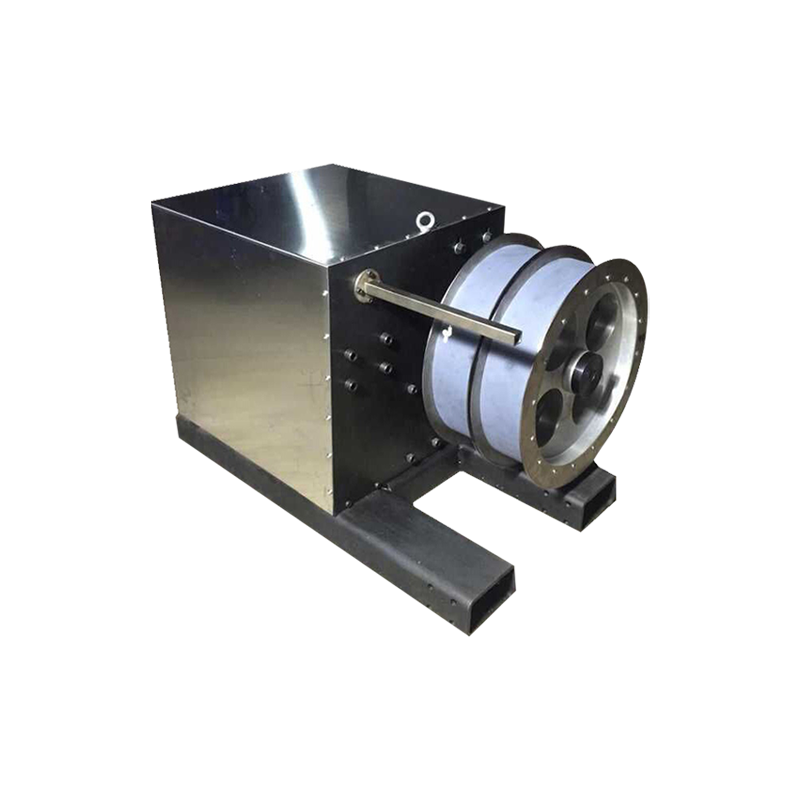
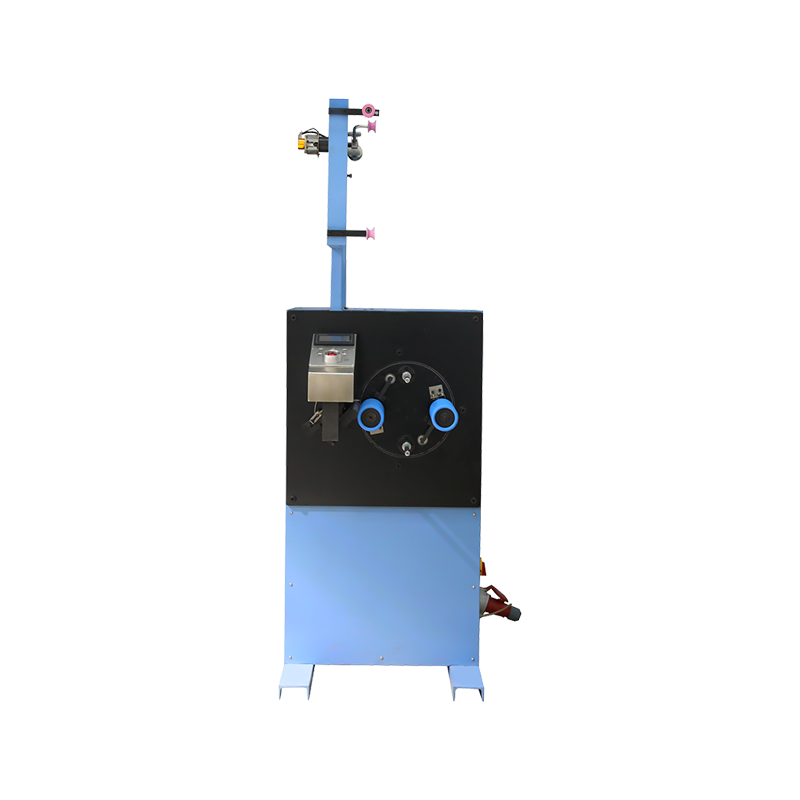
With the widespread adoption of Barmag and TMT melt-spinning production lines, a specialized sector of localized equipment maintenance and service providers has emerged in China. Jiaxing Shengbang Mechanical Equipment Co., Ltd. stands as a pioneer, being one of the first domestic enterprises to achieve full-scale maintenance and repair capabilities for imported high-speed winding equipment.
The company is equipped with a comprehensive suite of advanced manufacturing, testing, and diagnostic facilities, including
Leveraging our robust technical expertise, state-of-the-art facilities, and strategic geographical advantages, we have established long-term, stable partnerships with industry-leading giants such as Tongkun Group, Xinfengming Group, Hengli Group, and Shenghong Holding. Our commitment to excellence has earned consistent acclaim across the chemical fiber industry.
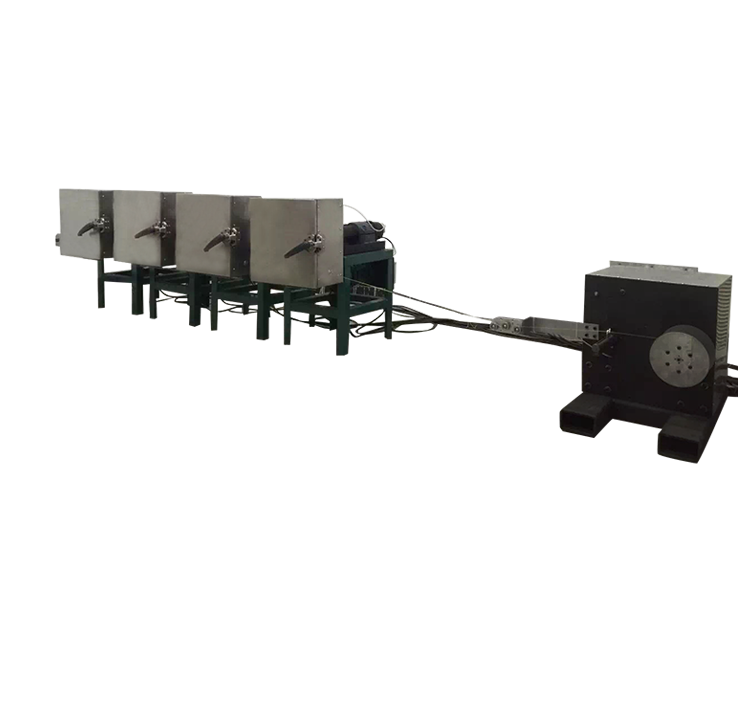
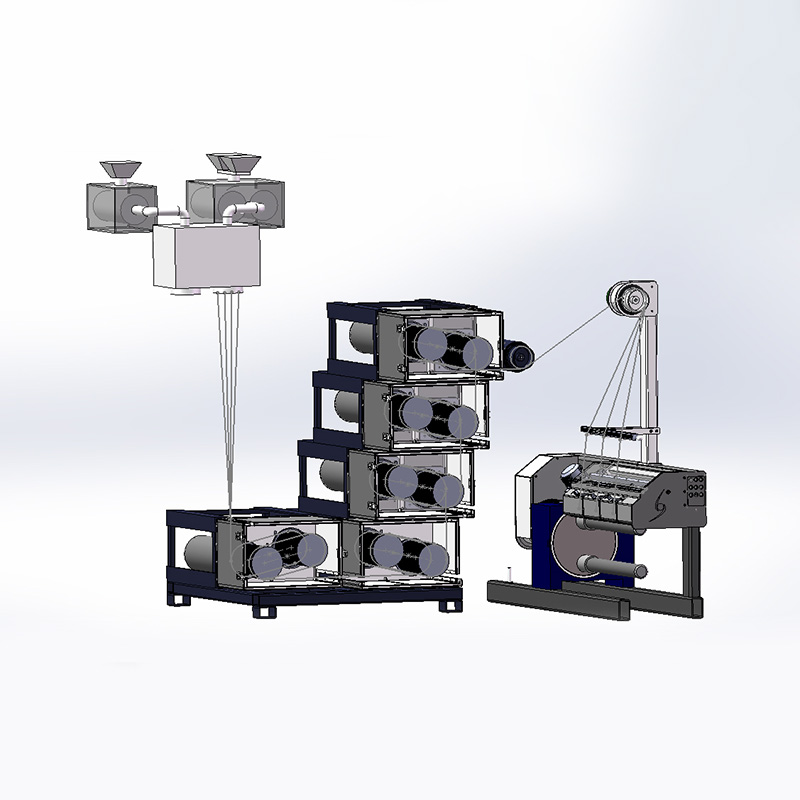
Furthermore, our independently developed Bicomponent Spinning Pilot Machine is the culmination of years of field experience and sophisticated system integration technology. This versatile platform enables rapid production transitions across a wide range of applications, including monocomponent, bicomponent, and multicomponent fibers, as well as POY, FDY, medium-tenacity yarns, and fine-denier industrial filaments.
4. Key Application Sectors
4.1 Hygiene and Medical (Fastest-Growing Segment)
| Product | PP Form | Key Performance Requirements |
|---|---|---|
| Baby diaper cover stock | Spunbond PP nonwoven | Softness, liquid strike-through, non-toxic |
| Feminine hygiene products | Spunbond / hydroentangled nonwoven | Anti-rewet, skin-friendly |
| Disposable surgical gowns/caps/shoe covers | SMS composite nonwoven | Liquid barrier, breathability |
| N95/KN95 respirator filter layers | Meltblown PP nonwoven | Electrostatic filtration efficiency ≥95% |
| Medical fabric base | PP woven fabric | Dimensional stability, sterilization resistance |
4.2 Carpets and Home Textiles
PP BCF yarn is among the highest-volume synthetic fiber inputs in the global carpet market. Versus nylon carpets, PP offers:
The primary limitation remains lower abrasion resistance and resilience versus PA6/PA66, making nylon the preferred specification for high-traffic commercial installations.
4.3 Industrial Filtration
PP fiber's chemical resistance across a wide pH range and against most organic solvents makes it the preferred filter medium for:
4.4 Geotextiles
PP woven and nonwoven fabrics are extensively used in road base reinforcement, slope stabilization, and drainage separation in civil engineering. Chemical resistance and low cost are primary drivers; UV stabilizer incorporation is required for guaranteed service life of 10–20 years.
4.5 Activewear and Base Layer Textiles
PP fiber's complete hydrophobicity and lightweight characteristics confer inherent advantages in moisture-wicking base layer textiles. Compared to polyester moisture-management fabrics, PP base layers maintain a drier skin contact surface in high-perspiration conditions. The primary limitation remains the restricted color palette achievable with solution dyeing.
5. Emerging Technology: The Rise of Recycled PP Fiber
For years, post-consumer PP recycling for textile-grade fiber applications was constrained by impurity control challenges and melt consistency variability. Recent research published in 2025 demonstrates that with optimized purification processes, highly purified recycled PP (rPP) can be successfully melt-spun into multifilament yarns achieving tensile strength of up to 4.2 cN/dtex with approximately 20% elongation at break—performance approaching that of virgin-grade PP fibers.
This represents a significant inflection point:
6. Selection Guidelines
| Application | Recommended Form | Key Technical Specifications |
|---|---|---|
| Disposable hygiene products | Spunbond nonwoven (1.5–2.5 dtex) | Softness, tensile strength, liquid strike-through resistance |
| High-efficiency filtration (N95-grade) | Meltblown nonwoven (<5 μm fiber) | Filtration efficiency ≥95% @0.3 μm, pressure drop |
| Carpet BCF yarn | Solution-dyed BCF (1200–1800 dtex) | Resilience, abrasion cycles, colorfastness |
| Industrial filter fabric | PP monofilament/multifilament woven | Chemical resistance, aperture size, hydraulic permeability |
| Activewear base layer | Fine-denier PP multifilament (50–100 dtex) | Moisture transport rate, dry-out time, skin feel |
| Geotextile | PP woven fabric (200–800 g/m²) | Tensile strength, CBR puncture resistance, UV stability |
7. Conclusion
Polypropylene fiber's unique property combination—minimal density, complete hydrophobicity, outstanding chemical resistance, and lowest cost among major synthetic fibers—secures its irreplaceable position across industrial nonwovens, healthcare, filtration, and geotechnical applications. The ongoing maturation of recycled PP fiber technology and the reinforcement of sustainable textile policy frameworks are expanding PP's application boundaries further. For textile industry practitioners, a thorough understanding of PP's processing characteristics and inherent performance limitations forms the essential foundation for accurate material selection decisions.

ADDRESS: No.1298, Zhouan Road, Economic and Technological Development District, Jiaxing City, Zhejiang Province
PHONE: +86 19057031687
TEL: 86-0573-83777752
EMAIL: [email protected]