English
 عربى
عربى русский
 简体中文
简体中文







2026-10-09
Home / News / Industry News / What Are the Best Practices for Setting Up and Maintaining a Take Up Winder?

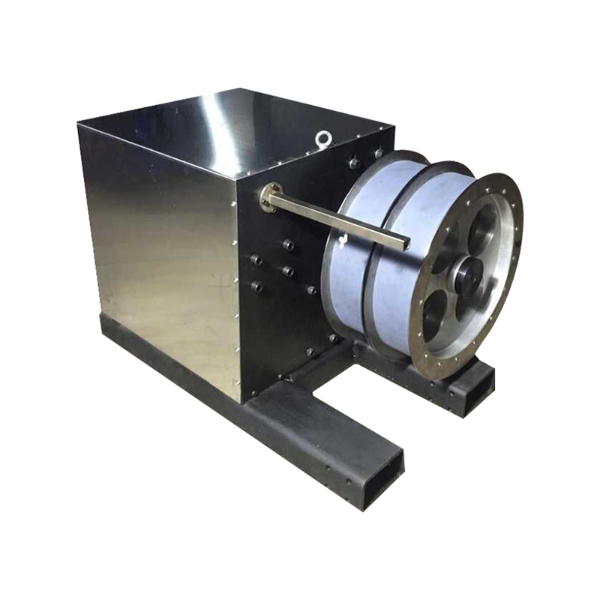
In the world of textile manufacturing and other material processing industries, efficient material handling is crucial for ensuring consistent production quality and maintaining operational efficiency. One of the most integral machines used in these processes is the take up winder. This piece of equipment is designed to wind materials—such as threads, tapes, films, or fabrics—onto a spool, facilitating easier storage, transportation, and further processing.
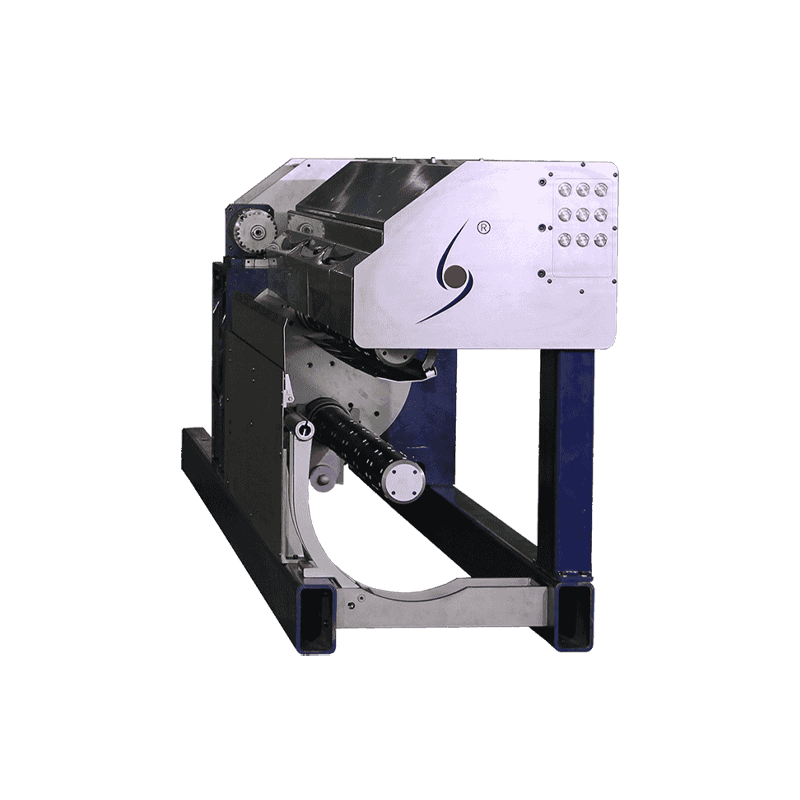
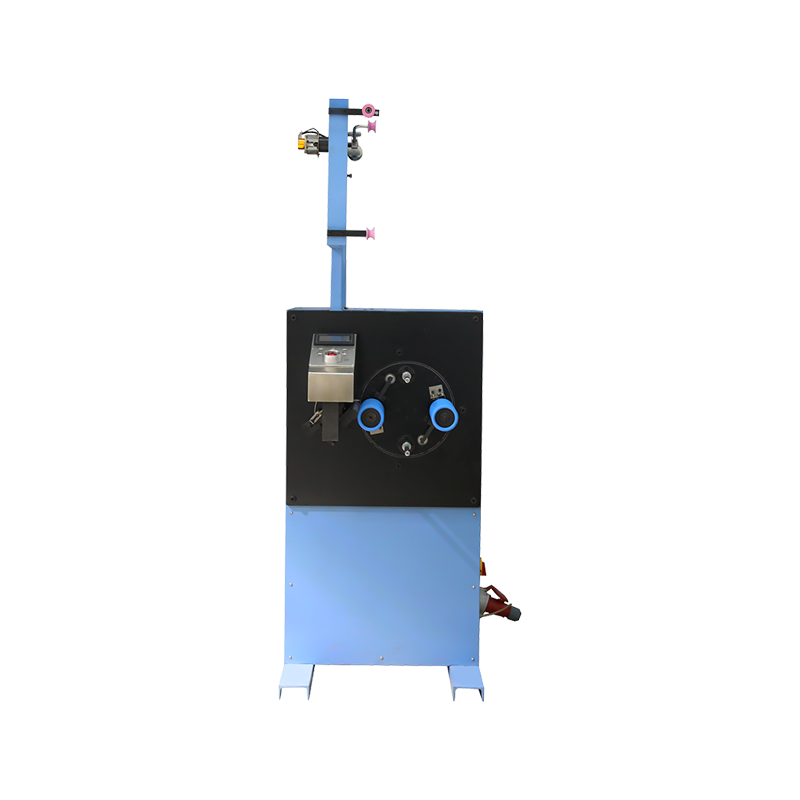
A take up winder is a mechanical device used to wind materials onto a spool or roll during various manufacturing processes. Whether you’re in the textile industry, film production, or any other sector that requires winding materials, understanding the machine’s role and functionality is key to optimizing its use. By properly setting up and maintaining your take up winder, you can reduce downtime, improve the consistency of material winding, and extend the life of the equipment.
Before diving into the technicalities of operating a take up winder, it is crucial to consider the foundational elements that ensure safe and efficient operation. A take up winder requires careful inspection and setup to avoid common pitfalls that may affect performance, such as uneven winding, material slipping, or machine wear and tear.
Safety First: It’s important to prioritize safety when working with a take up winder. Misalignments, worn parts, or improper tension can cause operational issues and even accidents. Ensure that the machine is positioned correctly and that all parts are functioning properly before starting any production runs.
Pre-Operation Inspection: Regularly inspect all components of the machine, including the spools, bearings, belts, and other moving parts. Wear and tear can lead to operational inefficiencies, so always perform a thorough check before use. This is particularly important if the take up winder has been in operation for extended periods.
Setting up the take up winder correctly is essential to ensure smooth material winding and avoid costly errors during production. Incorrect setup can lead to issues such as misaligned spools, uneven winding, or material breakage.
Alignment: Start by ensuring that the spool is securely attached to the winder. If the spool isn’t properly aligned, the material may slip or get jammed. Proper alignment helps prevent such issues, ensuring a smooth winding process.
Tension Control: The tension settings on a take up winder are one of the most important aspects of its operation. If the tension is too tight, you risk breaking the material; if it’s too loose, the material could unravel or wind unevenly. Finding the perfect balance between these extremes is key to optimal performance. Always test the tension with a small piece of material before proceeding with larger quantities to fine-tune the settings.
The tension control on your take up winder can significantly impact the quality and efficiency of the winding process. Material tension must be adjusted according to the type of material being processed, as different materials have varying elasticity and strength.
Fine-Tuning the Tension: The general rule is that heavier materials may require higher tension to avoid sagging, while lighter materials may need less tension to prevent stretching or tearing. It’s always advisable to conduct a test run to adjust the tension precisely. Here’s a quick reference guide for tension adjustment:
| Material Type | Recommended Tension Setting |
|---|---|
| Lightweight Fabrics | Low to Medium Tension |
| Heavy Textiles | High Tension |
| Delicate Films | Low Tension |
| Stretchable Materials | Medium Tension |
Adjust the tension slowly and monitor the material during the process to ensure it is wound smoothly and securely onto the spool.
Just like any other piece of industrial equipment, a take up winder needs regular maintenance to operate at its best. Regular checks on the machine’s mechanical components ensure its longevity and prevent unforeseen breakdowns. Preventive maintenance is more cost-effective than dealing with sudden, expensive repairs.
Maintenance Checklist:
Check Bearings: Over time, the bearings that allow smooth rotation can wear down, leading to friction and potential breakdowns. Regular lubrication is essential.
Inspect Belts and Drive Mechanisms: Worn belts can lead to uneven winding or jerky movement. Inspect and replace them as necessary.
Clean the Equipment: Dust, dirt, and material buildup can interfere with the machine’s operation. Regular cleaning helps avoid these issues.
Calibrate the Tension Control: Ensure that the tension settings are recalibrated periodically to maintain optimal winding quality.
For businesses operating multiple take up winder, investing in employee training is crucial. Knowledgeable operators can spot issues early, adjust settings more effectively, and maximize the machine’s performance.
Best Practices for Operators:
Different materials have different properties, which directly influence how they should be wound. Whether it’s a light fabric or a heavy-duty tape, the take up winder must be adjusted to accommodate the material’s specific needs.
Adjusting for Material Characteristics:
Despite the best efforts at setup and maintenance, issues can still arise during operation. Here are some common problems with take up winder and their solutions:
Uneven Winding:
Material Slipping or Jamming:
Excessive Noise or Vibration:
Overheating or Motor Failure:
If you encounter persistent issues with your take up winder, it’s always a good idea to consult the machine’s user manual. The manual provides valuable insights into proper setup, maintenance, and troubleshooting techniques. In many cases, following instructions can often resolve issues quickly, but for more complex problems, you may need help from professional experts- like the on-site problem-solving team at Jiaxing Shengbang Mechanical Equipment Co., Ltd.
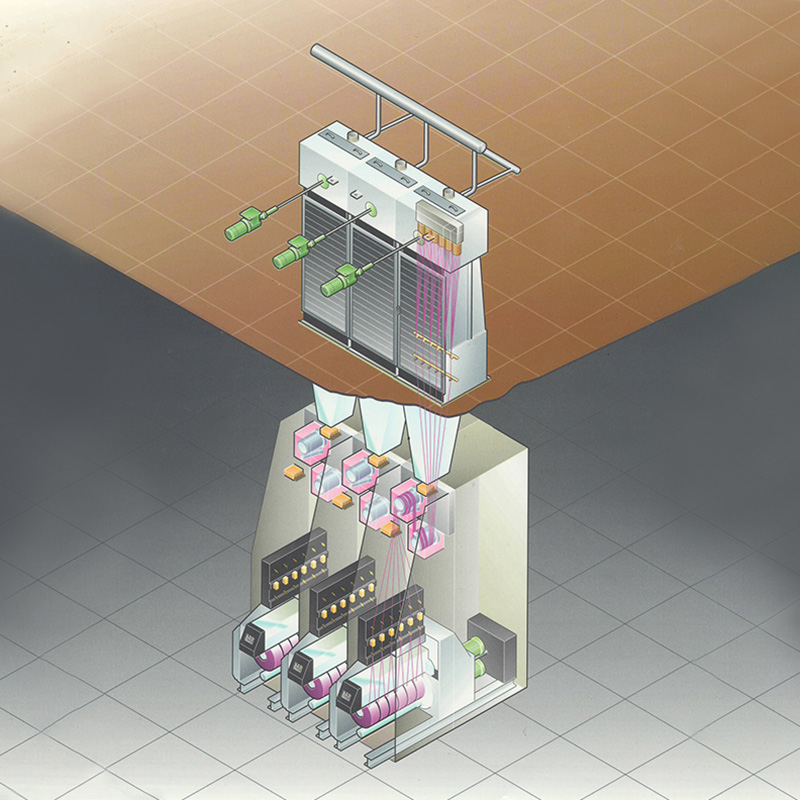
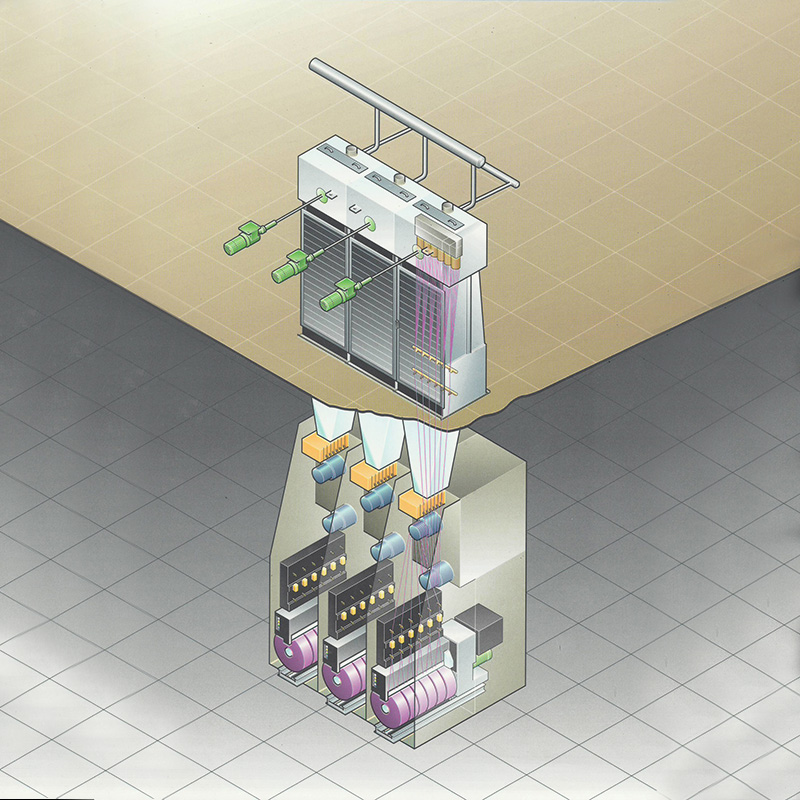
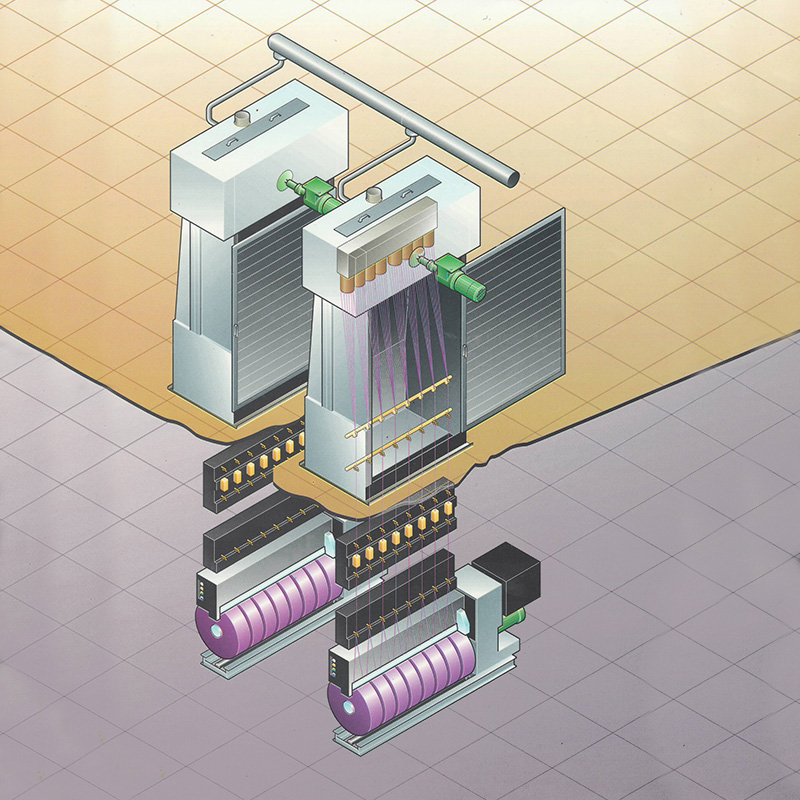
Jiaxing Shengbang is one of the first domestic enterprises to maintenance and repair melt spinning take up winding equipment in China. The company is equipped with a comprehensive suite of advanced manufacturing, testing, and diagnostic facilities, including:
Original Barmag (Germany) godet thermal calibration instruments.
Leveraging robust technical expertise, state-of-the-art facilities, and strategic geographical advantages, Shengbang has established long-term, stable partnerships with industry-leading giants such as Tongkun Group, Xinfengming Group, Hengli Group, and Shenghong Holding, earned consistent acclaim across the chemical fiber industry.
At Jiaxing Shengbang Mechanical Equipment Co., Ltd., we specialize in the development, production, sales, and maintenance of key parts and spinning machines, ensuring that our products meet the highest standards of efficiency and reliability. Our company is organized into multiple departments: Management, R&D, Sales, Trading, and Production, each dedicated to providing the best possible service and innovation. The Production Department is equipped with state-of-the-art workshops, including machining, maintenance, plasma-coating, and special yarn spinning.
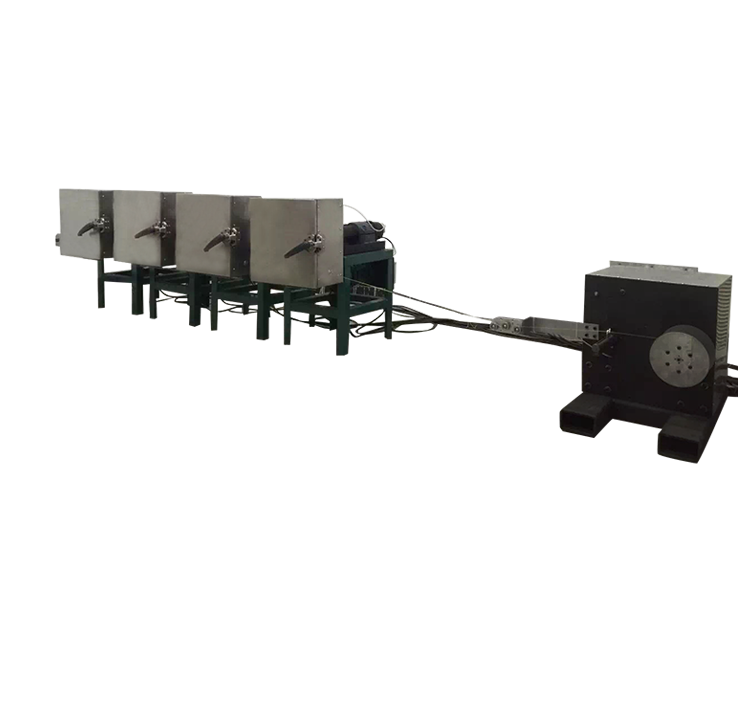
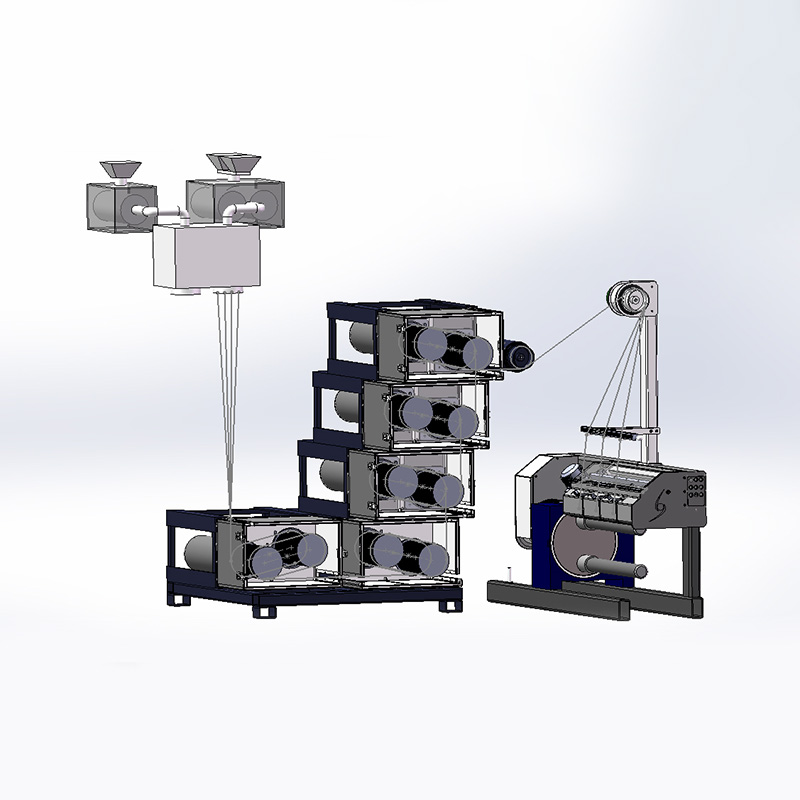
Additionally, our revolutionary multi-purpose spinning test machine allows for the easy production of different types of yarns, from single-component to multi-component and filament yarns. Just like mastering the operation of a Take Up Winder, our technology helps achieve smooth and efficient processes, ensuring high-quality outputs for our customers.
The take up winder is an essential tool in material processing industries, enabling efficient winding, storage, and transportation of various materials. By ensuring proper setup, monitoring tension settings, performing regular maintenance, and training operators, you can significantly enhance the performance of your take up winder and extend its lifespan.
Understanding the nuances of material types and troubleshooting common issues is key to maintaining optimal machine performance. So, take the time to master your take up winder, and watch your operation thrive with efficiency and precision.
Q1: What is the most important factor in ensuring proper operation of a Take Up Winder?
A1: The most critical factor is proper setup, including spool alignment and correct tension settings. Regular maintenance and operator training are also vital.
Q2: How often should a Take Up Winder be maintained?
A2: It should be inspected regularly, with a thorough maintenance check every 3-6 months, depending on usage.
Q3: Can the Take Up Winder handle all types of materials?
A3: Yes, but the settings (such as tension and speed) need to be adjusted according to the material type to ensure optimal winding.
Q4: What should I do if my Take Up Winder is making excessive noise?
A4: Check the bearings and lubrication. Worn parts or lack of lubrication could cause noise and require immediate attention.
Q5: How can I prevent material slippage during winding?
A5: Ensure the spool is securely attached, adjust tension appropriately, and verify that the material is fed correctly into the machine.

ADDRESS: No.1298, Zhouan Road, Economic and Technological Development District, Jiaxing City, Zhejiang Province
PHONE: +86 19057031687
TEL: 86-0573-83777752
EMAIL: [email protected]