English
 عربى
 русский
 简体中文







2026-11-27
Home / News / Industry News / Multifunctional Flexible Pilot Spinning Machine for Fiber R&D and Small-Batch Trials

Most fiber innovations do not fail because the chemistry is wrong. They fail somewhere between a promising lab sample and a full production run. The gap is usually practical: the recipe needs a different temperature profile, the spinneret needs another trial, or the winding tension is not yet stable enough for a customer sample. A multifunctional flexible pilot spinning machine gives that uncertainty a place to be tested before it becomes an expensive production problem.
At Shengbang, we have spent years working around spinning lines, hot godets, winding components, and the small details that decide whether a trial becomes a repeatable product. That experience shapes how we think about pilot equipment. It should be precise, but it should also be forgiving enough to try something new on a Tuesday morning and change the plan by the afternoon.
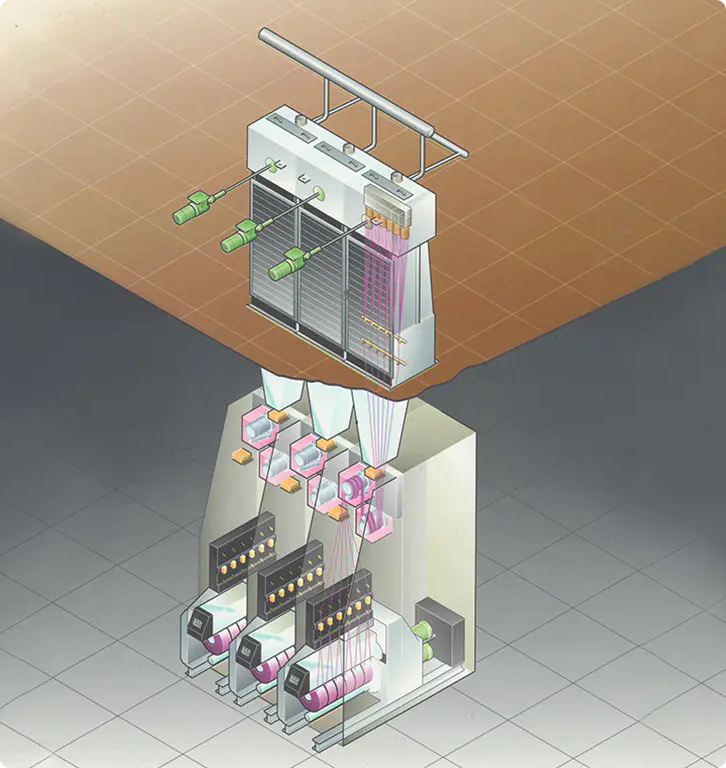
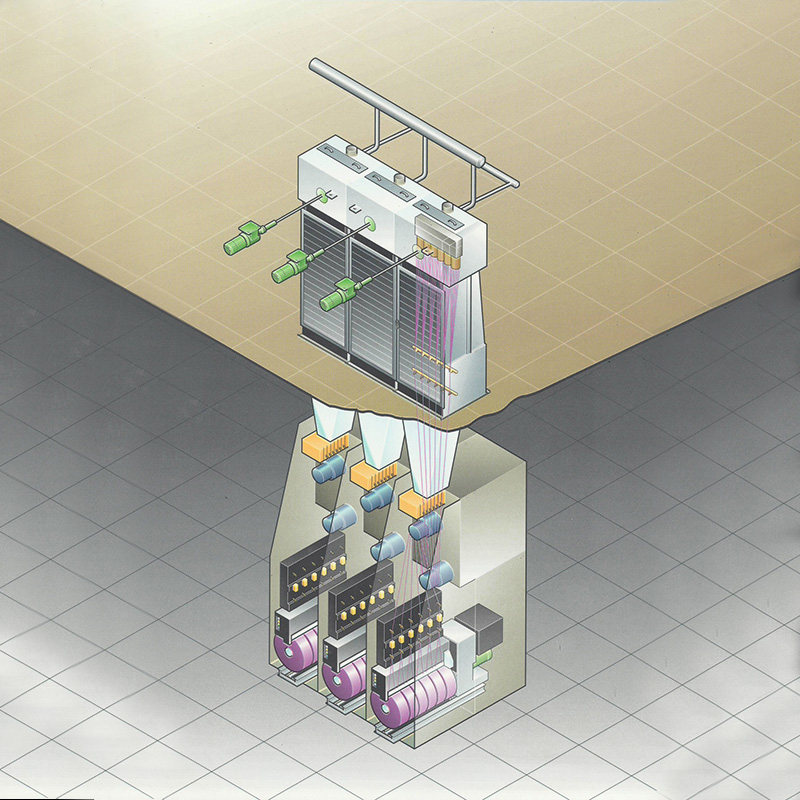
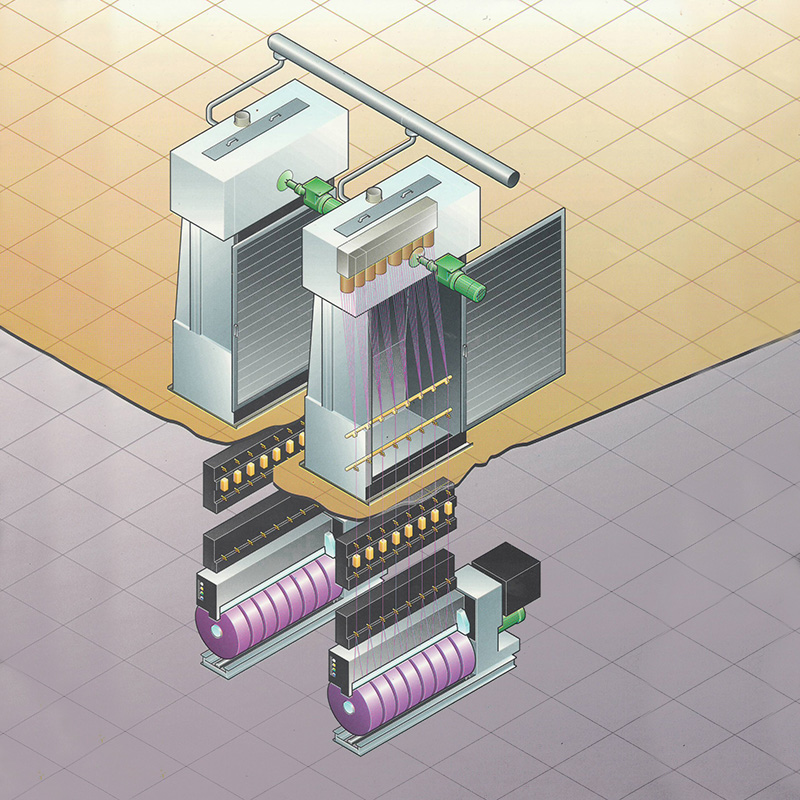
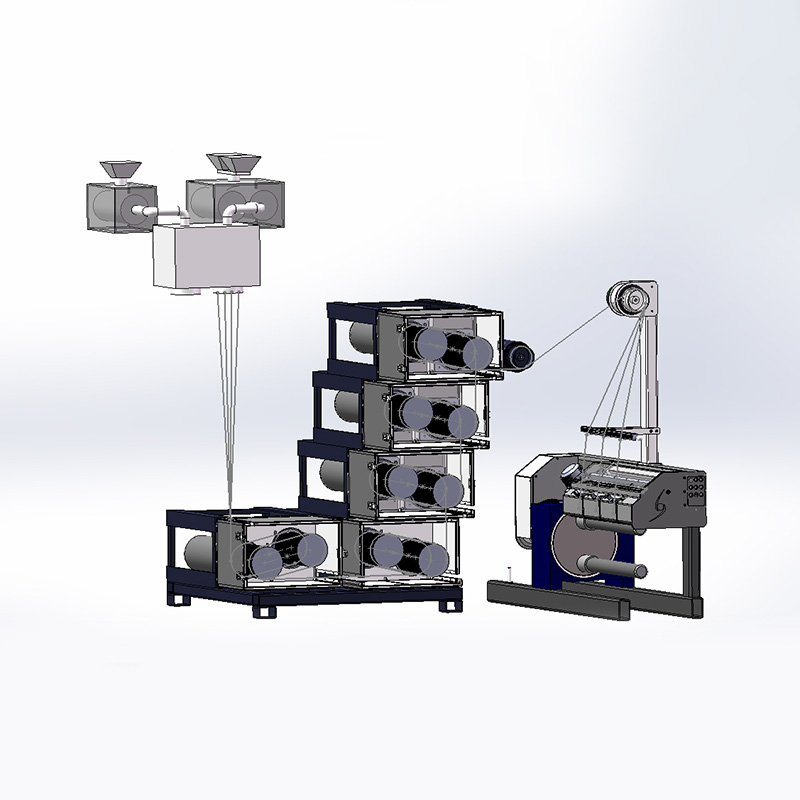
In simple terms, a pilot spinning machine takes a polymer through the same essential stages as a production line, but on a smaller and more adjustable scale. Material is melted, metered, filtered, and pushed through a spinneret. The filament is cooled, treated, possibly interlaced, and wound. The difference is that every step is designed to be changed, measured, and changed again without disrupting a commercial line.
The word “multifunctional” matters because fiber development rarely stays inside one process box. A single machine may need to handle single-component yarn, bicomponent or multicomponent structures, and different yarn styles such as POY, FDY, medium-strength yarn, or fine-denier industrial yarn. The word “flexible” matters because the machine must support quick recipe changes, small batch sizes, and a wide enough process window to learn from.
This is not simply a miniature production line. A good pilot platform is a research tool with production logic built in. It should generate data that means something when you scale up, not just a beautiful sample that cannot be repeated.
The cost of a pilot trial is easy to see. The cost of a failed production run is much harder to calculate, because it includes downtime, wasted polymer, lost operating time, and the quiet damage done when a customer receives a sample that cannot be reproduced. Pilot work pays for itself by making mistakes early, when they are small and useful.
We often see four practical returns from a well-run trial program:
A pilot machine also improves communication inside a project team. Instead of debating assumptions, engineers, chemists, and production staff can look at the same yarn package and the same trial report.
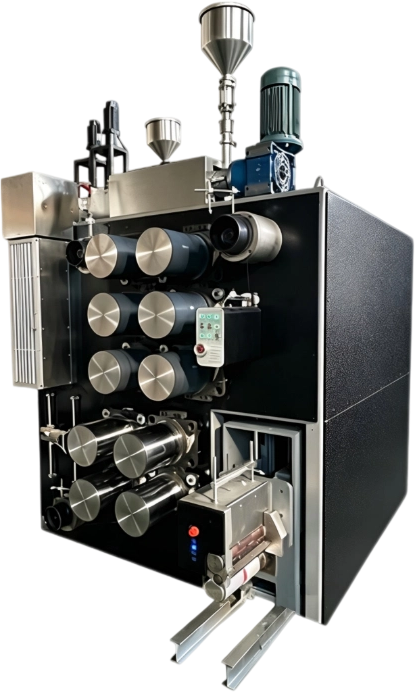
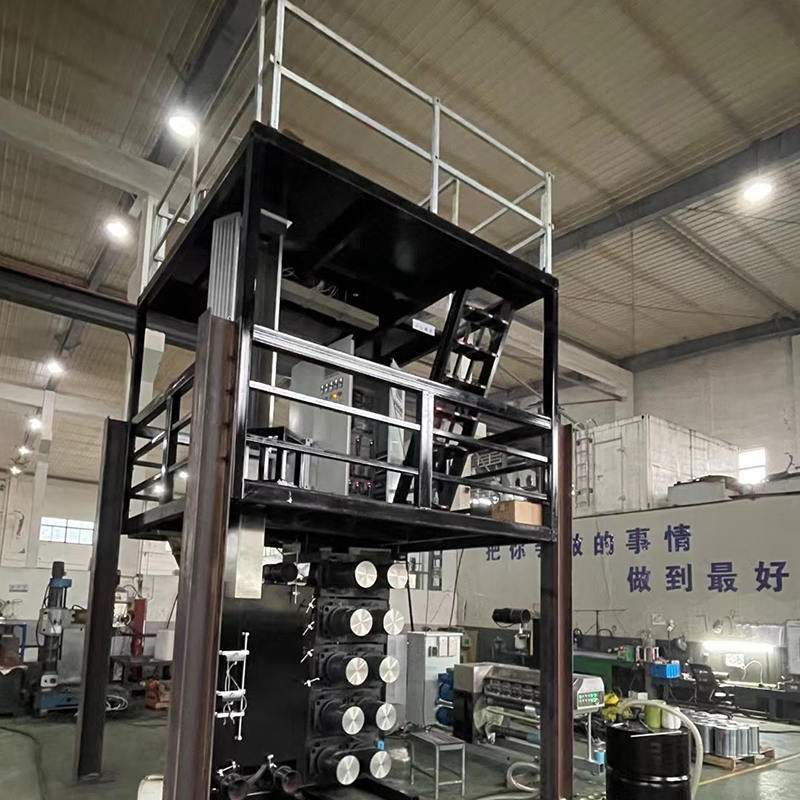
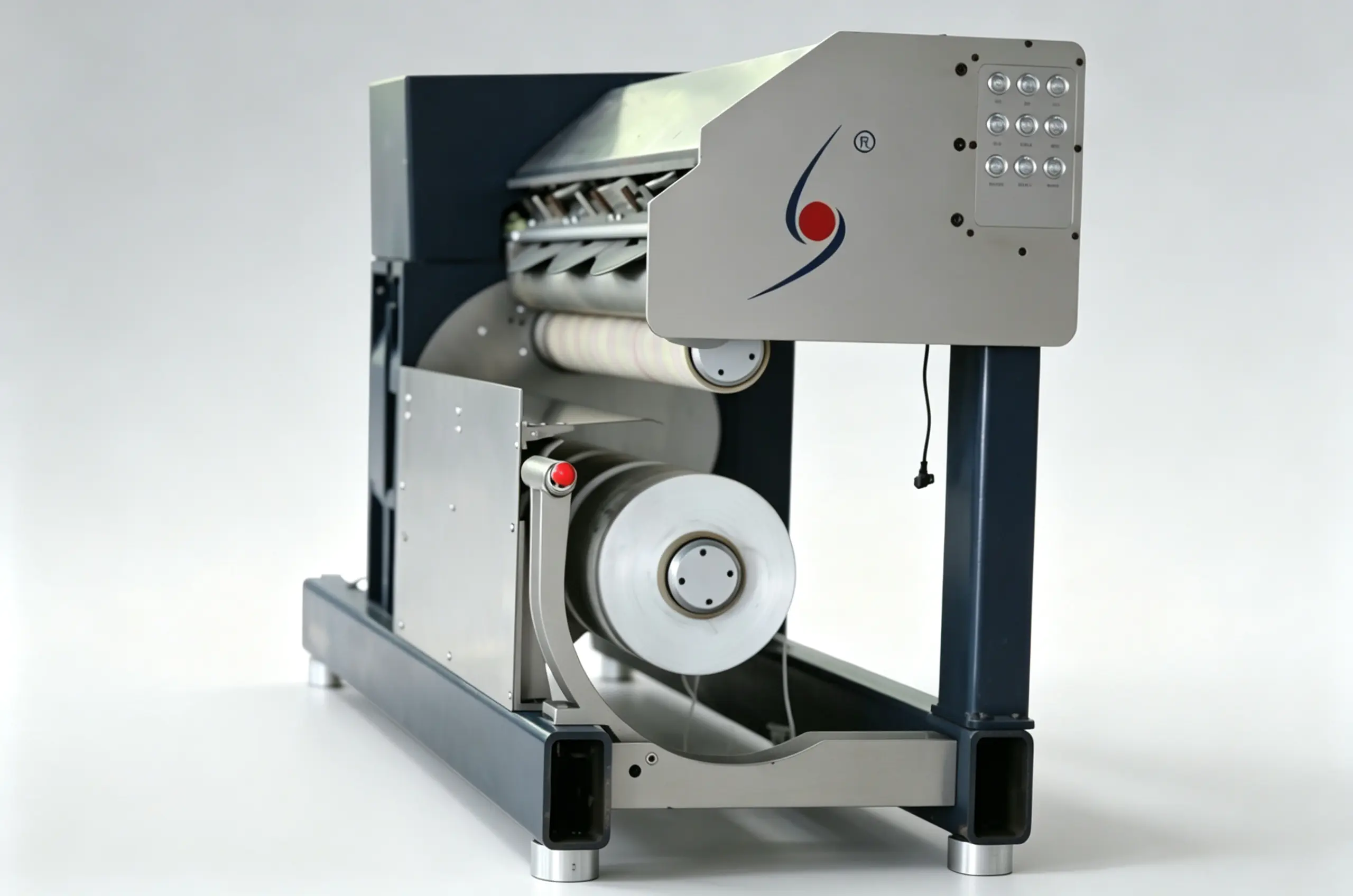
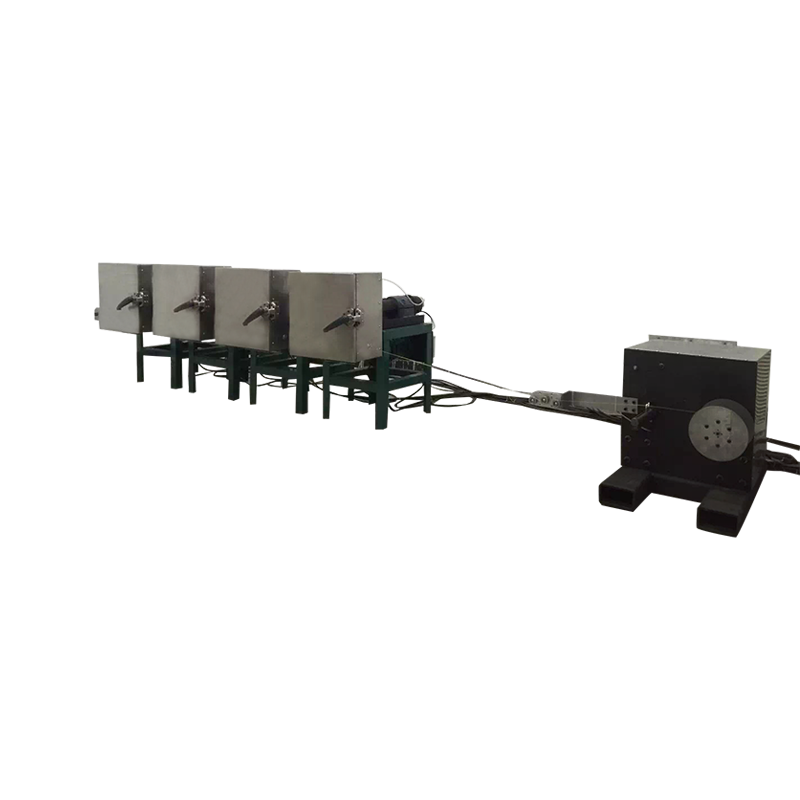
Flexibility begins with the hardware path: the spin pack, metering pump, filter, cooling system, godet rolls, finish application, interlacing nozzle, and winder. Each element should be accessible and adjustable. If a trial requires a different spinneret, a new cooling profile, or a different winding tension, the change should not turn into a full rebuild. This is where practical design experience shows. A machine that is difficult to open, clean, and adjust will slow down the very work it is meant to support.
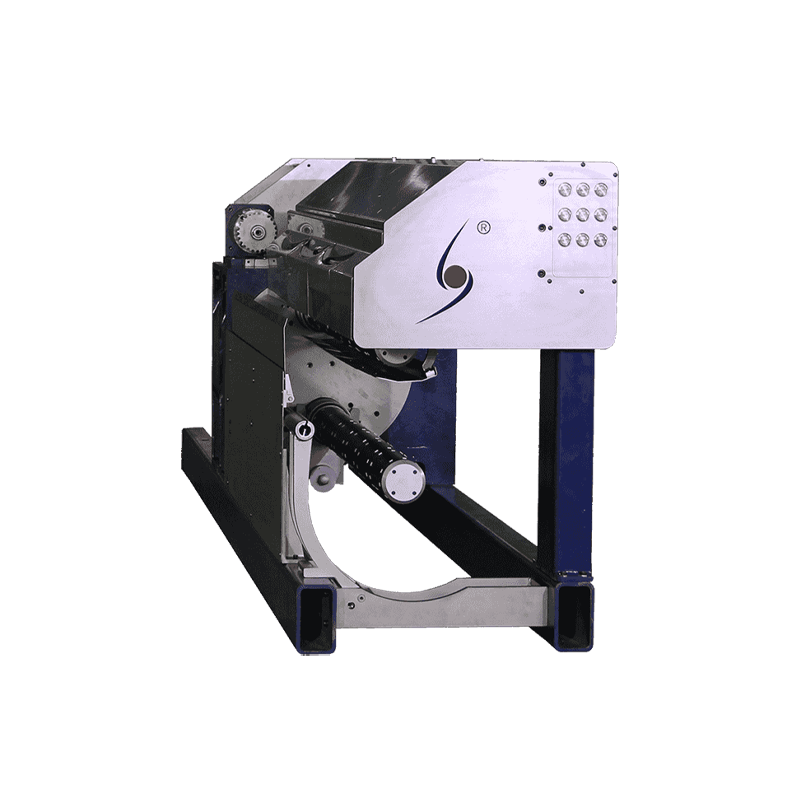
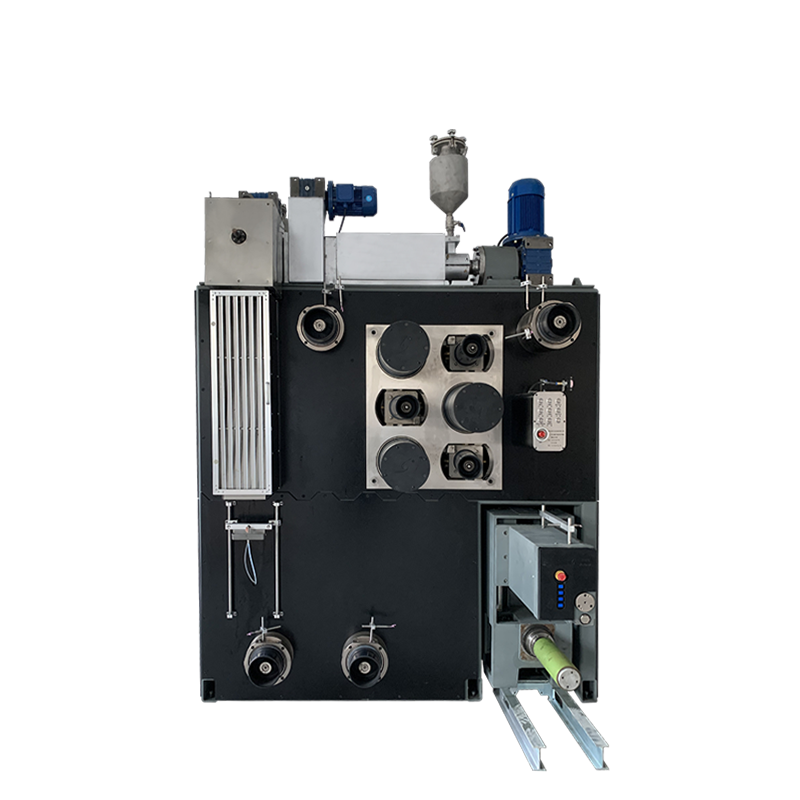 Multifunctional Flexible Pilot Spinning Machine SeriesA customizable pilot spinning platform for single-, bi-, and multi-component filament trials, supporting PET, PA, PP, POY, FDY, and related yarn development.View Product →
Depending on configuration, a multifunctional pilot machine can support a broad range of trials. That may include single-component yarn, bicomponent or multicomponent yarn, POY, FDY, medium-strength yarn, and fine-denier industrial yarn. Material flexibility matters just as much. PET, PA, PP, and other polymers each bring different melting, cooling, and winding behavior, and the machine needs enough process range to meet them without being stretched beyond its limits.
| Trial Focus | Example Configuration | What It Helps Validate |
|---|---|---|
| Single-component yarn | One polymer path, adjustable spin pack and cooling | Basic spinnability, yarn evenness, and winding stability |
| Bicomponent or multicomponent yarn | Multiple polymer feeds and a compatible spin pack | Interface behavior, component ratio, and structure development |
| POY or FDY development | Adjustable godet speeds, temperature, and finish application | Drawing behavior, orientation, and downstream process fit |
| Fine-denier industrial yarn | Precise metering, controlled cooling, and stable winding tension | Strength development, package quality, and scale-up potential |
A pilot machine is most valuable when its results can travel. That means the trial should produce more than a good-looking package. It should produce a process window, a set of stable parameters, and a clear idea of what must change for commercial production. The machine’s control system, measurement points, and mechanical repeatability all matter here.
Our SF series is built around this practical sequence. The models cover different trial needs, from compact development work to more demanding flexibility. If you are starting with a focused project, a configuration such as the SF01-338 can provide a clear entry point without adding unnecessary complexity.
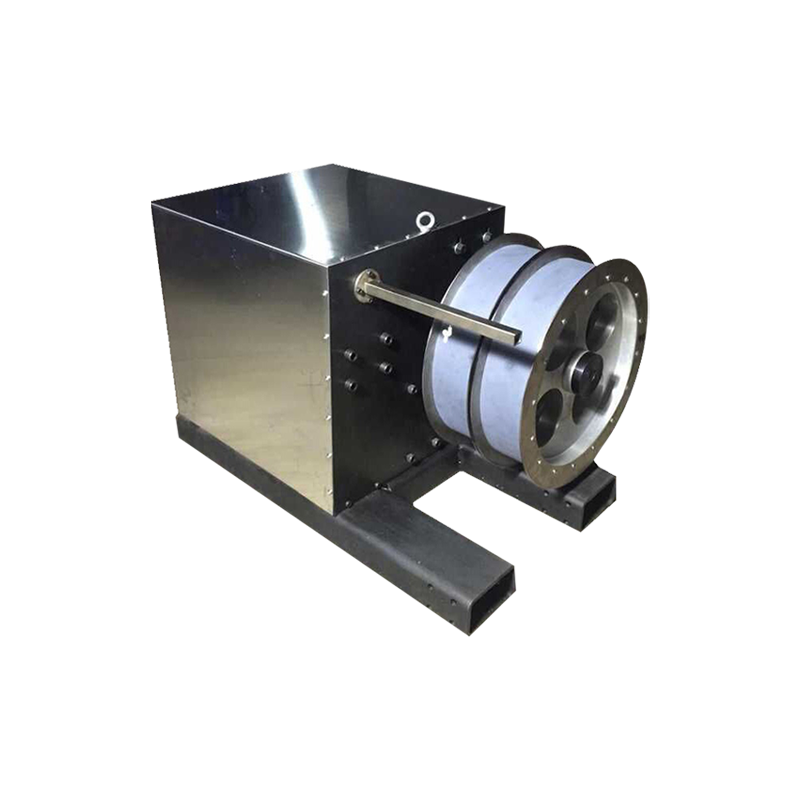
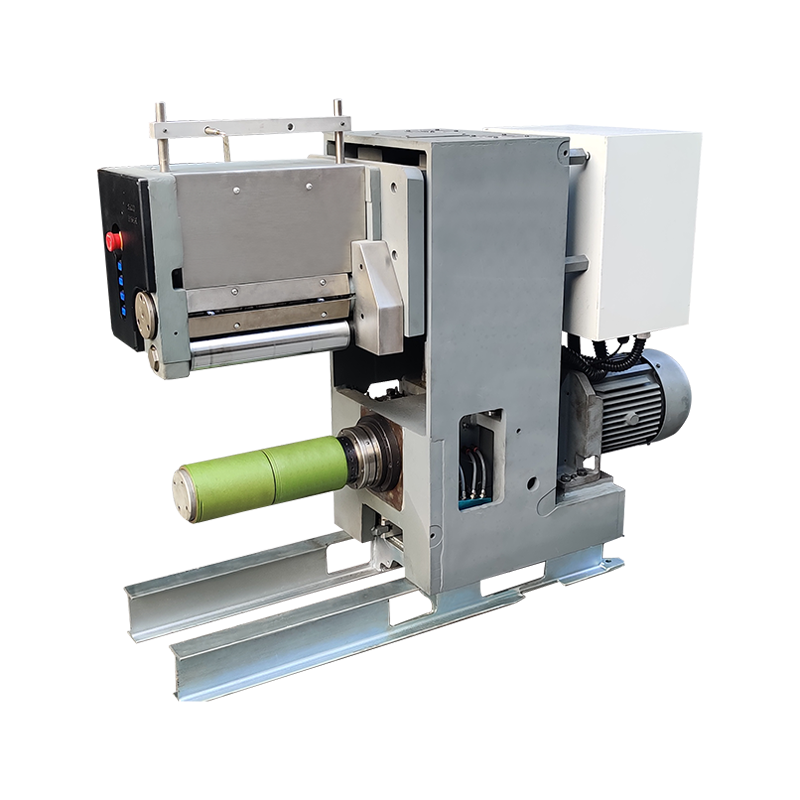 Standard Pilot Melt Spinning Machine SF-01A focused entry point for UDY, POY, MOY, and FDY trials from PET, PA6, PA66, and PP with 1–2 bobbins and 5500 m/min maximum winding.View Product →
When the process envelope grows, the machine should grow with it. That may mean more component options, a wider winding range, or a configuration that better matches your intended production route. The SF08 is one example of how the platform can be adapted for broader trial work.
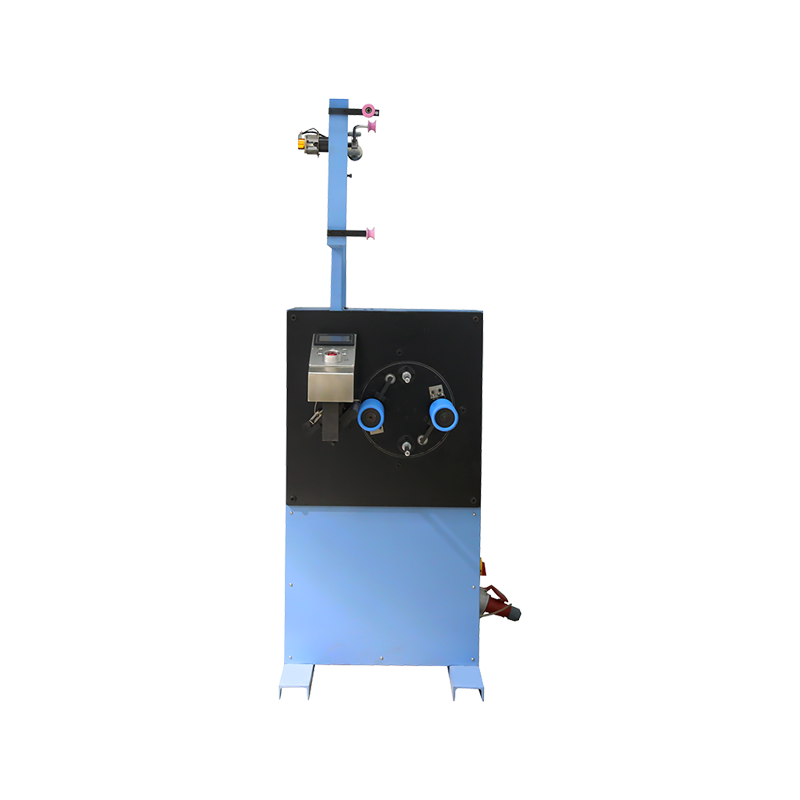
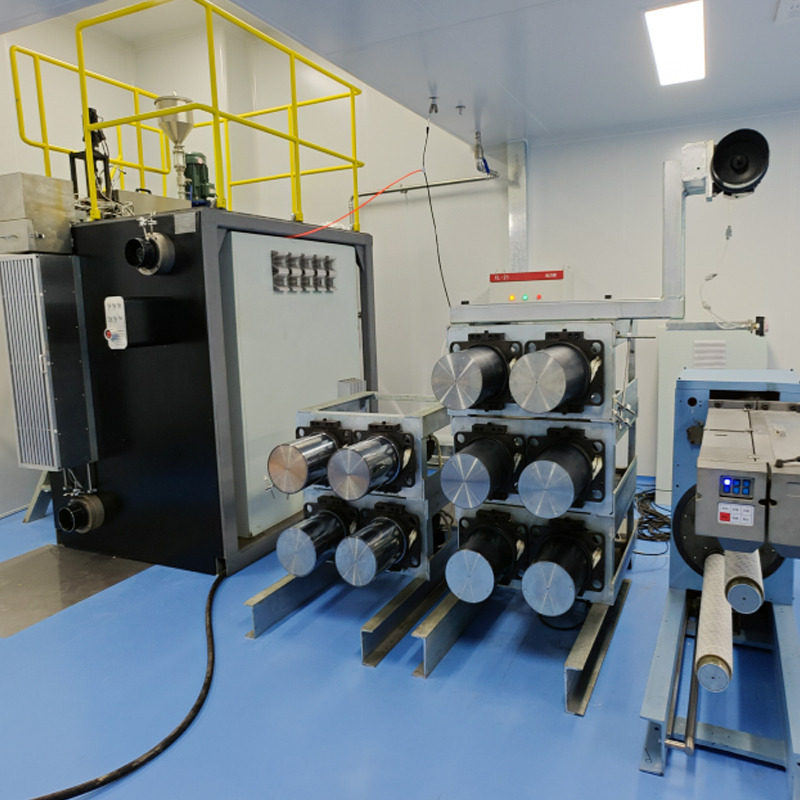 PGA Pilot Melt Spinning Machine SF-08A medical-grade PGA pilot machine that also handles PLA, PET, PA6, PA66, and PP, with FDY and flexible 1–2 or 1–4 stage drawing for scale-up.View Product →
The right choice is not always the largest configuration. It is the one that matches the materials you expect to run, the yarn types you need to sample, and the measurements your team will trust when scale-up begins.
Flexibility can become noise if the machine cannot repeat itself. That is why the less visible hardware deserves attention. Metering accuracy affects denier consistency. Temperature control around the spin pack and godets affects polymer flow and filament properties. Cooling conditions affect structure development. Winding tension affects package shape and downstream unwind behavior. If any of these elements drift, the trial report becomes a story about the machine rather than the material.
Repeatability also depends on maintenance and calibration. A pilot machine should be designed so that key components can be checked, cleaned, and replaced without long interruptions. Measurement points should be clear enough for the team to compare trials over time. In our own production and service work, we rely on precision machining, dynamic balancing, surface coating, and temperature calibration because these details decide how equipment behaves after the first exciting trial is over.
Pilot spinning equipment serves more than one kind of team. Fiber producers use it to test new recipes before committing a commercial line. Research institutes and universities use it for teaching, material studies, and project work where small batches and clear process control are essential. Yarn and fabric developers use it to create sample yarns that can be woven, knitted, and evaluated in real applications.
We also see value in cross-functional trials. A marketing team may want a new hand feel. A production team may want fewer interruptions. A quality team may want a more stable package. A pilot machine lets those questions meet on the same platform. You can review our broader application overview to see how trial spinning fits into different fiber and textile scenarios.
Buying a pilot machine is not only a specification exercise. It is a decision about how your team will work for the next several years. These are the points we encourage customers to examine closely:
A machine that looks good on a quotation sheet may still be difficult to live with in daily trial work. Ask for practical details: how the spin pack is opened, how the cooling air is adjusted, how the winder behaves at low and high speeds, and how quickly a new recipe can be loaded.
Trial work is not only about the machine. It is about the people, the samples, and the follow-up. Because we also work with spinning lines, hot godets, winding components, coatings, and repair services, we understand that a pilot project often raises questions beyond the machine itself. A new yarn may need a different surface treatment. An existing line may need a component upgrade. A trial sample may need to be evaluated in fabric form.
Our team can help you think through the practical path from a trial package to repeatable production. We can discuss configuration, trial objectives, and the service side that keeps equipment running. For projects that involve existing equipment, our technology service team can review upgrade and maintenance needs alongside the pilot work.
If you are exploring a new fiber idea, the most useful first step is usually a clear trial brief: what material, what yarn type, what sample size, and what question you need answered. From there, a multifunctional flexible pilot spinning machine becomes more than equipment. It becomes a working space for better decisions.

ADDRESS: No.1298, Zhouan Road, Economic and Technological Development District, Jiaxing City, Zhejiang Province
PHONE: +86 19057031687
TEL: 86-0573-83777752
EMAIL: [email protected]