English
 عربى
 русский
 简体中文







2026-11-27
Home / News / Industry News / W Practical Automatic & Manual Take-Up Winders: Selection, Operation, Support

Take-up winders sit at the end of the spinning line, but they shape much of what the customer sees: package quality, changeover rhythm, operator workload, and how smoothly the line runs shift after shift. When teams compare automatic and manual take-up winders, the useful question is not which one is “better” in general. It is which winding approach fits the yarn, the batch pattern, the available labor, and the maintenance culture around the line.
At Jiaxing Shengbang Mechanical Equipment, we work with spinning lines, pilot machines, hot godets, winders, and the small parts that keep existing equipment running. That practical view makes one point clear: automatic and manual winders can both make good packages. The difference is how they handle doffing, repeatability, flexibility, and the daily cost of attention.
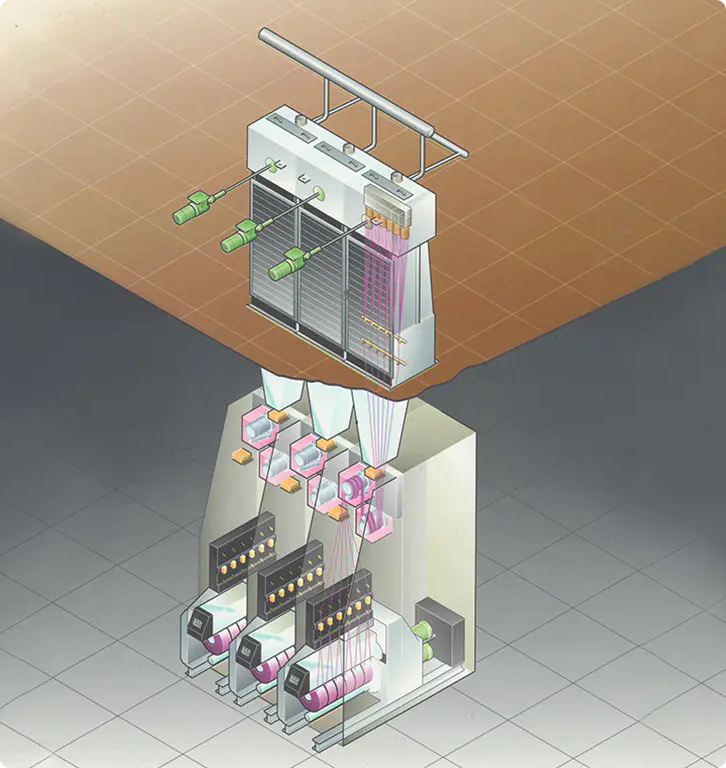
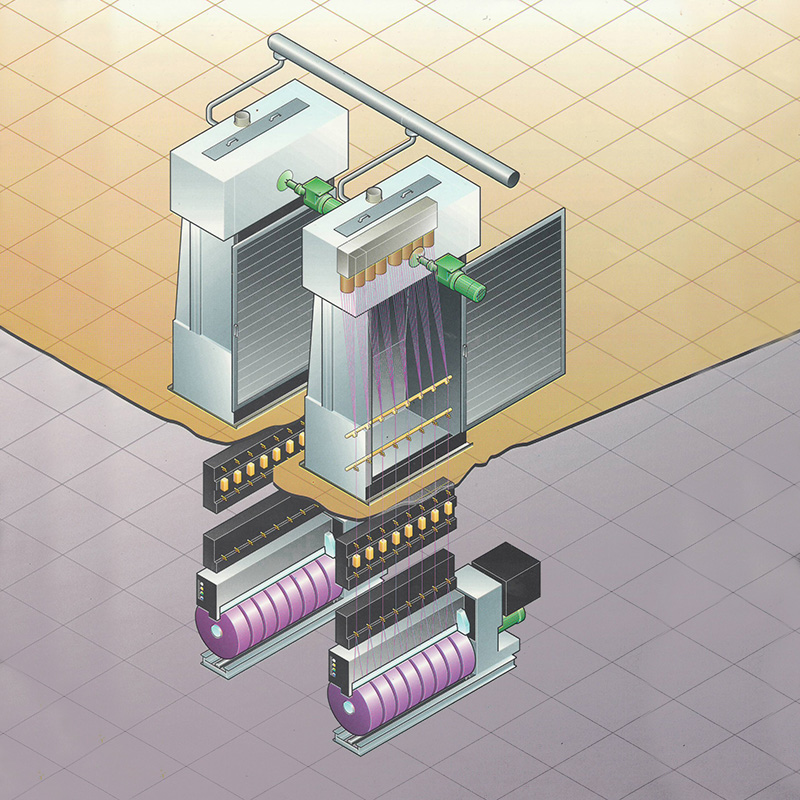
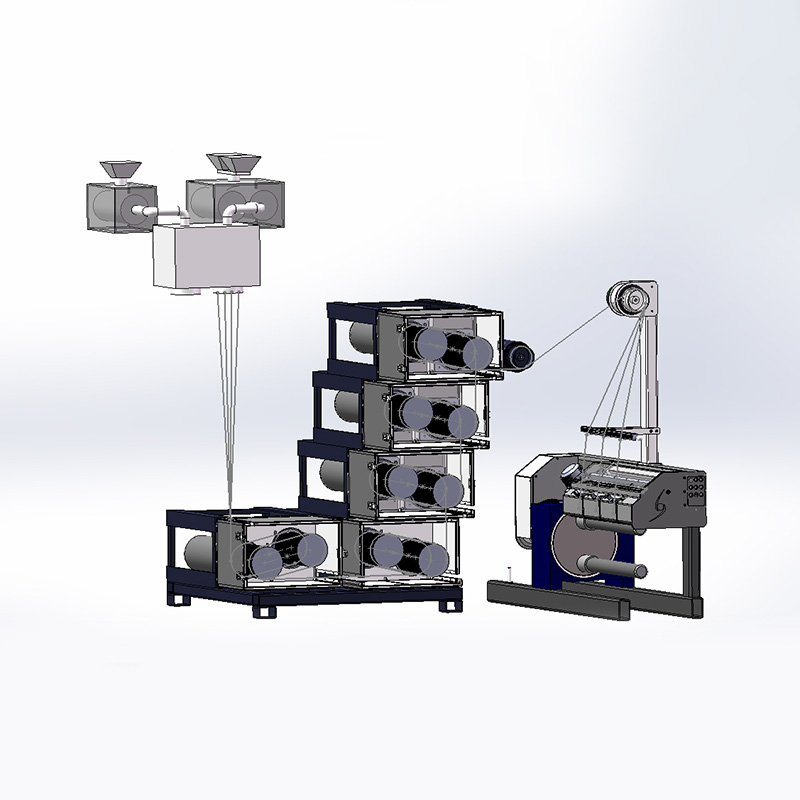
Every take-up winder performs the same basic job: it pulls yarn at controlled tension, guides it onto a package, and builds a stable package shape. The winder must manage the yarn path, package build, tube seating, contact pressure, and doffing without introducing damage or inconsistency.
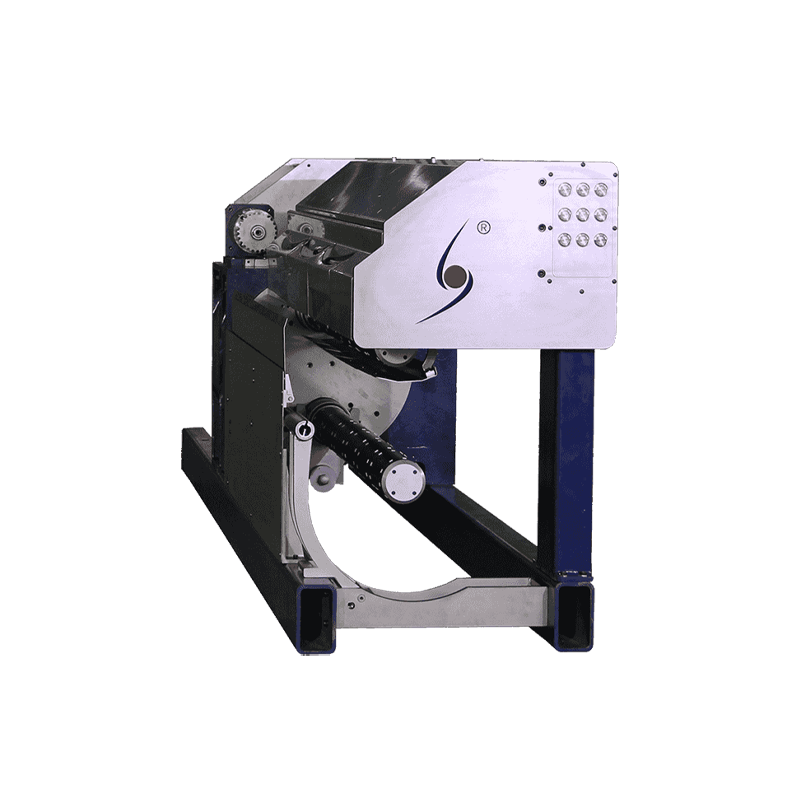
On a manual winder, the operator plays a direct role in doffing and restart. When a package reaches its set length or weight, the operator stops or transfers the yarn, removes the full package, fits a new tube, and restarts the winding sequence. That manual involvement is not automatically a weakness. On short runs, specialty products, or pilot lines, an experienced operator can watch package formation closely and make adjustments quickly.
On an automatic winder, the doffing and transfer sequence is handled by the machine. The winder coordinates package completion, tube exchange, yarn transfer, and restart with less operator intervention. That can reduce repeated manual handling and make the winding rhythm more consistent across shifts. It also places more importance on setup, sensing, and preventive maintenance, because the machine sequence must be reliable every cycle.
The choice usually comes down to batch structure and labor reality. A manual winder rewards flexibility and simple intervention. An automatic winder rewards repetition and steady output. In many plants, both approaches coexist: automatic winders on mainstream production, manual or semi-automatic winding on pilot lines, sample runs, or specialty products.
| Decision area | Manual take-up winder | Automatic take-up winder |
|---|---|---|
| Doffing | Operator removes the package and restarts | Machine sequences doffing and restart |
| Labor pattern | Higher attention at each doff | More attention to setup and checks |
| Package consistency | Depends on operator rhythm | Built around a repeatable cycle |
| Product changes | Quick to adjust manually | Requires disciplined setup |
| Maintenance focus | Guides, chucks, and simple mechanics | Sensors, transfer, and sequence reliability |
| Best fit | Pilot runs, specialty batches, older lines | Long campaigns and mainstream output |
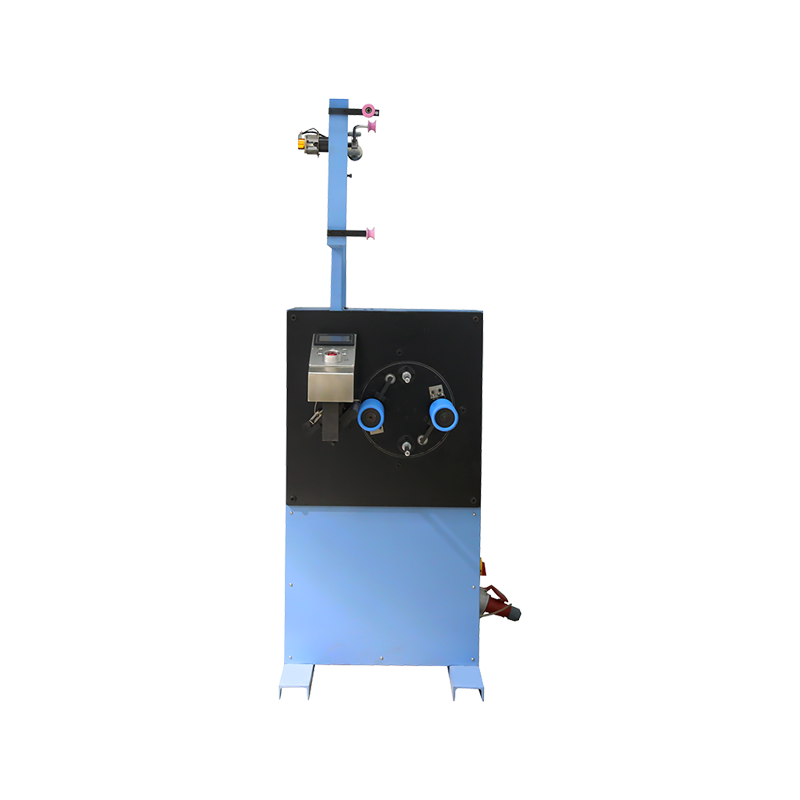
For mills moving toward automatic doffing on smaller or lower-speed lines, a low-speed high-performance autoswitch winder can be a practical bridge. It brings automatic package switching into a format that suits flexible production without demanding a full high-speed line rebuild.
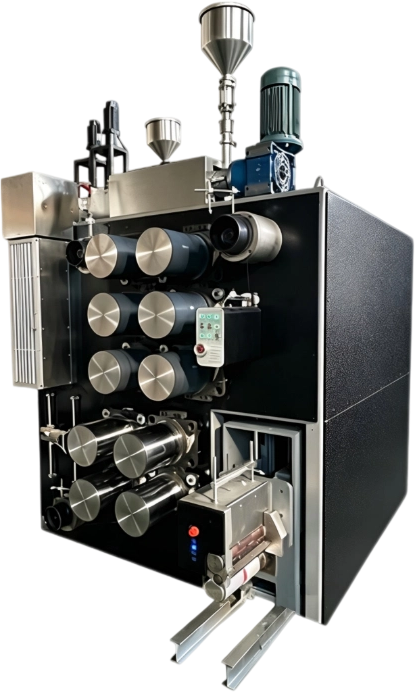
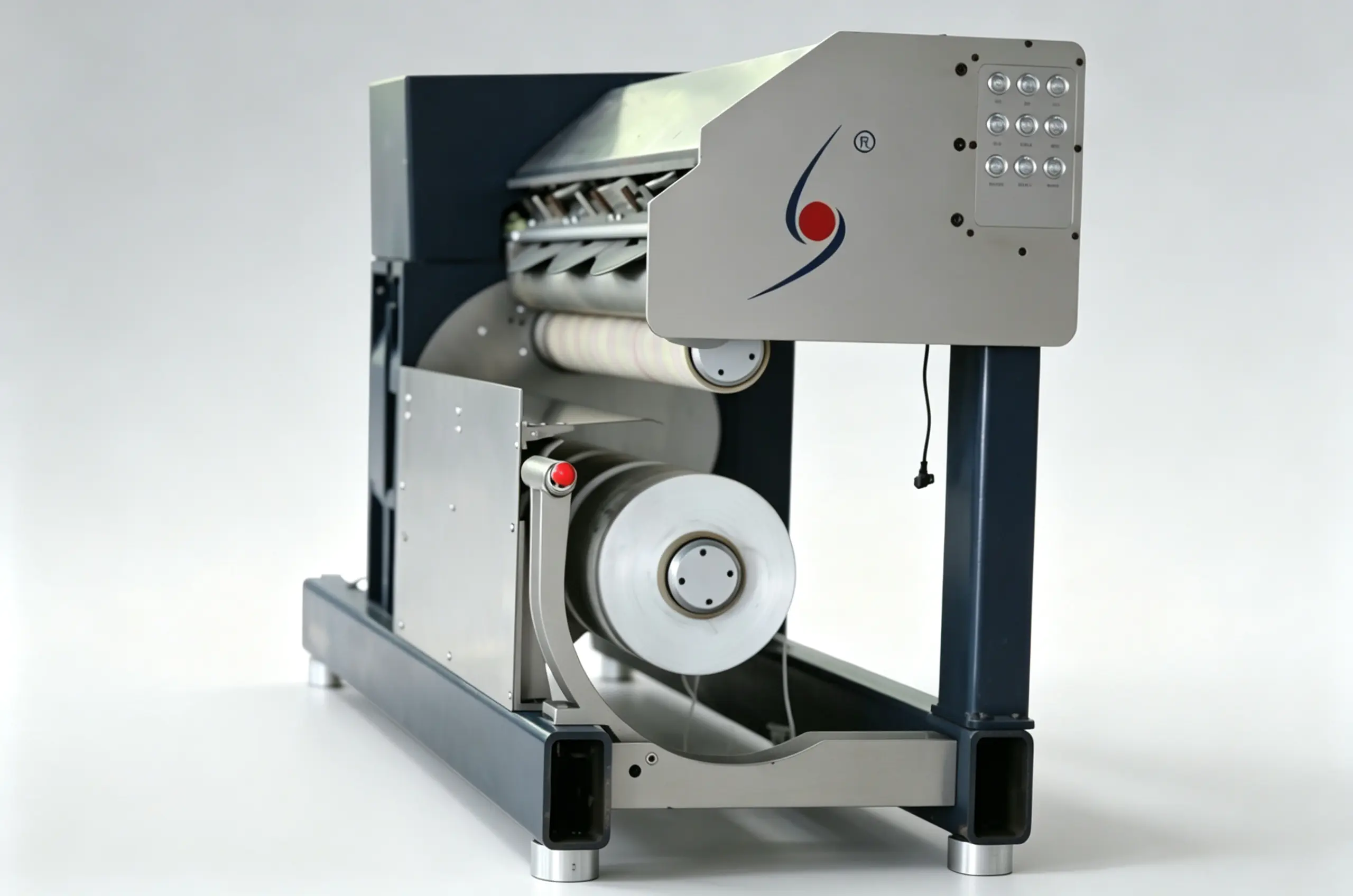
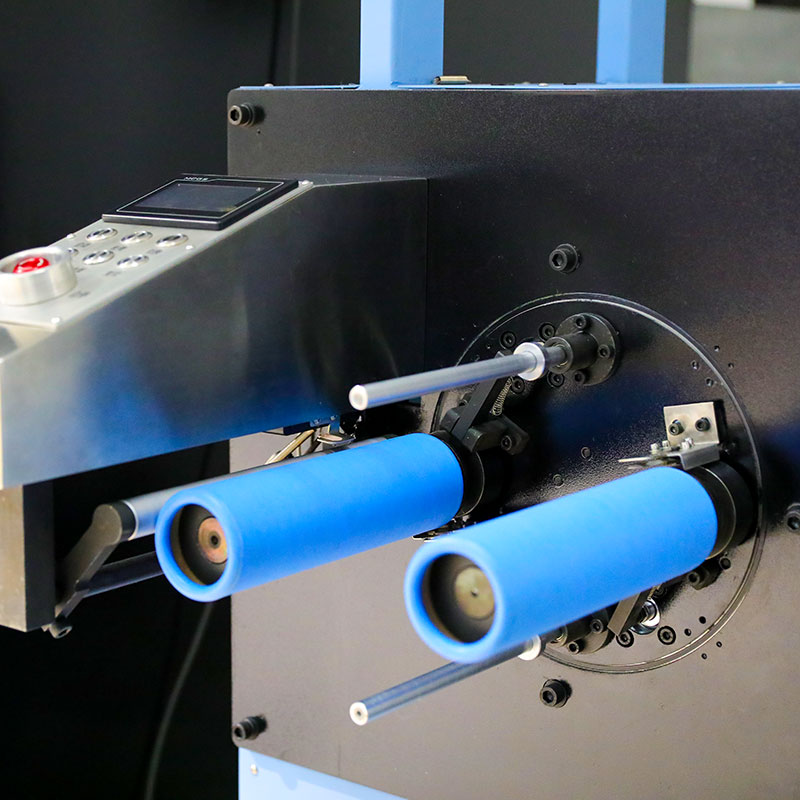 SDJR-2401 Low-Speed Auto-Switch Winder for High-Strength FibersSuited to flexible lower-speed high-strength fiber lines, this winder offers automatic package switching, tension regulation, and single or twin chucks.View Product →
That said, automation should follow the product mix. If a line changes yarn count, package size, or style frequently, the setup discipline around an automatic winder matters as much as the winder itself.
Manual winding remains a sensible choice when the work is varied rather than repetitive. Pilot spinning, sample development, small specialty batches, and research projects often need quick changes and close observation. An operator can inspect package formation, adjust the yarn path, and respond to a new polymer or finish without waiting for an automatic sequence to be reconfigured.
Manual winders can also be easier to integrate into an older line where space, controls, or package handling are constrained. They ask more of the operator, but they ask less of the control system. For a plant with experienced winder operators and a product mix that changes often, that trade-off can be entirely rational.
The key is not to treat manual winding as a temporary compromise. It should be selected with the same attention to guide condition, tension control, chuck accuracy, and package build as an automatic solution. A manual winder with poor guides or worn chucks will still make poor packages; the operator cannot correct every mechanical weakness.
Automatic take-up winders earn their place when the line runs long, repeatable campaigns and package handling is a major part of the shift. In POY, FDY, HOY, and industrial yarn production, consistent doffing and restart help protect package quality and reduce the physical demands on operators. The winder becomes part of the production rhythm rather than a task that interrupts it.
For high-speed lines, an automatic winder also helps protect the yarn path during transfer. The less manual handling around a running package, the lower the risk of guide disturbance, tension spikes, or tube seating problems. This is why automatic winding is often paired with stable spinning conditions, clear package specifications, and a disciplined preventive maintenance schedule.
Our superspeed winder is aimed at lines where package consistency and winding continuity matter, while our low-speed autoswitch model supports mills that want automatic switching without moving straight to the highest line speeds.
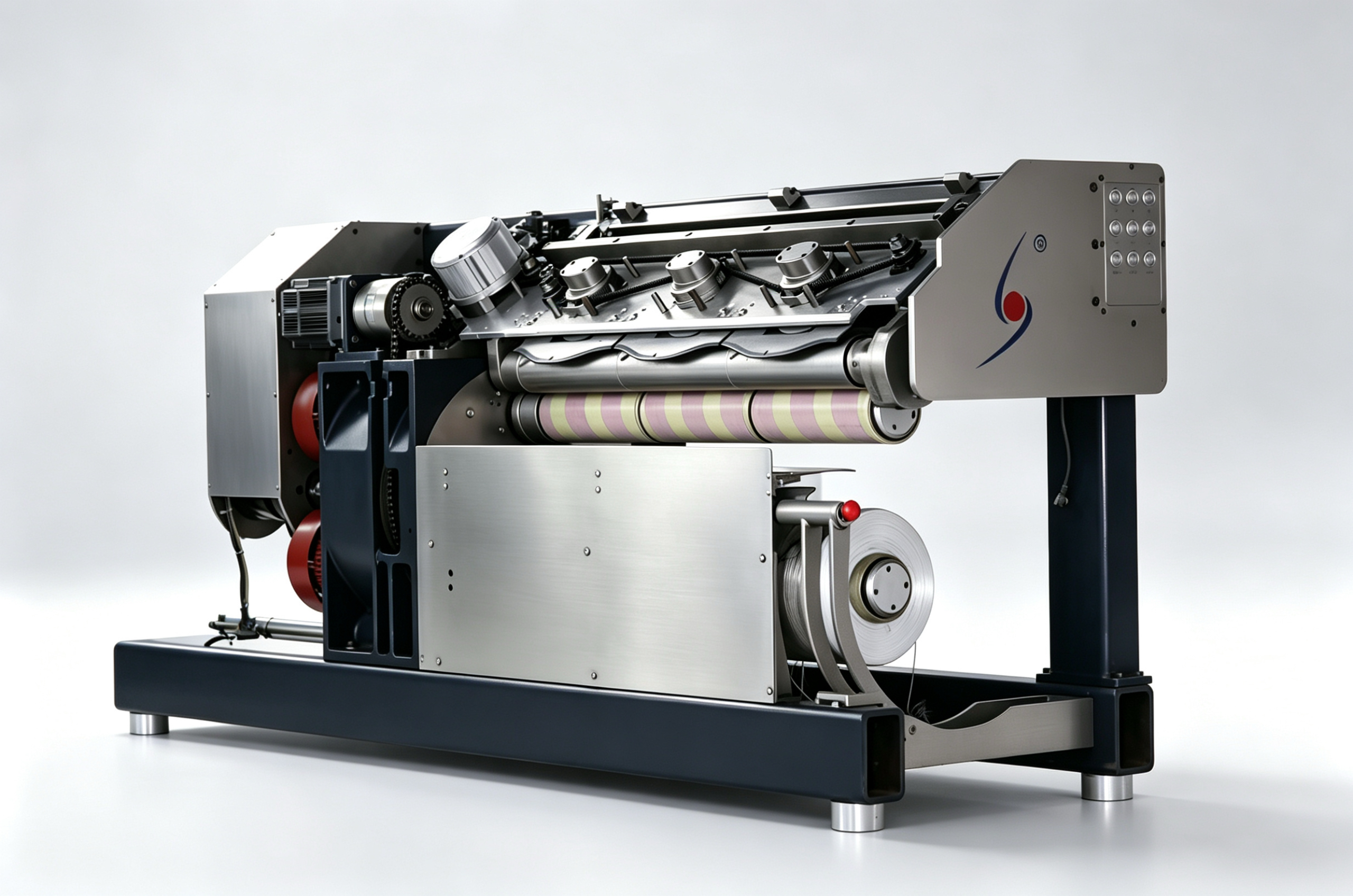 Shengbang High-Speed Take-Up Winder for Polyester and Nylon FilamentFor POY, FDY, and industrial yarn lines, this winder supports consistent packages, reliable automatic doffing, and high-speed production up to 7000 m/min.View Product →
Automatic winding is not a substitute for good spinning. It amplifies good practice and also amplifies weak points. If the yarn path, finish application, or godet temperature is unstable, an automatic winder will simply repeat that instability more consistently.
A winder selection should start with the package and work backward. The tube, package weight, package diameter, yarn denier, and downstream handling all influence the winding head, chuck, contact roll, and guide arrangement. The line speed and the number of positions then shape the doffing rhythm and the level of automation that makes sense.
It also helps to look beyond the winder head. The yarn path before the winder, the condition of the godets, and the stability of finish application all affect how well any winder performs. A careful selection conversation should include those upstream details.
Most winding problems show up as package defects, but they begin in ordinary wear parts. Worn guide plates, tired tension blocks, contaminated bearings, poor chuck sleeves, or a sticky shift fork can disturb the yarn path long before the operator sees a visible package fault. With automatic winders, those small faults can interrupt a whole doffing sequence.
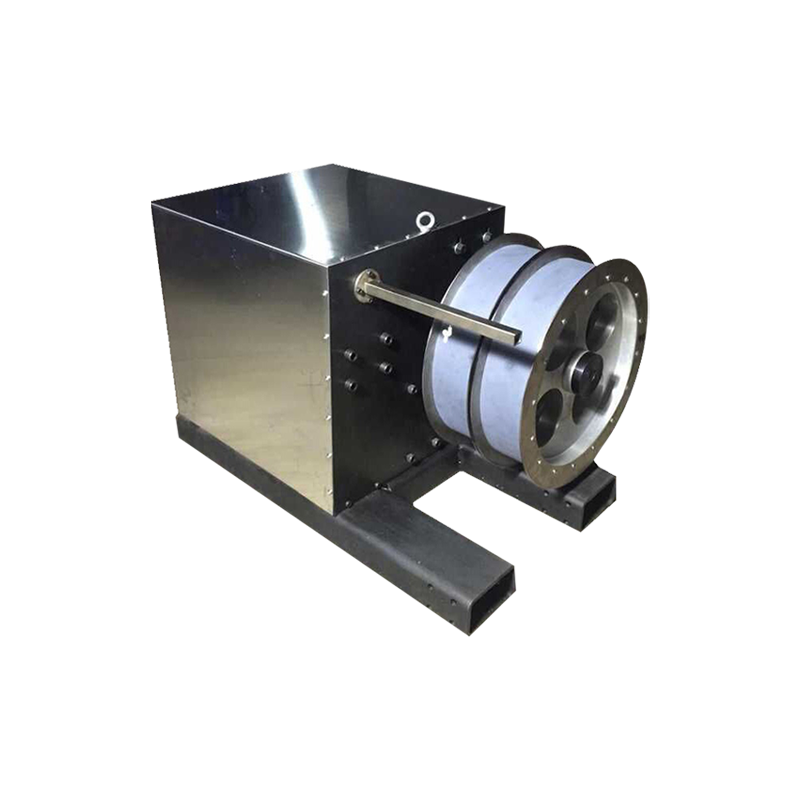
This is where a practical spare-parts and repair plan matters. We support winder and spinning-line maintenance across contact rolls, separator rolls, hot godets, chucks, motors, coils, shift forks, shift fork gearboxes, circuit boards, valve banks, spin finish pumps, and metering pumps. For components exposed to yarn contact and heat, spray coating and surface attention can also be part of the upkeep plan.
For manual winders, maintenance is often about protecting the operator’s ability to make good decisions: clear guides, reliable tension, and easy doffing. For automatic winders, maintenance is about protecting the machine’s sequence: sensors, chuck condition, transfer reliability, and consistent package build. The parts may overlap, but the consequences of neglect differ.
The most useful winder conversation is concrete. It includes samples, package drawings, line layout, batch sizes, shift staffing, and the maintenance history of existing equipment. It also includes an honest view of what the plant wants automation to solve. If the goal is fewer manual doffs, automatic winding may be the answer. If the goal is faster product development, a flexible manual or pilot setup may serve better.
At Jiaxing Shengbang, we would rather help a mill choose the winding approach that fits than push a specification that looks impressive on paper. That means looking at the winder together with the spinning line, the hot godets, the parts inventory, and the service plan. Automatic and manual take-up winders are both part of the same production story; the right choice is the one that keeps packages stable, operators supported, and maintenance predictable.

ADDRESS: No.1298, Zhouan Road, Economic and Technological Development District, Jiaxing City, Zhejiang Province
PHONE: +86 19057031687
TEL: 86-0573-83777752
EMAIL: [email protected]