English
 عربى
 русский
 简体中文







2026-11-27
Home / News / Industry News / New & Used Spinning Machines: A Practical Guide to Choosing and Maintaining Them

Every week or so, a customer calls us with a version of the same question: should we buy new spinning machines, or go looking for good used ones? It is never a simple answer, and anyone who gives you one without first asking about your yarn, your budget and your maintenance team is selling rather than advising. After years of building pilot spinning lines, manufacturing godets and winders, supplying parts for Barmag, TMT and Chinese-made machines, and repairing equipment that has been running for more than two decades, we have come to see new and used as two doors into the same room.
What follows is roughly how we talk it through with a customer — the trade-offs, the checks worth doing, and the small components that quietly decide whether a line earns money or eats it.
A new machine buys you certainty. You know the configuration, you know the documentation, you know who to call when something misbehaves, and you can usually build in the flexibility you will want two or three years from now. What you pay for that certainty is capital and time: a fully specified spinning line is a project, not a purchase, and the lead time is measured in months.
A used machine buys you speed and price. If a competitor is retiring a winder line that produced exactly the yarn you make, you can sometimes be running within weeks at a fraction of the cost. What you give up is certainty, and the risk is not evenly distributed — it hides in chucks, godets, gearboxes and control boards rather than in the frame and the cabinet.
Here is the part people underestimate: both routes end up needing the same things. Godets that hold temperature, winders that hold tension, guide plates that do not wear a groove in three months, and someone who can supply a bearing or a shift fork without a six-week wait. The purchase decision matters far less than what happens in year three.
When customers ask us to help specify new equipment, the first document we look at is not a machine catalogue — it is their product plan. Polymer type, denier range, filament count, POY versus FDY versus HOY, and whether industrial yarn is on the roadmap all determine the machine far more than the headline take-up speed does.
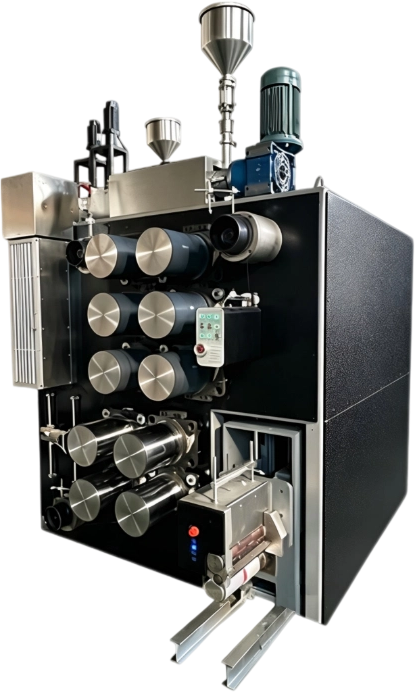
For companies still developing products, a multifunctional flexible pilot spinning machine is often the smarter first step. It lets you run single-component, bi-component and multi-component trials, POY, FDY, medium-strength and fine-denier industrial yarn, on a footprint and budget that a full production line cannot match. You learn what your yarn actually needs before you commit to a line that assumes it.
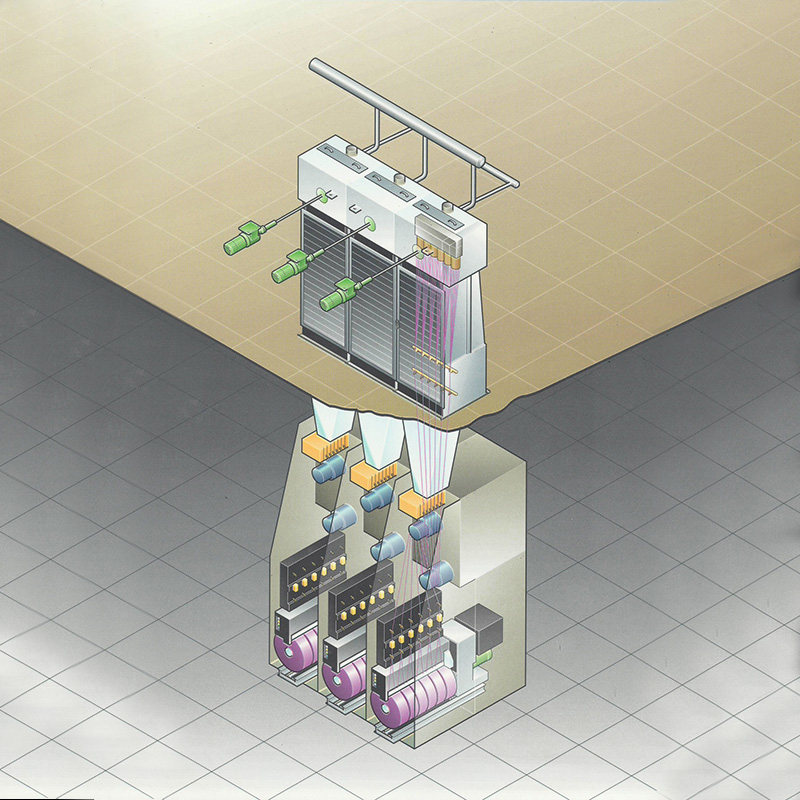
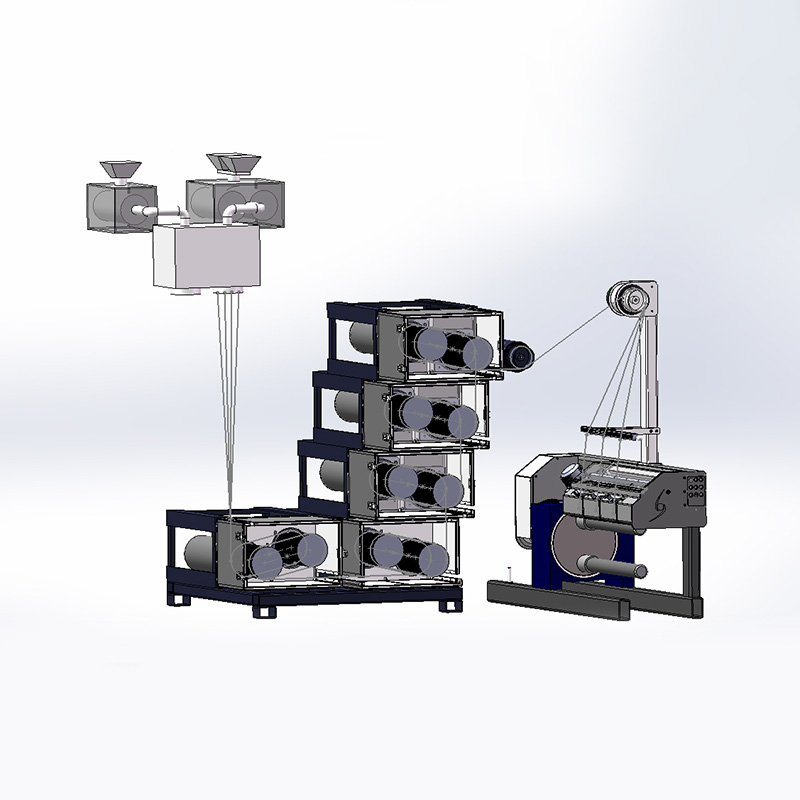
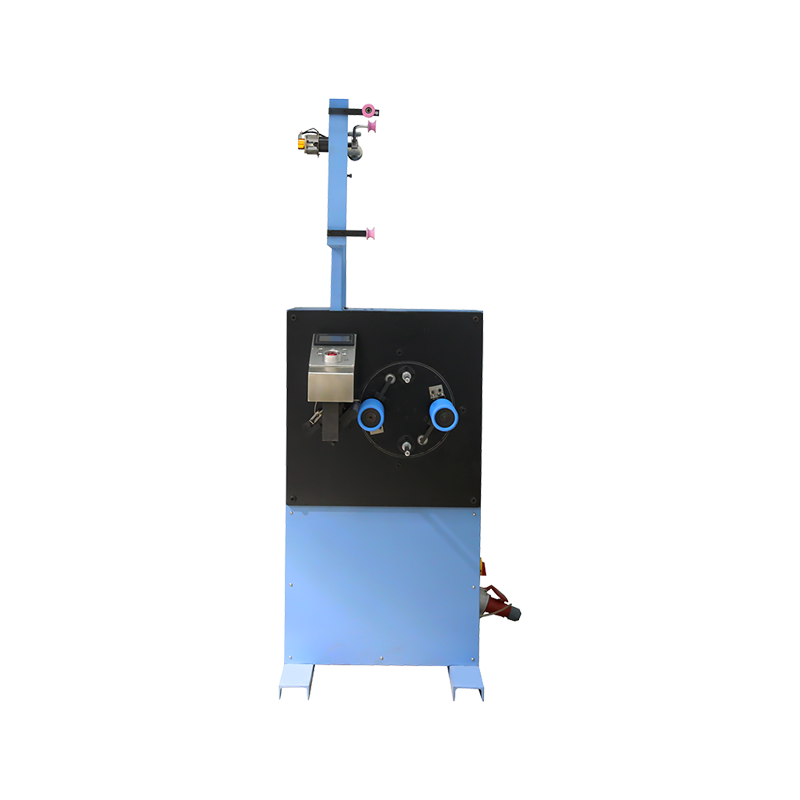
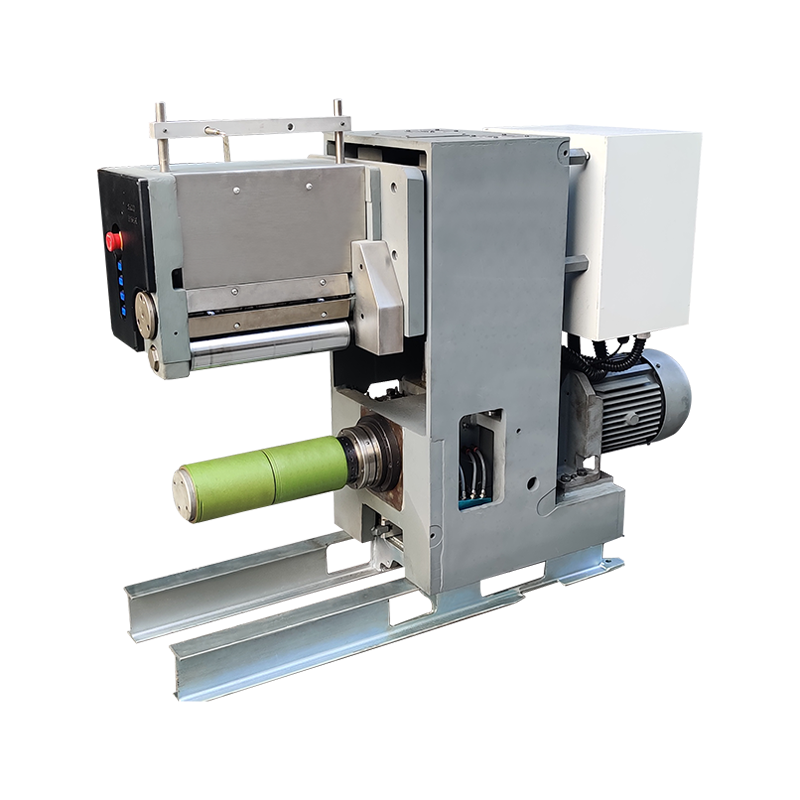 SF-01 Standard Pilot Melt Spinning MachineSupports PET, PA and PP pilot trials across UDY, POY, MOY and FDY, giving flexible small-batch testing before a full production line commitment.View Product →
For customers who already know exactly what they are producing, the conversation shifts to throughput and stability: godet temperature uniformity, the winding concept, the quench arrangement and how easily the machine can be upgraded later. Ask any supplier for three things before signing — a clear mechanical specification, calibration records for the godets, and a realistic spare parts list for the first two years. If a supplier cannot produce that list, they have not thought about your uptime.
Used equipment rewards patience. Before anything is dismantled, ask why the machine is being sold, what it produced, and how many hours it ran. A winder that spent its life on fine denier at moderate speed is usually a better bet than one pushed hard on industrial yarn, even if the second machine looks cleaner.
Then inspect in a fixed order. Start mechanically: chuck runout, chuck base wear, lock ring condition, shift fork and gearbox play, contact roll surfaces, separator roll bearings. Move to the thermal side: godet heating, temperature stability, insulation and wiring. Finish with electrics and controls, because circuit boards, EPR units and valve banks are where used purchases most often turn expensive — not because they fail often, but because they can be slow and awkward to source.
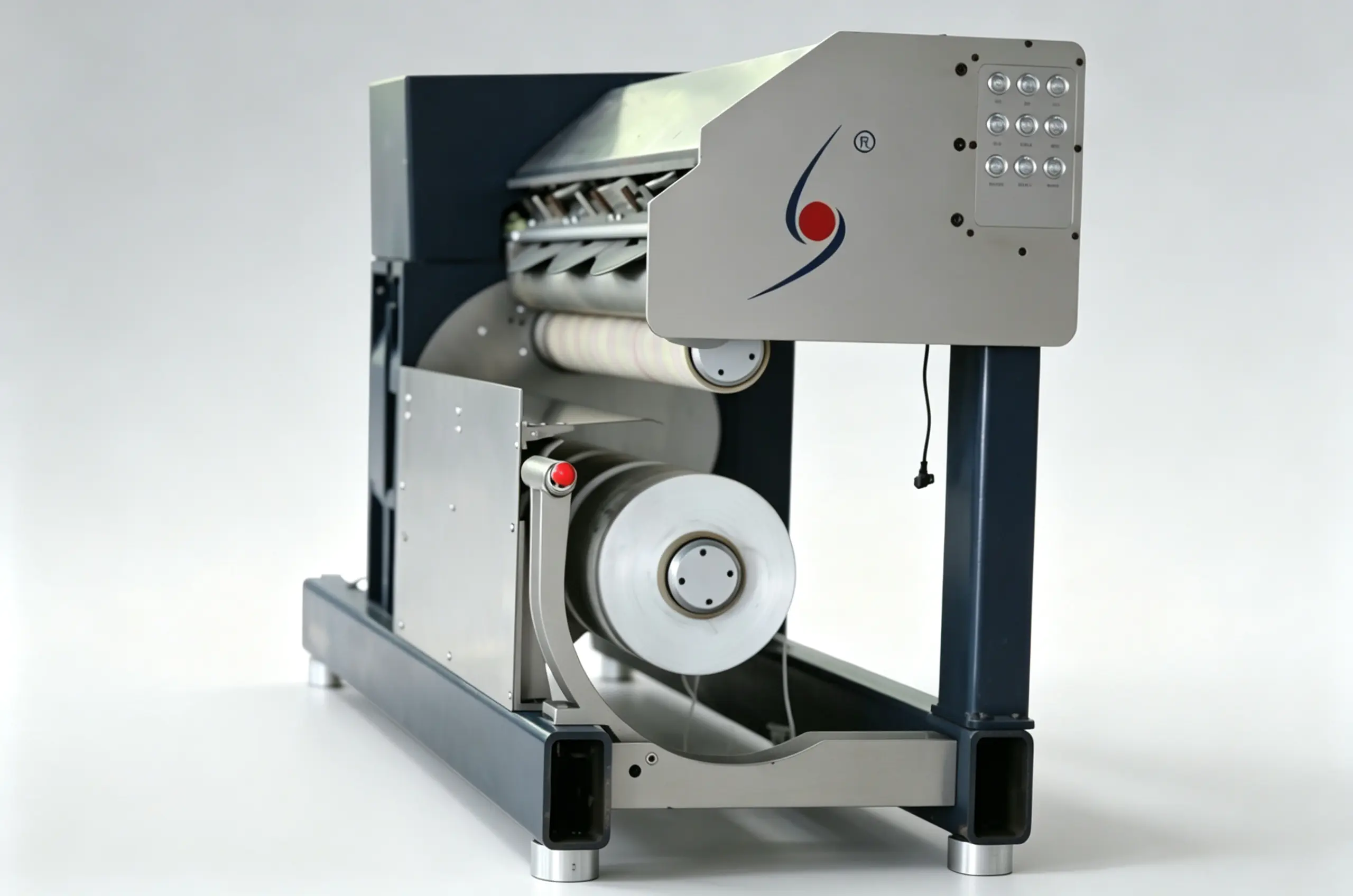
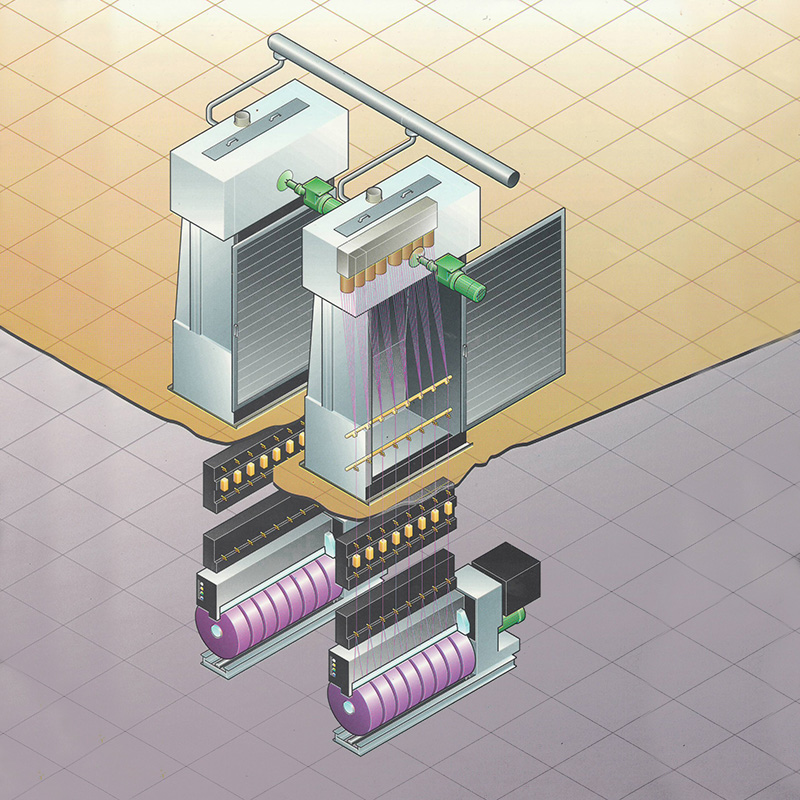
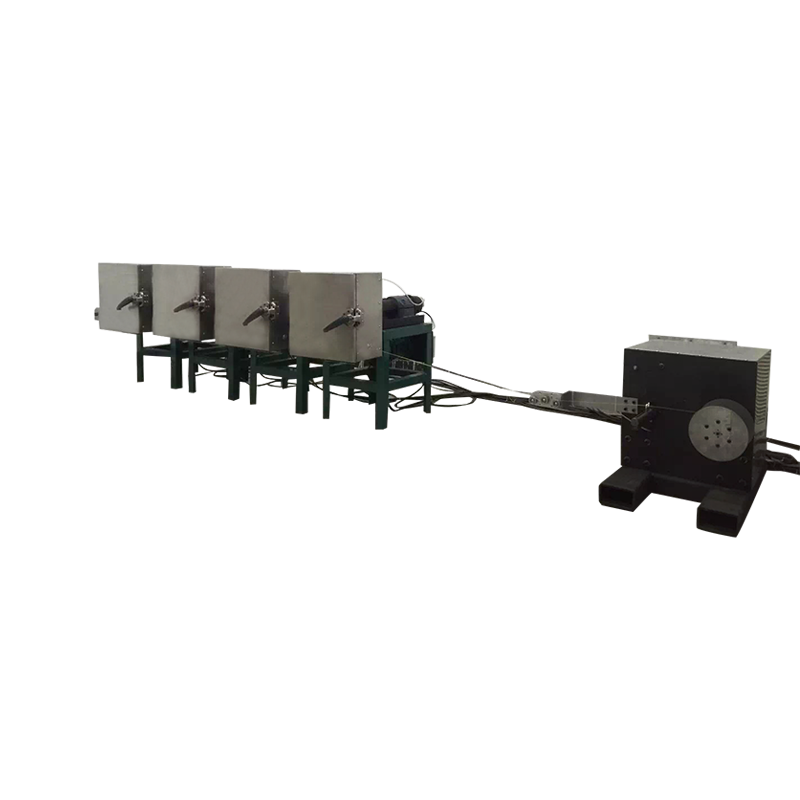
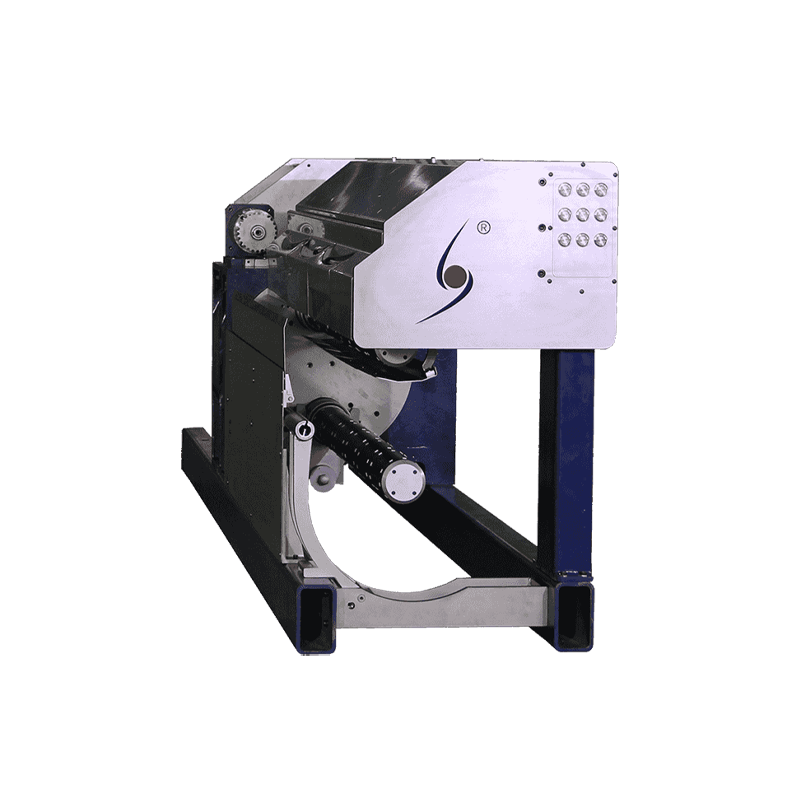
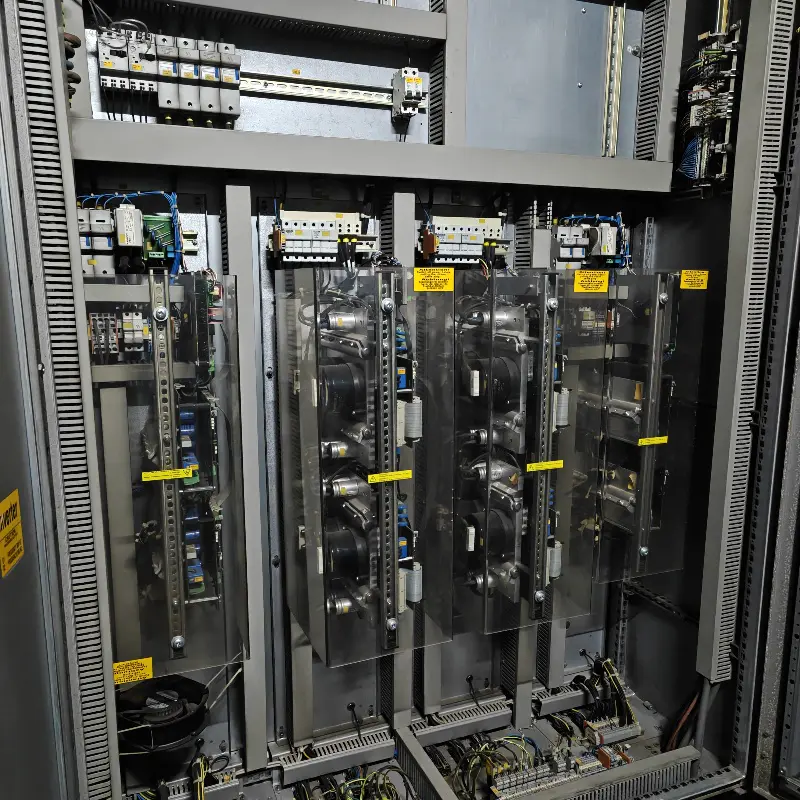 Used Barmag ACW FDY Spinning EquipmentSecond-hand Barmag ACW spinning equipment and FDY line accessories, with reconditioning, repair and turnkey support for buyers assessing used machinery.View Product →
It also helps to read around the subject before you travel to see a machine. Our own note on investing in used spinning equipment covers the commercial side of the same checklist, and it is worth twenty minutes before a site visit. The honest summary is this: a used machine is not cheap because it is worn out, it is cheap until the first surprise. Inspection is how you move the surprises forward in time, to the point where you can still negotiate.
| Consideration | New spinning machines | Used spinning machines |
|---|---|---|
| Capital outlay | Highest, but predictable and financeable | Lower, often substantially so |
| Time to production | Months, depending on configuration | Weeks, if the machine is local and complete |
| Condition certainty | Documented, with warranty | Depends entirely on inspection quality |
| Spare parts availability | Catalogue parts, standard lead times | May need obsolete or custom-made parts |
| Flexibility for new products | Specified to your future yarn plan | Limited to the original design intent |
| Typical fit | New products, capacity growth, long horizons | Proven products, fast capacity, tight budgets |
Whether a machine is new or twenty years old, uptime lives in the same short list of components. Hot godet bearings and contact roll bearings set the rhythm of unplanned stops. Conical lock rings and shift forks decide whether a package change is clean or scrappy. Yarn guide plates, guide rods and interlacing nozzles determine how consistent the yarn looks at the end of the line, long after everyone has stopped blaming the machine.
Because we supply across three machine families — Barmag-type, TMT-type and Chinese-built machines from Beijing Zhongli and Jwell among others — we see the same pattern everywhere. Plants that keep a modest shelf of critical spares lose hours. Plants that order reactively lose days, and occasionally a customer order.
None of these is glamorous. All of them are cheaper than a stopped line.
There is a third option that customers sometimes forget: keep the machine you have and improve it. On many lines, a targeted upgrade delivers most of the benefit of replacement for a fraction of the cost — chuck motor and fan upgrades, a new air quench chamber, nozzle changes, winder and shift fork improvements, or godet control technology that removes the winding frame from the equation. Our equipment upgrading work exists precisely because replacement is not always the best answer.
Repair deserves the same respect. A hot godet with a drifting temperature profile, a motor with vibration, a chuck that no longer releases cleanly, a shift fork gearbox that has developed backlash — these are all recoverable, usually faster than a new unit can be delivered. We calibrate godets with an original Barmag temperature calibration instrument and balance rotating parts on a SCHENCK dynamic balancing machine, which is the difference between a repair that lasts and one that merely restarts.
Surface condition matters too. Spray coating on filament guides, yarn guide plates, godets and separator rolls can extend the life of parts that would otherwise be replaced on a fixed cycle. It is a small investment with an unusually clear payback on high-contact positions.
The equipment question is really a product question in disguise. POY, FDY, HOY and industrial yarn all pull the specification in different directions, and a line optimised for one will always be a compromise on another. If your commercial plan includes differentiated products — slub yarns for texture, bi-component yarns for function, fine denier for technical textiles — say so at the specification stage rather than discovering it during commissioning.
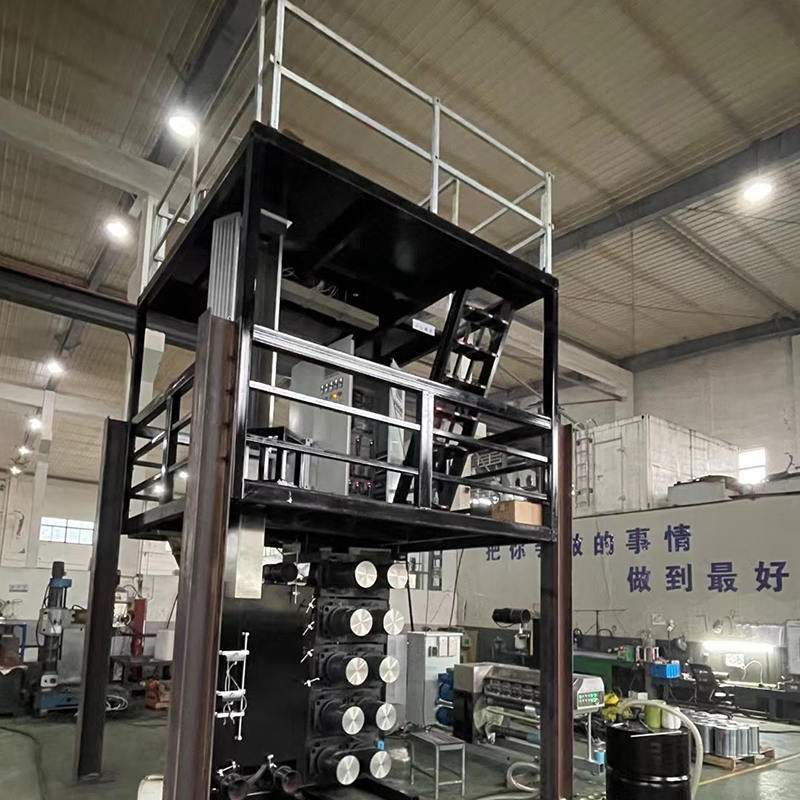
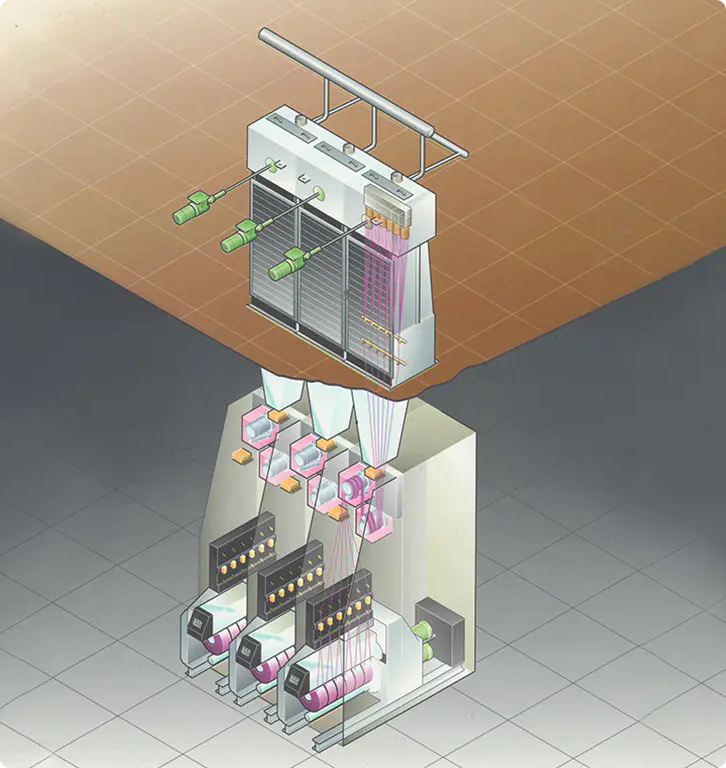
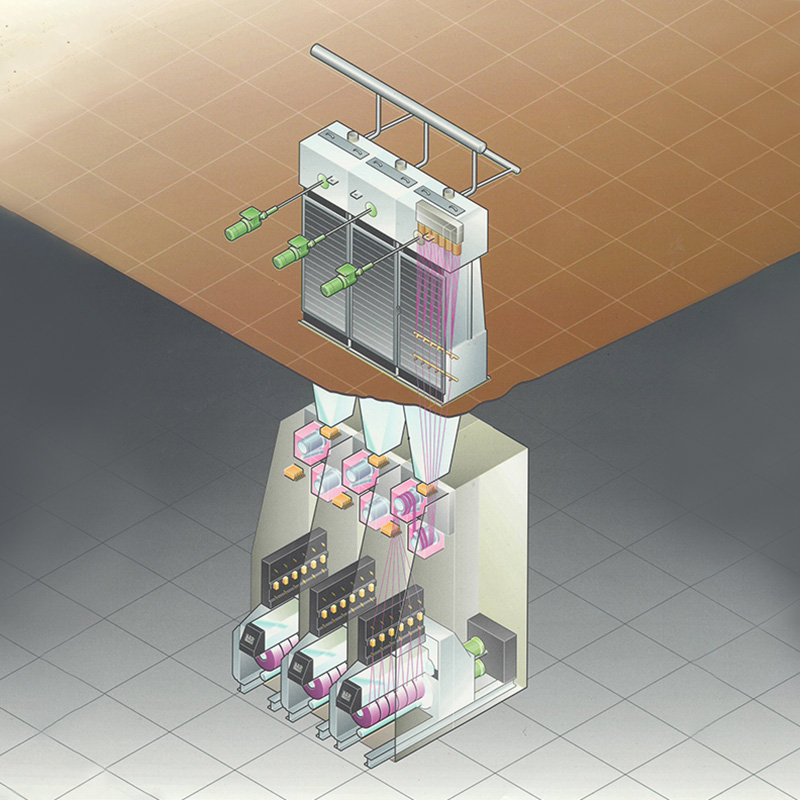
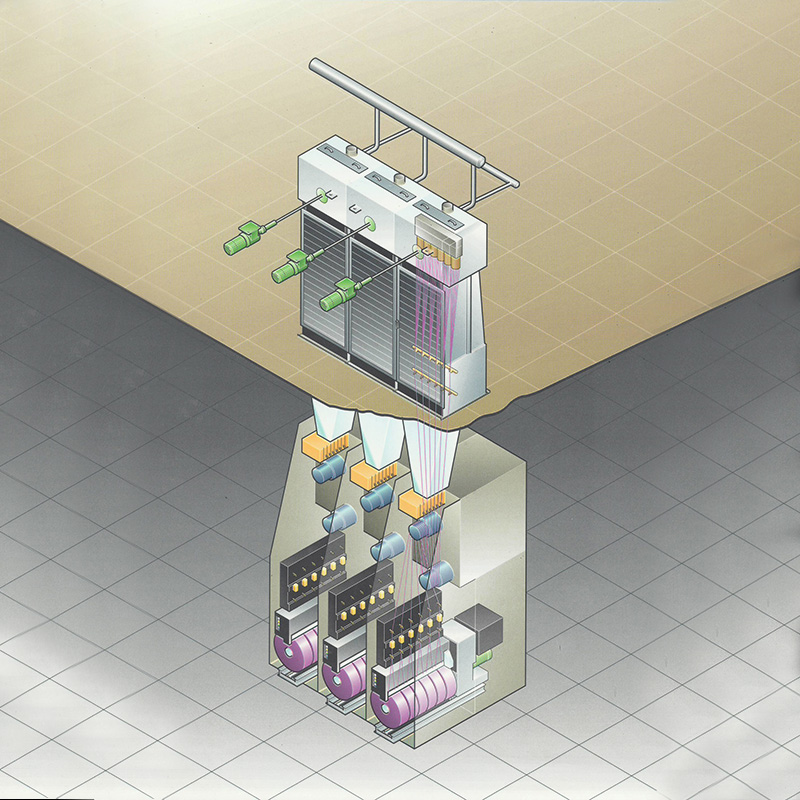 POY Spinning Production Line for PET, PA and PPTurnkey POY spinning line for PET, PA, PP and other materials, with stable high-speed winding and flexibility for differentiated yarn production.View Product →
This is also where a pilot line and a production line complement each other rather than compete. Develop on the small machine, prove the process, then scale the parts of it that worked. Companies that skip that step tend to spend their first year of production learning on the customer's time.
If you take one thing from this, let it be that new and used are not a binary choice between quality and value. They are different risk profiles, and both are manageable with the right specification, the right inspection and a realistic view of what will wear out first. Our own spinning laboratory is open to customers for trials, which is often the fastest way to settle an argument about which machine to buy.
So tell us what you want to make, what you already have, and what your team can realistically maintain. We will tell you honestly whether a new line, a good used machine, an upgrade, or simply a well-stocked shelf of parts is the answer — and if the answer is parts, we will not try to sell you a factory.

ADDRESS: No.1298, Zhouan Road, Economic and Technological Development District, Jiaxing City, Zhejiang Province
PHONE: +86 19057031687
TEL: 86-0573-83777752
EMAIL: [email protected]