English
 عربى
عربى русский
 简体中文
简体中文







2026-10-09
Home / News / Industry News / How Does the Technology Behind Textile Products Improve Their Performance?

The textile industry has evolved significantly over the past few decades, driven by advancements in technology that have revolutionized how textiles are produced and processed. These technological improvements have had a profound impact on the performance of textile products, increasing their durability, functionality, and aesthetic appeal.
Textile products are an integral part of modern life, found in everything from clothing and home furnishings to industrial materials. The continuous advancement of technology in the textile industry has resulted in products that not only meet the aesthetic and functional demands of consumers but also offer enhanced performance characteristics. From the basic raw materials to the final products, technology has significantly influenced how textiles are produced, processed, and used.
The performance of textile products can be defined by their strength, durability, flexibility, comfort, and aesthetic properties. This performance is largely influenced by the technology used during production, including innovations in spinning production lines, weaving processes, dyeing technologies, and finishing techniques. By leveraging cutting-edge technologies, manufacturers can meet the growing demands for high-quality textiles that cater to diverse industries, including fashion, automotive, healthcare, and industrial sectors.
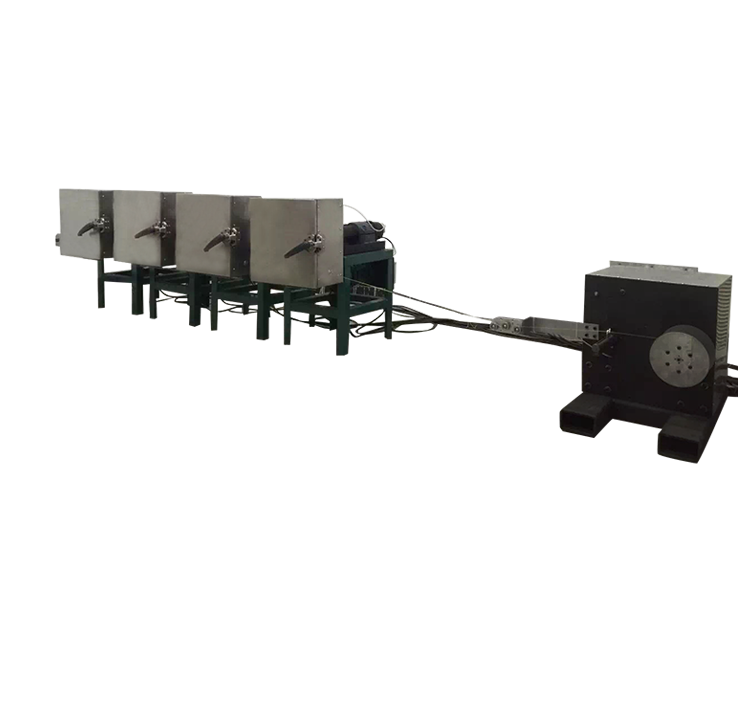
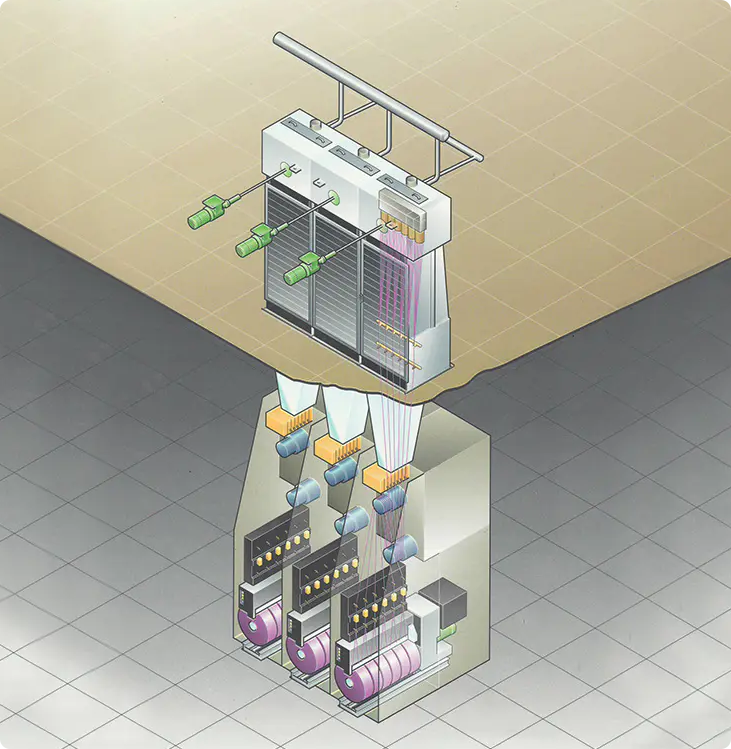
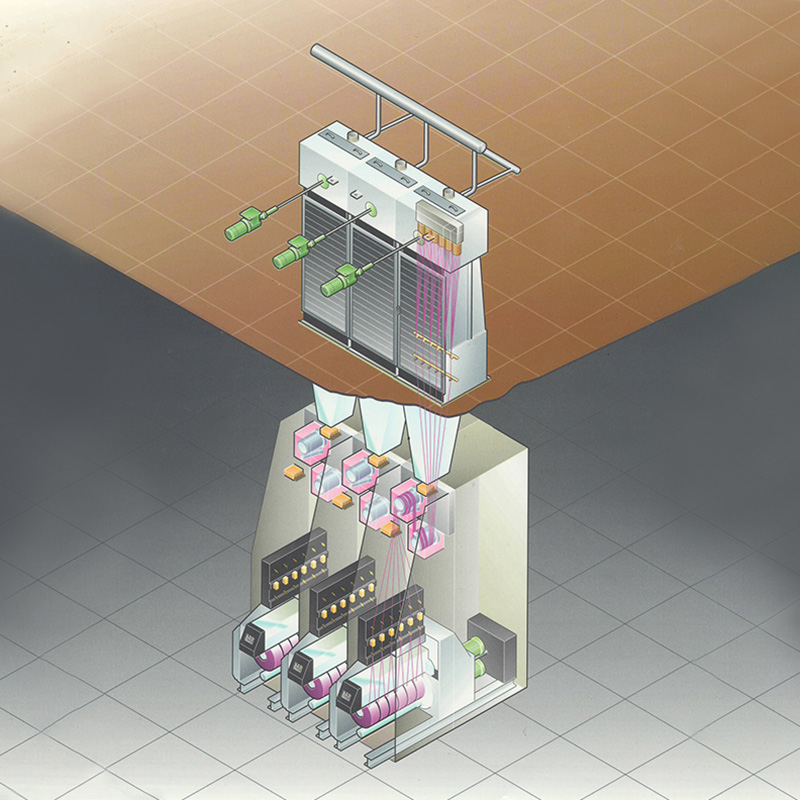
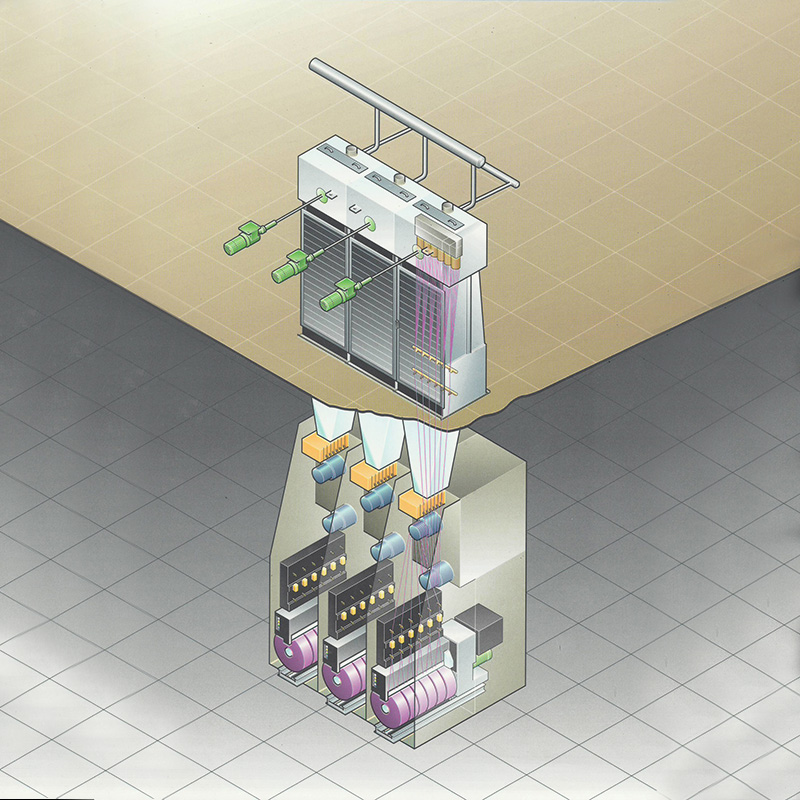
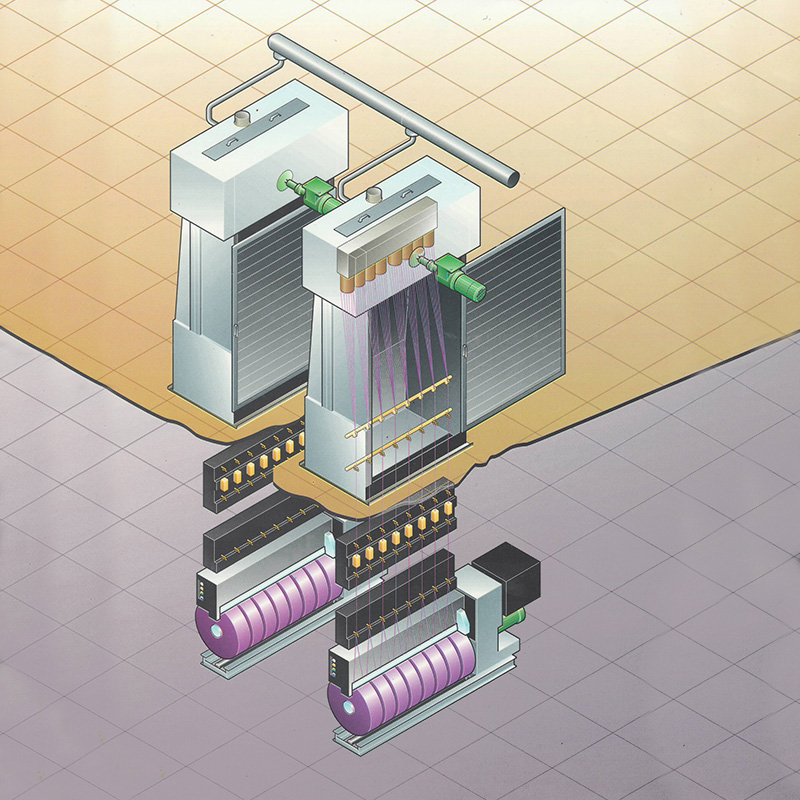
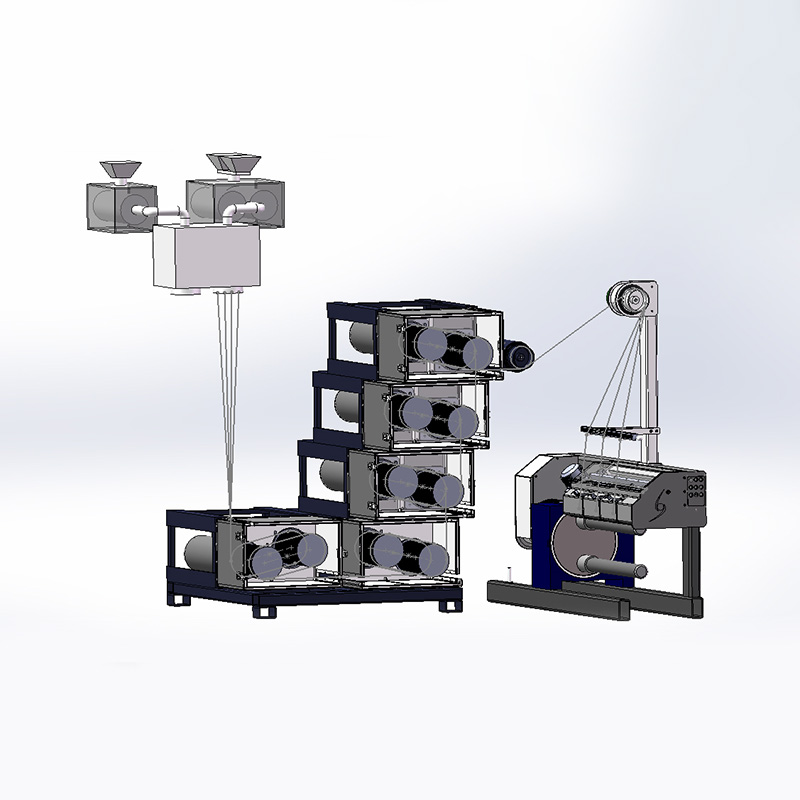
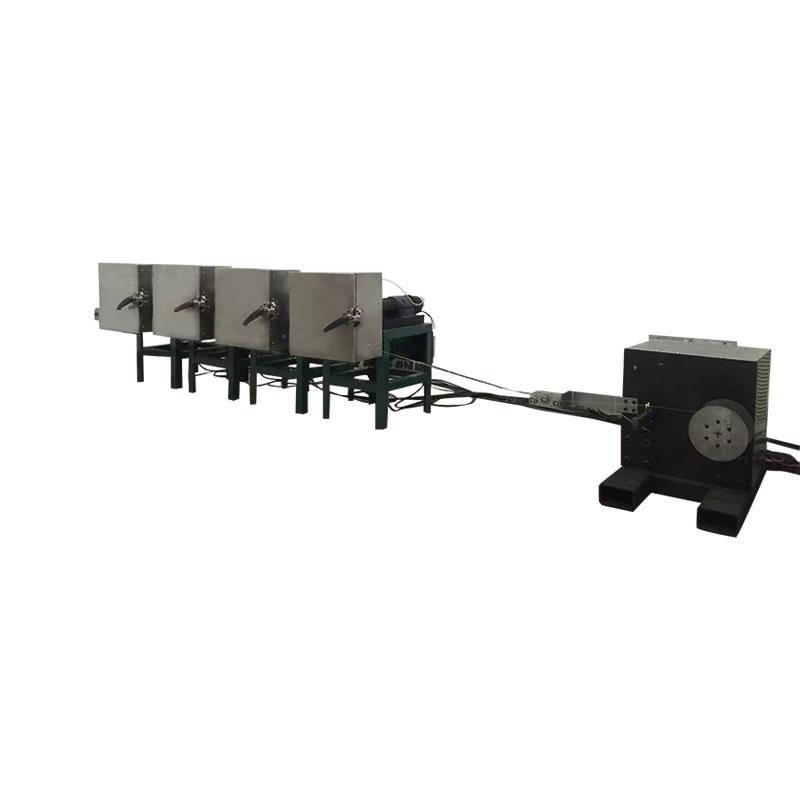
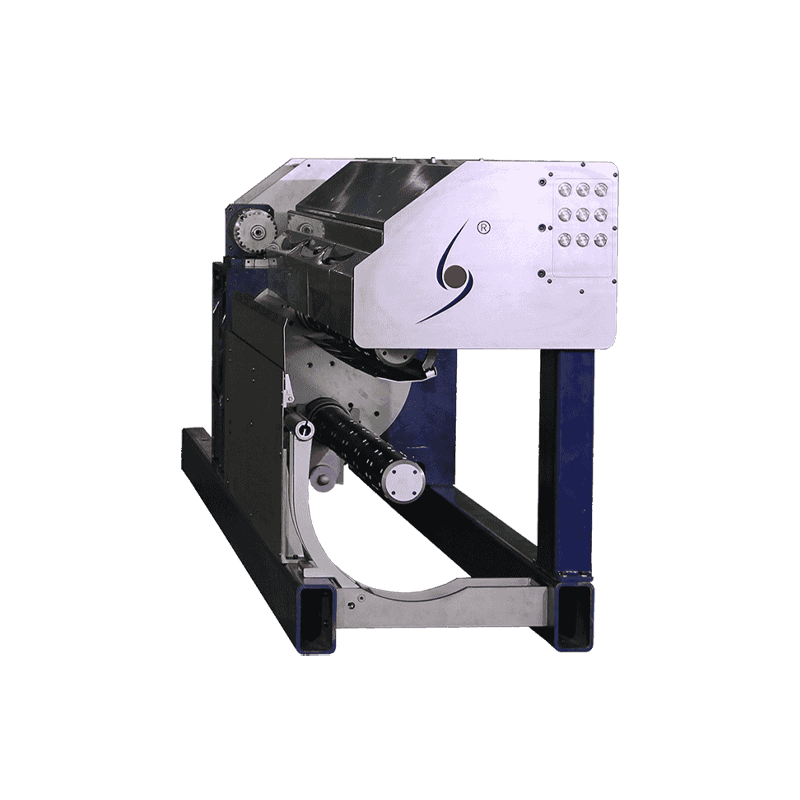
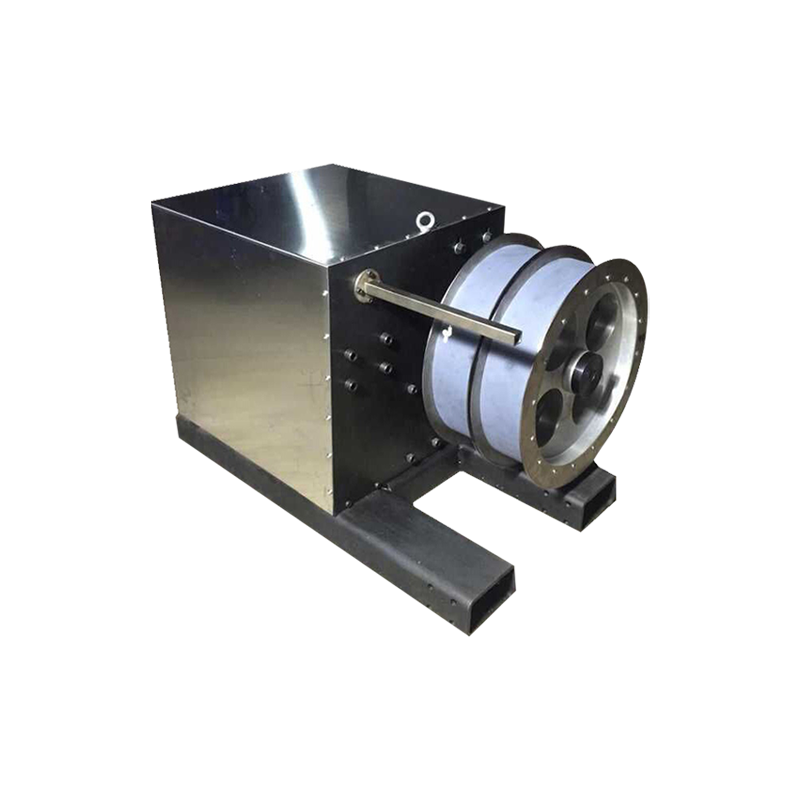
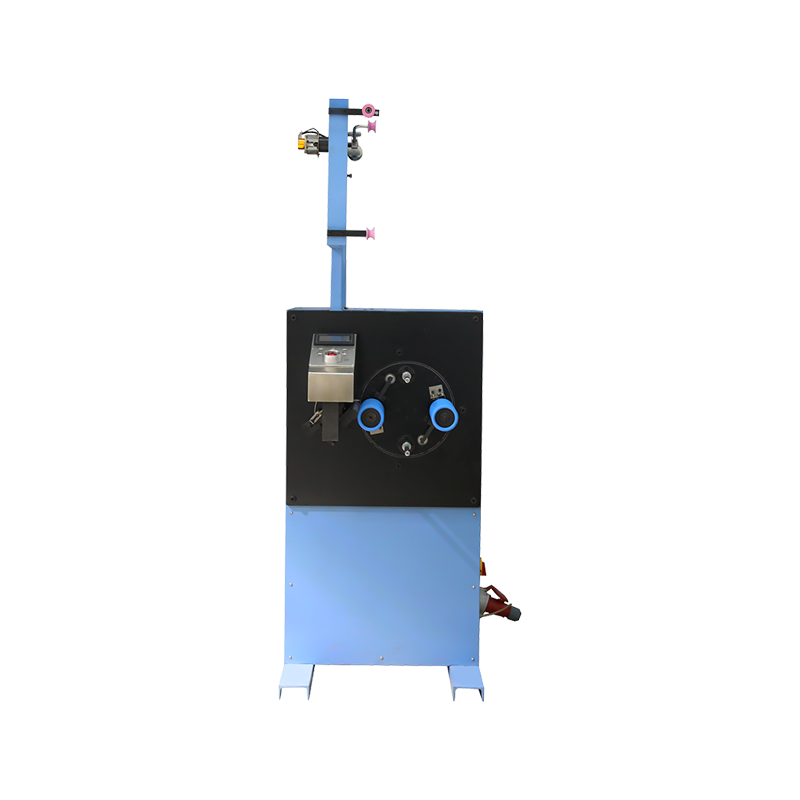
One of the most critical aspects of textile manufacturing is the spinning process, where fibers are transformed into yarns. The spinning production line plays a pivotal role in determining the final quality and performance of textile products. Advances in spinning technology have led to the development of more efficient, sustainable, and high-performance production methods.
In traditional spinning, yarns were produced manually, which was labor-intensive and time-consuming. Modern spinning production lines, however, utilize automated processes that improve consistency and reduce human error. Innovations such as ring spinning, rotor spinning, and air-jet spinning allow for faster and more precise production, resulting in yarns that are stronger, more uniform, and better suited for a wide range of applications.
Modern spinning production lines are equipped with state-of-the-art machinery that integrates advanced technologies like computer-controlled automation, artificial intelligence (AI), and data analytics. These features allow for better control over the yarn’s quality, thickness, and strength, ensuring the final textile product performs optimally. Key advancements in spinning lines include:
The ability to produce high-quality yarns with minimal defects enhances the overall performance of the finished textile product, whether it’s a garment, upholstery, or industrial material.
Technological innovations are not limited to the spinning process. Other aspects of textile manufacturing, including weaving, dyeing, and finishing, also contribute to the enhanced performance of textile products.
Weaving and knitting are the processes that convert yarns into fabrics. Advanced weaving techniques, such as jacquard weaving, enable manufacturers to create intricate patterns and textures that add visual appeal and functional benefits to textile products. Similarly, knitting technology has advanced, allowing for the creation of seamless and highly elastic fabrics used in activewear and medical textiles.
The dyeing process is crucial for achieving vibrant colors and patterns in textile products. Innovations in dyeing technologies, such as digital printing and eco-friendly dyeing methods, allow for better color retention and faster production times. These methods also reduce water and chemical usage, contributing to the sustainability of textile manufacturing.
Finishing technologies, such as nano-coating and water-repellent treatments, further enhance the performance of textile products by adding features like water resistance, stain repellency, and anti-microbial properties. These finishes increase the lifespan and functionality of textiles, making them suitable for use in specialized applications like outdoor gear, medical fabrics, and automotive interiors.
A growing trend in the textile industry is the development of smart textiles, which integrate technology into fabrics to provide additional functionalities. Examples include fabrics that monitor body temperature, heart rate, or movement. These smart textiles are revolutionizing industries such as healthcare and sports, where real-time monitoring of physiological conditions is crucial.
Sustainability has become a major focus in the textile industry, and technology is playing a significant role in reducing the environmental impact of textile production. Innovations such as recycling technologies for fibers and fabrics, sustainable dyeing processes, and energy-efficient machinery are helping manufacturers reduce waste, water usage, and energy consumption.
Recycling technologies are allowing for the repurposing of used textiles into new products, reducing the need for virgin materials and minimizing textile waste. By adopting a circular economy model, textile manufacturers can create more sustainable products without compromising performance.
Advanced finishing techniques, such as waterless dyeing and low-impact chemical treatments, significantly reduce the environmental footprint of textile production. These techniques not only help conserve resources but also ensure that textile products meet the growing demand for eco-friendly, high-performance materials.
To ensure that textile products meet the required performance standards, rigorous testing and quality assurance processes are integrated into the production line. Advanced testing methods include mechanical testing for strength, durability, and elasticity, as well as chemical testing to ensure the fabric’s resistance to stains, fading, and wear.
The technology behind textile products has transformed the industry, enabling the creation of high-performance materials that are not only aesthetically appealing but also durable, functional, and sustainable. Innovations in spinning production lines, along with advances in weaving, dyeing, and finishing technologies, have allowed manufacturers to produce textiles that cater to the evolving needs of consumers across various industries.
1. What is the role of spinning production lines in textile manufacturing?
Spinning production lines are essential for converting raw fibers into yarn, which serves as the foundation for textile products. Advanced spinning techniques ensure high-quality yarns that contribute to the overall performance of the fabric.
2. How does technology improve the durability of textile products?
Technological innovations in spinning, weaving, dyeing, and finishing processes enhance the strength, resistance to wear, and longevity of textile products, making them more durable and functional.
3. What are smart textiles, and how do they improve textile performance?
Smart textiles integrate sensors and other technologies into fabrics, allowing them to monitor and respond to changes in the environment, such as body temperature or movement, providing enhanced functionality for industries like healthcare and sports.
4. How do eco-friendly technologies impact textile performance?
Eco-friendly technologies, such as sustainable dyeing processes and recycling systems, reduce the environmental impact of textile production while maintaining or improving the performance of textile products, ensuring they meet modern consumer demands for sustainability.

ADDRESS: No.1298, Zhouan Road, Economic and Technological Development District, Jiaxing City, Zhejiang Province
PHONE: +86 19057031687
TEL: 86-0573-83777752
EMAIL: [email protected]