English
 عربى
عربى русский
 简体中文
简体中文







2026-09-30
Home / News / Industry News / How Do Second-Hand Spinning Machines Compare to New Models in Terms of Performance and Durability?

The textile industry continually evolves, pushing manufacturers to upgrade their equipment for improved efficiency and performance. Among the critical components of any spinning operation, the spinning machine plays a significant role in determining the overall production capacity and quality of yarn. As textile companies look for cost-effective ways to meet their production goals, second-hand spinning machines have become an increasingly popular option. But how do these machines compare to their newer counterparts in terms of performance and durability?
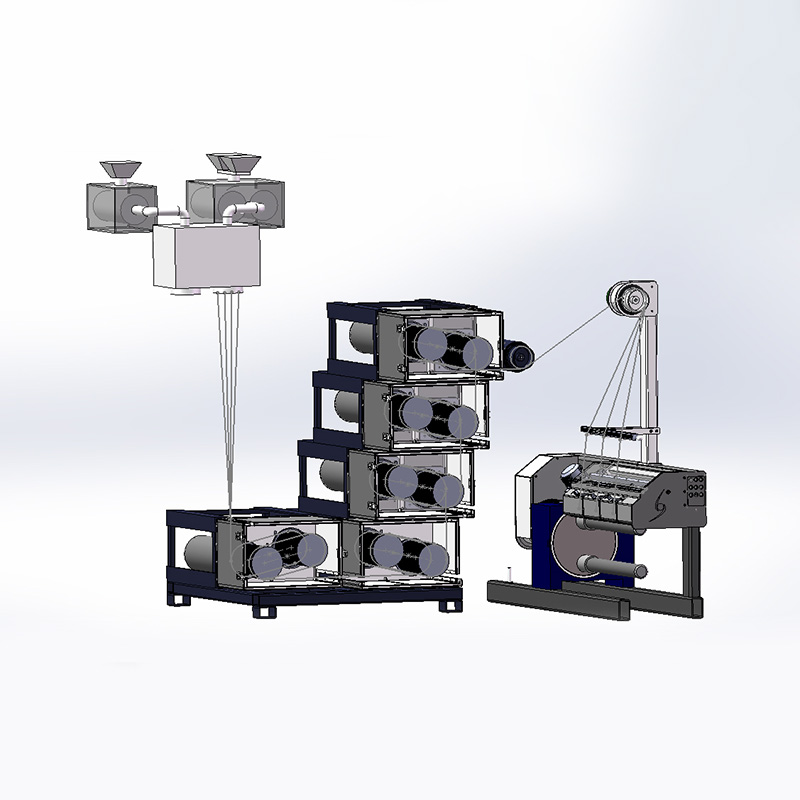
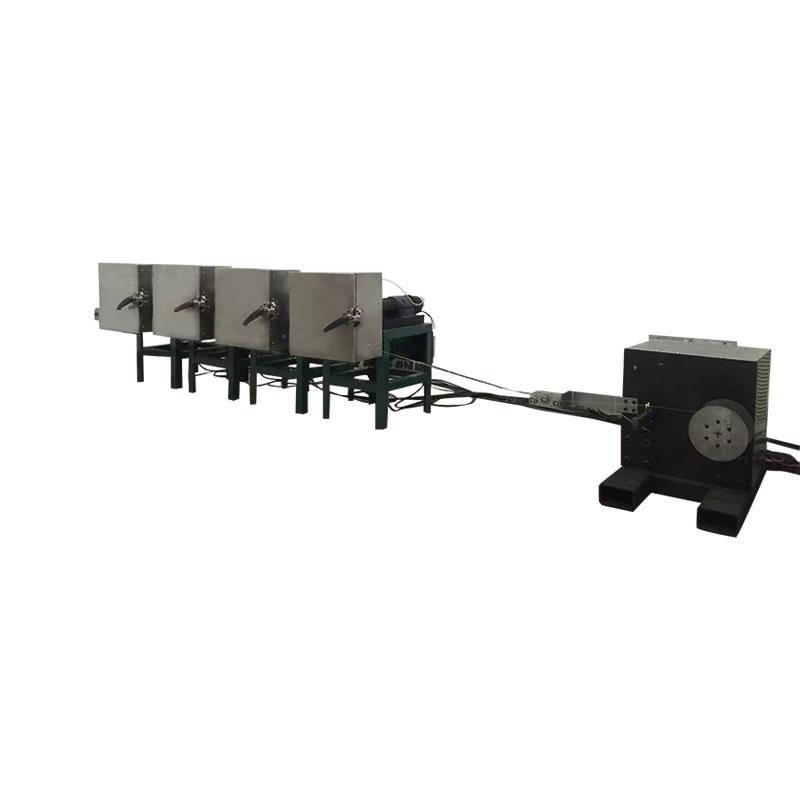
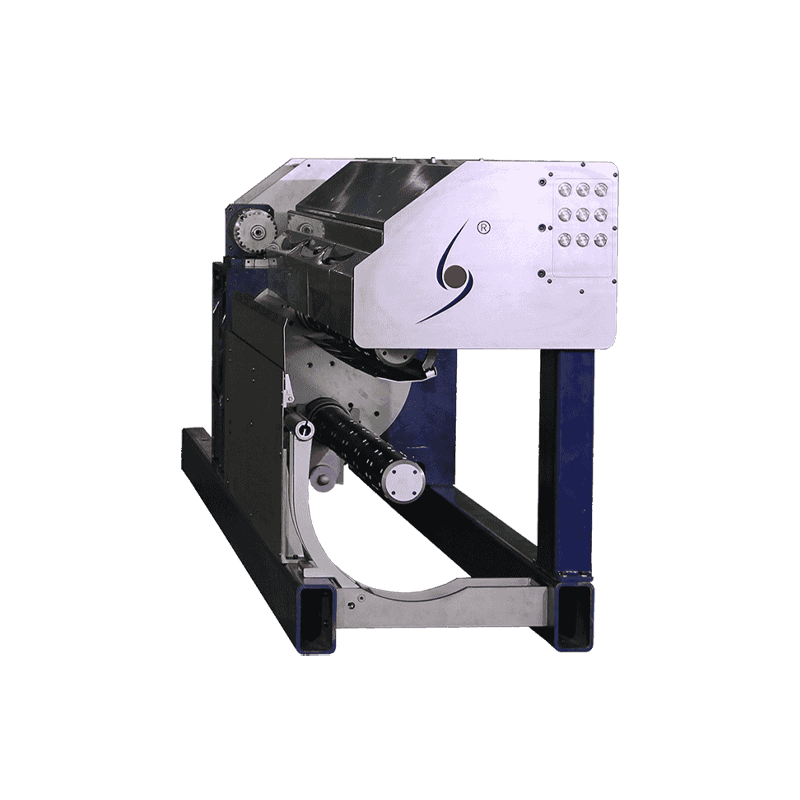
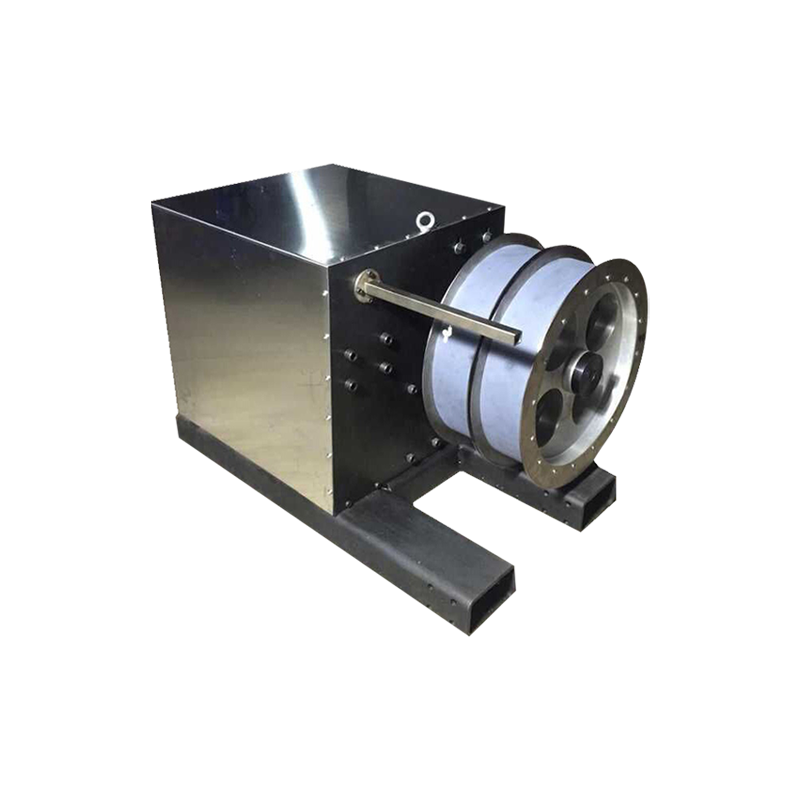
Before delving into a comparison, it’s essential to understand what qualifies as a second-hand spinning machine. A second-hand machine is any pre-owned spinning equipment that has been refurbished or is still in working condition. These machines are often sold by companies upgrading their facilities or shifting to newer technologies. Many of these second-hand spinning machines, such as second-hand POY spinning machines, are fully operational, with their parts repaired, replaced, or updated to meet current industry standards.
Advantages of Second-Hand Spinning Machines:
Cost Efficiency: Second-hand spinning machines are typically much less expensive than new models, offering manufacturers a more affordable option without compromising essential functionality.
Availability: With the rise of specialized second-hand equipment manufacturers, these machines are increasingly available in the market, offering businesses a wider selection to choose from.
Lower Depreciation: Since second-hand machines have already experienced significant depreciation, their remaining value tends to be more stable than that of new machines.
When comparing the performance of second-hand spinning machines to new models, several factors must be considered: speed, efficiency, consistency, and ease of use. New models tend to come with advanced features designed to improve operational efficiency and yield higher-quality output.
| Performance Metric | Second-Hand Spinning Machines | New Spinning Machines |
|---|---|---|
| Speed | May be slightly slower due to age or outdated components | Faster with upgraded technology, more automation |
| Energy Efficiency | Older models may consume more power | Improved energy-saving features in new models |
| Consistency | May experience slight variations due to wear and tear | Superior consistency with better control over spinning process |
| Maintenance | Requires more frequent maintenance, especially for older models | Requires minimal maintenance in the first few years of operation |
While second-hand machines can still offer impressive performance, they often lag behind new models, which are designed with modern technology that boosts speed, energy efficiency, and consistency. The longevity of the machines depends on the extent of maintenance and the quality of repairs performed during refurbishing.
Durability is a critical factor when deciding whether to invest in second-hand spinning machines. The lifespan of a second-hand machine depends on several factors, including the age of the equipment, the quality of previous maintenance, and the brand’s reputation for durability. Second-hand POY spinning machines, for example, can last many years if maintained properly. However, without ongoing maintenance, older machines may be more susceptible to breakdowns and require expensive repairs.
On the other hand, new spinning machines come with the advantage of modern materials and technologies, which often result in longer-lasting components that are built to withstand the test of time.
| Durability Metric | Second-Hand Spinning Machines | New Spinning Machines |
|---|---|---|
| Lifespan | Shorter if not maintained properly | Longer, with advanced materials and coatings |
| Breakdown Frequency | Higher, especially in older models | Less frequent breakdowns |
| Part Availability | Some parts may be obsolete or hard to find | Easy access to replacement parts from manufacturers |
While second-hand machines may offer solid durability, the key lies in finding reliable second-hand equipment manufacturers who offer comprehensive service packages. Jiaxing Shengbang Mechanical Equipment Co., Ltd. are known for their specialized services, including refurbishing and maintaining key parts of spinning machines. By offering precision maintenance and providing updated components, such companies can significantly extend the lifespan of second-hand machines.
The lower initial cost of second-hand spinning machines is one of the main reasons companies choose to invest in them. However, while they might be less expensive upfront, the total cost of ownership (TCO) over time must be considered. TCO includes the purchase price, maintenance costs, energy consumption, and downtime due to breakdowns.
New machines generally come with warranties and fewer repair costs in the early years of operation. However, over the long term, the maintenance costs of second-hand machines might balance out the initial savings.
| Cost Factor | Second-Hand Spinning Machines | New Spinning Machines |
|---|---|---|
| Initial Purchase Price | Significantly lower | Higher upfront cost |
| Maintenance Costs | Higher over time due to aging components | Minimal in early years, increases after warranty |
| Energy Consumption | Potentially higher due to older technology | More energy-efficient with modern designs |
For companies looking for a more cost-effective solution without breaking the bank, second-hand spinning machines can be a viable option, as long as they are prepared for the possibility of higher maintenance costs over time.
The market for second-hand spinning machines has grown significantly over the past decade. Many companies prefer to invest in second-hand machines due to their reduced cost, especially in regions with tight budgets. However, to ensure the continued performance and reliability of these machines, manufacturers specializing in second-hand equipment, such as Jiaxing Shengbang Mechanical Equipment Co., Ltd., offer critical services such as:
These services allow companies to keep their machines running at optimal levels without the need to replace them entirely. Furthermore, these manufacturers contribute to the sustainability of the textile industry by extending the life of existing machinery, reducing the demand for new manufacturing and the associated environmental impacts.
The decision to invest in a second-hand spinning machine versus a new model ultimately depends on several factors, including budget, performance needs, and long-term sustainability. While new machines offer cutting-edge technology and reduced downtime, second-hand machines, when properly maintained and refurbished, can provide an excellent balance of cost-effectiveness and reliable performance.
Choosing second-hand equipment from reputable manufacturers who specialize in refurbishing and maintaining spinning machines ensures that the equipment remains durable and efficient for years to come.
1. What is the main advantage of using second-hand spinning machines?
The main advantage is their cost-effectiveness. They are typically much cheaper than new models, making them an attractive option for companies with limited budgets.
2. How do second-hand POY spinning machines compare to new models in terms of energy efficiency?
Second-hand POY spinning machines tend to be less energy-efficient than new models, which incorporate the latest energy-saving technologies.
3. How can I extend the lifespan of a second-hand spinning machine?
Regular maintenance and servicing from experienced second-hand equipment manufacturers, such as Jiaxing Shengbang Mechanical Equipment Co., Ltd., can significantly extend the lifespan of second-hand machines.
4. What should I consider when purchasing a second-hand spinning machine?
Consider factors like the machine’s age, the quality of previous maintenance, available spare parts, and the reputation of the second-hand equipment manufacturer.
5. Are second-hand spinning machines still viable for large-scale production?
Yes, if properly maintained, second-hand spinning machines can handle large-scale production effectively, though they may require more attention and occasional repairs than newer models.

ADDRESS: No.1298, Zhouan Road, Economic and Technological Development District, Jiaxing City, Zhejiang Province
PHONE: +86 19057031687
TEL: 86-0573-83777752
EMAIL: [email protected]