English
 عربى
 русский
 简体中文







2026-11-06
Home / News / Industry News / Godet Shell Coating: Wear, Friction and Repair Guide for Spinning Lines

On a spinning line, the godet shell is the part everyone touches and nobody thinks about, until the yarn starts to drift. It is the rotating surface the filament actually rides on, and the thin sprayed layer on that surface quietly decides how much grip the yarn gets, how much finish stays on the metal, and how long a bearing set runs before vibration shows up in the doff. Coating a godet shell is not cosmetic work. It is a friction and wear decision that shapes yarn quality, energy use and maintenance intervals at the same time.
We have been on both sides of that decision, spraying shells in our own plasma shop and pulling worn ones off machines during repair work, and the same questions come back every time. If you would like a wider view of how much these rollers influence day-to-day efficiency, our team put together a short piece on godet rollers and textile efficiency. What follows is the practical version we use when a customer sends a worn shell in and asks what happened to it.
Strip away the jargon and the coating has four jobs, and they pull against each other more often than people expect:
Because these four pull in different directions, there is no universally "best" coating. There is only the coating that matches your yarn, your finish and your machine's duty cycle, applied at the right thickness and finished to the right roughness.
Most shells we see fall into a small number of families. The table below is the way we usually explain the choices to a customer who is deciding between re-coating an existing shell and trying something new.
| Coating family | Typical thickness | What it does well | Watch-outs | Where it usually fits |
|---|---|---|---|---|
| Oxide ceramic, alumina or alumina-titania | 100 to 300 micrometres | Hard, abrasion resistant, stable at high temperature, good grip | Brittle if sprayed poorly; porosity and finishing decide everything | Heated godets and standard godets on filled or abrasive yarns |
| Carbide in a metal matrix | 50 to 200 micrometres | Tough, resists chipping and impact, conducts heat well | Lower insulation value; finishing takes more care | Shells exposed to handling knocks and mechanical contact |
| Metallic bond or build-up layer | Varies | Restores dimension, gives an excellent bond | Wear resistance on its own is limited | Bond coats and salvage of worn or scored shells |
| Sealed or impregnated ceramic | Base layer plus sealant | Low pickup, very stable friction, easier cleaning | Sealant limits the top operating temperature | Standard godets running fine-decitex yarns |
In practice we rarely choose a family on hardness figures alone. A shell that lasts three times longer but causes tension drift every second doff is a worse shell. Matching the coating to the yarn path matters more than winning an abrasion contest on paper.
When a shell arrives at our workshop, we look at the surface before we look at the drawing. Most failures announce themselves in a recognisable way:
For standard godets and guide rollers, the replacement question is usually straightforward once the surface is inspected. Our range of coated contact parts covers
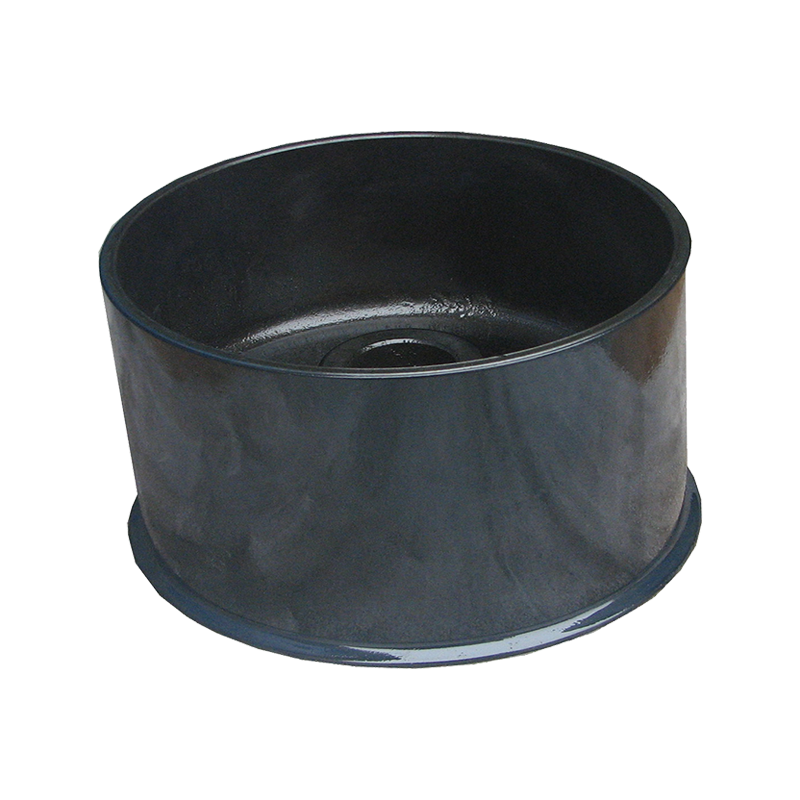 Coated Godets and Guide RollersSpray-coated contact parts for spinning lines, with alumina, chromium oxide, zirconia or tungsten carbide surfaces tailored to filament type and wear protection.View Product →
and we are happy to compare a worn sample with a fresh one before you commit to a batch.
Heated godets deserve their own conversation because two variables move together. The coating has to survive thermal cycling as well as yarn abrasion, and the surface has to deliver an even temperature along the whole contact width. We finish and check these shells against a temperature calibration reference rather than simply trusting the setpoint on the panel, because a shell that reads correctly at the sensor can still be several degrees out at the edges where the yarn actually runs.
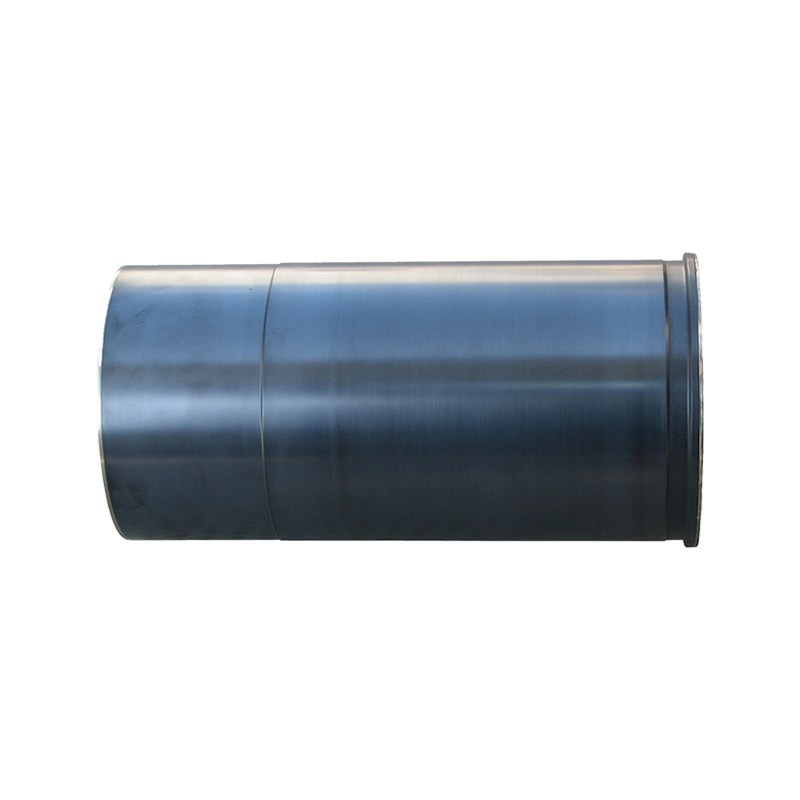 Plasma-Sprayed Coatings for Hot GodetsWear-resistant and thermal-barrier coatings for heated godets and rollers, with ceramic materials, precision grinding and temperature and diameter checks.View Product →
Dimensional work matters just as much. Coatings add thickness, which changes diameter, which changes surface speed and tension for a given drive setting. A good coating job ends with the shell back inside its diameter tolerance, finished to the agreed roughness, dynamically balanced and, for heated parts, temperature-checked.
Not every worn shell is worth saving, and it is worth saying so plainly. Substrate condition decides the answer. If the shell body is cracked, deeply scored beyond sensible build-up, or the internal bore and mounting faces are out of tolerance, a new coating will simply fail again on schedule. When the substrate is sound, the sequence we follow is fairly standard:
We do this work in-house, including maintenance and repair of hot godets together with their electrical and temperature elements, so a shell does not have to travel between three workshops to come back into tolerance. Where a repair is clearly uneconomic, we will say so and talk about replacement instead.
The most common cause of a disappointing recoating job is a vague request. If you can supply the following, a coater can usually give you a realistic expectation of life and behaviour before any metal is sprayed:
Yarn rarely only touches one surface. Separator rolls, yarn guide plates and filament guides sit in the same abrasive environment, and when they wear the godet gets blamed for tension problems it did not cause. Treating the whole contact group as one maintenance item usually pays for itself, because a fresh shell paired with a scored guide plate will develop an uneven wear band surprisingly quickly.
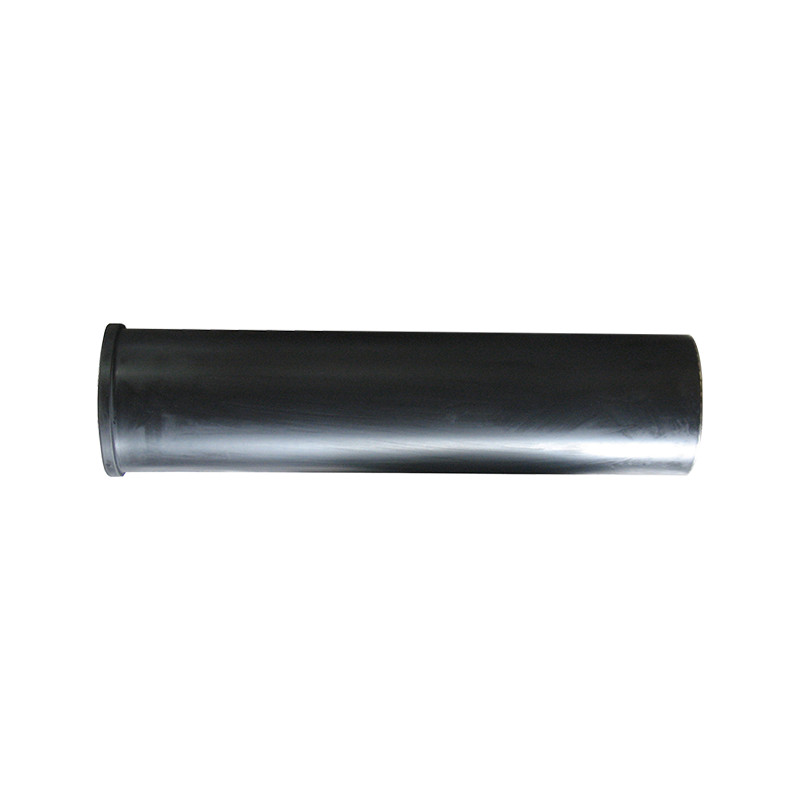 Spray-Coated Separator Rolls and Contact PartsWear- and corrosion-resistant separator rolls and related guides for chemical fiber machinery, with customized roughness for stable yarn tension and reduced contact-group wear.View Product →
It also helps to keep a small reference set: one good shell, one good guide, each measured and photographed. Comparing a worn part against a known-good one takes a minute and removes most of the guesswork from the conversation.
Godet shell coating is one of those small technical decisions that keeps showing up elsewhere, in yarn break rates, in energy bills, in how often a maintenance team has to open a winder. If you are unsure whether a shell is worn, salvageable or simply the wrong surface for the yarn you now run, send us the details and a photo. We would rather have that conversation early than see a freshly coated shell fail for a reason nobody wrote down.


ADDRESS: No.1298, Zhouan Road, Economic and Technological Development District, Jiaxing City, Zhejiang Province
PHONE: +86 19057031687
TEL: 86-0573-83777752
EMAIL: [email protected]