English
 عربى
 русский
 简体中文







2026-11-06
Home / News / Industry News / 2026 Barmag Spare Parts: A Practical Sourcing and Stocking Guide for Mills

Late autumn is usually when mills sit down with next year's maintenance budget, and spare parts always land somewhere near the top of that list. If you are running Barmag spinning and winding equipment, the question for 2026 is rarely whether you will need spare parts. It is which ones to hold, how many, and how to be certain they will fit when the call comes at two in the morning.
We have spent a long time repairing, machining, coating and rebalancing these components, so what follows is less a catalogue tour and more an honest look at what actually wears out, what actually fits, and what is worth keeping on the shelf.
A large share of the Barmag lines still earning money today were installed well before 2010. They have been rebuilt, upgraded and pushed to higher speeds, and many of them now run a wider mix of products than their original specifications ever imagined. The parts themselves have not changed dramatically. What has changed is availability, lead time, and the cost of a stopped position.
Buying by habit is where most problems start. A bearing that looks identical to the one in your hand may differ in clearance, cage design or heat treatment, and a yarn guide rod that fits a 1380 chuck will not fit a 1500. The mills that suffer least are the ones that keep a simple record: which machine, which position, which part number, and when the previous one was replaced. That record turns a panicked phone call into a two-minute lookup.
It also pays to separate genuine wear items from the parts that only fail when something else is wrong. O-rings, guide plates and tensioning blocks are consumables by design. Bearings, lock rings and shift forks should last far longer, and when they do not, the root cause is usually heat, contamination or misalignment rather than the part itself.
After enough repair tickets, a pattern appears. Certain components come back again and again, and they almost always announce themselves the same way: a little more noise, a slightly uneven package, a traverse that hesitates at the package edge. Catching them at that stage is far cheaper than catching them after a crash.
| Part family | Where it works | Typical symptom before failure |
|---|---|---|
| Aluminum tubes (ACW1380 / ACW1500) | Winder chuck and package build | Surface scoring, out-of-round running, damaged tube ends |
| Bearings for contact roll, chuck, hot godet, separator roll | Rotating assemblies under heat and load | Rising vibration and temperature, audible whine, uneven package density |
| Lock rings and chuck sleeves | Chuck clamping and centering | Wobble, loss of concentricity, package slip during changeover |
| Shift forks and shift fork gear boxes | Traverse and automatic changeover | Chipped fork tips, worn guide faces, jerky or late traverse |
| Tensioning blocks, yarn guide plates and rods | Yarn path control | Grooving, surface roughness, filament damage and fuzz |
| Interlacing nozzles, O-rings, couplings, rods | Yarn networking and drive transmission | Clogged or worn nozzle bores, hardened seals, drive backlash |
The full Barmag range we keep in view, from hot godet parts through winder parts to the smaller items such as couplings, finish guide assembly plates and O-rings, is organised so that you can work down from the machine to the exact position rather than guessing from a photograph.
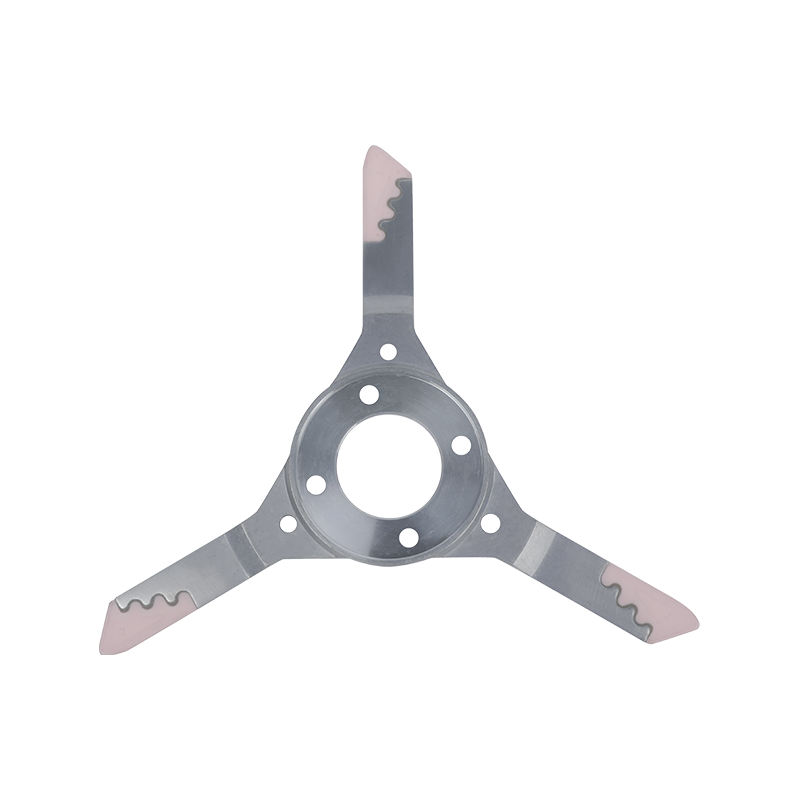 Custom Barmag Spinning Machine Parts by PositionBrowse replacement and custom Barmag spinning machine parts, including winder, hot godet and other components, organized to help match parts from machine to exact position.View Product →
If there is one mistake we see more than any other, it is an order placed against the wrong chuck size. Barmag winders have been built around 1200, 1380, 1500, 1600 and 1800 chucks, and the components that sit on them are not interchangeable. Yarn guide rods, lock rings and chuck sleeves are sized differently, and even the same nominal part can differ between an early and a late version of the same winder family.
Before you send a request, it helps to write down four things:
With those four details, matching becomes straightforward, and the risk of a part arriving that fits the drawing but not the machine drops to almost nothing. Winder components in particular reward this discipline, because the fork, guide and tensioning parts work as a system rather than as isolated pieces.
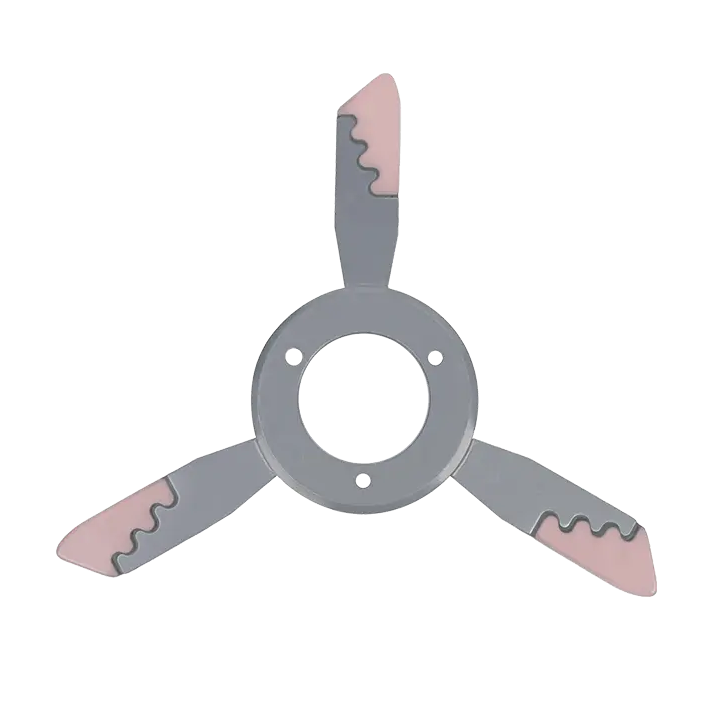
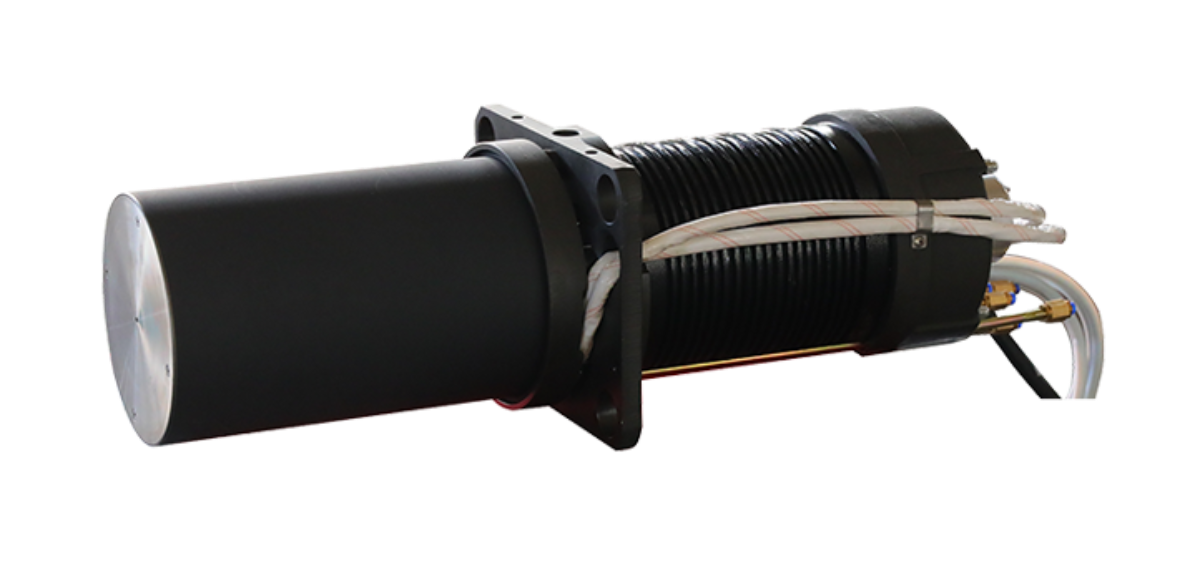
Barmag Spinning Machine Shift Fork for WindersPrecision winder shift fork for Barmag spinning machines, with RO/LO/LU/RU models for transmission control, tension and speed stability in spinning-head operation.View Product →Hot godets are unforgiving. A bearing that sits a fraction out of position changes the running clearance, the roller runs warmer, the temperature profile across the surface drifts, and the yarn tells you about it long before the operator does. The same applies to separator rolls and contact rolls, where a small imbalance becomes a vibration that shows up as ribboning on the package.
This is why we treat these components as precision work rather than simple replacement. Rotating parts are checked on a dynamic balancing machine, surfaces that see continuous yarn contact can be re-coated, and hot godets are verified against a temperature calibration instrument so that the set point on the panel matches the real surface temperature. None of that is glamorous, but it is the difference between a part that runs for years and one that comes back in six months.
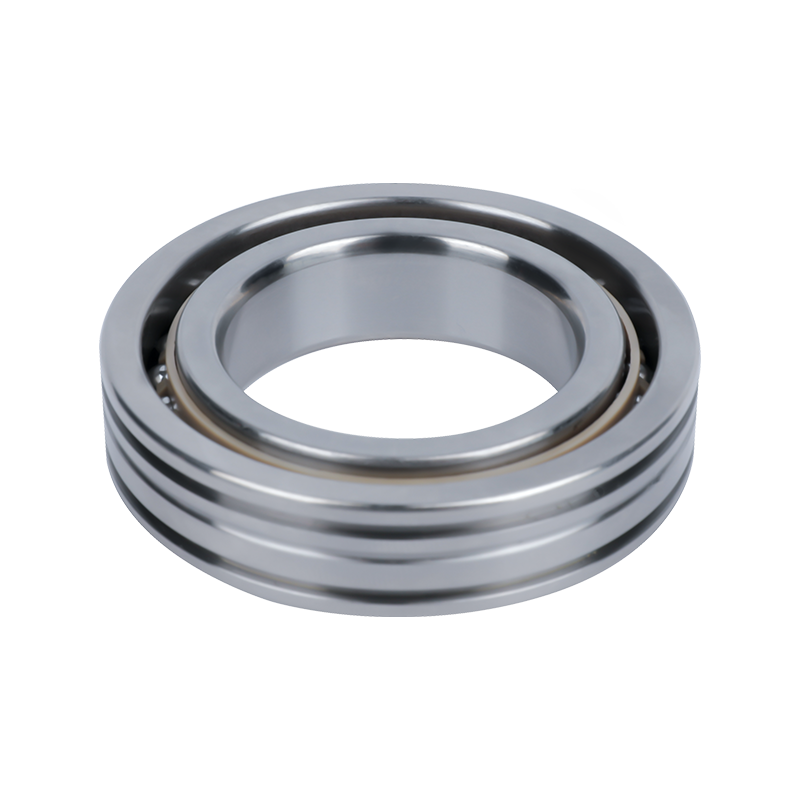 Barmag Hot Godet and Separator Roll BearingsReplacement bearings for Barmag hot godet and separator roll applications, listed by part number for maintenance and replacement in chemical fiber production.View Product →
Not every worn component needs to be new, and not every worn component is worth repairing. A shift fork with light wear on the guide face can often be reworked and returned to service at a fraction of the cost, while a fork with a cracked body or a distorted gear box housing is usually a replacement. Bearings are almost always replaceable; housings and shafts depend on how much material has already been lost.
There is also a third path that mills sometimes overlook. If a winder is mechanically sound but its changeover behaviour, chuck drive or cooling section is holding the line back, an upgrade may deliver more than a like-for-like swap. Our winder upgrading work exists precisely for that middle ground, where the machine is too good to scrap and too tired to leave alone.
For teams who want to understand the fork side of this in more depth, our technical note on the Barmag shift fork explains how traverse quality and package formation are linked.
If you would rather build a plan than react to one, this sequence works well for most spinning and winding rooms:
None of this requires a large capital budget. It requires knowing which parts matter, and being honest about which ones are already on their last run.
Jiaxing Shengbang Mechanical Equipment works across chemical fibre machinery parts, complete spinning equipment, surface coating and repair services, with workshops for machining, maintenance, plasma spraying and a pilot spinning laboratory. In practice that means a question about a Barmag component rarely ends at a part number. It usually becomes a short conversation about the machine, the position, and what the yarn has been doing lately.
Whether you are restocking a cabinet before the new year or chasing a single bearing that has been noisy since August, the most useful thing you can bring us is detail. Send the model, the chuck size, the position and a photograph, and we will tell you honestly whether it is a stock item, a repair, or something worth upgrading instead.

ADDRESS: No.1298, Zhouan Road, Economic and Technological Development District, Jiaxing City, Zhejiang Province
PHONE: +86 19057031687
TEL: 86-0573-83777752
EMAIL: [email protected]