English
 عربى
 русский
 简体中文







2026-10-30
Home / News / Industry News / PET Flakes Dryer Guide: Dewatering, Thermal Drying, and Spinning Line Fit

Anyone who has stood beside a flake washing line at shift change knows where the trouble usually starts. The washer gets all the attention, but the dryer decides whether the line actually makes money. PET flakes leaving a rinse stage carry water on the surface, inside cracks, and along every cut edge, and if that water travels into an extruder or a spinning manifold it turns into hydrolysis, pressure swings, and off-spec product.
The awkward part is that "PET flakes dryer" describes at least two very different machines. One is a high-speed centrifugal unit that throws surface water off wet flakes in seconds. The other is a thermal dryer that pulls absorbed moisture out of the polymer over hours. Mixing up the two is the most common reason a new line disappoints its owner. Below we separate the duties, share the numbers we look at when sizing a unit, and explain how the drying step connects to the spinning equipment downstream.
Water sits in a flake in several places, and each one needs a different mechanism to shift it. When we assess a customer's sample, we separate the moisture like this:
As a rule of thumb, good mechanical dewatering brings surface moisture down to the low single-digit percent, hot-air flake drying goes below one percent, and spinning-grade material is usually expected in the tens of parts per million after a crystallizer and hopper dryer. Those are different worlds, and no single machine covers all of them.
It helps to think of drying as a sequence of duties rather than one piece of equipment. The table below is the one we sketch on the whiteboard during the first site visit.
| Stage | Typical equipment | Main duty | Indicative outlet moisture | Position in the line |
|---|---|---|---|---|
| Pre-draining | Vibrating screen, air knife, screw press | Remove bulk free water | 5–15% surface water | End of the rinse stage |
| Mechanical drying | High-speed centrifugal dryer | Throw off surface and crevice water | Roughly 0.5–2% surface water | After washing, before storage or extrusion |
| Crystallizing and hot-air drying | Crystallizer plus hopper dryer at elevated air temperature | Release absorbed moisture, prepare flakes for extrusion | Below 0.5%, then falling | Before the extruder |
| Dehumidified drying | Desiccant hopper dryer with low dew point air | Final ppm-level moisture, protect intrinsic viscosity | Tens of ppm | Directly before spinning |
Two notes on that table. First, the moisture figures are indicative ranges for orientation, not specifications — flake size, washing chemistry, and residence time move them considerably. Second, mechanical drying is cheap per kilogram of water removed, so it pays to do it well; every extra percent you leave in the flakes has to be boiled off later at several times the energy cost.
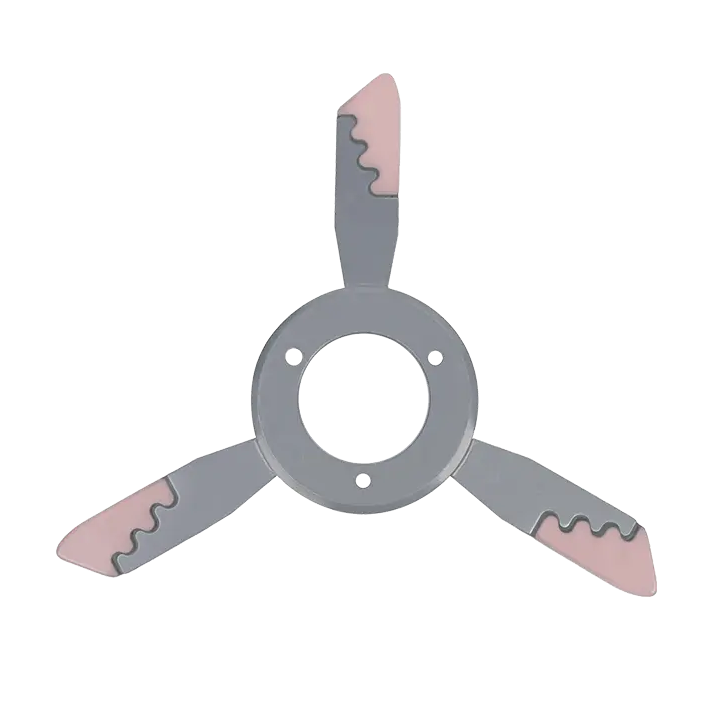
The machine itself is refreshingly simple, which is exactly why small details decide its performance. Material enters near the base of a vertical rotor, and the sequence runs like this:
Throughput, rotor speed, screen perforation size, and the gap between rotor and basket are what you actually tune. Push feed rate too hard and the curtain of flakes thickens, water cannot escape, and outlet moisture climbs even though the motor is working harder than ever.
In a bottle-flake recycling plant, the centrifugal dryer is a workhorse that runs shift after shift, and its output usually goes to a storage silo, a bagging station, or an extrusion line. In a fiber plant, drying is a quality gate on the way to the spinning manifold, and the equipment around it looks quite different.
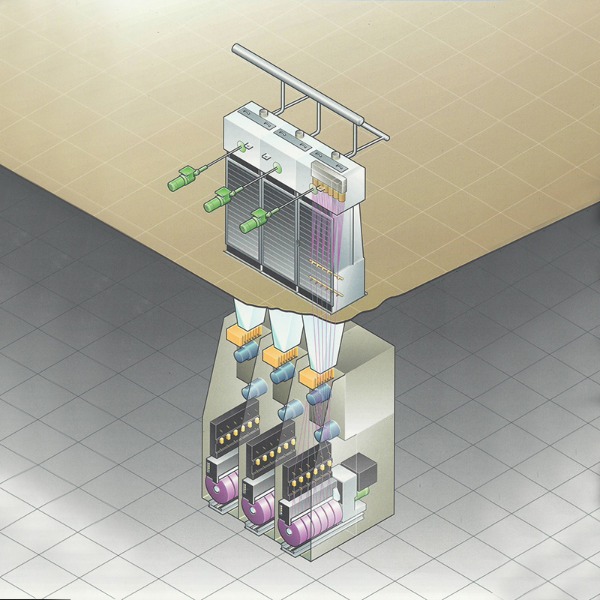
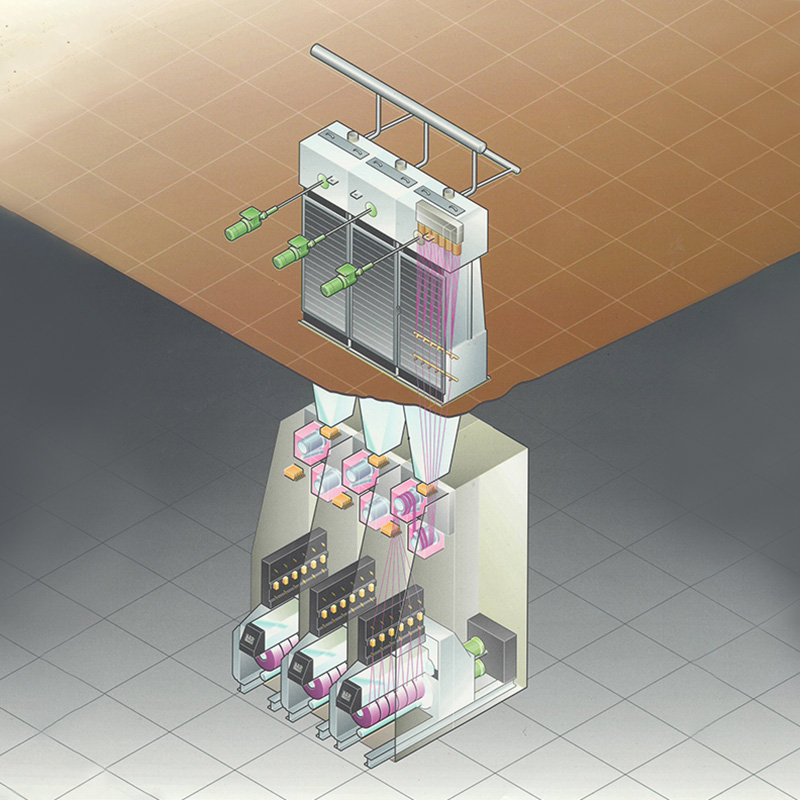
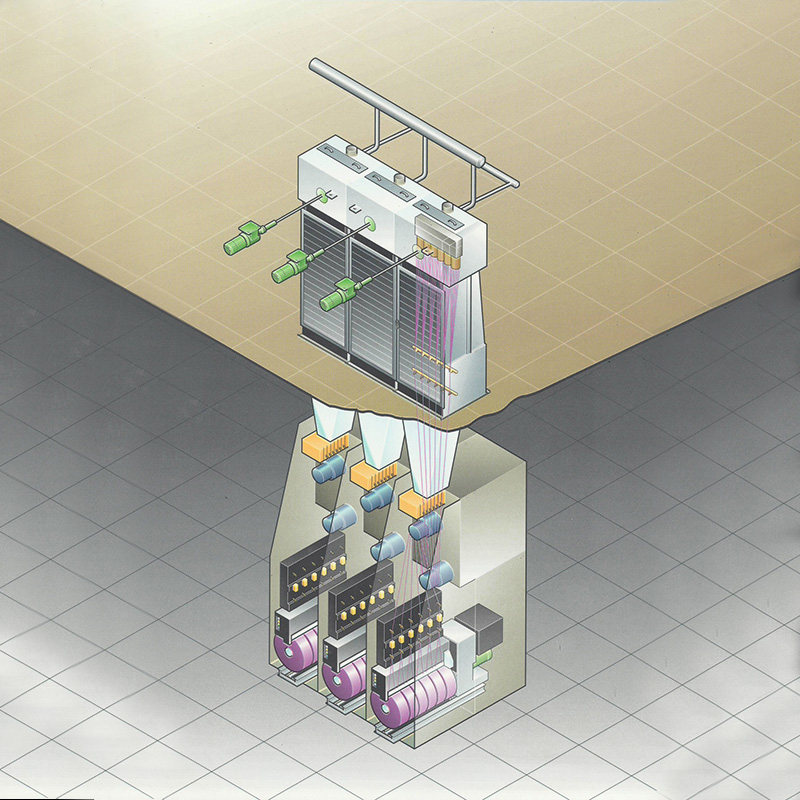
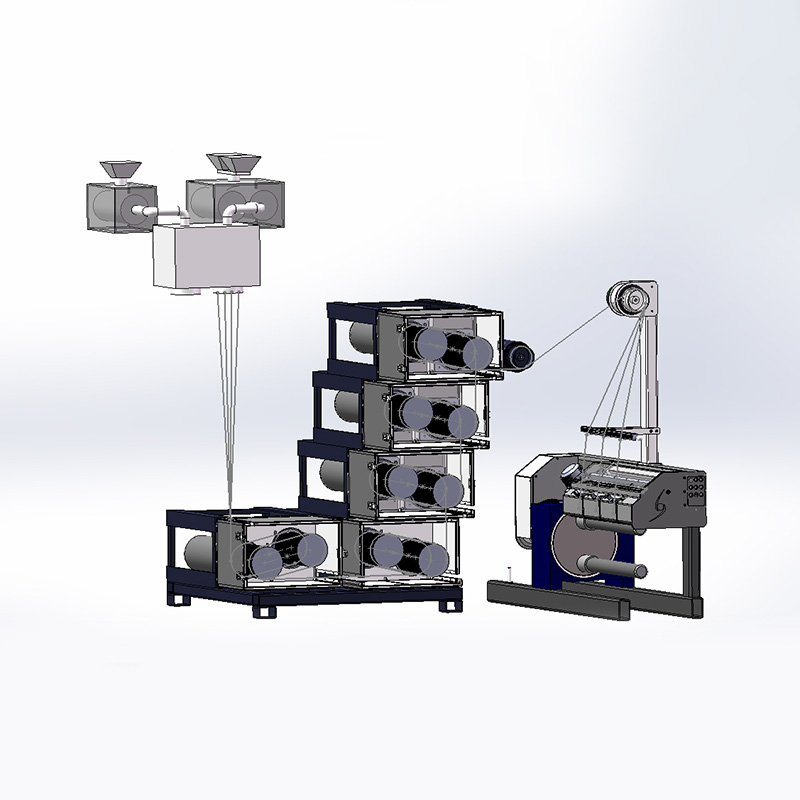
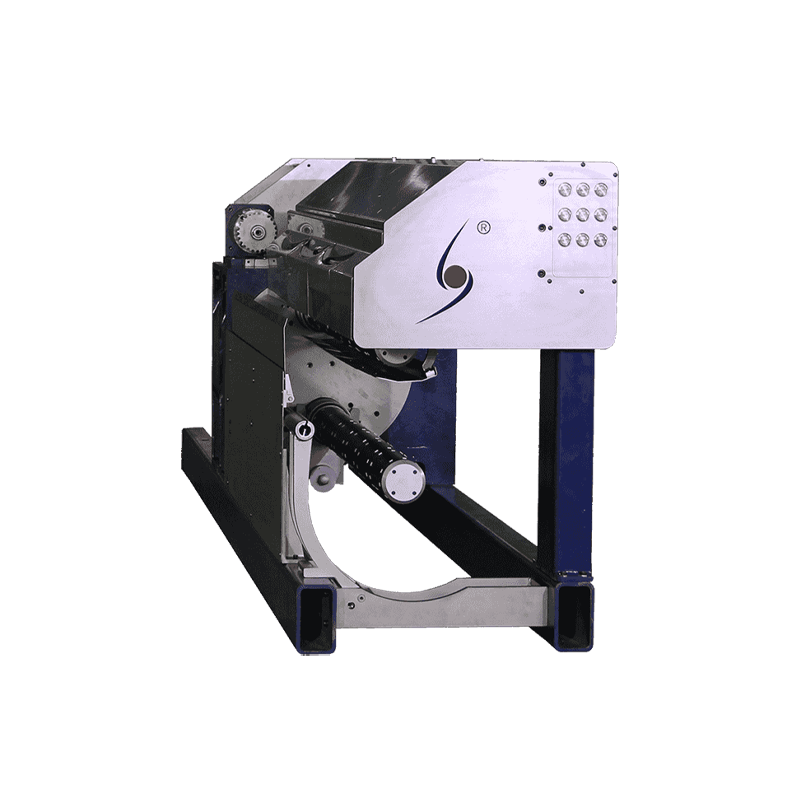
This is the part of the conversation where we usually ask what happens after the flakes leave the dryer. If the answer involves a spinning beam, the moisture target tightens by three orders of magnitude, and the dryer becomes one element in a chain that includes crystallization, dehumidified hopper drying, extrusion, and the spinning positions themselves. We build and service equipment across that whole chain, and the overview of applications in our applications section is a reasonable place to see how the pieces are arranged for POY, FDY, HOY, and industrial yarn routes.
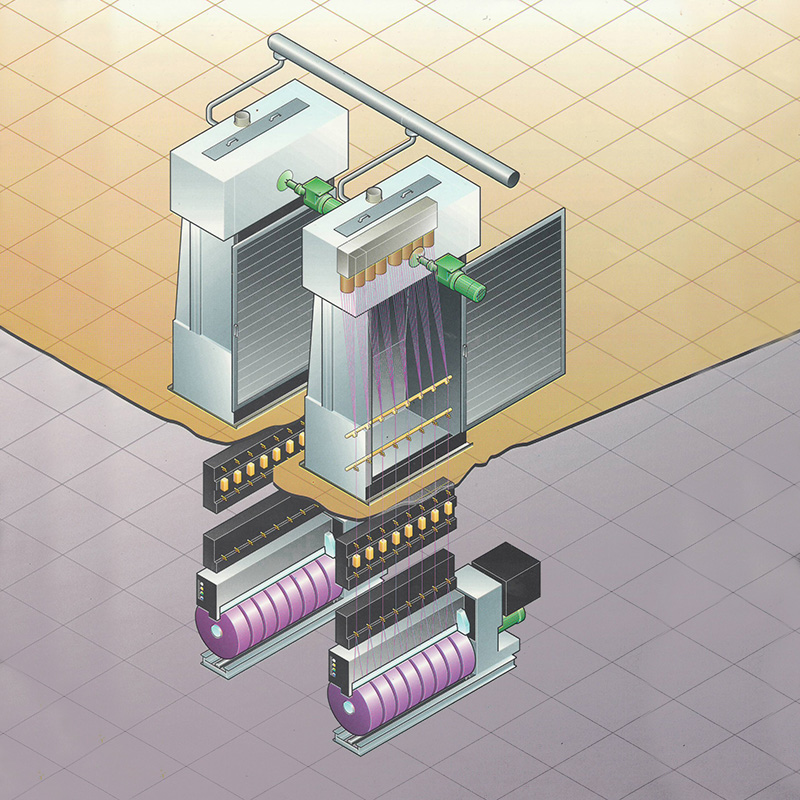
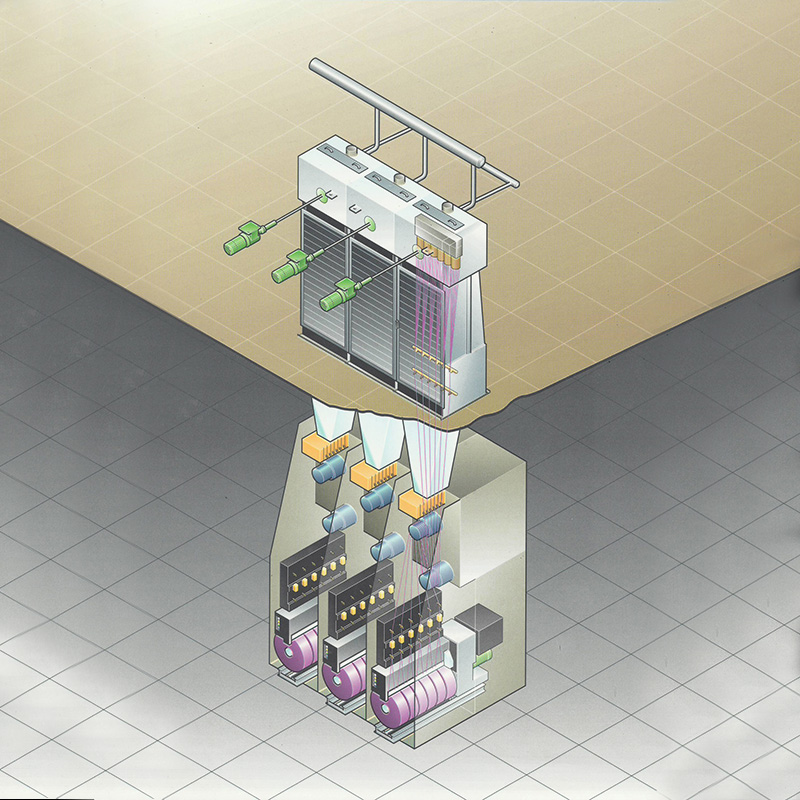 POY Spinning Production Line for PET, PA, PPComplete POY spinning line and turnkey engineering for polyester, nylon, polypropylene and other materials, covering chips through winding and downstream yarn routes.View Product →
Quotations for centrifugal dryers are easy to compare badly. Two units with the same motor rating can differ by a factor in real capacity, so we recommend asking for these figures in writing:
When recycled flakes go into a spinning line, moisture stops being a handling inconvenience and becomes a process risk. Water in the melt hydrolyses the polyester, so intrinsic viscosity falls and the molecular weight distribution broadens. The visible symptoms are familiar to any spinning engineer: pressure fluctuations at the pump, a rising filter differential, more broken filaments, and a yarn package that tests differently from the one beside it.
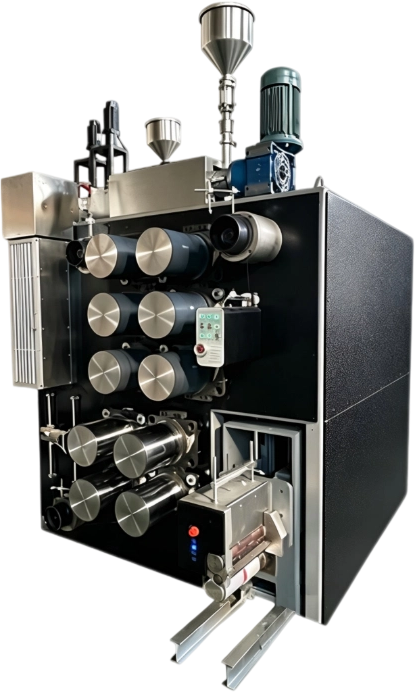
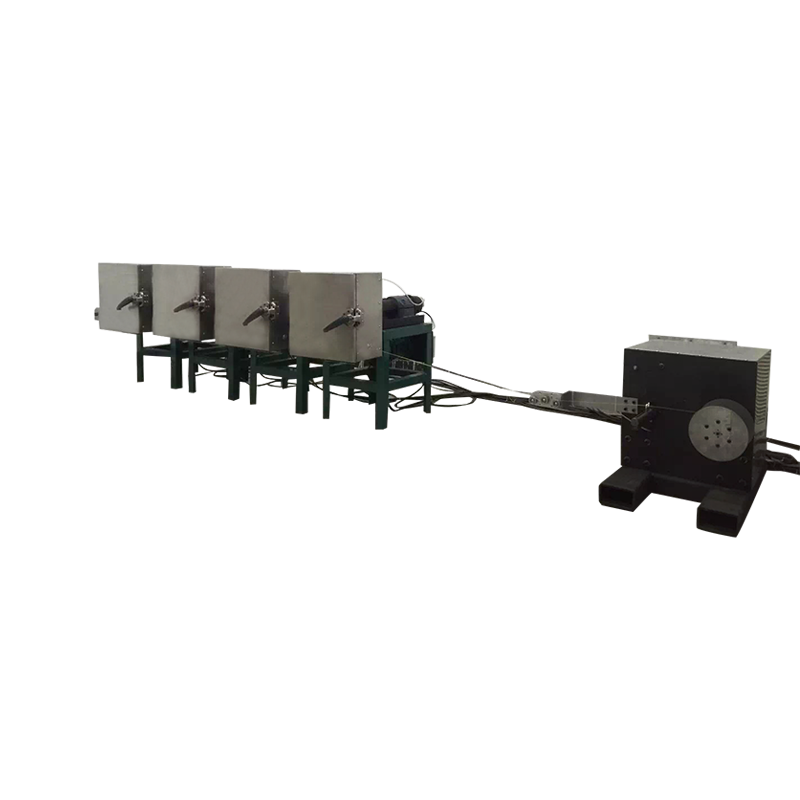
That is why the last drying stage before spinning is a dehumidified hopper rather than a hot-air box. Dry air with a stable low dew point, uniform air distribution through the flake bed, and enough residence time matter far more than a headline temperature. Our dryer for spinning machines is built around that idea — steady conditions beat aggressive ones — and you can review the configuration in the product entry below.
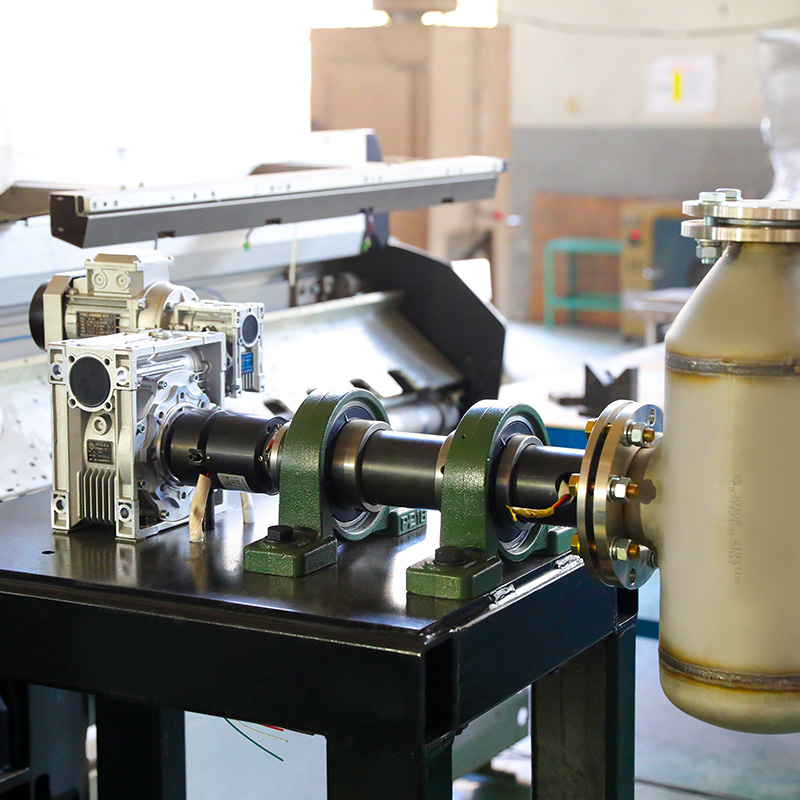 SZG-A Vacuum Rotary Drum Dryer for Chemical Fiber ChipsBatch vacuum dryer for PET, PA, PLA and other chips, using low-pressure dehydration and gentle tumbling to protect intrinsic viscosity before melt spinning.View Product →
Centrifugal dryers reward routine attention and punish neglect quickly. Our suggestions, drawn from our own workshops and from customer sites:
When a unit does go down, fast support matters more than a perfect manual. Our repair and maintenance service covers rotating components, drive assemblies, and the controls around them, so a dryer is rarely out of production for long.
Sometimes, but performance will be compromised. Pellets are uniform and dewater predictably; irregular flakes with cracks and label residue behave quite differently in the same basket.
Yes, in almost every case. The hopper removes absorbed moisture, while the centrifuge removes surface water that would otherwise force the hopper to work far harder than necessary.
For bagging or silo storage, surface moisture in the low single digits is generally workable. If the material will be extruded or spun, the specification should be written in ppm and verified with a moisture analyser.
Drying looks like the simplest step in a PET flake line, and that is precisely why it is so often underspecified. Get the mechanical stage right, give the thermal stage enough time and dry enough air, and the rest of the line — extruder, spinning pump, winder — will quietly do its job. If you are weighing options for a new installation or replacing a tired unit, we are always happy to look at your numbers with you.

ADDRESS: No.1298, Zhouan Road, Economic and Technological Development District, Jiaxing City, Zhejiang Province
PHONE: +86 19057031687
TEL: 86-0573-83777752
EMAIL: [email protected]