English
 عربى
 русский
 简体中文







2026-10-21
Home / News / Industry News / Barmag parts: Applications, Selection Criteria, and Practical Guidance

If you have spent any time on a polyester or nylon spinning floor, you already know how it goes: the big machines get all the attention, and the small parts decide how the shift turns out. A winder running at full speed, a hot godet holding its temperature, a chuck gripping a package — none of them forgive a worn lock ring or a bearing that has lost its preload. We have been machining, balancing, coating and calibrating exactly these components for years, and this page is our honest view of what really matters when you are buying Barmag parts.
We are Jiaxing Shengbang Mechanical Equipment, and we are a workshop first and a supplier second. Our machinists, our plasma spray booth, our balancing equipment and our spinning lab all sit inside the same group. That is why a question about a shift fork usually ends with one of us walking over to a machine to check a fit, instead of reading a catalogue and hoping for the best.
On a working Barmag line, "parts" is a much wider word than most people expect. It runs from a few grams of O-ring to a complete chuck assembly, and each group fails in its own way. In our day-to-day work the demand usually falls into three families:
Knowing the name of a part is only the beginning. What matters more is knowing where that part sits in the process, because that is what tells you whether a small mark on a guide plate is cosmetic or whether it will show up as fuzz and broken filaments three positions downstream.
| Part group | What the line tells you | What we check before it ships |
|---|---|---|
| Aluminum tube | Package slip, vibration at high speed, damaged tube ends | Straightness, surface condition, chuck fit, balance |
| Lock ring and chuck sleeve | Package runout, chuck noise, difficult doffing | Thread condition, seating face, correct size for the chuck |
| Bearings (contact roll, separator roll, godet, chuck) | Rising temperature, whine, tension drift | Bore and shaft fit, clearance, seals, lubrication |
| Shift fork and gear box | Uneven package edges, changeover faults, broken filaments at transfer | Wear at the guide face, alignment, gear play |
| Yarn guide plate and guide rod | Yarn damage, fuzz, broken filaments | Groove wear, surface finish, position in the yarn path |
| Tensioning block | Tension variation between positions, package density drift | Spring force, wear on contact faces |
| Interlacing nozzle | Uneven knots, weak interlacing | Bore condition, air channel cleanliness, match to yarn and pressure |
The most common conversation we have with a customer starts with a part number and ends with a photograph. Barmag winders have been built over many years and in many configurations, and the same nominal function can be carried by different hardware depending on the chuck size, the winder generation and the yarn being run. Chucks in 1200, 1380, 1500, 1600 and 1800 sizes do not share lock rings, sleeves or shaft bearings, and a bearing that fits one contact roll shaft may be wrong for another with a different seat.
So when you send an inquiry, three things save everybody time: the machine type and position number, a clear photo of the old part including any markings, and the quantity you actually need. If the part is no longer legible, measure the shaft and the housing and tell us the chuck or godet size — we can usually narrow it down from there. We keep our full Barmag spinning machine parts range organised by assembly, so winder parts, hot godet parts and the smaller items such as nozzles and O-rings are easy to trace back to the position they belong to.
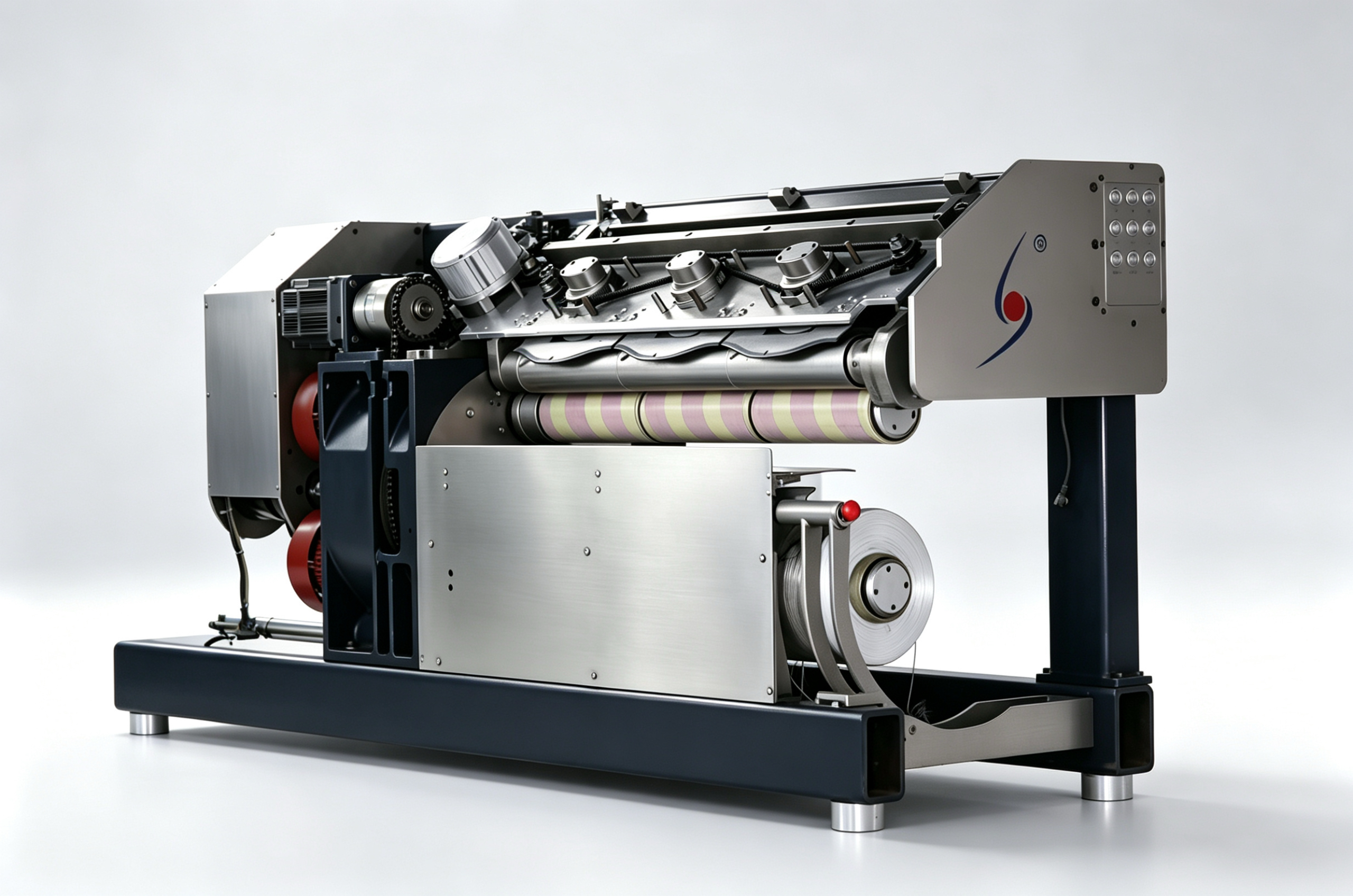
On the winder, package quality is decided by a chain of parts that all have to agree with each other. The aluminum tube has to sit true on the chuck; the lock ring has to hold it without distorting the tube end; the chuck base and sleeve have to keep runout small at speed. When a package comes off with a soft shoulder or a visible pattern, the tube and the chuck are the first things we check, not the last.
 Barmag ACW1380 Aluminum Tube for Winder BobbinsAt this point in package quality, check the 1380 mm aluminum tube used to push bobbins on Barmag winder equipment.View Product →
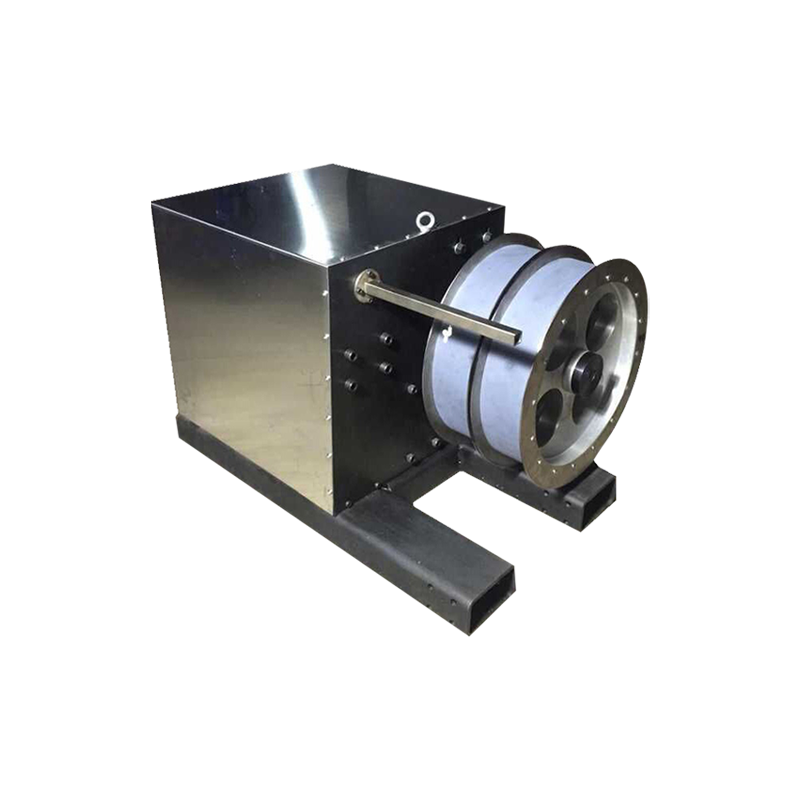
Further along the yarn path, the shift fork and its gear box control the transfer, and a small amount of wear at the guide face is enough to produce a rough package edge or a transfer fault that appears only at certain speeds. Yarn guide plates and guide rods carry the yarn with a surface finish that has to stay smooth, because a polished groove that has worn through will damage the yarn before anyone notices the package. Tensioning blocks, Y-shaped forks and interlacing nozzles complete the picture — each of them cheap in isolation, each of them capable of stopping a position.
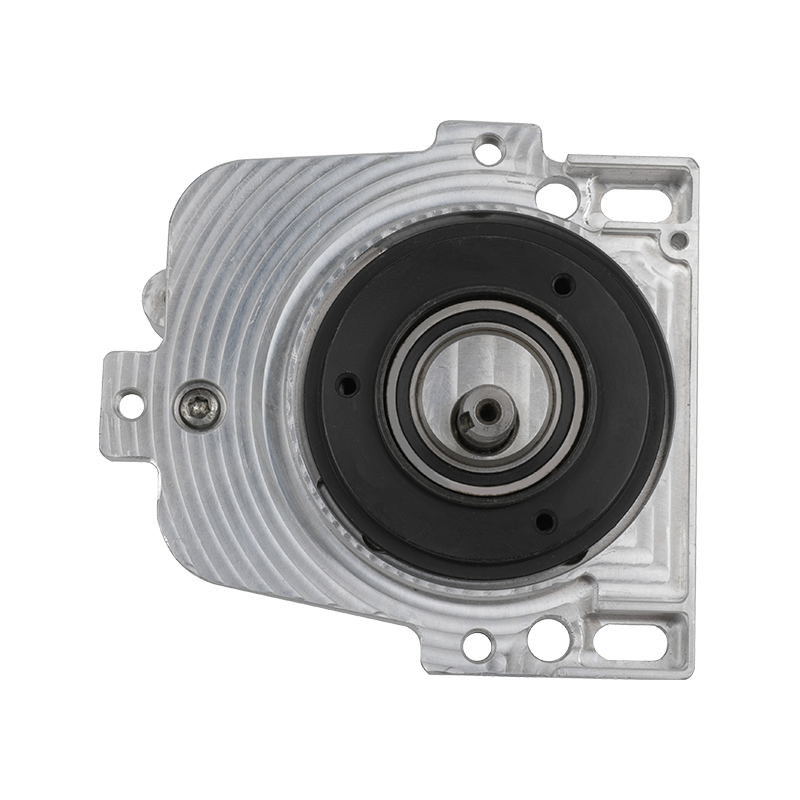 Barmag Winder Shift Fork Gear BoxBirotor traverse gearbox for Barmag winders; its shift-fork control and guide plates directly affect yarn transfer and package edge quality.View Product →
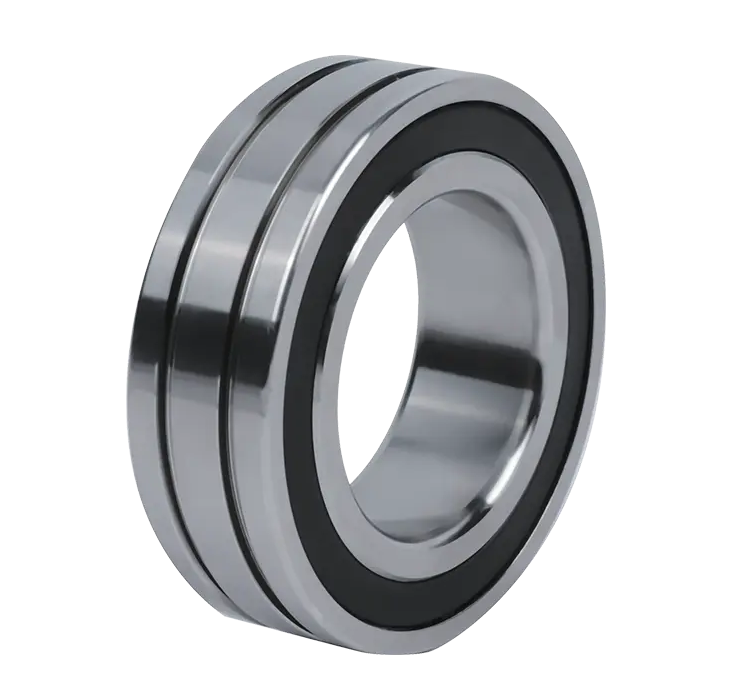
Hot godets are less forgiving than winders, because two variables — temperature and rotation — have to stay stable together. A godet bearing that is starting to fail usually shows itself first as a temperature deviation rather than as noise, and by the time it is audible the yarn has already been affected. We supply bearings for hot godets, contact rolls and separator rolls, and we fit them with attention to shaft seat and preload rather than treating them as a simple swap.
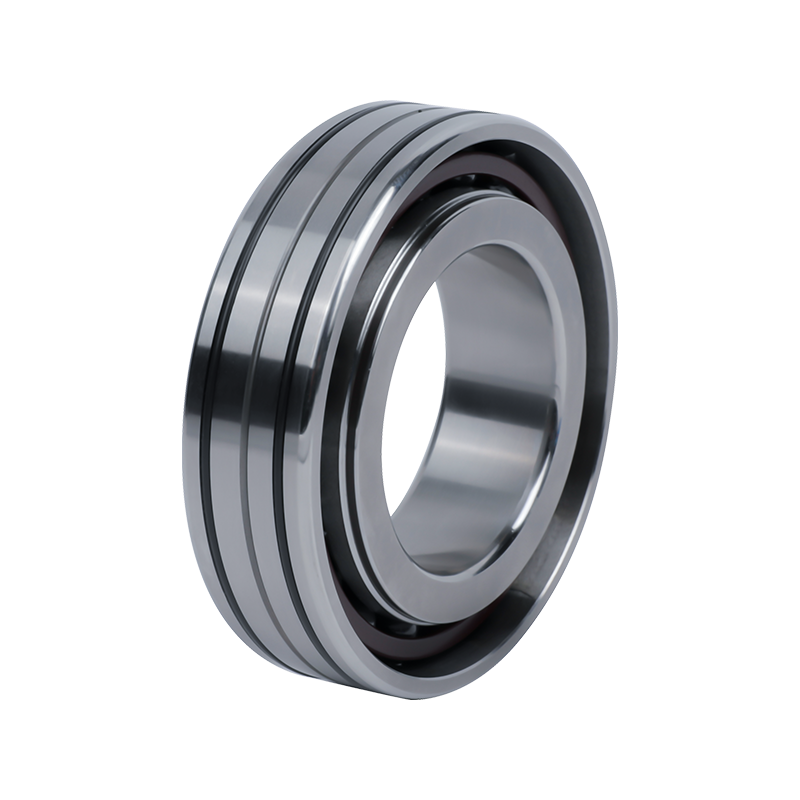 Bearing for Barmag Hot Godet 13011800030φ50 × 90 × 23 mm replacement bearing for Barmag hot godet assemblies; temperature stability and careful shaft fit/preload protect yarn quality.View Product →
Surface condition matters just as much. Godets, separator rolls, yarn guide plates and filament guides all touch the yarn, and their coatings wear with time and with the finish of the yarn itself. In our plasma spray workshop we re-coat these parts and then bring them back to the required surface, and rotating parts go through dynamic balancing on our SCHENCK machine before they return to a line. Hot godets are finally checked for temperature accuracy with a Barmag godet temperature calibration instrument, so the number you see on the control panel is the number the yarn actually feels.
Not every problem is solved by a new part, and we say so when it is true. A shift fork with light wear can often be restored rather than replaced, and our shift fork repair work is a good example of how a repair can keep a position running while a replacement is prepared. The same thinking applies to shift fork gear boxes, hot godets, motors, chucks, coils, separator rolls and godets, spin finish and metering pumps, and circuit boards, EPR and valve banks.
There is also a middle route that many mills overlook: upgrading the parts of an existing machine that limit it. Chuck motors and fans, godet control without a winding frame, air quench chambers, spinnerets and winder assemblies can all be renewed in place, which is often more attractive than a new machine when the rest of the line is sound. The decision should come from a measured look at where the losses are, not from a habit of replacing the biggest component first.
After enough site visits, patterns appear. The mills that recover fastest from a failure are rarely the ones with the largest warehouse; they are the ones that know exactly which part sits at which position. A simple register — machine, position, part description, size, and the date fitted — turns a panicked phone call into a two-minute order. Photographing the nameplate and the old part when it is still clean costs nothing and saves days later.
Beyond paperwork, a few habits pay for themselves. Keep one spare of the consumable items that stop a position: lock rings, guide plates, tensioning blocks, O-rings, nozzles. Watch godet temperatures as a trend rather than a limit, because a slow rise is the earliest warning you will get. Plan coating and balancing work for planned shutdowns instead of waiting for surface damage. And when a new yarn or a higher speed is introduced, revisit the parts on the winder instead of assuming the old set will carry the new duty.
We build our own hot godets and winders, run a pilot spinning lab, and machine, coat, balance and calibrate parts for Barmag machines every week. That combination is useful when a part has to be more than a copy of a drawing. If you are chasing a specific component, send us the machine details, a photo and the quantity, and we will tell you honestly whether it is a stock item for us, a repair, or something that needs to be made.

ADDRESS: No.1298, Zhouan Road, Economic and Technological Development District, Jiaxing City, Zhejiang Province
PHONE: +86 19057031687
TEL: 86-0573-83777752
EMAIL: [email protected]