English
 عربى
 русский
 简体中文







2026-10-30
Home / News / Industry News / Shengbang Barmag Parts: A Practical Guide to Winder and Godet Components

A Barmag spinning line seldom gives a dramatic warning before a problem appears. More often, a yarn guide starts to wear, a bearing begins to sound different, or a chuck no longer releases with the same clean action. By the time package quality changes, the cause has usually been developing for a while. That is the reality behind most Shengbang Barmag parts enquiries we handle: not a catalog exercise, but a production issue that needs a practical answer.
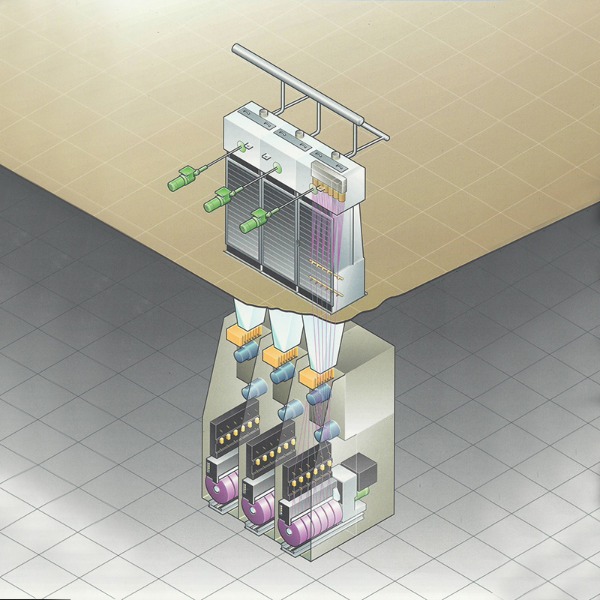
Shengbang Barmag parts are organized around the places where a spinning line actually works: the hot godet section, the winder, the chuck assembly, the yarn path, and the small transmission and sealing details that hold the process together. A single machine model can use different chuck sizes, guide plate versions, and bearing arrangements, so the part family matters as much as the machine brand.
The table below is a simple field map, not a complete spare-parts list. It shows how we usually group common Barmag components and what we ask customers to confirm before a match is made.
| Part family | Typical role | Details to confirm |
|---|---|---|
| Hot godet parts | Bearings, godet components, and heat-related wear items | Godet model, operating temperature, bearing position |
| Winder and chuck parts | Aluminum tubes, chuck base and sleeve, lock rings, tension blocks | Chuck size, winder series, mounting details |
| Yarn path parts | Yarn guide plates, yarn guide rods, finish guide assembly plates, interlacing nozzles | Guide position, yarn type, plate or nozzle version |
| Drive and shift parts | Shift forks, shift fork gearboxes, Y-shaped forks, couplings | Fork code, gearbox side, machine revision |
| Small consumables | O-rings, rods, bearings for contact rolls, separator rolls, and hot godets | Dimensions, material, heat exposure, mating part condition |
Hot godets are one of those areas where a part can look right and still behave badly. A bearing that is close but not correct may fit, run, and then show itself through temperature drift, noise, or uneven yarn tension. When we look at a Barmag hot godet issue, we start with the godet model, the bearing position, and the symptoms the operator has noticed. A vibration that appears only at high speed tells a different story from a bearing that is warm at start-up.
Where bearing replacement is the right route, the mating surfaces and the balance of the rotating assembly deserve as much attention as the bearing itself. Our workshop uses CNC machining, a SCHENCK dynamic balancing machine, and a Barmag hot godet temperature calibration instrument in this kind of work. Those tools do not replace experience, but they help take guesswork out of the final check.
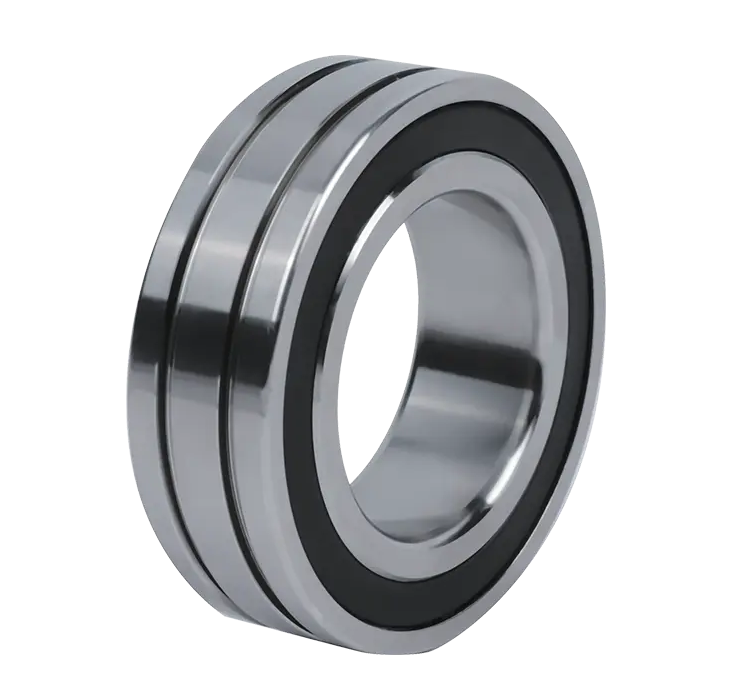
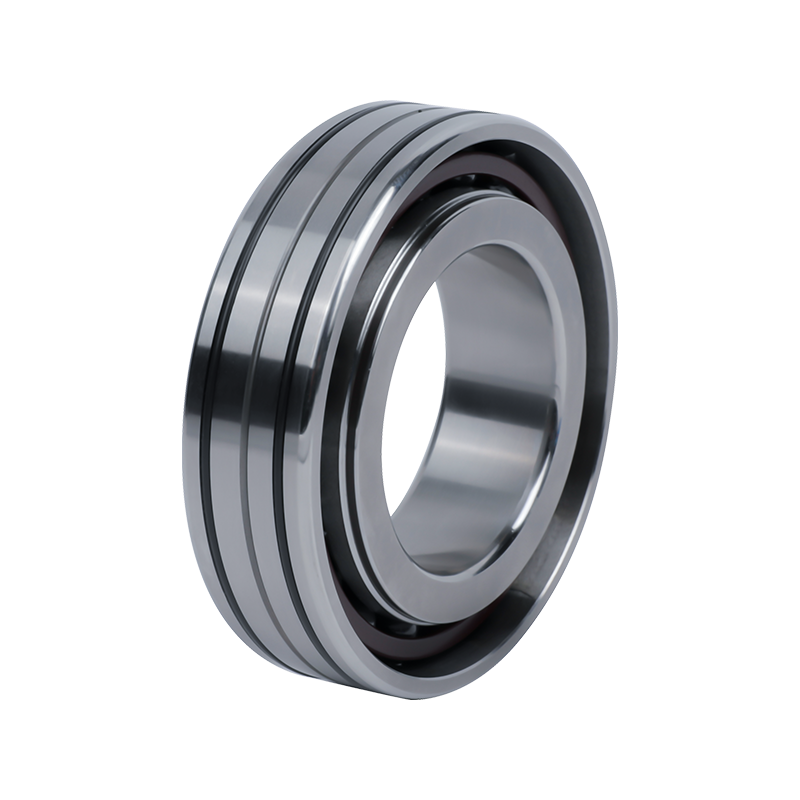 Bearing for Barmag Hot Godet 13011800030Bearing for Barmag hot godet equipment, listed at φ50×φ90×23 mm; relevant when bearing replacement is the chosen route and final balance checks matter.View Product →
On the winder side, the questions become very specific. A shift fork may be listed for a Barmag winder, but the fork code and the gearbox side still need to match. A yarn guide plate may look similar across models, yet the guide slot, mounting hole pattern, and surface finish can change the way the yarn runs. This is why we prefer a photo of the old part, the machine plate, and a short note on what the operator saw before the change.
Chuck parts are similar. Aluminum tubes, lock rings, chuck bases, and sleeves are not interchangeable just because they sit near the same winder. We ask for the chuck size and the winder series, then check the part against the assembly rather than against a picture alone. That extra step avoids the common situation where a replacement part arrives quickly but sits on the shelf because it is one revision away from the right fit.
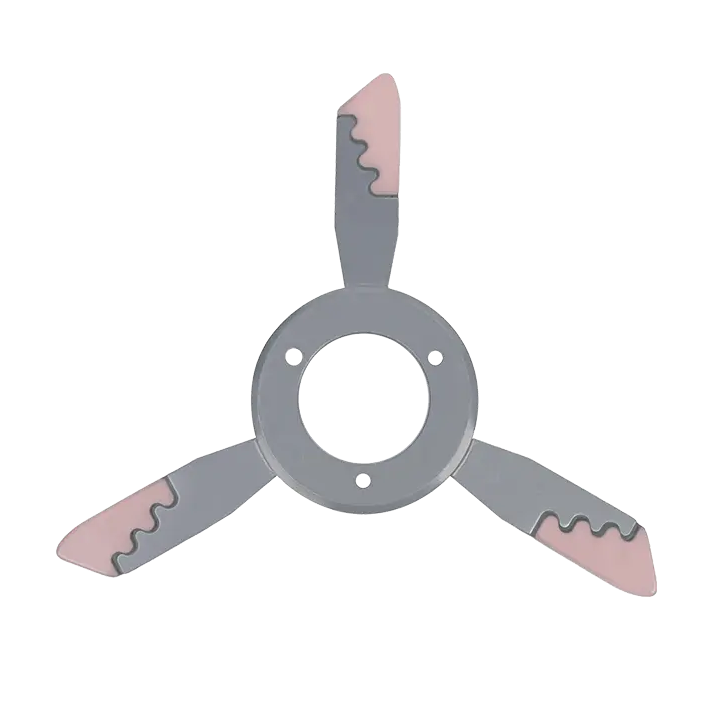
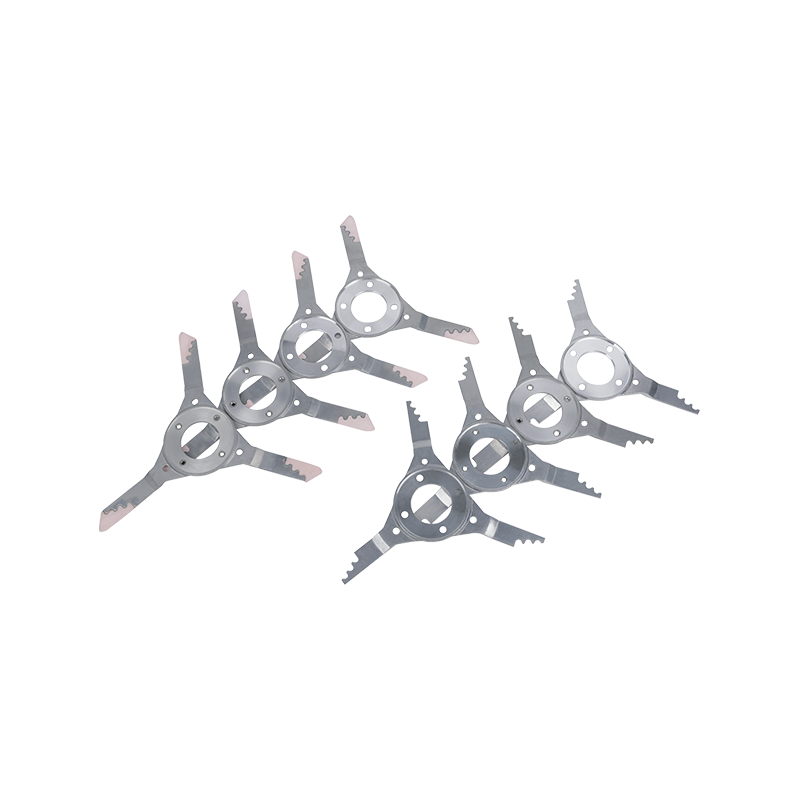 S-1011 (RO) Shift Fork for Barmag ACW1500Aluminium alloy shift fork for Barmag ACW1500 winders, order number C873911; check fork code and gearbox side before matching a winder replacement.View Product →
Chuck work is often about the details around the part. A lock ring may be the visible item, but the chuck taper, the sleeve condition, and the way the package releases all affect the result. If an aluminum tube is being replaced, check the chuck size and the winder model before ordering; the ACW 1380 and ACW 1500 families, for example, use different tube references in our catalog.
We also see cases where a chuck problem is really a motor, a sensor, or a worn contact surface. Replacing a tube or lock ring will not correct a fault elsewhere in the assembly. A short video of the chuck opening and closing, together with the machine model, often saves a lot of back-and-forth.
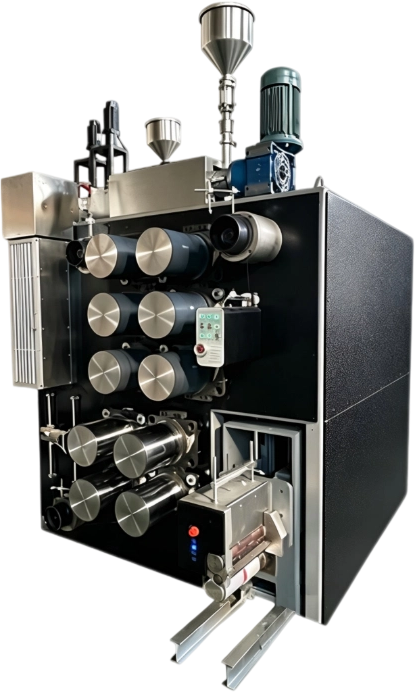
 Barmag ACW1380 Aluminum Tube for WinderAluminum tube for Barmag ACW1380 winders, 1380 mm long and intended to push bobbins; confirm chuck size and winder series before ordering.View Product →
Not every Barmag parts request ends with a new component. Sometimes the wiser route is repair, rework, or a small upgrade that can extend the working life of an existing assembly. Our repair and maintenance team handles hot godets, motors, chucks, contact rolls, separator rolls, shift fork gearboxes, circuit boards, valve banks, spin finish pumps, and metering pumps. The aim is not to sell a repair for every fault, but to tell you honestly when rework makes sense and when it does not.
For older winders, a targeted upgrade can be more practical than a full replacement. We work on winder upgrading, shift fork and gearbox improvements, chuck motor and fan changes, and godet control arrangements. If you are weighing repair against upgrade, bring us the machine details and the production problem; we can discuss the options in plain terms.
Most ordering delays come from missing information, not from a lack of parts. To help us match a Barmag component correctly, please have the following ready:
If the code is missing, do not worry. A nameplate, a photo of the assembly, and the machine layout are often enough to narrow the options. What we try to avoid is a guess based only on the appearance of the part.
These habits come from daily contact with spinning teams, not from a textbook. They also explain why we ask a few questions before quoting certain Shengbang Barmag parts.
Yes, where the assembly and part reference can be confirmed. Older models often have several revisions, so photos and machine details matter more than the model name alone.
Yes. Hot godets, chucks, contact rolls, separator rolls, motors, shift fork gearboxes, and other assemblies can be assessed for repair or rework. We will say when replacement is the better choice.
A clear photo is a useful start. Please add the machine model, the position on the machine, and any visible code. With those details, we can usually identify the likely family and ask for the remaining measurements.
Whether you are maintaining one Barmag line or keeping several machines supplied, the goal is the same: the right part, fitted with confidence, back in production without unnecessary downtime. Shengbang Barmag parts support that goal through a practical mix of spare components, repair work, and engineering support. If you are unsure where to start, send us the machine details and a photo; we will help you narrow the path.

ADDRESS: No.1298, Zhouan Road, Economic and Technological Development District, Jiaxing City, Zhejiang Province
PHONE: +86 19057031687
TEL: 86-0573-83777752
EMAIL: [email protected]