

 English
 عربى
عربى русский
 简体中文
简体中文







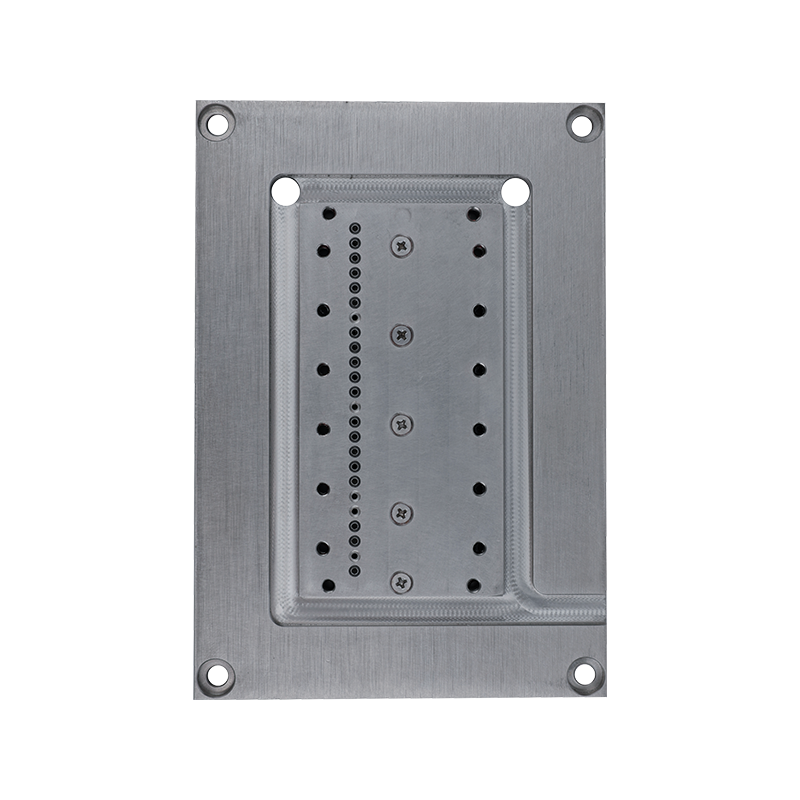
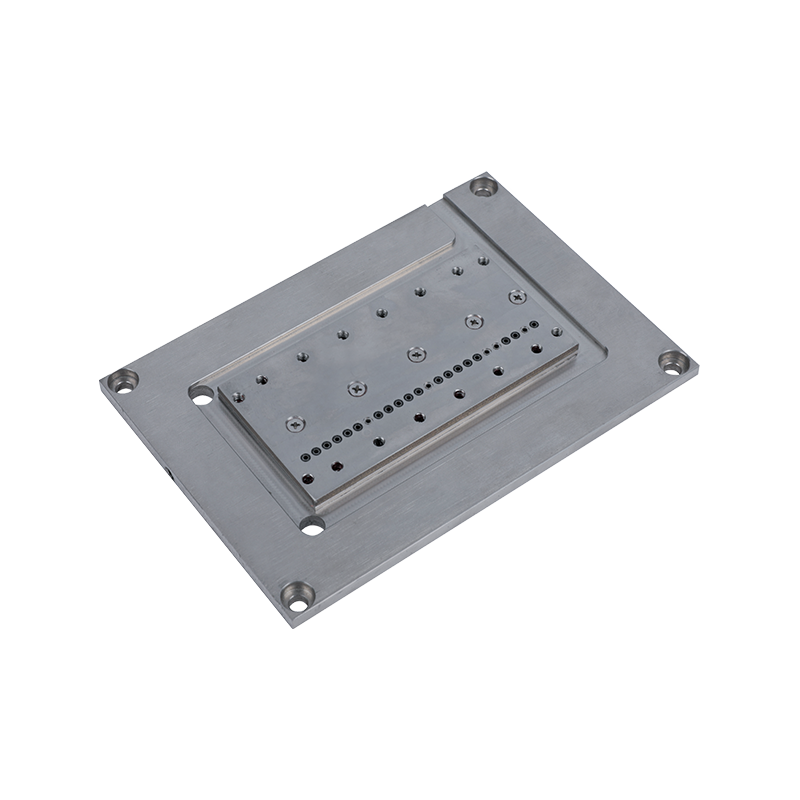
Home / Product / Barmag Spinning Machine Parts / Other Parts / Finish Guide Assembly Plate / Finish Guide Assembly Plate S32 for Barmag
I. Historical Development of Spin Finish Application Systems
Early Background (1930s–1950s)
The technological requirement for spin finish application emerged concurrently with the birth of the synthetic fiber industry. Following the invention of polyamide 6 (Perlon) by Paul Schlack in 1938 and DuPont's introduction of nylon 66 in 1939, high-speed melt spinning of man-made fibers exposed three fundamental processing challenges: electrostatic charge accumulation, excessive inter-filament friction, and insufficient yarn cohesion. These deficiencies resulted in frequent filament breakage and compromised downstream processability.
The earliest finish application method was the immersion bath (dip bath), in which the yarn passed directly through an aqueous finish solution, acquiring the lubricant through wetting. This approach offered no meaningful control over finish add-on levels and was prone to microbial contamination of the bath liquor.
The lick roller (kiss roll) method subsequently became widespread. In this configuration, a slowly rotating roller, the surface of which carried a continuous film of finish, contacted the running yarn tangentially. The yarn picked up finish through surface adhesion. While this technique remained in common use for several decades, its inherent limitation lay in the dependence of finish add-on upon roller peripheral speed and liquor viscosity, both of which were difficult to regulate with precision.
The Precision Metering Era (1960s–1980s)
Barmer Maschinenfabrik AG (Barmag) introduced metered-pump applicator systems in which a precision gear metering pump delivered a precisely controlled quantity of finish directly to the yarn via a dedicated applicator die (oil nozzle). This configuration claimed to eliminate variability in finish add-on, reduce bacterial proliferation, and improve yarn quality and tensile properties.
This transition represented a conceptual shift of fundamental importance: from passive finish pick-up to active volumetric finish delivery, enabling the finish-on-yarn (FOY) level at each spinning position to be maintained within a tolerance of ±0.1%.
Co-evolution with High-Speed Spinning (1980s–2000s)
As POY spinning speeds advanced from 2,000 m/min to 3,500 m/min and ultimately beyond 5,000 m/min, spin finish systems were confronted with a new set of engineering challenges:
Centrifugal shedding and aerosol generation (oil splash/oil mist) at elevated yarn velocities
Extremely short contact times for oil film formation
The requirement for close uniformity of finish add-on across multi-position spinning machines
In response, Barmag and other machine builders developed the groove-type applicator (slot nozzle), in which a precisely machined internal channel distributes the finish across the width of the yarn bundle. This design became the dominant approach for standard melt-spinning applications and remained so through subsequent generations of equipment.
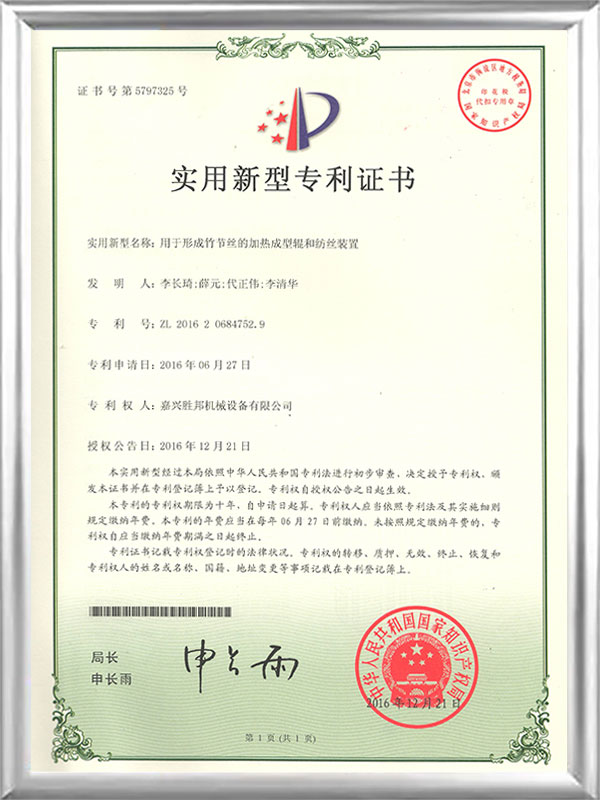
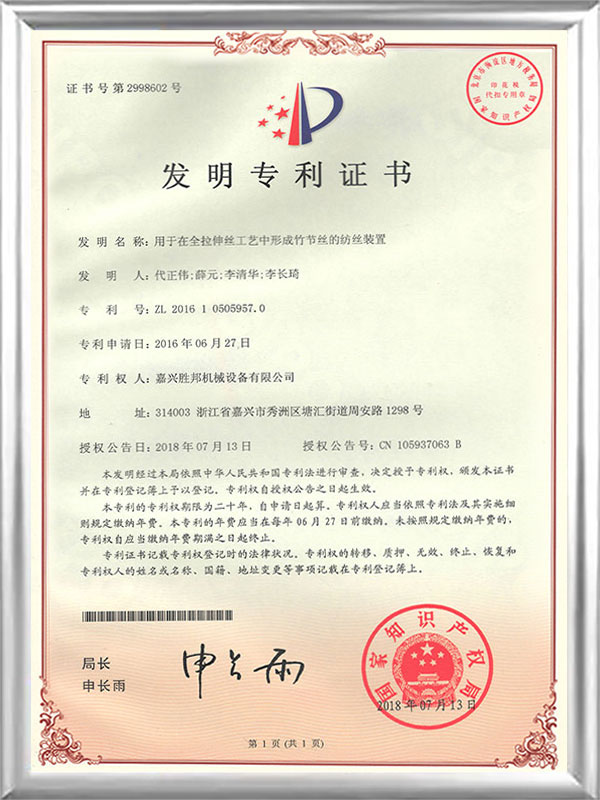
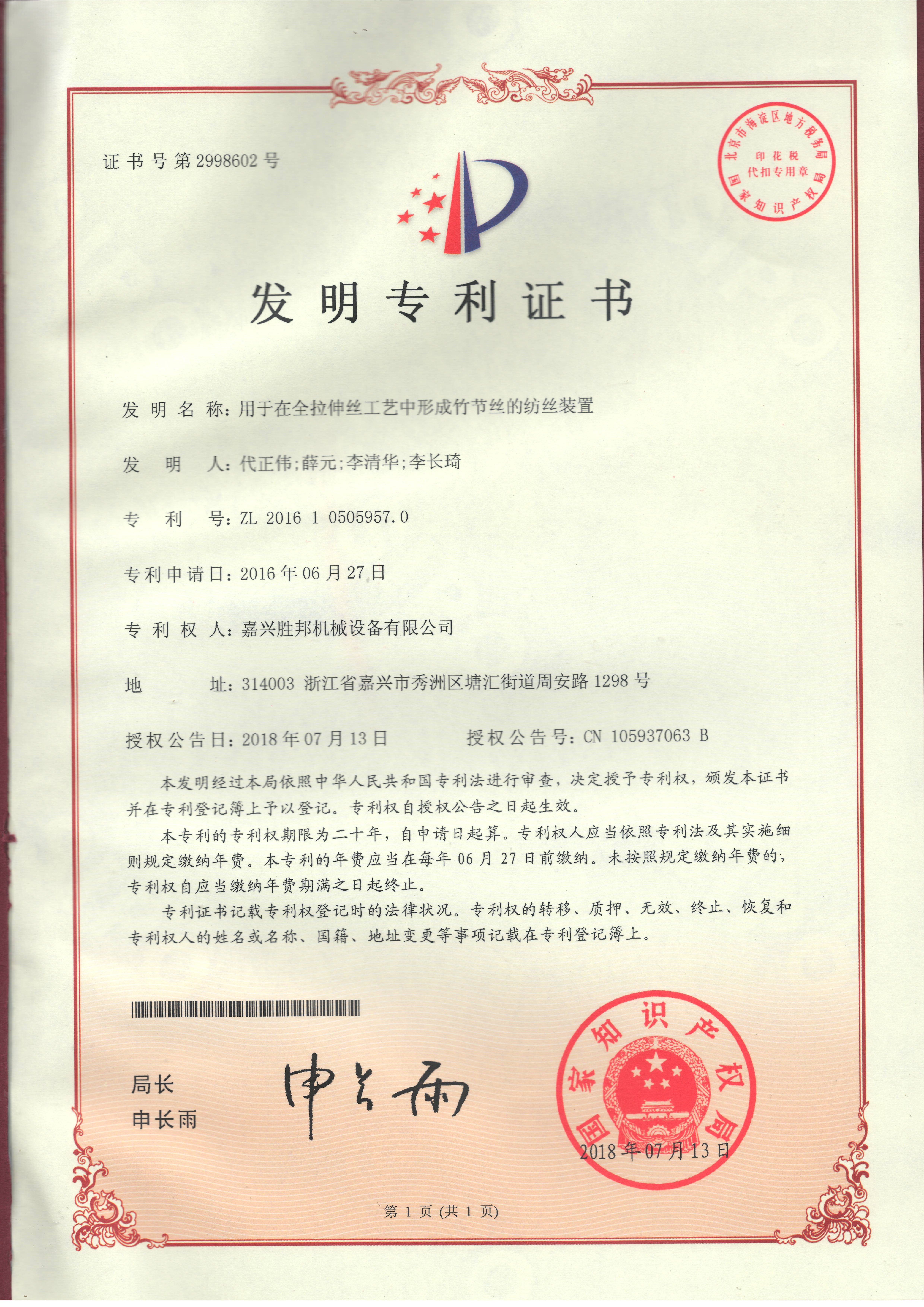
With the widespread adoption of melt spinning lines such as Barmag and TMT in China, a significant number of domestic enterprises specializing in equipment repair and maintenance services have emerged. These companies focus on the production and repair of spinnerets. Among them, Jiaxing Shengbang Machinery Co., Ltd. is the earliest company to have achieved the capability for full-component repair of imported Barmag winding equipment.
The company is equipped with a comprehensive suite of advanced manufacturing, testing, and diagnostic facilities, including
High-precision CNC machining centers;
Original Schenck (Germany) dynamic balancing machines;
Plasma spraying equipment from the 625 Research Institute of the Ministry of Aerospace;
Original Barmag (Germany) godet thermal calibration instruments.
Leveraging our robust technical expertise, state-of-the-art facilities, and strategic geographical advantages, we have established long-term, stable partnerships with industry-leading giants such as Tongkun Group, Xinfengming Group, Hengli Group, and Shenghong Holding. Our commitment to excellence has earned consistent acclaim across the chemical fiber industry.
II. Principal Equipment Manufacturers and Their Design Philosophies
1. Oerlikon Barmag (Germany; now part of the Oerlikon Group)
Barmag AG holds approximately 40% of the global market share in man-made fiber machinery, with its product portfolio spanning spinning machines, texturing machines, and precision chemical pumps serving applications ranging from outdoor textiles to tyre cord, airbag fabric, and industrial end uses.
The distinguishing characteristics of Barmag spin finish systems are as follows:
Integrated system architecture: The applicator nozzle, metering pump (GFD series), pipework, and process control are designed as a matched system by a single manufacturer, eliminating inter-component compatibility issues.
Precision GFD gear metering pumps: Each spinning position is served by an independently driven metering unit, enabling precise control of finish add-on at the individual position level.
A typical Barmag POY spinning line is configured with ten GFD1XA-50 finish metering pumps.
Enclosed draw zone in WINGS technology: The enclosed draw zone ensures low volatilization of spin finish and provides a safe working environment.
2. TMT Machinery (Japan; Toray–Teijin origin)
TMT (Teijin Machinery), originating from the Toray corporate lineage, concentrates on polyester FDY and POY systems. Its spin finish system is characterized by an integrated multi-position nozzle block design that facilitates maintenance and solvent cleaning.
3. Neumag / Oerlikon Neumag (Denmark; now part of the Oerlikon Group)
Neumag specializes in bulked continuous filament (BCF) carpet yarn systems. Its spin finish systems are engineered for high-denier yarn produced from multi-component polymer systems (PA6, PA66, PET, PP), in which finish add-on levels substantially exceed those of standard textile spinning.
4. Mahr / Feinpruef (Germany; specialist metering pump manufacturer)
Mahr's Feinpruef metering pumps are key components in the high-speed production of high-quality synthetic yarns and fibers. They are responsible for applying the spin finish agent, which contains antistatic agents, cohesive lubricants, and various additives, thereby preventing filament breakage, eliminating electrostatic charge, and imparting enhanced elasticity and downstream processability to the yarn.
5. MAE (Italy)
The spin finish section of a typical MAE melt-spinning line comprises a stainless-steel finish reservoir (maintaining a constant head pressure for the metering pumps), a finish metering and application assembly, a finish distribution uniformization device, and a suction assembly.
III. Principal Components
A complete industrial spin finish system comprises the following functional modules:
Concentrate drum → Mixing/dilution unit → Storage tank → Metering pump(Return/recovery system) →Applicator nozzle → Yarn
Module descriptions:
① Finish storage and preparation
Stainless-steel concentrate drums equipped with heating and temperature-control systems
Dilution and blending unit (producing a working-concentration emulsion, typically 15–20% active content, by mixing concentrate with deionized water)
Recirculation and agitation system (to prevent emulsion separation)
② Delivery system
③ Metering pump assembly
④ Applicator nozzle
⑤ Return and waste management
Finish collection sumps (capturing excess shed finish)
Return pipework
Effluent treatment (filtration and recycling or controlled disposal)
⑥ Process monitoring and control
IV. Manufacturing Processing for Barmag Applicator Nozzles
The oil applicator nozzle is simultaneously one of the most rapidly worn consumable components and the most dimensionally demanding precision element in the entire spinning system. Its manufacture is governed by exceptionally stringent requirements.
The typical processing route for ceramic applicator nozzles is as follows:
Powder batch preparation → Cold isostatic pressing (CIP) → High-temperature sintering (~1,600°C)
→ Diamond wheel rough grinding → Precision grinding (external geometry)
→ Ultra-precision grinding (groove profiles) → Diamond paste lapping
→ Alumina slurry polishing → Surface roughness inspection
→ CMM dimensional verification → Cleaning → Packaging
V. Principal Classifications and Designations of Barmag Applicator Nozzles
Classification by Finish Delivery Principle
① Groove-type (slot) applicator
The predominant nozzle type. Finish entering from the rear bore forms a stable liquid column at the base of the precision-machined arcuate groove; the yarn bundle acquires a uniform finish coating as it traverses the liquid/air meniscus at the groove exit. This type is standard for POY and FDY textile yarn production.
② Injection-type applicator
Finish is delivered under pressure through a microjet orifice directly onto the yarn bundle. This configuration is specified for high-speed applications (>4,000 m/min) or high-denier yarns, where the dynamic conditions require more forceful finish penetration to achieve uniform distribution through the bundle cross-section.
③ Wetting-bar (immersion contact) applicator
This type exploits capillary wetting mechanisms: the yarn maintains contact with an extended ceramic wetting surface, ensuring that finish penetrates to the inner filaments of high-denier bundles. It is commonly specified for industrial yarn (IDY) spinning lines.
Classification by Barmag Machine Platform
|
Compatible system |
Nozzle series characteristics |
Primary application |
|
ACW/CW series (early winders) |
Metallic body with ceramic insert |
PET/PA POY |
|
SW series (mid-generation) |
Monolithic alumina ceramic |
PET POY/FDY |
|
WINGS POY (introduced 2007) |
Quick-release integrated ceramic assembly |
PET/PA POY |
|
WINGS FDY |
High-precision, low-friction polished nozzle |
PET/PA FDY |
|
WINGS FDY PA (introduced 2019) |
Specialized surface treatment for polyamide |
PA6/PA66 FDY |
|
eAFK texturing machine |
Auxiliary finish nozzle in DTY zone |
POY→DTY texturing |
|
Industrial yarn system (HF series) |
Large-bore wetting-bar type |
PET/PA66 IDY |
|
BCF system (Neumag-supplied) |
Multi-strand split nozzle |
BCF carpet yarn |
Classification by Nozzle Count and Integration Architecture
VI. Description
Finish nozzles are precision terminal components of the Spin Finish System in Barmag spinning lines. Their primary application is the uniform application of spin finish oil onto high-speed moving filaments to reduce the coefficient of friction (COF), eliminate static electricity, and improve filament cohesion. However, Shengbang is the first professional chemical fiber machinery service provider in China to master the specialized technology for the maintenance and replacement of these components. For years, we have been the trusted partner of China’s chemical fiber industry giants—including Tongkun, Hengli, Shenghong, and Xinfengming—providing long-term, high-quality repair and replacement services for these mission-critical parts.
VII. Features
Suitable for commodity yarns (POY/FDY), especially those with larger Denier Per Filament . It offers higher tolerance for yarn path lateral vibration. Optimized oil pressure stability at high rotational speeds. Integrated sealing structure minimizes oil mist contamination (e.g., filament protection).
VIII. Materials
Manufactured from high-purity Alumina or Zirconia. Features a mirror-polished surface with a Vickers hardness over 1500 and a finely surface roughness.
IX. Specifications,
Model S32 Lubrication Nozzle Assembly. Dimensions, Length 16 cm, Width 11 cm, Thickness 0.6 cm. Weight, 0.969 kg. Designed with a lateral opening (side-entry) to facilitate the string-up (piecing-up) process. Typical specifications feature groove widths ranging from 0.4 mm to 1.2 mm, making them ideally suited for the production of conventional POY/FDY medium-to-high denier filaments.
X. Compatibility
Widely compatible with Oerlikon Barmag WINGS (POY/FDY) integrated systems, Evo Quench radial quenching systems, and the finish applicators of legacy ACW/COW winders. This assembly is engineered for spindle lubrication. It ensures operational stability under high-speed conditions (e.g., filament processing at several thousand meters per minute). The modular assembly comprises the lubrication nozzle body, oil collector cover, and dust cover, offering high durability and extended maintenance intervals.
XI. Daily Care and Maintenance
Ultrasonic Cleaning: Quarterly ultrasonic cleaning is recommended to remove oligomers deposited within the capillaries.
OPU% Monitoring: Regularly monitor Oil Pick-Up (OPU) levels. If OPU fluctuations occur, check for partial nozzle blockage.
No Hard Wiping: Never use metal needles or abrasive cloths to clean the guide slit.
Precautions: High-speed spindle oil must be used exclusively. Using other types of oil may result in inadequate lubrication or damage.
FAQ
I. What Shengbang do in this area?
We possess a first-class engineering and technical team, combined with advanced and complete production and testing equipment, has laid a solid foundation for us to provide high-quality and first-class services to chemical fiber enterprises. Adhering to the core tenet of independent innovation, the company is committed to providing long-term, stable and comprehensive technical services for major chemical fiber enterprises, helping the industry achieve high-quality development.
II. About Shengbang's competitiveness?
Our company is equipped with advanced and comprehensive equipment for the production, inspection, testing and maintenance of chemical fiber machinery, including multi-functional CNC machine tools, original balance correction equipment from Schenck Process GmbH (Germany), plasma spraying equipment from the 625th Institute of the Ministry of Aerospace, and original godet thermal calibration instruments from Barmag AG (Germany).
Relying on years of rich experience accumulated in the field of chemical fiber production and mature system integration technology, we have successfully developed a revolutionary prototype multi-purpose spinning machine, with the help of which flexible production switching between single-component, dual-component, multi-component, Pre-oriented Yarn (POY), Fully Drawn Yarn (FDY), medium-strength yarn, ultra-fine yarn and industrial yarn can be easily achieved.
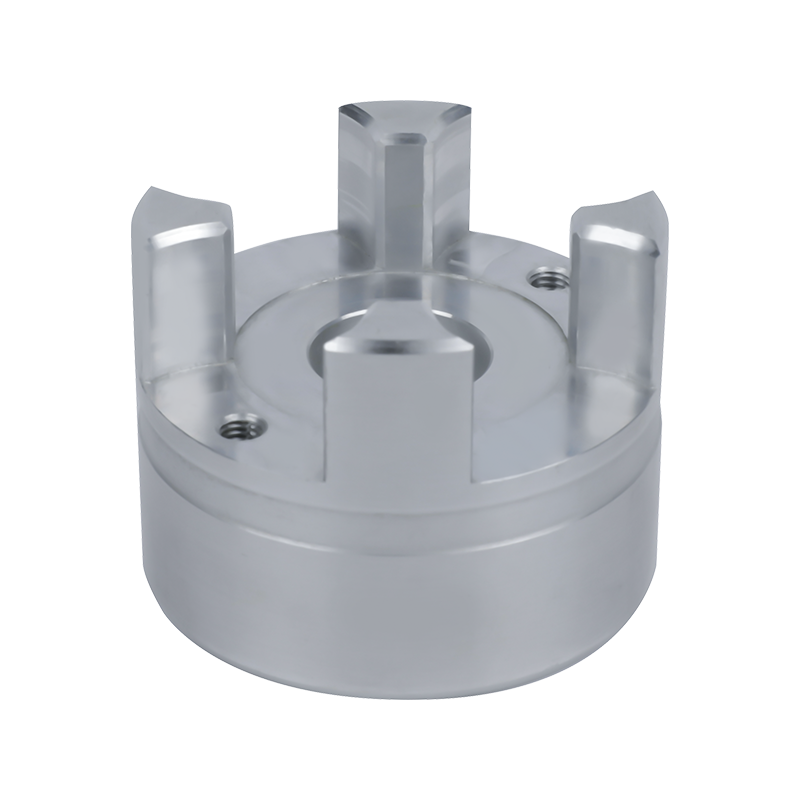
Coupling for the chuck motor
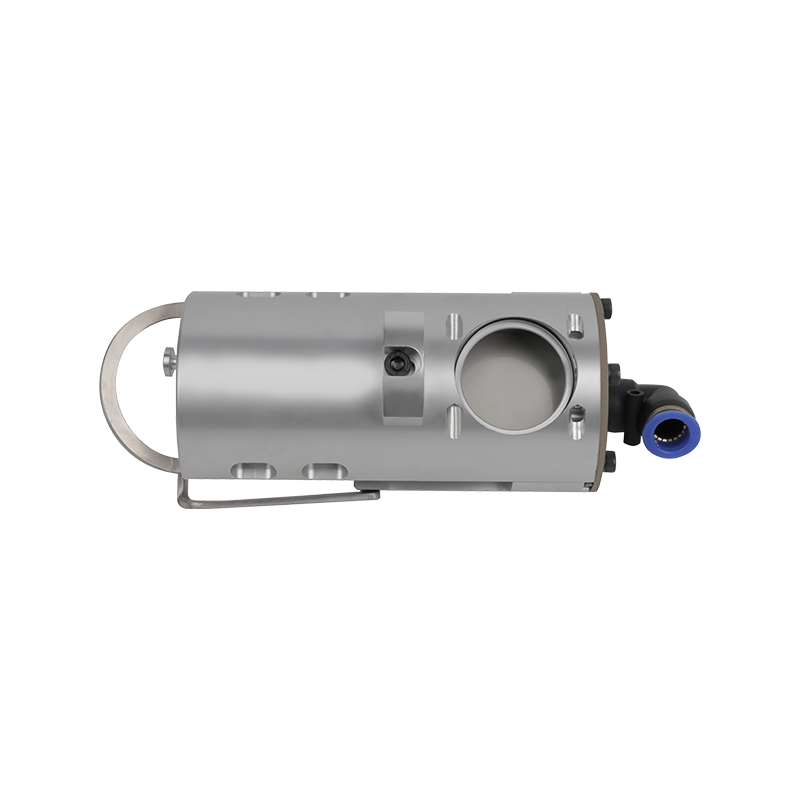
To make interlacing yarn
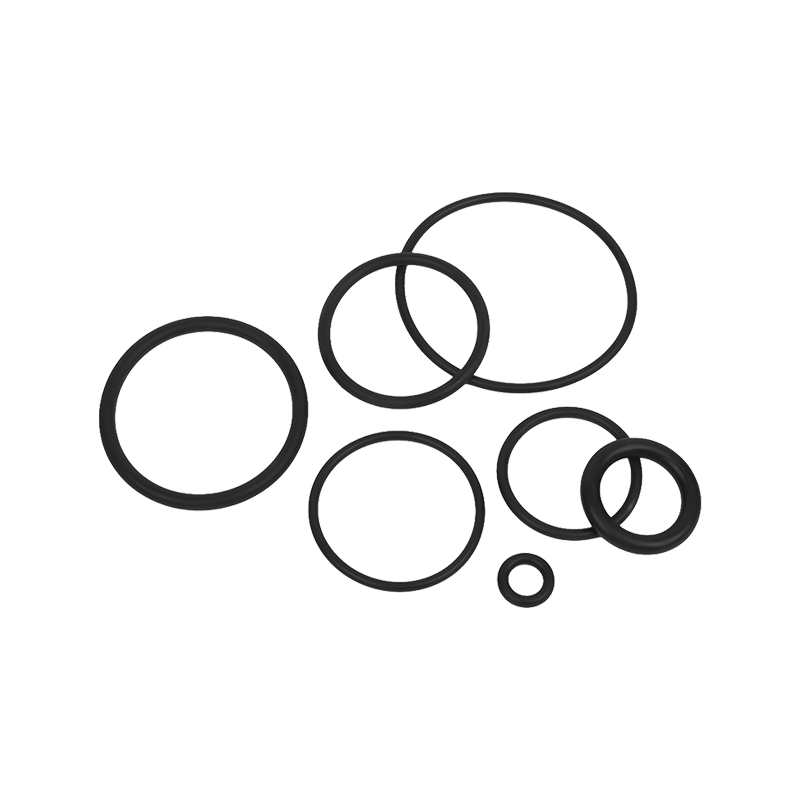
For various types of chucks, hot godets, shaft bearings, separator rolls and cylinders.
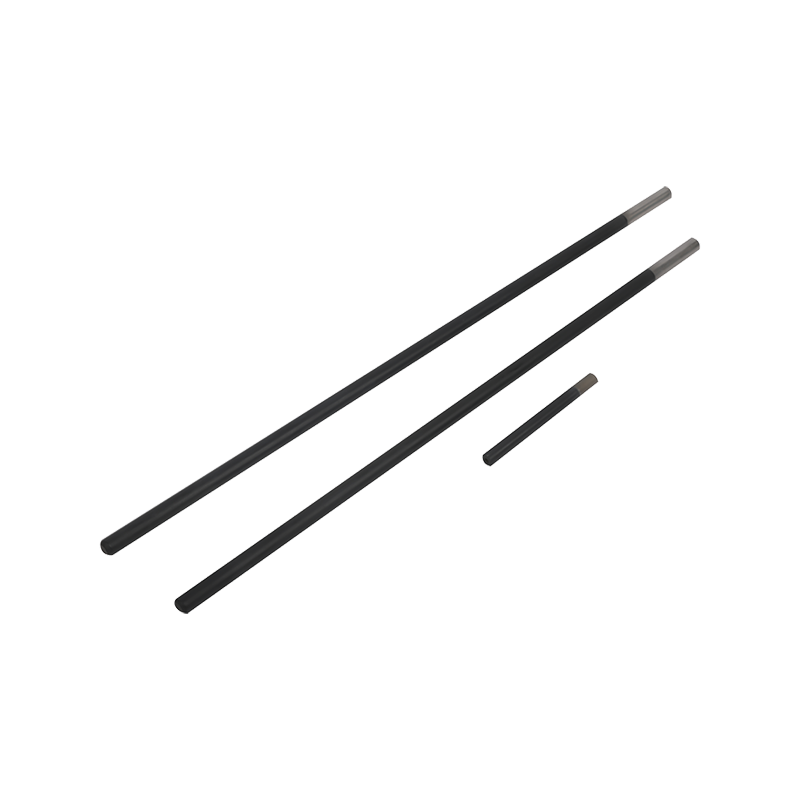
To guide the filament yarn
No fiber reaches a commercial line on the strength of a laboratory recipe alone. Somewhere in between, somebody has to spin it on real equipment — real godets,...
View MoreIf your plant runs Barmag spinning and winding equipment, you already know the truth about spare parts: they are small, they are easy to overlook, and they qui...
View MoreWhen a POY or FDY spinning line stops without warning, the root cause is rarely dramatic. More often, it is a worn bearing inside a contact roll, a shift fork ...
View MoreOn a chemical fiber spinning line, the godet shell is one of those components that only gets noticed when something goes wrong. It runs hot, it runs fast, and ...
View MoreADDRESS: No.1298, Zhouan Road, Economic and Technological Development District, Jiaxing City, Zhejiang Province
PHONE: +86 19057031687
TEL: 86-0573-83777752
EMAIL: [email protected]
Jiaxing Shengbang Mechanical Equipment Co., Ltd. All Rights Reserved. Wholesale Finish Guide Assembly Plate S32 for Barmag Suppliers
