

 English
 عربى
عربى русский
 简体中文
简体中文







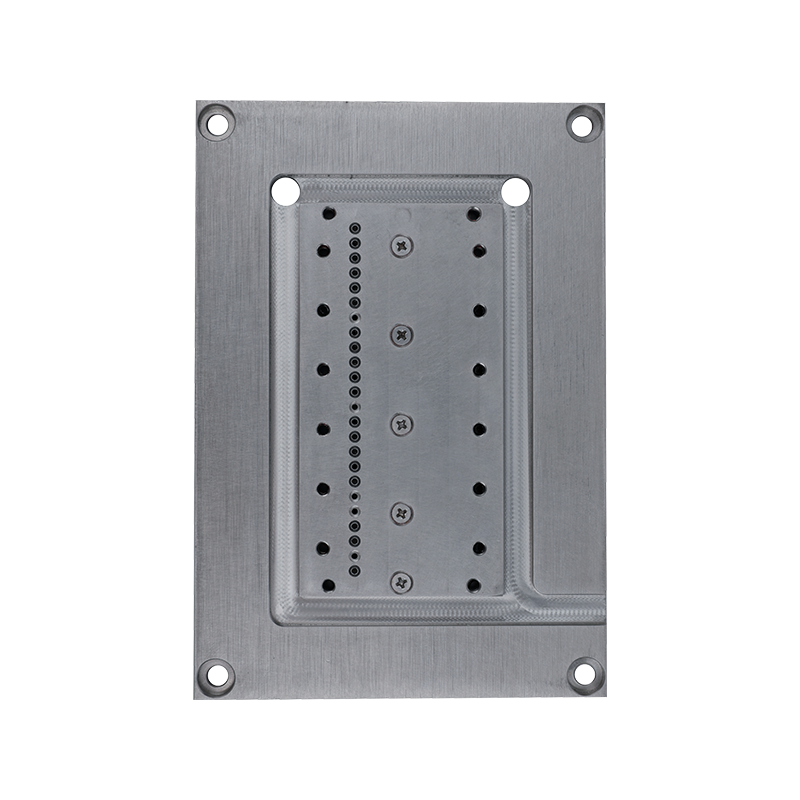
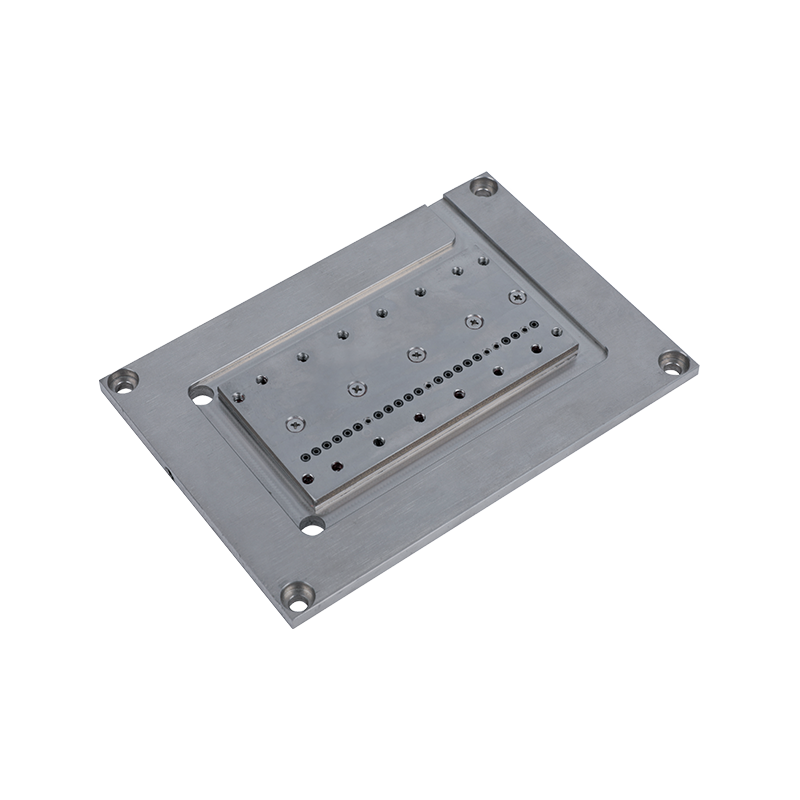
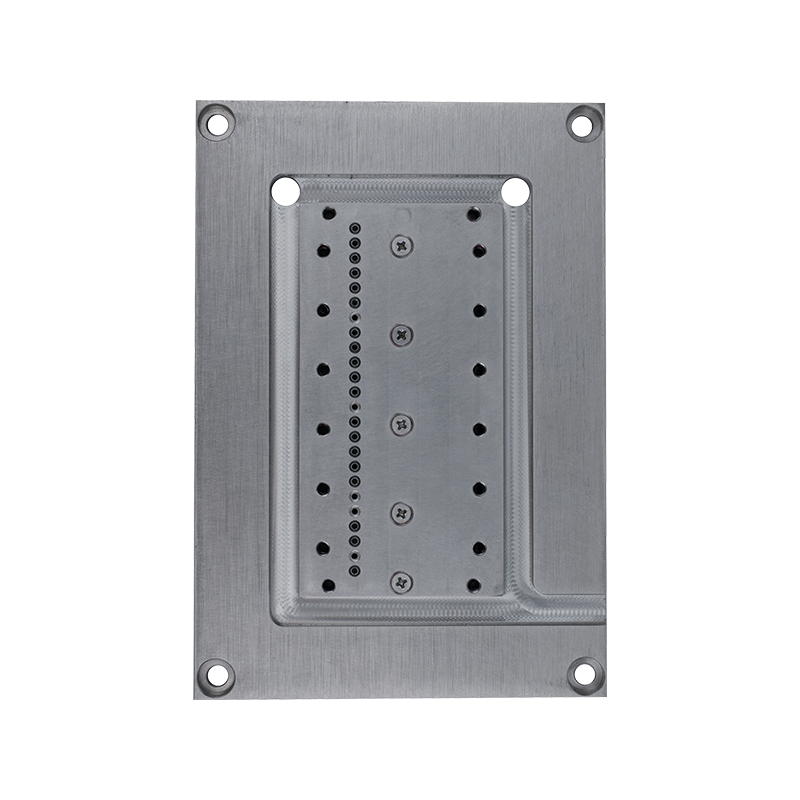
Home / Product / Barmag Spinning Machine Parts / Other Parts / Finish Guide Assembly Plate / Finish Guide Assembly Plate F24 for Barmag
I. Historical Evolution of Barmag Oil Applicator Nozzle Design
The evolution of Barmag applicator nozzles may be divided into four principal phases:
The original finish delivery element consisted of a cylindrical metallic pin through which finish was delivered via an internal bore, forming a liquid film on the outer surface. The yarn made tangential contact with this film. While mechanically simple, this design was susceptible to uneven finish distribution across the yarn bundle and to film instability at elevated speeds.
This phase introduced the use of aluminum oxide (Al₂O₃) ceramic as the nozzle body material and the incorporation of a precision-machined V- or U-profile groove. Finish delivered from the rear bore formed a stable liquid column at the groove base; the yarn bundle, upon traversing the groove, acquired finish at the liquid/air interface. The transition from stainless steel to 99%-purity alumina ceramic constituted the defining material advancement of this period. Advanced ceramic formulations, such as IMA87, were developed to optimize both wear resistance and surface characteristics relevant to yarn quality.
The proliferation of multi-position spinning frames (8-position, 10-position, 12-position configurations) drove the development of integrated multi-bore nozzle assemblies, in which a single nozzle body served multiple yarn ends via independent internal fluid passages. This architecture substantially reduced the component count on the spinning machine and simplified changeover and cleaning procedures.
The introduction of WINGS HOY (high-orientation yarn) processing imposed an exceptionally demanding set of requirements on finish application. HOY processing requires a finish add-on exceeding 1% more than twice the standard POY level. At such levels, finish is shed and atomized at yarn contact points, resulting in environmental contamination that is unacceptable from an occupational health and safety (HSE) perspective. These considerations directly influenced the development of the WINGS HOY solution, which employs an enclosed draw zone to prevent shed or splashed spin finish from contaminating the surrounding work area.
In this developmental phase, nozzle design evolved in the following directions:
II. Product Scope of Barmag Oil Applicator Nozzles
Barmag applicator nozzles, as components integral to Barmag spinning machine platforms, are designed to support the full range of man-made fiber product types:
|
Product type |
Fiber species |
|
POY (partially oriented yarn) |
PET, PA6, PA66, PTT |
|
FDY (fully drawn yarn) |
PET, PA6, PA66 |
|
HOY (high-orientation yarn) |
PET |
|
IDY (industrial yarn) |
PET, PA66 |
|
BCF (bulked continuous filament) |
PA6, PA66, PET, PP |
|
Monofilament |
PET, PA, PP |
|
Staple fiber |
PET, PA, PP |
The Oerlikon Barmag system platform encompasses virtually all processes required for the production of textile and industrial yarns. Standard polymers processed include polyester, polyamide 6, polyamide 6.6, and polypropylene; the system also addresses the specific challenges presented by more advanced materials including PTT, PLA, PA5.6, and rPET.
III. Description
Finish nozzles are precision terminal components of the Spin Finish System in Barmag spinning lines. Their primary application is the uniform application of spin finish oil onto high-speed moving filaments to reduce the coefficient of friction (CoF), eliminate static electricity, and improve filament cohesion. However, Shengbang is the first professional chemical fiber machinery service provider in China to master the specialized technology for the maintenance and replacement of these components. For years, we have been the trusted partner of China’s chemical fiber industry giants—including Tongkun, Hengli, Shenghong, and Xinfengming—providing long-term, high-quality repair and replacement services for these mission-critical parts.
IV. Features
Compatible with the F24 series chemical fiber machinery (commonly found in older models or specific low-load applications), focusing on basic lubrication. Suitable for low-to-medium speed winders with a relatively simplified structure. Specifically designed for micro-denier or high-performance filaments. It maintains stable Oil Pick-Up (OPU%) even at extremely low flow rates, preventing breakages caused by uneven finish distribution. Emphasizes cost-effectiveness, with a relatively narrow oil supply adjustment range, suitable for light-load operating conditions. Closed or semi-closed capillary design, engineered for ultra-high oil film uniformity. Utilizes capillary action to precisely control oil volume and minimize splashing.
V. Materials
Manufactured from high-purity Alumina or Zirconia. Features a mirror-polished surface with a Vickers hardness over 1500 and a finely surface roughness.
VI. Specifications
F24 oil nozzle assembly: length 16 cm, width 11 cm, thickness 0.6 cm; weight 1.038 kg. Featuring a closed or semi-closed guide-hole design, this configuration is specifically engineered for micro-denier and high-performance fibers. It is essential for applications requiring minimal oil-pick-up (OPU) fluctuation to ensure consistent filament quality.
VII. Compatibility
Specifically designed for micro-denier or high-performance filaments. It maintains stable Oil Pick-Up (OPU%) even at extremely low flow rates, preventing breakages caused by uneven finish distribution. This assembly is engineered for spindle lubrication. It ensures operational stability under high-speed conditions (e.g., filament processing at several thousand meters per minute). The modular assembly comprises the lubrication nozzle body, oil collector cover, and dust cover, offering high durability and extended maintenance intervals.
VIII.Function
The primary function of the lubrication nozzle assembly is to deliver precise, reliable, and clean lubricant supply to the high-speed winding spindle or associated rotating components.
IX. Service life
Approximately 12-24 months for standard yarns. When producing Full Dull yarns with high Titanium Dioxide content, the lifespan is typically reduced to 6-10 months due to abrasive wear from high-hardness particles.
X. Installation:
Requires extremely high alignment accuracy. If the yarn is not precisely centered in the capillary, it leads to severe friction damage or oil splashing. Located below or to the side of the spindle of the winder, connected to a centralized lubrication system or an independent oil pump via oil tubes. The interface requires high-precision standards (e.g., precision oil tube fittings). Install on the side of the equipment, compatible with an independent oil pump system. Ensure adequate tolerance allowance, as even slight misalignment may cause oil leakage.
Cleaning: Clean residual polymers and dried oil from the nozzle holder.
O-ring Fitting: Check and install the matching FKM O-ring to prevent leakage.
Positioning: Insert nozzle into the holder; ensure the slit orientation is not counter-yarn-flow.
Fixing: Secure standard torque to prevent ceramic brittle fracture.
XI. Daily Care and Maintenance
Ultrasonic Cleaning: Extremely high. Capillaries clog easily and require mandatory periodic ultrasonic cleaning. Quarterly ultrasonic cleaning is recommended to remove oligomers deposited within the capillaries.
OPU% Monitoring: High-magnification microscopy is required to inspect internal bore wear and deposits. Regularly monitor Oil Pick-Up (OPU) levels. If OPU fluctuations occur, check for partial nozzle blockage.
No Hard Wiping: Never use metal needles or abrasive cloths to clean the guide slit.
Precautions: High-speed spindle oil must be used exclusively. Using other types of oil may result in inadequate lubrication or damage.
FAQ
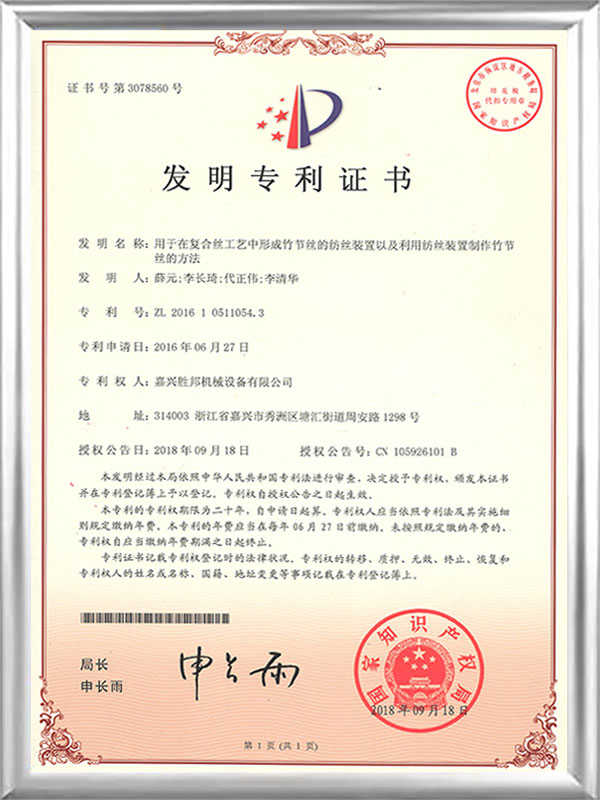
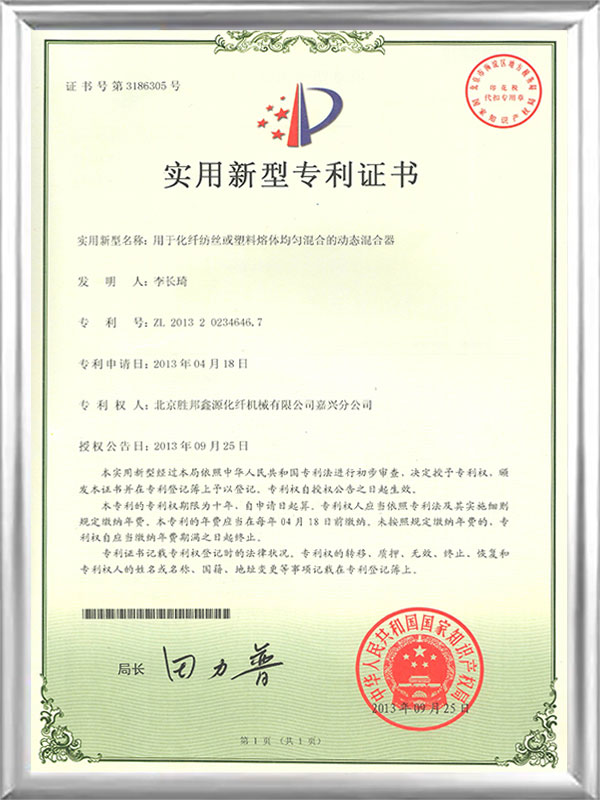
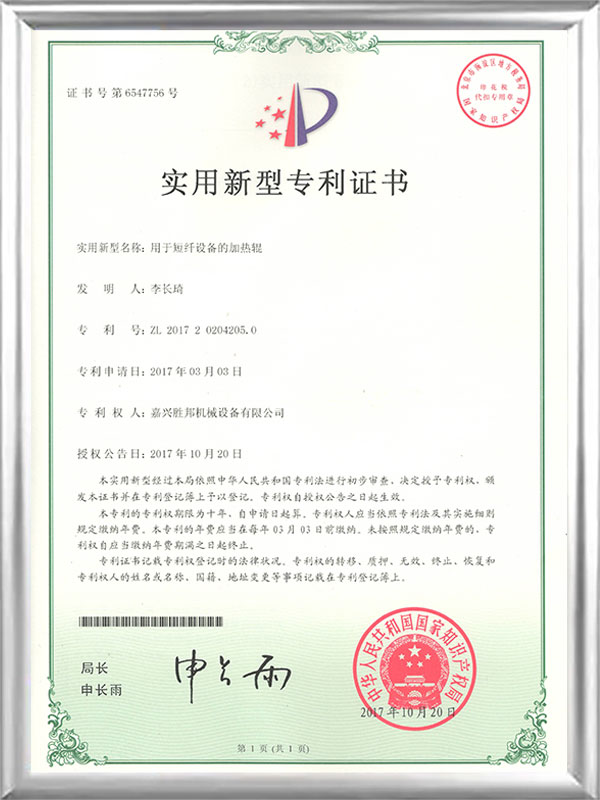
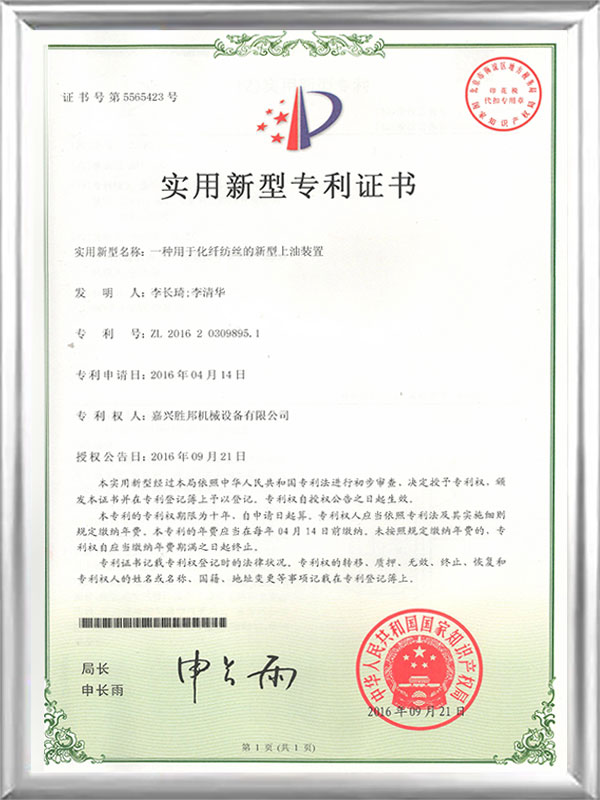
Advanced and complete production and testing equipment, together with a first-class engineering and technical team, jointly provide strong support for us to deliver first-class services to chemical fiber enterprises. With independent innovation as its fundamental tenet and providing long-term, stable and comprehensive technical services for major chemical fiber enterprises as its mission, the company continuously helps the chemical fiber industry achieve high-quality development.
Advanced and complete equipment for the production, inspection, testing and maintenance of chemical fiber machinery is one of our core competitiveness, including multi-functional CNC machine tools, original balance correction equipment from Schenck Process GmbH (Germany), plasma spraying equipment developed by the 625th Institute of the Ministry of Aerospace, and original godet thermal calibration instruments from Barmag AG (Germany).
Based on profound experience and mature system integration technology in the field of chemical fiber production, a revolutionary prototype multi-purpose spinning machine has been successfully developed by our company. Through this equipment, production switching between single-component, dual-component, multi-component, Pre-oriented Yarn (POY), Fully Drawn Yarn (FDY), medium-strength yarn, ultra-fine yarn and industrial yarn can be conveniently completed.
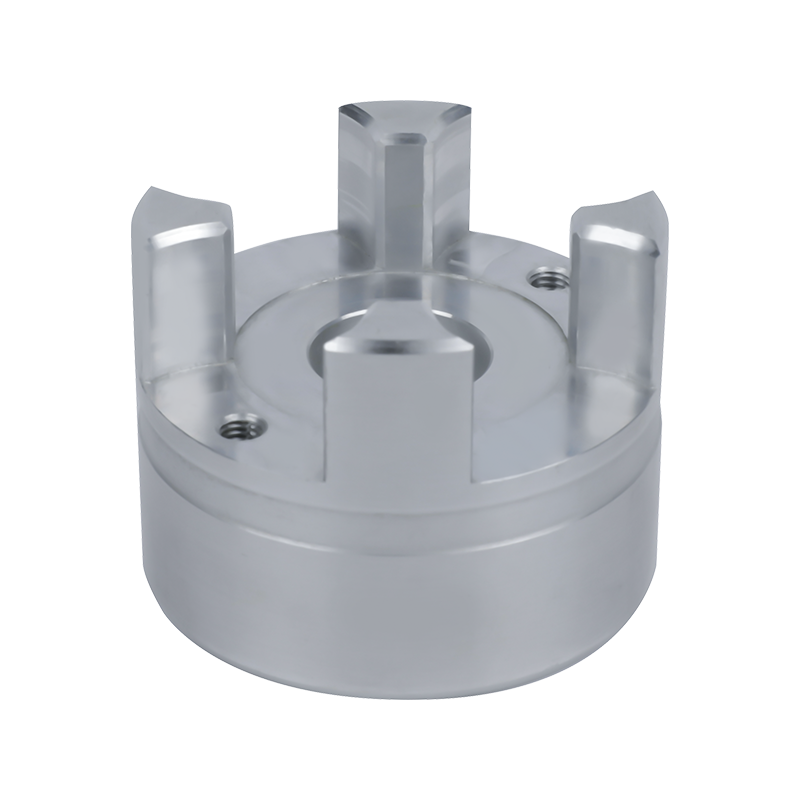
Coupling for the chuck motor
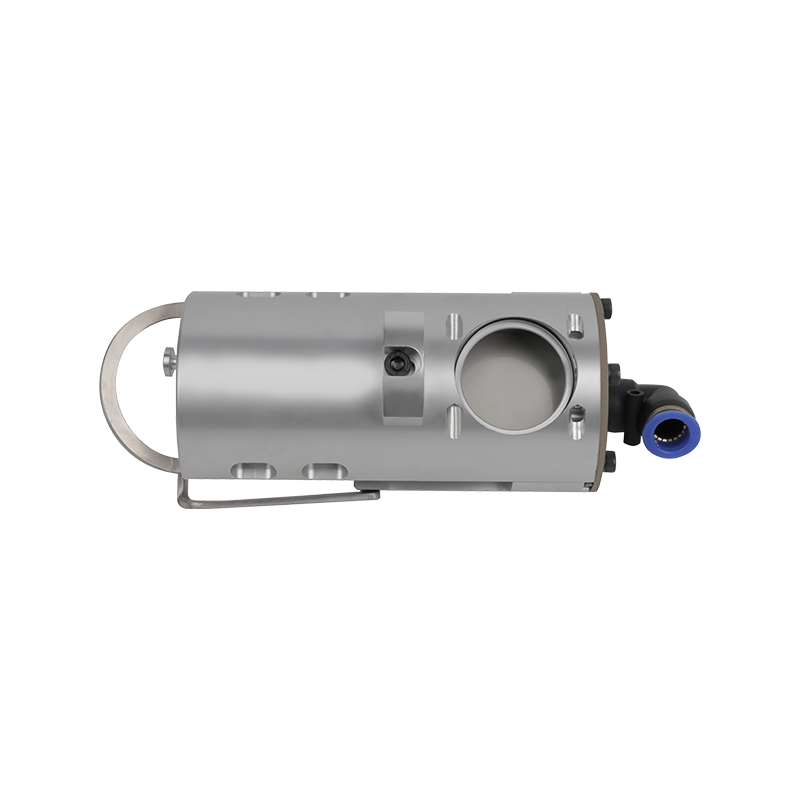
To make interlacing yarn
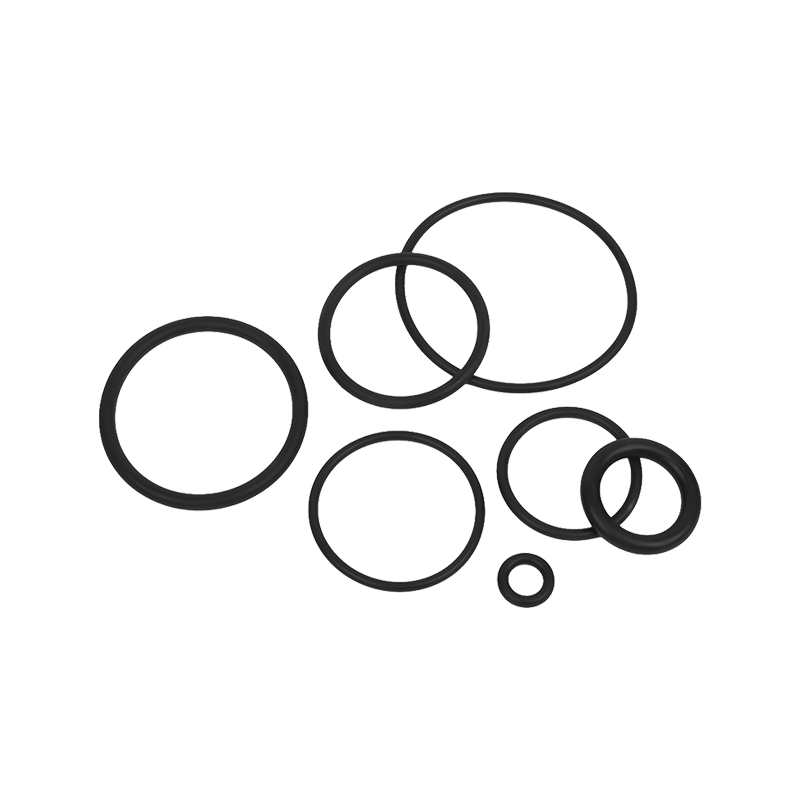
For various types of chucks, hot godets, shaft bearings, separator rolls and cylinders.
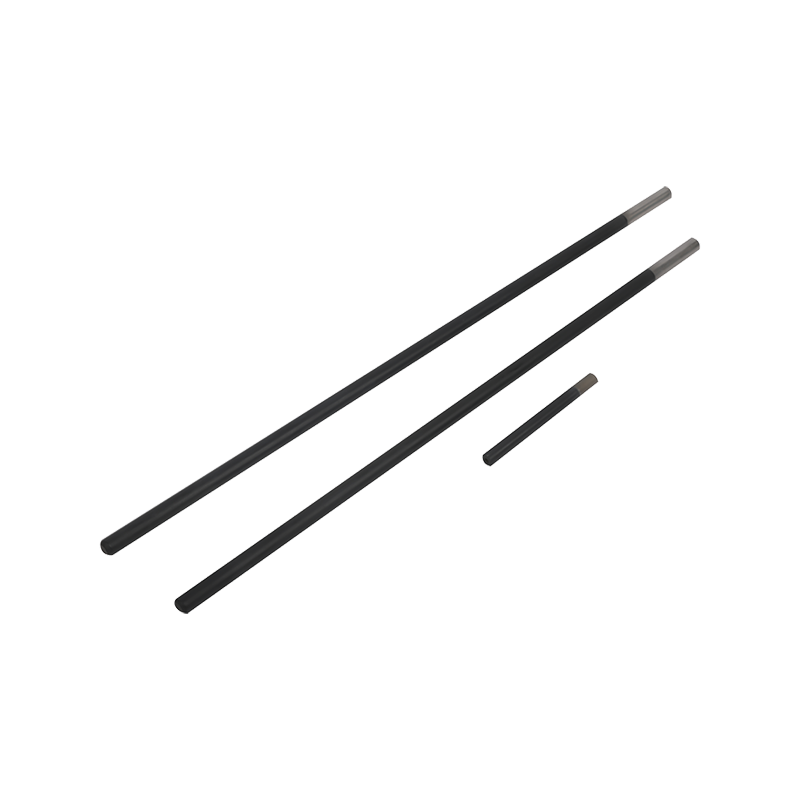
To guide the filament yarn
When a POY or FDY spinning line stops without warning, the root cause is rarely dramatic. More often, it is a worn bearing inside a contact roll, a shift fork ...
View MoreOn a chemical fiber spinning line, the godet shell is one of those components that only gets noticed when something goes wrong. It runs hot, it runs fast, and ...
View MoreA take-up winder is the last machine a filament meets before it becomes a package. Whether your line runs POY, FDY, HOY or heavy industrial yarn, the winder de...
View MoreEvery spool of filament yarn begins its life on a spinning production line. In the chemical fiber industry, this line is not a single machine but an integrated...
View MoreADDRESS: No.1298, Zhouan Road, Economic and Technological Development District, Jiaxing City, Zhejiang Province
PHONE: +86 19057031687
TEL: 86-0573-83777752
EMAIL: [email protected]
Jiaxing Shengbang Mechanical Equipment Co., Ltd. All Rights Reserved. Wholesale Finish Guide Assembly Plate F24 for Barmag Suppliers
