English
 عربى
عربى русский
 简体中文
简体中文







2026-09-30
Home / News / Technical Knowledge / PBS and PCL Biodegradable Polyester Fibers: Properties, Spinning Processes & Textile Applications

1. Background: Diversification of the Biodegradable Fiber Market
Within the biodegradable fiber sector, poly(lactic acid) (PLA) has dominated industry attention due to its relatively advanced commercialization. However, PLA represents only one node in a broader ecosystem of aliphatic polyesters. Poly(butylene succinate) (PBS) and poly(ε-caprolactone) (PCL) are two other important biodegradable polyesters, each offering distinct property profiles that make them irreplaceable in specific textile and biomedical applications.
The global biodegradable polyester fiber market (encompassing PLA, PBS, PCL, PHB, and others) is projected to grow from USD 644.9 million in 2025 to USD 883.7 million by 2035 at a CAGR of 3.2%. The PBS segment alone was valued at approximately USD 477 million in 2024 and is expected to reach USD 660 million by 2031 (CAGR 4.9%). Despite this growth trajectory, PBS and PCL remain less well understood than PLA among textile industry practitioners.
This article provides a structured technical comparison and application overview of PBS and PCL fibers, with practical selection guidance for fiber specialists.
2. PBS (Poly(butylene succinate)): The Most Balanced Aliphatic Polyester
2.1 Chemistry and Synthesis
PBS is synthesized via polycondensation of succinic acid and 1,4-butanediol. Both monomers are accessible from petrochemical feedstocks or, increasingly, from bio-based fermentation routes (bio-succinic acid), enabling PBS to carry both "bio-sourced" and "biodegradable" certifications under circular economy frameworks. PBS has achieved certification under ISO EN13432 for industrial compostability—a critical compliance marker for packaging and agricultural film applications in the EU.
2.2 Key Physical and Mechanical Properties
| Property | PBS | PLA (reference) | PCL (reference) |
| Melting point (Tm) | ~115°C | ~175°C | ~60°C |
| Glass transition temperature (Tg) | ~-32°C | ~60°C | ~-60°C |
| Heat deflection temperature (HDT) | >90°C | ~55°C (unmodified) | <30°C |
| Elongation at break | 100–400% | 3–10% (unmodified) | 300–1000% |
| Tensile strength | 30–40 MPa | 50–70 MPa | 10–20 MPa |
| Biodegradation rate | Moderate | Moderate (requires industrial composting) | Slow (~2 years in soil) |
PBS offers a distinctive combination of advantages over PLA:
Superior toughness: Elongation at break far exceeds that of unmodified PLA, enabling fiber drawing without brittleness failure.
Higher heat deflection temperature: HDT >90°C versus PLA's ~55°C, significantly widening practical application ranges.
Excellent melt processability: Stable melt viscosity at processing temperatures is compatible with existing PET/PP melt-spinning infrastructure.
2.3 Melt Spinning Process Parameters
Melt spinning is the primary industrial process for PBS fiber production. Key parameters:
Spinning temperature: 180–220°C (approximately 20–30°C lower than PLA, offering energy savings)
Draw ratio: 4:1 to 6:1 (achieving target orientation and tenacity)
Heat setting temperature: 80–100°C
PBS/PLA blend fibers represent an important application development direction. Research demonstrates that incorporating 10–30 wt% PBS into PLA matrices significantly improves elongation at break from <10% to >100%, while maintaining tensile strength close to neat PLA—achieving toughening without proportional strength compromise. The blend shows good miscibility with no significant phase separation during melt spinning.
2.4 Textile Application Matrix
| Application Sector | Product Form | Technical Rationale |
| Agricultural textiles | Non-woven mulch films, seedling nets | In-soil degradation eliminates retrieval requirements |
| Packaging auxiliaries | Biodegradable twines, strapping | Mechanical performance superior to PLA; better heat tolerance |
| Medical auxiliaries | Hernia repair mesh, guided tissue regeneration membranes | Tunable degradation timeline; biocompatible |
| Hygiene products | Diaper non-woven layers | Soft hand feel; industrial compostable |
| Functional fabric blends | Blended yarns with natural fibers | Improved flexibility and biodegradability profile |
3. PCL (Poly(ε-caprolactone)): Ultra-Flexibility Balanced Against Ultra-Slow Degradation
3.1 Fundamental Characteristics
PCL is synthesized via ring-opening polymerization of ε-caprolactone. It is a highly flexible, semi-crystalline aliphatic polyester with a Tg of approximately -60°C and Tm of approximately 60°C, placing it in a highly elastic, rubber-like state at ambient temperatures.
3.2 Property Profile
| Property | Performance |
| Flexibility | Exceptional (elongation at break 300–1000%) |
| Processability | Excellent (low melting point reduces energy input) |
| Biodegradation rate | Slow (~2 years in soil; 6–12 months under industrial composting) |
| Biocompatibility | Outstanding (FDA-cleared for multiple medical device applications) |
| Mechanical strength | Low (tensile strength 10–20 MPa) |
PCL's low melting point is a double-edged characteristic: it substantially reduces processing energy requirements but limits applicability in textiles requiring dimensional stability above 40–50°C.
3.3 PCL's Unique Role in Medical and Functional Textiles
PCL's primary value proposition lies in biomedical fiber applications:
① Electrospun nanofiber scaffolds:
PCL is one of the most widely used biodegradable polymers in electrospinning. Its solubility in common solvents (dichloromethane, chloroform, THF) and excellent fiber-forming characteristics enable straightforward production of nanofibers with diameters of 100–500 nm. Applications include tissue engineering scaffolds for skin, bone, and neural conduits, as well as drug-eluting fiber membranes.
② Absorbable surgical sutures:
PCL, alone or in copolymer formulations with PLA or PGA, enables degradation timelines ranging from several months to several years—appropriate for long-term mechanical support scenarios such as tendon repair and ligament reconstruction.
③ Shape-memory fibers:
PCL's low Tg and Tm allow programming as shape-memory materials that recover prescribed geometries near body temperature. This characteristic is being explored in smart textiles and wearable medical devices.
3.4 PBS/PCL Composite Systems
PBS/PCL blends (PCL content 10–30 wt%) have been shown to effectively enhance the low-temperature toughness of PBS while maintaining overall mechanical integrity. These composite systems are under active investigation for agricultural film and biodegradable non-woven applications.
4. PBS vs. PCL: Side-by-Side Comparison
| Dimension | PBS | PCL |
| Melting point | ~115°C | ~60°C |
| Processing temperature | 180–220°C | 80–150°C |
| Mechanical strength | Moderate (30–40 MPa) | Low (10–20 MPa) |
| Flexibility | Good | Exceptional |
| Degradation rate | Moderate | Slow |
| Fiber spinning compatibility | Melt spinning (industrially mature) | Melt + electrospinning (both suitable) |
| Primary markets | Agriculture, hygiene, packaging | Medical, tissue engineering, smart textiles |
| Price range (indicative) | Moderate (~USD 2–4/kg) | Higher (~USD 5–15/kg) |
5. Development Trends and Industry Outlook
1.Rapid commercialization of bio-based PBS: As fermentation-route bio-succinic acid costs decline, bio-based PBS will achieve superior carbon footprint credentials, with significant capacity expansion anticipated in the 2026–2030 period.
2.PBS/PLA blends as PLA alternatives: In applications where PLA's brittleness is a primary limitation (agricultural films, flexible packaging), PBS/PLA blend fibers are emerging as the preferred optimization strategy over neat PLA systems.
3.Medical commercialization of PCL nanofibers: Continuous advances in pilot-scale and industrial electrospinning equipment are accelerating the path to commercial-scale PCL nanofiber products in wound care and tissue engineering.
4.Multi-component biodegradable blend systems: Ternary PLA/PBS/PCL blend systems have demonstrated broad property tunability at the research level and represent a key next-stage industrialization opportunity.
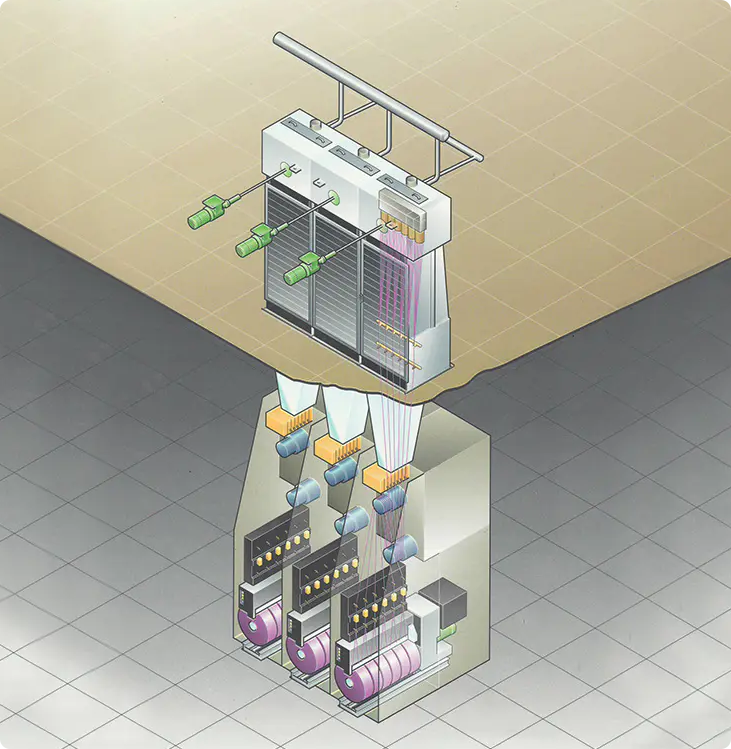
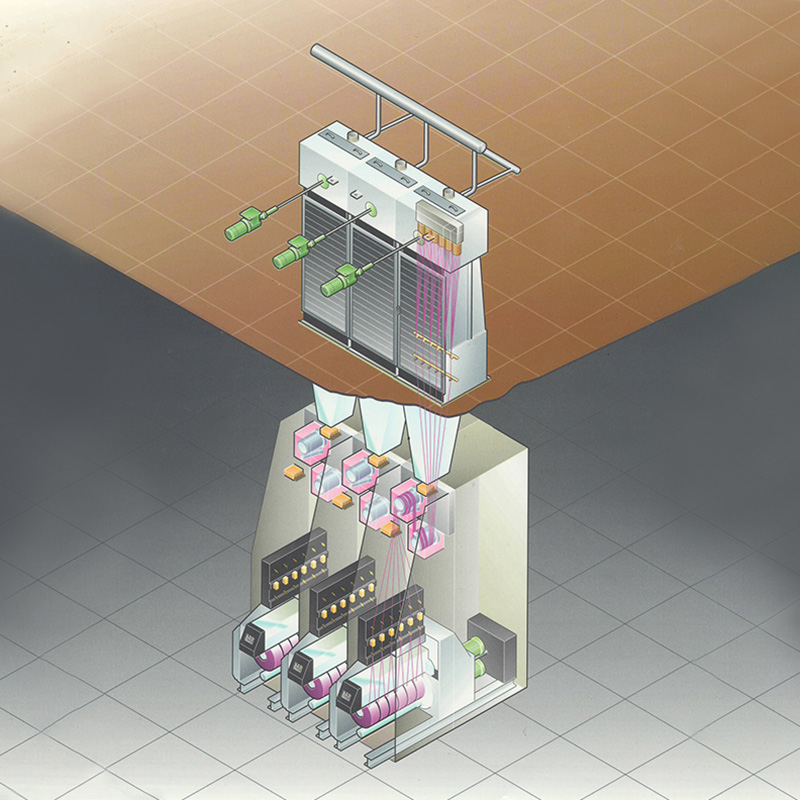
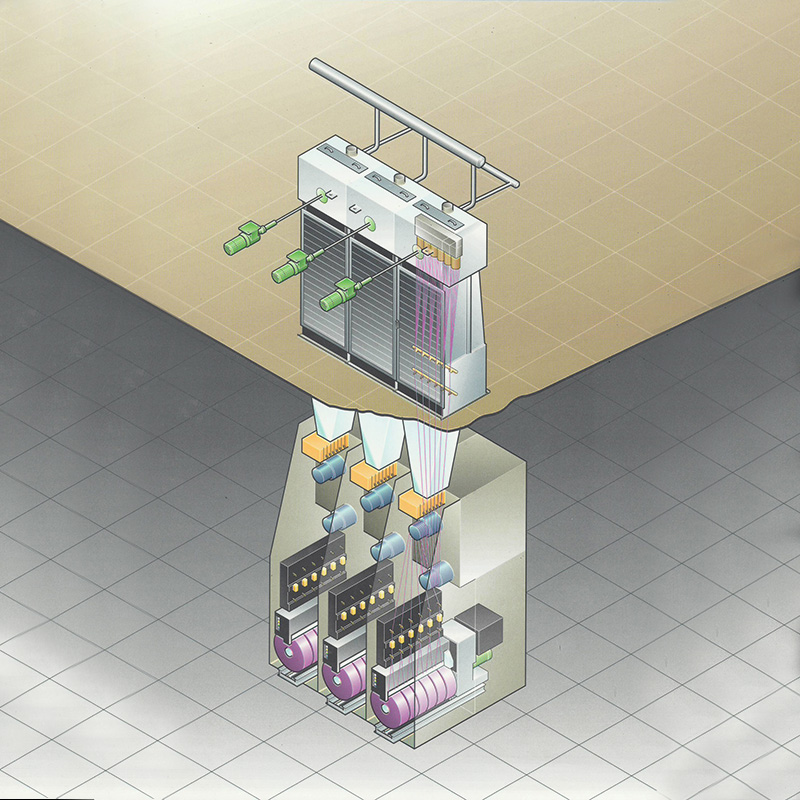
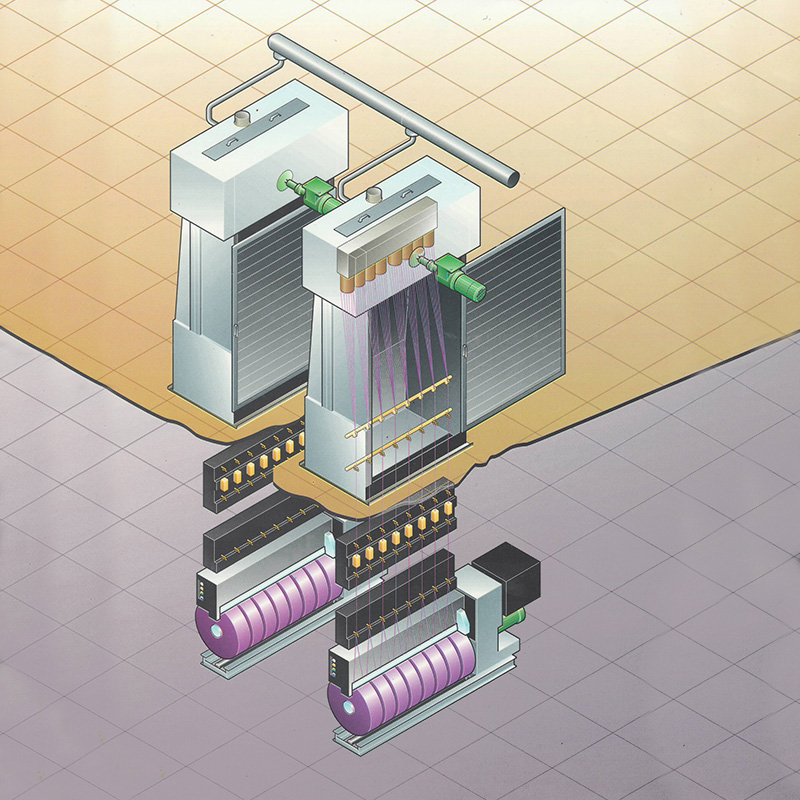
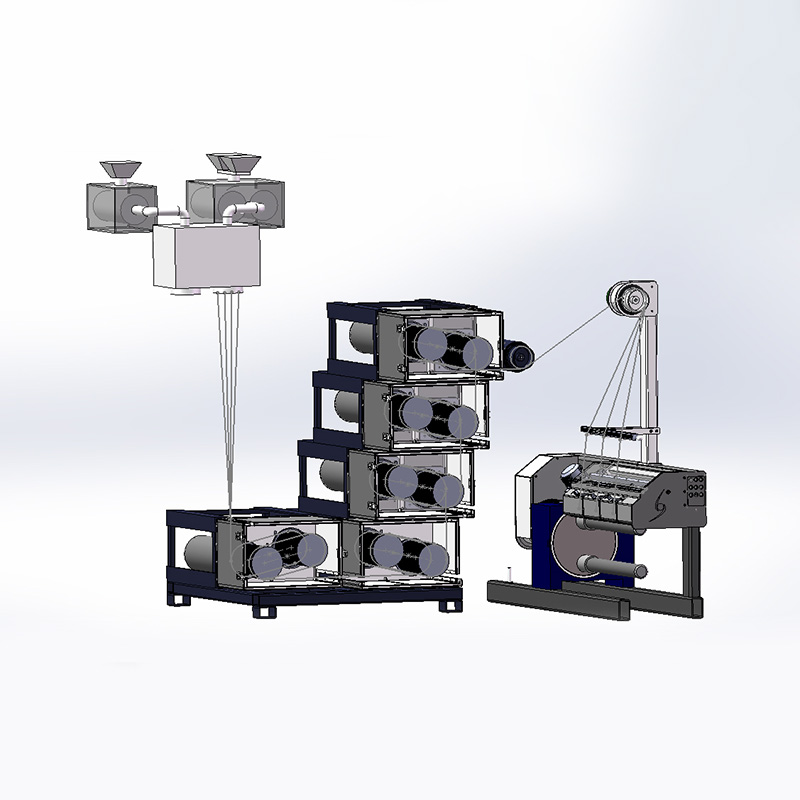
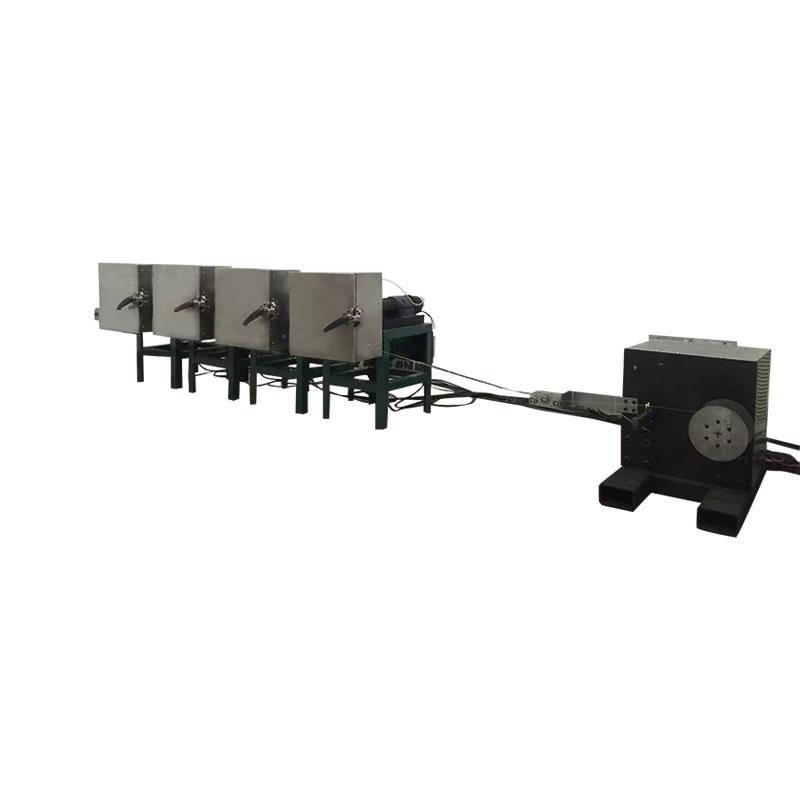
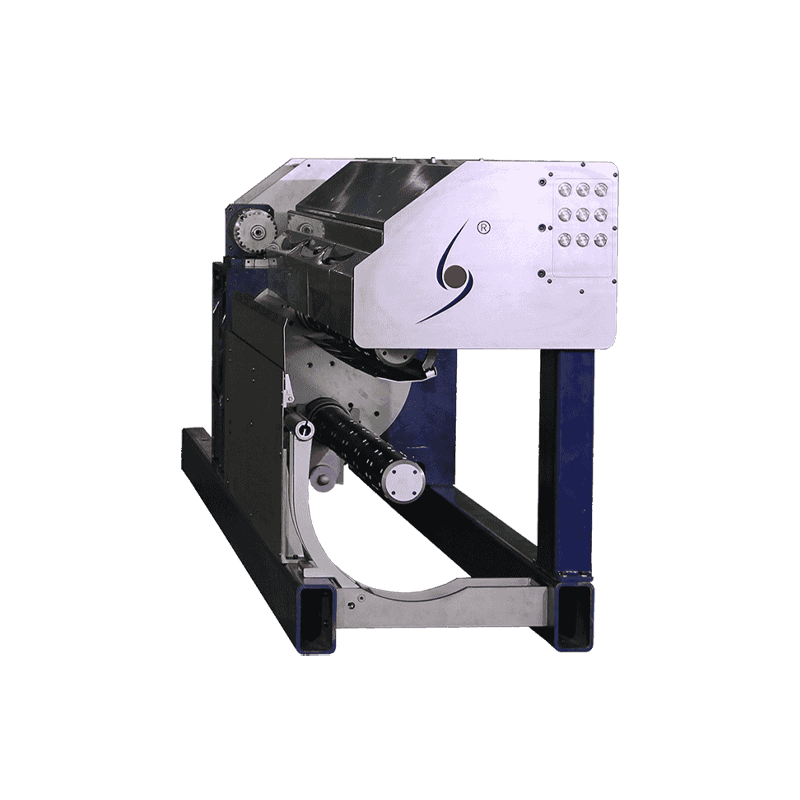
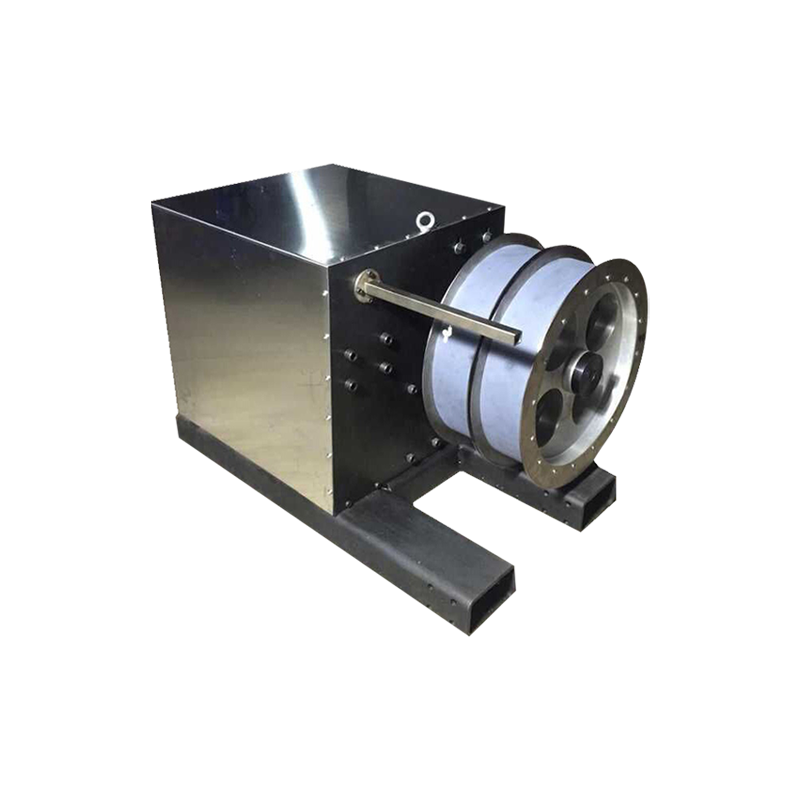
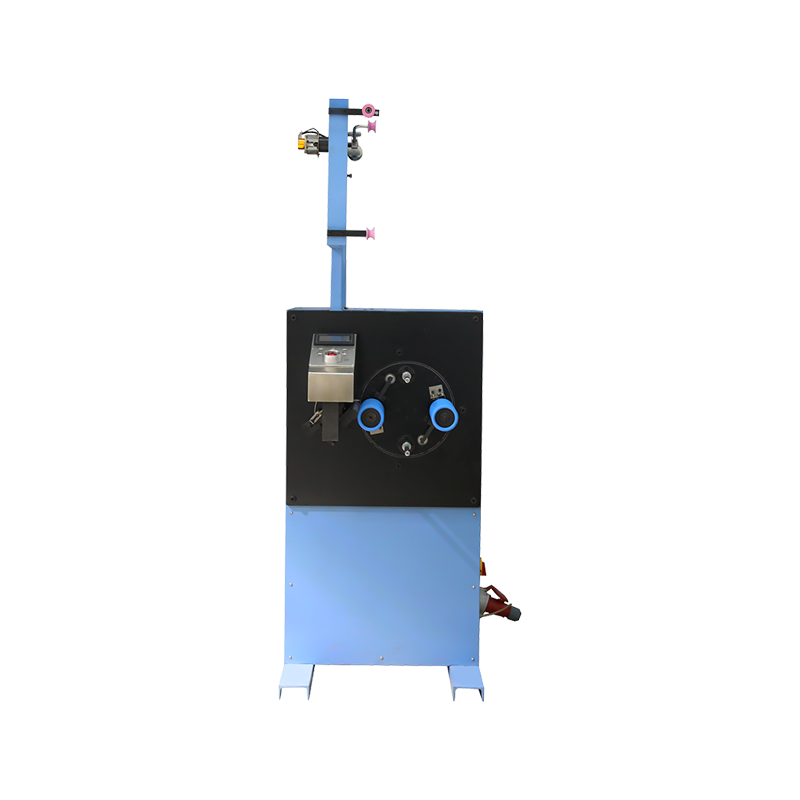
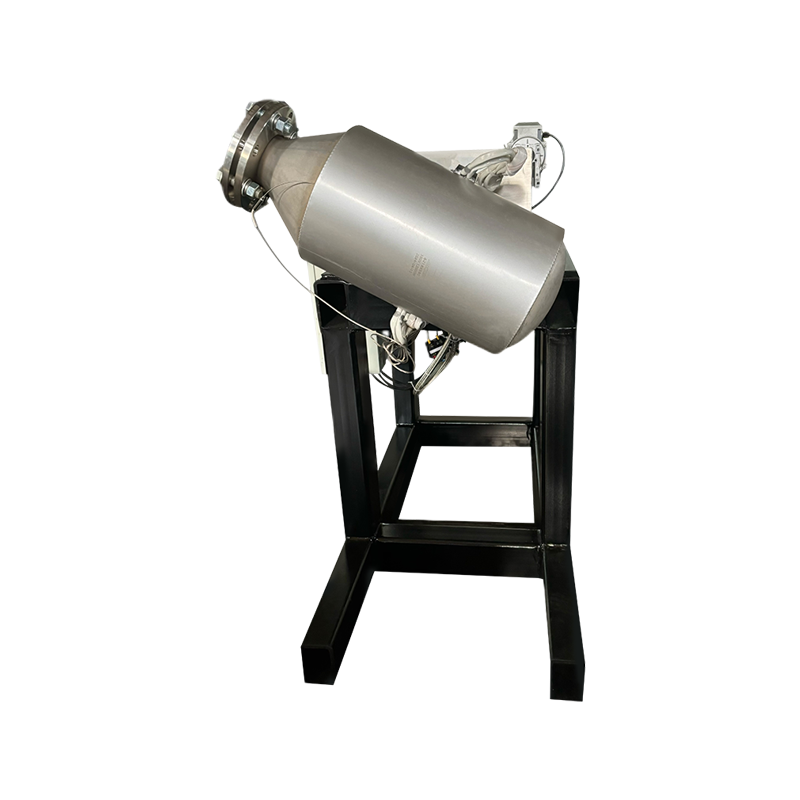
5.The development of multi-functional experimental equipment: With the rising demand for large-scale R&D, many textile machinery manufacturers have introduced cost-effective spinning pilot machines (commonly known as "sample machines"). A leading example is the Bicomponent Spinning Pilot Machine independently developed by Jiaxing Shengbang Machinery Equipment Co., Ltd. This versatile platform enables rapid experimental sampling for monocomponent, bicomponent, and multicomponent fibers, covering materials such as PBS, PLA, PCS, and PGA, as well as industrial-grade PET, PA, and PP. Characterized by its comprehensive functionality and high compatibility, this equipment has been customized for numerous prestigious clients across Europe and Japan. Jiaxing Shengbang Machinery Equipment Co., Ltd. is equipped with a suite of advanced manufacturing and diagnostic tools, including: High-precision CNC machining centers; Original Schenck (Germany) dynamic balancing machines; Plasma spraying equipment (625 Research Institute, Ministry of Aerospace);Original Barmag (Germany) godet thermal calibration instruments. It has established long-term, stable partnerships with industry giants(such as Tongkun Group, Xinfengming Group, Hengli Group, and Shenghong Holding).
6. Conclusion
PBS and PCL represent two distinct yet complementary directions within the biodegradable fiber materials landscape. PBS, with its balanced mechanical properties and industrial processing compatibility, is well-positioned for large-volume agricultural and hygiene product markets. PCL, with its exceptional flexibility and biocompatibility, is the material of choice for high-value medical and functional fiber applications. As bio-based feedstock costs decline and sustainable textile demand intensifies, both materials will assume increasingly significant roles in the global fiber value chain.

ADDRESS: No.1298, Zhouan Road, Economic and Technological Development District, Jiaxing City, Zhejiang Province
PHONE: +86 19057031687
TEL: 86-0573-83777752
EMAIL: [email protected]