English
 عربى
عربى русский
 简体中文
简体中文







2026-09-30
Home / News / Technical Knowledge / Antimicrobial Functional Fibers: Technology, Market Trends & Application Scenarios

1. Introduction: Why Antimicrobial Fibers Are Gaining Industry Momentum
In the post-pandemic era, consumer awareness of hygiene and health has expanded beyond single-use protective equipment to the fabric we wear and use daily. Across medical, sports, hospitality, and home textile segments, demand for functional textiles with durable antimicrobial properties continues to accelerate.
The global antimicrobial textile market was valued at approximately USD 13–14 billion in 2025, with projections ranging from USD 25 billion to USD 43 billion by 2035, reflecting a compound annual growth rate (CAGR) of 7–12% depending on the scope of the report and the source. Key growth drivers include:
Rising global healthcare expenditure and hospital-acquired infection (HAI) prevention mandates
Aging populations demanding health-oriented home textiles
Sustained post-pandemic consumer preference for hygienic personal and public-space fabrics
Growing performance sportswear segment requiring odor control and pathogen inhibition
This article provides a comprehensive technical and market overview of antimicrobial fiber technologies, covering mechanism classification, finishing methodologies, application sectors, and selection guidelines for textile professionals.
2. Antimicrobial Mechanisms and Technology Classification
Antimicrobial fibers function by inhibiting or eliminating microorganisms (bacteria, fungi, viruses) through physical disruption or chemical intervention. Three primary technology routes exist:
2.1 Inorganic Antimicrobial Agents
Key materials: Silver nanoparticles (AgNP), Zinc oxide (ZnO), Titanium dioxide (TiO₂)
| Material | Mechanism | Advantages | Limitations |
| Silver nanoparticles | Ag⁺ ion release disrupts cell membrane integrity and metabolic pathways | Broad-spectrum, wash-durable | High cost; environmental Ag⁺ release under regulatory scrutiny |
| Zinc oxide | Photocatalytic generation of reactive oxygen species (ROS) attacking cell walls | Lower cost; UV-shielding synergy | Performance diminishes in low-light conditions |
| Titanium dioxide | Photocatalytic oxidative degradation of microbial surface proteins | High chemical stability; self-cleaning | Requires UV activation; limited visible-light response |
Silver-based agents remain market-dominant, particularly in medical textiles and premium activewear. However, tightening environmental regulations regarding nanosilver ecotoxicity are driving formulation shifts toward composite or alternative systems.
2.2 Organic Antimicrobial Agents
Key materials: Quaternary ammonium salts (QAS), Polyhexamethylene biguanide (PHMB), N-halamine compounds
Quaternary ammonium salts function by electrostatically binding to negatively charged bacterial membranes via their cationic groups, causing membrane disruption and cytoplasmic leakage. QAS are the most widely used organic antimicrobial agent in commercial textile finishing due to their cost-effectiveness and process compatibility.
PHMB is preferred in medical textiles (surgical gowns, wound dressings, hospital bedding) owing to its established biocompatibility profile and favorable toxicological data under ISO 10993 frameworks.
N-halamine compounds offer a unique "rechargeable" functionality: antimicrobial activity can be regenerated by exposure to dilute sodium hypochlorite (standard laundry bleach), making them particularly attractive for healthcare settings requiring multiple reuse cycles. In late 2025, the U.S. EPA issued updated guidance opening new registration pathways for rechargeable N-halamine antimicrobial textiles, accelerating commercialization prospects.
2.3 Natural Antimicrobial Agents
Key materials: Chitosan, bamboo extracts, mint/thyme-derived phytochemicals
Chitosan, a cationic polysaccharide derived from crustacean chitin, binds to negatively charged bacterial cell walls and disrupts membrane function. Its inherent biodegradability and biocompatibility make it well-suited for eco-label certified textiles (OEKO-TEX, GOTS). The primary technical challenge is wash durability—typically 10–30 cycles without crosslinking agents—which is being addressed through microencapsulation and covalent bonding strategies.
3. Finishing Methodologies: Integrating Antimicrobials into Fiber Structures
The durability and uniformity of antimicrobial performance depend critically on how and when the agent is incorporated into the textile.
| Process | Applicable Agents | Wash Durability (reference) | Key Characteristics |
| Pad-Dry-Cure (exhaust finishing) | QAS, PHMB, chitosan | 20–50 cycles | Mature, cost-effective; surface-dominant |
| Melt spinning / solution spinning blending | Inorganic nanoparticles (AgNP, ZnO) | >100 cycles (bulk incorporation) | Maximum durability; functional throughout fiber cross-section |
| Spray / dip coating | Natural agents, organic agents | 10–30 cycles | Flexible; suitable for post-fabrication application |
| Microencapsulation | Natural / organic agents | 30–60 cycles (controlled release) | Slow-release profile extends functional lifetime |
| Nanocoating | Nano-Ag, nano-ZnO | 50–80 cycles | High surface uniformity; performance-cost balance |
Melt-spinning incorporation (blending antimicrobial agents into the polymer melt prior to extrusion) delivers the highest wash durability and is applicable to PET, PP, and PA fiber systems. This approach demands thermal stability of the agent above 220°C, which limits the range of suitable materials but is well-met by inorganic nanoparticles.
4. Key Application Sectors
4.1 Medical Textiles (Largest Single Segment)
Hospital-grade antimicrobial textiles encompass surgical gowns, sterile drapes, wound dressings, and patient bedding. Performance requirements are stringent:
Bacterial reduction rate ≥99% against Staphylococcus aureus and Escherichia coli (AATCC 100)
Biocompatibility per ISO 10993 series
Durability through ≥50 industrial laundering cycles
4.2 Activewear and Outdoor Textiles
Sweat-induced bacterial proliferation and associated malodor are the primary targets. Silver-based and copper-based antimicrobial fibers are dominant in premium sports brands. Consumer preference for "naturally antimicrobial" fibers—merino wool, bamboo-derived viscose—is growing in the mid-market segment.
4.3 Home Textiles
Bedding, towels, and floor coverings are seeing antimicrobial finishing adoption driven by health-conscious households, particularly in families with infants or elderly members.
4.4 Public and Transportation Textiles
Upholstered seating for mass transit, hotel linens, and shared workspace fabrics have undergone significant antimicrobial specification upgrades post-pandemic, driving standardized procurement of certified antimicrobial fabrics.
5. Market Landscape and Emerging Trends
Current Market Structure:
Asia-Pacific (China, India) dominates production capacity; North America and Europe lead premium consumption
Silver-based systems hold the largest market share, but compound systems (Ag+Cu, Ag+ZnO) and bio-based agents are capturing growing share
Sustainable antimicrobial textiles (bio-based agents combined with biodegradable substrates) represent a post-2025 growth frontier
Emerging Technology Directions:
1.Rechargeable Antimicrobial Systems: Restoring antimicrobial activity through standard household or institutional laundering reduces total life-cycle cost and extends product service life.
2.Antiviral Textiles: Certification demand for antiviral efficacy (SARS-CoV-2, H1N1) has expanded substantially since 2020, with ISO 18184 now widely referenced in procurement specifications.
3.Multifunctional Composite Finishing: Co-application of antimicrobial + flame-retardant, antimicrobial + moisture management, or antimicrobial + UV protection treatments is emerging as the premium market norm.
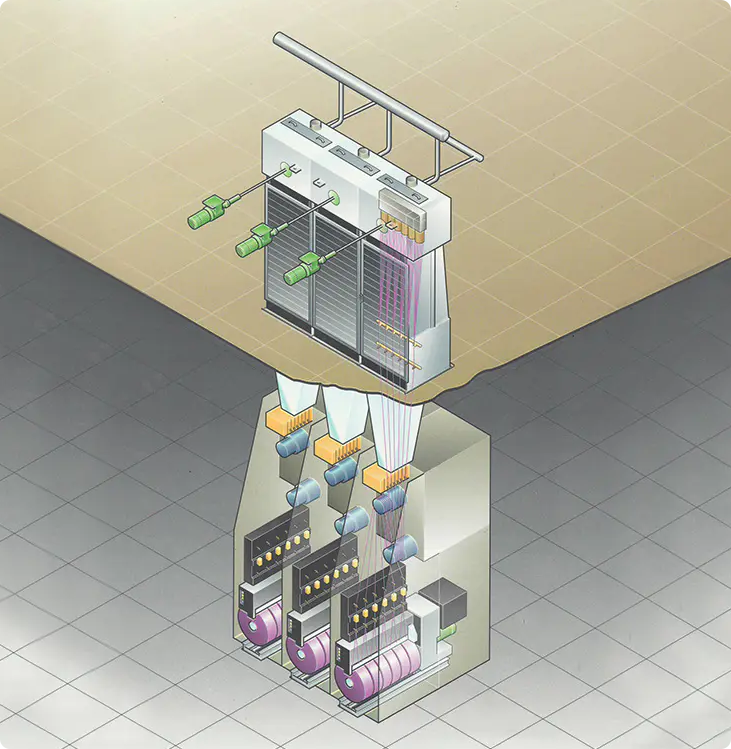
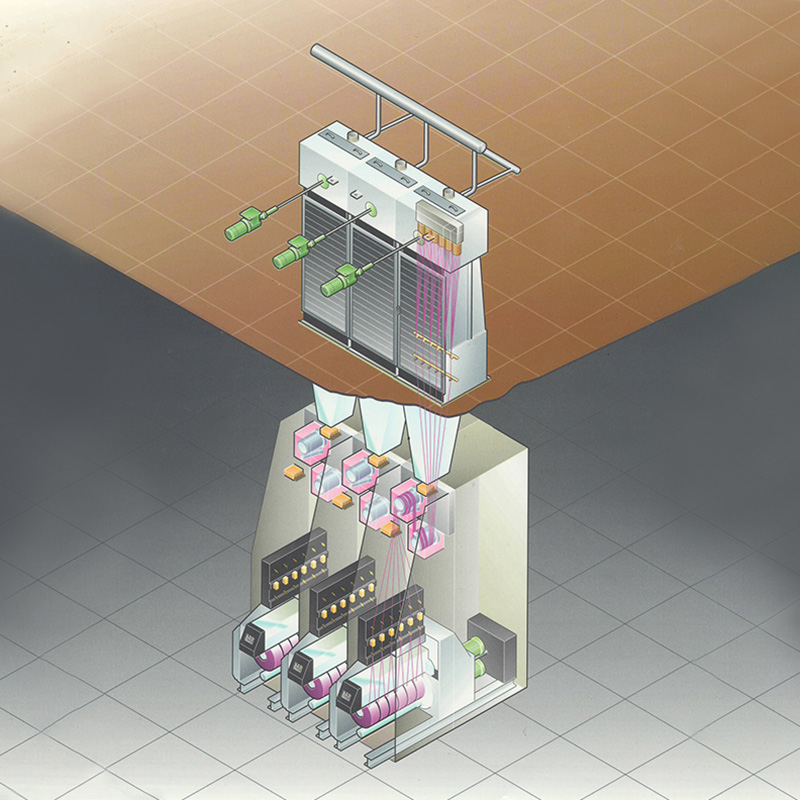
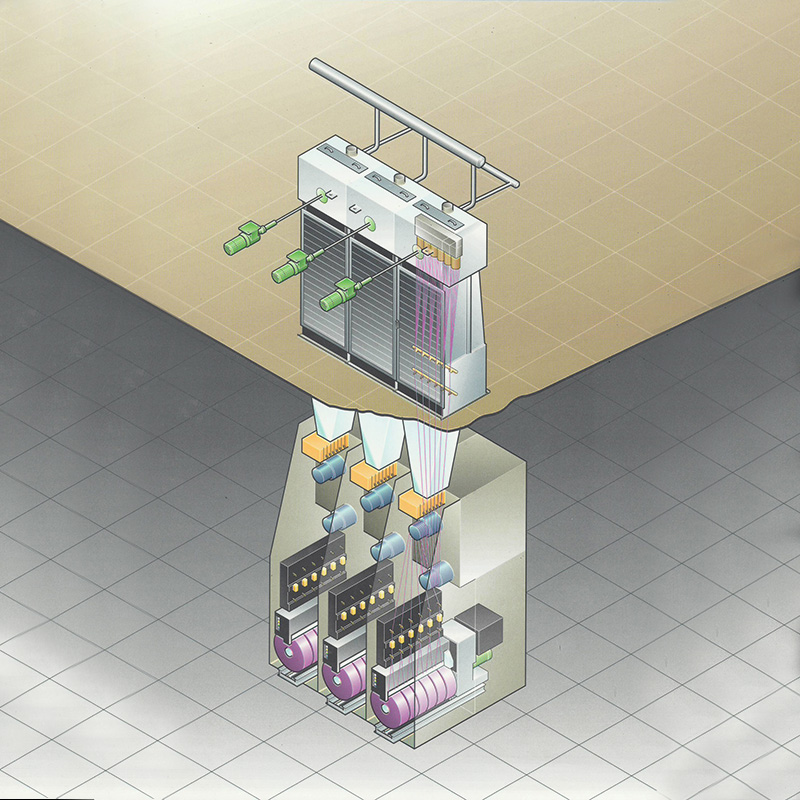
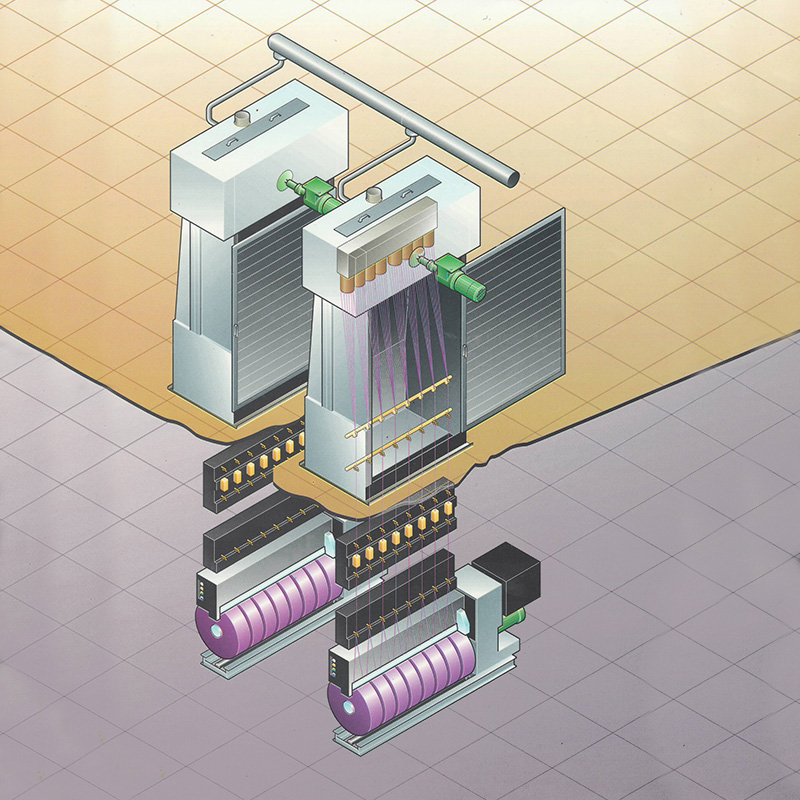
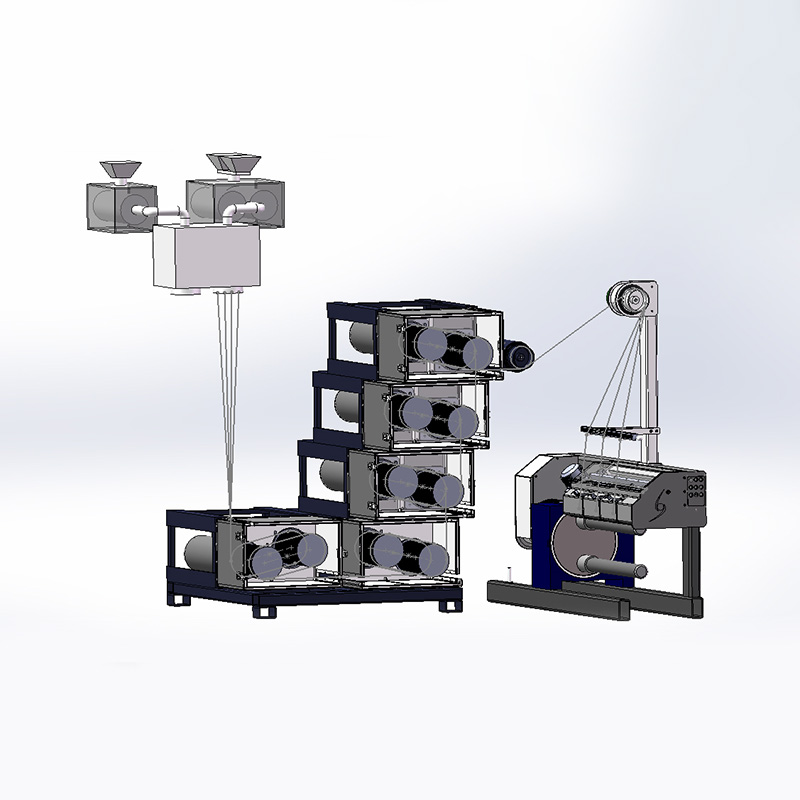
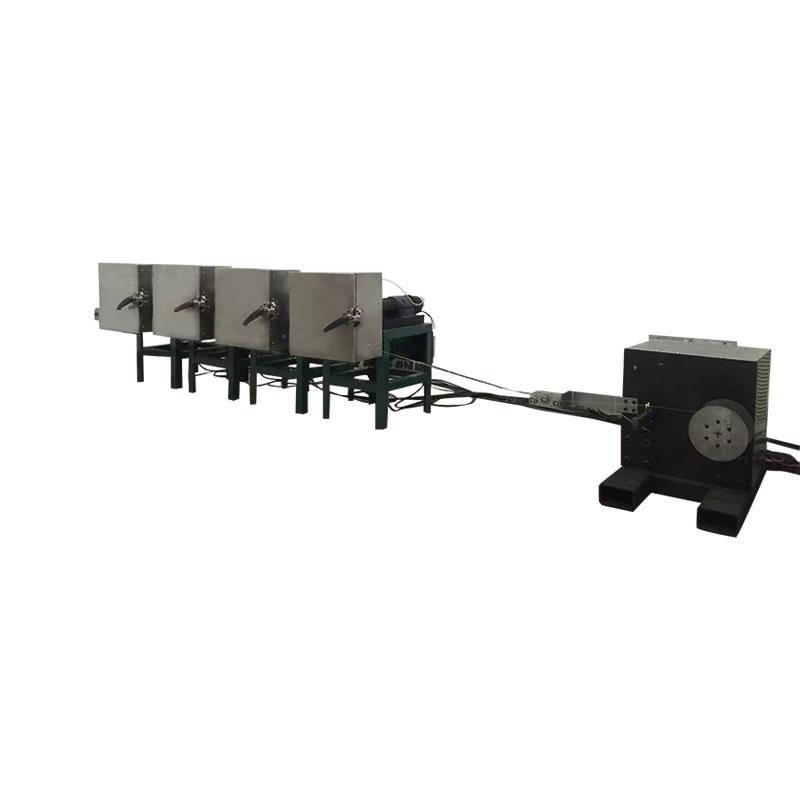
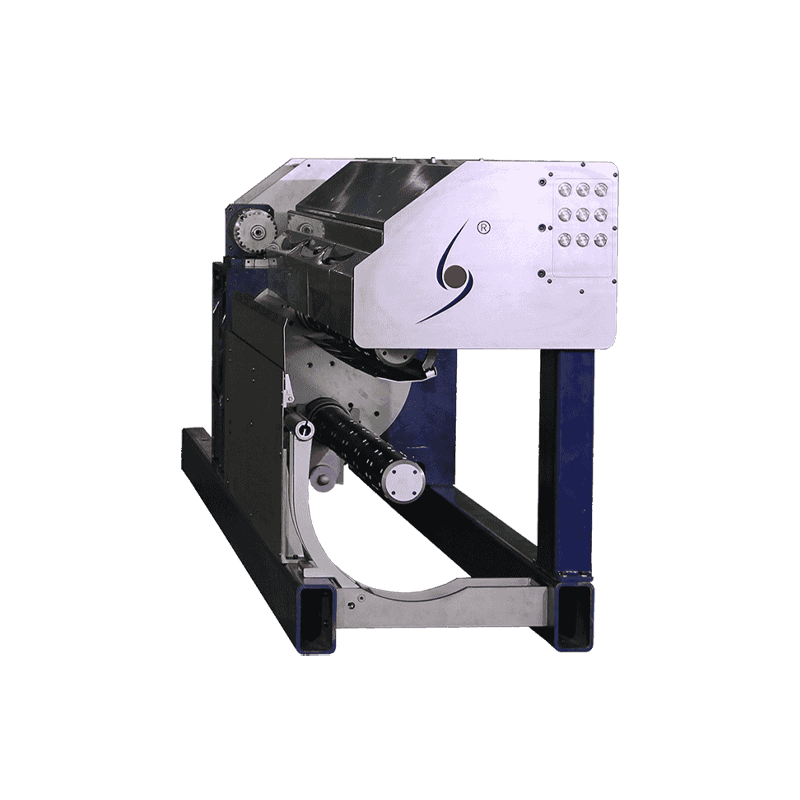
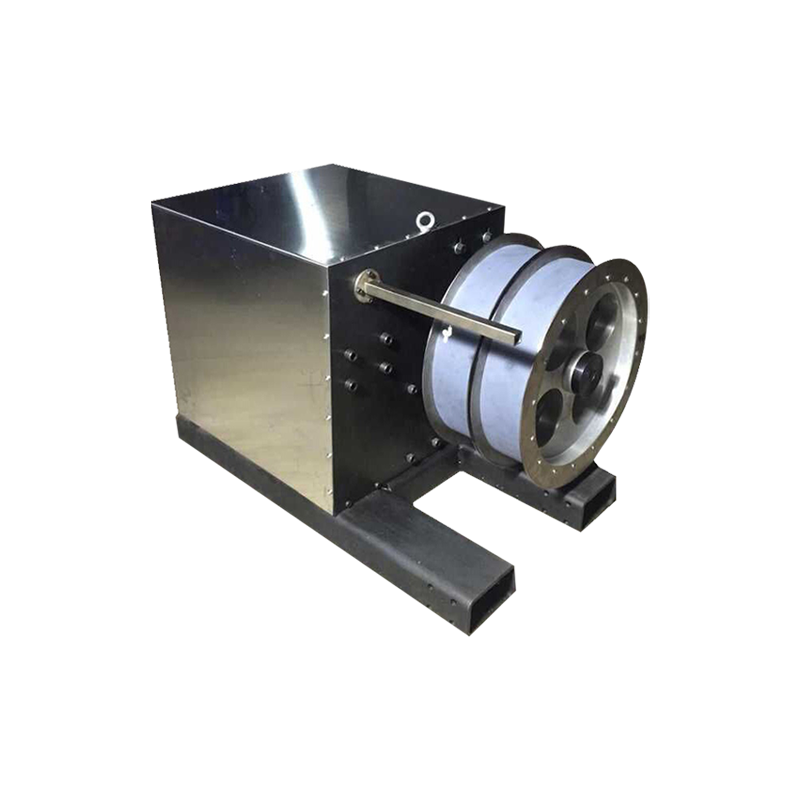
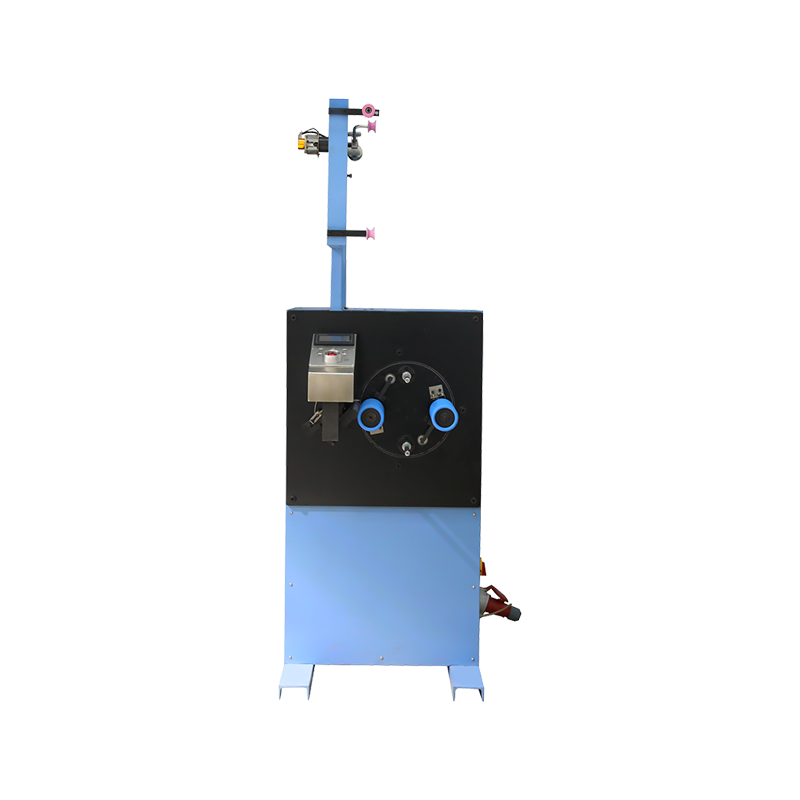
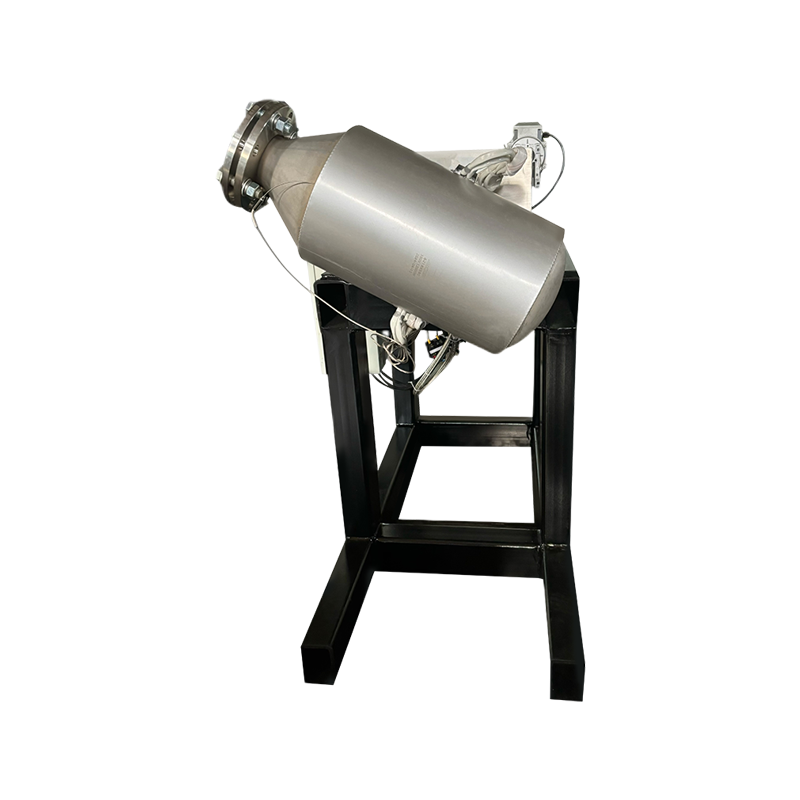
4.The development of multi-functional experimental equipment: With the rising demand for large-scale R&D, many textile machinery manufacturers have introduced cost-effective spinning pilot machines (commonly known as "sample machines"). A leading example is the Bicomponent Spinning Pilot Machine independently developed by Jiaxing Shengbang Machinery Equipment Co., Ltd. This versatile platform enables rapid experimental sampling for monocomponent, bicomponent, and multicomponent fibers, covering materials such as Antimicrobial fiber, Antiviral fiber, Anti-UV fiber, even medical and industrial fiber. Characterized by its comprehensive functionality and high compatibility, this equipment has been customized for numerous prestigious clients across Europe and Japan. Jiaxing Shengbang Machinery Equipment Co., Ltd. is equipped with a suite of advanced manufacturing and diagnostic tools, including: High-precision CNC machining centers; Original Schenck (Germany) dynamic balancing machines; Plasma spraying equipment (625 Research Institute, Ministry of Aerospace);Original Barmag (Germany) godet thermal calibration instruments. It has established long-term, stable partnerships with industry giants(such as Tongkun Group, Xinfengming Group, Hengli Group, and Shenghong Holding).
6. Selection Guidelines
| Application | Recommended Technology | Key Testing Standards |
| Medical textiles | PHMB / N-halamine (biocompatibility priority) | AATCC 100, ISO 20743, ISO 10993 |
| Activewear | Silver-based melt-spun fiber or nano-Ag coating | AATCC 147, JIS L 1902 |
| Home textiles | Chitosan / silver surface finishing | AATCC 100, OEKO-TEX certification |
| Public space fabrics | QAS / nano-Ag | AATCC 100, EN 14119 |
| Eco/sustainable products | Chitosan / bamboo extract | GOTS, OEKO-TEX MADE IN GREEN |
7. Conclusion
Antimicrobial functional fibers are undergoing a structural market transition—moving from niche medical applications toward mainstream consumer textiles across multiple end-use categories. The diversification of antimicrobial technologies, combined with increasingly granular market segmentation, demands a higher level of technical discernment from fiber selection professionals. Looking ahead, systems that successfully balance wash durability, toxicological safety, and environmental sustainability will define the next generation of antimicrobial textile innovation.

ADDRESS: No.1298, Zhouan Road, Economic and Technological Development District, Jiaxing City, Zhejiang Province
PHONE: +86 19057031687
TEL: 86-0573-83777752
EMAIL: [email protected]