English
 عربى
عربى русский
 简体中文
简体中文







2026-10-09

At the heart of this evolution is the spinning machine, which serves as the critical link between fiber development and yarn production. Whether in experimental fiber trials or large-scale production, efficiently, stably, and controllably transforming raw fibers into high-quality yarn is a central focus of the industry.
The essence of spinning is the “ordering of fibers”—through applied forces, loose, disordered fiber bundles are gradually aligned, stretched, and twisted to form stable yarn. This process involves fiber mechanics, friction, aerodynamics, and structural mechanics.
Regardless of ring spinning, air-jet spinning, or rotor spinning, fiber cohesion is a key factor in yarn quality. In the drafting zone of a spinning machine, fiber control depends on tension, friction coefficients, and residence time; even minor fluctuations can cause uneven yarn.
Drafting is the core function of spinning machines. Proper drafting controls fiber migration, minimizes fiber fluctuation, and produces more uniform slivers. It involves energy transfer, fiber flow paths, and frictional interfaces, making it a key focus of process optimization.
Twist imparts strength, abrasion resistance, and structural stability to yarn. Optimal twist depends on fiber type, end-use requirements, and yarn specifications, serving as a crucial parameter in spinning machine design.
Automation, flexibility, and digitization are the main trends in modern spinning equipment. Today’s spinning machines offer higher stability, precise control systems, and compatibility with a wide range of fibers.
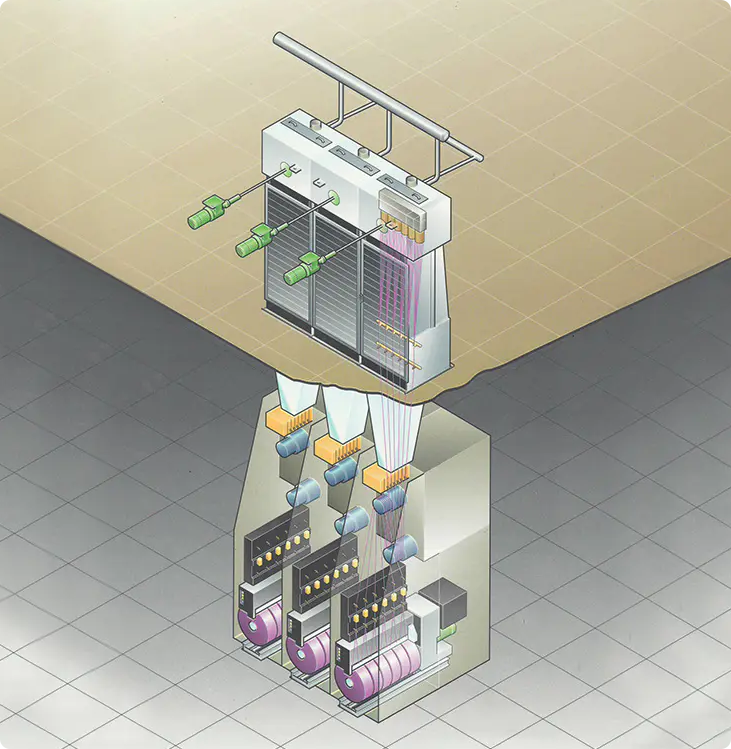
A typical spinning machine includes:
Fiber opening and cleaning system: Separates and cleans fibers
Carding system: Aligns fibers for uniformity
Drawing and roving system: Establishes the basic fiber structure
Spinning system: Completes final drafting and twisting
Automated monitoring system: Ensures operational quality and adjusts parameters in real time
With sensors and digital control, machines now achieve higher consistency and reliability.
Modern spinning machines use high-speed sensors, online monitoring modules, and automatic control algorithms to:
Detect yarn defects in real time
Identify and recover from breakages quickly
Adjust automatically for varying fiber properties
Optimize energy consumption and operational efficiency
This transforms spinning machines into smart fiber processing platforms, not just production equipment.
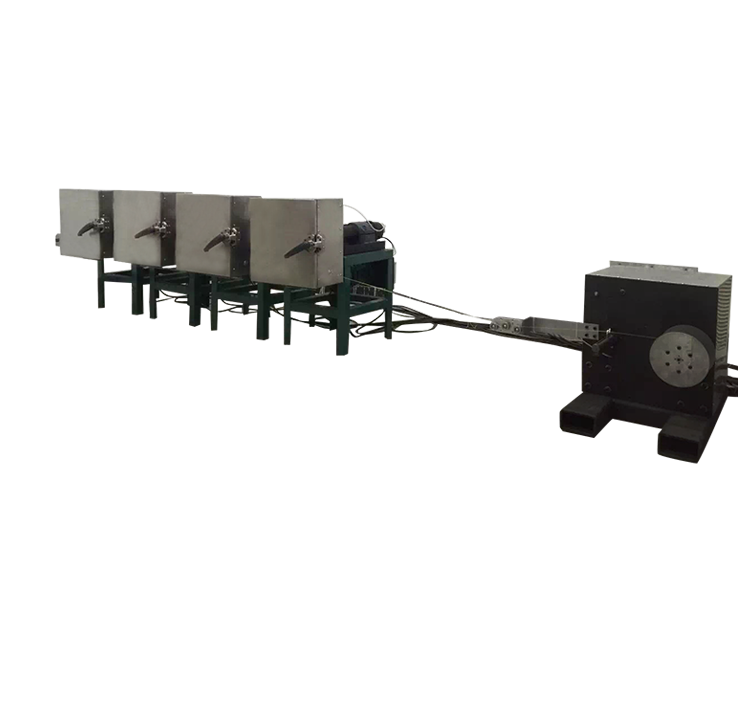
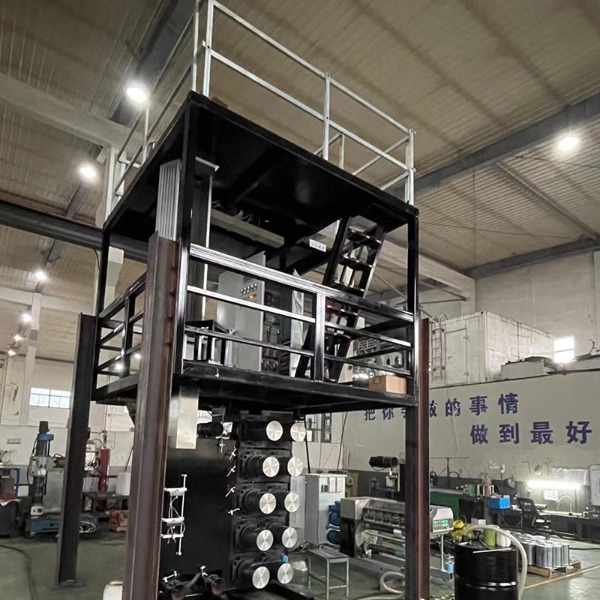
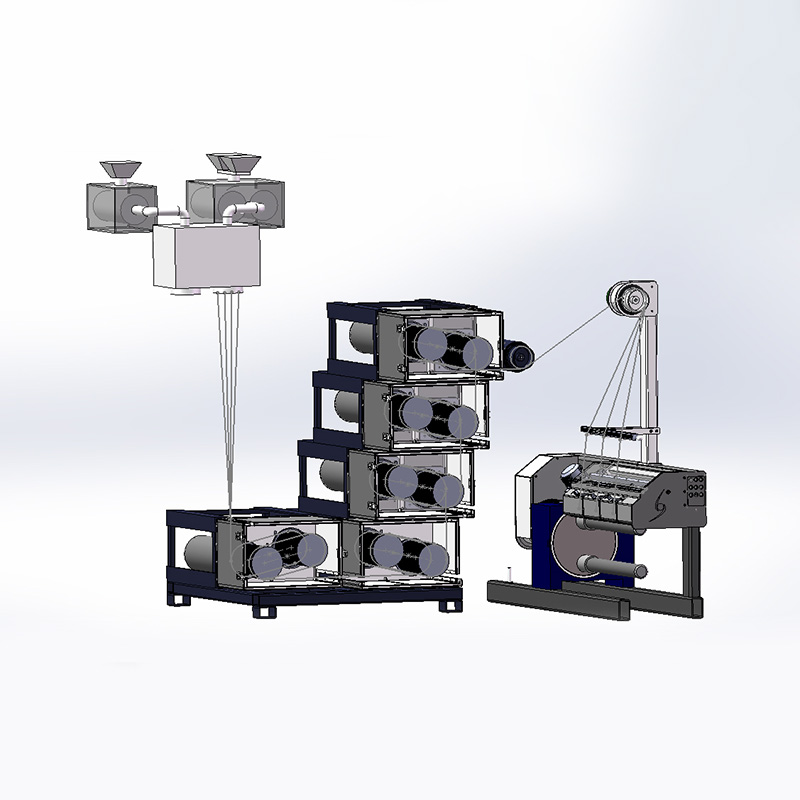
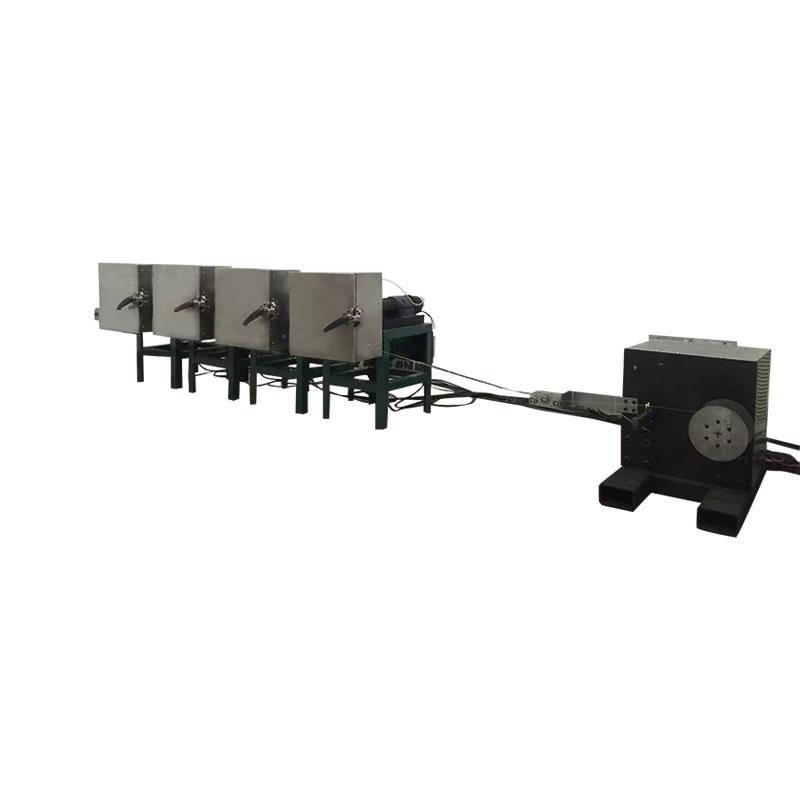
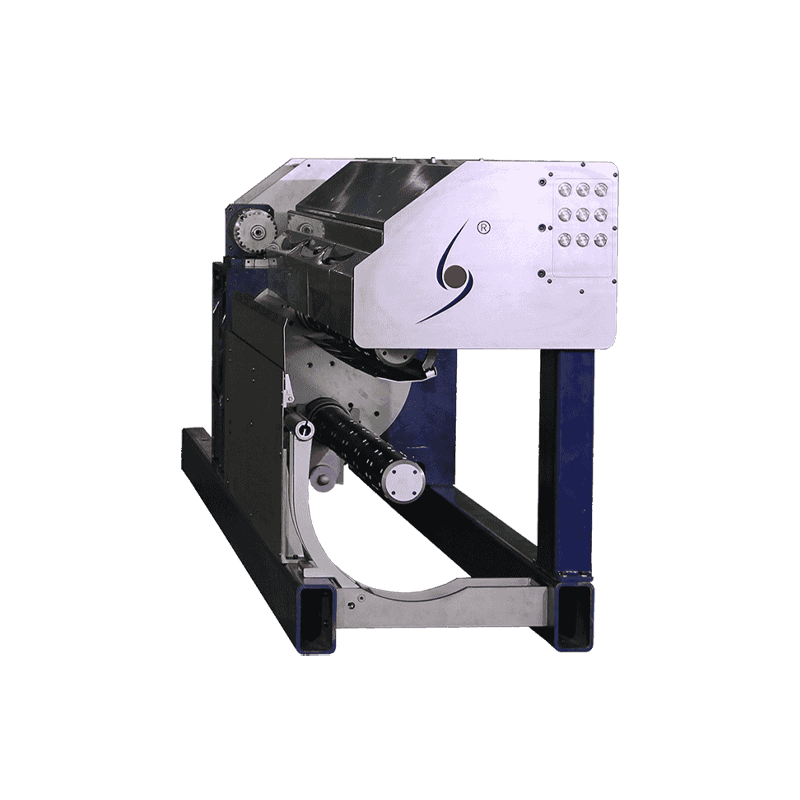
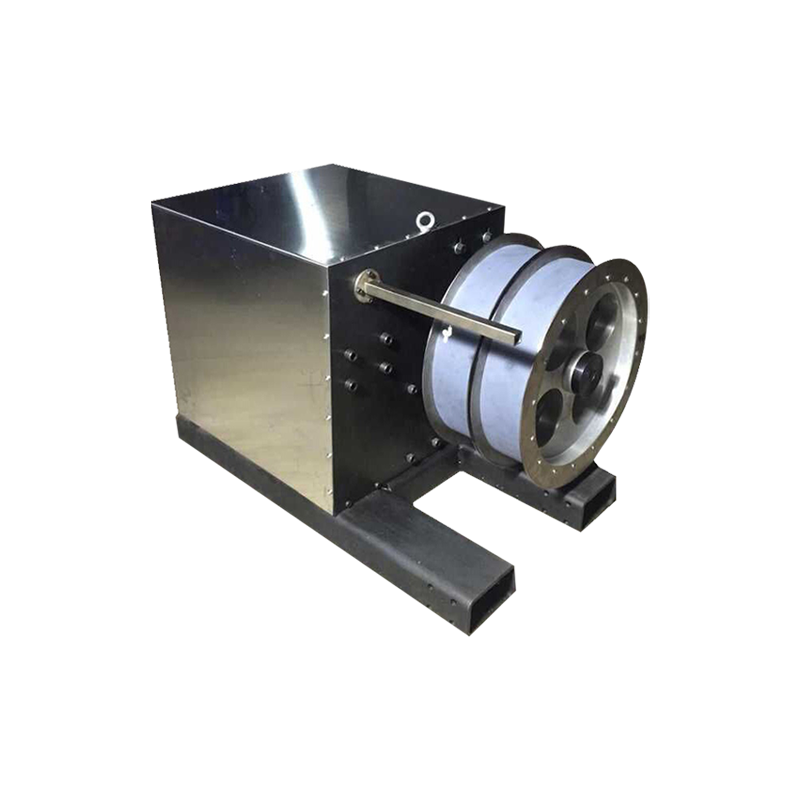
In fiber research, material validation, small-batch yarn trials, or experimental lines, the multifunctional flexible pilot spinning machine plays an essential role. It provides near-industrial spinning conditions while offering high flexibility and process adjustability, acting as a bridge from fiber innovation to product application.
Key advantages of multifunctional flexible pilot spinning machines include:
Support for multiple fiber types, including natural, synthetic, and high-performance fibers
Wide process windows for adjusting draft ratios, twist levels, and spinning speeds
Suitable for research, laboratory, and small-batch production
Rapid product specification changes to shorten development cycles
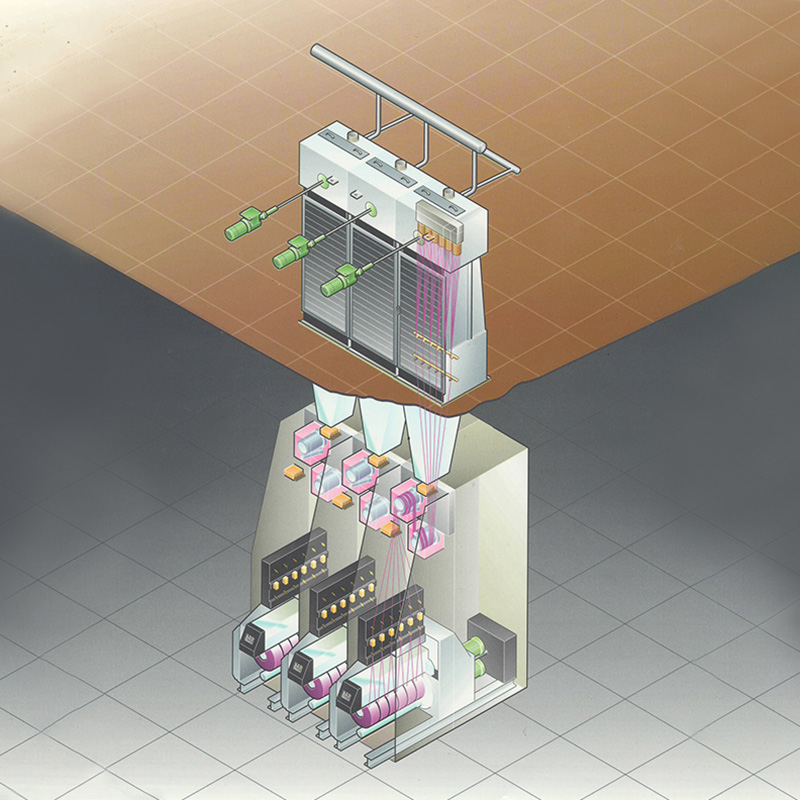
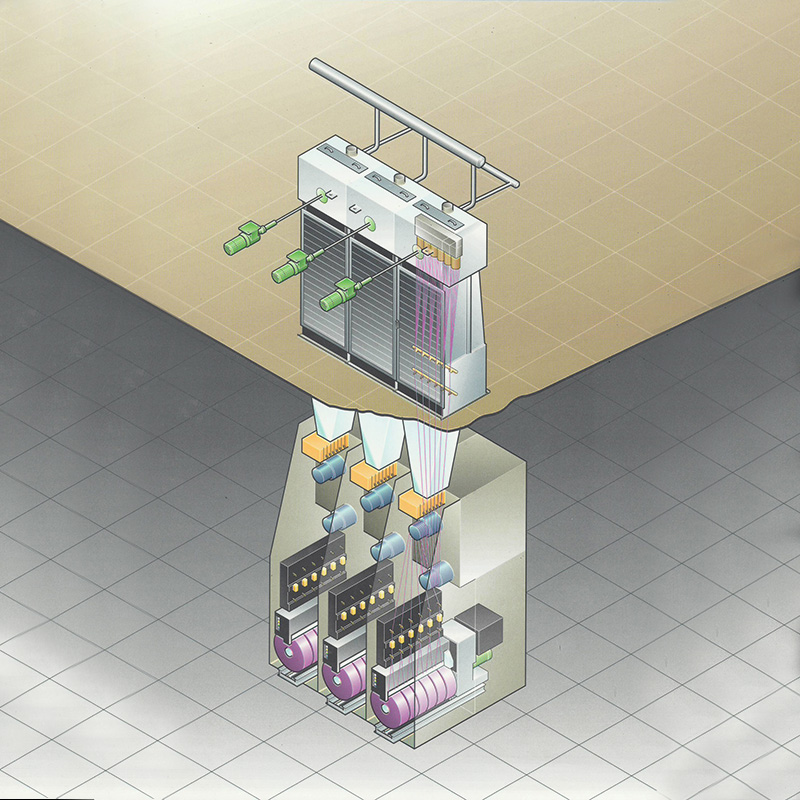
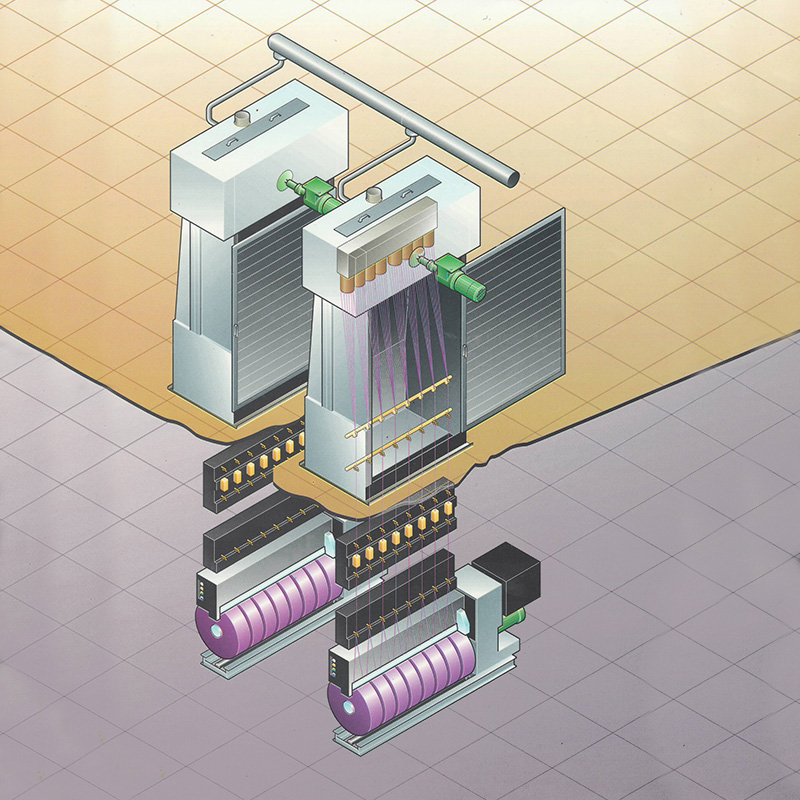
The following table summarizes the main components:
| System Module | Function | Key Features |
|---|---|---|
| Fiber feeding unit | Controls fiber input | Adjustable pressure and speed; compatible with various fiber forms |
| Drafting system | Completes fiber drafting | High-precision adjustment; wide process window |
| Twisting module | Forms yarn twist | Supports multiple twist styles |
| Monitoring sensors | Monitors process status | Real-time feedback; automatic adjustment |
| Yarn collection unit | Collects finished yarn | Supports continuous or intermittent modes |
This equipment enables rapid experimental cycles, helping fiber developers validate performance efficiently, making the pilot line a key link in the production chain.
As textile production demands higher output, high-speed spinning technologies are advancing. By optimizing airflow, drafting structures, and friction interfaces, machines can maintain stable fiber flow and yarn quality at higher speeds.
Flexibility has become an essential criterion for evaluating spinning machines. Future machines will focus on:
Fast process switching
Compatibility with diverse fibers
Wide drafting and speed windows
Lower operational complexity
These capabilities are especially valuable for multifunctional flexible pilot spinning machines.
Spinning equipment is moving toward greener manufacturing, including:
Energy-efficient drive systems
Higher fiber utilization
Reduced process waste
Compatibility with renewable and eco-friendly fibers
Sustainability metrics are increasingly a key industry benchmark.
Q1: What is a spinning machine?
A: A spinning machine is equipment used to convert fibers into yarn, including systems for opening and cleaning, carding, drawing, roving, and spinning.
Q2: What is the main purpose of a multifunctional flexible pilot spinning machine?
A: It is used for R&D, small-batch yarn trials, multi-product validation, and process evaluation, linking material innovation with industrial production.
Q3: Why is drafting important in spinning?
A: Drafting determines fiber alignment, uniformity, and yarn structural stability, and is critical to yarn quality.
Q4: Why do spinning machines need flexibility?
A: To meet modern demands for multi-product, small-batch, and fast-change production, enhancing process adaptability.
Q5: What is the future direction of spinning technology?
A: High-speed, intelligent, green manufacturing with stronger adaptive process capabilities.

ADDRESS: No.1298, Zhouan Road, Economic and Technological Development District, Jiaxing City, Zhejiang Province
PHONE: +86 19057031687
TEL: 86-0573-83777752
EMAIL: [email protected]