English
 عربى
عربى русский
 简体中文
简体中文







2026-10-09
Home / News / Industry News / What Are the Common Issues with Shift Forks in Barmag Machines and How Can They Be Prevented?

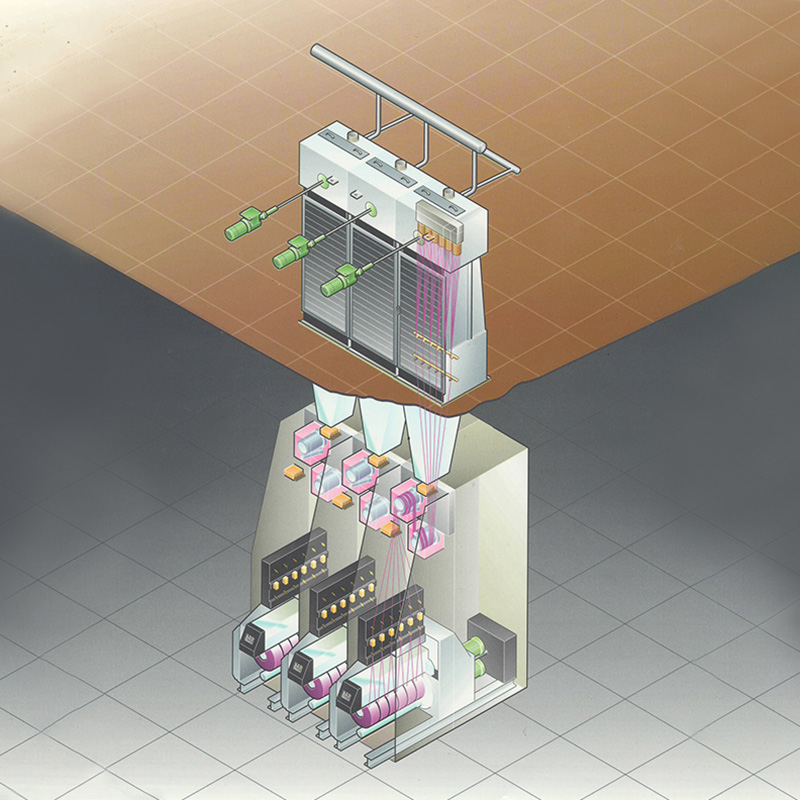
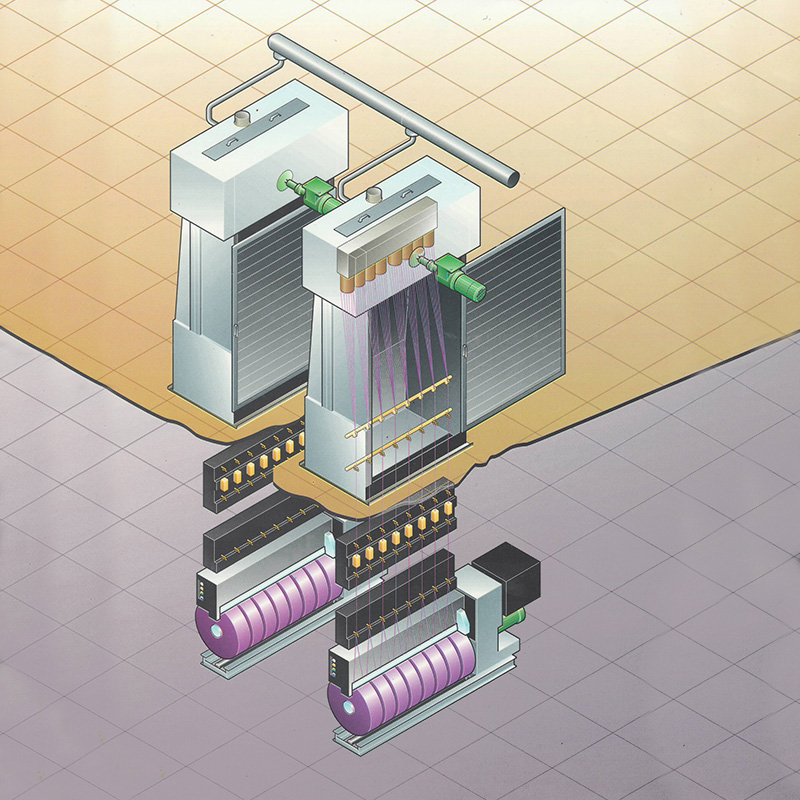
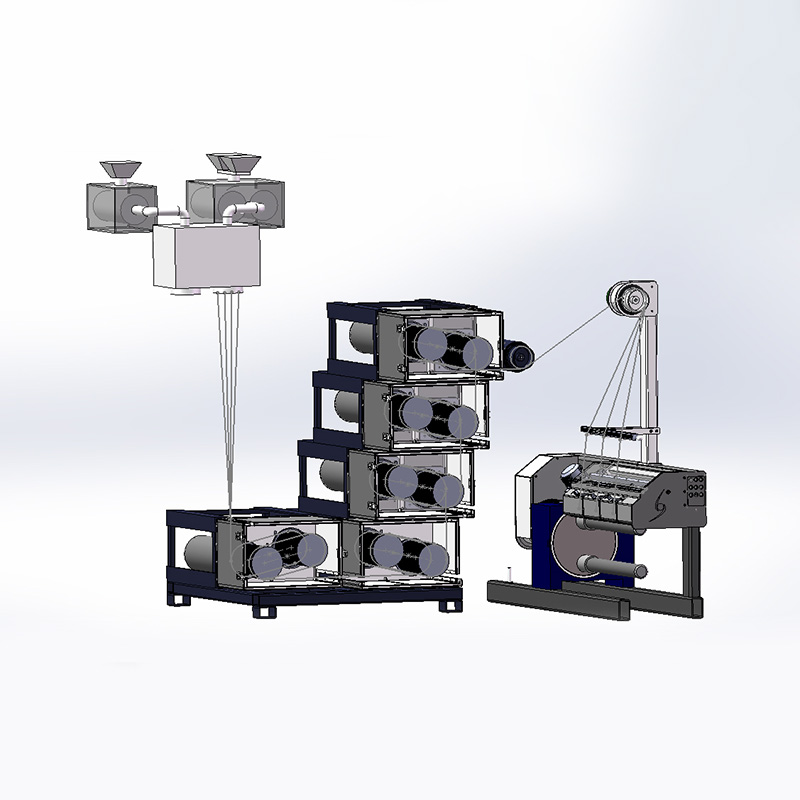
Barmag machines, renowned for their reliability and advanced technology in filament yarn production, have revolutionized the textile industry. However, like any complex machinery, Barmag spinning machines are prone to specific technical issues that can affect their performance. One of the critical components of these machines is the shift fork, which plays a pivotal role in ensuring smooth operation.
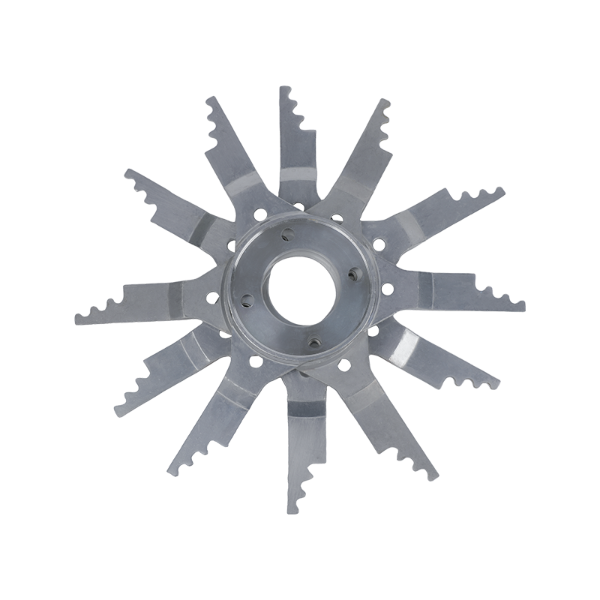
The shift fork is a vital mechanical component in Barmag machines, typically used in the yarn winding and positioning system. Its primary function is to guide and shift the position of the yarn during various phases of the spinning process, ensuring that it moves correctly between the spools and the winding apparatus. A malfunction or wear of the shift fork can cause misalignment, which leads to several operational issues such as yarn breakage, irregular winding, and machine downtime.
There are several potential issues that can occur with shift forks in Barmag machines. Understanding these issues and their root causes is the first step towards prevention and resolution.
Excessive Wear and Tear
One of the most frequent problems is the wear and tear of the shift fork, particularly at the contact points. Due to the high-speed operation of Barmag machines, the shift fork can experience significant friction, leading to degradation over time. If not monitored and maintained regularly, this wear can result in inefficient shifting, inaccurate yarn positioning, and machine malfunctions.
Misalignment
Misalignment of the shift fork is another common issue, often caused by improper installation or component failure. Misalignment can cause the shift fork to move unevenly, leading to irregular yarn tension and breakages. This problem is often exacerbated if the machine’s foundation is unstable or if the shift fork is not adequately calibrated.
Material Fatigue
The shift fork, like other mechanical components, is susceptible to material fatigue over time. Constant exposure to high speeds, heavy loads, and temperature fluctuations can cause the material of the fork to weaken, eventually leading to cracks or breakage. This issue can significantly reduce the operational efficiency of the machine.
Contamination of the Shift Fork Mechanism
Dust, dirt, and other contaminants can accumulate in the shift fork mechanism, causing it to jam or operate erratically. Contamination can also cause friction, accelerating wear and causing overheating. This issue is common in environments with high production levels, where cleanliness might not always be maintained.
Incorrect Lubrication
Lubrication is essential for the smooth functioning of Barmag parts, including the shift fork. Insufficient or excessive lubrication can result in improper functioning of the shift fork, increasing friction and causing faster wear. It can also lead to the accumulation of sludge or debris in the moving parts, further hindering their performance.
Improper Adjustment or Calibration
Incorrect adjustment or calibration of the shift fork mechanism is another major issue. If the fork is not aligned with the machine’s components or is adjusted too tightly or loosely, it can lead to inconsistent performance and increased strain on the entire system. Regular checks and fine-tuning are required to avoid this problem.
To minimize the risks associated with shift fork malfunctions and ensure the smooth operation of Barmag machines, several preventive measures can be adopted:
Routine inspection and maintenance of the shift fork and related Barmag spinning machine parts are essential. This includes checking for signs of wear, cracks, or misalignment. A proactive maintenance schedule can help detect potential issues early and prevent costly repairs or machine downtime.
Ensuring that the shift fork and other moving parts are properly lubricated can reduce friction and extend their lifespan. It is crucial to use the right type of lubricant as recommended by the manufacturer and to monitor the lubricant levels regularly.
Alignment and calibration should be checked during routine maintenance to ensure that the shift fork moves smoothly and without obstruction. A misaligned shift fork should be adjusted or replaced to prevent further issues.
Maintaining a clean environment around the machine is critical. Dust and contaminants should be removed regularly from the shift fork and its mechanism. Additionally, installing protective covers or filters can help reduce the accumulation of debris.
Using shift forks made of higher-grade materials can reduce the risk of material fatigue. Many manufacturers offer upgraded versions of Barmag parts that are more resistant to wear and tear, ensuring greater durability.
If a shift fork shows signs of significant wear or damage, it should be replaced immediately. Continuing to operate the machine with a faulty shift fork can exacerbate the problem, potentially damaging other components and causing production delays.
In addition to the shift fork, Barmag spinning machines consist of various critical parts that require regular attention. These include the bobbin drive, take-up mechanism, godet rollers, and yarn guides. Understanding the function of these Barmag parts and how they interact with the shift fork can help technicians perform comprehensive maintenance checks to ensure the entire system operates efficiently.
By addressing shift fork issues proactively, manufacturers can minimize downtime and maximize the efficiency of their Barmag machines. This involves both preventive measures such as regular inspections and the use of high-quality components from reputable Barmag spinning machine parts manufacturers. Investing in quality parts and adhering to a regular maintenance schedule will pay dividends in terms of reduced downtime and increased production output.
Jiaxing Shengbang Mechanical Equipment Co., Ltd. is a comprehensive technological enterprise specializing in the development, production, sales, and maintenance of key parts for spinning machines. The company also focuses on the research and development of new materials and fabrics. Our facility includes multiple departments, such as Management, R&D, Sales, Trading, and Production.
We own advanced and perfect equipment for production, inspection, testing and maintenance of spinning machinery, such as advanced CNC machine tools, Shenk Balancing Machine, plasma-coating equipment from AVIC Manufacturing Technology Institute and temperature calibration for hot godet from Barmag.
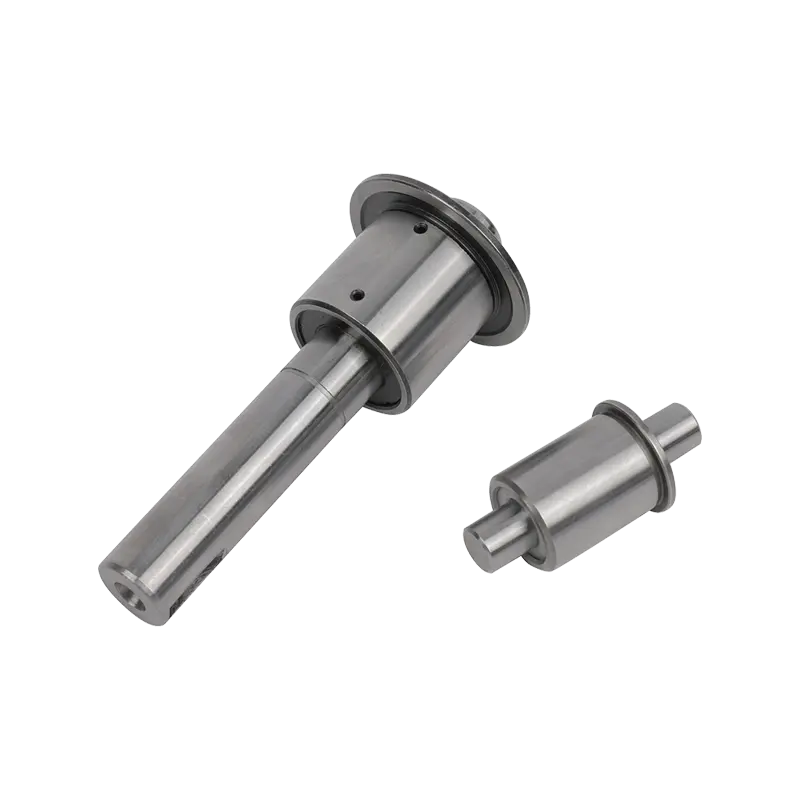
Barmag’s shift forks, which are produced by our company for Barmag in Germany, have passed the test of practical application in chemical fiber factories, and the product quality exceeds the technical standard of the original machine.
In conclusion, while the shift fork is a critical component of Barmag machines, its performance can be affected by several common issues. By understanding these problems and implementing effective preventive measures, manufacturers can ensure that their machines operate smoothly, minimizing downtime and improving overall productivity. Regular maintenance, proper lubrication, and timely component replacements are essential steps toward extending the lifespan of Barmag machines and achieving optimal performance.
1. What is the role of a shift fork in a Barmag machine?
The shift fork is responsible for shifting and positioning the yarn during the spinning process to ensure smooth and accurate winding.
2. How often should the shift fork be inspected?
It is recommended to inspect the shift fork during each routine maintenance cycle, or at least every 500 operating hours, to identify any signs of wear or misalignment.
3. What are the most common signs of a worn shift fork?
The most common signs include uneven yarn tension, irregular winding, and mechanical noise during operation.
4. Can shift forks be repaired, or do they need to be replaced?
In some cases, shift forks can be repaired if the damage is minimal, but replacing them is often the best option if the wear is extensive.
5. How can material fatigue be prevented in shift forks?
Using shift forks made from higher-quality materials that are resistant to wear and fatigue, and performing regular maintenance checks, can help prevent material failure.


ADDRESS: No.1298, Zhouan Road, Economic and Technological Development District, Jiaxing City, Zhejiang Province
PHONE: +86 19057031687
TEL: 86-0573-83777752
EMAIL: [email protected]