English
 عربى
عربى русский
 简体中文
简体中文







2026-10-09

Efficient spinning machine operation is fundamental to maintaining yarn quality, production stability, and long-term equipment performance. As textile processing equipment advances toward higher automation and precision, maintenance requirements also become more sophisticated. Whether the equipment is a large-scale spinning line or a multifunctional flexible pilot spinning machine used for testing and development, understanding recurring maintenance challenges is the foundation for optimizing operational reliability.
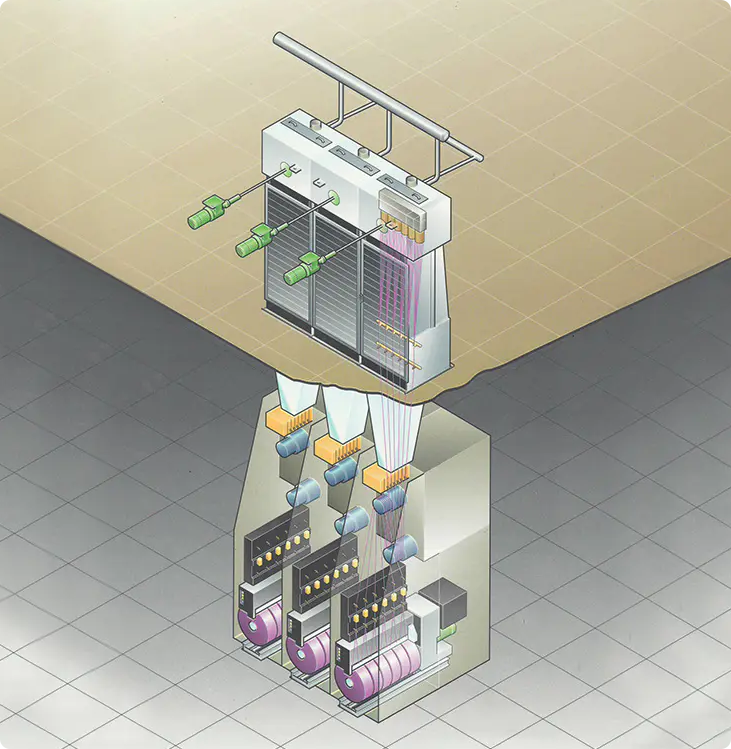
Spinning machines operate at high speed, involving continuous drafting, twisting, winding, and tension regulation. Complex mechanisms mean wear, vibration, contamination, or misalignment can quickly impact output. Modern systems such as high-efficiency spinning units and precision yarn control systems rely on accurate calibration and stable material flow.
Maintenance challenges typically emerge due to:
These issues often interact, increasing the difficulty of diagnosing faults. Thus, an organized approach to maintenance is essential.
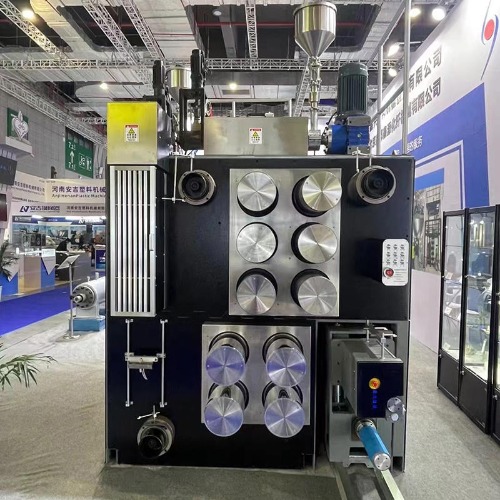
Drafting rollers, spindles, aprons, and bearings endure consistent mechanical stress. When wear increases, the system may produce uneven yarn, breakages, or slippage.
Causes:
Solutions:
High-speed rotation naturally introduces vibration. Excessive vibration affects yarn uniformity, machine stability, and component service life.
Causes:
Solutions:
Sensors governing tension, draft ratio, and speed may drift over time. The precision yarn control system requires accurate inputs; otherwise, yarn defects increase.
Causes:
Solutions:
Modern spinning machines rely on control software to regulate process parameters. Incorrect settings can reduce efficiency or lead to repeated machine stoppages.
Causes:
Solutions:
Airborne fiber accumulation can clog suction ducts and slow waste removal, affecting yarn cleanliness.
Causes:
Solutions:
Yarn behavior depends heavily on environmental conditions. Excess humidity increases sticking; too little humidity raises static electricity.
Causes:
Solutions:
Human factors significantly influence maintenance outcomes. Improper settings or infrequent checks can magnify equipment issues.
Causes:
Solutions:
A spinning machine requires routine attention beyond reactive repairs.
Causes:
Solutions:
| Component / System | Function | Common Issue | Recommended Maintenance |
|---|---|---|---|
| Drafting rollers | Fiber drafting | Surface wear, slippage | Clean daily, replace when worn |
| Spindles | Twisting and rotation | Imbalance, vibration | Perform dynamic balancing |
| Bearings | Support rotation | Fatigue, overheating | Lubricate and replace periodically |
| Tension sensors | Yarn tension detection | Calibration drift | Recalibrate and monitor environment |
| Suction ducts | Fiber waste removal | Clogging | Clean filters and ducts |
| Control panel | Parameter setting | Misconfiguration | Standardize settings |
| Pilot spinning module | Testing and sampling | Alignment errors | Perform precise calibration |
This table may be expanded or customized based on specific plant conditions and machine configuration.
Sensors and software analytics can forecast failures before they occur. Integrating predictive monitoring with high-efficiency spinning units supports stable, long-duration performance.
Key actions include:
Different fibers influence machine stress differently. Technicians should evaluate characteristics such as:
Adjustments in draft ratio, roller pressure, or environmental control should be made accordingly.
A structured inventory prevents downtime. Lubricant selection should match mechanical speed, load, and temperature requirements.
Key steps:
Maintenance performance improves significantly when technicians, operators, and quality-control staff collaborate.
Best practices:
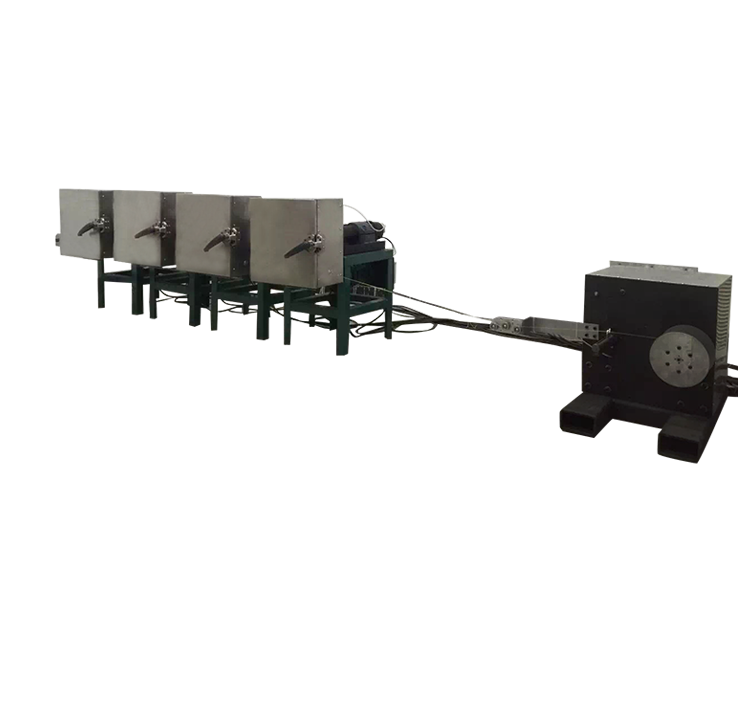
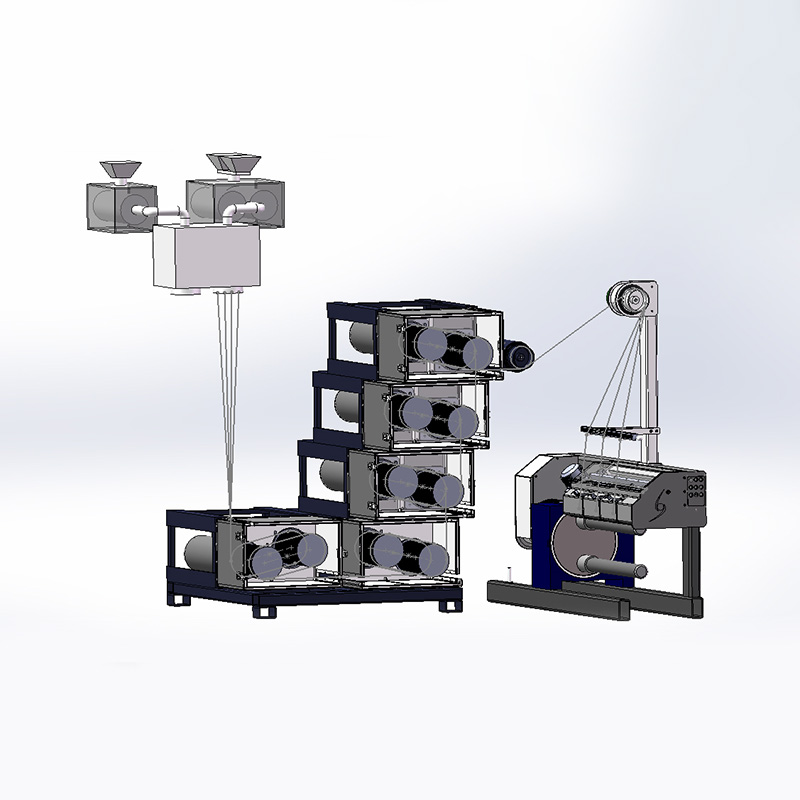
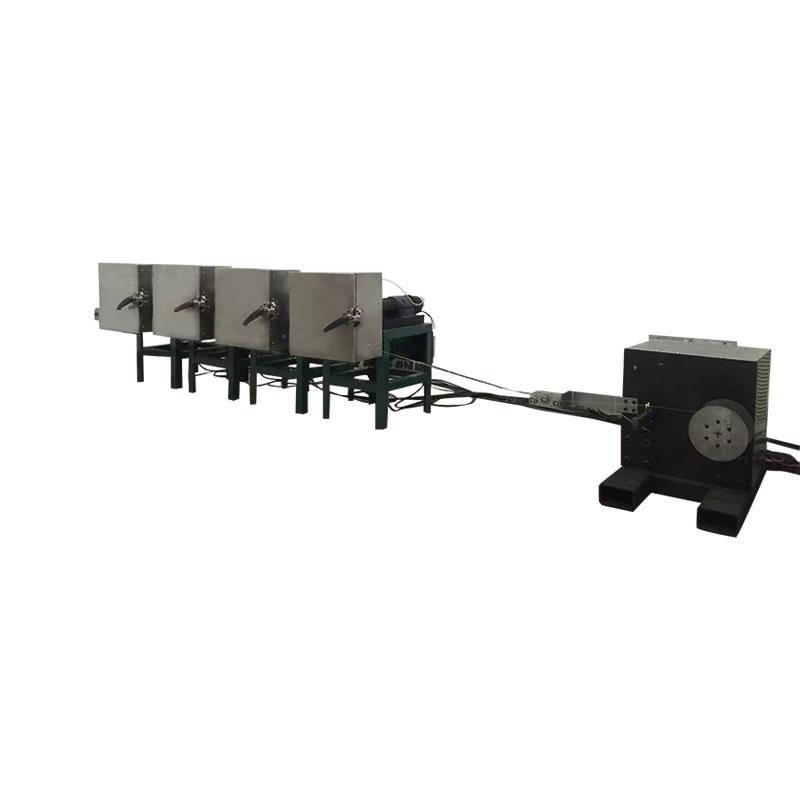
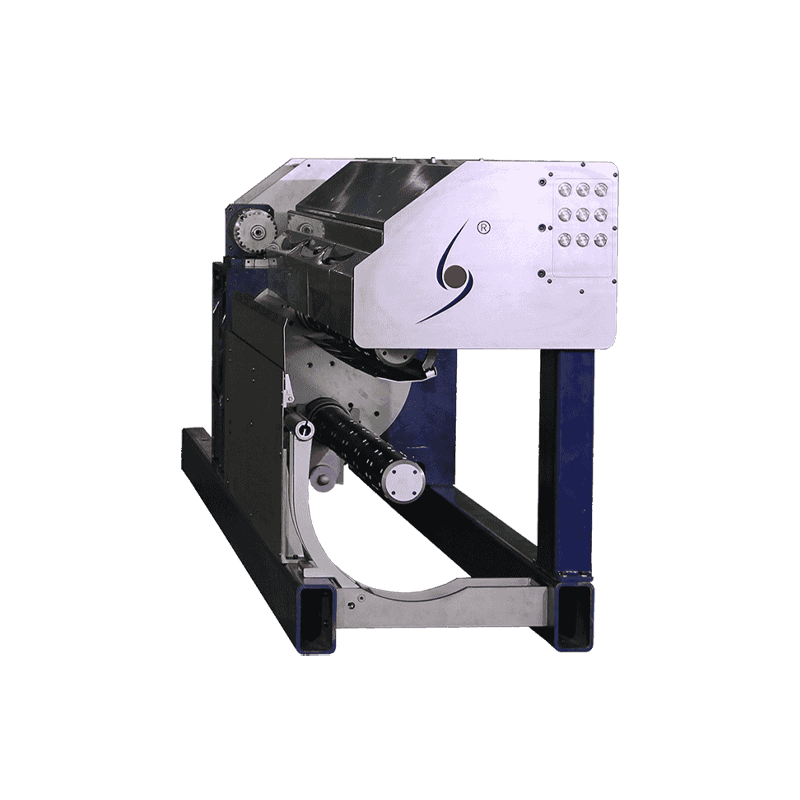
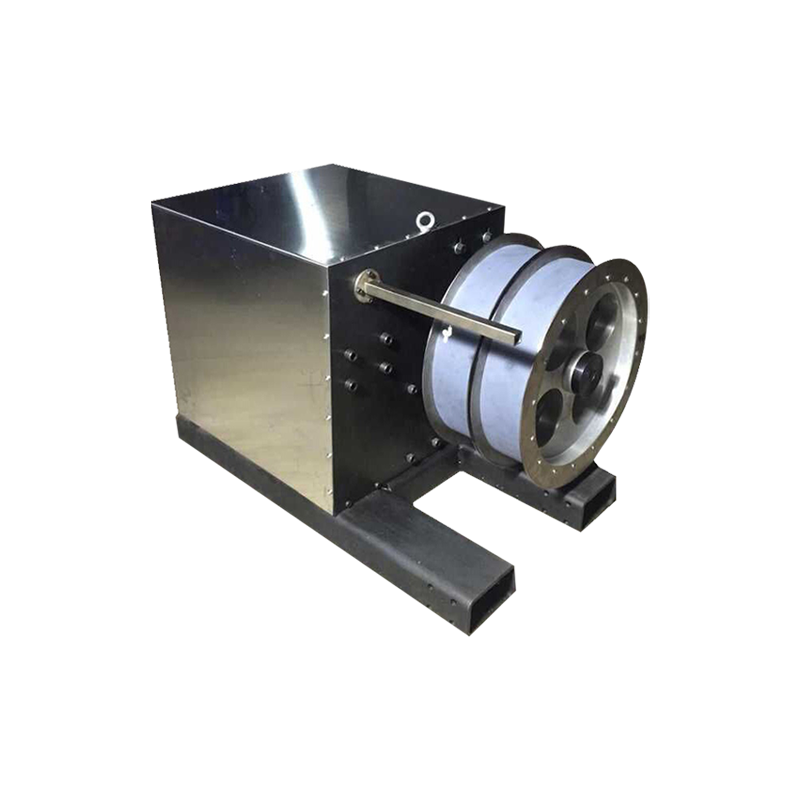
Maintenance of spinning machine systems requires understanding mechanical behavior, environmental influence, operator skill, and control-system precision. As equipment becomes more advanced, such as the multifunctional flexible pilot spinning machine designed for flexible trial production and research, the importance of consistent, structured maintenance intensifies.
By identifying common challenges—component wear, sensor drift, vibration, dust accumulation, misconfiguration, and workflow weaknesses—plant managers and technicians can establish effective solutions. Clear procedures, predictive interventions, and an organized maintenance culture ensure reliable production, stable yarn quality, and extended equipment service life.
1. What causes frequent yarn breakage in a spinning machine?
Common causes include incorrect draft settings, roller wear, improper tension, and fiber accumulation. Checking drafting components, calibrating sensors, and cleaning dust paths usually resolves the issue.
2. How often should a spinning machine be calibrated?
Calibration frequency depends on usage intensity, but most facilities benefit from scheduled calibration every cycle of continuous operation or after replacing key components such as sensors or rollers.
3. Why does vibration increase during high-speed operation?
Imbalanced spindles, worn bearings, or loose fasteners typically cause excessive vibration. Regular balancing and periodic mechanical inspection minimize this issue.
4. How can airflow problems inside the machine be avoided?
Maintaining clean suction ducts, replacing filters regularly, and ensuring stable environmental humidity help prevent airflow obstruction.
5. What is the advantage of using a multifunctional flexible pilot spinning machine?
It allows flexible testing, sampling, and small-batch production, making it suitable for parameter optimization and fiber behavior evaluation without interrupting main production lines.

ADDRESS: No.1298, Zhouan Road, Economic and Technological Development District, Jiaxing City, Zhejiang Province
PHONE: +86 19057031687
TEL: 86-0573-83777752
EMAIL: [email protected]