English
 عربى
عربى русский
 简体中文
简体中文







2026-09-18
Home / News / Industry News / The Essential Guide to Barmag Parts: Key Components, Quality Tips, and Sourcing Strategy

When your Barmag spinning machine goes down, every minute of lost production cuts into margin. The difference between a smooth restart and a lengthy repair often comes down to the quality and availability of the right Barmag parts. Whether you need a replacement shift fork, a precision bearing, a lock ring for the chuck, or a yarn guide plate, understanding the function and tolerance requirements of each component helps you make informed sourcing decisions that keep your line running.
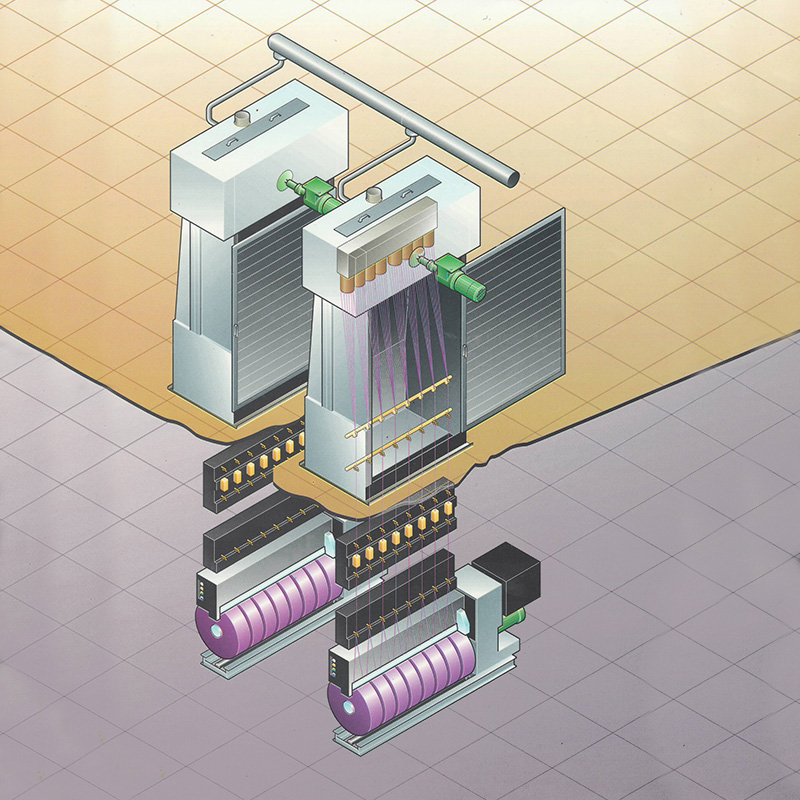
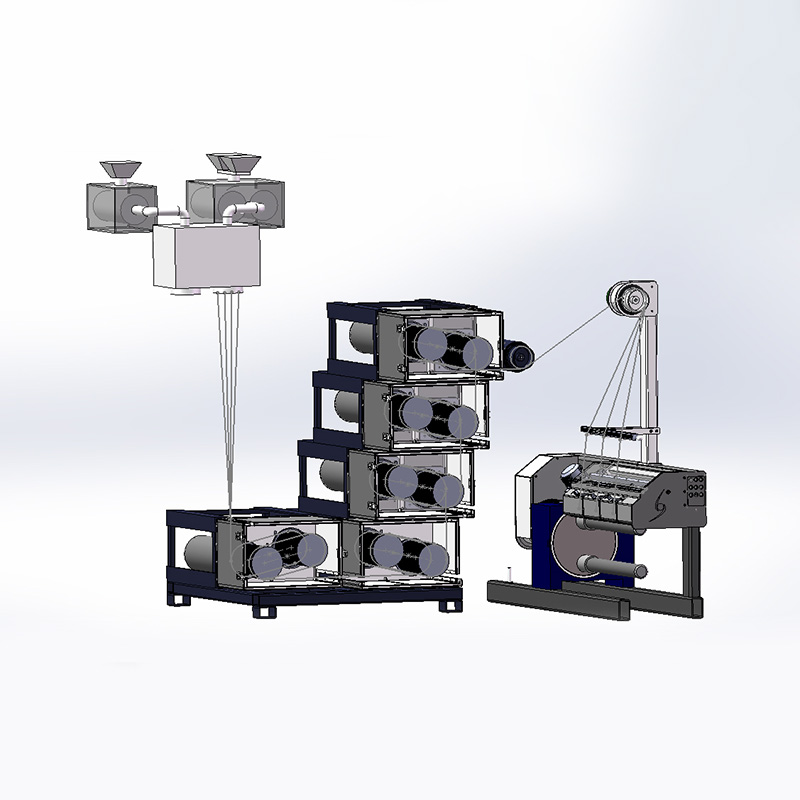
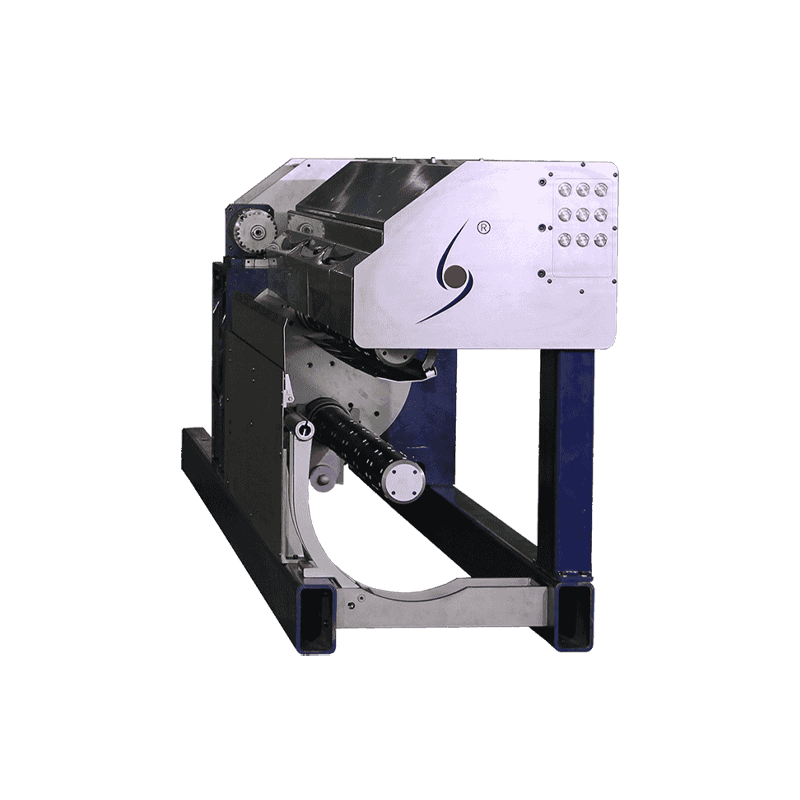
Barmag winding and godet systems operate at high speeds, often exceeding 3,000 meters per minute. At these speeds, even a few microns of dimensional deviation in a part can cause vibration, premature wear, or package quality defects. Original equipment specifications are exact, and aftermarket parts must replicate those dimensions and materials. The most critical Barmag parts include shift forks, bearings, lock rings, yarn guide plates, and tension blocks. Each serves a specific mechanical function that directly influences yarn tension, doffing reliability, and overall uptime.
Below is a summary of the most commonly replaced Barmag components found in winding and godet assemblies, along with their primary failure modes and typical replacement intervals.
| Part | Primary Function | Common Failure Mode | Typical Replacement Cycle |
|---|---|---|---|
| Shift Fork | Guides the traverse motion during winding | Wear at contact points, deformation | 12–18 months |
| Bearing (winder / godet) | Supports rotating shafts and rolls | Noise, vibration, grease leakage | 6–12 months |
| Lock Ring (chuck) | Secures the bobbin on the chuck | Cracking, loss of clamping force | 24–36 months |
| Yarn Guide Plate | Directs yarn path with low friction | Grooving, surface wear | 12–24 months |
| Tension Block | Maintains consistent yarn tension | Coating wear, spring fatigue | 18–24 months |
The shift fork is one of the most stressed Barmag parts in a winder. It reciprocates thousands of times per hour, guiding the traverse mechanism that lays yarn across the bobbin. Any wear on the fork's prongs leads to irregular package formation, increased yarn breaks, and eventual winding stoppages. When selecting a replacement shift fork, pay attention to the surface hardness and the exact geometry matching your winder model (e.g., Barmag 1200, 1380, 1500, 1600, or 1800 series). A hardened surface with a Rockwell value above 55 HRC typically provides extended service life. For a direct replacement option, consider a 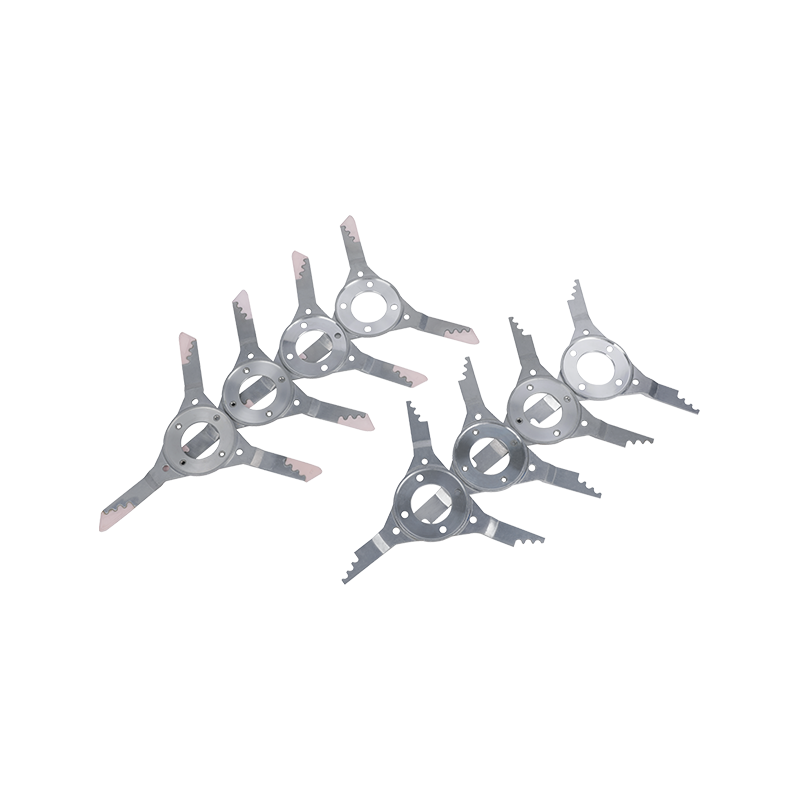 S-1011 (RO) Shift Fork for Barmag WindersThis shift fork is engineered for high-speed reciprocation in Barmag winders. Its hardened surface (above 55 HRC) ensures extended life and consistent yarn package formation, reducing breaks and stoppages.View Product → manufactured with original-equivalent tooling.
Barmag parts like contact roll bearings, separator roll bearings, and godet bearings operate in a high-temperature, high-speed environment. The most common root cause of bearing failure is inadequate lubrication or contamination from fiber dust. When sourcing bearings, ensure they meet the correct size class (e.g., 12120500018 for Barmag contact rolls) and are rated for the speed range of your machine. Using a bearing with the wrong internal clearance (C3 vs. normal) can lead to overheating or seizure. Many operators extend life by switching to sealed bearings with high-temperature grease, but this must be verified against the original housing design.
The lock ring is a small but critical Barmag part that holds the bobbin tube securely onto the chuck during winding. A loose or damaged lock ring causes bobbin slippage, which ruins yarn layering and can even damage the chuck itself. Lock rings come in different sizes for 1200, 1380, 1500, 1600, and 1800 chucks. Material quality matters: a made from hardened alloy steel with a precise taper angle provides reliable clamping force over thousands of cycles. Inspect lock rings for fatigue cracks during every scheduled maintenance outage.
Yarn guide plates and tension blocks directly contact the running yarn. Over time, the ceramic or hardened steel coating wears, creating grooves that cause yarn fraying and tension fluctuations. Always verify the mounting hole pattern and overall dimensions against your winder's support bracket. For Barmag 200-series winders,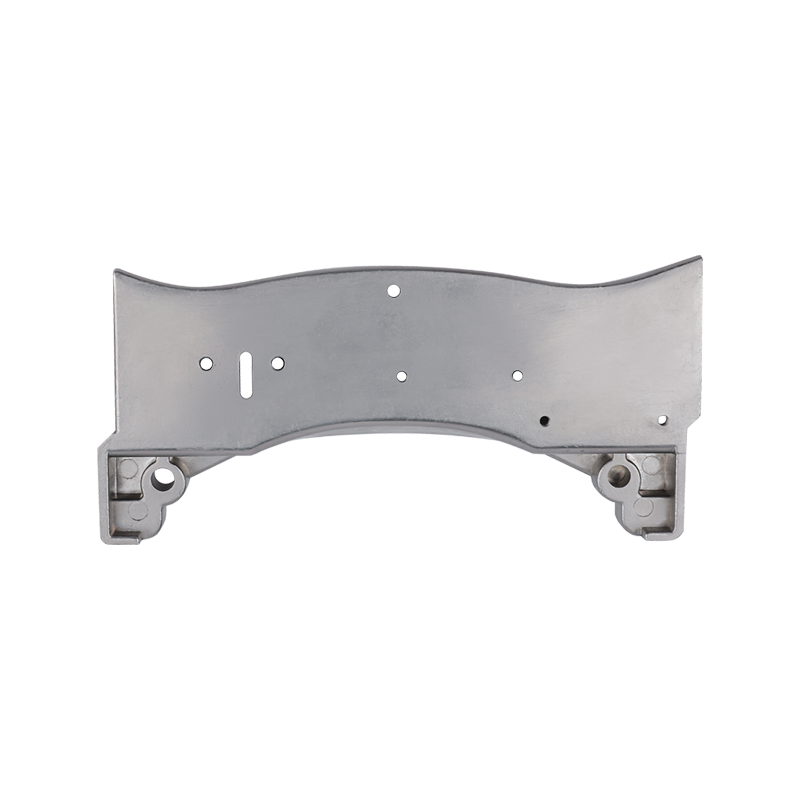 Yarn Guide Plate for Barmag WindersThis precision guide plate controls yarn movement during winding, preventing defects like bulged shoulders or cobwebbing. Replacing worn plates early can reduce yarn breaks significantly and maintain package quality.View Product → with an optimized surface finish can significantly improve yarn quality.
When purchasing Barmag parts, the lowest price often hides risks: substandard materials, inaccurate dimensions, or short service life. The total cost of ownership includes downtime cost, installation labor, and the risk of collateral damage to connected components. Reliable suppliers provide traceable material certifications, dimensional inspection reports, and compatibility testing. Look for a source that stocks a broad range of Barmag parts—from shift forks and bearings to yarn guides and lock rings—so you can consolidate orders and reduce lead times. Equally important is post-sale technical support: the ability to confirm fitment or recommend upgrades can prevent costly mistakes.
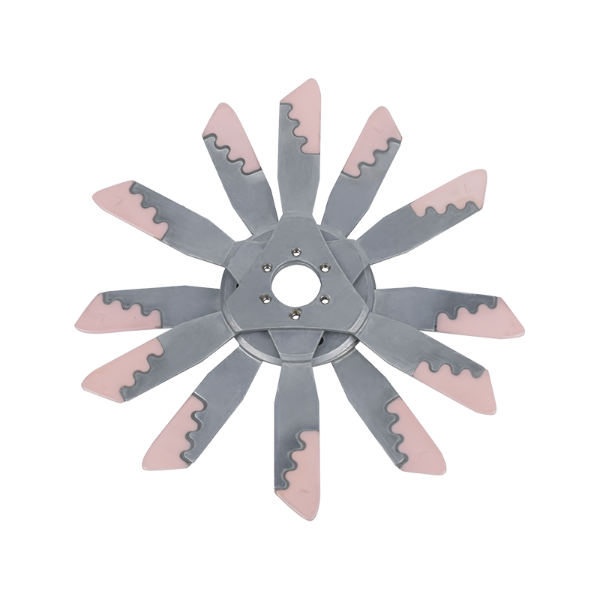
Beyond part replacement, many production lines benefit from targeted upgrades. For example, replacing the original Barmag chuck motor and fan assembly with a more efficient unit can reduce energy consumption and improve reliability. Similarly, upgrading the shift fork design to a version with a reinforced prong profile can extend replacement intervals. If your current parts are OEM-locked, consider aftermarket options that match or exceed original specifications. Always verify that any upgraded Barmag parts maintain interchangeability with your existing mounting and control interfaces.
Barmag parts directly affect the efficiency, yarn quality, and uptime of your spinning line. Shift forks, bearings, lock rings, yarn guide plates, and tension blocks are the most common wear items that require regular inspection and replacement. Choosing parts with verified dimensions, proper material hardness, and compatible coatings pays dividends in reduced downtime and consistent package build. By building a relationship with a supplier that understands the mechanical demands of Barmag winding and godet systems, you can ensure that critical spares are available when you need them—and that each part performs its role precisely.

ADDRESS: No.1298, Zhouan Road, Economic and Technological Development District, Jiaxing City, Zhejiang Province
PHONE: +86 19057031687
TEL: 86-0573-83777752
EMAIL: [email protected]