

 English
 عربى
عربى русский
 简体中文
简体中文







Barmag’s shift forks, which are produced by our company for Barmag in Germany, have passed...
Home / Product / Barmag Spinning Machine Parts / Winder Parts / Yarn Guide Plate / Yarn Guide Plate for Barmag
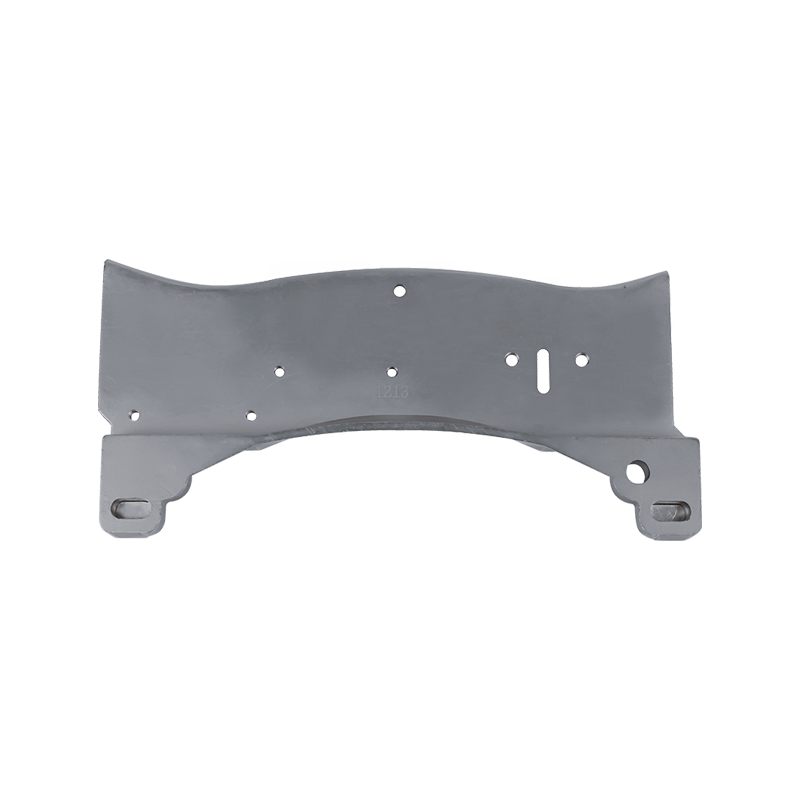
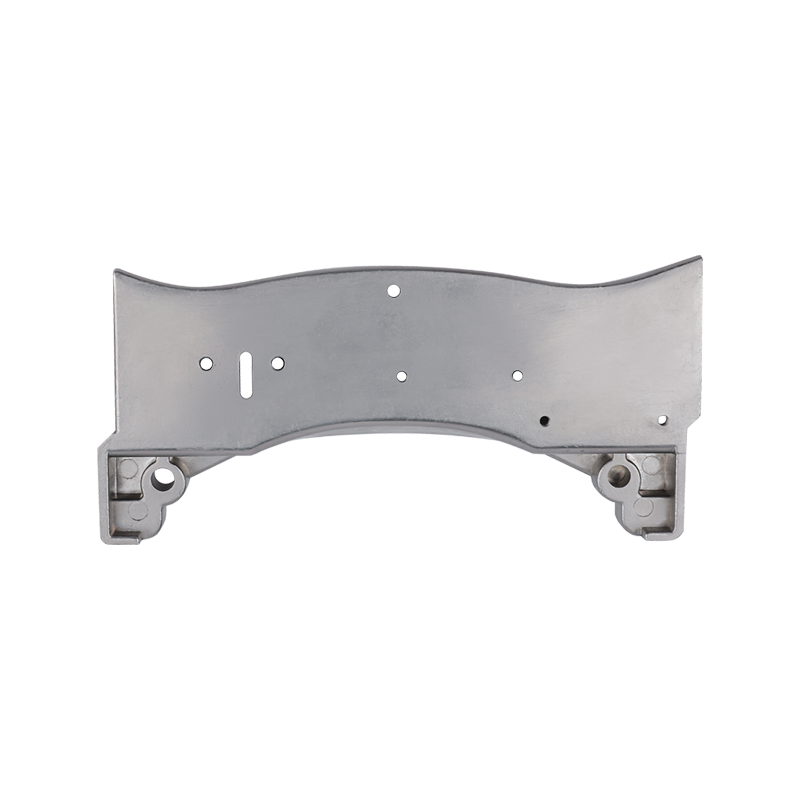
For bobbin forming.
In Barmag winding machines, the yarn guide wave plate is the core precision component that controls the shape of the yarn package. It directly dictates the external quality of the package, such as end-face flatness and the prevention of defects like "bulged shoulders" or "cobwebbing."
1. Core Functions
During the high-speed winding process, the yarn must not only wrap around the paper tube but also oscillate back and forth. The yarn guide wave plate serves the following functions:
• Stroke Control: It mechanically restricts the movement trajectory of the yarn guide through the curved profile on the plate.
• Edge Hardness Correction: The curved design of the yarn guide wave plate modifies the "dwell time" of the yarn at both ends of the package. This prevents edges from becoming too thick (commonly known as "hard edges") or too thin, ensuring a perfectly flat end-face.
• Prevention of Formation Defects: A scientifically designed profile effectively avoids "ribboning" (patterning) during winding, ensuring smooth unwinding without breakage in downstream processes.
2. Common Issues and Maintenance
If the yarn guide wave plate is compromised, it typically manifests as poor package appearance ("bad formation"):
• Wear and Tear: Long-term, high-frequency reciprocating motion can cause fine grooves on the plate surface. This leads to vibrations during direction changes, resulting in "burrs" or unevenness on the package end-face.
• Oil and Dust Accumulation: A mixture of lubricating oil and airborne spinning finish can form black grime that fills the curved grooves. This obstructs the reciprocating motion and causes "cobwebbing" (loose filaments) at the package edges.
Maintenance Suggestion: It is recommended to periodically wipe the cam plate trajectory with a non-woven cloth dipped in a small amount of cleaning solvent (such as spray gun cleaner) to ensure a smooth and clean surface.
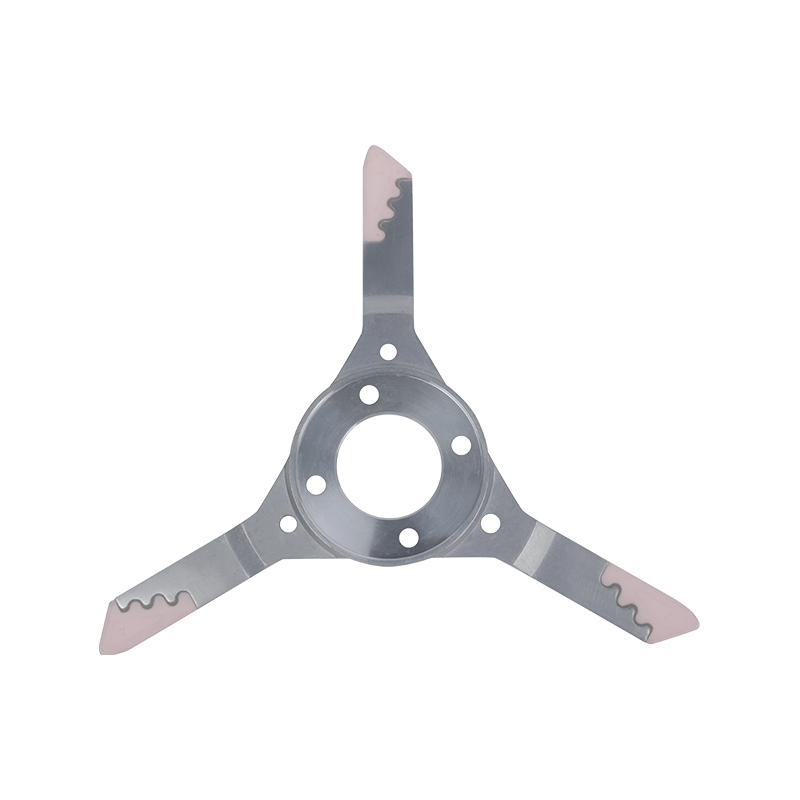
Barmag’s shift forks, which are produced by our company for Barmag in Germany, have passed...
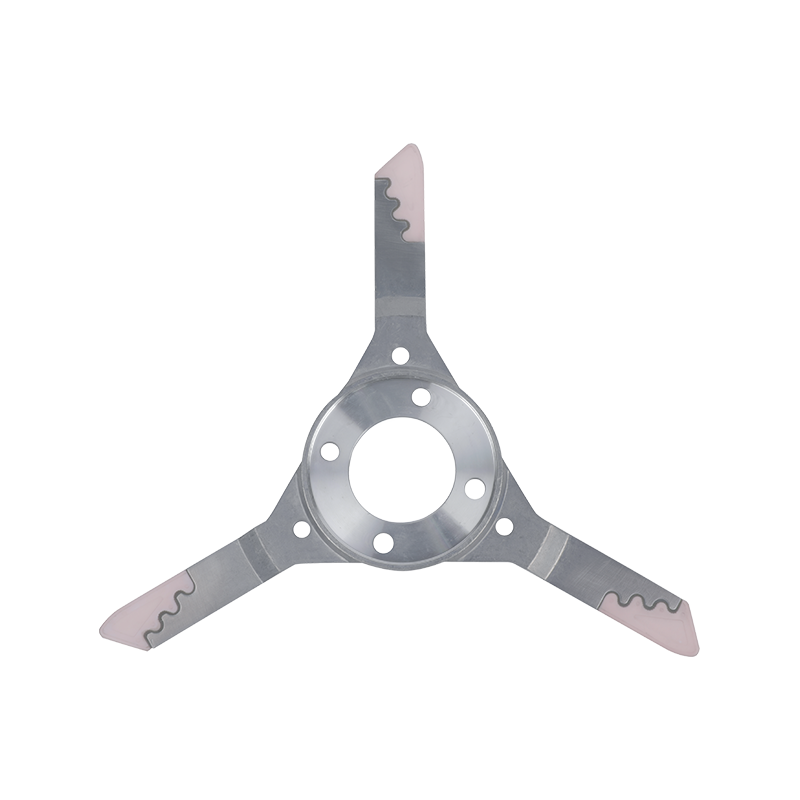
Barmag’s shift forks, which are produced by our company for Barmag in Germany, have passed...
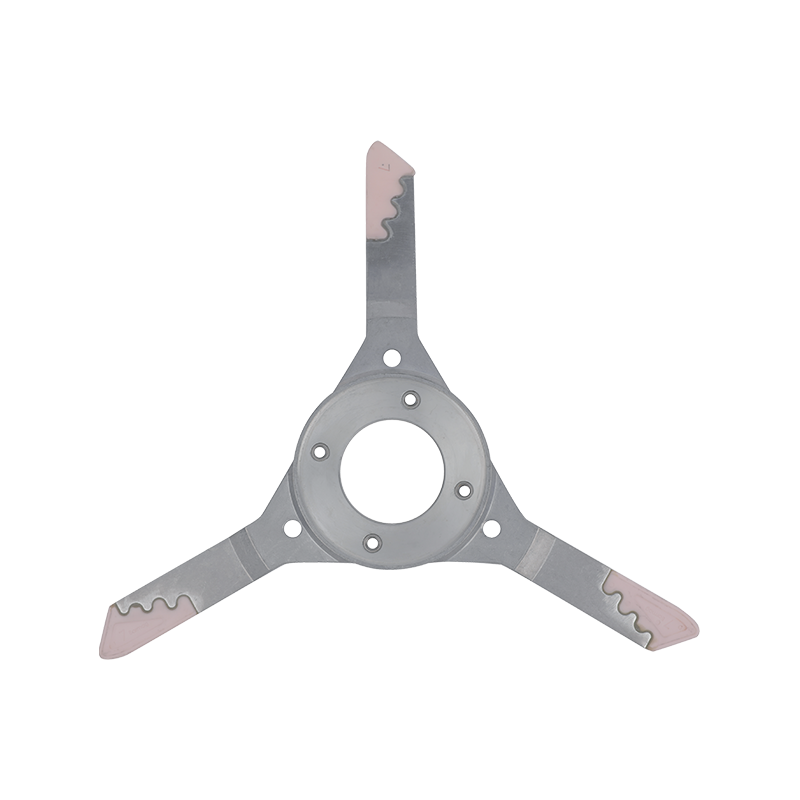
Barmag’s shift forks, which are produced by our company for Barmag in Germany, have passed...
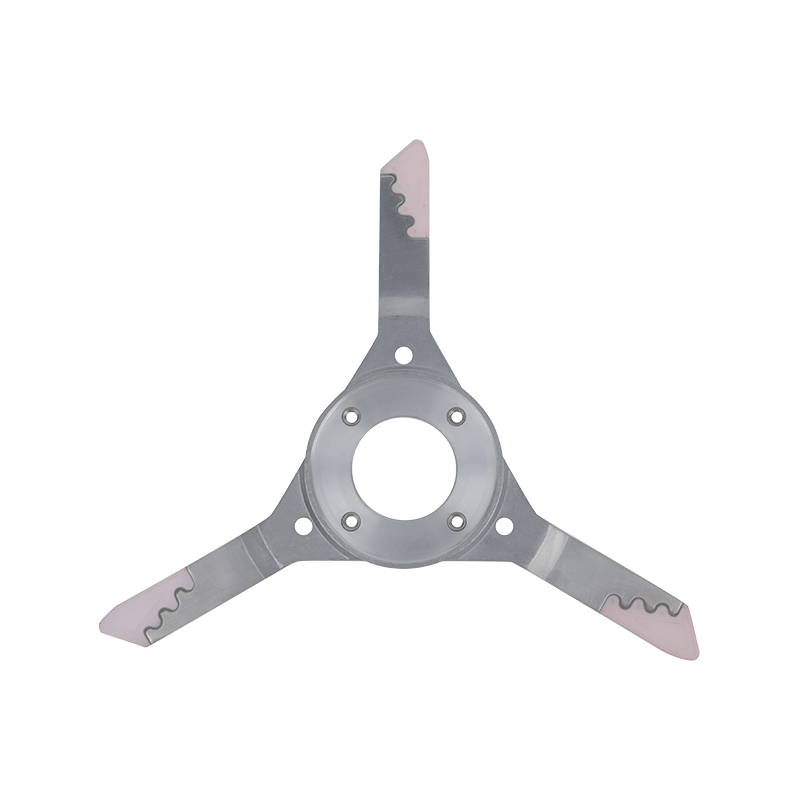
Barmag’s shift forks, which are produced by our company for Barmag in Germany, have passed...
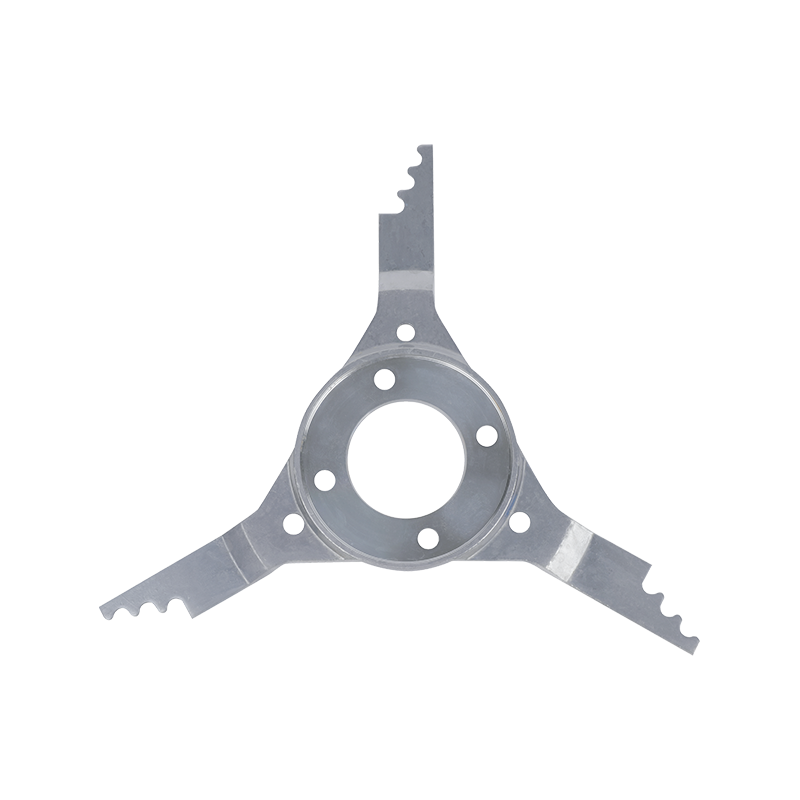
Barmag’s shift forks, which are produced by our company for Barmag in Germany, have passed...
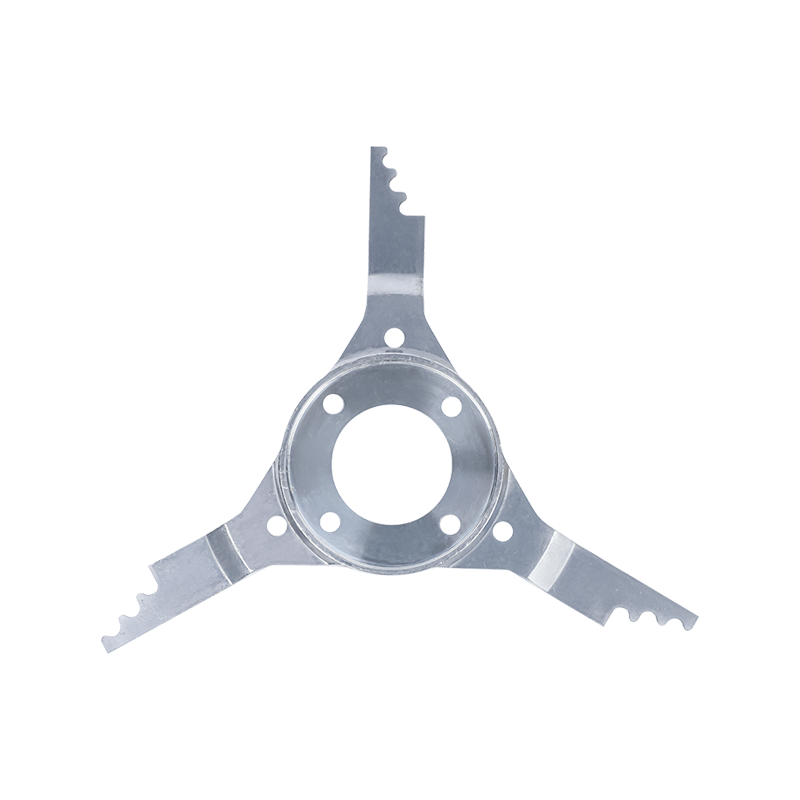
Barmag’s shift forks, which are produced by our company for Barmag in Germany, have passed...

When a POY or FDY spinning line stops without warning, the root cause is rarely dramatic. More often, it is a worn bearing inside a contact roll, a shift fork ...
View MoreOn a chemical fiber spinning line, the godet shell is one of those components that only gets noticed when something goes wrong. It runs hot, it runs fast, and ...
View MoreA take-up winder is the last machine a filament meets before it becomes a package. Whether your line runs POY, FDY, HOY or heavy industrial yarn, the winder de...
View MoreEvery spool of filament yarn begins its life on a spinning production line. In the chemical fiber industry, this line is not a single machine but an integrated...
View MoreADDRESS: No.1298, Zhouan Road, Economic and Technological Development District, Jiaxing City, Zhejiang Province
PHONE: +86 19057031687
TEL: 86-0573-83777752
EMAIL: [email protected]
Jiaxing Shengbang Mechanical Equipment Co., Ltd. All Rights Reserved. Wholesale Yarn Guide Plate for Barmag Suppliers
