

 English
 عربى
عربى русский
 简体中文
简体中文







Barmag’s shift forks, which are produced by our company for Barmag in Germany, have passed...
Home / Product / Barmag Spinning Machine Parts / Winder Parts / Yarn Guide Plate / Wave plate thread guide
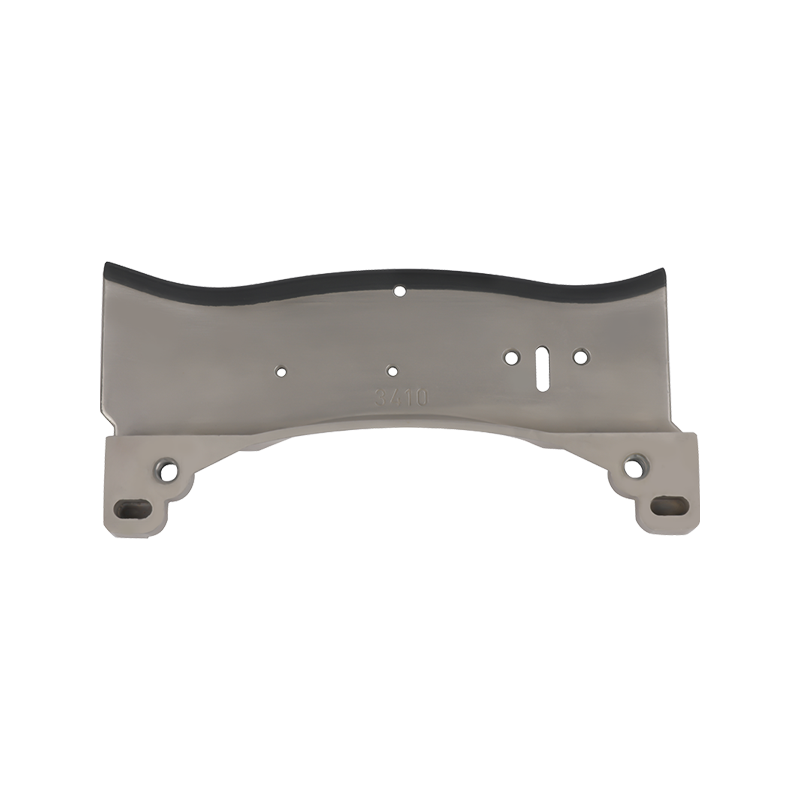
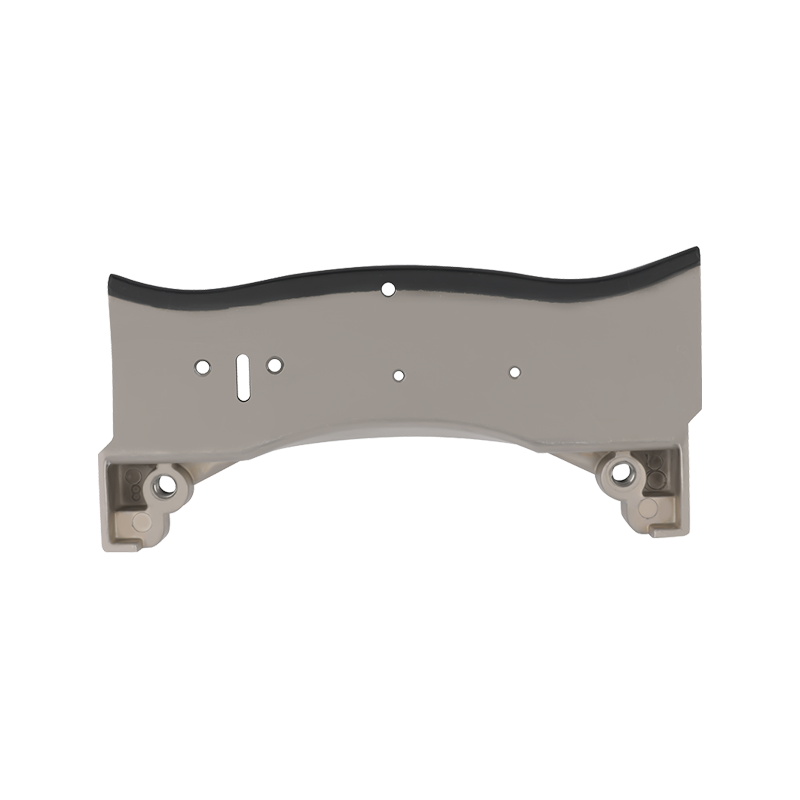
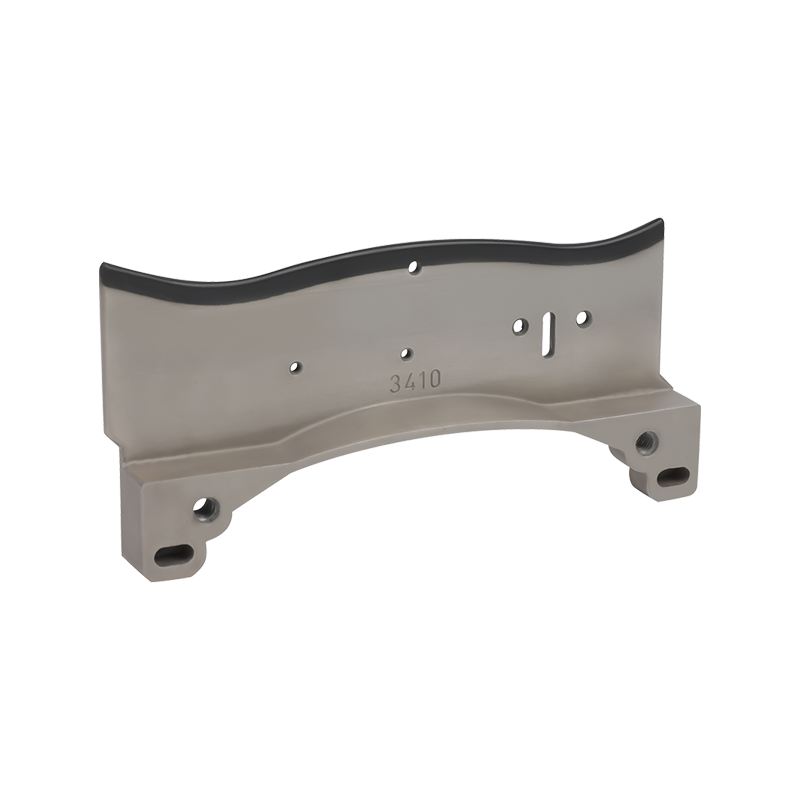
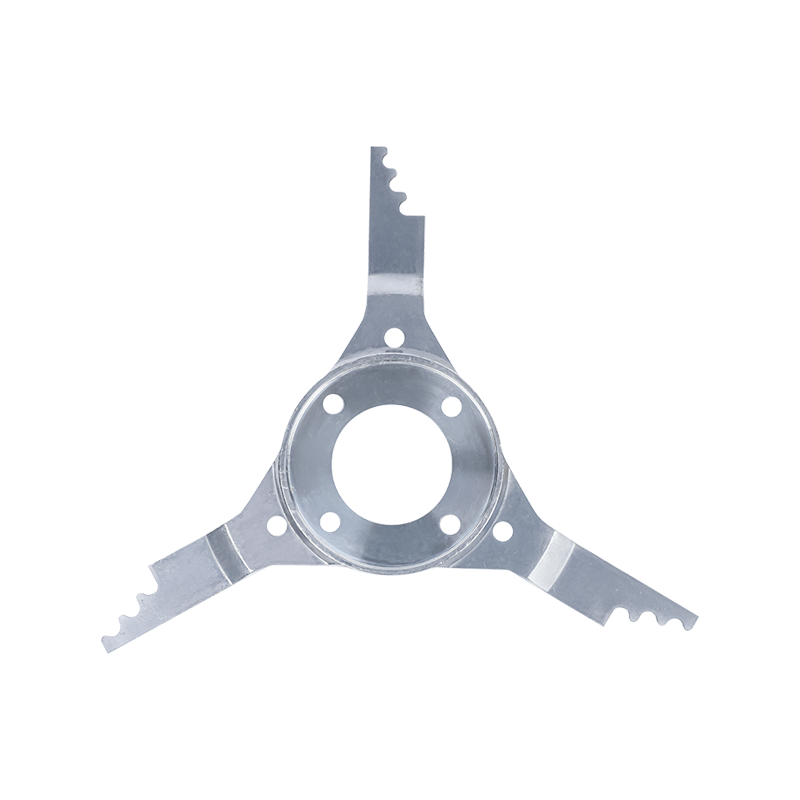
For bobbin forming.
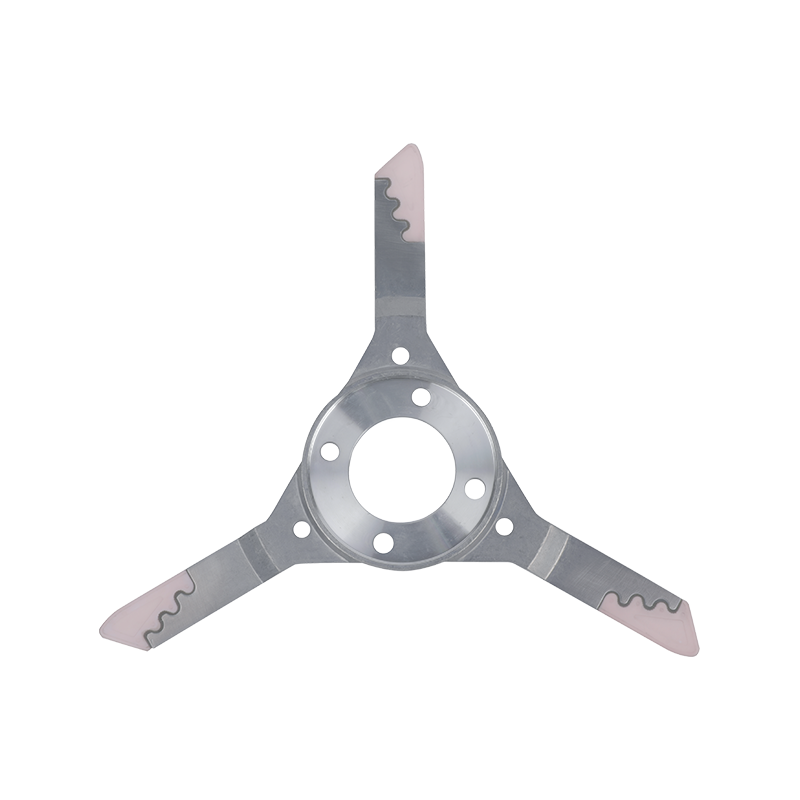
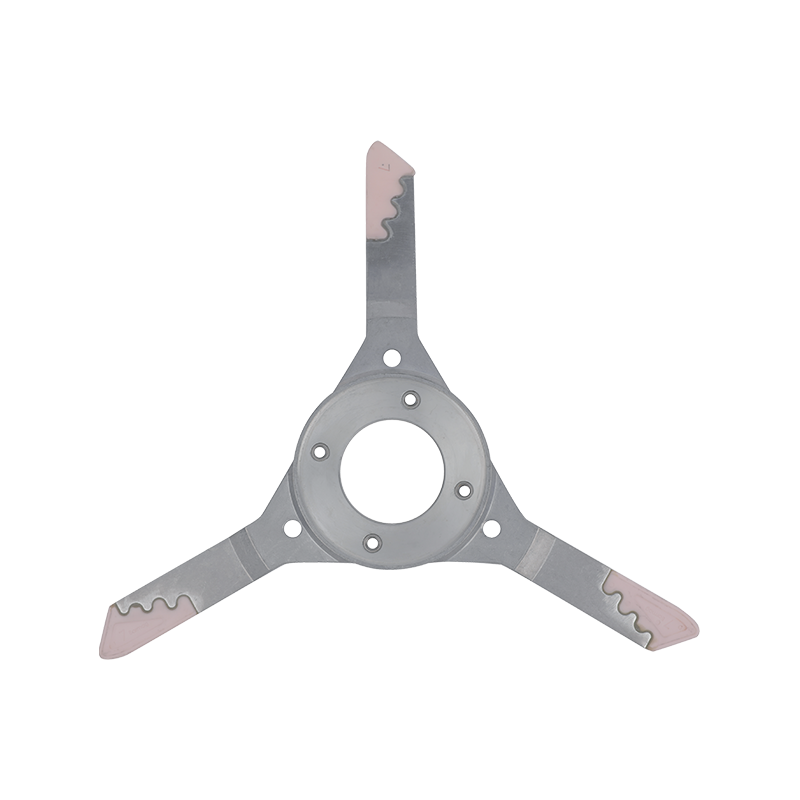
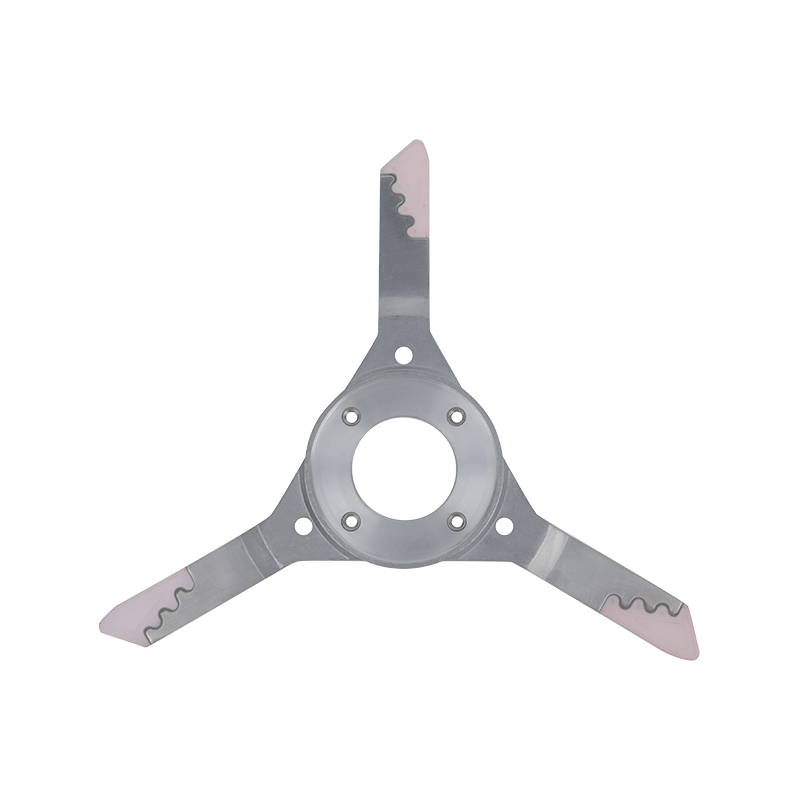
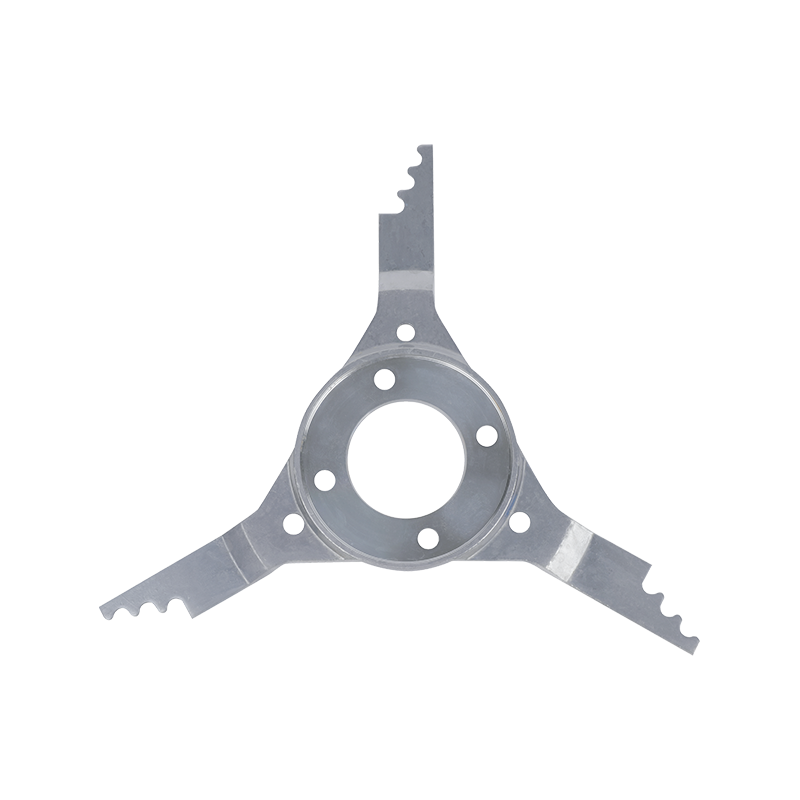
In the synthetic filament yarn spinning and winding process, the yarn guide wave plate is a core precision component that determines the physical morphology and unwinding quality of the yarn package.
The following is a detailed explanation of its functions, common failure modes and selection recommendations:
1. Core Functions
The yarn guide wave plate is primarily used in the traverse system of high-speed winders. Its core task is to precisely control the reciprocating motion trajectory of the traverse guide.
• Trajectory Planning: The precision curved grooves on the forming plate determine the axial velocity curve of the yarn guide. Through non-linear curve design, it compensates for yarn accumulation at the edges of the package, preventing "bulged shoulders" or "collapsed edges."
• Forming Quality: It directly affects the winding density distribution of the yarn package, ensuring smooth unwinding in subsequent drawing or weaving processes.
• Vibration and Noise Reduction: High-precision curves reduce the impact force of the yarn guide during instantaneous reversal, thereby lowering overall machine vibration and extending the service life of the traverse bearings.
2. Common Issues and Failure Modes
Since the forming plate is subject to long-term, high-speed reciprocating friction, its performance degradation typically manifests as:
• Groove Surface Wear: Reversal points experience the greatest impact and are most prone to pitting or scratches. Once worn, the yarn guide will begin to "jump" or jitter.
• Poor Package Formation: The appearance of "cobweb yarns," abnormal protrusions, or unstable dimensions is usually related to compromised precision in the plate's curve.
• Heat and Noise: Poor lubrication or peeling of the surface coating leads to a sharp increase in friction, causing localized overheating.
3. Maintenance and Selection Recommendations
• Lubrication Compatibility: It is essential to use the recommended specialized lubricants. Lubrication is not only for friction reduction but also for heat dissipation and buffering the impact of the yarn guide against the groove walls.
• Non-standard Customization: For specialized varieties (such as fine-denier or industrial yarns), it is often necessary to fine-tune and optimize the forming plate’s curve based on specific winding angle requirements.
Barmag’s shift forks, which are produced by our company for Barmag in Germany, have passed...
Barmag’s shift forks, which are produced by our company for Barmag in Germany, have passed...
Barmag’s shift forks, which are produced by our company for Barmag in Germany, have passed...
Barmag’s shift forks, which are produced by our company for Barmag in Germany, have passed...
Barmag’s shift forks, which are produced by our company for Barmag in Germany, have passed...
Barmag’s shift forks, which are produced by our company for Barmag in Germany, have passed...

When a POY or FDY spinning line stops without warning, the root cause is rarely dramatic. More often, it is a worn bearing inside a contact roll, a shift fork ...
View MoreOn a chemical fiber spinning line, the godet shell is one of those components that only gets noticed when something goes wrong. It runs hot, it runs fast, and ...
View MoreA take-up winder is the last machine a filament meets before it becomes a package. Whether your line runs POY, FDY, HOY or heavy industrial yarn, the winder de...
View MoreEvery spool of filament yarn begins its life on a spinning production line. In the chemical fiber industry, this line is not a single machine but an integrated...
View MoreADDRESS: No.1298, Zhouan Road, Economic and Technological Development District, Jiaxing City, Zhejiang Province
PHONE: +86 19057031687
TEL: 86-0573-83777752
EMAIL: [email protected]
Jiaxing Shengbang Mechanical Equipment Co., Ltd. All Rights Reserved. Wholesale Wave plate thread guide Suppliers
