English
 عربى
عربى русский
 简体中文
简体中文







2026-09-18
Home / News / Industry News / Pilot Spinning Machine: Selecting Multifunctional R&D Equipment for Fiber Development

A polymer research team needs to validate a new modified PET formula, but the only available production line is fully booked for the next three months. A pilot spinning machine that can melt, extrude, draw, and wind a dozen kilograms of yarn in a single shift would cut that validation time from weeks to days. The key is not just having any lab‑scale machine, but selecting one with the right process window, temperature precision, and modularity to match your evolving development pipeline. Here we break down what matters most when investing in a pilot spinning machine, and how to evaluate the options on the market.
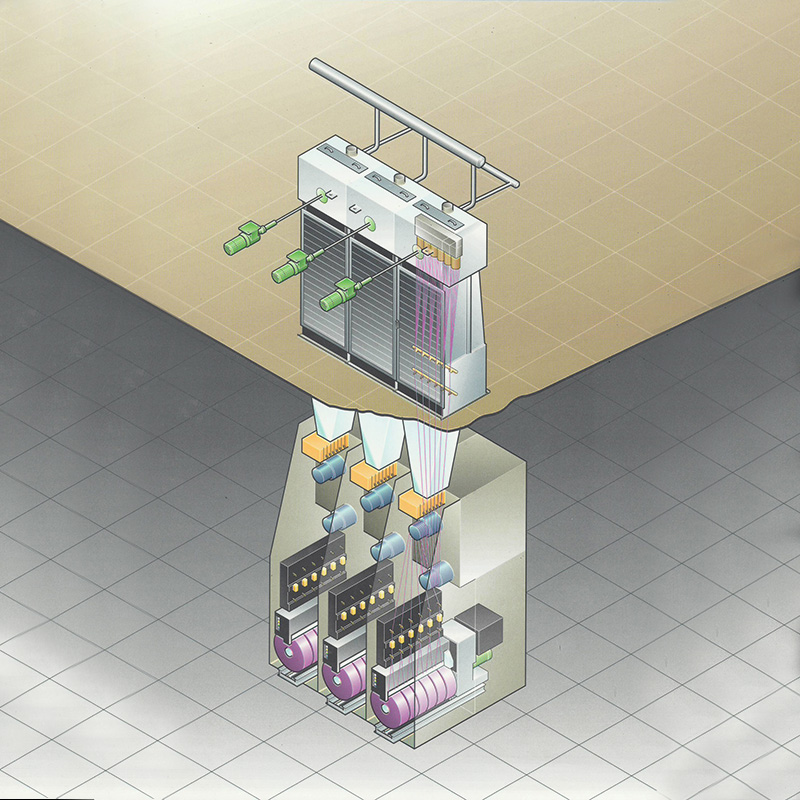
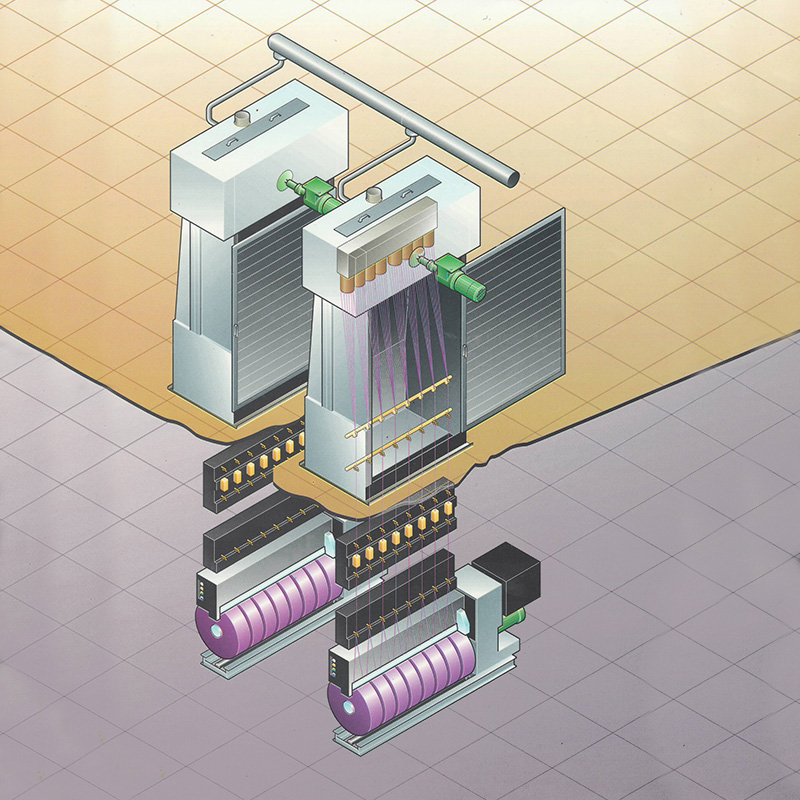
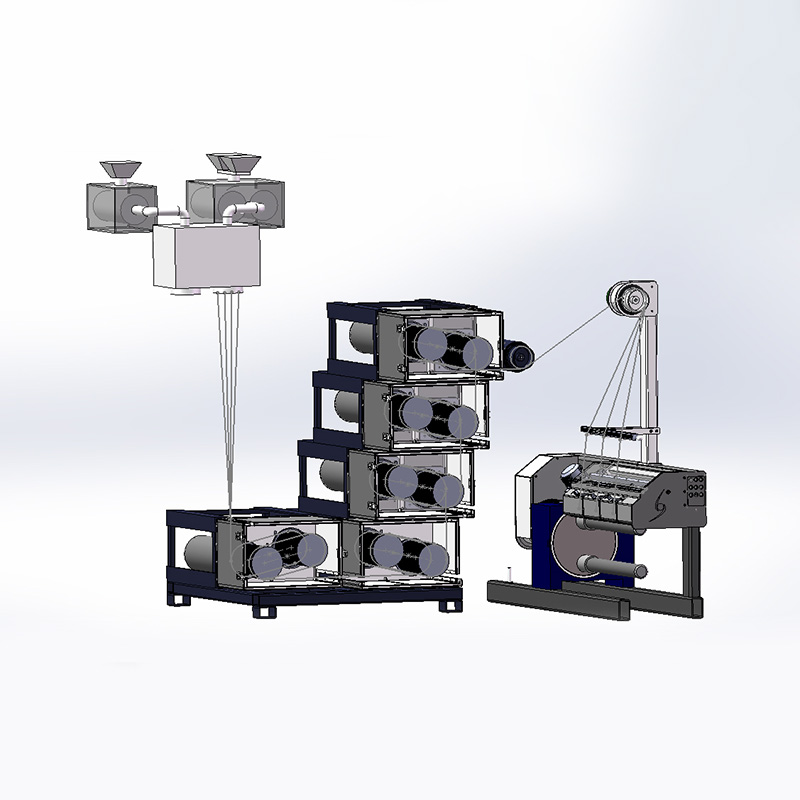
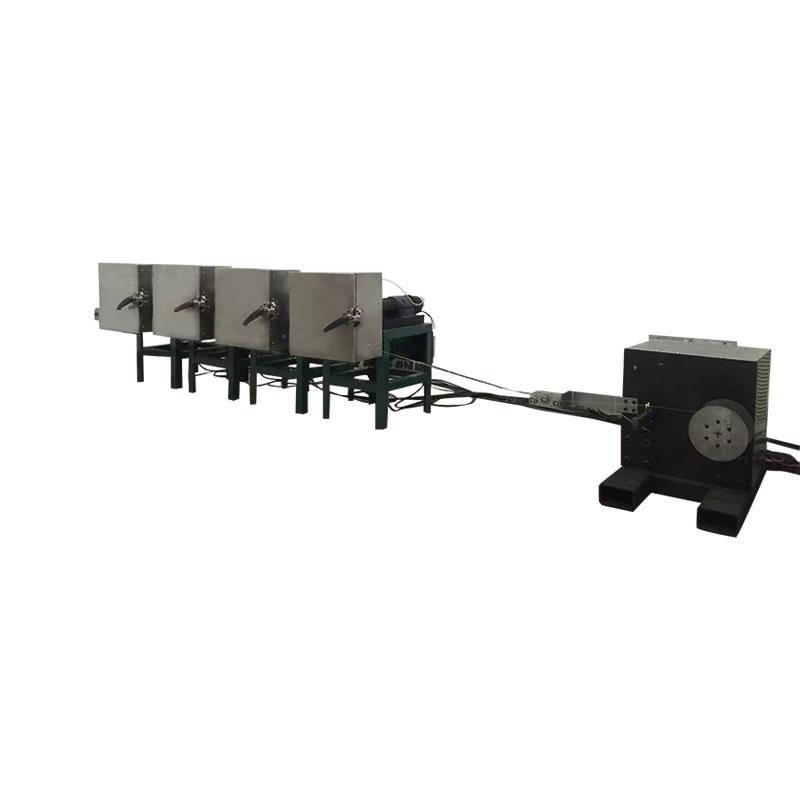
A pilot spinning machine, also known as a melt‑spinning pilot plant, bridges the gap between laboratory polymer characterization and full‑scale production. It reproduces the essential thermomechanical history of an industrial melt‑spinning line—extrusion, metering, filtration, quenching, drawing, and winding—but at throughputs typically ranging from a few hundred grams to several kilograms per hour. This scale allows researchers to assess spinability, determine optimal process parameters, produce trial quantities for downstream evaluation, and develop new fiber grades without tying up a commercial line.
Because pilot machines must handle frequent recipe changes and different polymer types (PET, PA, PP, or specialty materials), their design prioritizes quick‑cleaning assemblies, wide speed and temperature ranges, and flexible winding configurations. A well‑equipped pilot spinning machine not only accelerates time‑to‑market for new fibers but also reduces material waste during development—a critical factor when working with expensive engineering polymers or experimental additives.
When comparing pilot spinning machines, look beyond just the maximum speed. The table below summarizes the essential parameters that determine whether a machine can handle your current and future projects.
| Parameter | Typical Range | Why It Matters |
|---|---|---|
| Extruder screw diameter | 20 – 30 mm | Determines throughput and residence time; smaller screws suit expensive polymers, larger ones simulate production more closely. |
| Spinning speed (take‑up) | 500 – 6,000 m/min | Covers POY, FDY, and medium‑tenacity yarns; high‑speed winding is required to replicate orientation effects. |
| Temperature control precision | ±1 °C on melt, ±0.5 °C on godets | Critical for consistent crystallinity, dye uptake, and mechanical properties. |
| Number of spinning positions | 1 – 4 | Enables bicomponent or multi‑component spinning and parallel trials. |
| Quench air system | Cross‑flow or radial, adjustable velocity and temperature | Controls solidification profile; radial quenching offers more uniform cooling for fine denier yarns. |
Machines that offer modular upgrades—for example, interchangeable spin packs, adjustable godet configurations, or the ability to switch between POY and FDY winding—give your team room to expand test capabilities without buying a second unit.
The most valuable pilot spinning machines are those that can produce multiple yarn types without extensive reconfiguration. A single machine should be capable of processing monofilament, multifilament, POY, FDY, medium‑tenacity, and even fine denier industrial yarns. This flexibility is especially important for companies that serve diverse end‑use markets—apparel, home textiles, automotive, or industrial fabrics—where each application demands a different set of fiber properties.
Bicomponent or multi‑component spinning adds another layer of complexity. Two or more polymer melts are brought together in the spin pack to produce side‑by‑side, sheath‑core, or island‑in‑the‑sea cross‑sections. A pilot machine equipped with multiple extruders and a dedicated bicomponent spin pack can help optimize the interface and adhesion between materials before scaling up.
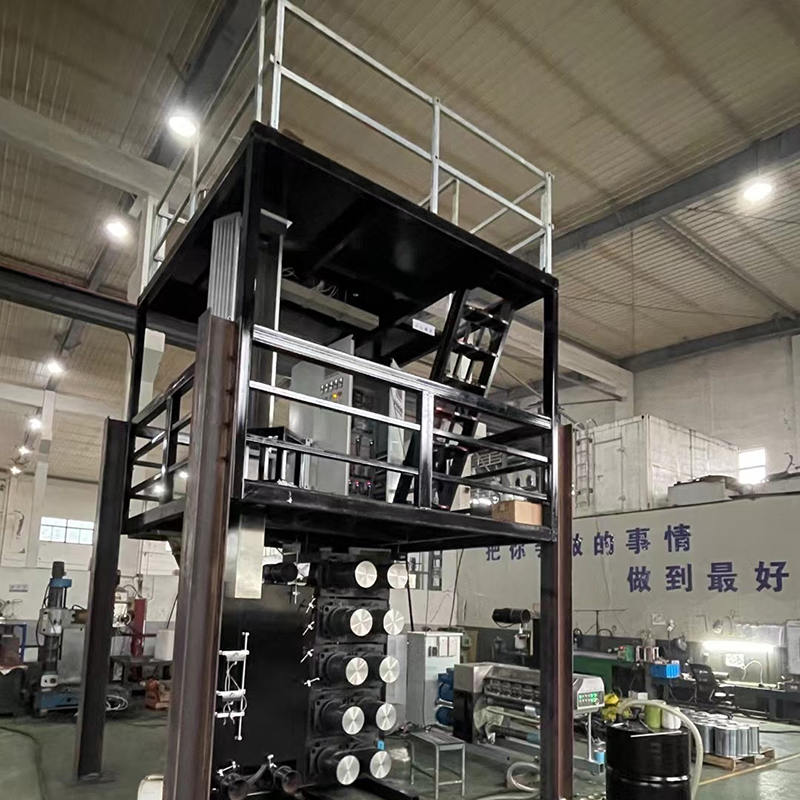
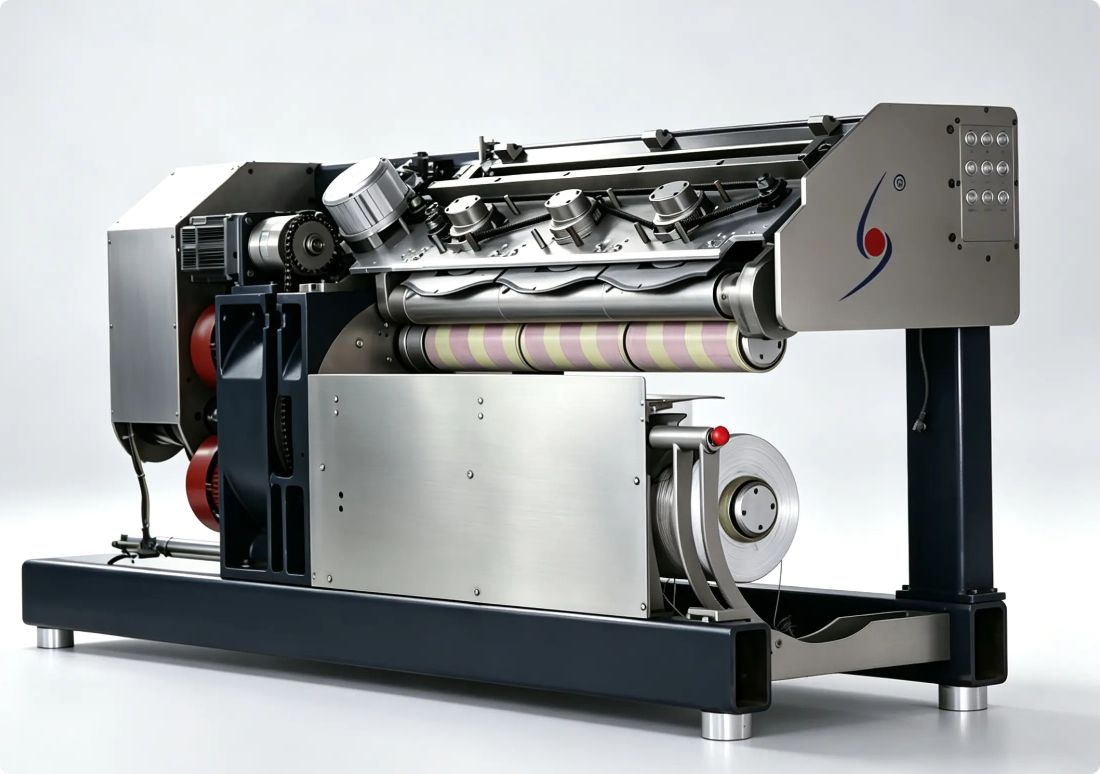
For example, the 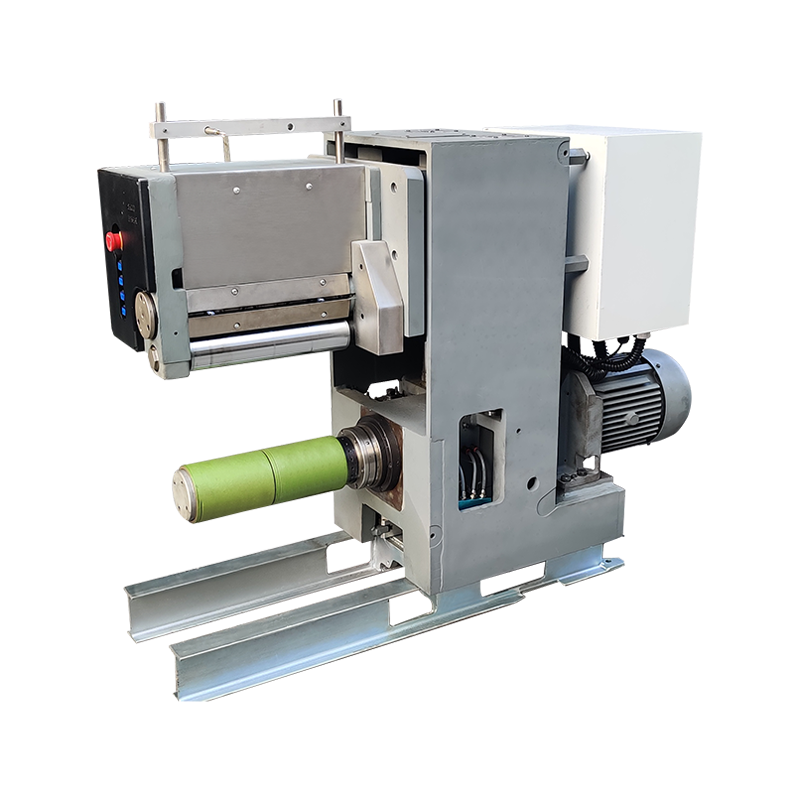 Standard Pilot Melt Spinning MachineThe Multi-functional Flexible Pilot Spinning Machine is developed by Jiaxing Shengbang Mechanical Equipment Co., Ltd., integrating years of experience in the chemical ...View Product → model from Shengbang is designed with independent extruder and temperature zones that allow rapid switching between monocomponent and bicomponent modes. Its compact footprint and quick‑change spin pack reduce turnaround time between trials, making it a practical choice for laboratories running multiple development projects per week.
Melt temperature uniformity and the cooling profile after extrusion directly affect fiber crystallinity, orientation, and residual stress. Uneven temperature at the spinneret can lead to filament breaks or diameter variation, while inconsistent quench air causes differences in birefringence across the yarn bundle.
High‑end pilot spinning machines incorporate multi‑zone heating with PID controllers on the extruder, melt pump, spin pack, and godets. The quench chamber should allow independent adjustment of air velocity, temperature, and blow direction. A radial quench system, which distributes air evenly from all sides, is often preferred for fine‑denier and specialty fibers.
The 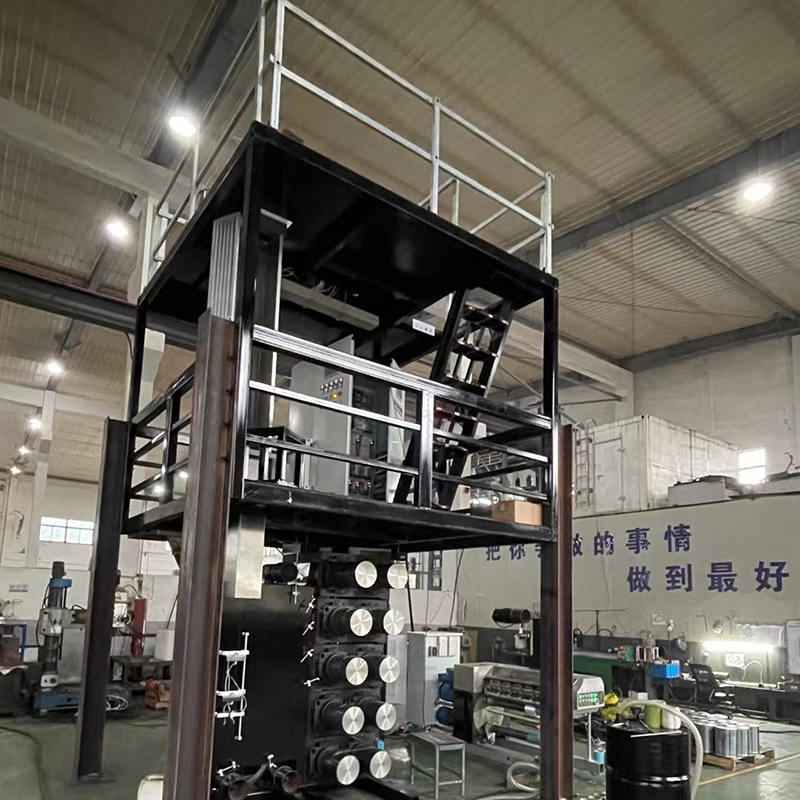 Nylon 66 Industrial Yarn Pilot Spinning MachineThis spinning machine is an upgraded and improved version. Equipped with a birotor wing thread guide type fully automatic winder (optional to fully automatic winder wi...View Product → variant offers a dedicated radial quench unit and a godet segment with ±0.5 °C accuracy, enabling stable drawing even for high‑viscosity industrial‑type polymers. This level of precision reduces the number of failed trials and helps engineers correlate lab data with production outcomes.
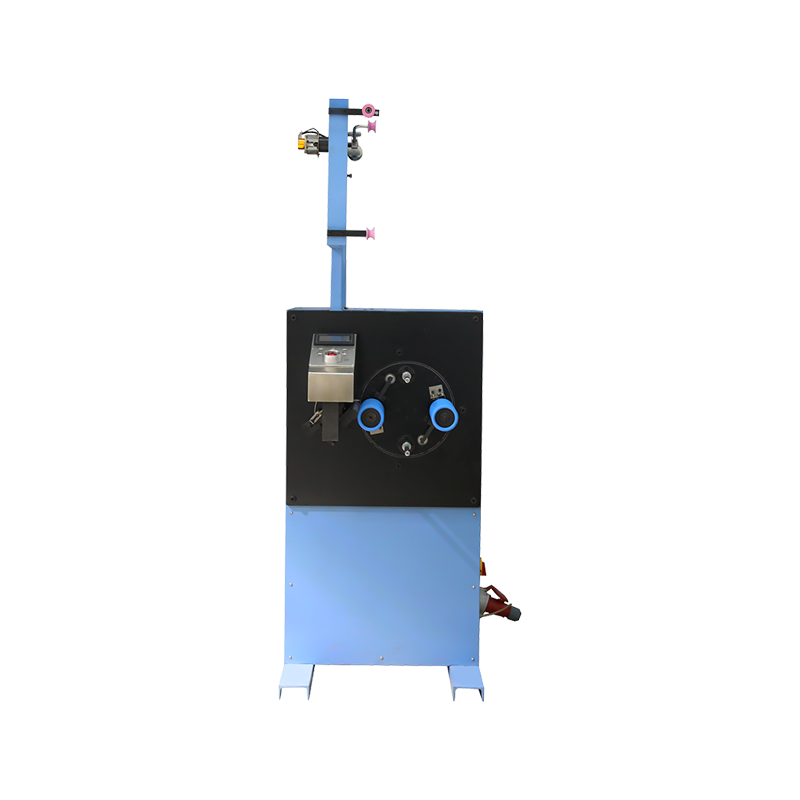
The winding system determines the maximum yarn speed, package weight, and doffing convenience. For R&D purposes, a single‑winder configuration with independent tension control is usually sufficient. However, if your development work involves high‑speed POY (up to 4,000+ m/min) or FDY (up to 6,000 m/min), the winder must be capable of maintaining consistent winding tension without abrasion.
Look for features such as electronic yarn traverse, adjustable contact pressure, and automatic doffing options. The ability to wind onto different tube sizes (e.g., 1380 mm or 1500 mm traverses) can be helpful if you need to supply trial yarns to weaving or knitting partners who use specific package formats.
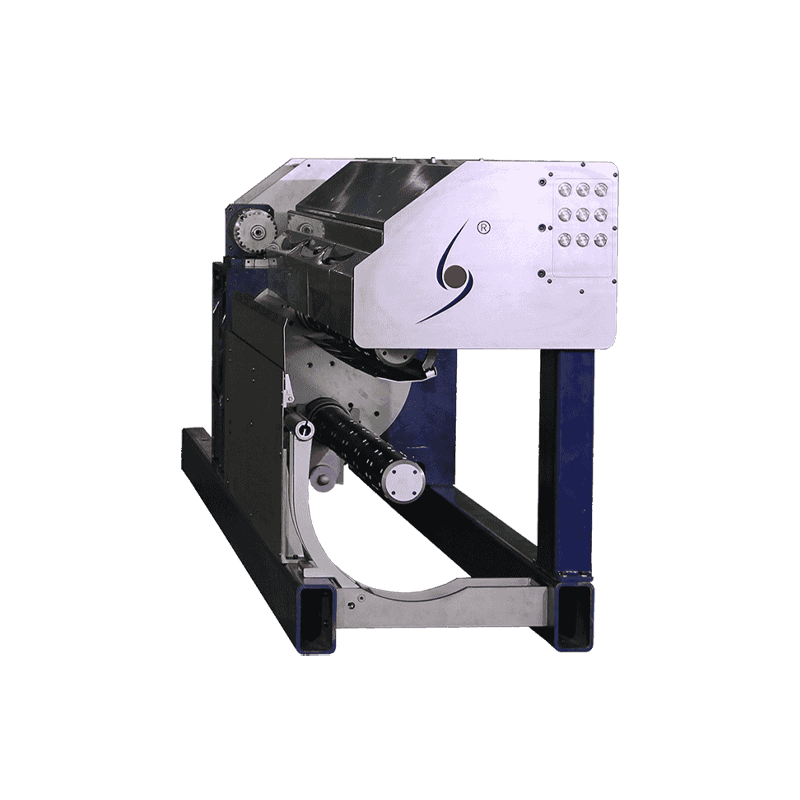
For production‑simulation trials, the 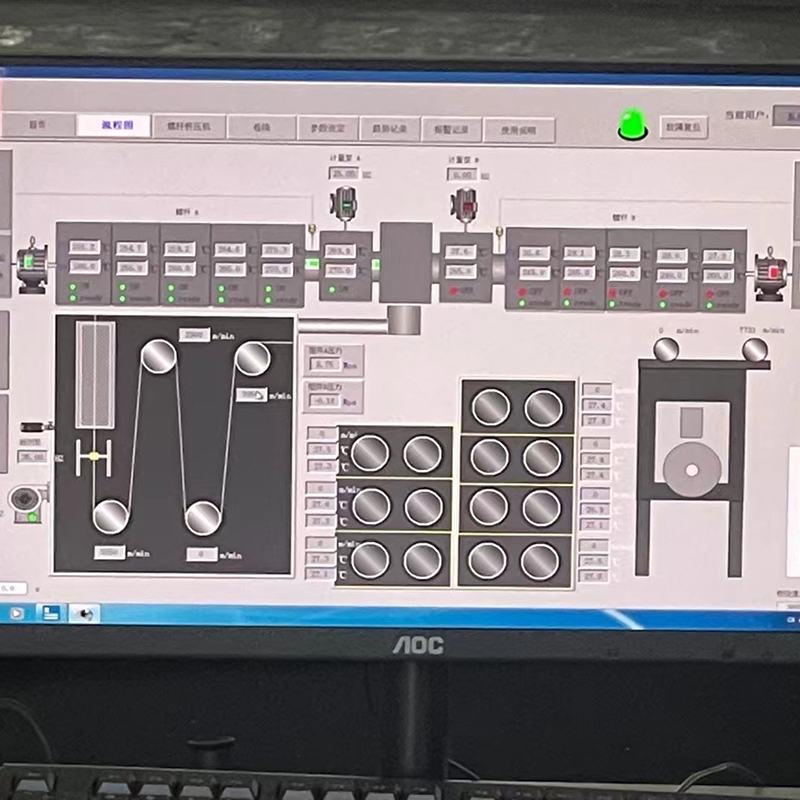 Draw and Spin BCF Pilot Spinning MachineThis spinning machine is equipped with 7 pairs of hot godets and one BCF texturing jet. The air quench chamber area is 200mm*1600mm, which is conducive to the cooling ...View Product → includes a high‑speed winder with programmable traverse and tension control, supporting speeds up to 6,000 m/min. Its design allows researchers to produce packages that closely match full‑scale winder characteristics, making scale‑up predictions more reliable.
Choosing a supplier with a proven track record in both spinning machine manufacturing and precision component engineering can make a significant difference in the day‑to‑day operation of your pilot line. Shengbang has been producing multifunctional flexible pilot spinning machines for years, with installations ranging from independent fiber labs to academic research projects (such as the Sichuan Textile Institute and Tianjin Polytechnic University projects). Their machines are built using in‑house CNC‑machined parts, SCHENCK dynamic balancing, and Barmag‑original temperature calibration tools, which ensures consistency and reliability across each component.
Beyond the machine itself, Shengbang offers a full spectrum of support: equipment upgrading services for existing winders, godets, and spin packs, as well as repair and maintenance for both pilot and production lines. This integrated approach means that when your development needs evolve, you can upgrade rather than replace—a cost‑effective strategy for growing R&D departments.
Ultimately, the best pilot spinning machine is the one that matches your polymer portfolio, speed requirements, and available budget while offering the flexibility to adapt to new fibers and processes in the future. Take the time to compare specifications, request trial runs, and verify the supplier's technical support capabilities. With the right machine, your next fiber innovation can move from concept to commercial sample faster than ever.

ADDRESS: No.1298, Zhouan Road, Economic and Technological Development District, Jiaxing City, Zhejiang Province
PHONE: +86 19057031687
TEL: 86-0573-83777752
EMAIL: [email protected]