English
 عربى
عربى русский
 简体中文
简体中文







2026-09-08
Home / News / Industry News / Take Up Winder Guide: Types, Key Parts, and Upgrade Options for Spinning Lines

A take up winder is the last piece of equipment that decides whether a well-spun yarn reaches the customer as a flawless package or a reject. If the winding tension is inconsistent, the package will have soft and hard spots. If the traverse motion is not synchronized with the yarn speed, the bobbin will form a loose or uneven shape. And if the automatic package change fails, the line will stop while an operator intervenes. The practical conclusion is simple: the take up winder is not a passive receiver. It is a critical process machine that must be matched to the yarn type, line speed, and downstream handling requirements.
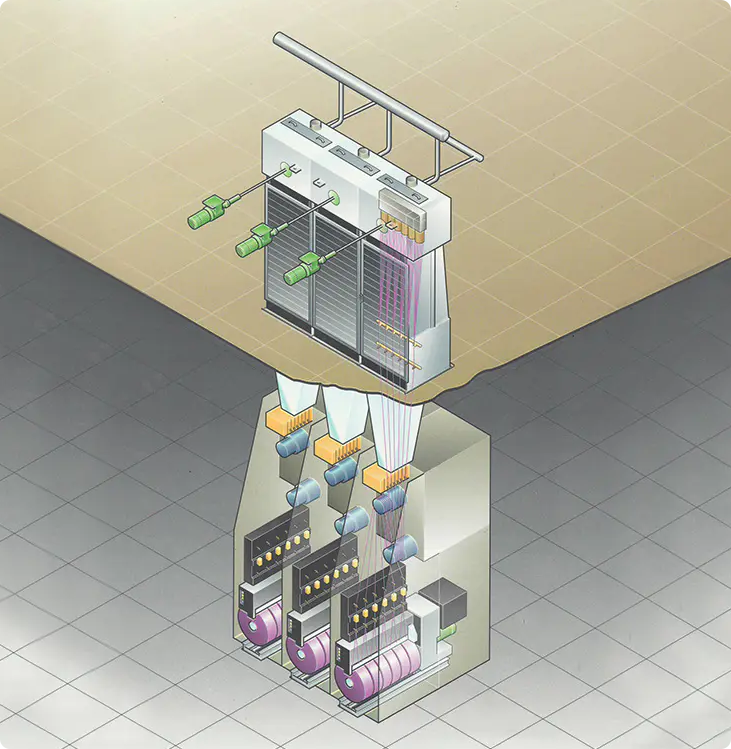
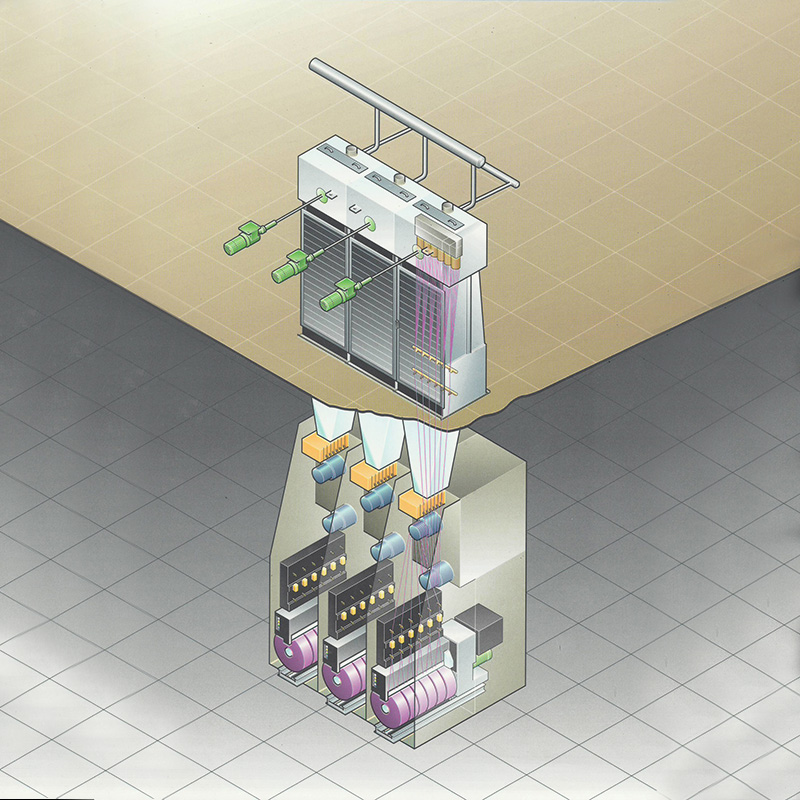
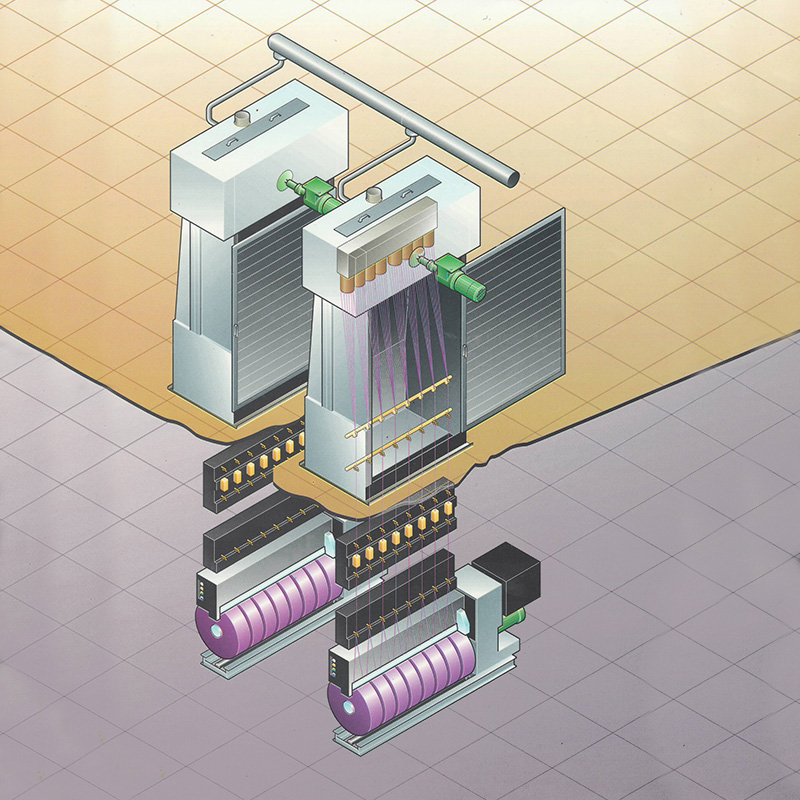
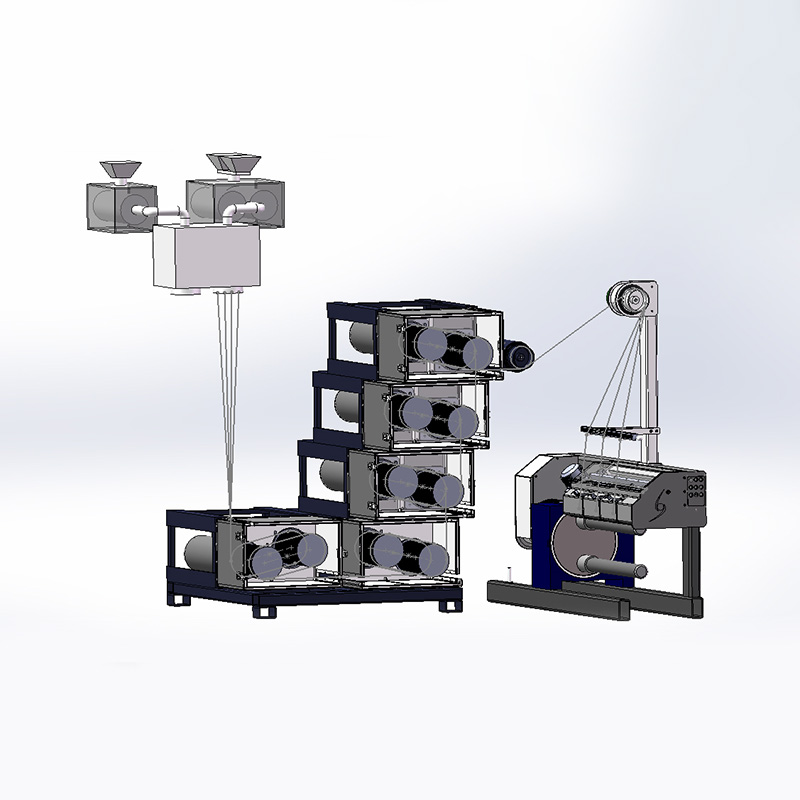
In a spinning line, the take up winder receives the continuous filament from the godet rolls and winds it onto a tube or package. Its main duties are to control winding tension, guide the yarn across the package, and perform doffing when the package reaches its set length. The machine also creates stable package formation so that the yarn can be unwound without tangling in the next process.
A winder that cannot hold constant tension produces density variations. These lead to dye uptake differences, poor unwinding behavior, and an increased number of ends-down during knitting or weaving. In industrial yarn applications, tension control becomes even more important. Small changes in tension can cause broken filaments, which makes the yarn unsuitable for tire cord, conveyor belt fabric, or other high-performance uses.
There are two broad categories relevant to most chemical fiber and industrial yarn producers. The first is the low-speed automatic switch winder, which is often the workhorse of a POY or FDY line. It changes packages automatically by means of a shift fork that guides the yarn onto a new bobbin while the full package is doffed. The second is the super-speed winder, designed for industrial yarn and high-count specialty processes where the winding speed exceeds the limits of the conventional design.
Choosing between them depends on the yarn type. Polyester and polyamide filament lines usually do not need the highest speed rating, but they need a reliable package change and consistent traversing. High-tenacity industrial yarn lines, on the other hand, require faster winding and tighter tension control because the filaments are heavier and the draw ratio is higher.
| Characteristic | Automatic switch winder | Super-speed winder |
|---|---|---|
| Typical speed range | 3,000-4,500 m/min | 4,500 m/min and above |
| Package change method | Shift fork with automatic doffing | Fast doffing optimized for heavy denier |
| Best suited for | POY, FDY, light to medium denier | Industrial yarn, high-tenacity filament |
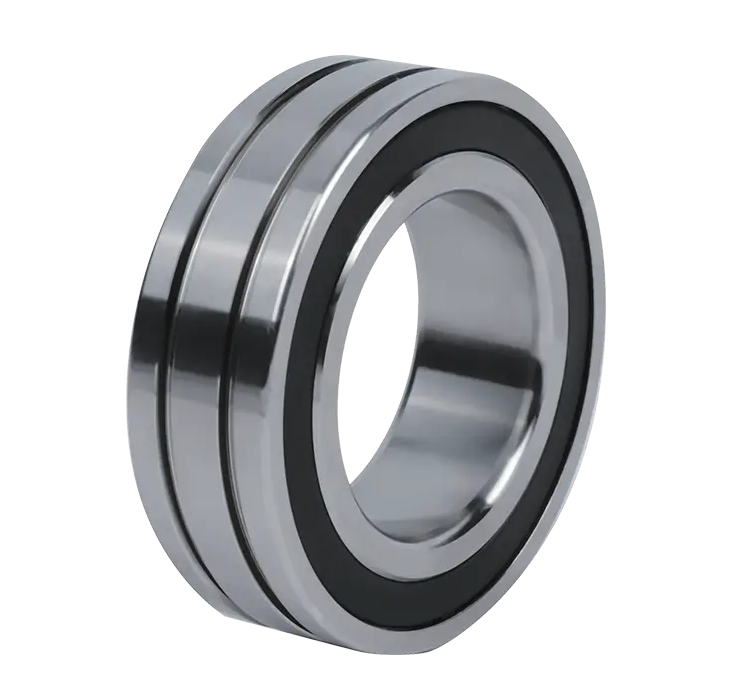
| Main wear items | Shift forks, guide plates, chucks | High-speed bearings, chuck balance, lock rings |
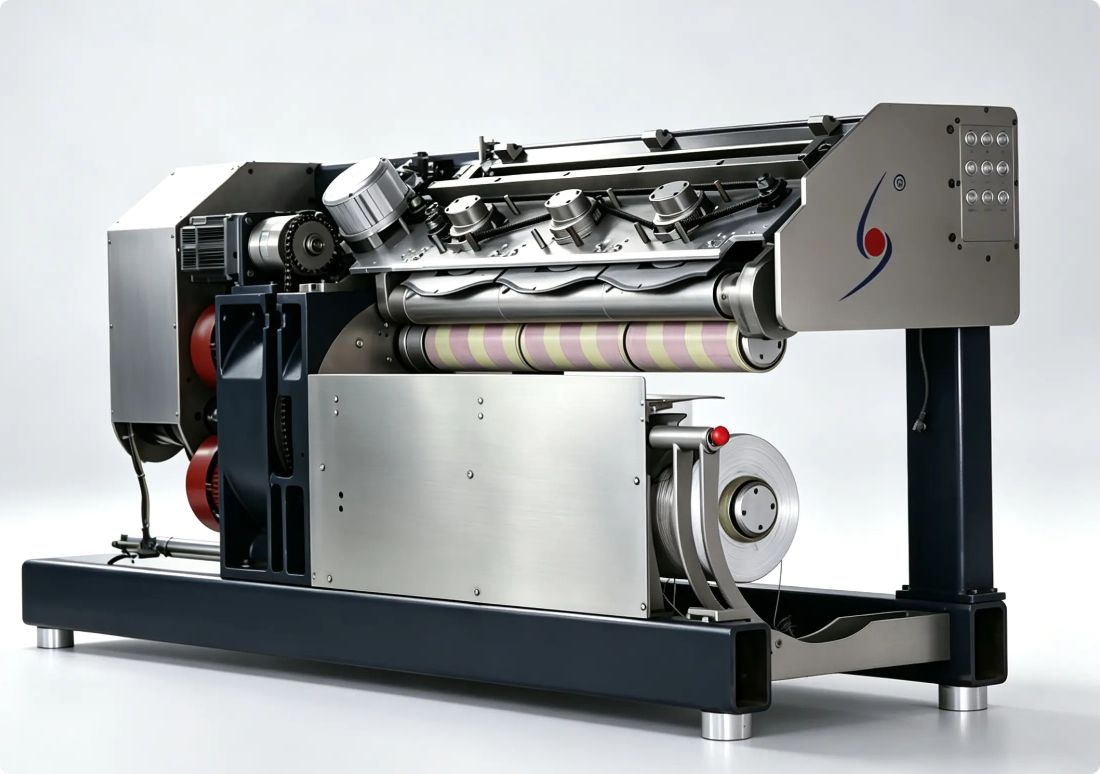
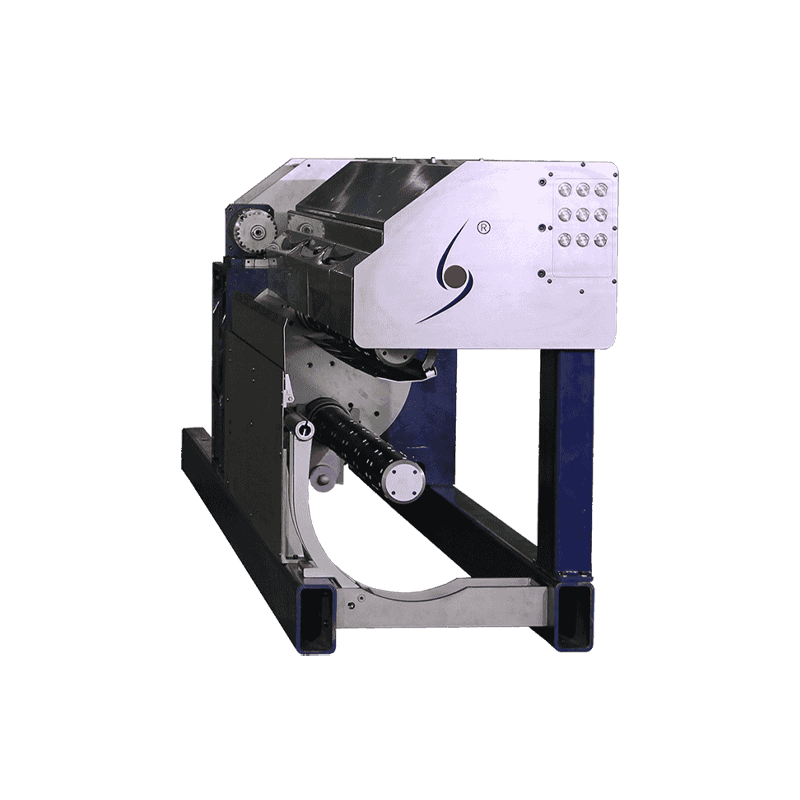
For lines that need to run moderate speeds with a dependable automatic package change, a machine like the SDJR2401 low-speed high-performance automatic switch winder is built for that operational profile.
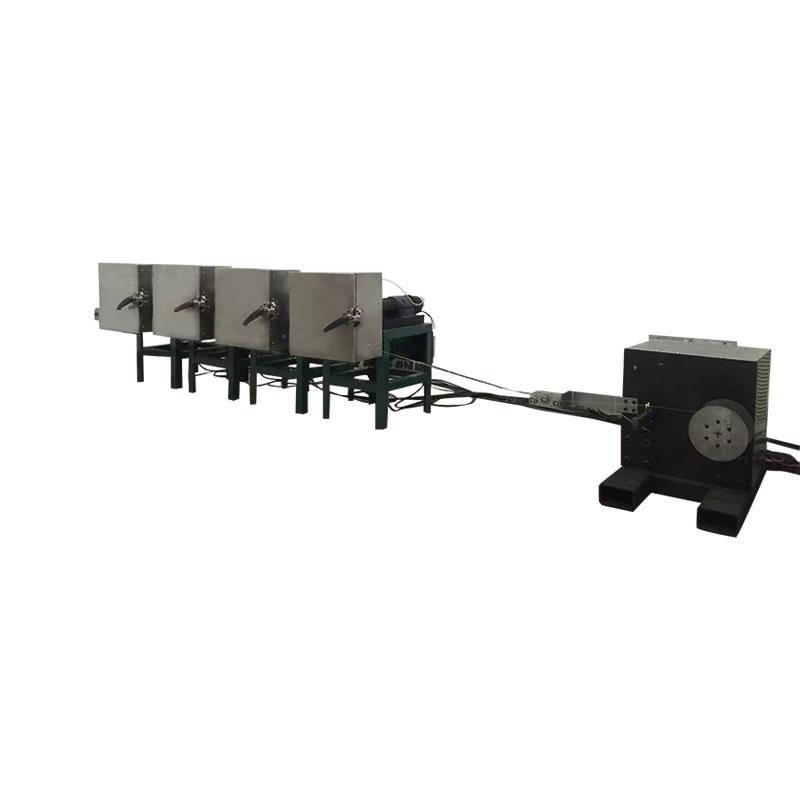
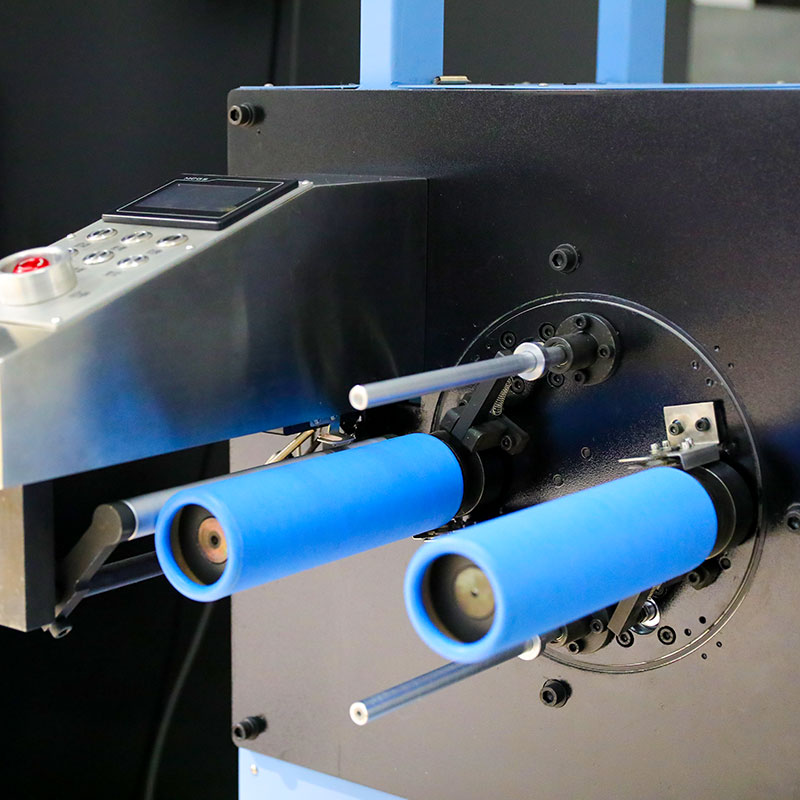 Low-Speed Automatic Switch Take-Up Winder for High-Strength FibersThis winder is suited for UHMWPE, aramid, carbon fiber, and other high-strength yarns. It offers automatic package change and tension regulation, ideal for moderate-speed lines needing dependable doffing.View Product →
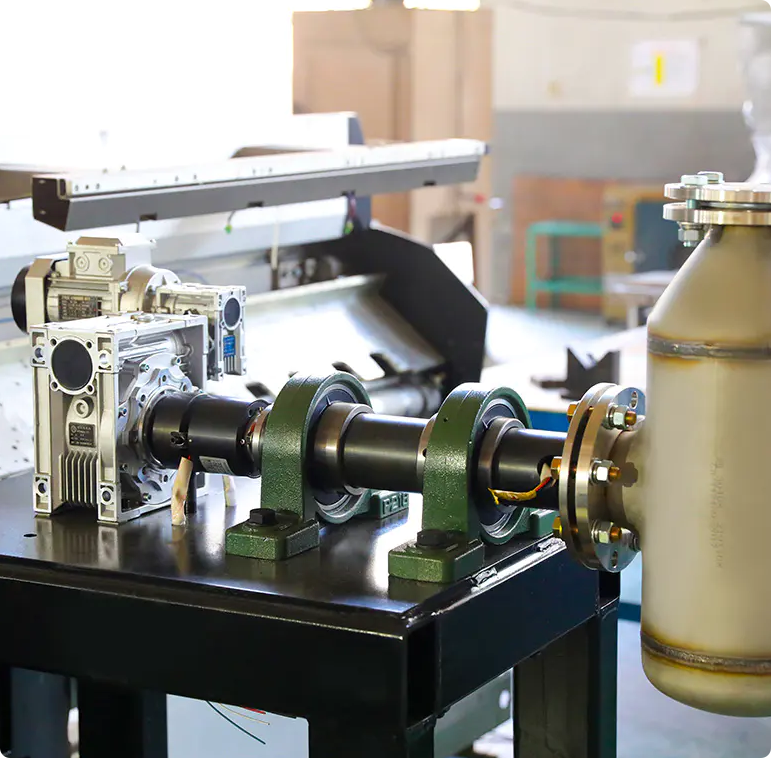
A take up winder is not a single monolithic unit. It consists of guide plates, yarn guide rods, shift forks, shift fork gearboxes, tension blocks, chucks, chuck sleeves, and lock rings. Each of these parts plays a role in the final package. Worn or misaligned guide plates will lay the yarn at a slightly wrong angle, which builds up into a distorted package over time. A shift fork that does not move smoothly will produce a jump in traverse, causing the yarn to build up at the ends of the bobbin.
If your production includes Barmag winders, replacing a worn shift fork is one of the most common maintenance tasks. A correctly sized shift fork should match the exact yarn path and traverse geometry of the original design.
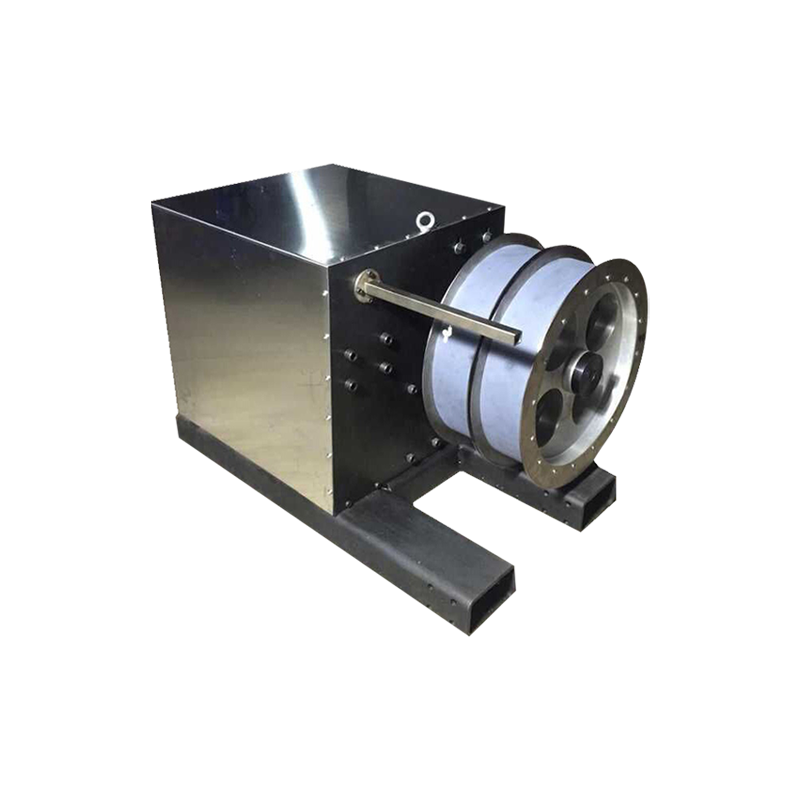
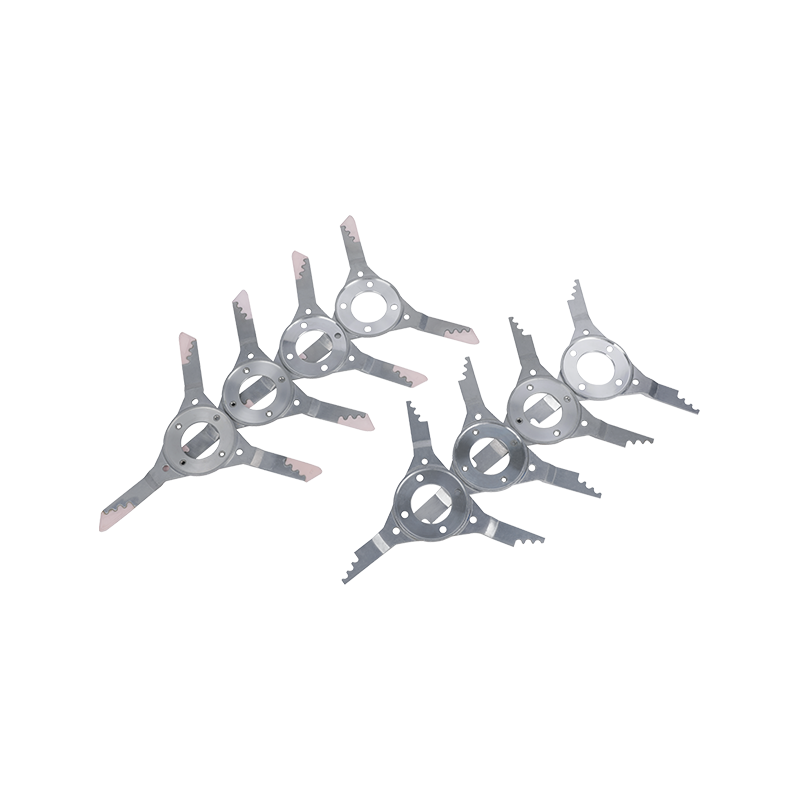 Replacement Shift Fork for Barmag Winder (S-1011 RO)A precisely dimensioned shift fork for Barmag winders, ensuring accurate yarn traverse. This part is essential for maintaining smooth winding and preventing package distortion in chemical fiber production.View Product →
When you are evaluating a take up winder for a new line or a replacement, start with the winding speed range. The winder must be able to run at the same maximum speed as your godet rolls without excessive feedback. Next, compare the package change cycle. Some processes require a continuous feed of yarn, so the winder must switch packages without stopping the line. Others allow a short stoppage for manual doffing.
There is also the question of compatibility. A winder built for one machine frame may not line up with the existing mounting interfaces of a Barmag, TMT, or domestic spinning line. Verify the chuck size, the traverse length, and the connection points before you commit to an investment.
If you already own Barmag equipment and the winder is holding back the line, a winder upgrading service can modernize the existing unit instead of requiring a full replacement.
Even the best winder will need attention after years of continuous operation. Common failure modes include unbalanced chucks, worn shift fork gearboxes, and damaged guide plates. These conditions affect tension and package shape long before the winder stops completely. That is why a structured maintenance schedule is more cost-effective than a reactive repair strategy.
When a chuck begins to wobble or a contact roll shows wear, the problem may seem small. But the consequences are not. A slightly off-center chuck can create package vibration that then damages the bearings and the lock ring. Eventually the whole winder goes out of tolerance. A dedicated chuck repair program can restore concentricity and extend the life of the remainder of the machine.
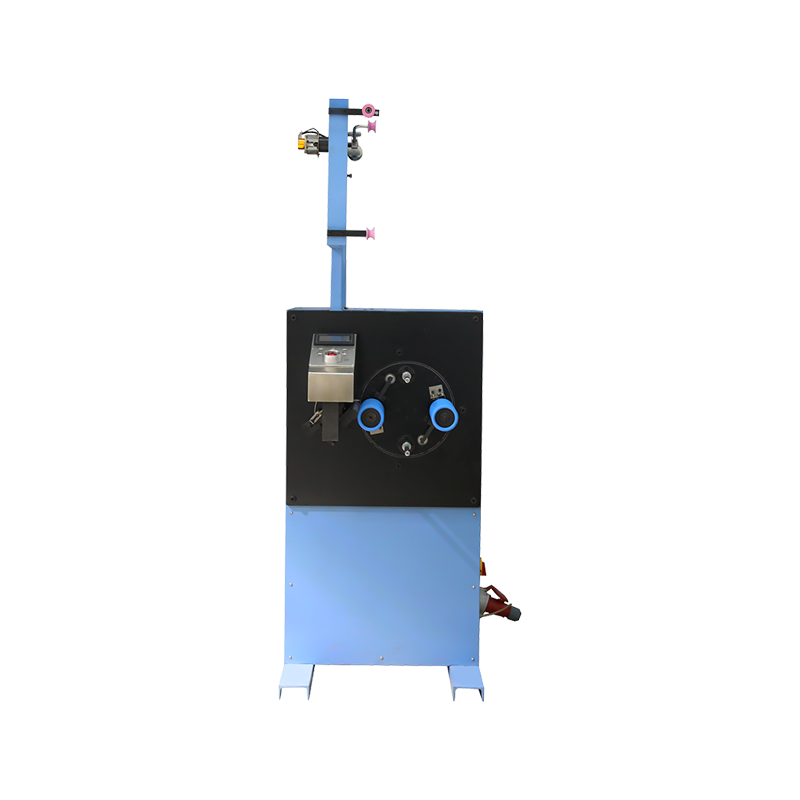
For operations that need to push line speed beyond the current capability, a new super-speed winder can be a more direct path than extensive mechanical modification of an older unit.
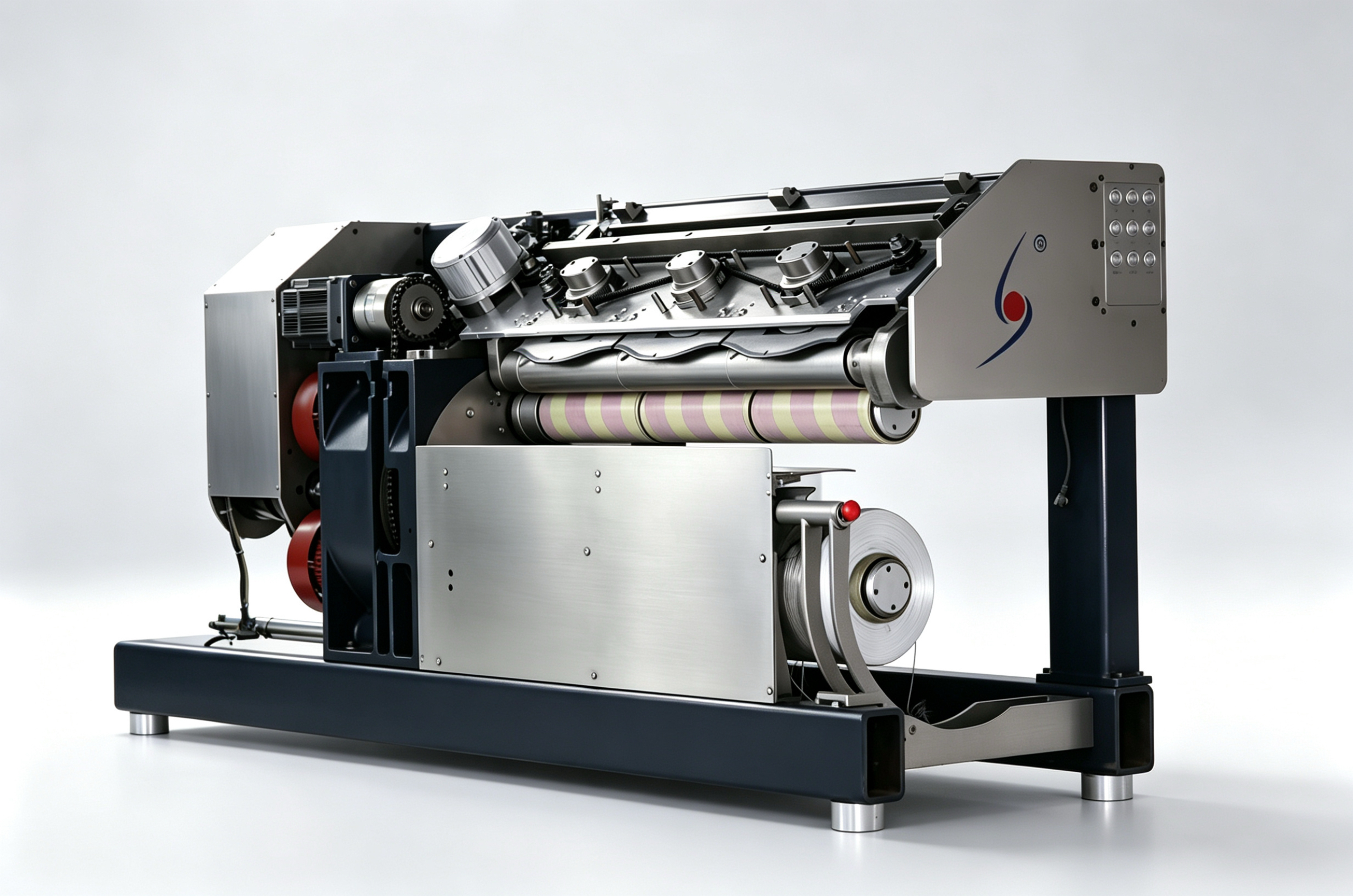 High-Speed Take-Up Winder for POY, FDY, and Industrial YarnDesigned for polyester and nylon filament lines, this winder reaches 7000 m/min with automatic doffing and tension control. It ensures uniform package density, reducing waste and improving downstream processing.View Product →
A take up winder is not a commodity. It is the machine that translates extrusion, drawing, and quenching into a sellable yarn package. The wrong winder can reduce the quality of even the best spun yarn, while a well-matched winder improves package density, reduces waste, and keeps the line running without interruptions. When you evaluate a winder, look beyond the top speed. Look at the shift fork, the guide plates, the chuck, and the lock ring—because these small components determine whether your production runs smoothly or stops at the worst possible moment.

ADDRESS: No.1298, Zhouan Road, Economic and Technological Development District, Jiaxing City, Zhejiang Province
PHONE: +86 19057031687
TEL: 86-0573-83777752
EMAIL: [email protected]