English
 عربى
عربى русский
 简体中文
简体中文







2026-09-08
Home / News / Industry News / Spinning Production Line Guide: Types, Core Components, and Selection Tips

A plant running 20 winders wants to add an FDY line. The investment decision comes down to more than the quoted price. It depends on spinneret quality, hot godet temperature control, winder reliability, and the supplier's ability to support the line after installation. This guide walks through the choices behind a spinning production line so you can compare offerings against the filament you actually need to produce.
Before going into components and configurations, it helps to look at the wider role of the spinning production line in fiber manufacturing. The industry has shifted from delivering individual machines to handing over complete, integrated systems. That shift raises the performance stakes for every buyer.
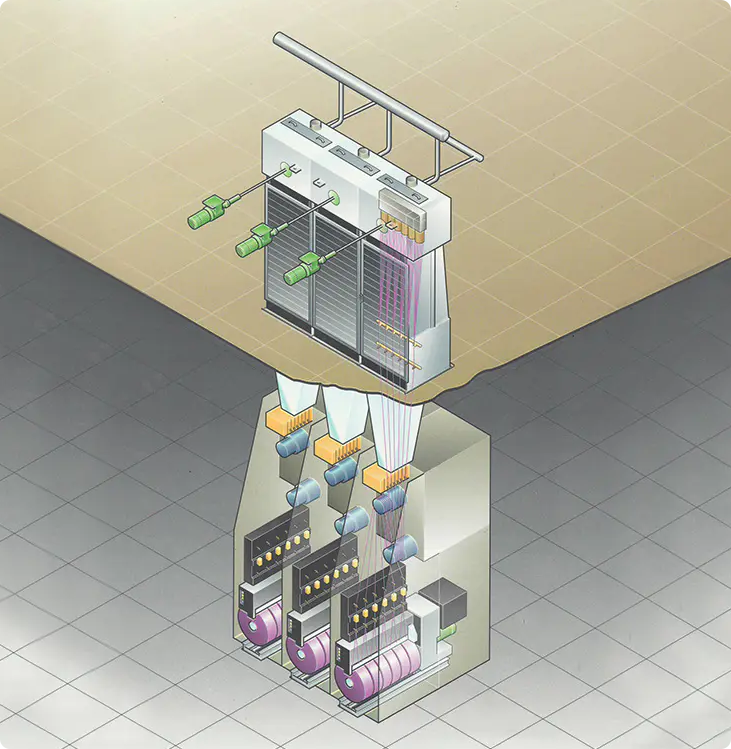
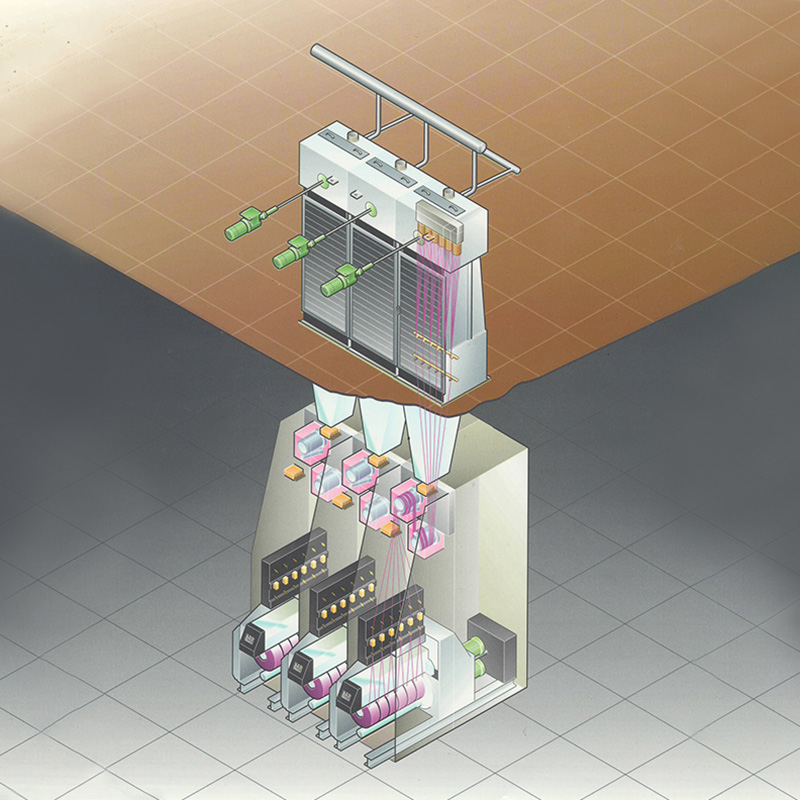
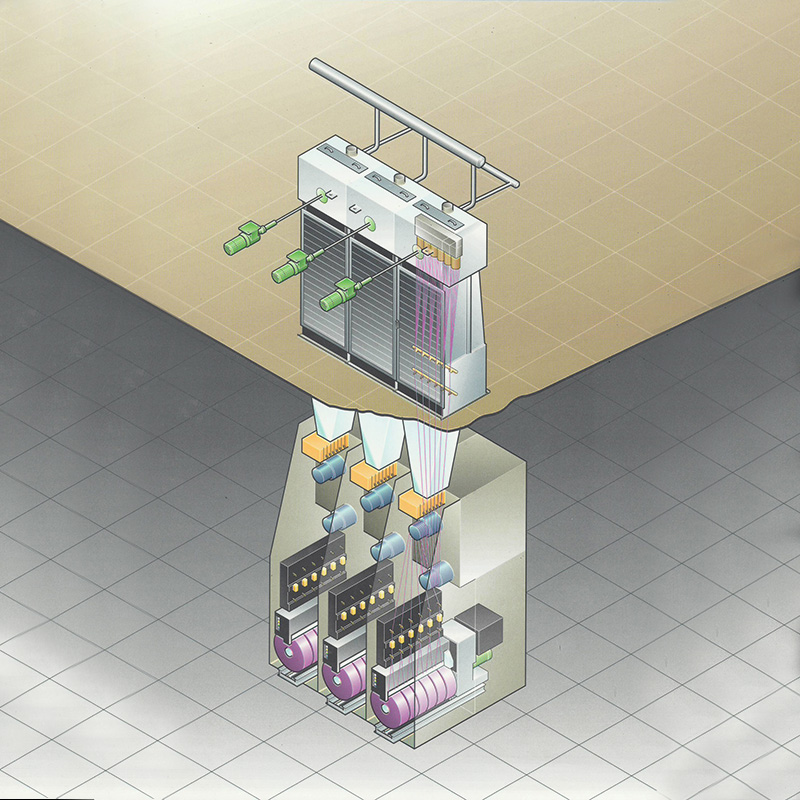
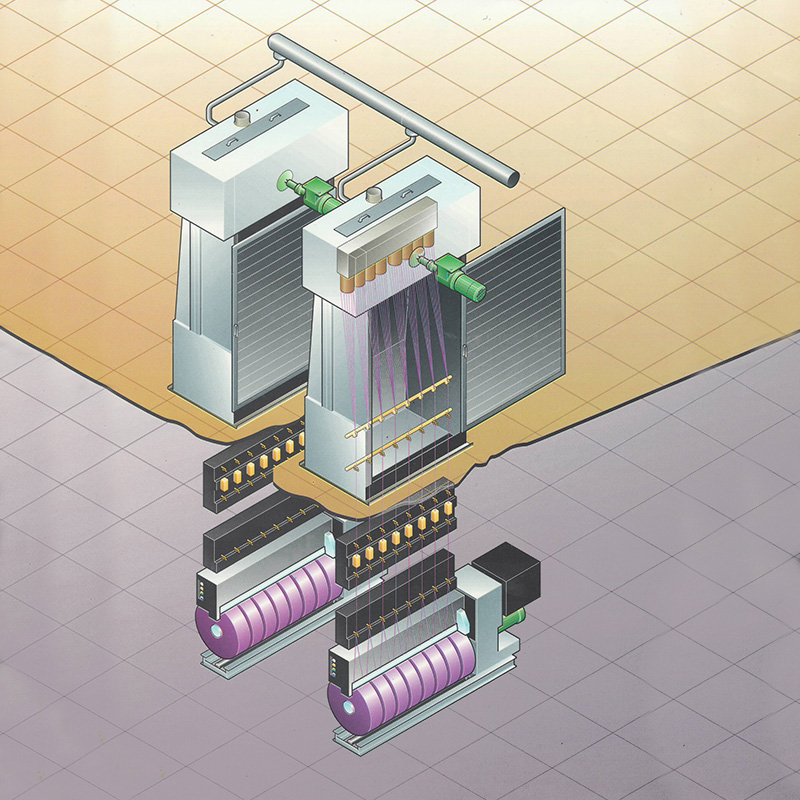
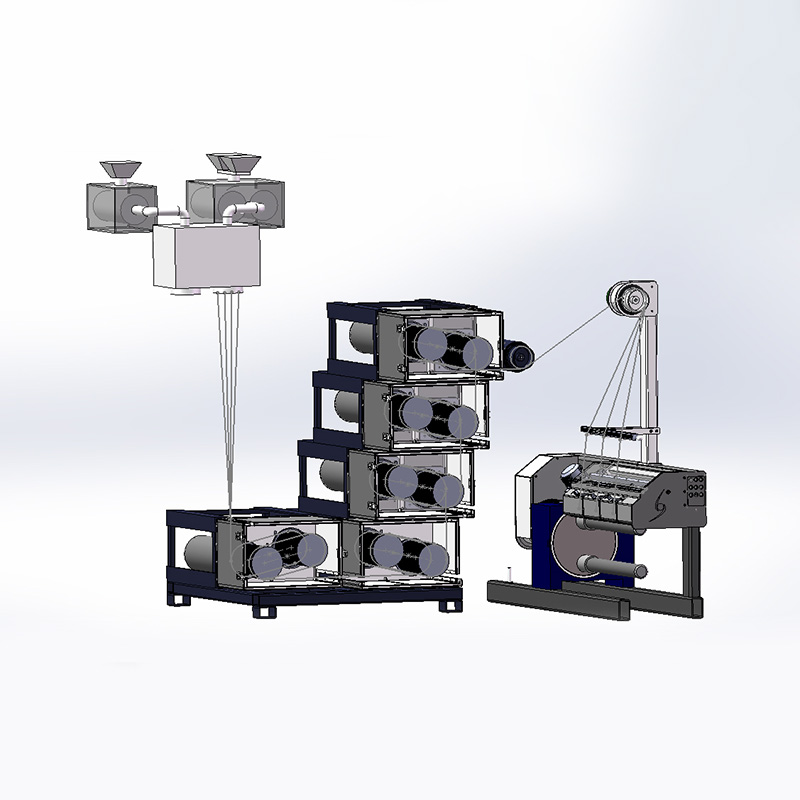
A spinning production line is a synchronized chain of equipment that converts polymer chips or melt into continuous filament. The process starts with extrusion and filtration, moves through the spinning assembly and spinneret, quenches the filaments, applies spin finish, draws the yarn with godet rollers, passes through interlacing nozzles, and ends at an automatic winder that delivers packages to the downstream process.
Each component has its own maintenance rhythm. Spinnerets require scheduled cleaning, godet temperature settings need periodic verification, and winder shift forks, yarn guide plates, and tension blocks wear with every cycle. Buyers who factor these consumable and service requirements into the comparison get a more realistic total cost picture.
Chemical fiber spinning lines fall into four main configurations: partially oriented yarn (POY), fully drawn yarn (FDY), high oriented yarn (HOY), and industrial yarn.
POY lines are the most common for polyester and nylon textile yarn. They run at high speed while leaving the partially oriented yarn ready for downstream texturizing. A typical POY line operates in the 2,800–3,300 m/min range and produces 50–300 denier packages that texturizers convert into draw-textured yarn.
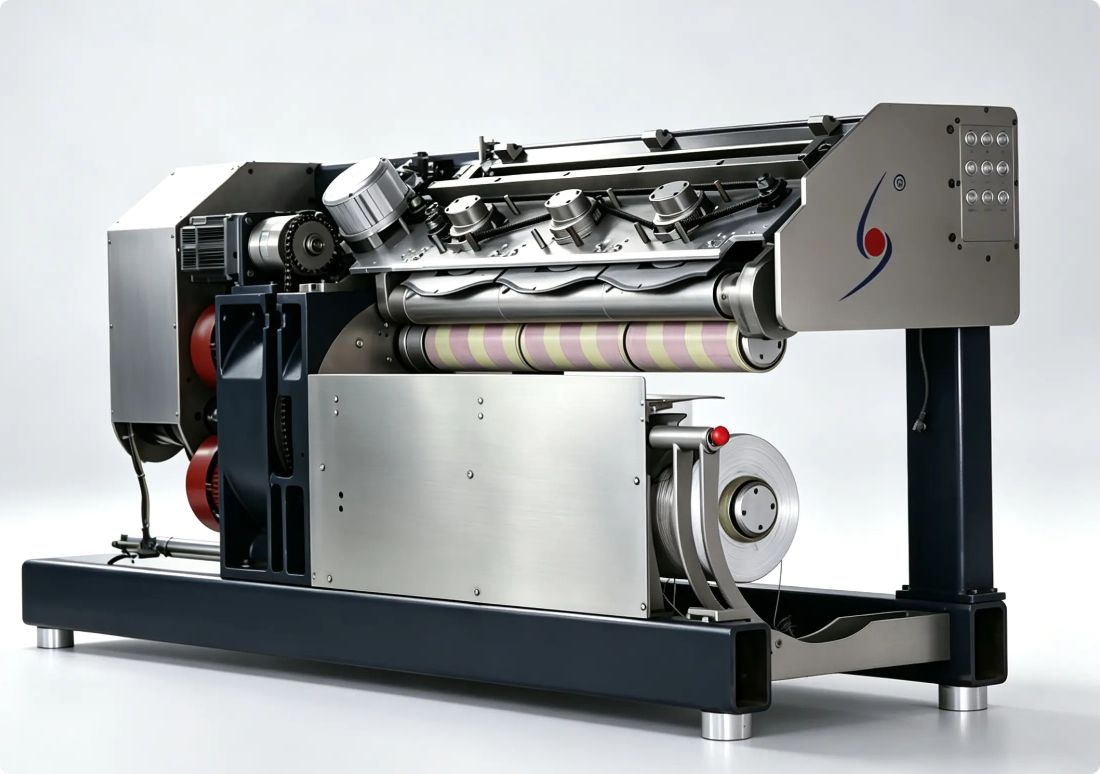
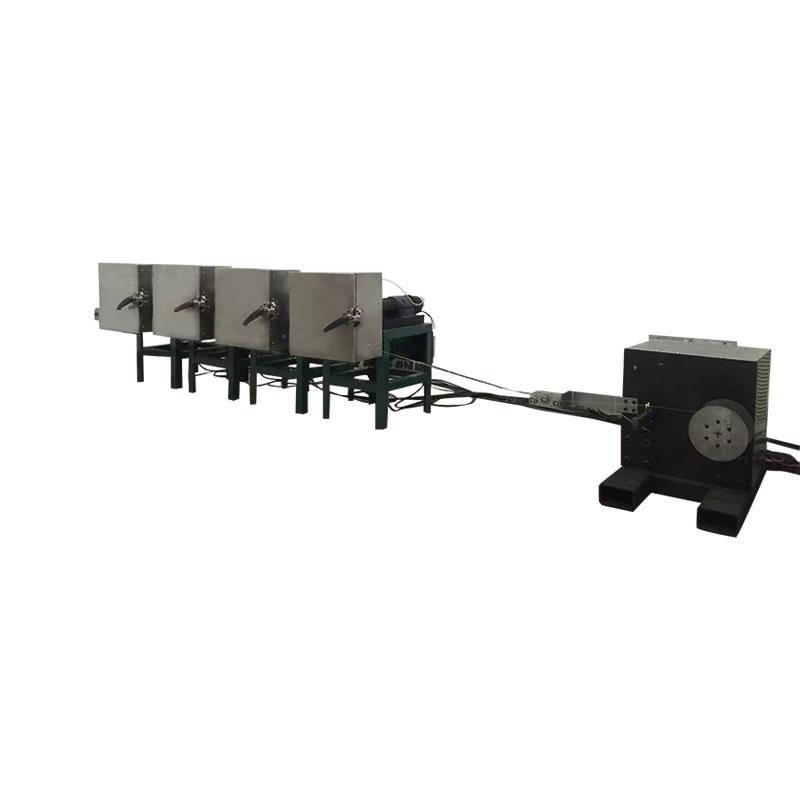
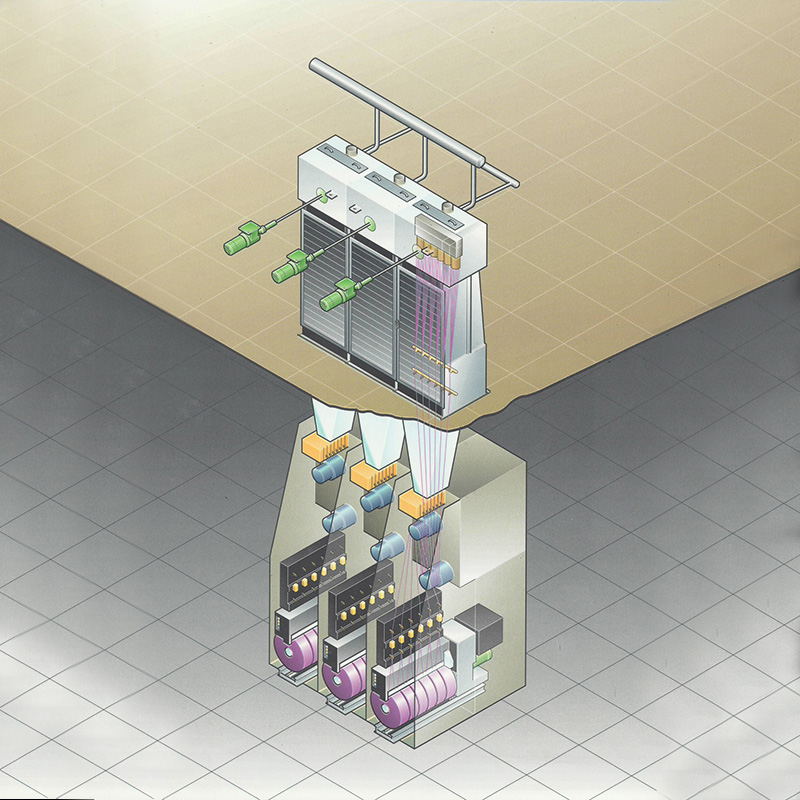 Partially Oriented Yarn (POY) Spinning Line for Polyester, Nylon, and MoreThis POY production line covers the full process from chips to yarn, including extruders, winders, and metering pumps. It offers flexibility for raw material switching and capacity expansion, making it suitable for weaving apparel and home textiles.View Product →
FDY lines draw the yarn fully on the production line, producing a fully oriented filament that goes directly to weaving or knitting. FDY lines run at 3,000–4,000 m/min and are used for microfibers, high-quality apparel, and home textiles where dimensional stability and low elongation matter.
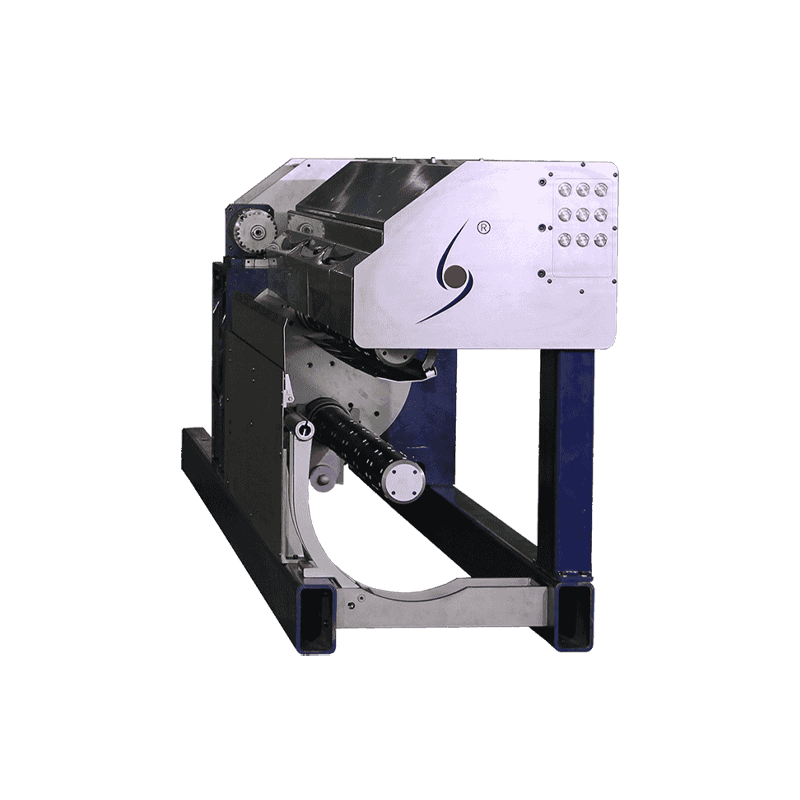
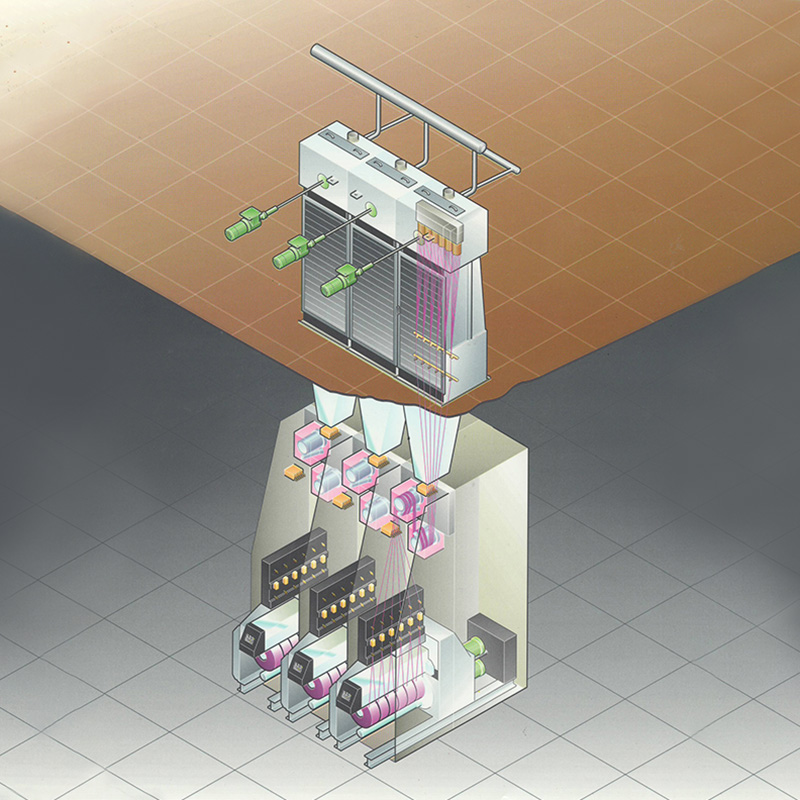 Full Drawn Yarn (FDY) Spinning Line for PET, PA, PP and Other PolymersEngineered for high-performance filament, this FDY line integrates masterbatch or low-viscosity melt and enables instant production. It is ideal for technical textiles and functional fibers requiring dimensional stability.View Product →
HOY lines operate at even higher speeds with a high take-up rate and a shorter downstream path. They fit high-speed spinning of fine denier and appear less frequently in modern plants than POY or FDY.
Industrial yarn lines are designed for high-tenacity, low-shrinkage filament used in ropes, webbing, tire cord, sewing thread, and coated fabrics. Denier ranges extend from 500 d to over 3,000 d. Production speed is lower because maintaining break strength and elongation consistency matters more than raw throughput.
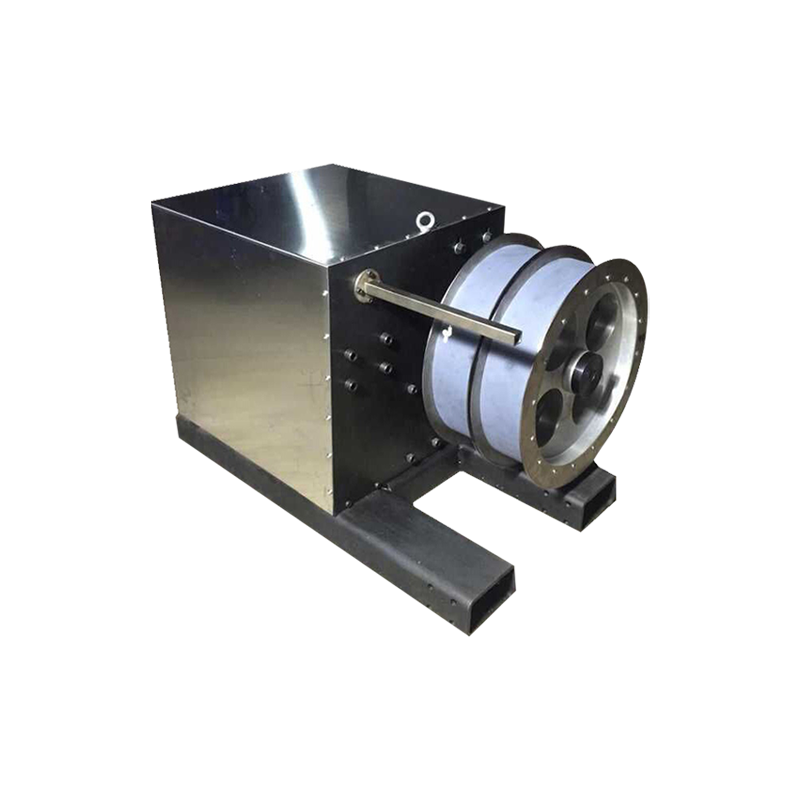
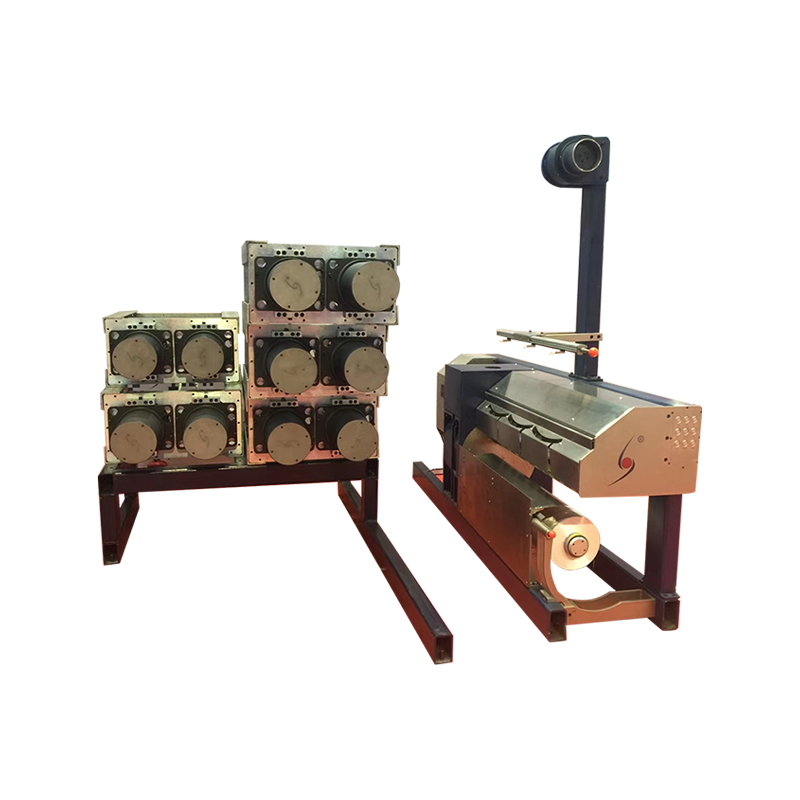 Industrial Spinning Production Line for High-Tenacity Filament YarnsDesigned for high-tenacity, low-shrinkage yarns used in ropes, tire cord, and coated fabrics, this line supports denier ranges from 500 to 3,000+. It emphasizes break strength and elongation consistency over raw throughput.View Product →
| Feature | POY Line | FDY Line | HOY Line | Industrial Yarn |
|---|---|---|---|---|
| Primary polymer | PET, PA, PP | PET, PA, PP | PET, PA | PET, PA, PP |
| Take-up speed | 2,800–3,300 m/min | 3,000–4,000 m/min | 4,500–6,000 m/min | 500–2,500 m/min |
| Filament status | Partially oriented | Fully drawn | High oriented | High tenacity |
| Typical denier | 50–300 d | 30–300 d | 50–300 d | 500–3,000 d |
| Downstream use | Texturing | Weaving, knitting | Texturing, weaving | Rope, cord, webbing |
The raw material strongly shapes the line. PET, PA, and PP each have different melt viscosities, draw behaviors, and quenching requirements. A line engineered for PET may process PA but not at the same throughput or quality. When a supplier says a line runs PET, PA, PP, or other raw material, clarify the expected transition time and quality loss during changeover. That answer is often the most useful part of an evaluation.
After narrowing the line type, evaluation turns to equipment configuration and the factory's ability to support it. Here is a practical order of review.
Temperature control tolerance is a practical example. A hot godet that drifts 2 °C at the set point can produce measurable denier and tenacity variation across the filament, especially on FDY and industrial lines. A supplier that uses calibrated instrumentation and keeps matching spare parts for each hot godet reduces that risk. The same applies to the winder: a shift fork that cannot hold package switchover within a few tenths of a millisecond creates broken ends and off-quality packages. This is why many producers keep equipment upgrade programs in their annual budget.
The quality of a spinning production line depends on a few components more than others. These deserve careful inspection during commissioning and after each overhaul.
| Component | What to Verify | Impact if Out of Tolerance |
|---|---|---|
| Spinneret plate | Hole diameter, hole count, pattern, surface finish | Denier variation, broken filaments, frequent cleaning |
| Hot godet | Surface temperature uniformity, dynamic balance, surface coating | Uneven drawing, yarn breaks, heat streaks |
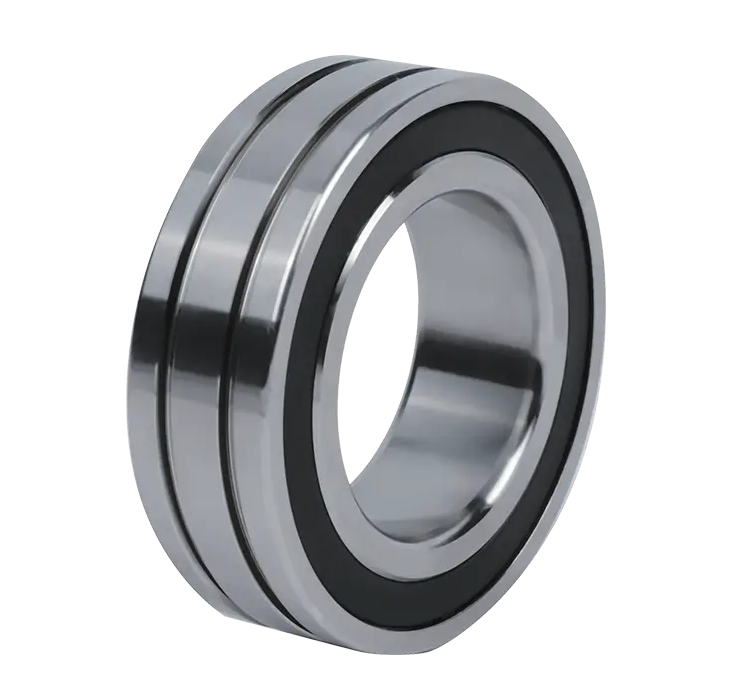
| Separator roller | Surface smoothness, bearing play, concentricity | Yarn tension fluctuation, surface defects |
| Winder tension block | Tension force, wear pattern, guide surface | Package density variation, formation defects |
| Shift fork | Fork symmetry, wear on guide faces, spring force | Switchover failure, broken ends at doff |
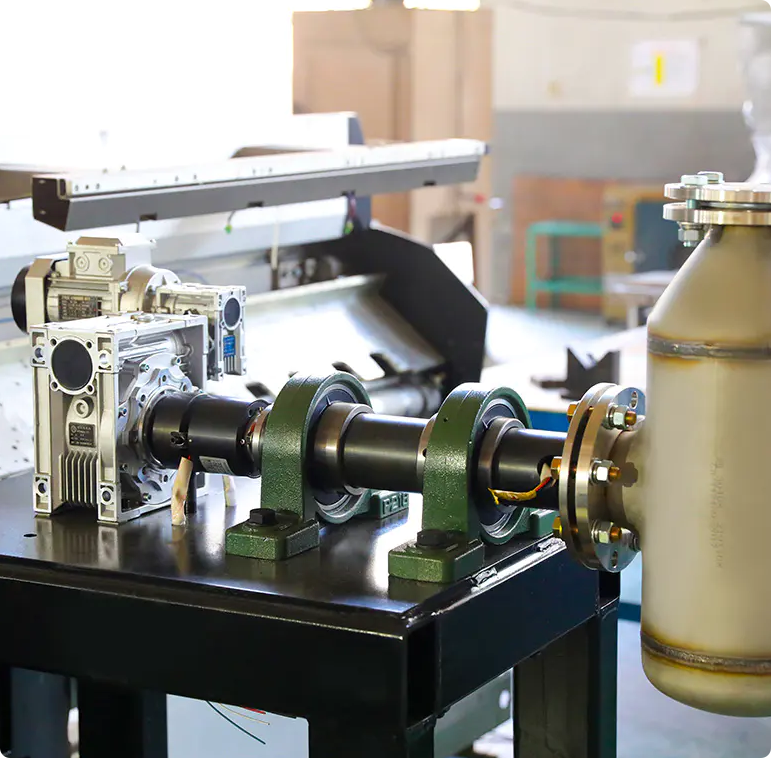
For rotating components such as the hot godet and the winder, dynamic balancing matters as much as surface quality. An unbalanced godet introduces vibration that transfers into the filaments and the machine frame, leading to bearing wear and inconsistent yarn. A manufacturer with its own dynamic balancing equipment can certify the complete rotating assembly, not just one part.
The running cost of a spinning production line is driven by maintenance demand, energy consumption, and how long the line can run between service intervals. Older lines often have a lower initial price but higher thermal losses, more frequent bearing changes, and longer downtimes for spinneret cleaning. Newer lines with improved quench design and better insulation reduce energy per kilogram, but also introduce components that require suppliers with fast parts delivery.
A practical approach is to build the maintenance plan into the purchase from day one. Ask for a recommended spare parts kit, a schedule for hot godet bearing replacement, and the expected life of winder guides. Then compare those numbers against your current maintenance cost per ton. If a new line cuts energy by 15% and maintenance by 20% per ton, the payback period may be shorter than a larger initial price difference suggests.
Upgradeability is another dimension. When yarn specifications change, a modular line can be updated with a new spin pack, a different quench chamber, or a new winder. This flexibility extends the useful life of the investment. For owners of existing equipment, upgrading current machines is often faster than commissioning a new line from scratch, because foundations, utilities, and operator training are already in place.
Every spinning production line offer should be weighed against four answers. What filament does it produce at the required speed? What does it cost to run per ton? How long does it take to reach stable output? What happens when a key component fails? The first answer determines product fit, the second determines margin, the third determines cash flow, and the fourth determines risk.
Pilot testing on a flexible spinning line can resolve many of these questions before a full investment. A pilot line lets you trial a new yarn, verify the polymer, and evaluate the spin pack before committing to a complete production line. This is one of the most practical ways to lower risk in a capital equipment purchase.
For teams managing existing fleets, selecting a supplier with both component manufacturing and service capability matters. The combination of CNC machining for precision parts, dynamic balancing for rotating components, and a repair workshop that can rebuild hot godets and winders turns a replacement need into a short, planned downtime event instead of an unplanned shutdown.
ADDRESS: No.1298, Zhouan Road, Economic and Technological Development District, Jiaxing City, Zhejiang Province
PHONE: +86 19057031687
TEL: 86-0573-83777752
EMAIL: [email protected]