

 English
 عربى
عربى русский
 简体中文
简体中文







For bobbin forming
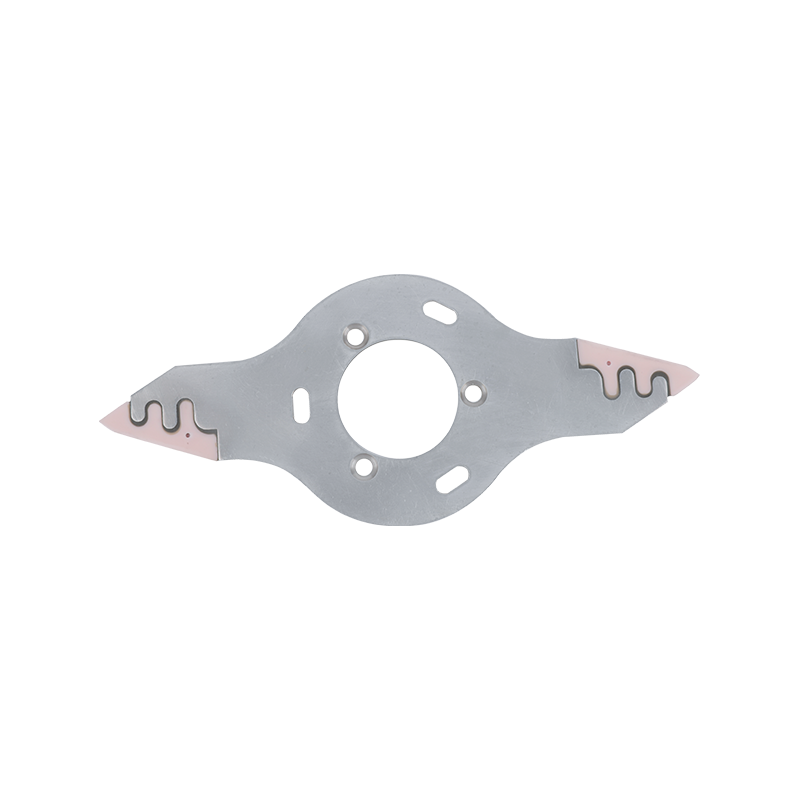
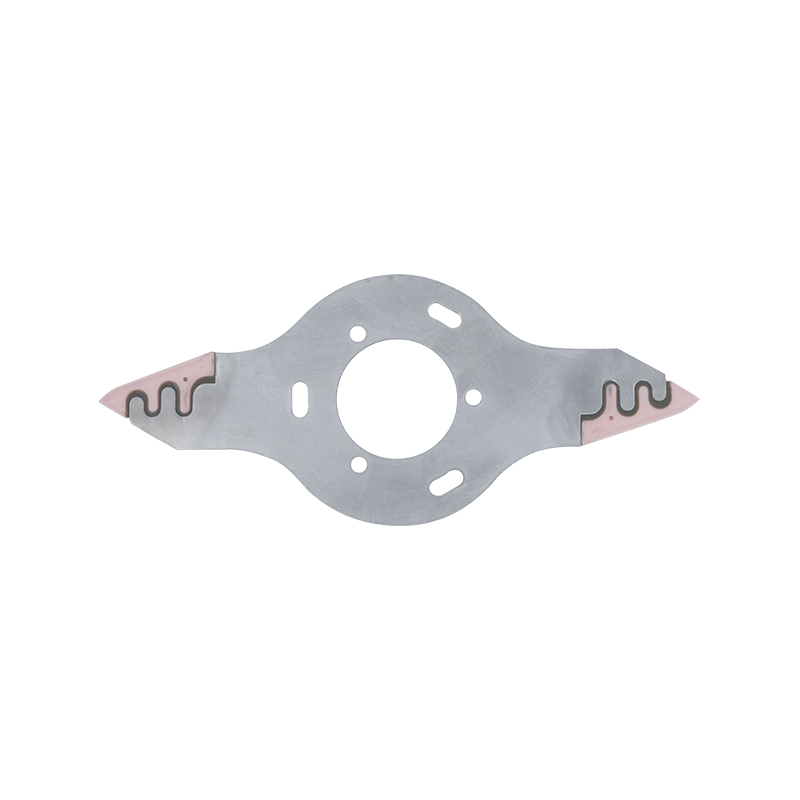
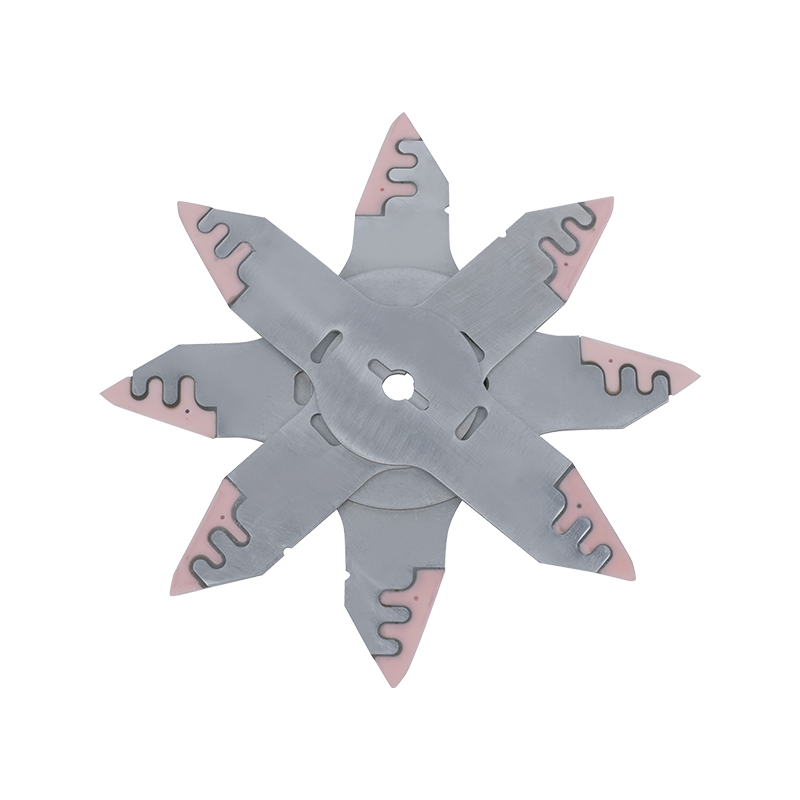
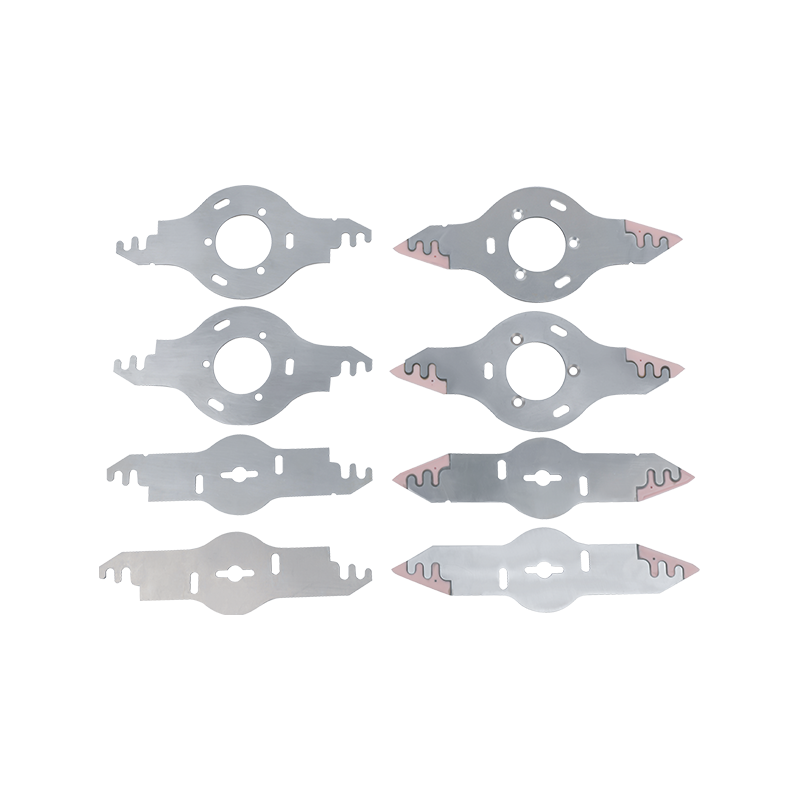
All the shift forks of our company have passed the test of practical application in chemical fiber factories, and the product quality exceeds the technical standard of the original machine.
In high-speed spinning, the traverse guide is the core component ensuring the precision and stability of the traverse system. Its flatness directly determines whether the system can achieve true "zero-jump" operation. Our traverse guides undergo multiple leveling processes to achieve superior flatness, ensuring they remain perfectly aligned with the forming track during high-frequency reciprocating motion. This consistent alignment effectively eliminates reversal impacts, cumulative vibrations, and displacement deviations caused by minute errors, resulting in a smoother and more controllable traverse process.
High-flatness guides guarantee exceptional consistency in the end-faces of the bobbin. Because the guide experiences uniform stress and maintains a stable trajectory, the yarn is laid with greater regularity and density. This allows the final bobbin to achieve a "blade-cut" level of flatness on its end-faces, significantly enhancing aesthetic quality while suppressing defects such as edge burrs, sloughing and localized accumulation at the source.
Superior flatness translates to a more even distribution of contact stress. Under high-speed and high-frequency conditions, this uniform loading prevents stress concentration, thereby reducing abnormal wear on the yarn guide body and the yarn guide blades. Operational resistance is minimized, optimizing the overall energy efficiency of the system. For critical components like traverse bearings, this "gentler" mechanical environment significantly slows the accumulation of fatigue, extending maintenance cycles and reducing the frequency of downtime for repairs.
High-precision guides enhance the operational consistency and reproducibility of the entire machine. During multi-position or long-cycle continuous production, the stable performance of the guides ensures uniform formation across all positions, minimizing quality fluctuations caused by individual component variances. This is crucial for high-end spinning machines and serves as a vital foundation for large-scale and stable production. At the process control level, high-flatness guides provide the necessary headroom for higher speeds and increased tension parameters.
In summary, the high flatness of a traverse guide is not merely a single metric — it is a foundational technology that underpins formation quality, equipment longevity, operational stability and process scalability.
| Name | Shift Fork (already glued) |
| Model | S-1103 |
| Order Number |
|
| Material | Aluminium Alloy |
| Application | |
| Dimension mm | A:190mm, B:38mm |
| Weight | 34g |
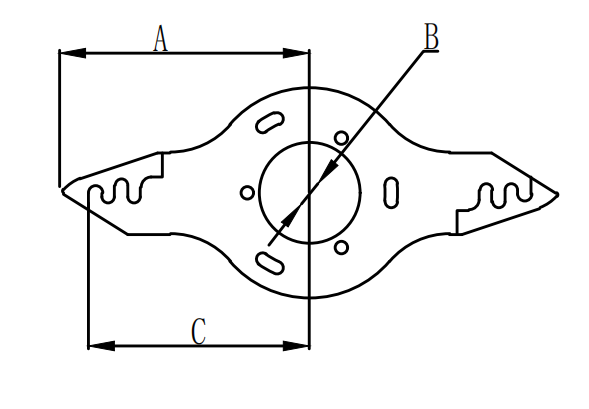
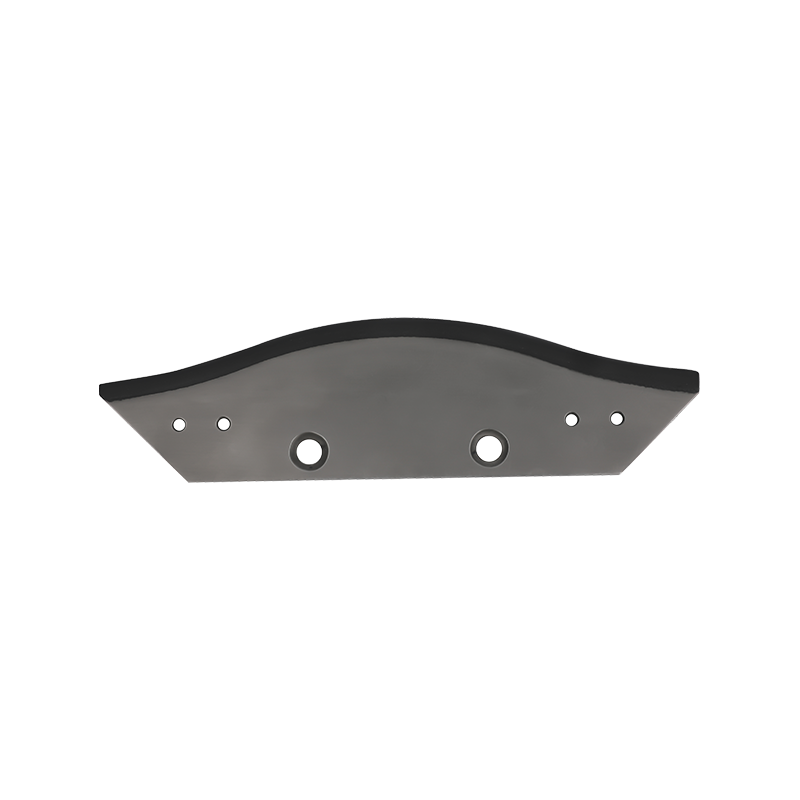
For bobbin forming
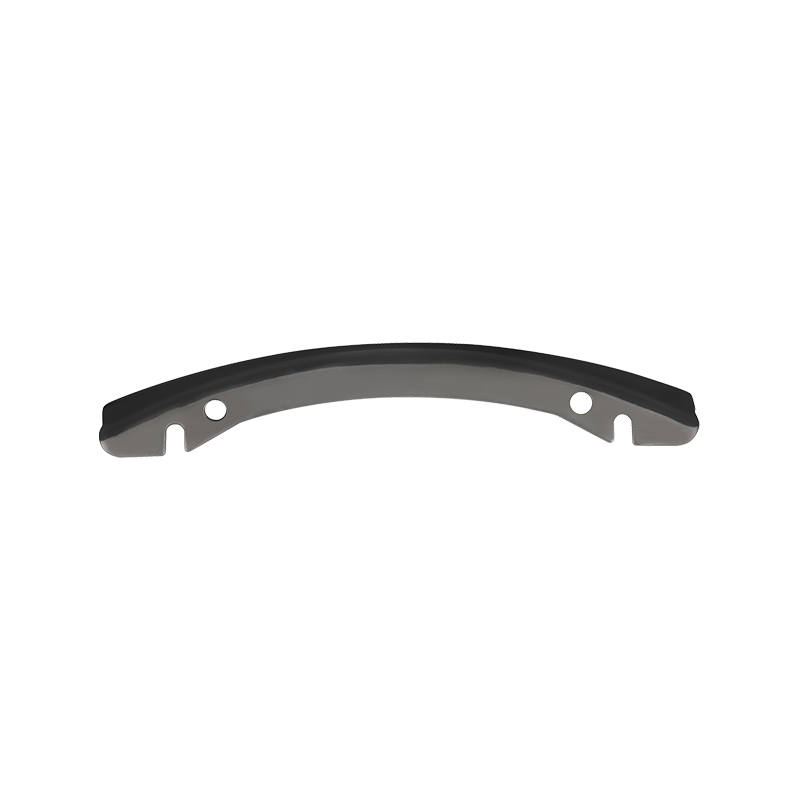
For bobbin forming
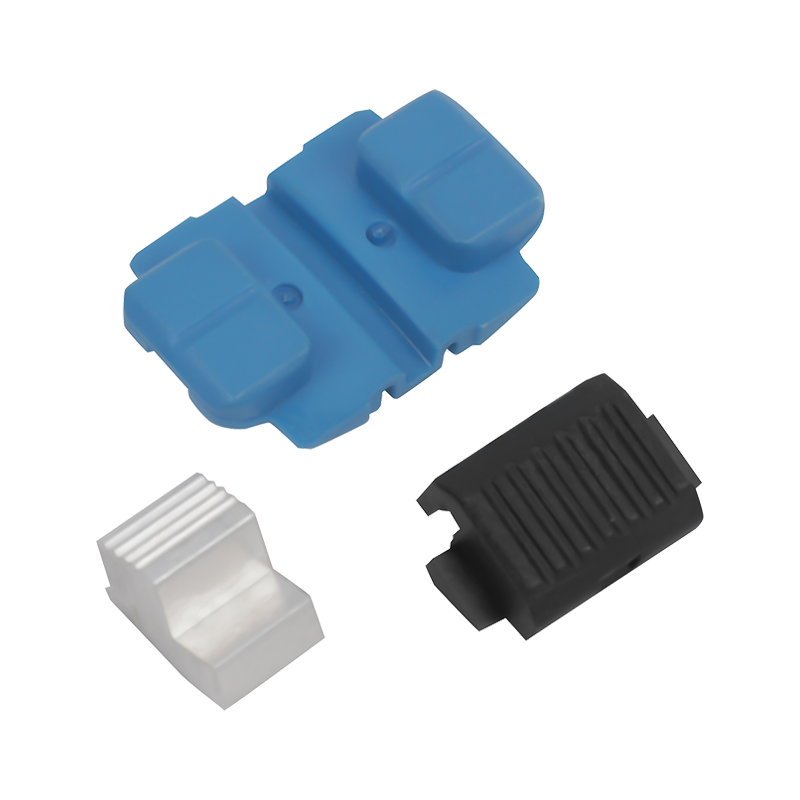
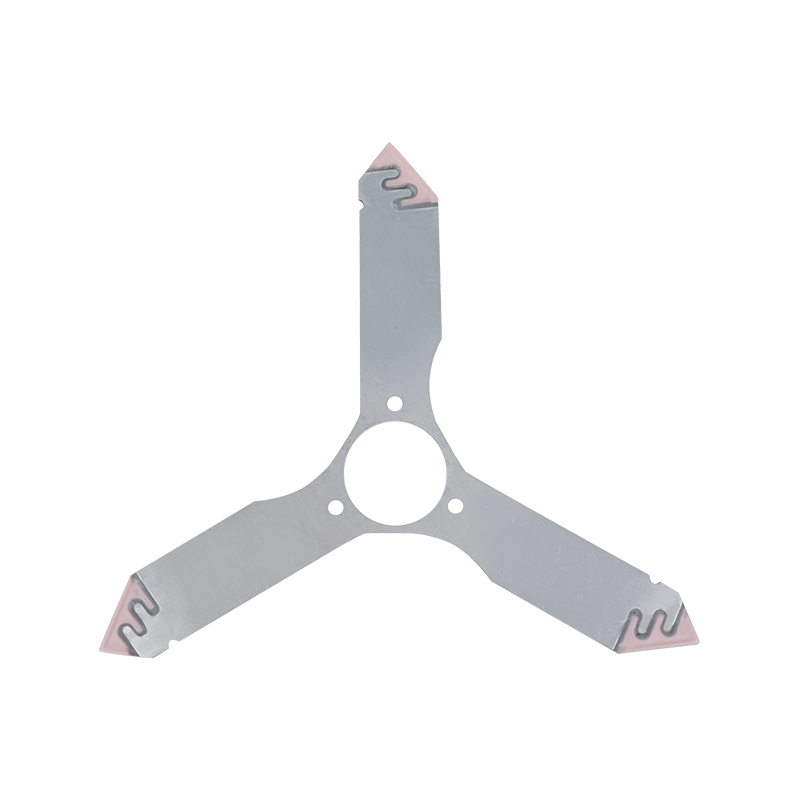
All the shift forks of our company have passed the test of practical application in chemic...
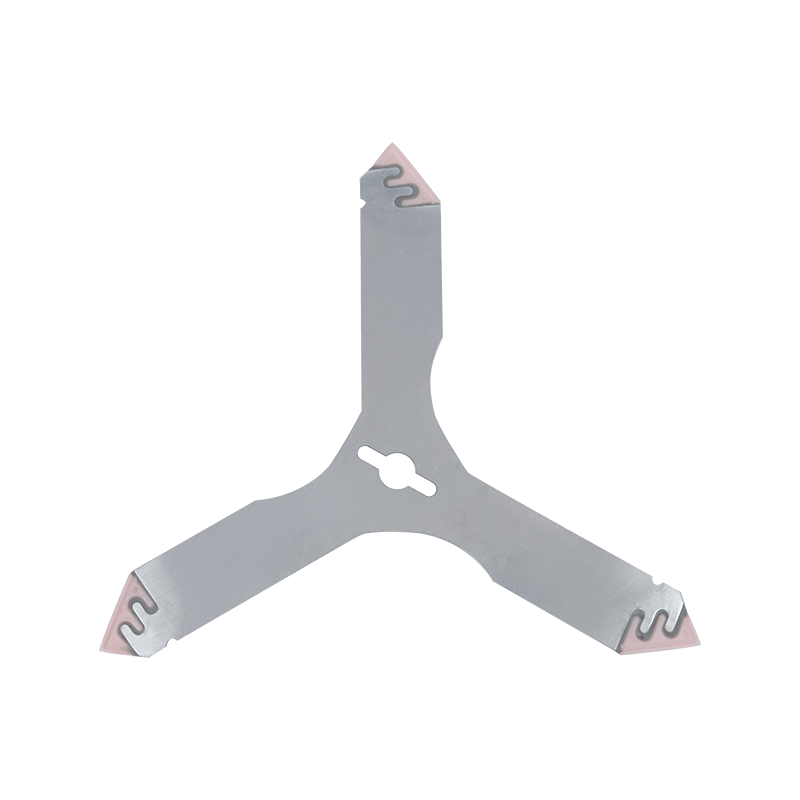
All the shift forks of our company have passed the test of practical application in chemic...
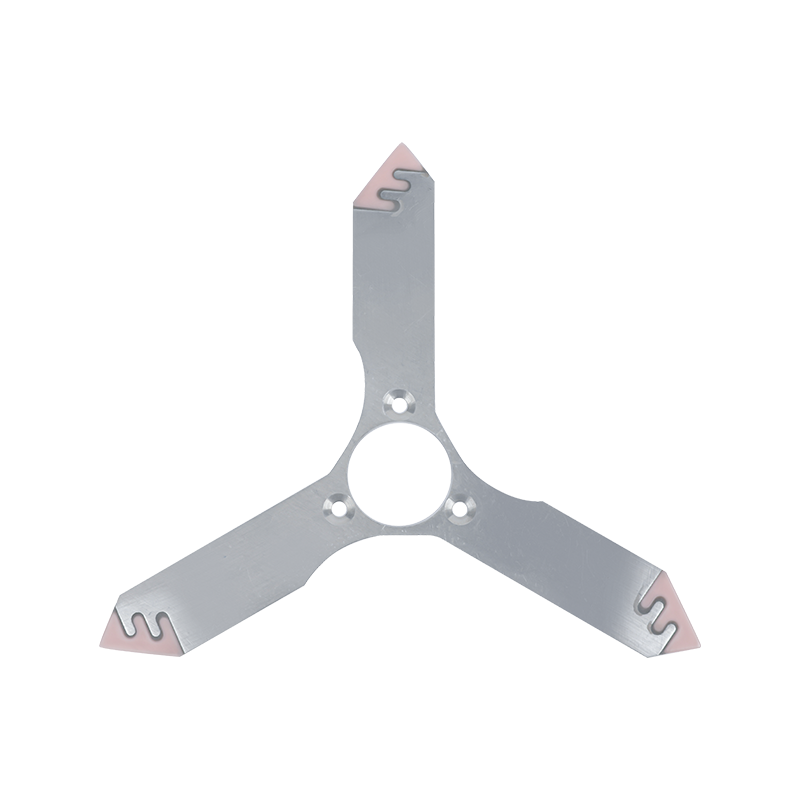
All the shift forks of our company have passed the test of practical application in chemic...

When a POY or FDY spinning line stops without warning, the root cause is rarely dramatic. More often, it is a worn bearing inside a contact roll, a shift fork ...
View MoreOn a chemical fiber spinning line, the godet shell is one of those components that only gets noticed when something goes wrong. It runs hot, it runs fast, and ...
View MoreA take-up winder is the last machine a filament meets before it becomes a package. Whether your line runs POY, FDY, HOY or heavy industrial yarn, the winder de...
View MoreEvery spool of filament yarn begins its life on a spinning production line. In the chemical fiber industry, this line is not a single machine but an integrated...
View MoreADDRESS: No.1298, Zhouan Road, Economic and Technological Development District, Jiaxing City, Zhejiang Province
PHONE: +86 19057031687
TEL: 86-0573-83777752
EMAIL: [email protected]
Jiaxing Shengbang Mechanical Equipment Co., Ltd. All Rights Reserved. Wholesale S-1103 Shift Fork for TMT Suppliers
