

 English
 عربى
عربى русский
 简体中文
简体中文







For bobbin forming
Home / Product / TMT Spinning Machine Parts / Winder Parts / Tensioning Block / Tensioning Block for TMT Chuck
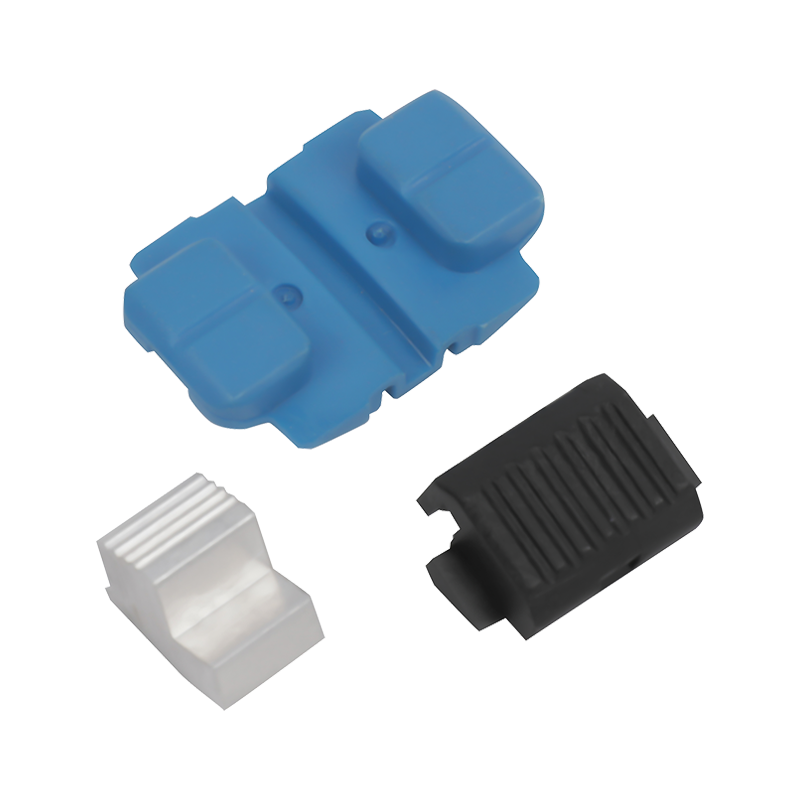
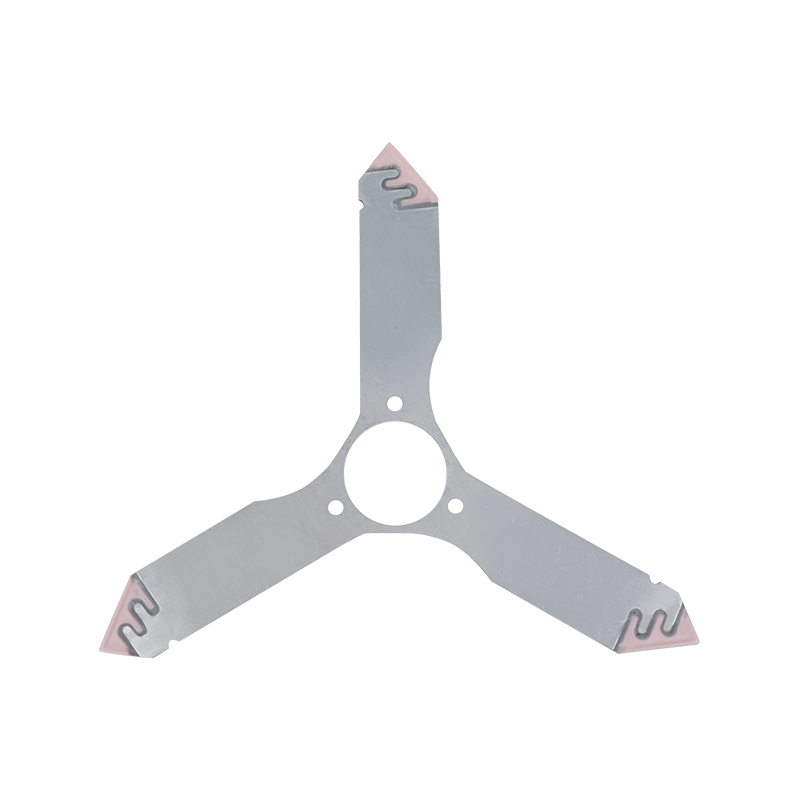
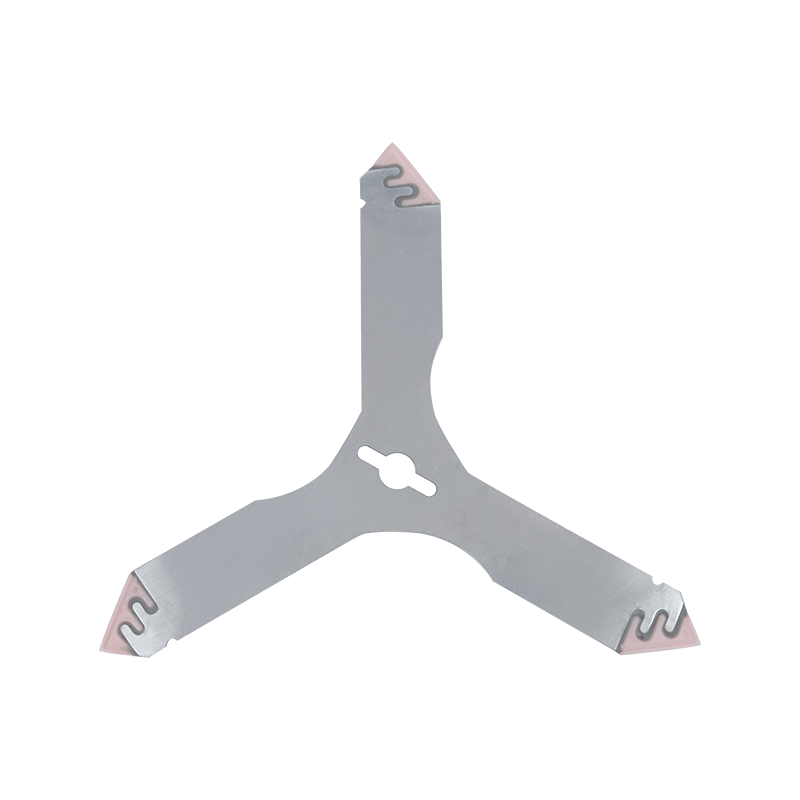
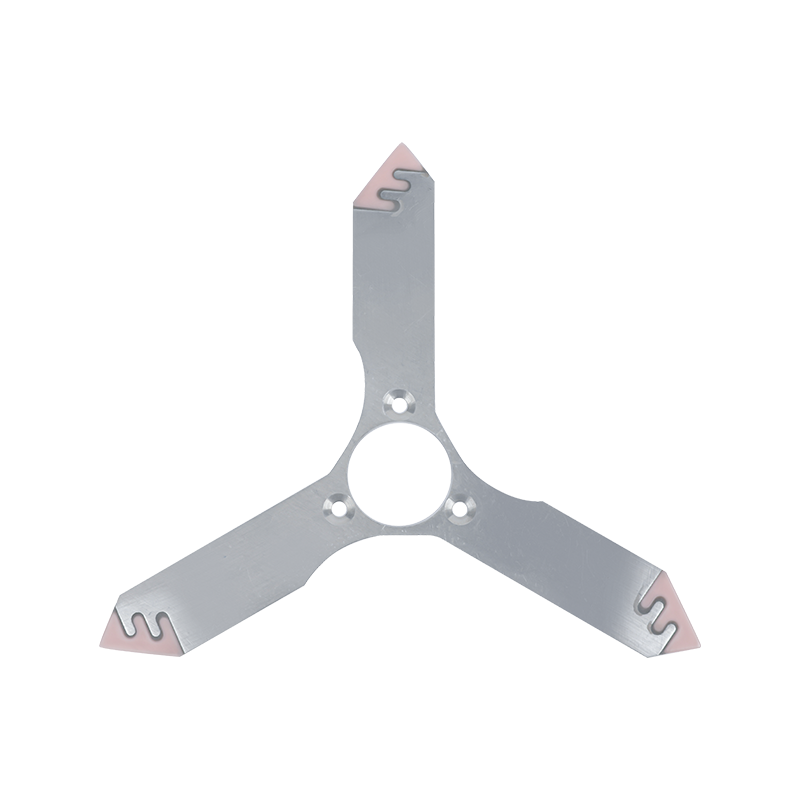
In high-speed synthetic yarn winding processes, the TMT winder tensioning blocks are critical consumable components. Their performance directly impacts the stability of paper tube clamping and dynamic balance during high-speed rotation.
TMT tension segments are typically made of special composite polyester. This material offers specific toughness and elasticity, allowing for better conformity to the paper tube while preventing damage to the tube's inner diameter.
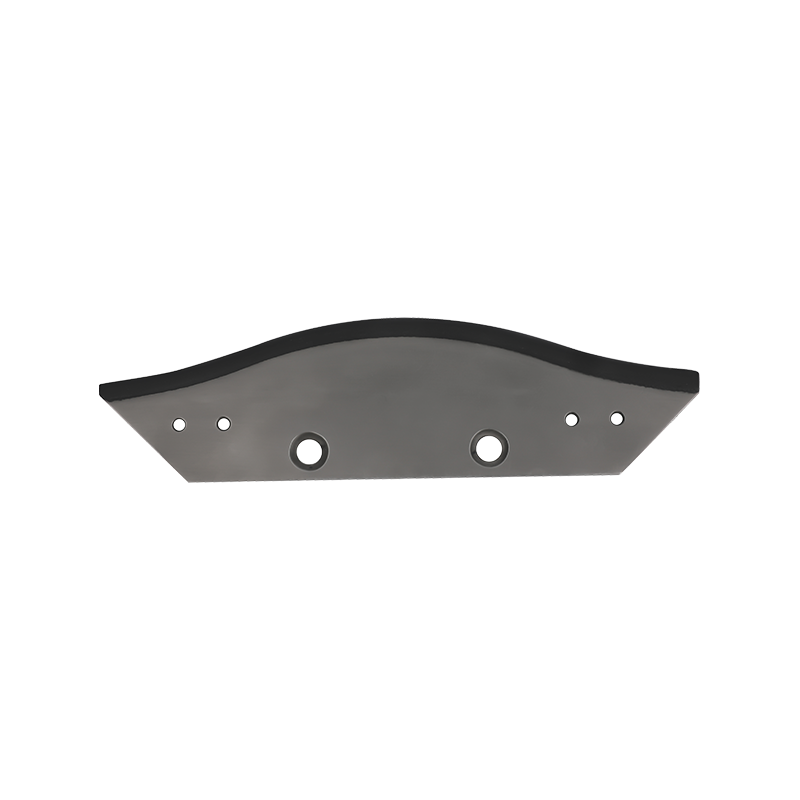
For bobbin forming
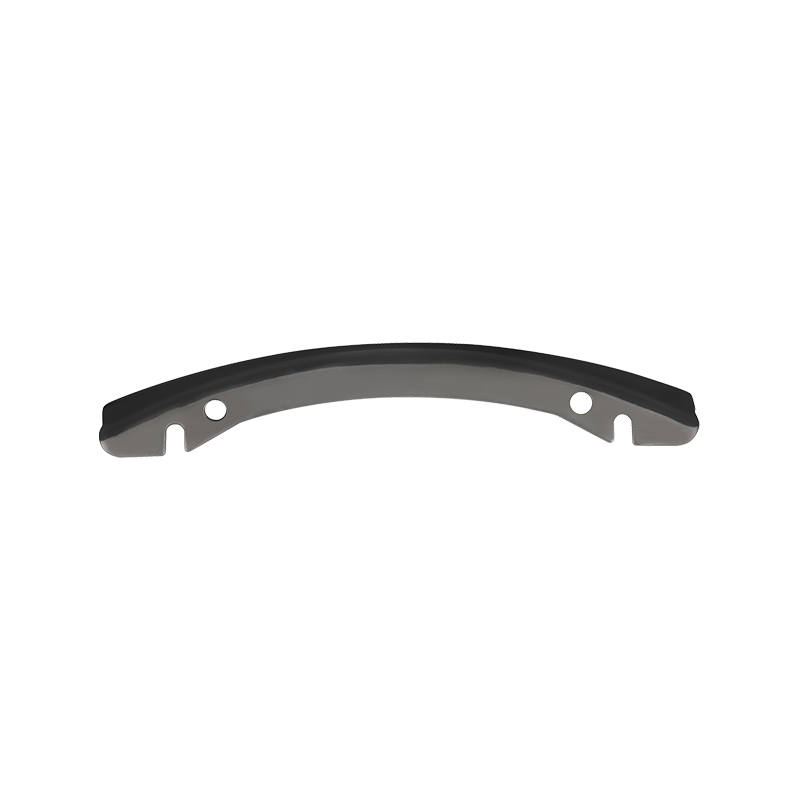
For bobbin forming
All the shift forks of our company have passed the test of practical application in chemic...
All the shift forks of our company have passed the test of practical application in chemic...
All the shift forks of our company have passed the test of practical application in chemic...

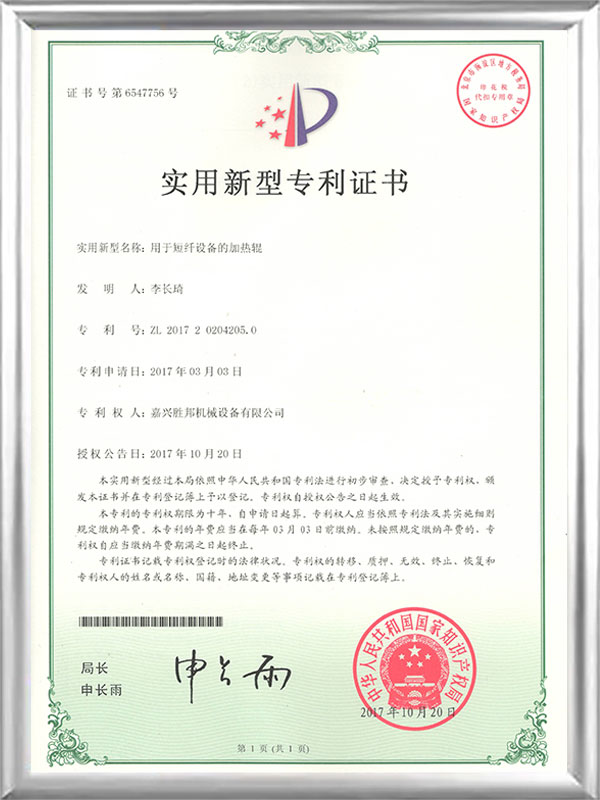
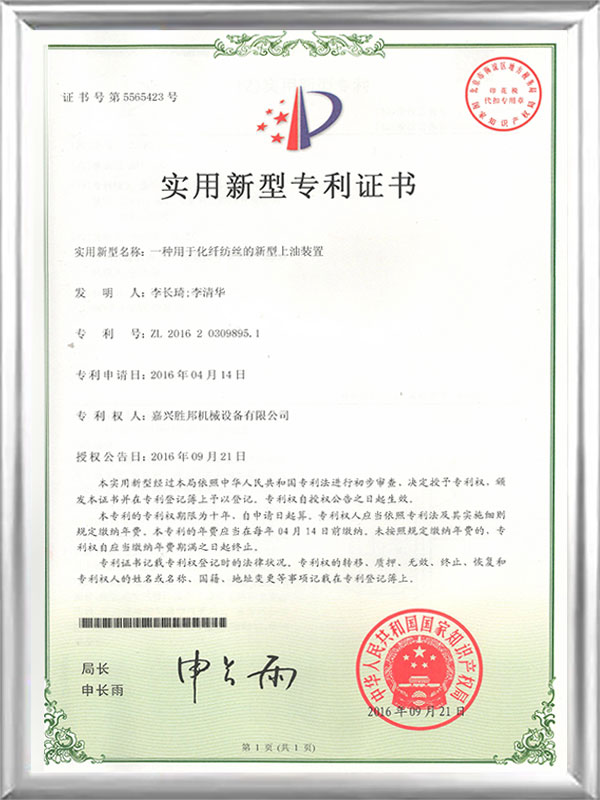
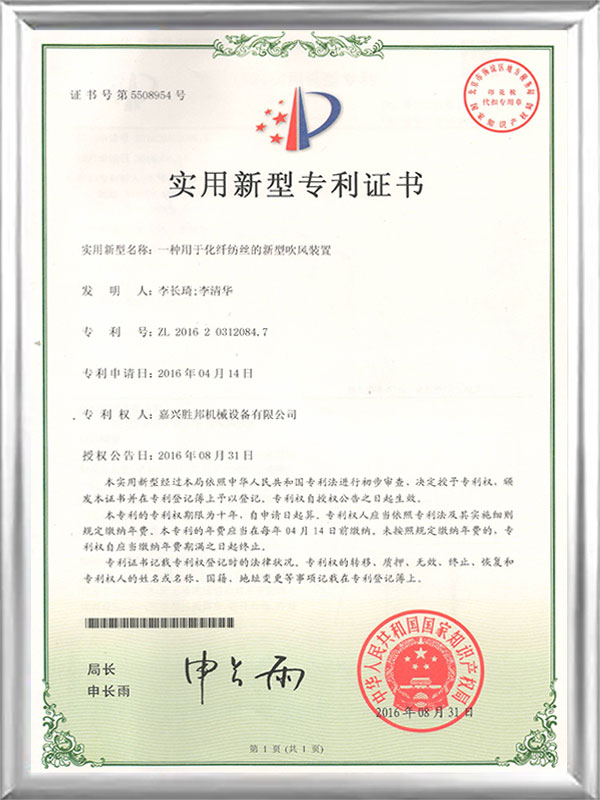
When a POY or FDY spinning line stops without warning, the root cause is rarely dramatic. More often, it is a worn bearing inside a contact roll, a shift fork ...
View MoreOn a chemical fiber spinning line, the godet shell is one of those components that only gets noticed when something goes wrong. It runs hot, it runs fast, and ...
View MoreA take-up winder is the last machine a filament meets before it becomes a package. Whether your line runs POY, FDY, HOY or heavy industrial yarn, the winder de...
View MoreEvery spool of filament yarn begins its life on a spinning production line. In the chemical fiber industry, this line is not a single machine but an integrated...
View MoreADDRESS: No.1298, Zhouan Road, Economic and Technological Development District, Jiaxing City, Zhejiang Province
PHONE: +86 19057031687
TEL: 86-0573-83777752
EMAIL: [email protected]
Jiaxing Shengbang Mechanical Equipment Co., Ltd. All Rights Reserved. Wholesale Tensioning Block for TMT Chuck Suppliers
