

 English
 عربى
عربى русский
 简体中文
简体中文







For bobbin forming
Home / Product / TMT Spinning Machine Parts / Winder Parts / Conical Lock Ring / HC-092 Lock Ring for TMT Chuck
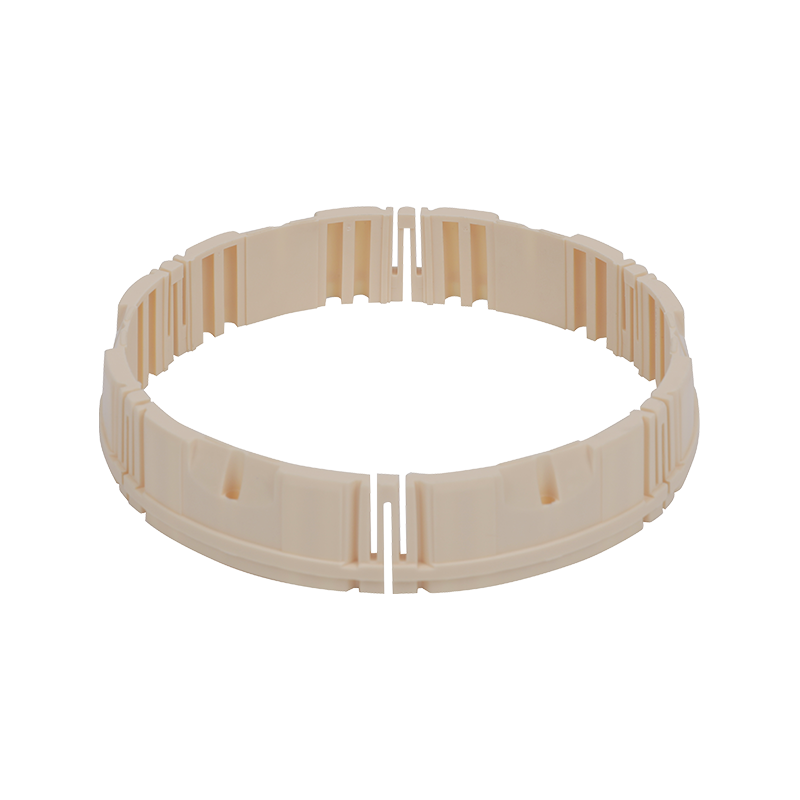
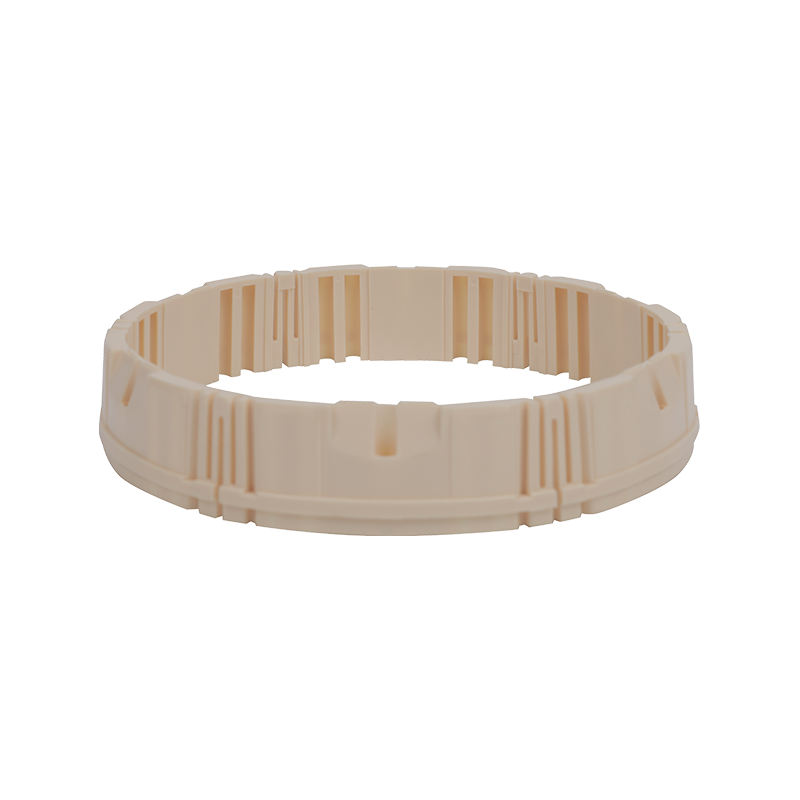
φ120mm Perforated pink
I. Historical Evolution of TMT Spindles
The TMT spindle (also termed bobbin holder or chuck) is the primary rotating component of the TMT winding head, carrying bobbins at high speed to form yarn packages. TMT Machinery, Inc. was established in 2002 as a joint venture between Toray Engineering, Murata Machinery, and Teijin Seiki (Nabtesco), and holds approximately a 40% share of the global synthetic fiber machinery market. However, TMT's technical heritage substantially predates the company's formal establishment: the three parent companies collectively accumulated over 50 years of engineering experience in synthetic fiber machinery, and the evolution of spindle systems directly reflects this history.
Phase 1: Early machine era (1970s–1990s, Toray Engineering/Murata era) Early spindle systems featured relatively short chucks (approximately 600–800 mm), spinning speeds up to approximately 3,500 m/min, grease-lubricated ball bearings, and simple elastic clamping mechanisms with cast aluminum spindle bodies.
Phase 2: V-series era (1990s) As POY spinning speeds broke through 4,000 m/min, TMT's predecessor companies introduced the V01/V02 series. Key upgrades: precision angular contact ball bearings (P4 grade) replaced simple grease bearings; the bobbin clamping mechanism introduced the elastic expansion ring (涨圈) system for reliable keyless clamping; spindle shafts advanced from cast aluminum to precision-machined high-strength aluminum alloy with micrometer-level cylindricity tolerances.
Phase 3: ATi series — technology integration milestone (2002–present) ATi (Advanced Technology and Integration) represents TMT's post-2002 winder platform, integrating the best technologies and patents from all three founding companies. The ATi series covers chuck lengths from 1,200 to 1,520 mm with rotary or cam traverse options. Over the past 20 to 30 years, bobbin holder length has tripled from 600 mm to 1,800 mm, and the number of thread lines has increased three to four times, demonstrating that productivity has grown by corresponding amounts. Spinning speeds reached 5,500 m/min (approximately equivalent to a 300 km/h bullet train). The expansion ring system became standardized, with HC-092, HC-094, and related part numbers achieving widespread deployment in synthetic fiber plants worldwide.
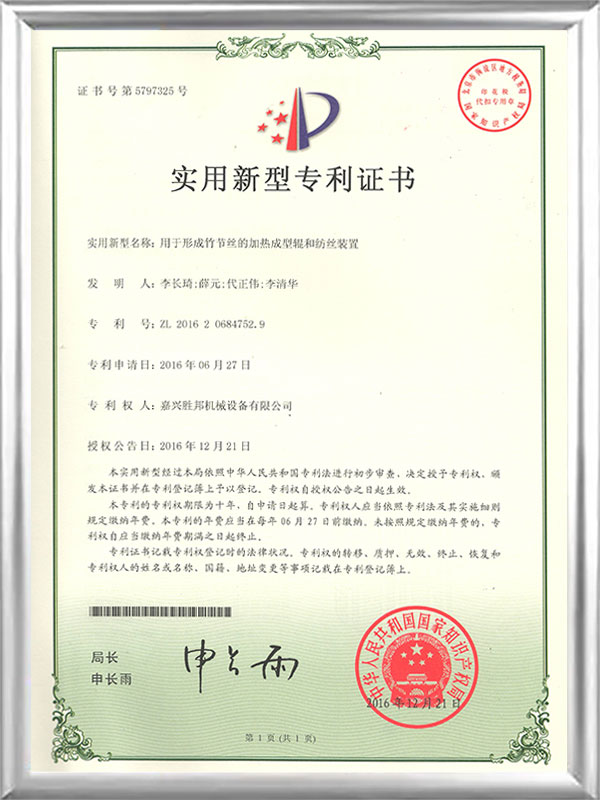
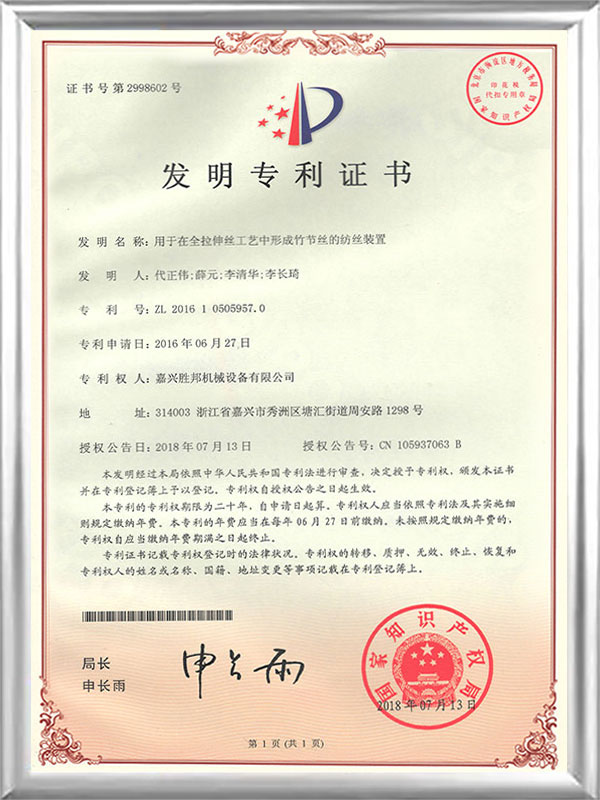
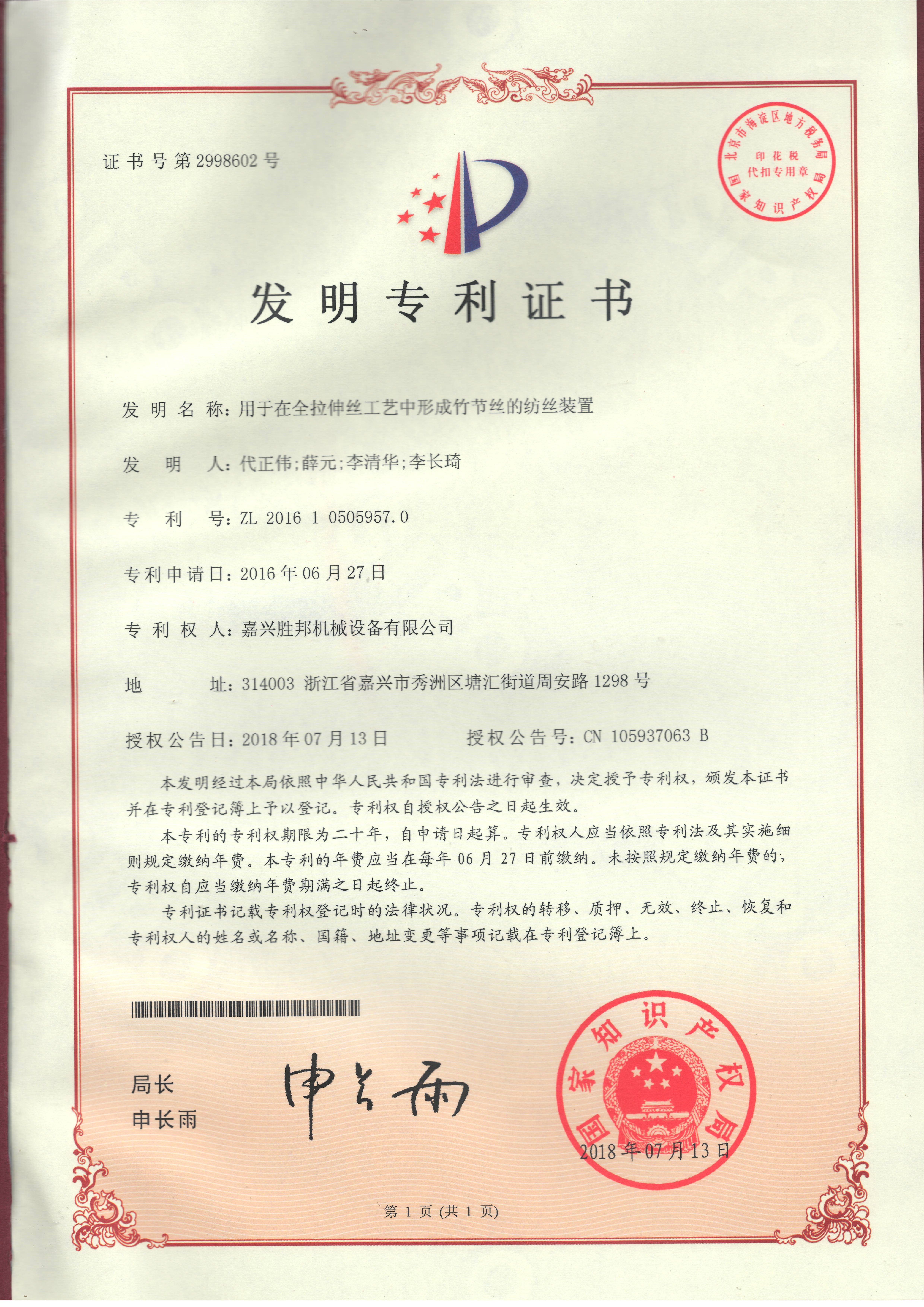
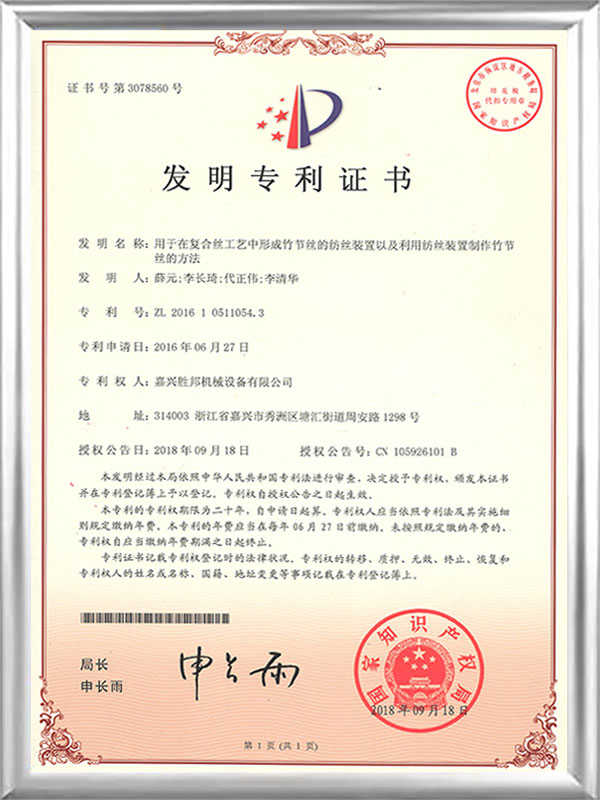
Phase 4: With the widespread adoption of TMT machine in China, a significant number of domestic enterprises specializing in equipment repair and maintenance services have emerged. Among them, Jiaxing Shengbang Machinery Co., Ltd. is the earliest company to have achieved the capability for full-component repair of imported Barmag winding equipment.
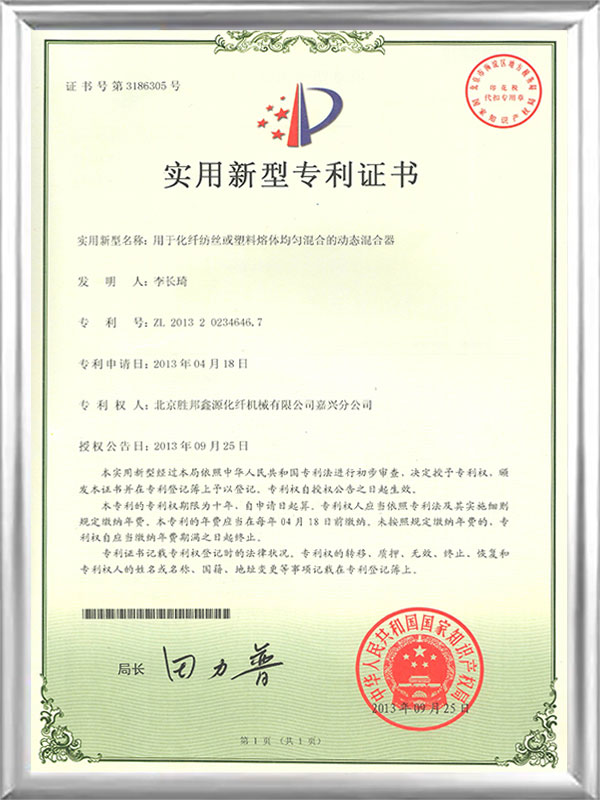
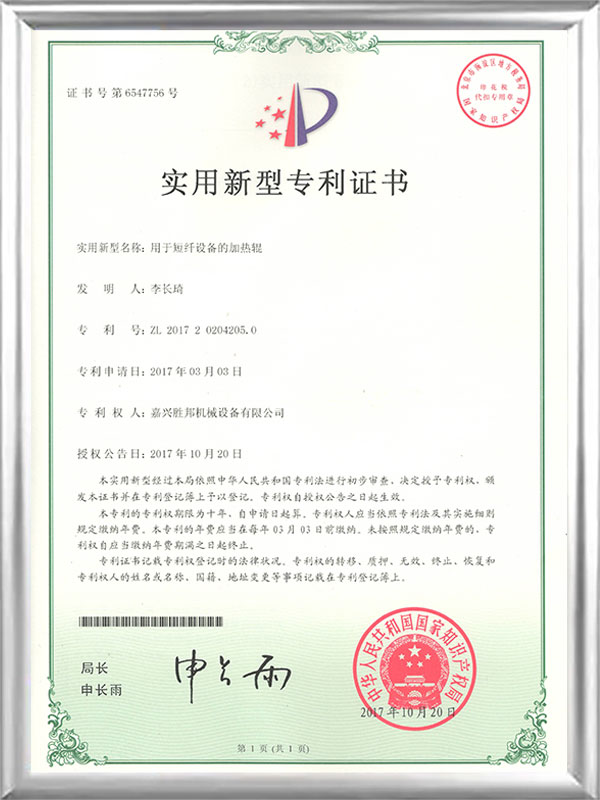
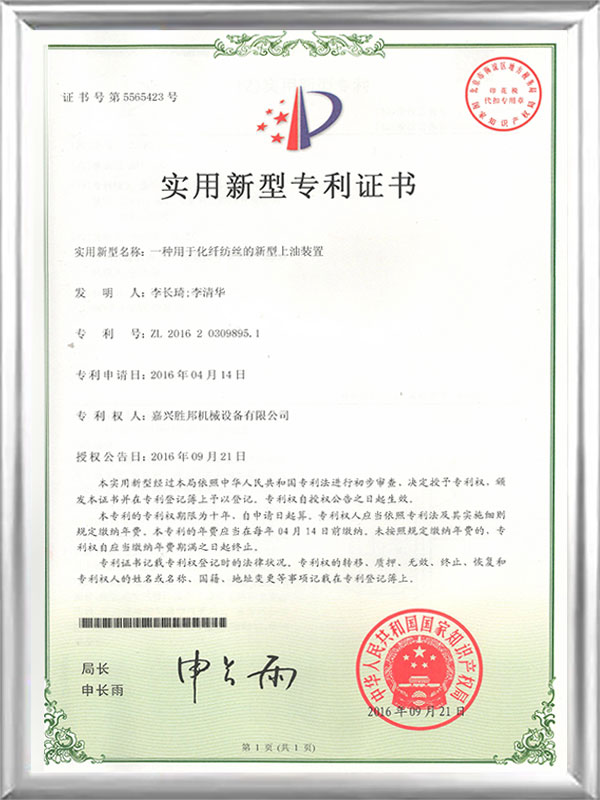
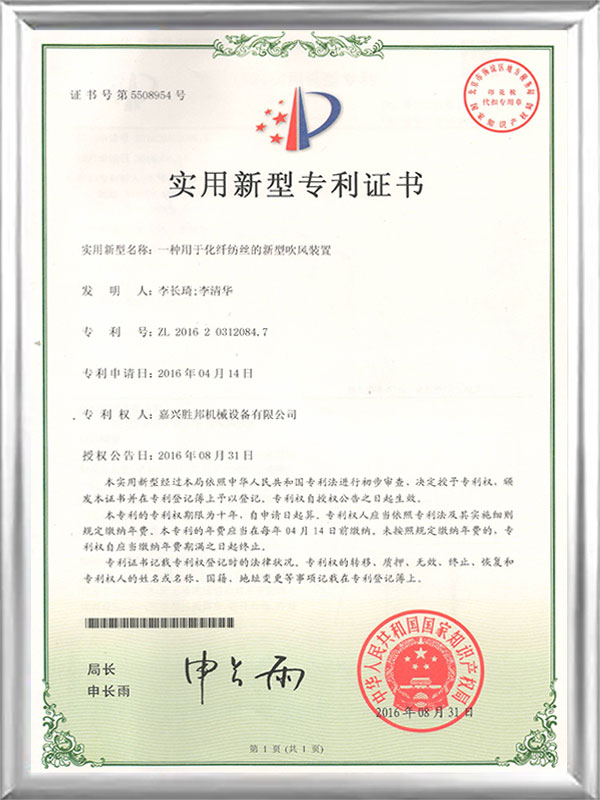
The company is equipped with a comprehensive suite of advanced manufacturing, testing, and diagnostic facilities, including
Leveraging our robust technical expertise, state-of-the-art facilities, and strategic geographical advantages, we have established long-term, stable partnerships with industry-leading giants such as Tongkun Group, Xinfengming Group, Hengli Group, and Shenghong Holding. Our commitment to excellence has earned consistent ac-claim across the chemical fiber industry.
II. Technical Characteristics
III. Principal Models and Classification
Classification by winder model: V-series (early, 600–1,000 mm chuck, up to 4,000 m/min); ATi-4 series (1,200–1,520 mm, up to 5,500 m/min, 10–12 ends); ATi-6 series for FDY (1,200–1,520 mm, up to 7,000 m/min, 12–32 ends); ORCA series (1,520–1,800 mm, up to 5,500 m/min, 12 ends); MANTA series for FDY (1,520 mm, up to 7,000 m/min, 32 ends); ATi-H for industrial yarn (600–1,350 mm, 2–6 ends); ATi-459α for spandex.
Classification by shaft length: short (600–1,000 mm, IDY/spandex); standard (1,200–1,440 mm, mainstream POY/FDY); long (1,520 mm, ATi high-efficiency); ultra-long (1,800 mm, ORCA 15 kg package).
Classification by drive type: direct drive (servo motor directly coupled to spindle shaft, no power transmission loss, high-end models); belt drive (V-belt speed reduction, some earlier models, slightly lower maintenance cost).
IV. Spindle Materials and Structure
Spindle shaft material: aluminum alloy (AlZnMgCu) or equivalent aerospace-grade high-strength aluminum; hard anodised surface treatment.
Bearing system: precision angular contact ball bearings, P4 or P2 grade.
Bobbin contact surface: Aluminum alloy with anodised finish to provide controlled micro-friction against the bobbin inner bore. Ring groove spacing corresponds precisely to standard bobbin inner bore spacings.
V. Installation Requirements and Procedure
Pre-installation requirements: Full LOTO procedure; turret locked in maintenance position; torque wrench; copper mallet; spindle installation tooling; dial indicator and magnetic base. Absolutely prohibited: direct hammer blows on the spindle end face; gripping the finished spindle shaft surface with a standard wrench.
Installation steps: (1) Pre-install inspection and IPA cleaning of all mating surfaces. (2) Remove old spindle. (3) Clean turret bore and verify dimensions. (4) Insert new spindle axially, maintaining co-axiality; tighten all fasteners in cross-pattern three-pass sequence to specified torques. (5) Measure end-face radial runout. (6) Verify expansion ring installation (see next section). (7) Trial run.
VI. Expansion Ring Materials and Structure
The expansion ring (涨圈; Japanese: 拡張リング) is the most critical consumable wear component on the TMT spindle. Its core function is to provide radial elastic clamping force between the spindle outer diameter and the bobbin inner bore, ensuring that bobbins do not slide axially or circumferentially during winding, whilst allowing easy manual removal during doffing.
VII. HC-092 Expansion Rings
HC-092 is one of the most representative standard model numbers in the TMT expansion ring series, with the largest in-service population globally among synthetic fiber plants. It‘s more susceptible to fatigue at high speed
Model numbering logic: HC (Holder Chuck) + numeric suffix indicating the ring groove/spindle diameter specification. HC-092 corresponds to smaller-diameter spindles winders.
Key commonalities: HC-092 is polyurethane elastomer O-rings; HC-092 is achieve keyless bobbin clamping through elastic radial force; both are installed by hand in ring grooves without tools; HC-092 is removed with a small hook tool; HC-092 is cleaned with water or neutral detergent (never organic solvents); HC-092 share the same retirement criteria (hardening, cracking, deformation, or insufficient clamping force); HC-092 require cool, dark, sealed storage without stacking.
VIII. Expansion Ring Installation Requirements and Procedure
Pre-installation requirements: Spindle must be stopped and motor de-energized (LOTO). Clean ring grooves with IPA or water. Verify new ring model number matches spindle requirement. Visually inspect each new ring for damage.
Step 1: Remove old rings. Using a small rounded-tip hook tool mm stainless wire, tip polished smooth to avoid scratching the groove), insert under the ring and rotate to lift it out. Never cut with a blade — groove damage will result.
Step 2: Clean grooves. Wipe with IPA-soaked lint-free cloth. Blow with compressed air. Inspect groove walls for wear grooves or burrs; dress with a fine oilstone if necessary.
Step 3: Install new rings.
Step 4: Full verification. Inspect all rings on the spindle for consistent installation. Record replacement date and quantity.
Step 5: Functional verification.
IX. Service Life and Important Precautions
Service life influencing factors:
Spinning speed is the most critical factor: at speeds ≤3,500 m/min, PU standard rings typically last 15–24 months; at 3,500–4,500 m/min, 12–18 months; at 4,500–6,000 m/min, 6–12 months; above 6,000 m/min (high-speed FDY), 4–8 months.
Spin finish agent composition (esters, alcohols) causes PU swelling (typically 1–5% volume increase) and modulus reduction over time. Selecting a ring material grade compatible with the specific finish agent chemistry is essential.
Ambient temperature in the spinning zone (typically 35–50°C) accelerates PU ageing; rings on FDY spindles near hot godets age approximately 1.5–2× faster than those in ambient-temperature zones.
Bobbin inner bore dimensional tolerance must be within ±0.2 mm of the target — excessive diameter causes slipping; insufficient diameter causes over-compression and accelerated fatigue.
Key precautions:
Safety: never touch the expansion ring area while the spindle is rotating above 5,000 rpm — a damaged ring can become a projectile. Inspect ring condition immediately after each doffing cycle.
Operation: All ring grooves must be thoroughly cleaned before new ring installation. Rings from different production batches (even the same model number) should not be mixed on a single spindle, as hardness variations between batches cause uneven clamping force distribution.
Quality control: conduct quarterly Shore hardness spot-checks on in-service rings compared to the original specification; initiate early replacement if a hardening trend is detected. Maintain a ring usage log recording replacement dates per spindle to enable predictive maintenance.
Procurement: priorities TMT original or highly recognized manufacturer’s(like Jiaxing Shengbang Mechanical Equipment Co., Ltd.) expansion rings is reliable.
FAQ
What services does Shengbang offer?
Our first-class engineering and technical team, along with advanced and complete production and testing equipment, provides a solid guarantee for us to deliver first-class services to chemical fiber enterprises. Adhering to independent innovation as its core tenet, the company takes it as its responsibility to provide long-term, stable and comprehensive technical services for major chemical fiber enterprises, helping the industry achieve high-quality development.
What is the core competitiveness of Shengbang?
We own advanced and complete equipment for the production, inspection, testing and maintenance of chemical fiber machinery, including multi-functional CNC machine tools, original balance correction equipment from Schenck Process GmbH (Germany), plasma spraying equipment from the 625th Institute of the Ministry of Aerospace Science and Technology, and original godet thermal calibration instruments from Barmag AG (Germany). Based on our rich experience and mature system integration technology in the field of chemical fiber production, we have successfully developed a revolutionary prototype multi-purpose spinning machine, through which flexible production switching can be easily realized between single-component, dual-component, multi-component, Pre-oriented Yarn (POY), Fully Drawn Yarn (FDY), medium-strength yarn, ultra-fine yarn and industrial yarn.
This article synthesizes information from TMT Machinery Inc. publicly available technical materials, industry engineering practice experience, and synthetic fiber equipment component supplier data. The precise dimensional parameters for HC-092 and HC-094 must ultimately be determined by reference to the TMT original Maintenance Manual and Spare Parts Catalogue. All values stated in this article are for engineering reference purposes only.
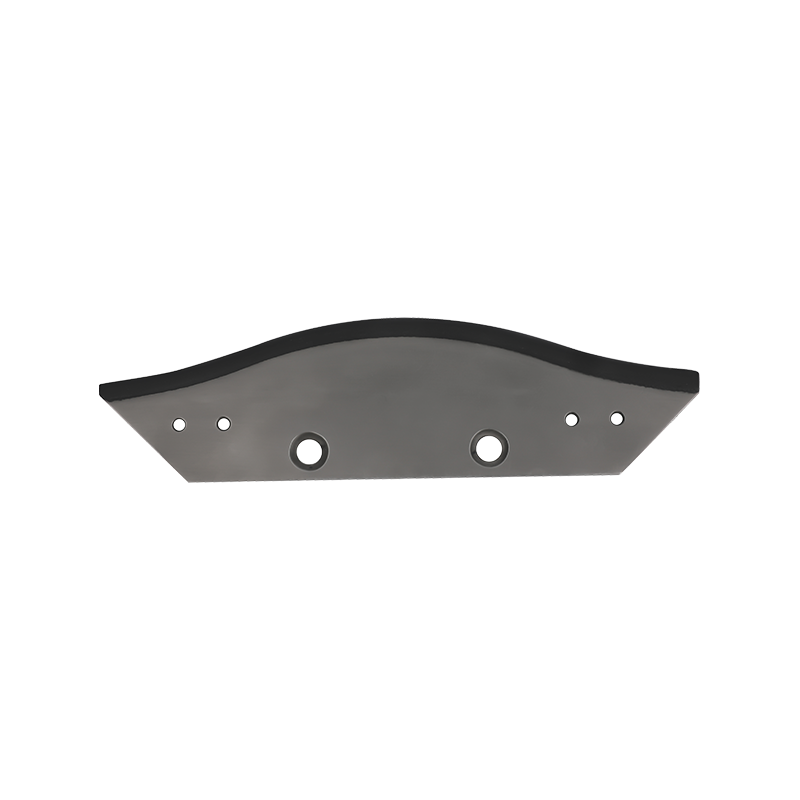
For bobbin forming
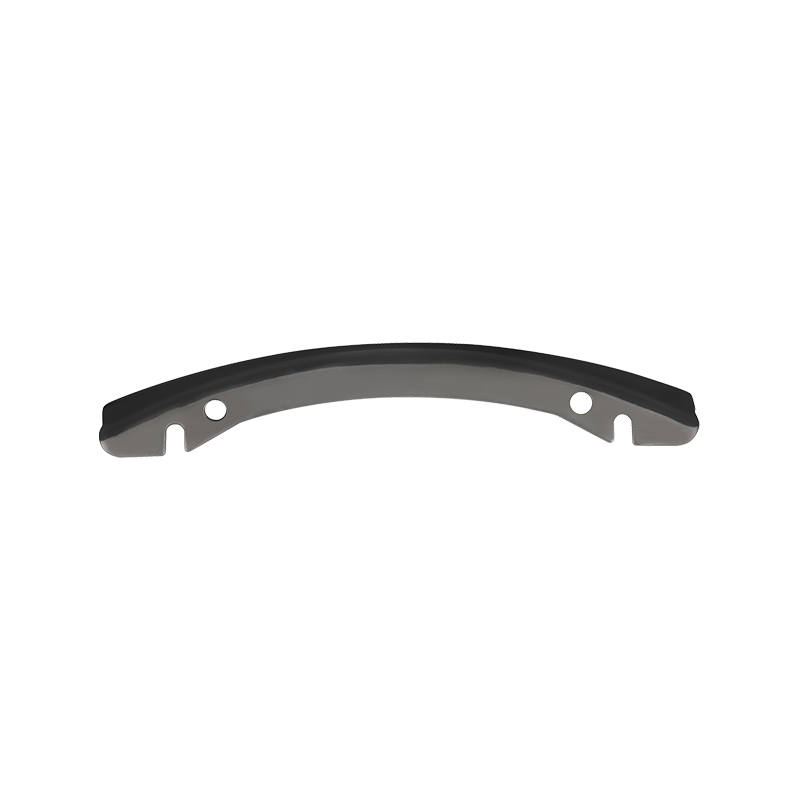
For bobbin forming
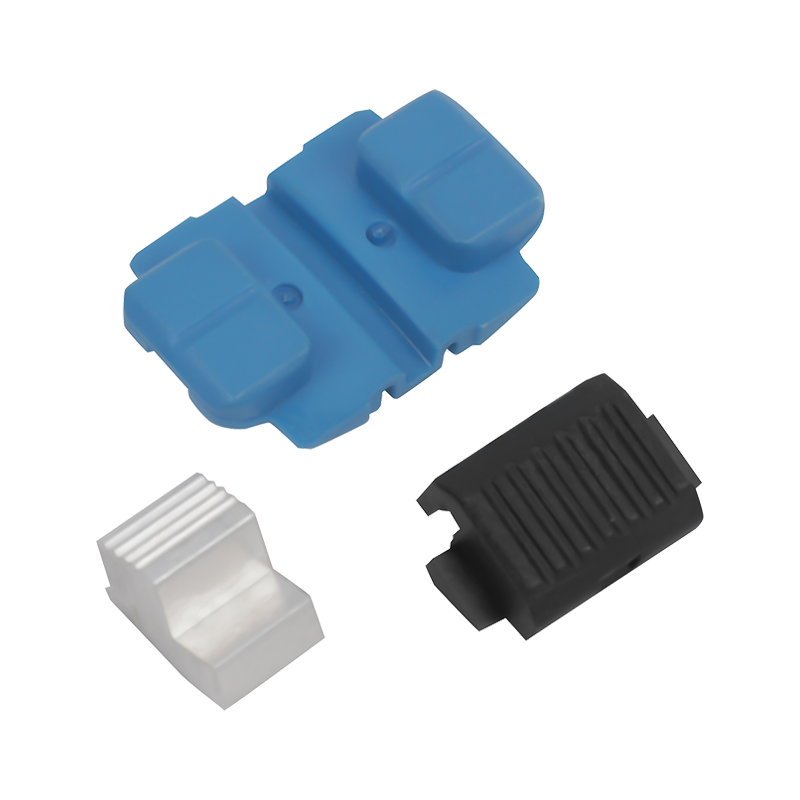
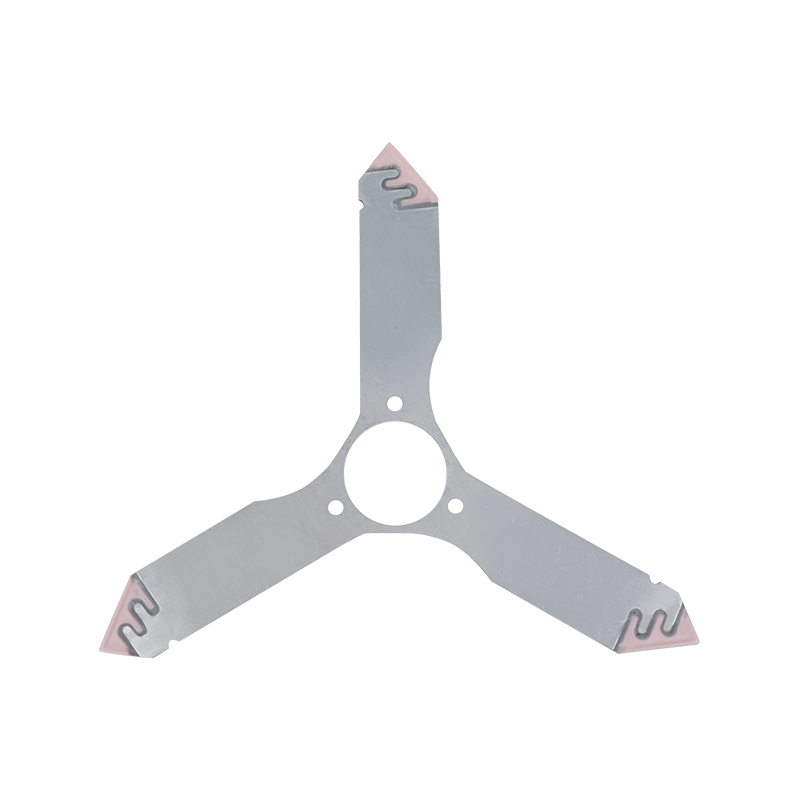
All the shift forks of our company have passed the test of practical application in chemic...
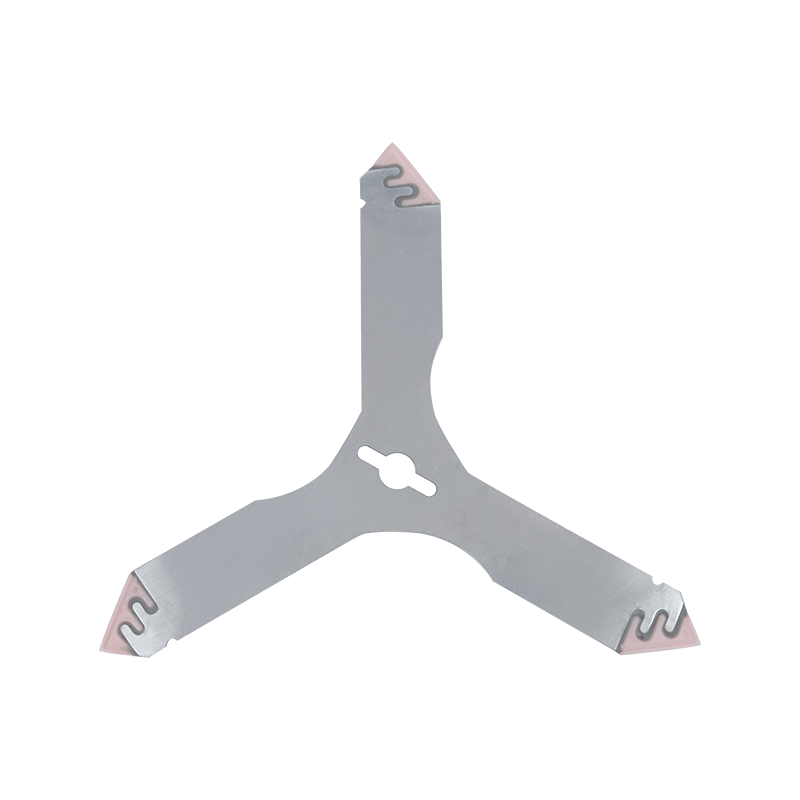
All the shift forks of our company have passed the test of practical application in chemic...
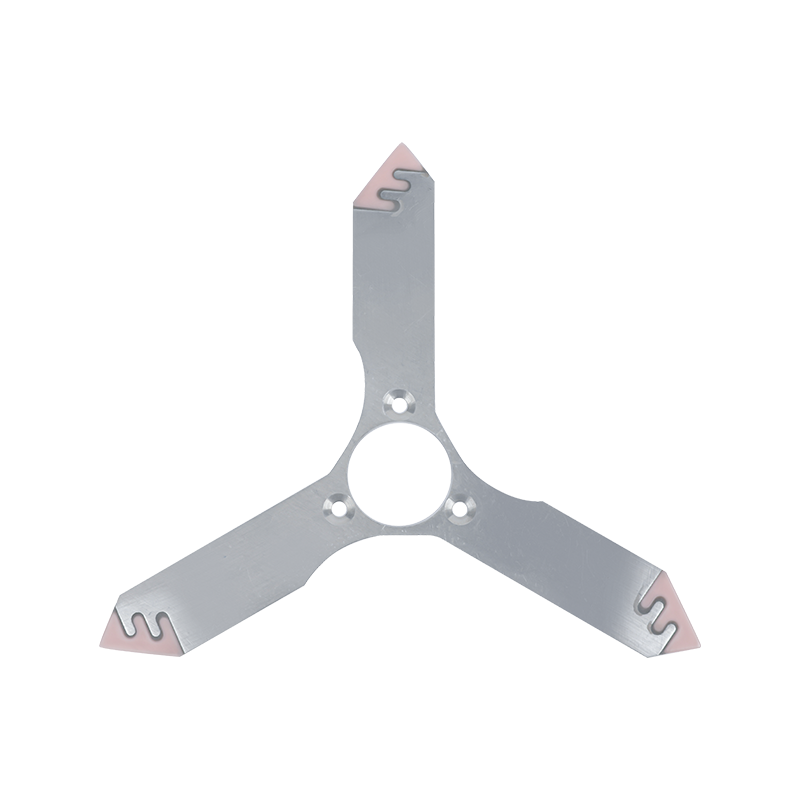
All the shift forks of our company have passed the test of practical application in chemic...

When a POY or FDY spinning line stops without warning, the root cause is rarely dramatic. More often, it is a worn bearing inside a contact roll, a shift fork ...
View MoreOn a chemical fiber spinning line, the godet shell is one of those components that only gets noticed when something goes wrong. It runs hot, it runs fast, and ...
View MoreA take-up winder is the last machine a filament meets before it becomes a package. Whether your line runs POY, FDY, HOY or heavy industrial yarn, the winder de...
View MoreEvery spool of filament yarn begins its life on a spinning production line. In the chemical fiber industry, this line is not a single machine but an integrated...
View MoreADDRESS: No.1298, Zhouan Road, Economic and Technological Development District, Jiaxing City, Zhejiang Province
PHONE: +86 19057031687
TEL: 86-0573-83777752
EMAIL: [email protected]
Jiaxing Shengbang Mechanical Equipment Co., Ltd. All Rights Reserved. Wholesale HC-092 Lock Ring for TMT Chuck Suppliers
