

 English
 عربى
عربى русский
 简体中文
简体中文







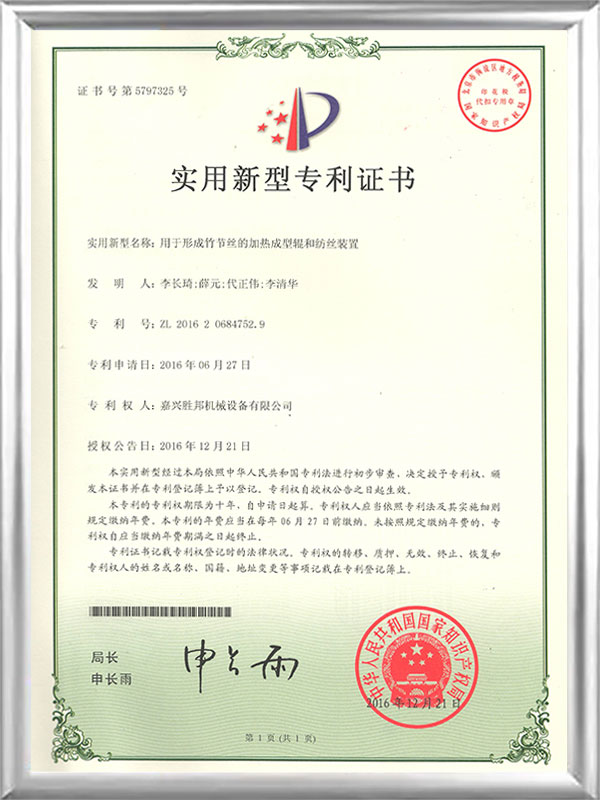
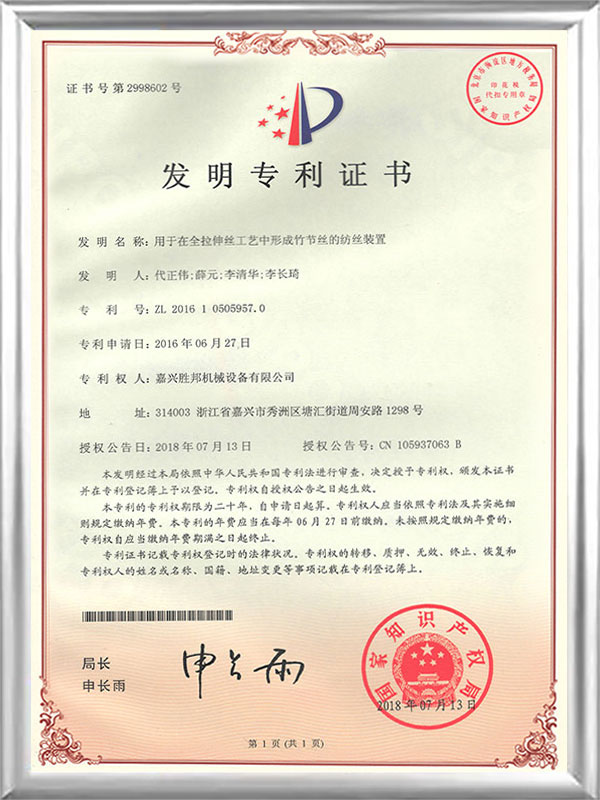
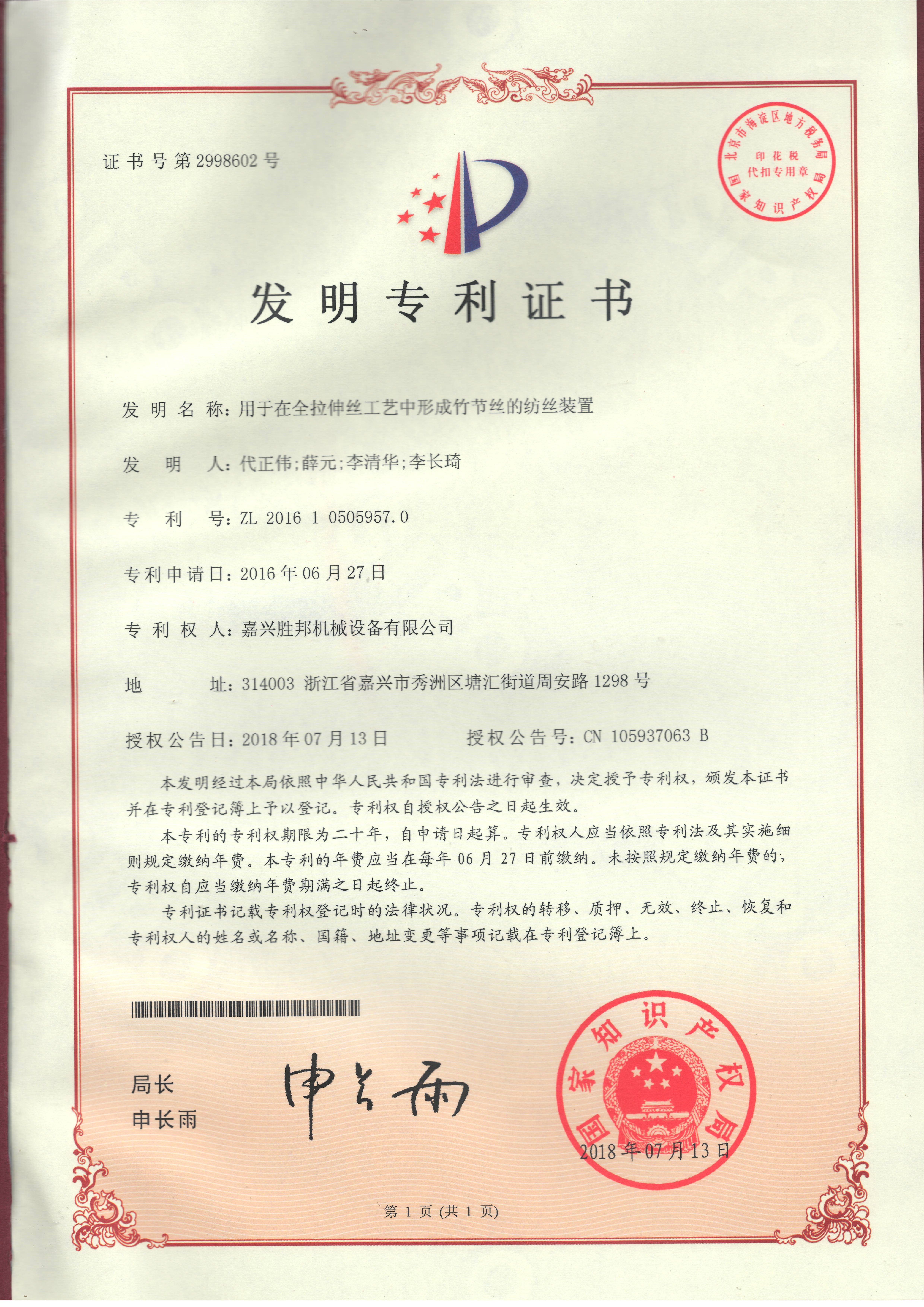
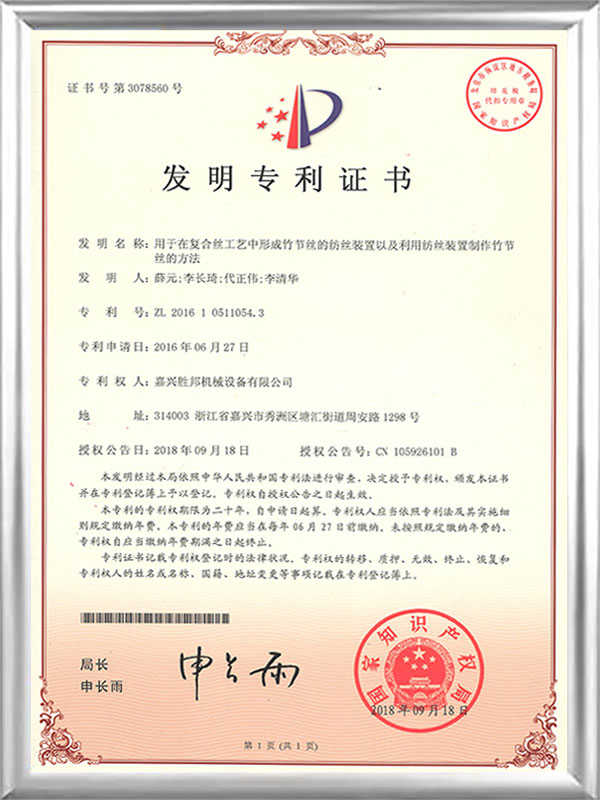
Barmag’s shift forks, which are produced by our company for Barmag in Germany, have passed...
Home / Product / Barmag Spinning Machine Parts / Winder Parts / Yarn Guide Rod / Yarn Guide Rod for Barmag 1430 Chuck
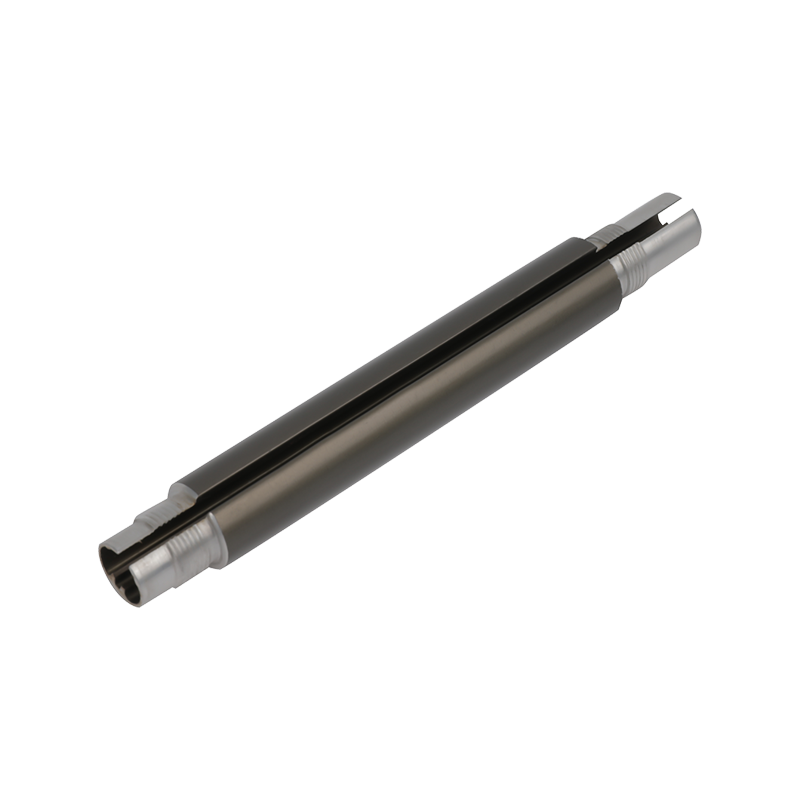
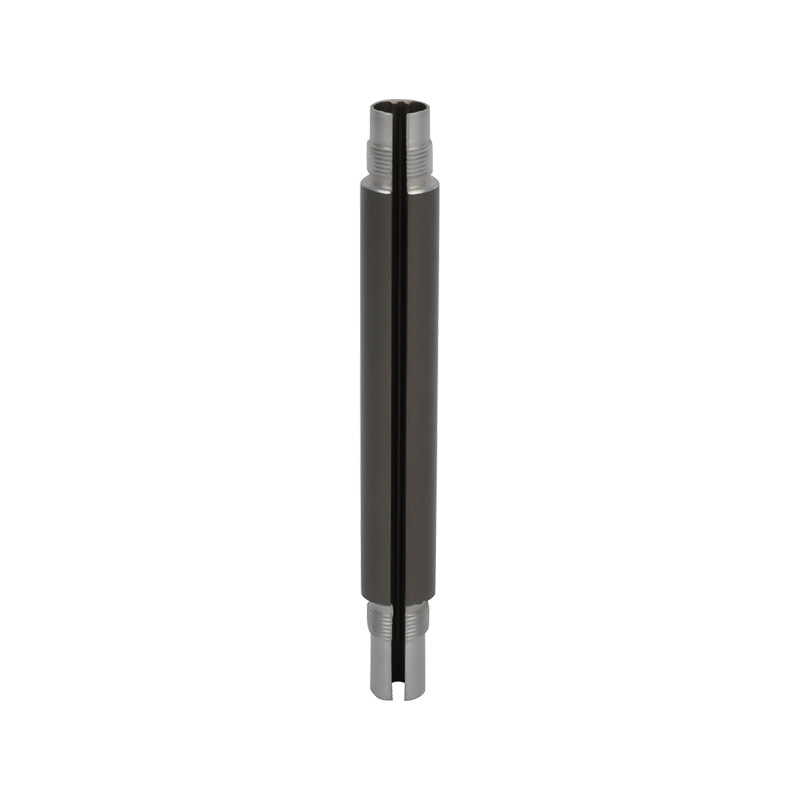
For Barmag 1430 Chuck with the different ends.
1. Core Functions
During the high-speed spinning process, the winder operates at extreme speeds. When the package is full, the system must switch to a new empty tube. The functions are as follows:
Yarn Guiding: At the moment of doffing, it "swings" the yarn from the full package toward the catching groove of the paper tube.
Tail Formation: It reserves a specific length of "transfer tail" at one end of the paper tube to facilitate downstream splicing.
Cutting Assistance: Working in coordination with the cutting blade, it ensures the old yarn is severed instantly during doffing while the new yarn is securely fixed onto the empty tube.
2. Importance
Improper adjustment or failure of the tail wing will directly lead to the following issues:
Doffing Failure: The yarn fails to be caught by the new tube, resulting in yarn waste accumulation (commonly known as "tangled yarn").
Inconsistent Tail Length: Tails that are too long or too short can negatively impact the grade and quality rating of the finished yarn.
Equipment Wear: Inaccurate mechanical impacts during high-speed operation can significantly shorten the service life of the winder.
3. Application Scenarios
This component is widely used in Barmag’s classic models, including:
POY (Partially Oriented Yarn) Winders
FDY (Fully Drawn Yarn) Winders
Common Series: ACW, iQON, and WINGS (although the WINGS series features highly integrated mechanical structures, its fundamental logic of "swinging and catching" remains the same).
Maintenance Key Points:
Pneumatic Pressure: Since the tail wing action is mostly pneumatically controlled, unstable air pressure can cause sluggish movement. It is essential to check the cylinder seals regularly and perform routine drainage.
Wear and Tear: The head of the rod is in constant contact with high-speed yarn. Once the surface coating wears out, it can cause yarn snagging or "flying filaments." We recommend regular inspections and timely replacement.
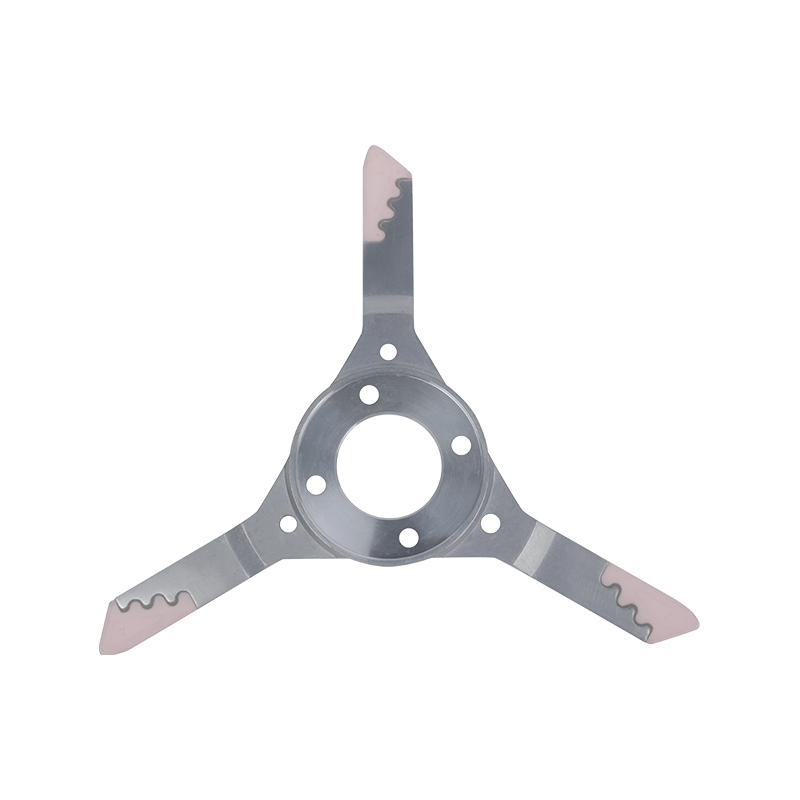
Barmag’s shift forks, which are produced by our company for Barmag in Germany, have passed...
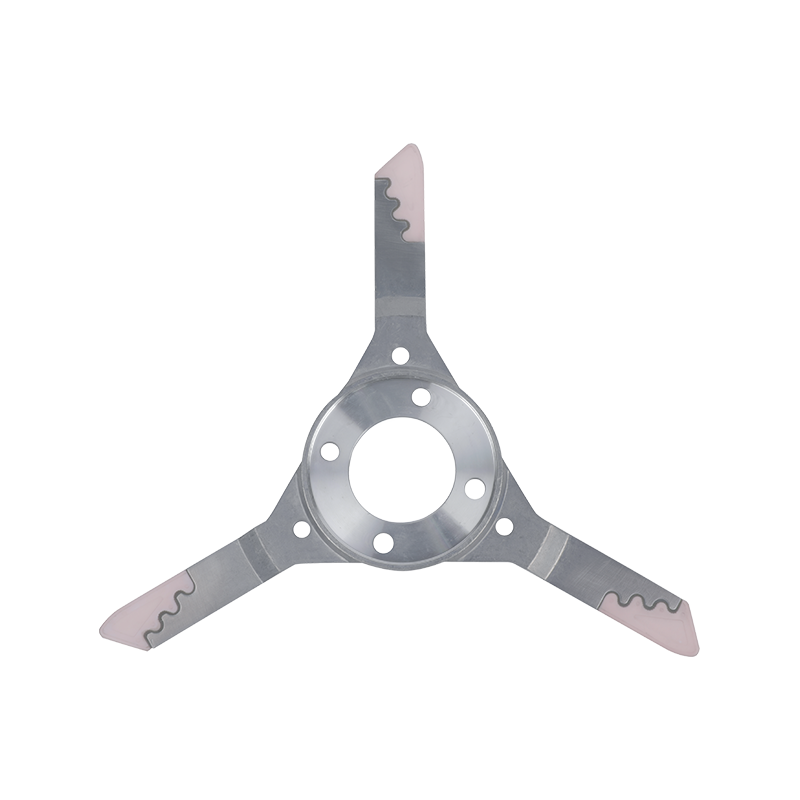
Barmag’s shift forks, which are produced by our company for Barmag in Germany, have passed...
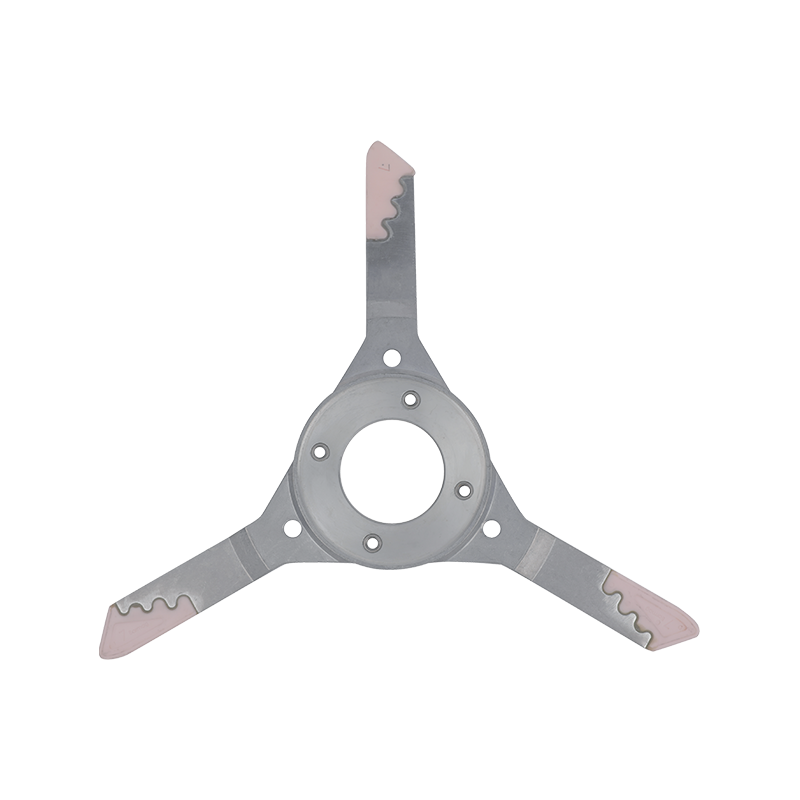
Barmag’s shift forks, which are produced by our company for Barmag in Germany, have passed...
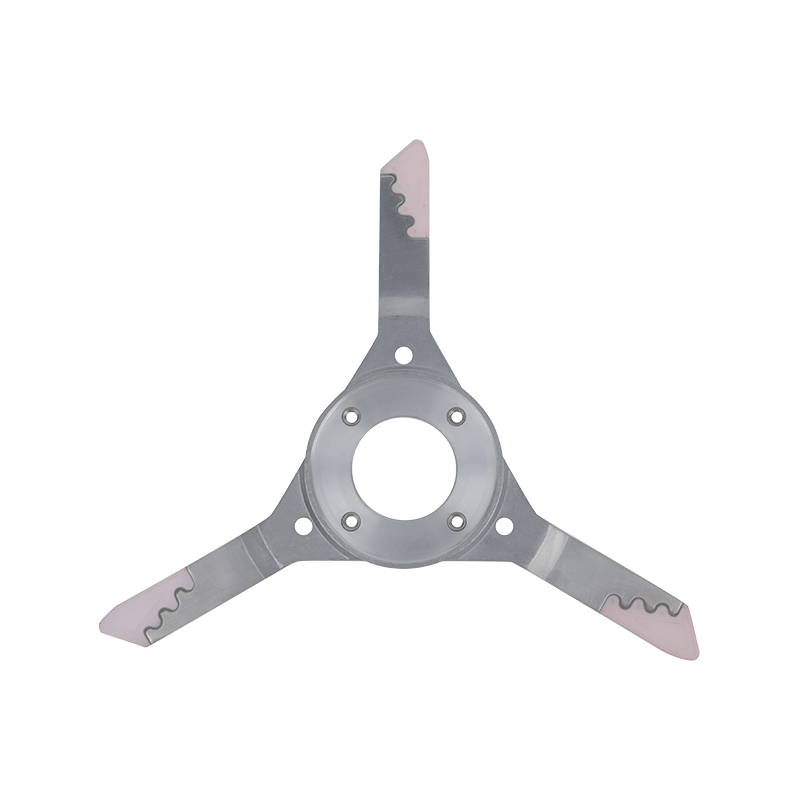
Barmag’s shift forks, which are produced by our company for Barmag in Germany, have passed...
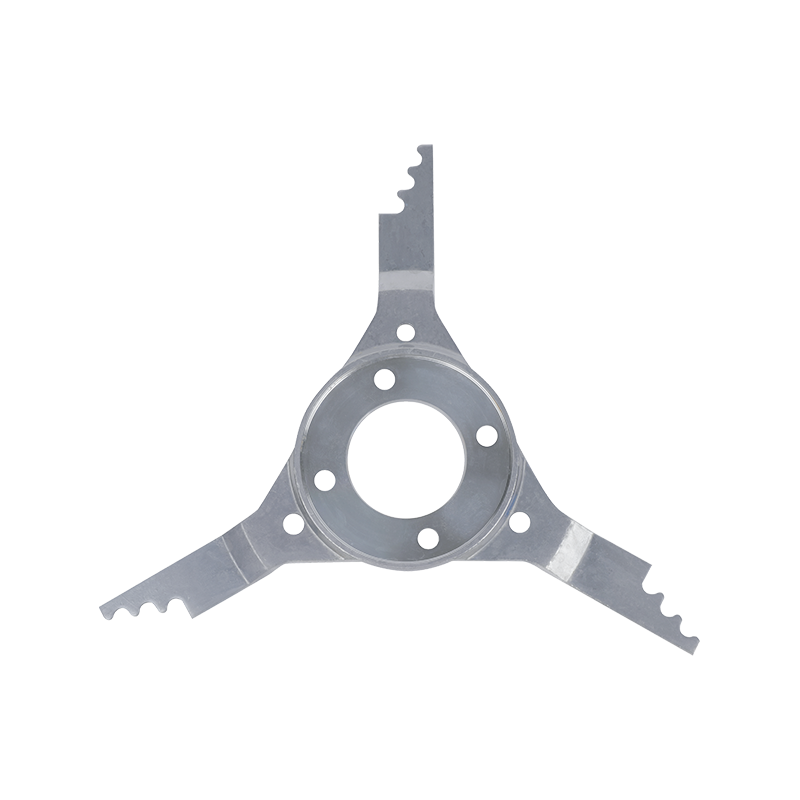
Barmag’s shift forks, which are produced by our company for Barmag in Germany, have passed...
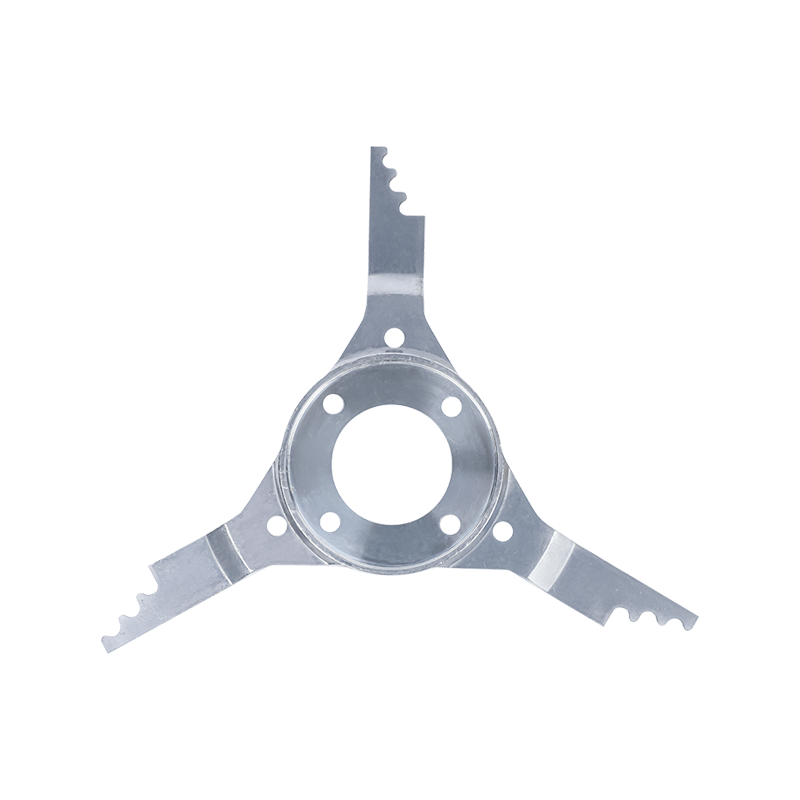
Barmag’s shift forks, which are produced by our company for Barmag in Germany, have passed...

When a POY or FDY spinning line stops without warning, the root cause is rarely dramatic. More often, it is a worn bearing inside a contact roll, a shift fork ...
View MoreOn a chemical fiber spinning line, the godet shell is one of those components that only gets noticed when something goes wrong. It runs hot, it runs fast, and ...
View MoreA take-up winder is the last machine a filament meets before it becomes a package. Whether your line runs POY, FDY, HOY or heavy industrial yarn, the winder de...
View MoreEvery spool of filament yarn begins its life on a spinning production line. In the chemical fiber industry, this line is not a single machine but an integrated...
View MoreADDRESS: No.1298, Zhouan Road, Economic and Technological Development District, Jiaxing City, Zhejiang Province
PHONE: +86 19057031687
TEL: 86-0573-83777752
EMAIL: [email protected]
Jiaxing Shengbang Mechanical Equipment Co., Ltd. All Rights Reserved. Wholesale Yarn Guide Rod for Barmag 1430 Chuck Suppliers
